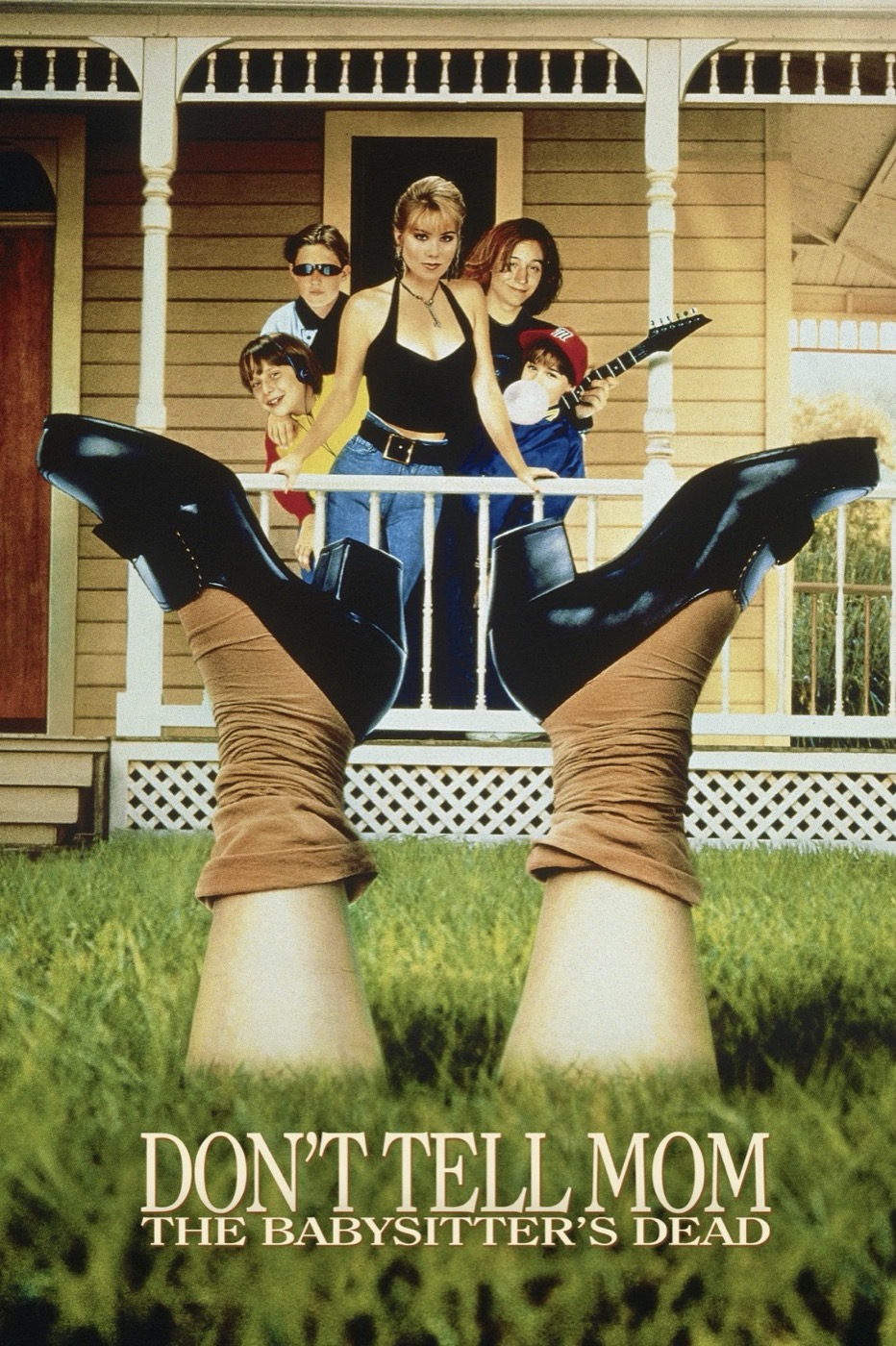
DON’T TELL MOM THE BABYSITTER’S DEAD (1991)
Five siblings are left alone all summer when their mom leaves town and the evil babysitter bites the dust.

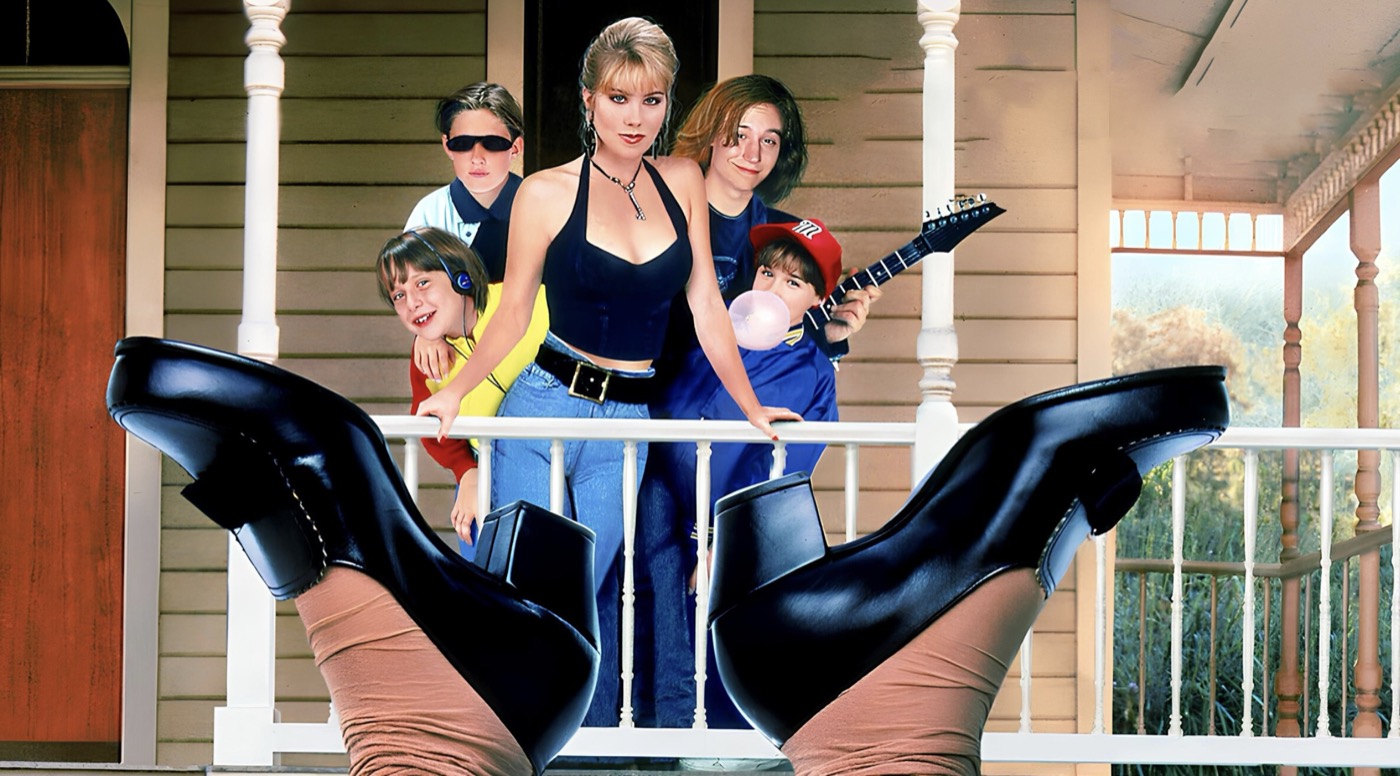

Five siblings are left alone all summer when their mom leaves town and the evil babysitter bites the dust.
When Risky Business (1983) arrived in cinemas, it completely disrupted the landscape of teen comedies. The genre’s familiar blend of raunchy humour and gratuitous exploitation gave way to mischievous coming-of-age narratives that mixed adolescent rebellion with anarchic wit. The enormous success of Paul Brickman’s classic quickly prompted rival studios to rush out their own variations on the formula.
Throughout the remainder of the decade and into the 1990s, Hollywood released a steady stream of comedies built around unlikely schemes, mistaken identities and adolescent hijinks. Paramount Pictures delivered Ferris Bueller’s Day Off (1986), Universal Pictures released The Secret of My Success (1987), and 20th Century Fox refined the concept for a family audience with Home Alone (1990). One of the more curious products of this cycle was the absurd dark comedy, Don’t Tell Mom the Babysitter’s Dead.
Inspired by Risky Business, aspiring screenwriter Neil Landau sought to rework its central conceit from a fresh perspective. After pairing up with co-writer Tara Ison in the mid-1980s, the duo developed the core premise for the film. Originally conceived under the title The Real World, the first draft quickly sparked a studio bidding war, with the project ultimately landing at 20th Century Fox.
Unfortunately, a series of revisions left the screenplay languishing in development hell until it was revived by Outlaw Productions towards the end of the decade. Under this new arrangement, the script underwent minor refinements while Outlaw secured additional financing through HBO. With Stephen Herek (Bill & Ted’s Excellent Adventure) attached to direct, Don’t Tell Mom the Babysitter’s Dead eventually emerged as an offbeat yet peculiarly memorable entry in the early-1990s teen comedy canon.
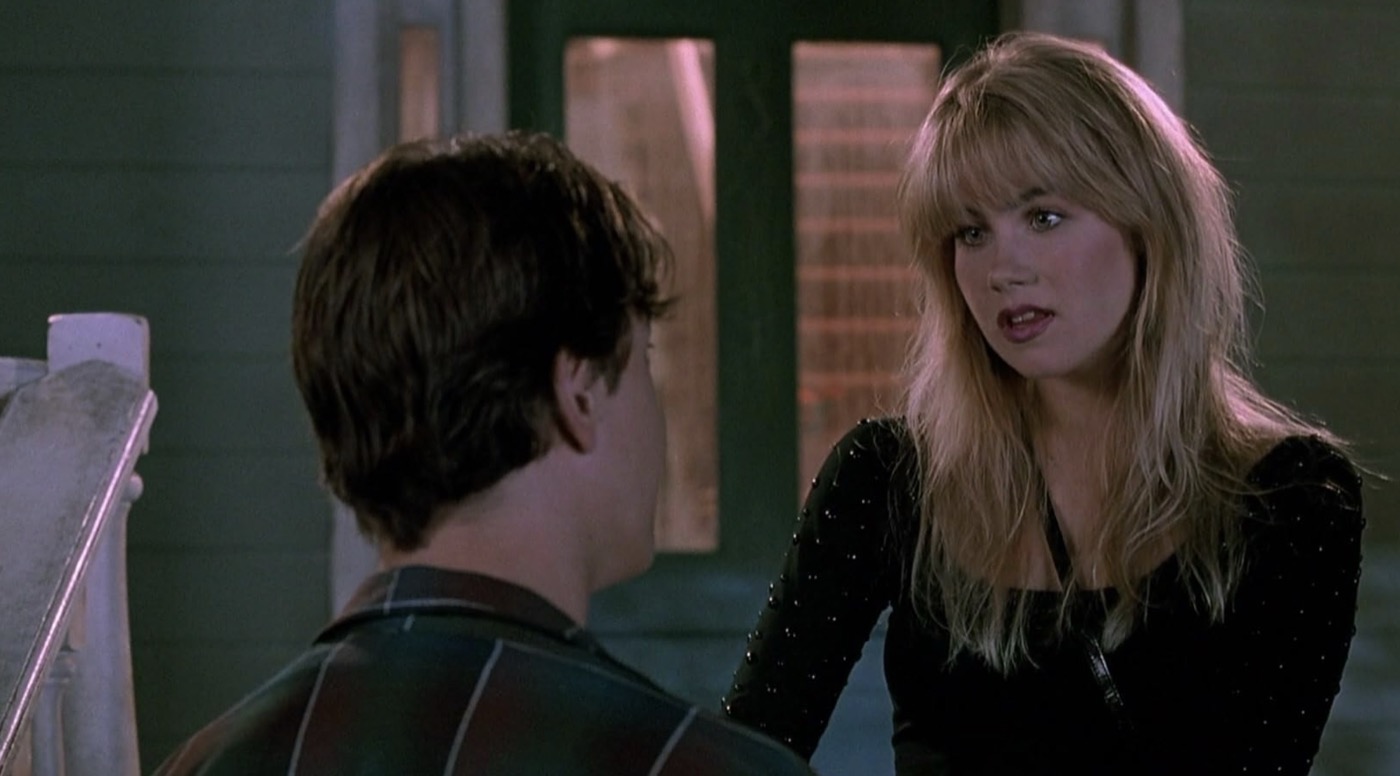
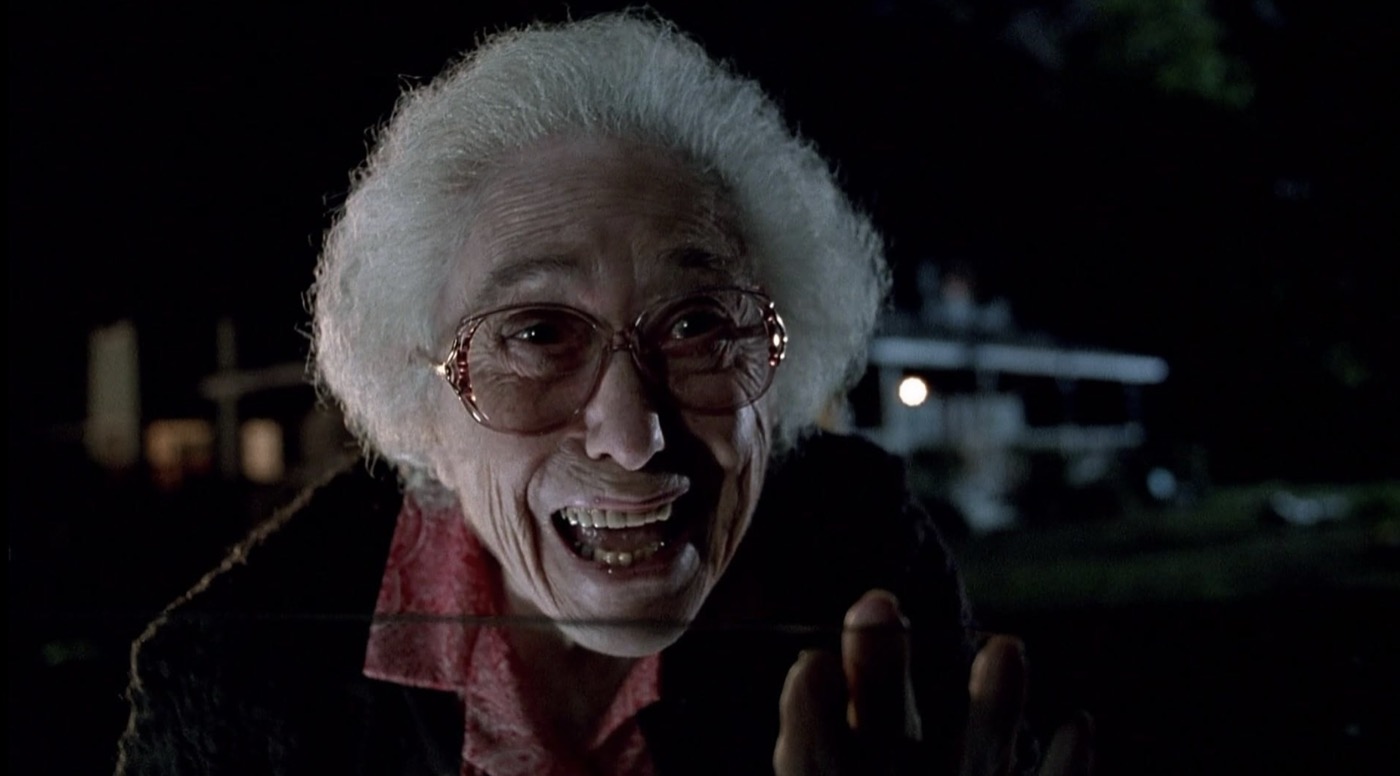
Set against the backdrop of a rural Los Angeles suburb, restless teenager Sue Ellen “Swell” Crandell (Christina Applegate) eagerly anticipates a carefree summer while her divorced mother (Concetta Tomei) travels to Australia. Her dreams are abruptly dashed when her mum hires Mrs Sturak (Eda Reiss Merin) to care for Swell and her younger siblings: Kenny (Keith Coogan), Zach (Christopher Pettiet), Melissa (Danielle Harris) and Walter (Robert Hy Gorman). Though the elderly babysitter initially appears harmless, she quickly reveals herself to be a harsh disciplinarian who rules the household with an iron fist. But when Swell encourages her siblings to confront the cantankerous babysitter and end her authoritarian reign of terror, they discover she has unexpectedly died in her sleep.
Fearing the consequences of informing either the authorities or their mother, the children decide to preserve their freedom and secretly dispose of the body. However, their newfound independence is short-lived once their funds begin to dwindle. Determined to keep the household running, Swell assumes responsibility for supporting the family. After fabricating a CV and posing as an experienced fashion executive, she secures a position at a prestigious clothing company. Despite her total lack of experience, her determination quickly earns her an executive administrative post. Yet, the higher Swell rises professionally, the harder it becomes to balance her burgeoning career, the challenges of raising her siblings, and hiding the truth about Mrs Sturak’s disappearance.
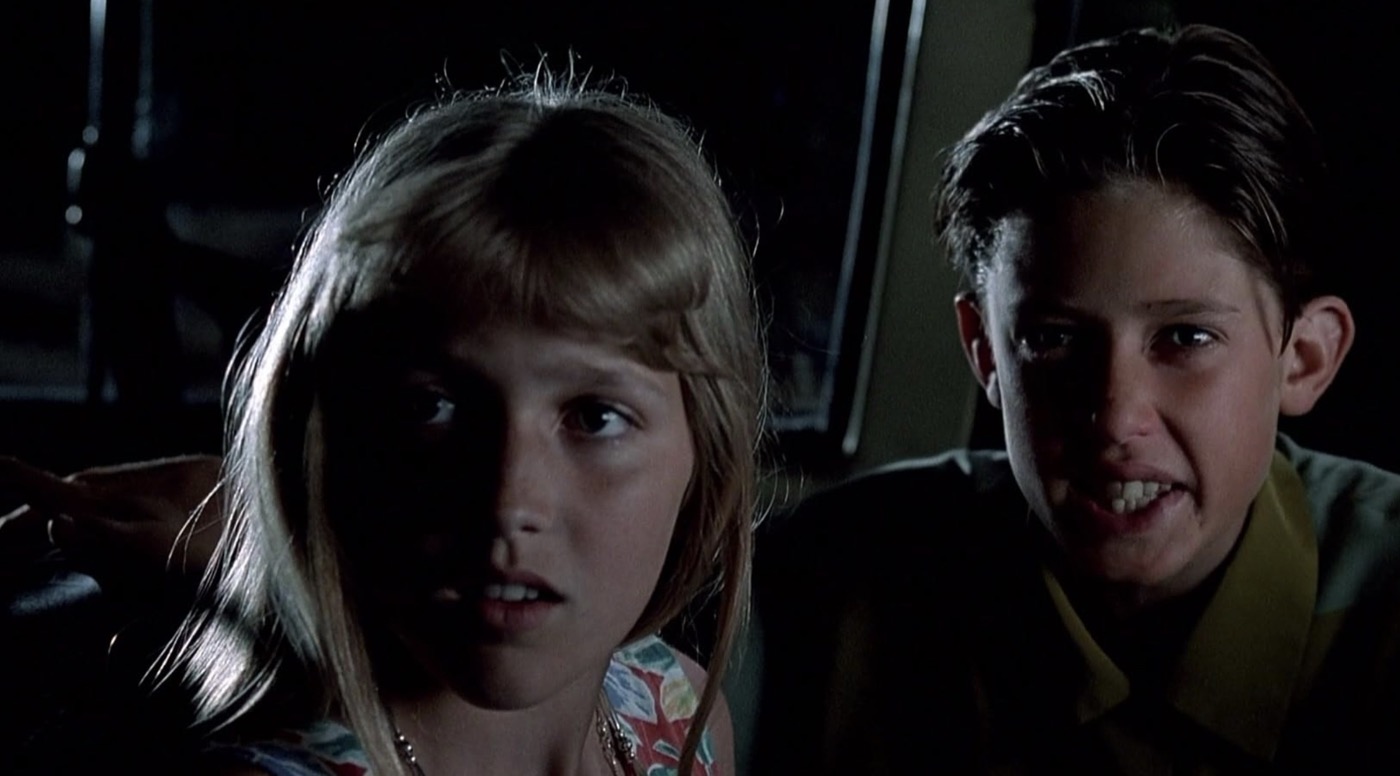
Having perfected the archetype of the seemingly vapid blonde and demonstrated a flair for impeccable comic timing as Kelly Bundy on Fox’s sitcom Married… with Children (1987–1997), Christina Applegate showcases her natural charisma and screen presence as Swell. As the carefree teenager unexpectedly forced to anchor her family, she deftly balances comedy, charm and genuine growth. Much like her television counterpart, her comedic sensibilities remain sharp, landing punchlines with a perfectly timed pout or exasperated glance. Yet, Applegate also imbues her character with enough sincerity to make her struggles feel relatable. Swell’s transformation from irresponsible teenager to competent young professional requires some suspension of disbelief, but Applegate sells the fantasy with enough conviction that it’s easy to overlook the story’s implausibility.
It’s far too easy to criticise the unrealistic or incredible circumstances that drive Don’t Tell Mom the Babysitter’s Dead, but doing so overlooks the genuine sincerity stitched into the narrative. Beneath its broad comedic trappings lies an unexpectedly earnest coming-of-age story about responsibility, family and the uncomfortable transition into adulthood. Initially, Landau and Ison’s screenplay operates like a hybrid of Working Girl (1988) and Home Alone, placing a group of unsupervised children in a situation that demands maturity. Yet, its enduring appeal stems from character growth rather than chaos. Swell’s immediate response to the demise of her babysitter is to protect her siblings by entering the workforce.
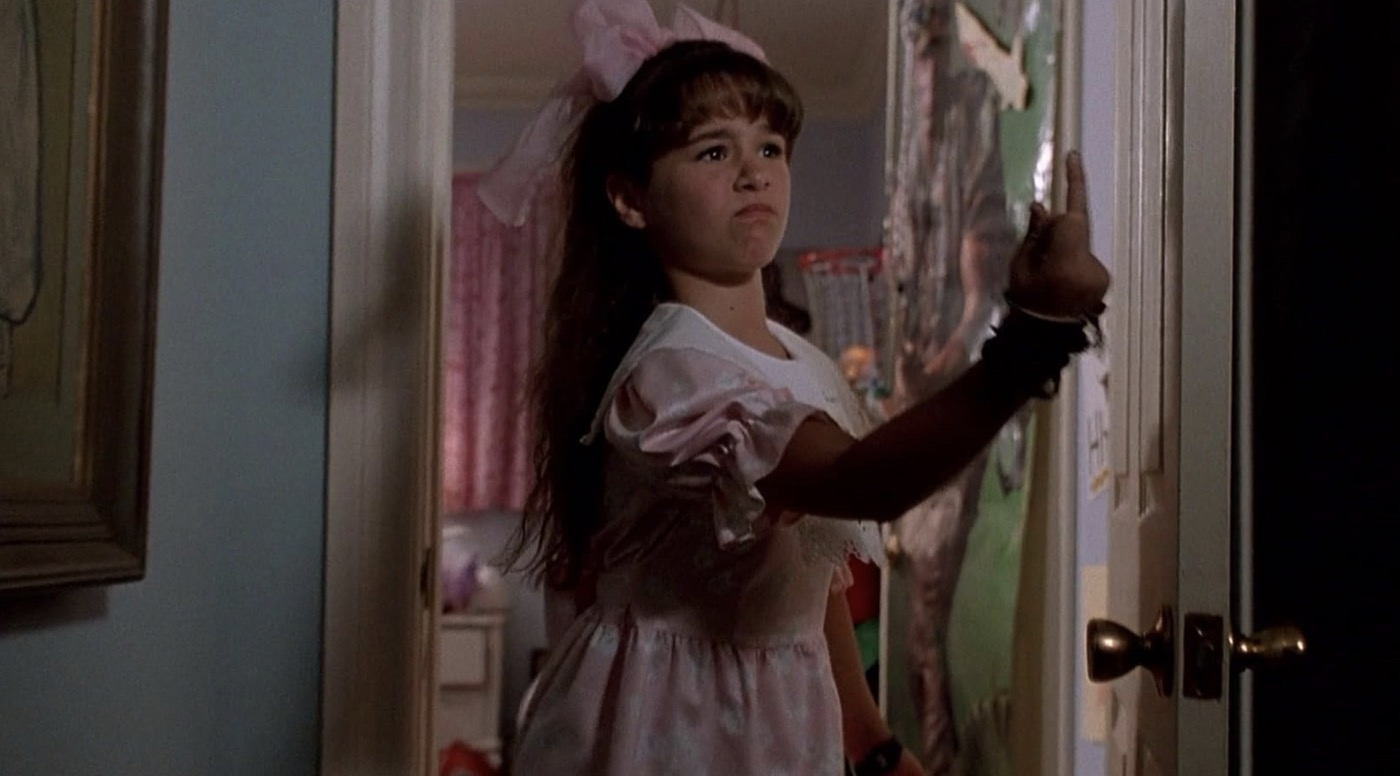
Even her rebellious brother, Kenny, undergoes meaningful development; he stops cleaning dishes with firearms and recognises the importance of shared family duties. One of the strongest scenes involves the two siblings arguing after Kenny spends the entire day cleaning, only for Swell to return home late without warning. The confrontation exposes the frustrations and sacrifices that accompany parenthood and running a household. In the hands of lesser creatives, the Crandell children might’ve stumbled upon an easy solution or a convenient narrative shortcut. Instead, Landau and Ison find charm in watching a group of resourceful siblings persistently work through their problems while supporting one another.
Ironically, the fundamental flaw at the heart of the film is how surprisingly little it does with the deliciously macabre premise promised by its title. There are several more interesting avenues the story could’ve explored, from making the children directly responsible for the babysitter’s demise to forcing them into increasingly absurd schemes to conceal the truth. At the very least, it would’ve benefited from making the tyrannical babysitter a larger presence rather than introducing her and then abruptly removing her from the story within the first act.
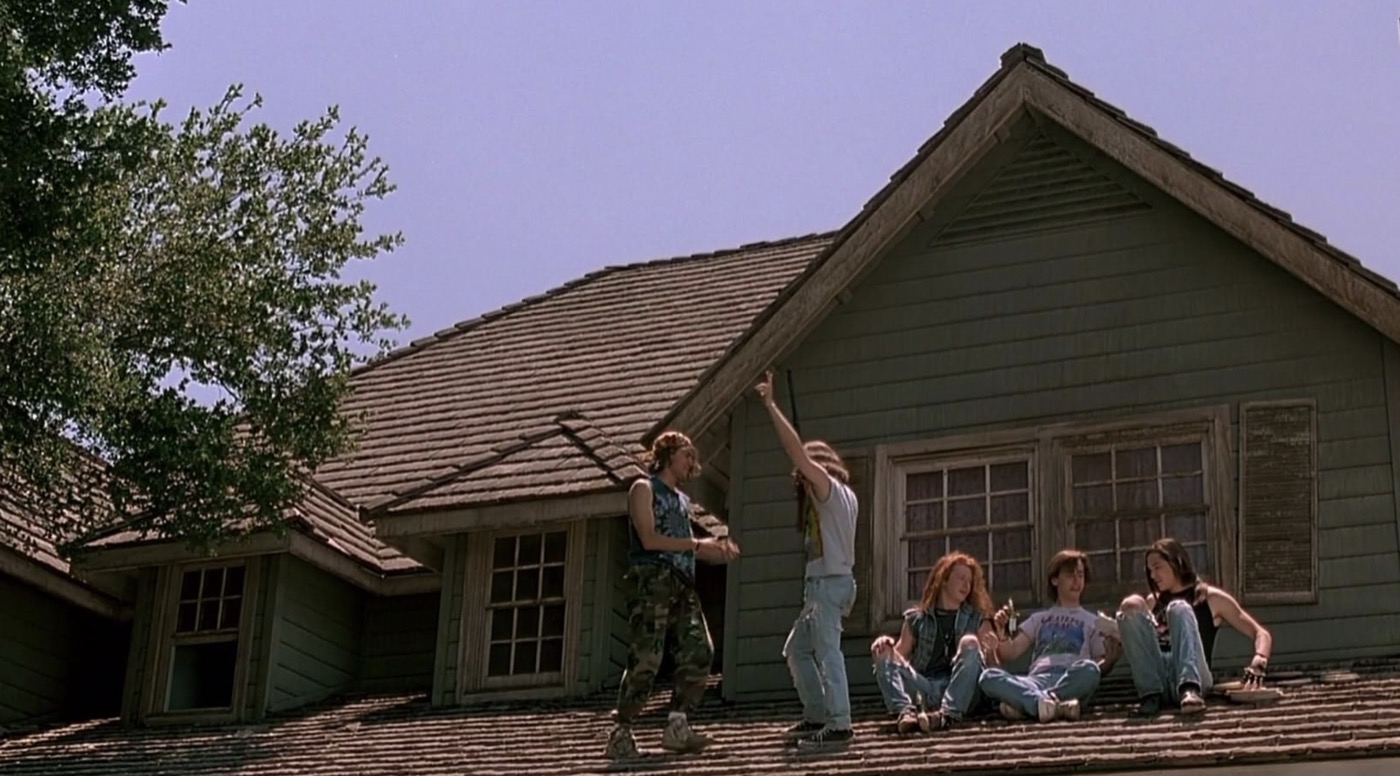
Despite this squandered potential, Stephen Herek approaches the material’s darker undertones with a gleefully broad comedic sensibility. Having previously helmed cult favourites such as Critters (1986) and Bill & Ted’s Excellent Adventure (1989), the director peppers the 100-minute runtime with shards of his trademark surrealism. Whether it’s the children casually dropping a corpse outside a morgue or a gang of drag queens unexpectedly carjacking them, he finds humour in situations that should be deeply alarming. Though the potential of the premise is never fully realised, these quirky moments give the film a personality that distinguishes it from the conventional comedies of its era.
Despite its considerable charms, Don’t Tell Mom the Babysitter’s Dead isn’t without its flaws. There are several moments where the screenplay treats workplace misconduct as a source of humour, particularly in its handling of Swell. As she navigates the pressures of an adult working environment, she is subjected to repeated sexual harassment from her philandering colleague, Rus (John Getz). Undeterred by her obvious discomfort, he relentlessly attempts to take advantage of the teenager. Indeed, Swell eventually overcomes the predatory behaviour, rebuffing a sexual proposition by shooting him in the crotch with a water gun.
However, the film never meaningfully addresses the imbalanced power dynamics involved or the emotional impact on an employee. Instead, it repeatedly mines these encounters for comic effect, reducing what is fundamentally predatory behaviour to a running joke. While these missteps reflect the decade’s attitudes towards workplace harassment, it’s difficult to ignore this unacceptable behaviour when viewed through a contemporary lens.
There was hope that Don’t Tell Mom the Babysitter’s Dead might launch a franchise. The studio reportedly entertained ideas for sequels, which suggests they saw potential for further adventures with the Crandell family. However, the film was significantly underappreciated upon its initial release. Many critics failed to recognise the appeal of its offbeat blend of dark humour and coming-of-age storytelling. Nevertheless, the film delivered a respectable theatrical performance considering it arrived in a crowded marketplace.
Released the same weekend as City Slickers (1991) and Jungle Fever (1991), it earned approximately $25M against a $10M production budget. While those figures effectively ended any immediate franchise ambitions, they proved the film had found an audience. Its true success emerged through the home entertainment market and repeated television broadcasts throughout the 1990s and early-2000s. What was once viewed as a disposable studio comedy gradually cultivated a devoted following and became a touchstone for a generation, ultimately proving popular enough to inspire a remake three decades later.
USA | 1991 | 104 MINUTES | 1:85:1 | COLOUR | ENGLISH

director: Stephen Herek.
writers: Neil Landau & Tara Ison.
starring: Christina Applegate, Keith Coogan, Christopher Pettiet, Joanna Cassidy, John Getz & David Duchovny.