SHEEP IN THE BOX (2026)
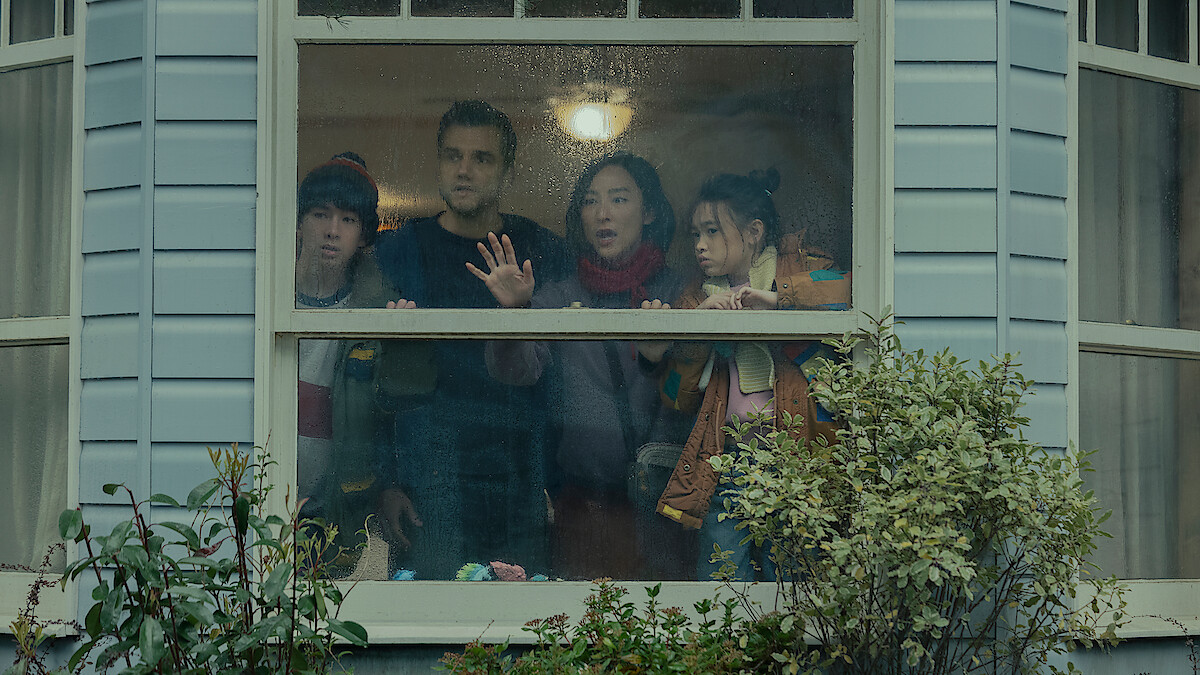
Set in the near future, a married architect and owner of a construction company welcome a humanoid robot into their home as their son.

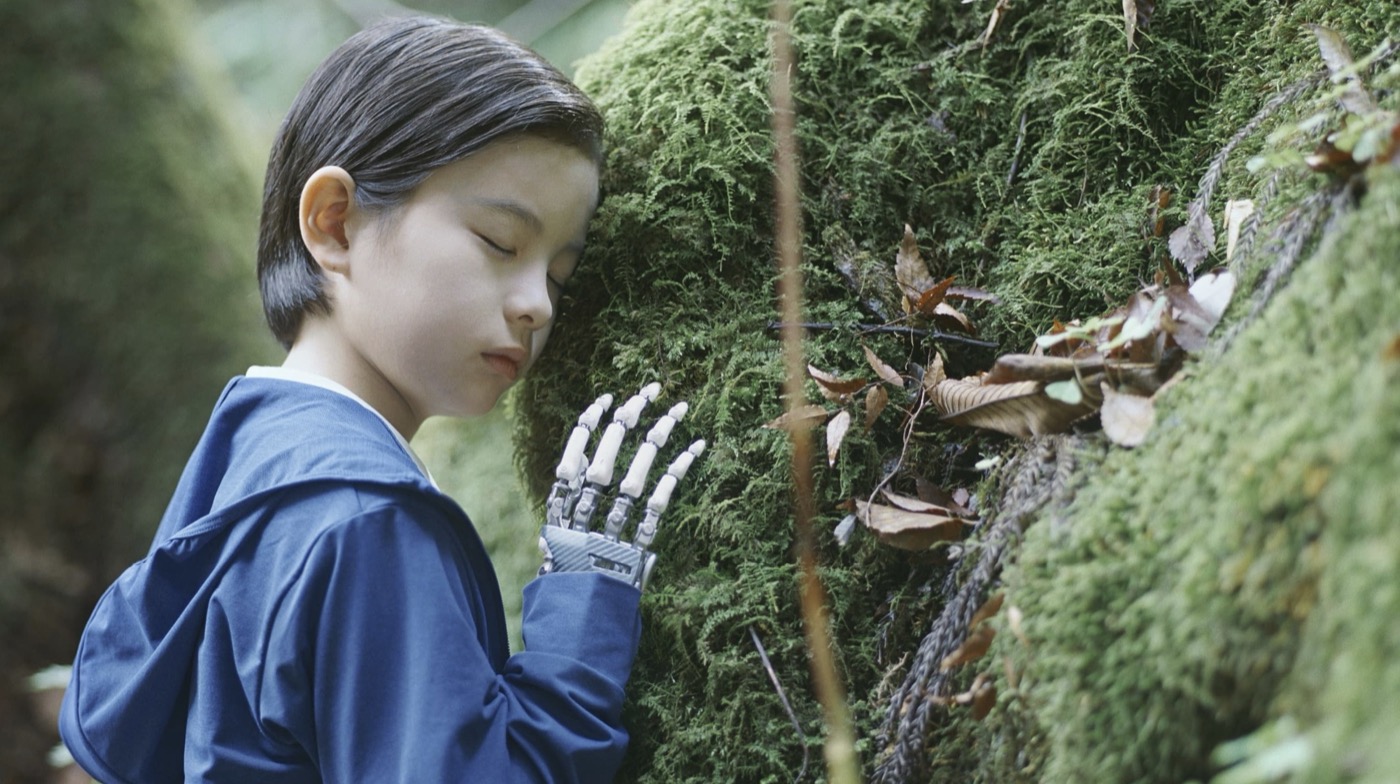

Set in the near future, a married architect and owner of a construction company welcome a humanoid robot into their home as their son.
Hirokazu Kore-eda is no stranger to humanist tales about children—what we learn from them, what they inherit from us, and what they carry on in spite of us. He has examined them through a wide variety of narrative lenses: wielding the Rashomon effect in Monster (2023), spinning a heartbreaking fable of neglect in Nobody Knows (2004), and charting broader tales of found family in Shoplifters (2018) and Broker (2022). He’s a director who understands how fragile family ties truly are, yet remains convinced of their strength regardless. Across a career spanning several decades, Kore-eda has explored different configurations of how a family comes together—and how it falls under threat—to express universal truths about community and self-discovery.
If these earlier films mostly unfolded within the real world, save for a few understated, fantastical detours in works like After Life (1998) and Air Doll (2009), what happens when such a filmmaker turns to speculative science fiction to examine A.I’s growing influence on our lives? Kore-eda’s latest, Sheep in the Box / Hako no Naka no Hitsuji, is his answer—and a thoroughly disappointing one at that. Much of it feels like the Japanese auteur’s riff on Steven Spielberg’s A.I. Artificial Intelligence (2001). However, it lacks that film’s imaginative spark, failing to grasp the emotional toll of replacing a lost child with a sentient android, or to explore how a family rebuilds from there. The result is a Kore-eda story that, in tackling a premise about emotional repression and a lack of humanity, adopts those very qualities into its own fabric.
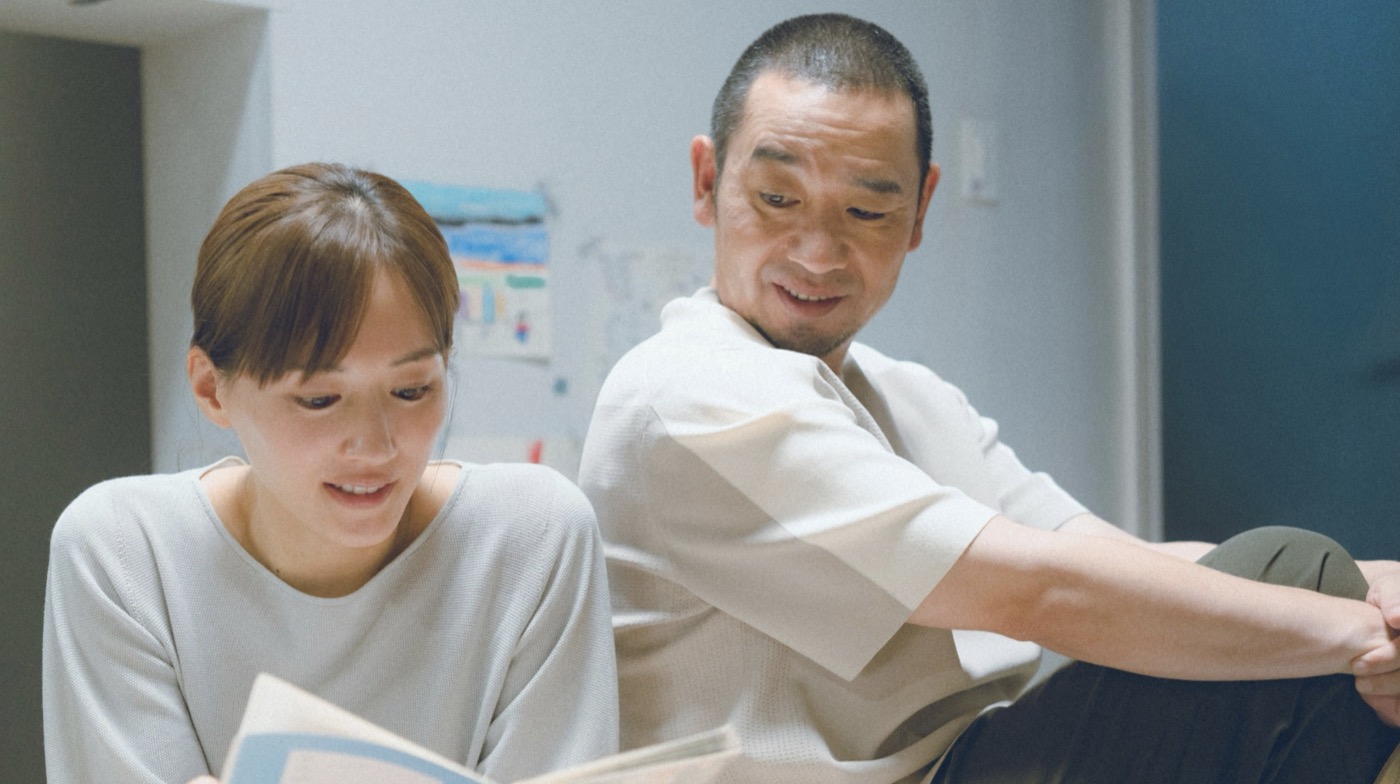
At first, there’s genuine intrigue in this portrayal of tech-suppressed grief. Set in a near-future Japan where delivery drones and robotics are everyday features of automated life, Otone (Haruka Ayase) is an architect designing modernist homes. Her husband, Kensuke (Daigo Yamamoto), works in carpentry and construction; together, they’ve built a comfortable suburban life. Yet an absence has hovered over them for two years: their seven-year-old son, Kakeru (Kuwaki Rimu), died in a tragic accident, leaving a heavy silence in his wake. In a departure from typical depictions of profound grief, Kore-eda presents Otone and Kensuke in the depths of emotional repression, carrying their loss with a suspiciously functional composure.
Among the items delivered by drone to Otone’s doorstep is an invitation from REBirth—a tech conglomerate specialising in A.I.-powered replicas of the deceased to comfort grieving families. They offer a complimentary trial of a robot built in Kakeru’s image. Kensuke is appalled, dismissing the concept as predatory, but Otone is visibly moved by REBirth’s presentation. It helps that the company’s constructs are remarkably lifelike. Upon meeting one in the company’s office, the Turing test is effectively passed on the spot: unable to tell the android from a real child, the couple agree to trial the replica.
When Kakeru arrives, the contrast between the parents’ reactions grows starker. Kensuke treats the android like any other piece of technology, scrutinising its intelligence settings, while Otone’s excitement reflects her eagerness to accept REBirth’s offer. As they adjust to the flesh-and-blood replica living under their roof, Kore-eda largely avoids the horror and revulsion such a premise might invite—particularly amidst current anxieties around generative A.I. Instead, he opts for a far more compassionate angle, positioning the replacement as a source of genuine healing for the family.
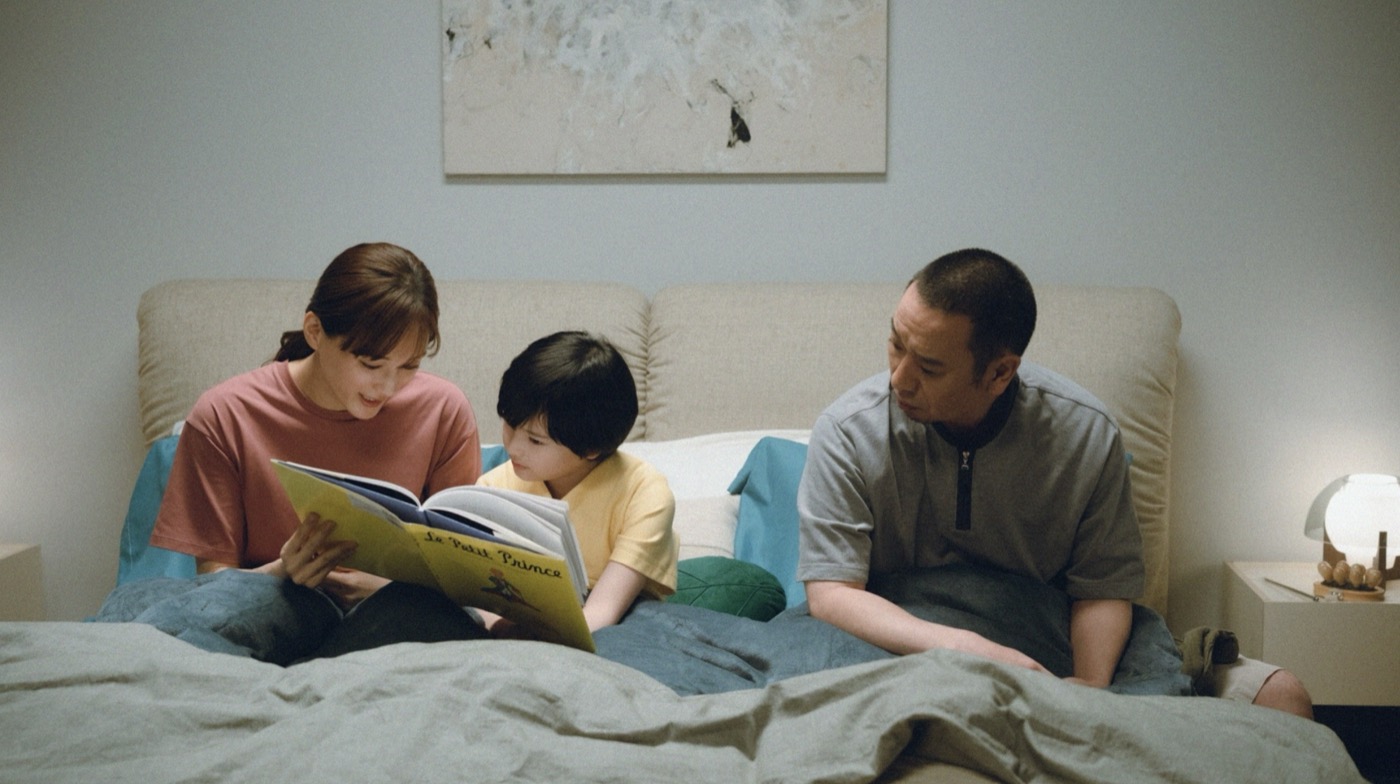
It’s a tough sell in this day and age, though Kore-eda makes a valiant effort by introducing layered complications. These initially take shape through Kakeru’s extended family, then through the couple’s conflicting accounts of his death, and finally through a burgeoning sub-community of similar androids. Yet none of these threads leads anywhere truly revelatory. Otone’s mother nearly faints upon seeing the replica, but the film squanders the moment, reducing it to a brief, unresolved argument between mother and daughter over lingering guilt. Kensuke eventually warms to the android and briefly suspects it holds the key to identifying the hit-and-run driver who killed his son; however, this subplot yields few meaningful consequences. Meanwhile, the android community Kakeru joins feels like an afterthought, serving little purpose beyond setting up a striking final image.
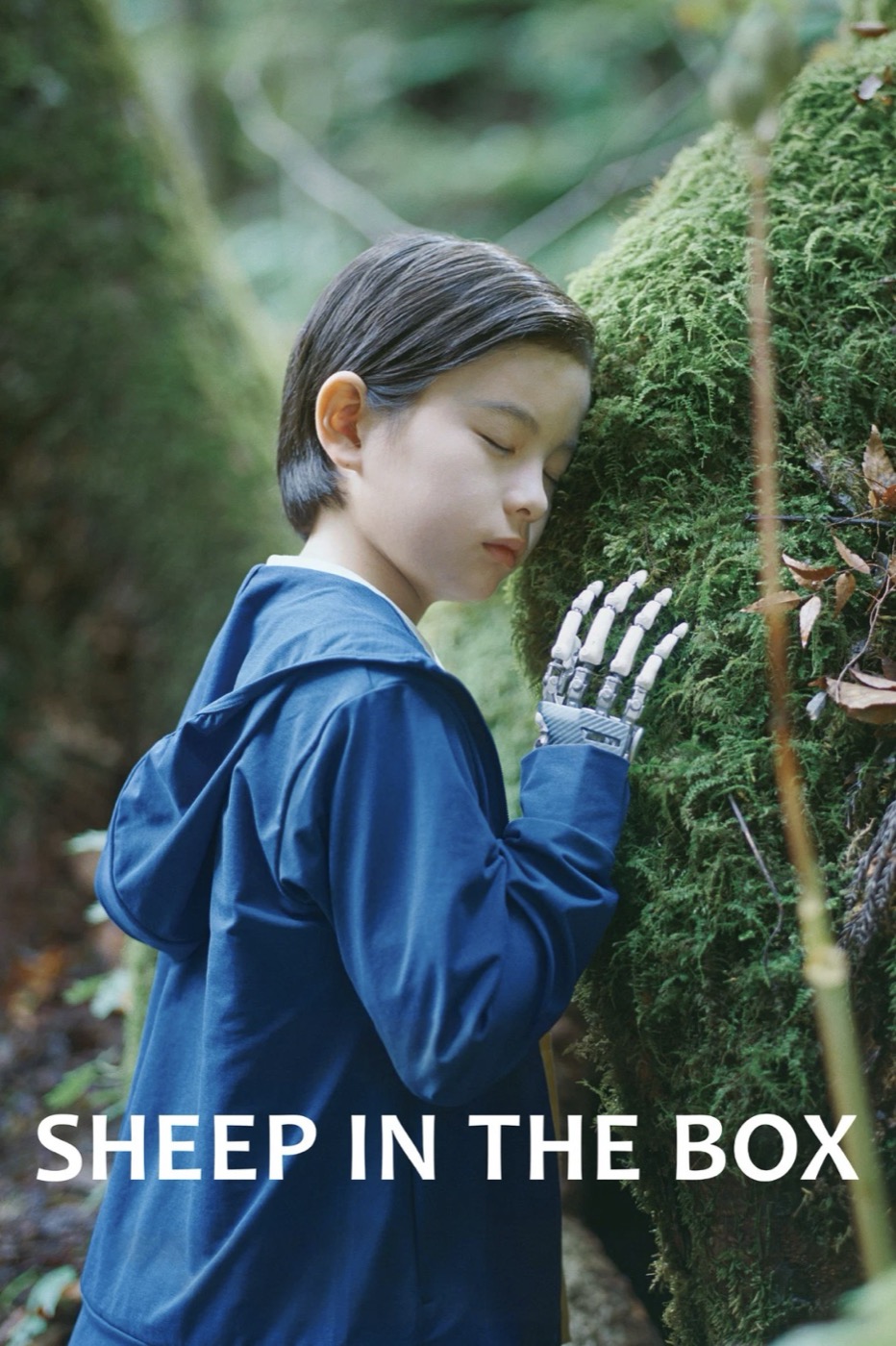
Ultimately, the film deals with grief in a manner too subdued for its heightened emotional stakes to resonate. Heavily masked by sterile sci-fi aesthetics and overly optimistic nature imagery, the underlying ugliness of its premise remains under-explored. Still, moments of insight flash through, often from unexpected angles—such as Kakeru’s near-clairvoyant ability to help Otone unearth her repressed feelings, reversing the typical dynamic of the robot acting as a passive vessel for human guilt. Rimu also delivers a standout performance, joining the long list of extraordinary child actors Kore-eda has directed over the years, even if the “Schrödinger’s child” he plays lacks a distinct identity. Yet the overarching issue facing Sheep in the Box is a lack of imagination—a limitation hinted at by the origins of its own title.
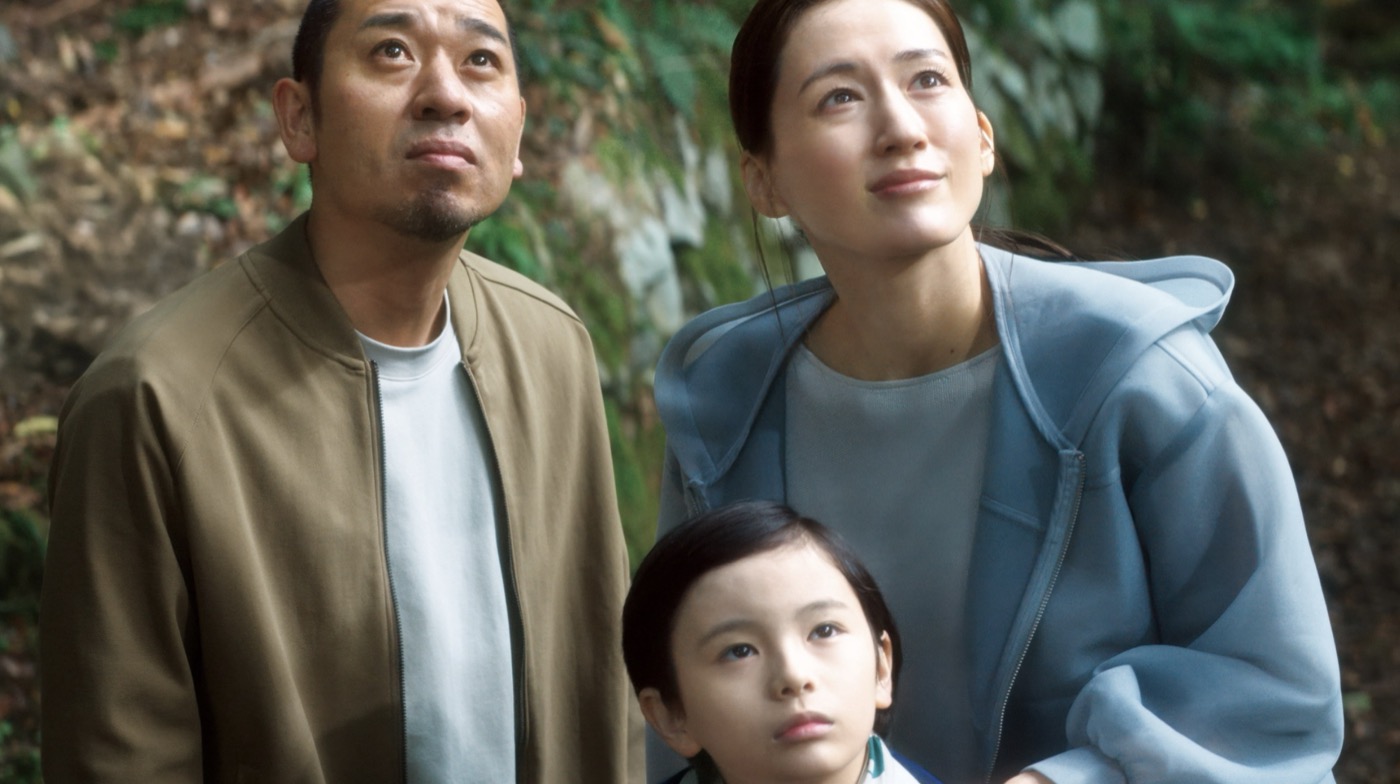
At one point, Kakeru reads aloud from Antoine de Saint-Exupéry’s The Little Prince, specifically the scene where the narrator is asked to draw a sheep. Frustrated by his poor drawing skills, the aviator draws a box instead, assuring the prince that the sheep is inside—an abstraction that delights the boy. Metaphorically, it isn’t hard to link this to Kore-eda’s sci-fi fable, framing the title as an inquiry: if a machine can dream and imagine, does that inner consciousness grant it humanity, even if it appears to be nothing more than a box?
In trying to answer that question, the film attempts to have its cake and eat it. It pits a dystopian tech premise against Kore-eda’s signature humanism and search for connection. Ultimately, it fails to balance both, applying his usual visual restraint and delicate performances to a script that works neither as a sharp critique of technocracy nor as a moving, Spielbergian meditation on grief. It feels like the wrong film for this moment—not because its premise is flawed, but because there is far more nuance to be mined from this story than Kore-eda allows himself to explore.
JAPAN | 2026 | 126 MINUTES | 2.35:1 | COLOUR | JAPANESE

writer & director: Hirokazu Kore-eda.
starring: Haruka Ayase, Daigo Yamamoto, Rimu Kuwaki, Nana Seino, Kan’ichirô Satô & Hinata Hiiragi.