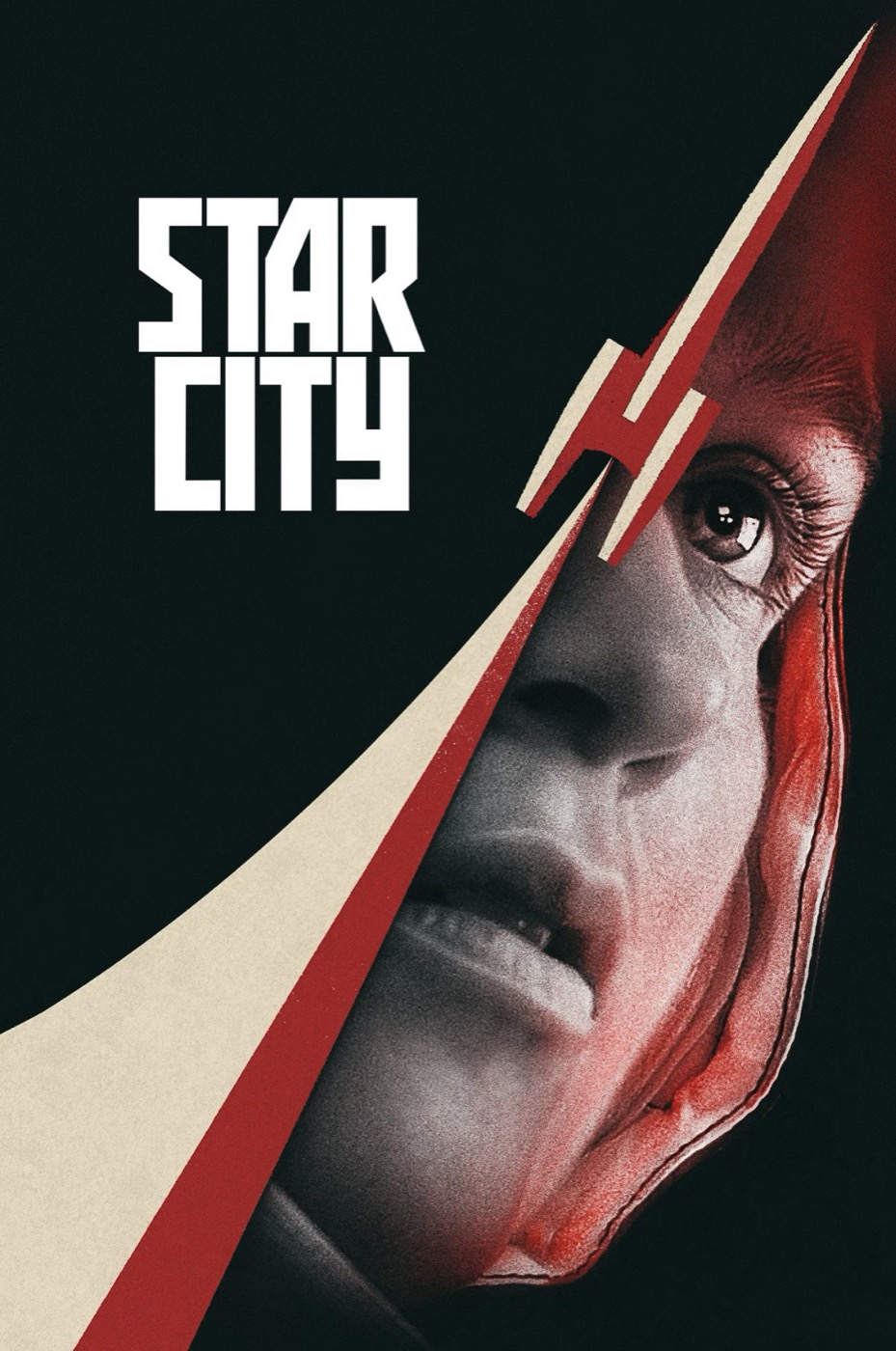
STAR CITY – Season One (2026)
Soviet cosmonauts, engineers, and intelligence officers risk everything in an ambitious space program aiming to be the first to reach the moon.

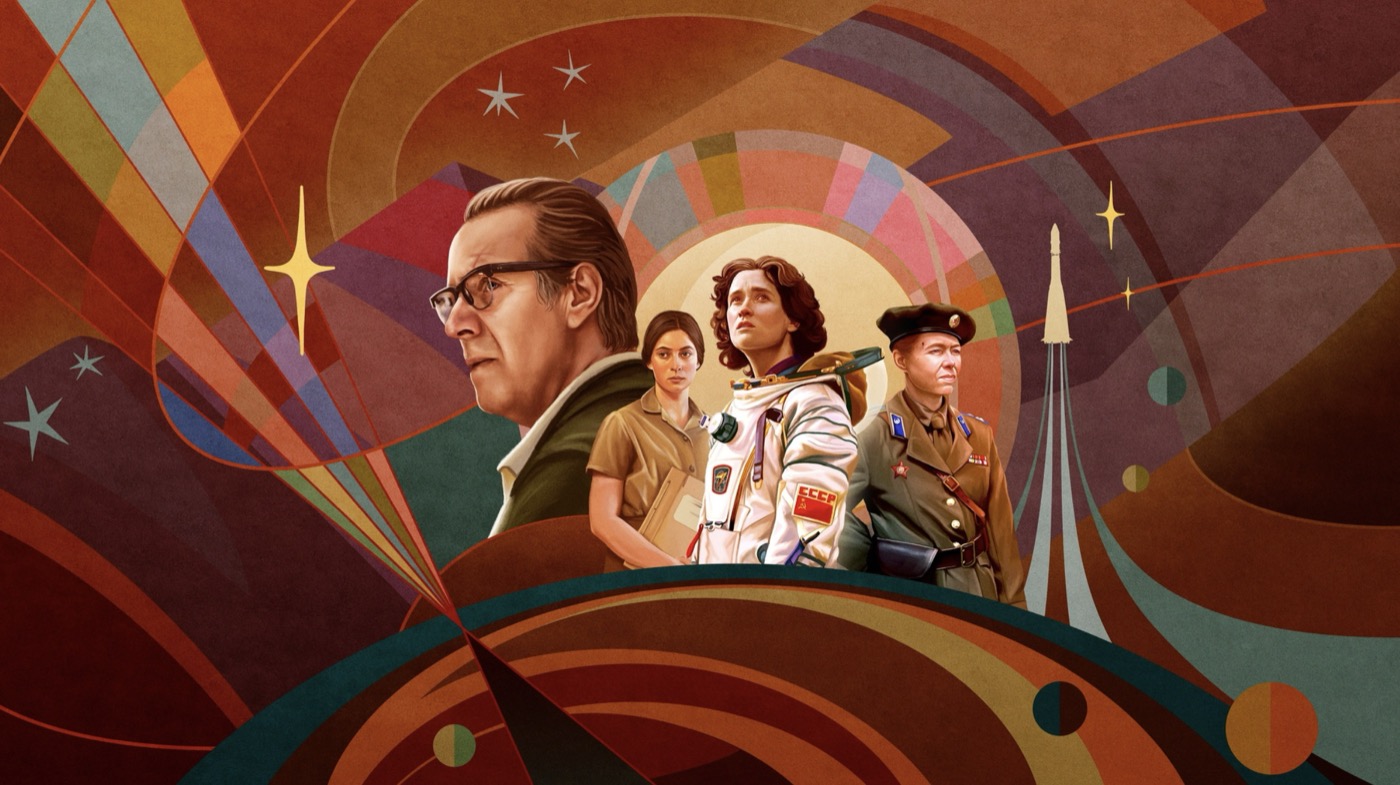

Soviet cosmonauts, engineers, and intelligence officers risk everything in an ambitious space program aiming to be the first to reach the moon.
If you like quality science fiction, then Apple TV’s For All Mankind series surely has to be one of the best recent examples of the genre. Its simple yet ingenious premise of “what if the Russians beat the Americans to the moon?” was just the (pardon the pun) launching-off point for a well-written story about an alternative space race. Filled with interesting characters and superb set-pieces, it was all backed up by first-rate visual effects and acting.
When I found out a new spin-off prequel series was in the works—one that centred around Russia’s point of view and went back to its 1960s origins—my heart sank a little. Why? Well, to begin with, I thought this was tempting fate; that creating a new series off the back of something so brilliantly constructed and executed simply couldn’t work. Also, was it even necessary? Therefore, it pleases me immensely to say that I needn’t have worried—as Star City is every bit as good as its predecessor.
The opening scene of the first episode sets the tone perfectly: cue a drab apartment where a woman is woken by repeated knocking at her door. Two officers dressed in military uniform walk straight into her home. In the background, suspenseful, eerie music plays. “What’s this about?” the woman asks. The stern-looking female official answers: “Alexei… you’re coming with us.” “Is he OK?” the frightened woman asks.
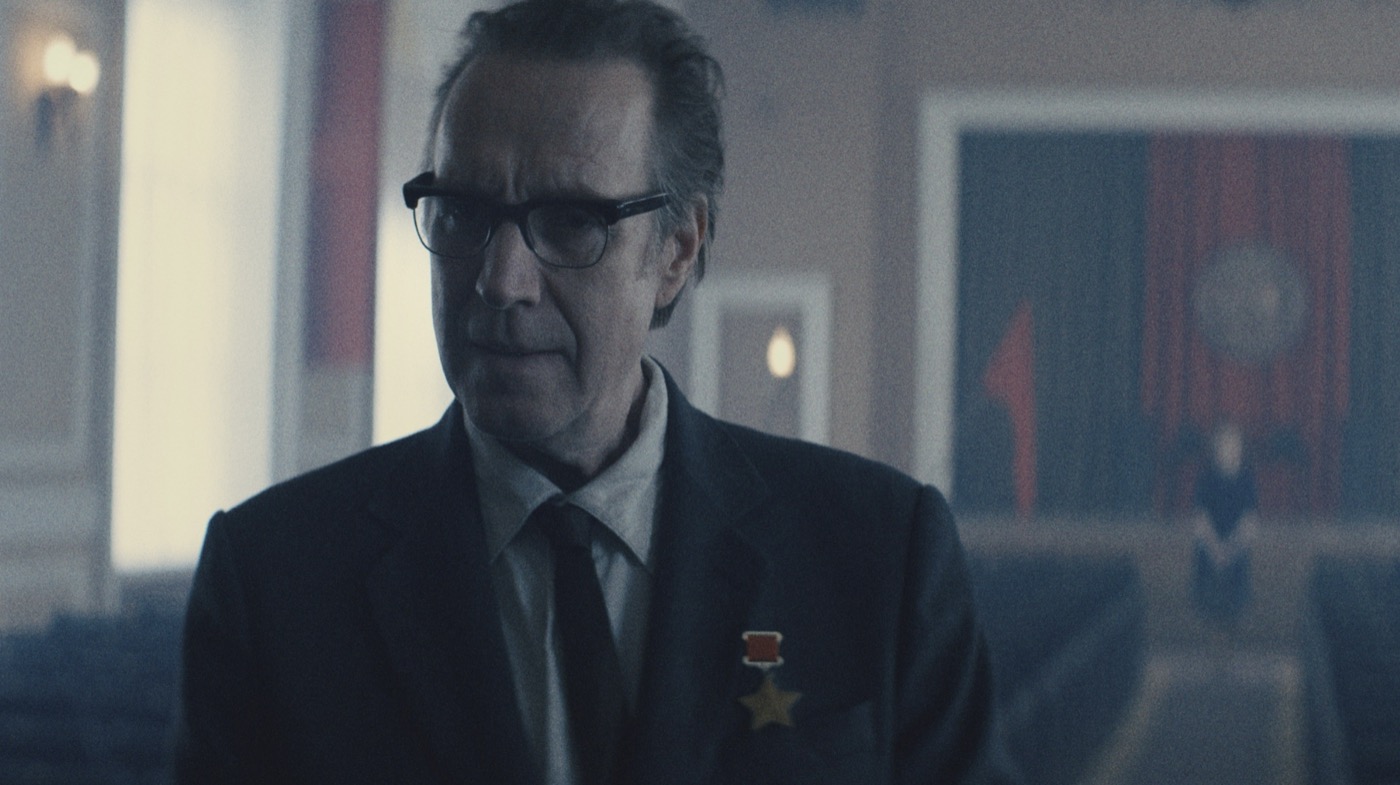
Cut to a large room with a bank of screens, one showing a blurry shot of what looks like the lunar surface. Alexei’s wife sees a tall man wearing glasses. “Chief Designer, what’s this? They won’t tell me what happened. Alexei left last week on a training mission. Is he going to the moon?” The Chief Designer (Rhys Ifans) answers emotionally: “No, my little one. He’s already there.” Unsurprisingly, Alexei’s wife looks completely shocked.
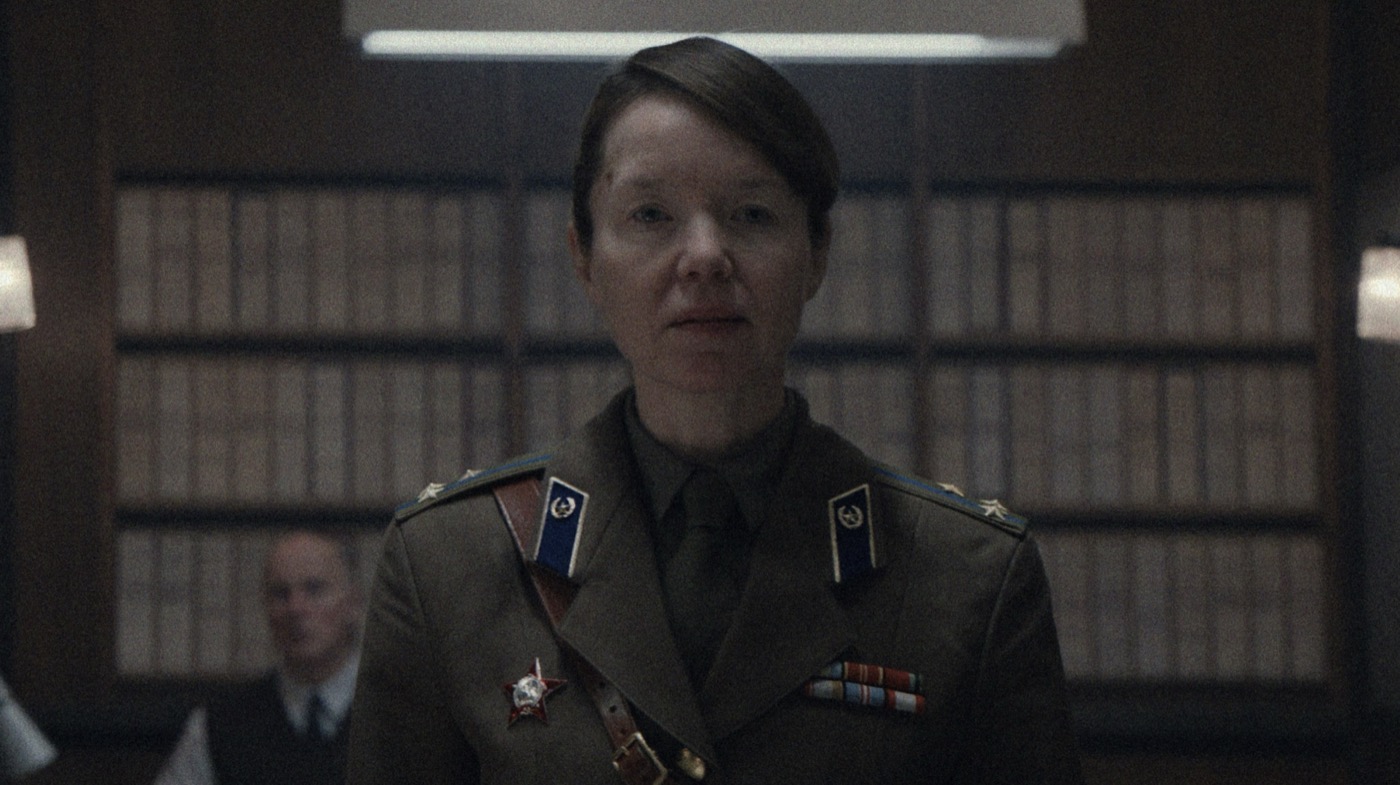
From this simple yet effective sequence, you get a real sense of how the Soviet state operates, especially when it comes to its space programme. Everything is locked down in total secrecy, and fear of the authoritarian regime helps keep everyone in check. Make no mistake: anyone deemed to be operating outside this system will be dealt with harshly. Colonel Lyudmilla Raskova (Anna Maxwell Martin), head of KGB surveillance, is on hand to keep a watchful eye over things, and she clearly has no qualms about administering tough justice when she deems it necessary.
Episodes one and two efficiently set up all the key characters whilst introducing the story’s plot points. We are introduced to rookie surveillance worker Irina Morozova (Agnes O’Casey), who at first has to listen to the cosmonauts’ families—something she finds immensely boring. However, she soon rises through the ranks after a chance eavesdropping session reveals that information from a colleague was wrong. This slip-up led to a senior cosmonaut being wrongfully imprisoned for leaking plans to the Americans. Raskova pulls Morozova aside and takes her to the cell to “correct a mistake”. I won’t reveal what occurs next, but it’s not what you expect.
And that is just one of the many reasons why Star City works so well. Much like the way Mother Russia is shown to operate, the viewer is kept in the dark until just the right moment. Alongside the cloak-and-dagger machinations running in the background, we are, of course, witness to the main storyline: the various missions the cosmonauts are undertaking.
As I have already indicated, the early “first man on the moon” endeavour is swiftly shown, and then it’s on to the next milestone: the first female cosmonaut to step foot on the lunar surface. This daunting task falls to Anastasia Belikova (Alice Englert), who, for reasons I won’t reveal here, is given the job only three weeks before lift-off. Naturally, she is terrified at the prospect. Luckily for her, Valya Markelova (Adam Nagaitis) will be doing all the hard technical work, as we soon find out this is really one giant PR exercise for the Soviets.
Despite one hair-raising mishap en route to the moon—which will have you on the edge of your seat—the mission goes remarkably well, with Belikova enjoying her moment until she fluffs her lunar-surface speech to the nation. To compensate, she improvises her lines, which prompts the authorities back in Star City to abruptly cut the broadcast. They are most certainly not amused and subsequently, without her knowledge, pull her from the space programme and force her to marry cosmonaut Sasha Polivanov (Solly McLeod), continuing their grand public relations venture.
From this point on, things get even more interesting. The newly promoted Morozova gets deeper into her espionage when she is tasked with keeping tabs on the “married couple” during their European press tour in Paris. If that weren’t enough, Colonel Raskova gives her an extra job: assisting with the interrogation of a German suspect thought to be instrumental in smuggling engineering plans. As much as you thought you knew about Raskova—and how ruthless and terrifying she can be—it’s here that she displays her cunning, revealing a new side to Morozova that makes for compelling viewing.
It’s hard to believe all these characters (there are many more I haven’t mentioned) and plot points are established within the first two episodes. Not only that, they are delivered so expertly that the two-hour runtime flies by, each scene flowing with such precision that you scarcely have time to draw breath.
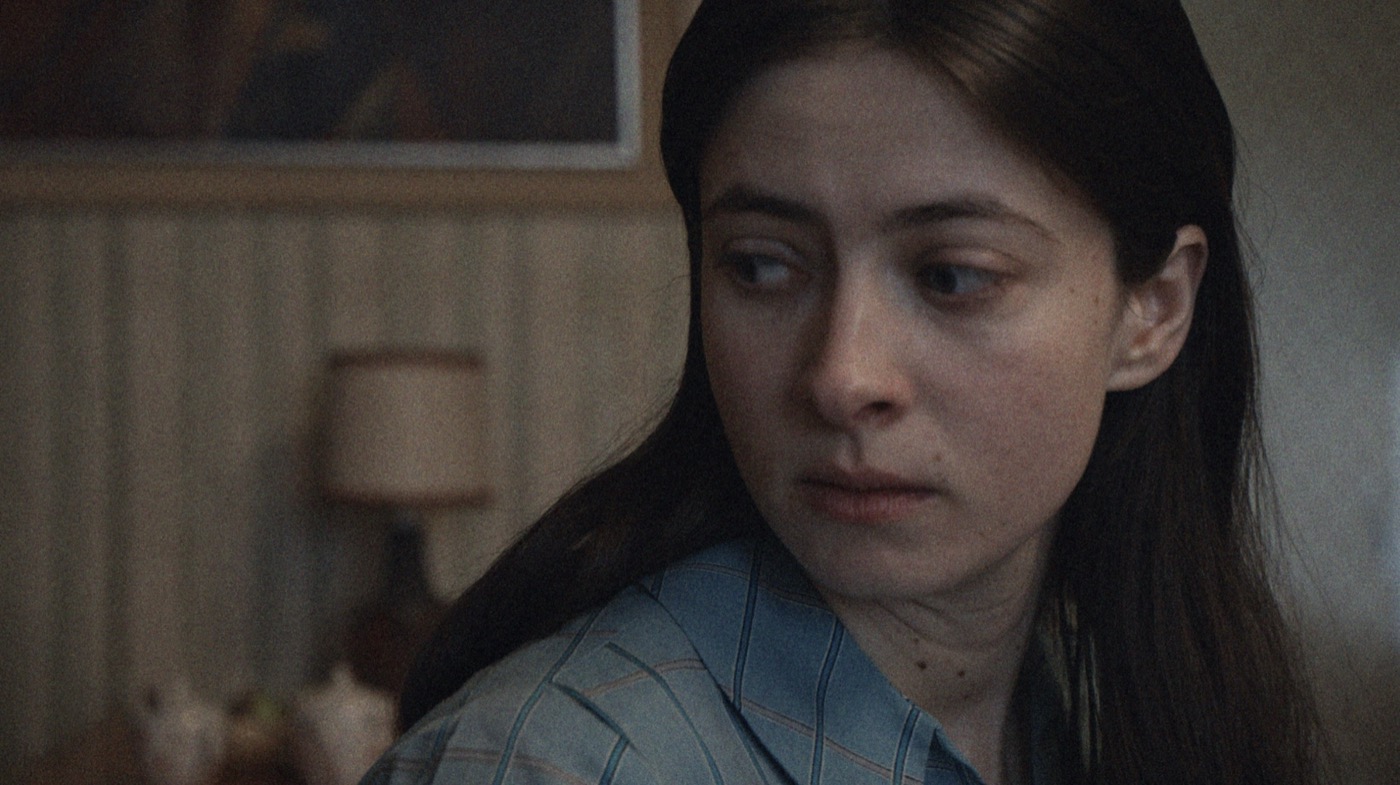
Throughout the next few instalments, more focus is given to cosmonaut Valya Mironov and his wife Tanya, whose marriage is straining under the pressure of Star City’s intense programme. Unbeknownst to Tanya, Valya is also working with US intelligence and leaking plans about Russia’s impending Luna 17 lander—the craft that will eventually establish the first lunar base before the Americans.
Aside from all these espionage goings-on, the Chief Designer, Korolev, is secretly working on a mission to Venus, using one of his favourite engineers, Sergei Nikulov (Josef Davies), to assist him. Korolev believes that getting a craft to Venus can only be a good thing for their space programme—despite going against the wishes of the state and risking probable imprisonment. He presses on with his endeavours whilst the formidable Colonel Raskova deploys her considerable resources to find the mole, having discovered that covert Western technology has been placed inside the lander.
These two plotlines involving Valya, Tanya, and the secret Venus mission are the principal driving elements for the rest of the series, interwoven with the ever-present Raskova and her new favourite spy, Morozova. As I mentioned earlier, there are many more characters peppered throughout, but as you proceed, you soon notice just how slick and effective the script is—expertly keeping multiple players and plots running simultaneously without ever becoming confusing.
Star City’s production design and visual style are also superb. Brendan Uegama and Cort Fey share cinematography duties, presenting this alternate, 1960s-set Russian universe with a darkly lit, gritty aesthetic where colours are muted and the picture quality has a real graininess. This might sound drab and dreary, but somehow it looks incredible. One Parisian scene set at night, illuminated only by street lamps, strongly recalled the work of legendary cinematographer Roger Deakins (Blade Runner 2049)—it’s simply stunning. The vintage cars, interior decor, clothing, and hairstyles all look spot-on for the period.
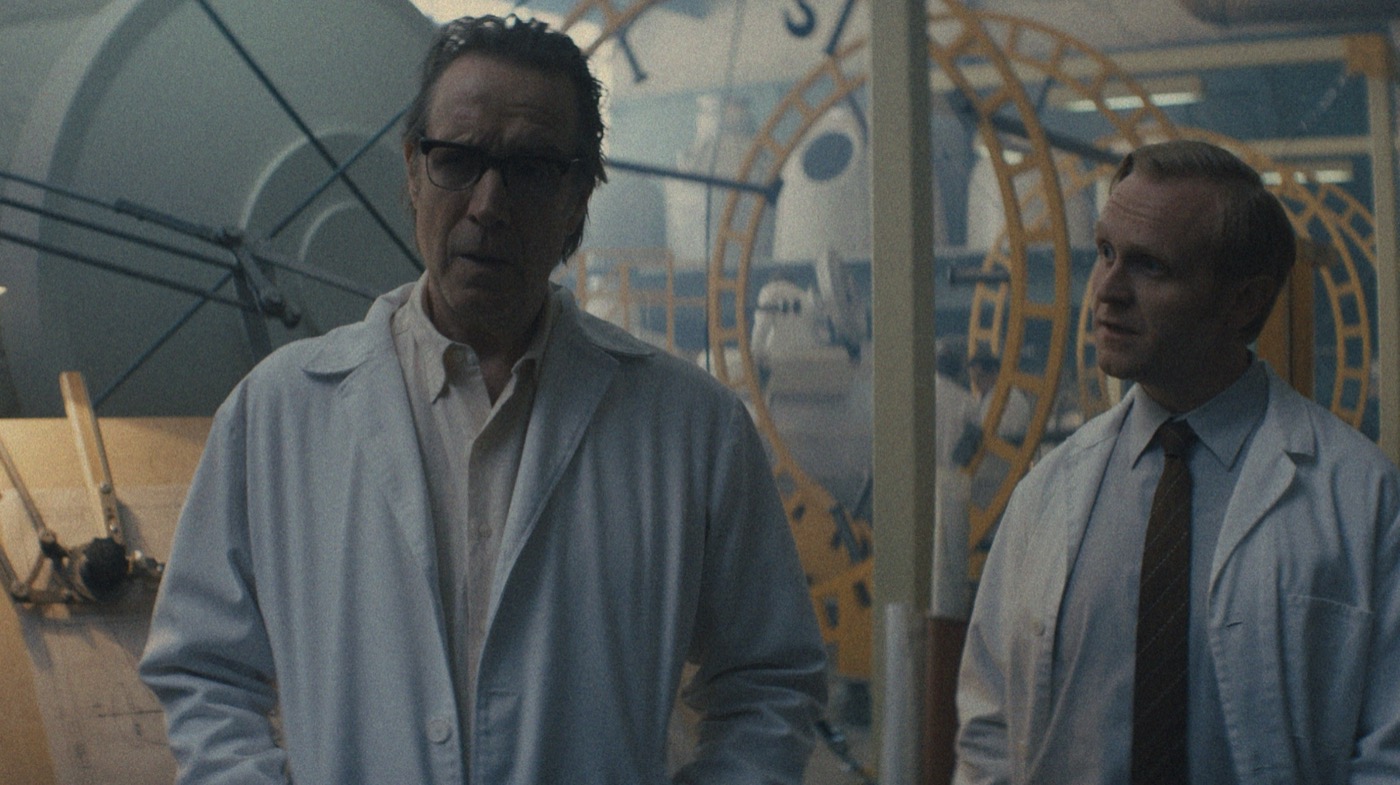
Of course, a television series set against the backdrop of a space programme needs convincing effects and, as with the rest of the superlative work on display, the VFX are of big-budget movie quality. Utilising British-based DNEG and Ghost VFX facilities for the orbital sequences and lunar environments, alongside the US-based Barnstorm VFX studio to help produce the period-accurate Soviet architecture, the visual trickery is pulled off magnificently.
The acting throughout the series is terrific, perfectly complementing these technical merits. Largely employing a British cast, it’s difficult to single out individual performances. That being said, three actors left me genuinely impressed.
First and foremost, Anna Maxwell Martin as Colonel Lyudmilla Raskova delivers on every level. Her tough-as-nails character is a force to be reckoned with; you never doubt her conviction and loyalty to the Soviet regime. She constantly has the air of someone who can go from calm and collected to an altogether more sinister, frightening mode of behaviour in a heartbeat.
Rhys Ifans’ Chief Designer is equally good. You really feel his conflicting emotions as he battles to appear the dutiful senior engineer whilst secretly working with his closest colleagues towards what he strongly believes is a far more ambitious and necessary destination for Russia: taking cosmonauts to Venus. He knows the risks but is not afraid to press on, despite being in constant conflict with Colonel Raskova and her superiors.
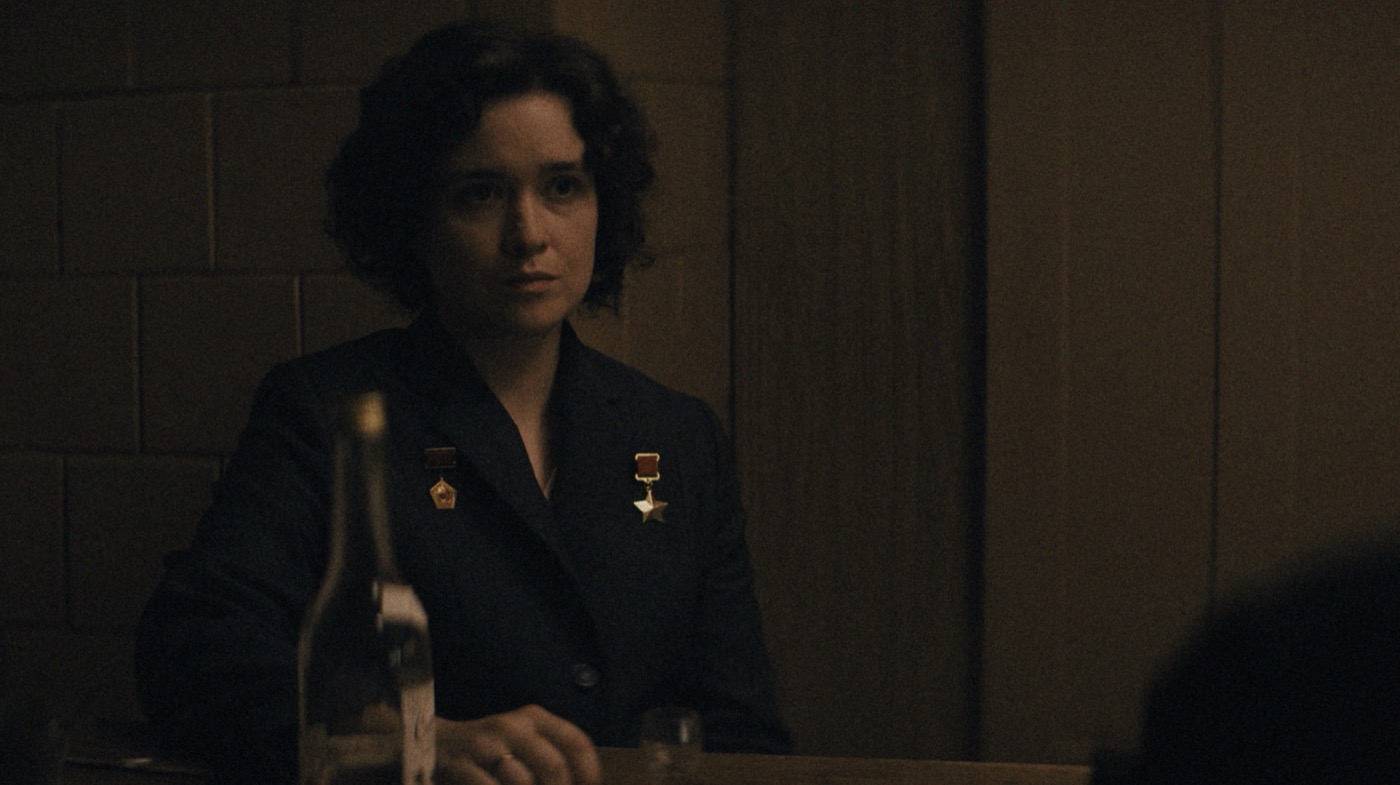
Last, but by no means least, is Agnes O’Casey’s surveillance officer, Irina Morozova. Her story arc is compelling to watch as she evolves from a timid, compliant newbie into someone incredibly brave and cunning. Her ambition to rise through the ranks is evident early on, and she soon starts impressing Raskova—something she is all too aware of and cleverly, if dangerously, begins to exploit to her benefit. Her performance has a real, understated power; it’s always convincing and hypnotic to watch.
At the time of writing, there is still no clear indication from Apple TV that a second season is on the way. This baffles me because, with the sole exception of a final episode that stretches believability, nothing here puts a foot wrong. Not only that, the reviews across the board have been deservedly stellar. Based on what I have seen, I can only hope there is more to follow, as the writers clearly have further ideas to explore. It would be a tragedy if something this good—which has successfully risen from its predecessor’s shadow—were left as a one-off. It’s unmissable.
USA | 2026 | 8 EPISODES | 2.35:1 | COLOUR | ENGLISH

writers: Ben Nedivi, Matt Wolpert, Andrew Chambliss, Megan McDonnell, Liba Vaynberg, Gursimran Sandhu, George Mastras & KC Scott.
directors: Nick Murphy, Stefan Schwartz, Kasia Adamik & Jamie Payne.
starring: Rhys Ifans, Anna Maxwell Martin, Agnes O’Casey, Alice Englert, Solly McLeod, Adam Nagaitis, Ruby Ashbourne Serkis, Josef Davies & Priya Kansara.