THE ODYSSEY (2026)
After the Trojan War, Odysseus faces a dangerous voyage back to Ithaca, meeting creatures like the Cyclops Polyphemus, Sirens, and Calypso along the way.

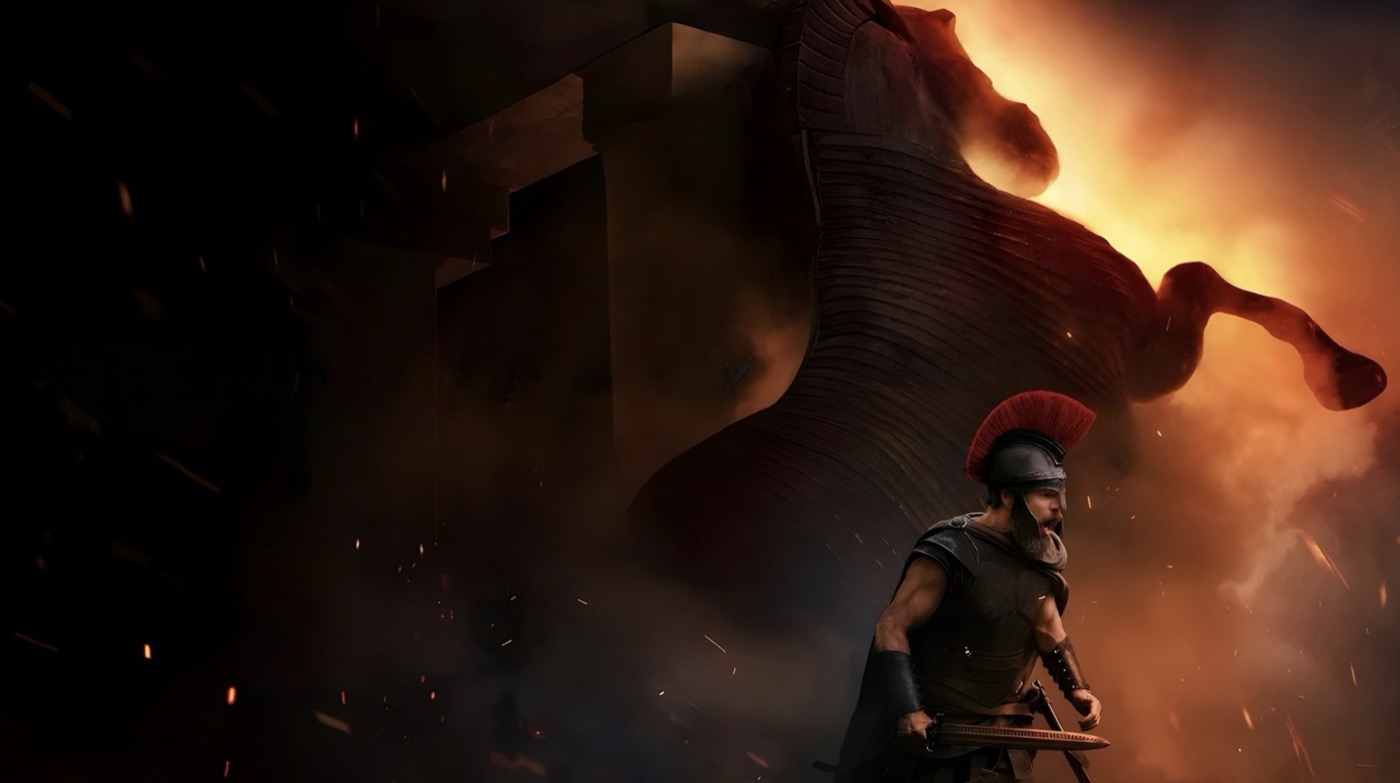

After the Trojan War, Odysseus faces a dangerous voyage back to Ithaca, meeting creatures like the Cyclops Polyphemus, Sirens, and Calypso along the way.
After his award-sweeping box office hit, Oppenheimer (2023), Sir Christopher Nolan cemented himself as one of the chief artists in international cinema. His movies have become true cinematic events. Given a blank cheque, it feels only right that his latest film should be an adaptation of one of the most famous and groundbreaking stories ever told. Since the 8th-century BCE, The Odyssey has been passed down—from the oral storytelling tradition to the most engaging medium we have available today. The Odyssey is one of the year’s most highly anticipated movies, and it more than lives up to its immense hype.
“A face. A fleet. A war. A man. A thought. A trick. A trick to break the walls of Troy. And burn it screaming to the ground!” The bard (Travis Scott) sings the tale of Odysseus (Matt Damon), hero of the Trojan War, who’s been away from home for nearly 20 years. His wife, Penelope (Anne Hathaway), and son, Telemachus (Tom Holland), await his return to the throne of Ithaca while dozens of suitors, led by the scheming Antinous (Robert Pattinson), make plays for power in his absence. Across the Aegean Sea, Odysseus is lost—both physically and mentally—spending his days with the goddess Calypso (Charlize Theron). Looking for answers, Telemachus sets out to discover what happened to his father, whilst Calypso forces Odysseus to remember the ten years at sea he lost trying to find his way home.
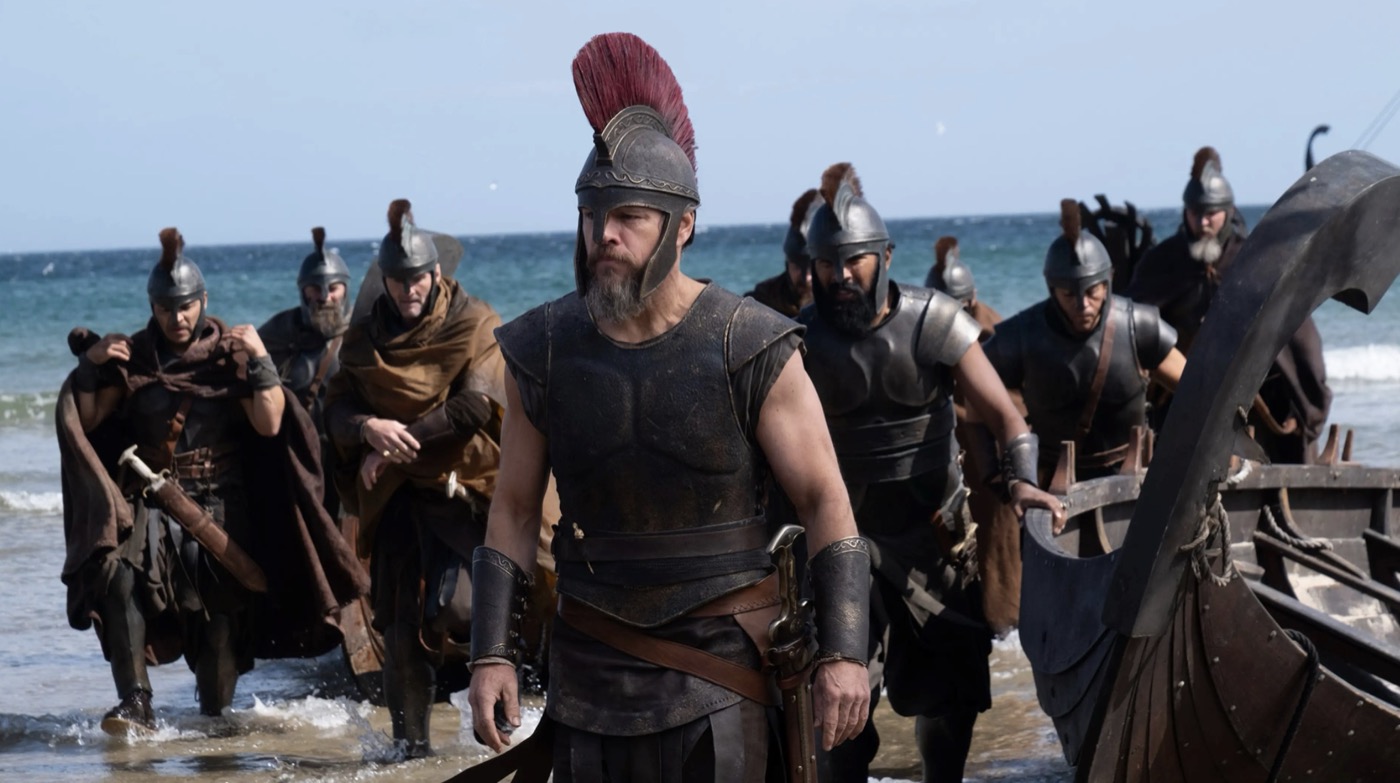
The Odyssey feels tailor-made for Nolan, as the epic famously starts in media res. Nolan didn’t have to construct a non-linear narrative for the film; it was already there. This structure helps establish the stakes before thrusting us into what we’ve come to expect from a Nolan picture and the first movie filmed entirely for IMAX: pure spectacle.
The film’s first big set-piece—an encounter with Polyphemus, the one-eyed son of Poseidon—is a tantalising moment that sets the tone for the movie, marking an almost uncharted foray for Nolan into horror. As Odysseus’s crew is terrorised by the Cyclops, the film masterfully immerses us in the ordeal, with blood-curdling screams and gorgeous practical effects filling the screen and speakers. I could hardly believe the film could top that sequence, but it continually blew me away, scene after scene, bringing Homer’s vision to life with artistic flair.
It’s almost impossible to single out a favourite scene, as every leg of Odysseus’s journey back to Ithaca is shot so beautifully. A rightful standout, however, is the crew’s confrontation with the witch Circe (Samantha Morton). The practical effects as Circe places a curse on his men are among the most grotesque sights you’ll see on the big screen this year. Crucially, this goes beyond mere visual shock value to serve the film’s thematic development.
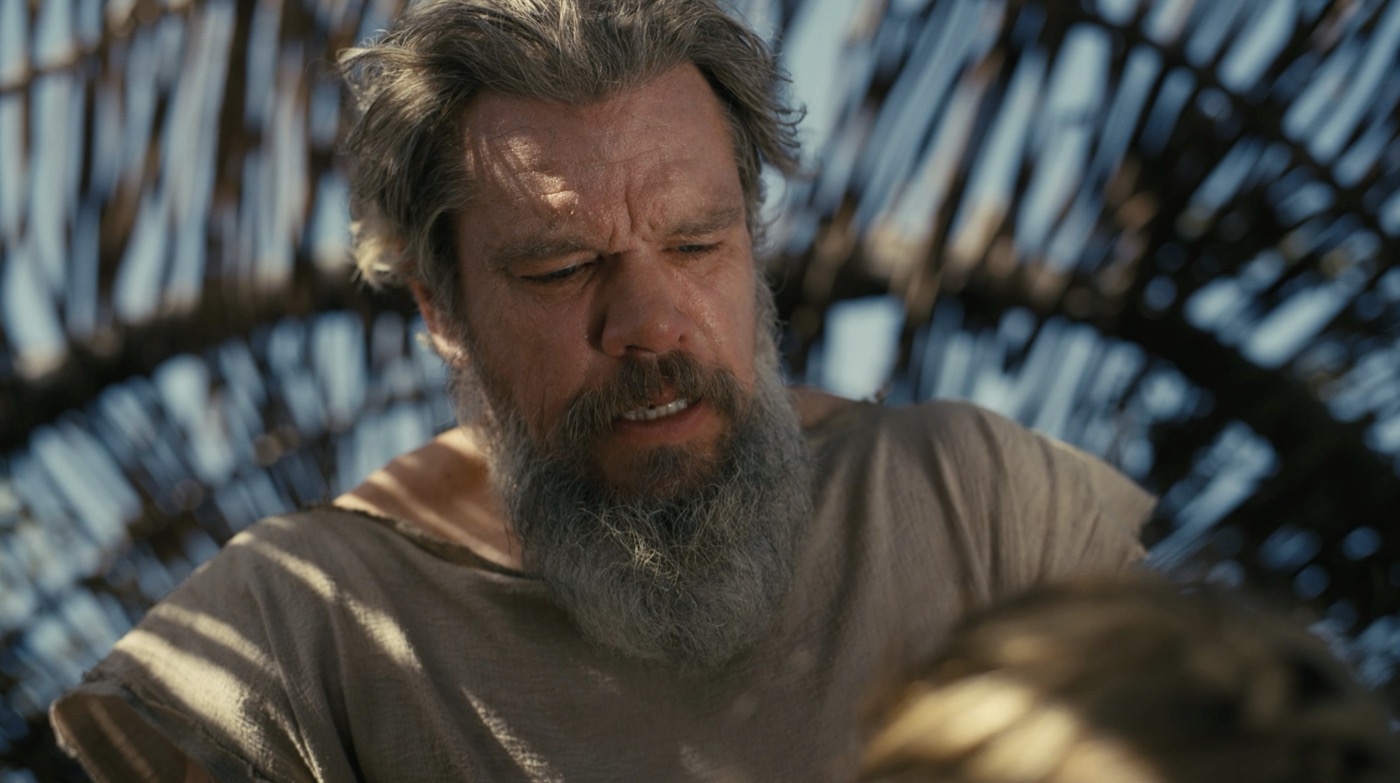
The Odyssey showcases Nolan on his own artistic odyssey, highlighting his growth as a storyteller and filmmaker. In past films, Nolan has faced valid criticism regarding sound mixing. Here, we see the best work of his career in that department. In films like Tenet (2020), the dialogue was drowned out at times in favour of booming scores. The Odyssey finds the right balance without sacrificing overall volume, which remains deafening. Whilst it may feel overwhelming to some viewers, this sonic immersion into Odysseus’s journey is one of the film’s greatest strengths,perfectly complementing the visuals.
Other weaknesses in Nolan’s earlier work include underwritten female characters and a lack of emotional catharsis. Homer’s Odyssey feels outdated in its approach to gender roles, but more modern interpretations—which heavily influenced Nolan’s vision—are at work here. I’m reminded of Madeline Miller’s novel Circe, which re-examines Greek mythology through the eyes of the witch. ‘Humbling women seems to me a chief pastime of poets,’ Circe says. ‘As if there can be no story unless we crawl and weep.’
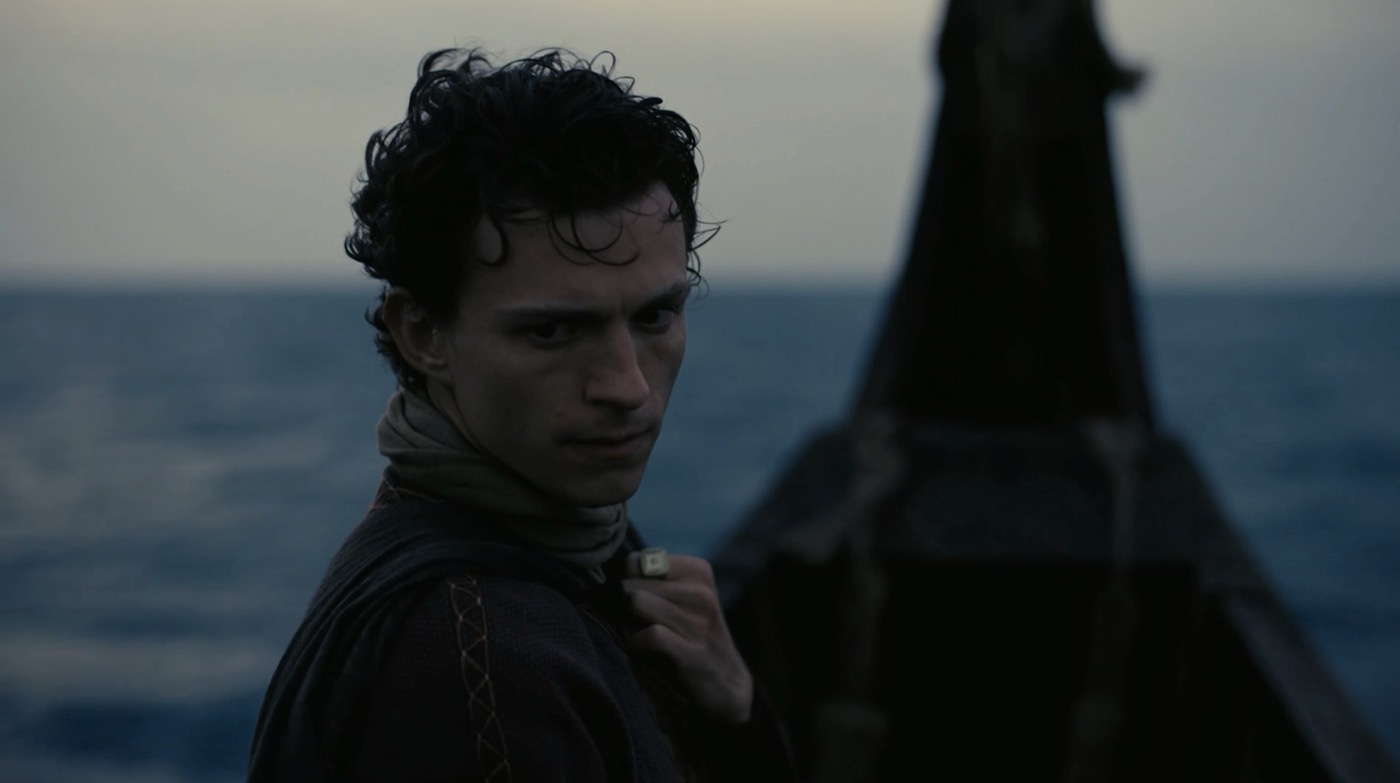
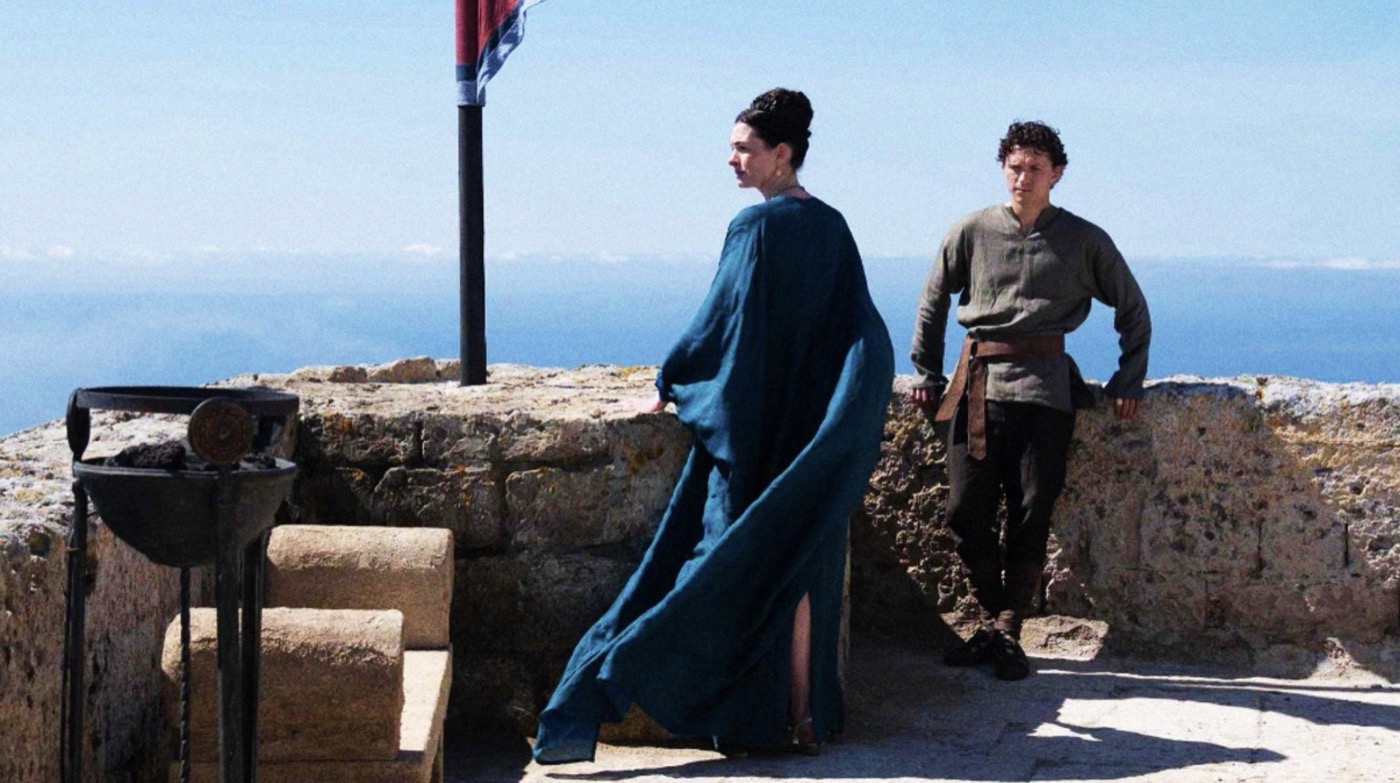
The Odyssey defies older poetic traditions, giving minor female characters the opportunity to shine where a traditional adaptation would’ve failed. Morton and Zendaya both excel despite their limited screen time, and Anne Hathaway delivers some of her finest work as Penelope. She is driven by anger and frustration over her husband’s absence, whilst clinging to a deep-seated hope for his return. Hathaway gives the film its beating heart, providing emotional catharsis that elevates it beyond mere blockbusting entertainment. One of my few gripes is how long the film takes to build towards this pull between Odysseus and Penelope. The horrors of his voyage take centre stage early on, but Nolan’s script uses those trials to fuel a breathtaking final hour that is both heartbreaking and deeply satisfying.
Like Oppenheimer, The Odyssey is a technical marvel across the board. This marks Nolan’s fifth collaboration with cinematographer Hoyte van Hoytema, and it’s arguably their finest work yet. Every image, shot in a 1.43:1 aspect ratio,constructs a terrifying landscape of the Bronze Age. A tempest sequence at sea is legitimately blinding; flashes of lightning and fire made me want to look away, yet I couldn’t tear my eyes from the screen.
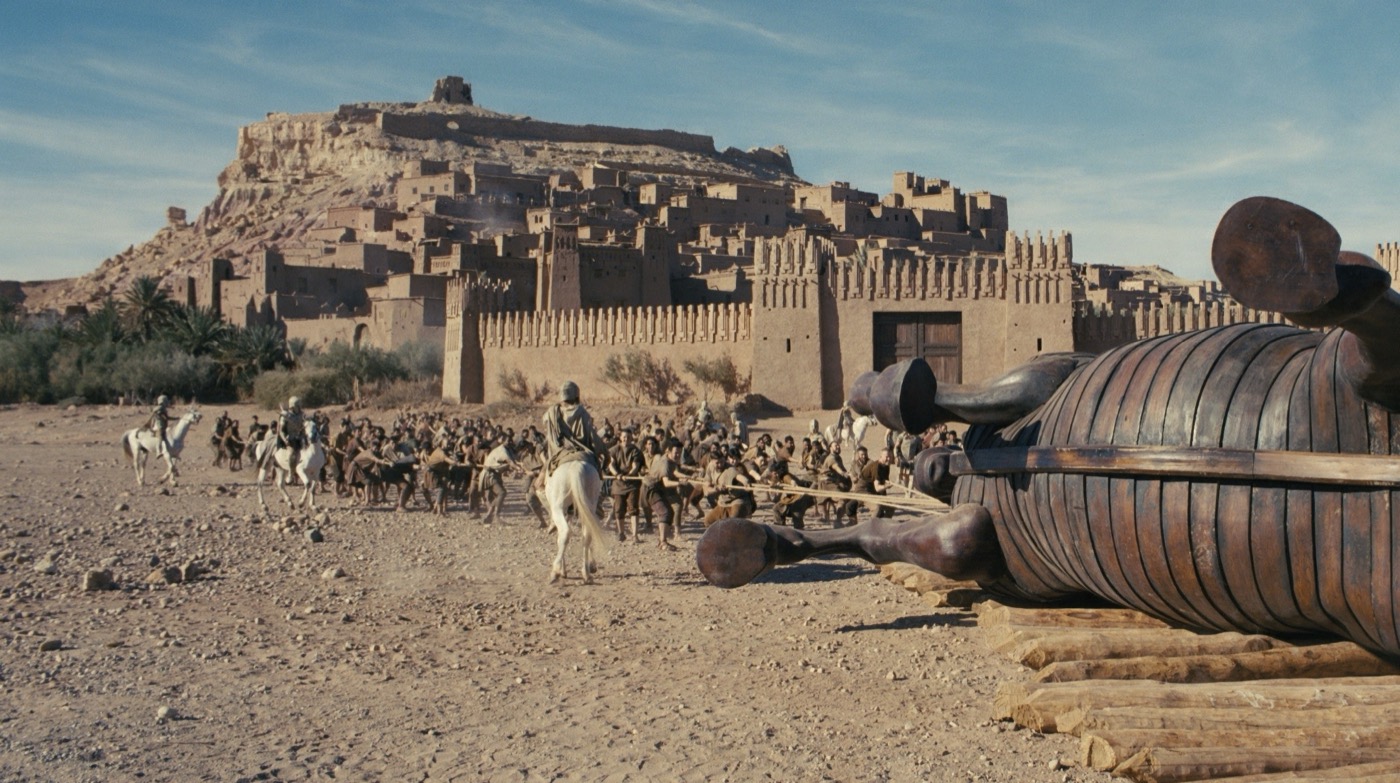
Jennifer Lame’s editing is once again masterful. Across a 172-minute runtime, she maintains a brisk pace without losing momentum or emotional clarity. Nolan often reuses shots to heighten emotional impact—a technique heavy in Oppenheimer. In The Odyssey, he uses this far more sparingly, which strengthens the third act’s payoffs. It’s remarkable that they managed to cover almost all of Homer’s plot without leaving any fat or lulls in the narrative.
Composer Ludwig Göransson proves once again that he’s one of the finest talents working today. It would’ve been easy to lean into the traditional orchestral arrangements that have dominated cinema history, but Göransson is far more interested in discovering new ways to convey emotion. From bronze instruments to deep, resonant bass, every element feels distinct. It’s closer in spirit to Tenet than to a film like Troy (2004), making the score one of the movie’s most memorable achievements.
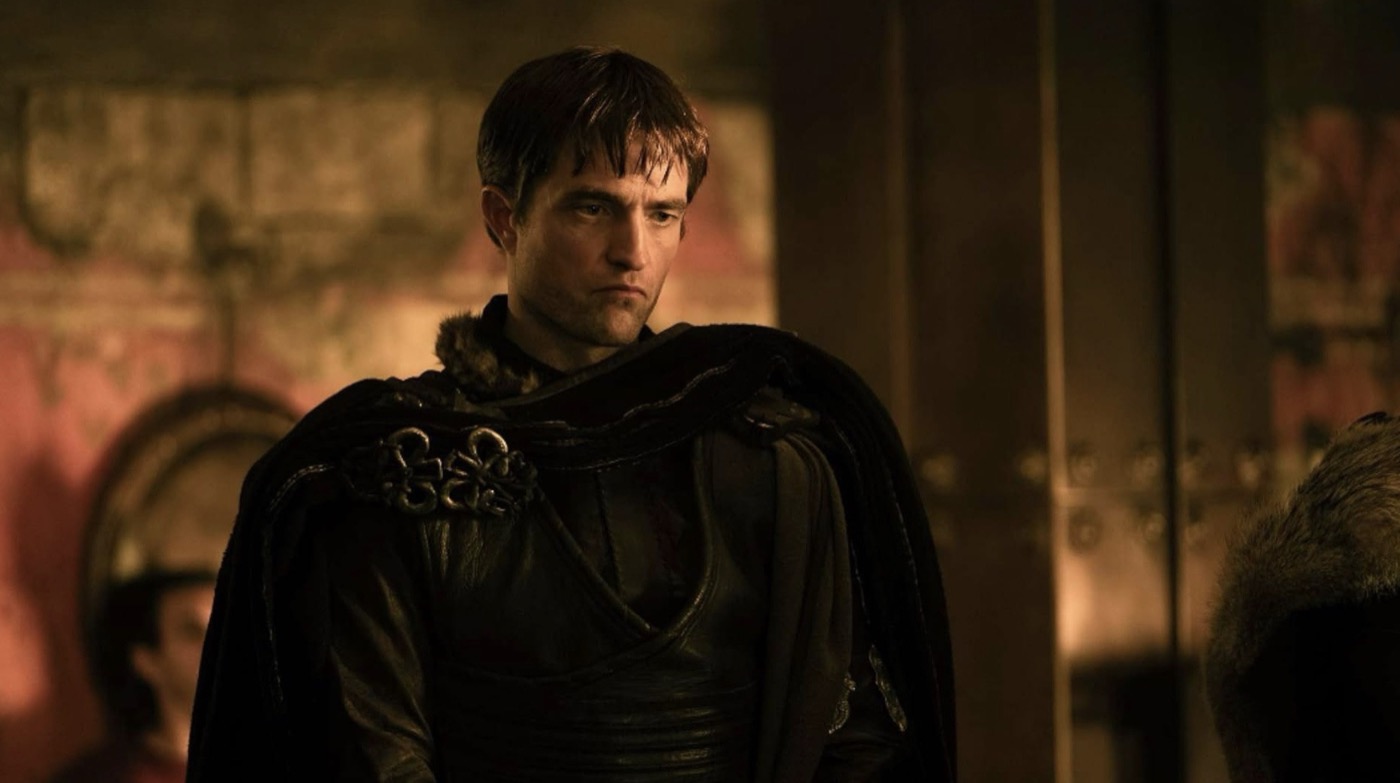
The crew has done an outstanding job, and the casting department operated at the exact same level. The ensemble features too many standouts to name. Despite a demanding shoot, every actor seems to have jumped at the chance to work on a Nolan film, and each earns their moment in the spotlight. Tom Holland delivers career-best work, whilst Pattinson is chillingly pathetic. Despite possessing leading-man qualities, Pattinson has the versatility of a character actor and continually proves why he’s one of the finest working today. John Leguizamo is fantastic as Eumaeus, the loyal servant, and Elliot Page’s reunion with Nolan following Inception (2010) is a welcome reminder of his talent, bringing deep morality to a lost world in just a few scenes.
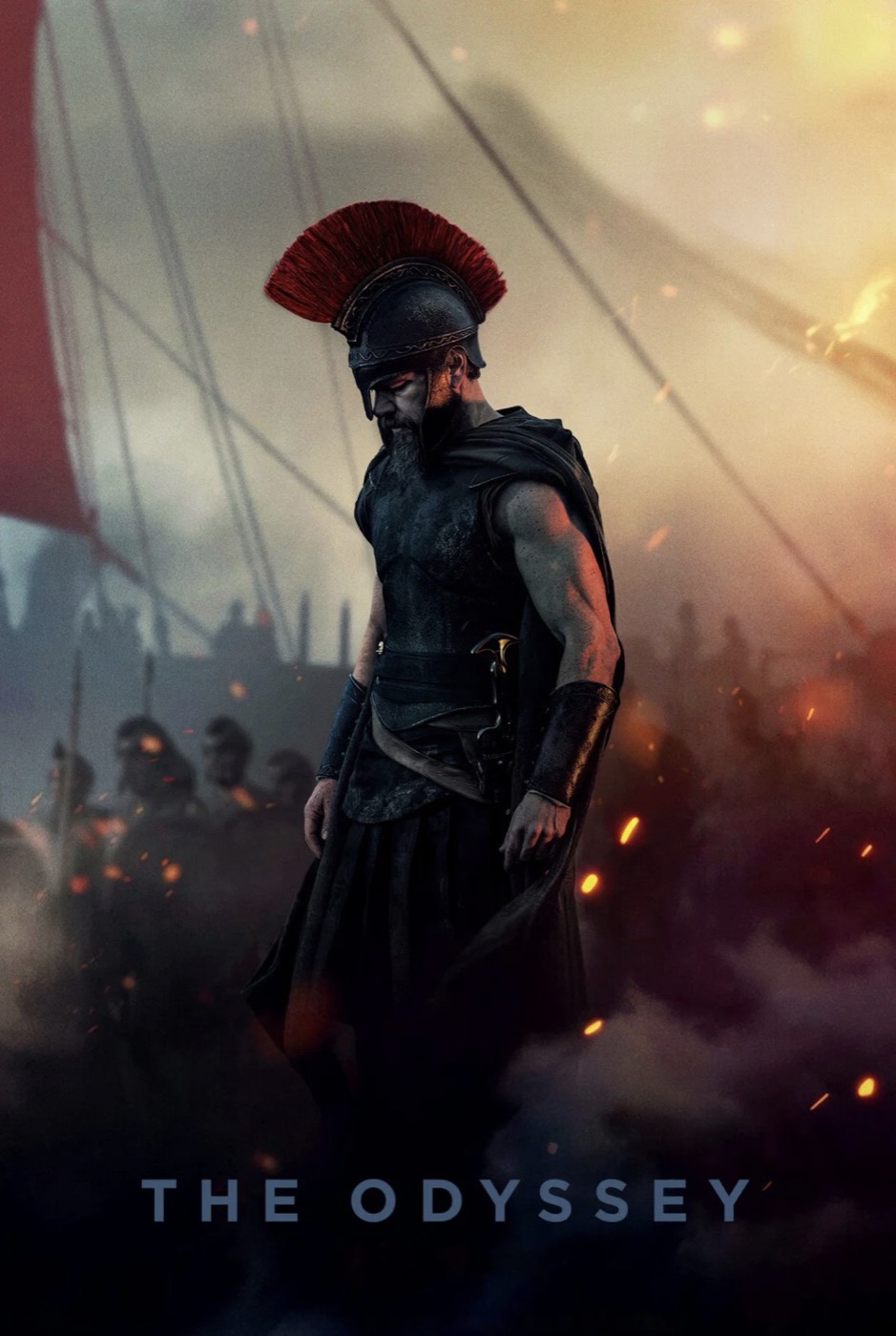
Singing the praises of the supporting cast almost understates how incredible Matt Damon is. Throughout the film, he masterfully conveys the anguish of the man who sacked Troy and is now struggling to find his way home to himself. Damon transforms this legendary figure into a tortured hero haunted by his past. There’s a delicate balance here; a lesser performance might have lost the audience’s sympathy, but Damon’s work keeps us firmly in his corner. In a career full of highlights, this may well be the role for which he’s most remembered.
In Homer’s poem, Odysseus is a boastful king and a cunning warrior presented as an unblemished hero. The spoils of war were viewed as points of pride and fair game for victors. With three millennia separating us from his world,adapting The Odyssey without a clearer moral frame—guilt, empathy, and community—would feel dishonest. Nolan showed in Oppenheimer his fascination with complicated figures who alter the world, though not always for the better.
Although The Odyssey serves as a follow-up to the Trojan War, the events at Troy remain central to this adaptation. The third act’s harrowing depiction of what transpired within the city walls will linger long after the credits roll. Nolan’s modern reconceptualisation of the impact of war and the boundaries dividing humanity is profound. Despite occasional complaints regarding American accents or contemporary phrasing, striking the right emotional chord for a modern audience is far more important. An exact, traditional recreation of The Odyssey has value in helping us explore our past, but Nolan is interested in our present. This film of ancient horrors and mythical encounters serves as a stark warning against conflict and the erosion of our humanity.
Despite the film’s sombre tone, I left the cinema feeling a deep sense of hope for the future of film. The Odyssey was clearly crafted with immense love and devotion to the craft. Cinema represents the pinnacle of storytelling, engaging our senses and deepening our emotional capacity. For a tale that began in the oral tradition before being set down on parchment, The Odyssey feels as though it was always meant for the big screen. It’s one of the finest films of the year.
UK • USA | 2026 | 172 MINUTES | 1.43:1 (IMAX) • 1.85:1 (THEATRICAL) • 2.20:1 (70MM) • 2.39:1 (THEATRICAL) | COLOUR | ENGLISH

director: Christopher Nolan.
writer: Christopher Nolan (based on ‘Odyssey’ by Homer).
starring: Matt Damon, Anne Hathaway, Tom Holland, Robert Pattinson, Lupita Nyong’o, Samantha Morton, John Leguizamo, Zendaya, Himesh Patel, Charlize Theron, Jon Bernthal, Benny Safdie, Elliot Page, James Remar, Bill Irwin, Ryan Hurst, Corey Hawkins, Mia Goth, Logan Marshall-Green, Will Yun Lee, Jovan Adepo & Travis Scott.