SAVAGE HOUSE (2026)
Set in 18th-century England during pox outbreak and Jacobite uprising, Sir Chauncey and Lady Savage blindly pursue a better life... filled with ironic decadence and bloodshed.


Set in 18th-century England during pox outbreak and Jacobite uprising, Sir Chauncey and Lady Savage blindly pursue a better life... filled with ironic decadence and bloodshed.
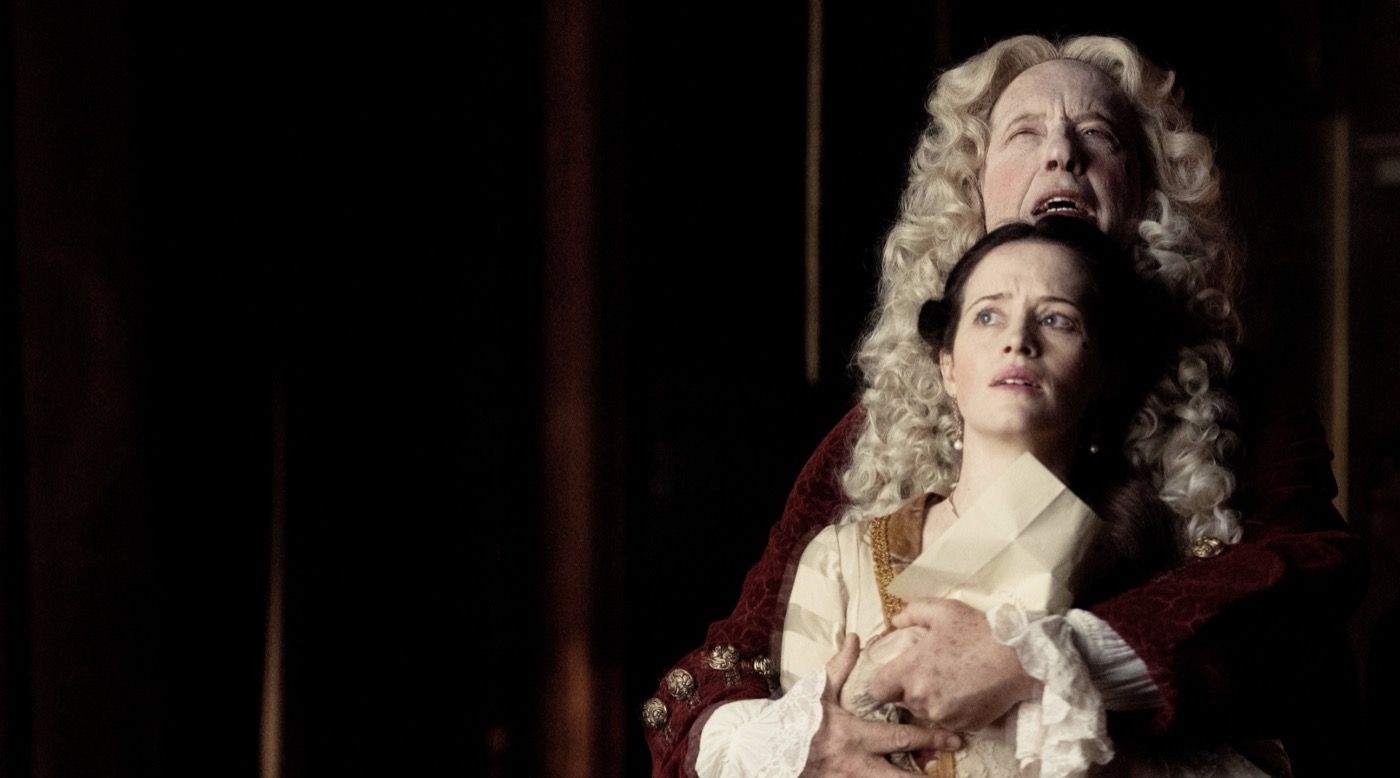
It is 1715. A Jacobite rebellion threatens the aristocracy, while deep in the English countryside, Lord Chauncey Savage (Richard E. Grant, playing a chancy savage—get it?) and his wife (Claire Foy) dream of bettering themselves. Savage House has fallen into disrepair, both literally and reputationally, though it was arguably doomed as soon as Chauncey arrived. The son of a lowly pig farmer, Chauncey rose through ambition and charm to marry Lady Savage. Through his debauchery and greed, however, he has, down the years, reduced her house to its present state.
They are the bottom feeders of the British elite, just managing to keep the creditors at bay with the help of Chauncey’s footman and fellow rake—meaning a man of loose morals—Reginald (Jack Farthing). But even Reginald is conspiring with the lady’s maid, Dorothy (Bel Powley), to steal the Savage seat. So, when the Duke and Duchess of Devonshire ask to be received, the Savages see this as their chance to restore their noble name. Selling everything they can to afford the perfect night and climb the social ladder, they try not to see it as a bad omen that the evening coincides with a total eclipse, when evil spirits are said to fly down.
Written and directed by British-American filmmaker Peter Glanz, Savage House is a take on the picaresque novel, a genre popular from the mid-16th to the 19th-centuries. It included in England such works as Henry Fielding’s The History of Tom Jones, a Foundling (1749) and William Makepeace Thackeray’s The Luck of Barry Lyndon (1844), which became the famous Stanley Kubrick film Barry Lyndon (1975). No doubt if Savage House were based on a novel, that source material would have been called something like The Chances of Chauncey Savage, a Noble Rake. The picaresque mixes comedy and satire to tell the story of a rogue—a man of low means and social standing who nonetheless lives by his wits to rise through the ranks of his world. The style is realistic, the tone tragicomic, and the endings often bleak, leaving the rake reduced or compromised. In keeping with this picaresque structure, the film is narrated by Robert Bathurst and proceeds in episodes with chapter titles, counting down to the Duke and Duchess’s arrival.
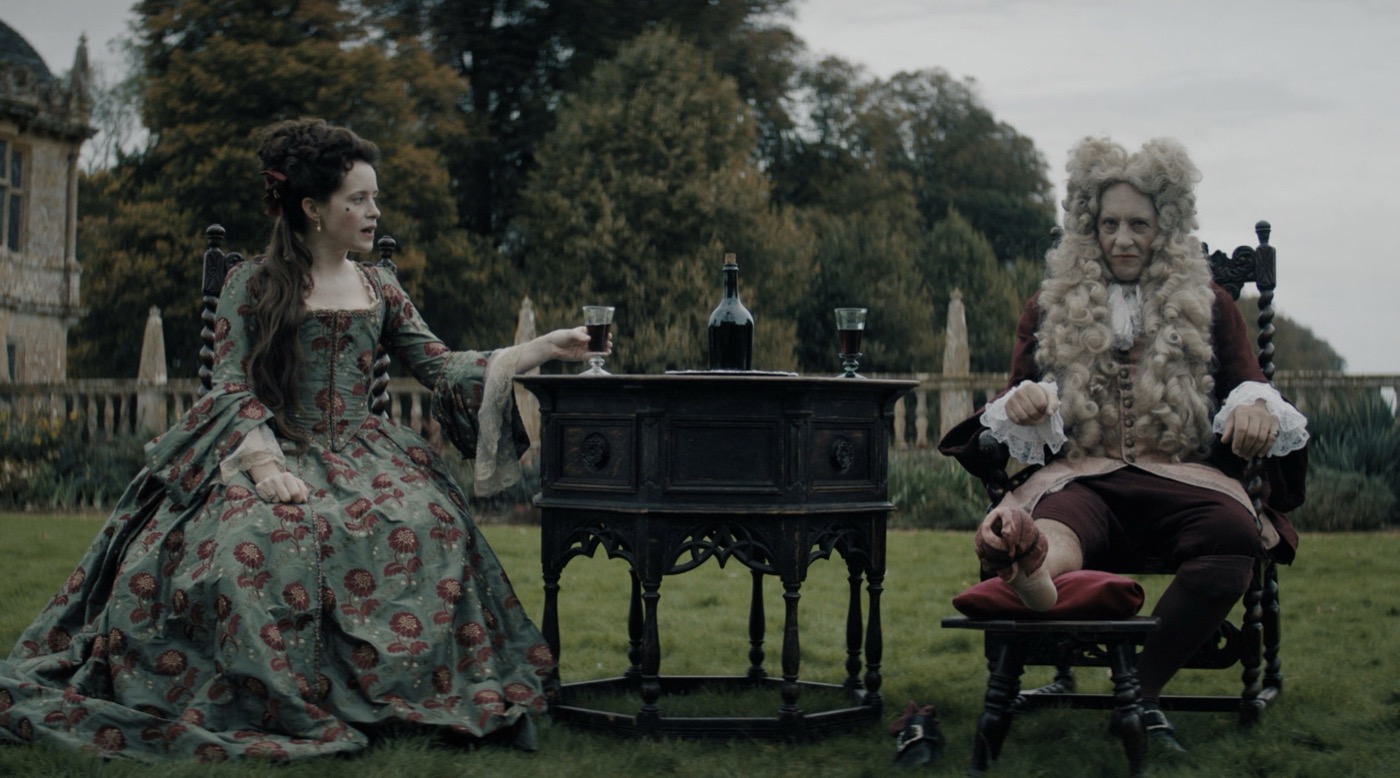
Glanz’s basic approach is to take the genre and turn it up to 11, soaking it in Gothic grotesquerie. Savage House is filled with gangrenous wounds, festering limbs, rotting flesh, piles of literal excrement, pestilence, infidelity, murder, shootings, stabbings, madness, cruelty, greed, and a plot where everyone is miserable forever—including their descendants, probably. It is also one of the best films I have seen this year.
In fairness, the film has something in common with, say, the John Waters satires of the 1970s, like Pink Flamingos (1972) and Female Trouble (1974). As much as I love those films (and I do, for my sins), especially Female Trouble, they are aggressive and exhausting watches. Savage House is not near that level, of course. It does not rely on non-actors screeching their lines and circus sideshow acts. But it does operate on a similar wavelength, constantly rubbing your nose in how fetid its world and people are. Rarely have I envied posh people less.
The best word to describe the film’s aesthetic is “morbid”. The palette is milky and grey, the camera’s eye shot through with glaucoma. There are no beauty shots of elegant candlelit halls or sweeping estates with well-kept fields and sundials, as seen in Barry Lyndon. Nor is there a sense, as there also is in Barry Lyndon, that any character is truly innocent and merely a victim of their social milieu. The closest anyone comes to that is Fanny Savage (Kíla Lord Cassidy, excellent at just 16), daughter of Lord and Lady Savage. She keeps pet mice, studies the stars, and, in the manner of a Disney princess, chafes at being just a bride to serve her family.
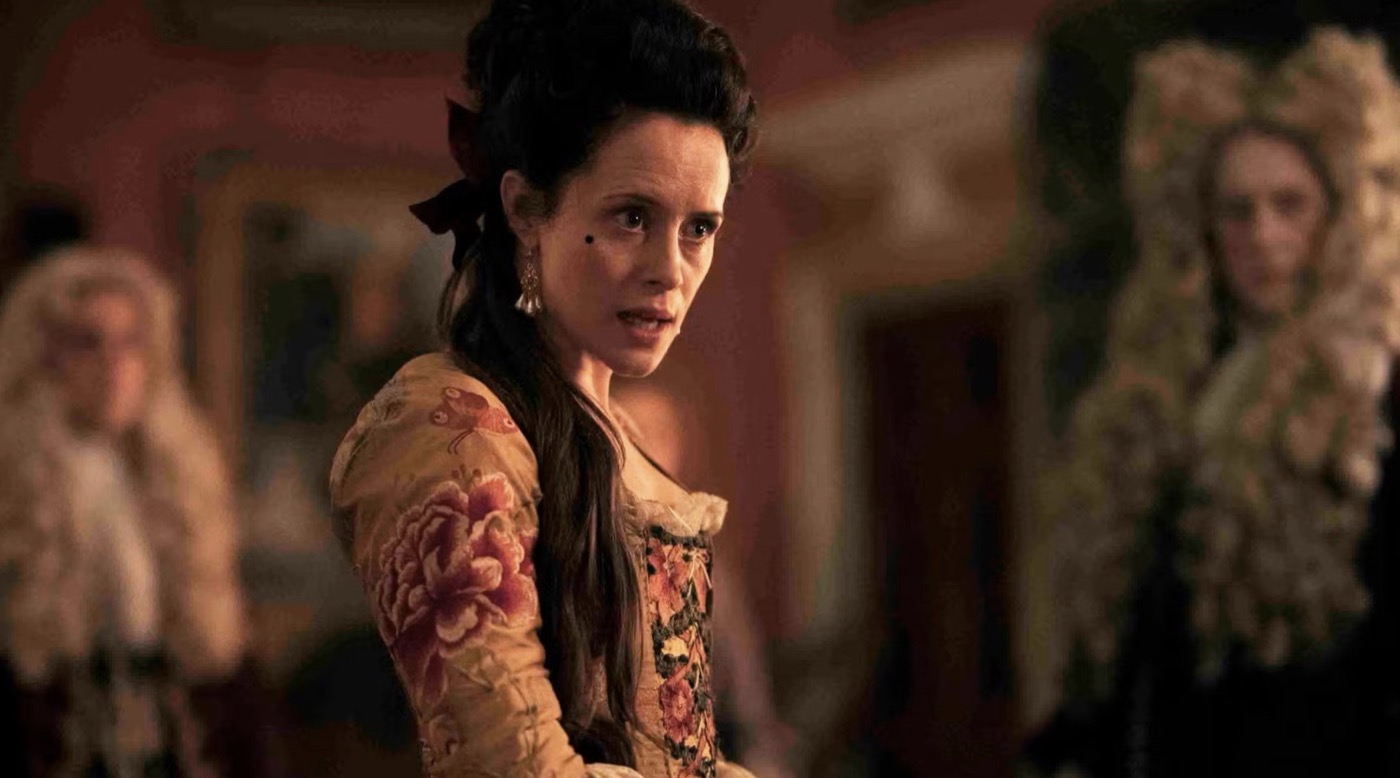
Grant’s performance is the centrepiece, though heavily supported by Foy; both are superlative. Grant does the impossible here by making Chauncey likeable (to me, at least—I am sure many, on hearing that, will indignantly reply, ‘not I!’). I cannot say he did not deserve everything he got, nor even that I did not want him to get it, necessarily. He is venal, selfish, often stupid, and criminal to boot. As much as Mr Black (Pip Torrens), the creditor who shows up periodically to threaten Chauncey through Reginald, represents the evil of debtors’ prison, he is never actually in the wrong. Chauncey has defrauded him, and for no better reason than wanting money to waste on gambling and fripperies.
Yet Grant invests this role with a charm and sympathy (of a sort) where any other actor—even a great one—might have made him purely wretched and villainous. Of course, I have no idea what Grant is like in real life, but he exudes a warmth and kindliness that shapes his dramatic roles. Foy’s rich and assured performance provides a stout support beam, so that we view Chauncey through her eyes as well as our own, perceiving her complex sympathy for him. Chauncey is, in the end, a self-obsessed and licentious buffoon rather than someone genuinely bad or cruel. And he exists in a cruel and, well, savage age. Although the 18th-century was deeply Christian, we get nary a whiff of that here. The Savages’ daughter reflects on beliefs that seem almost pagan, with her astronomy and talk of evil spirits in the dark. It is fair to say that England at this time was experiencing spiritual drift—a subtle slide away from a core of values and beliefs.
Richard McCabe and Vicki Pepperdine play Mr and Mrs Bennett, frenemies of Savage House who are tolerated by Chauncey and his lady because who else besides their staff would keep them company? This captious pair are grasping social climbers themselves, just about held together by affection, perhaps, though willing to bribe one half of a duel to put a bullet in the other’s head to ensure their own chance at upward social mobility.
UK | 2026 | 114 MINUTES | 1.85:1 | COLOUR | ENGLISH

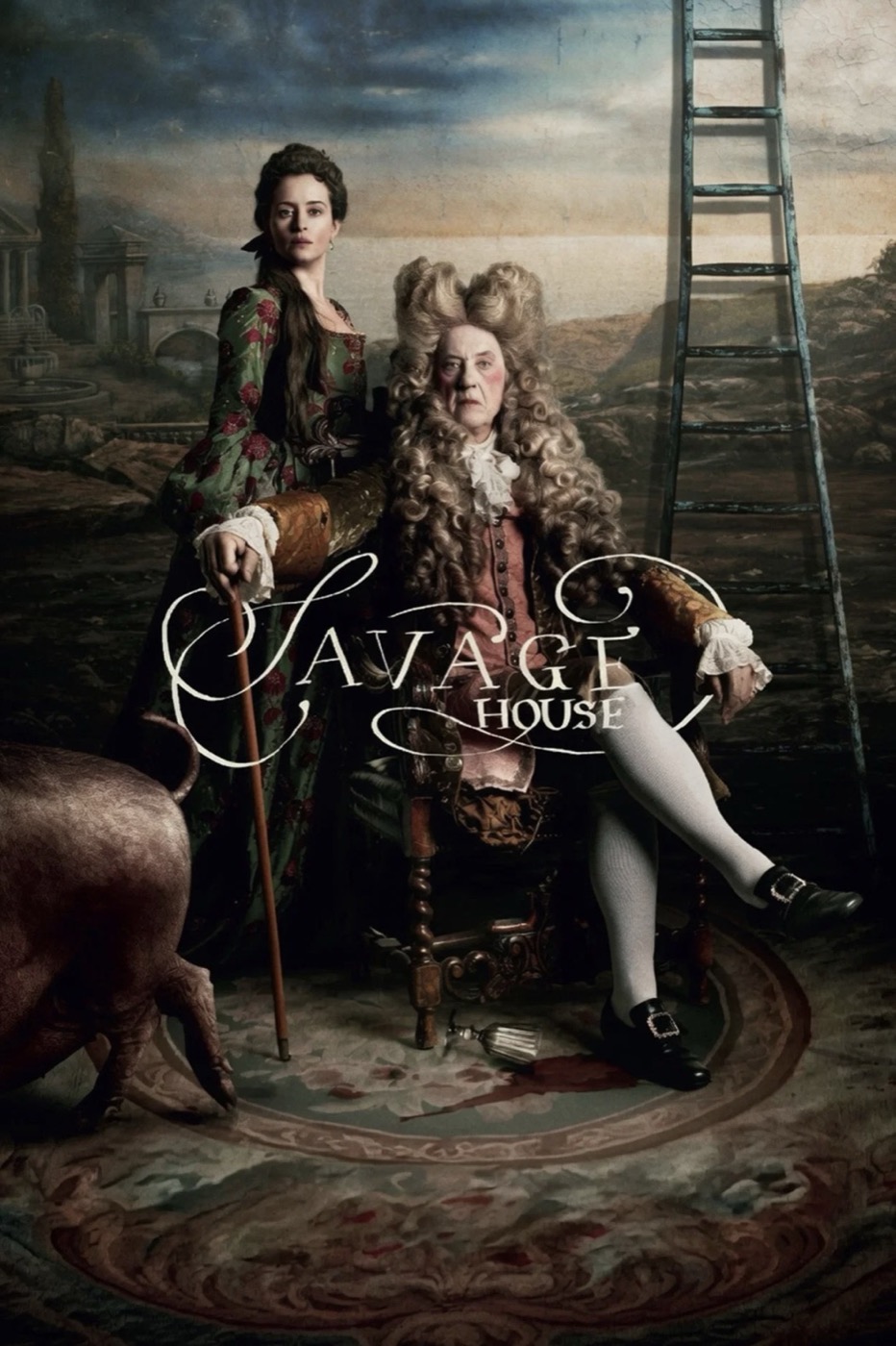
writer & director: Peter Glanz.
starring: Claire Foy, Richard E. Grant, Kila Lord Cassidy, Bel Powley, Jack Farthing, Richard McCabe, Vicki Pepperdine, Pip Torrens & Miles Jupp.