THE MARKED WOMAN (2026)
Two Spanish detectives investigate the case of a crime victim who’s lost all memories of her ordeal… and her identity.

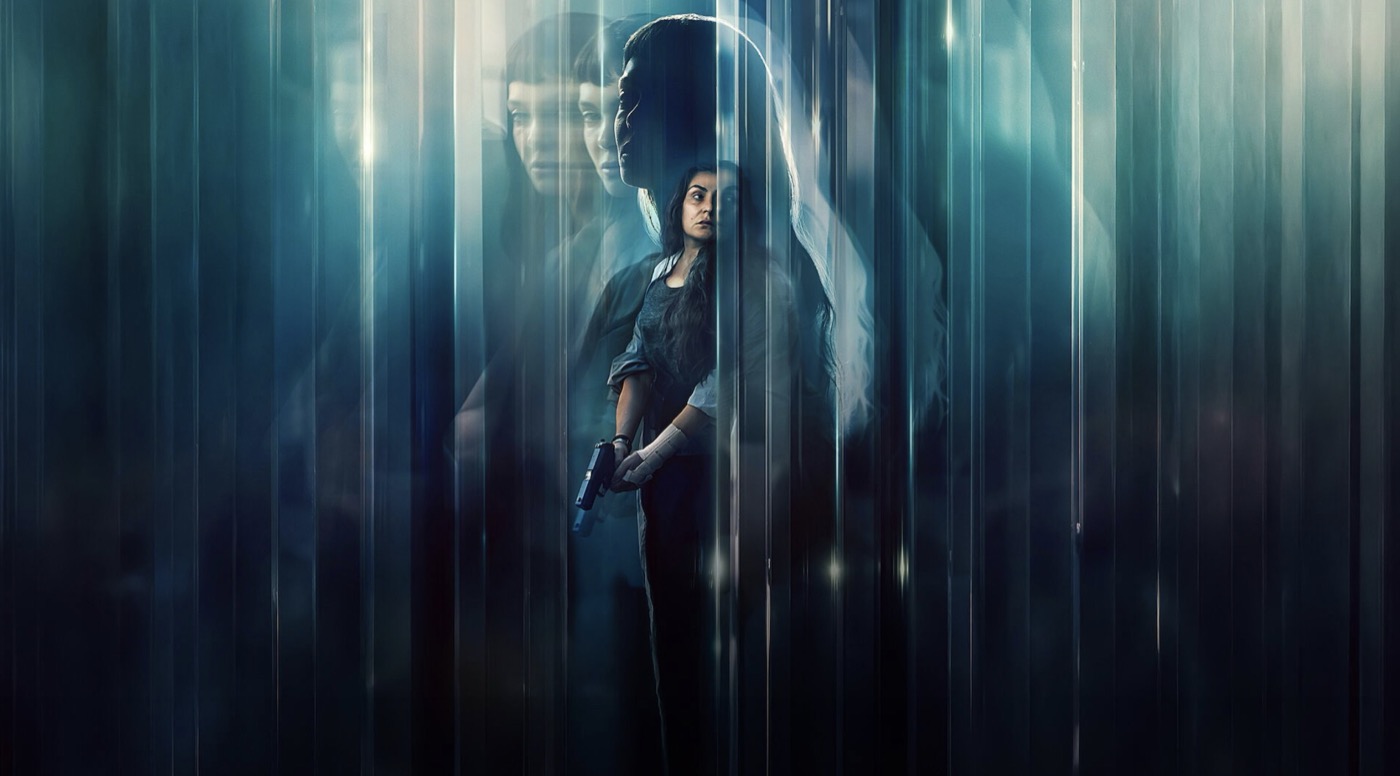

Two Spanish detectives investigate the case of a crime victim who’s lost all memories of her ordeal… and her identity.
The talent assembled for The Marked Woman / La desconocida, both on-screen and off, looks promising. Candela Peña, in one of the lead roles, is a two-time Goya winner – Spain’s equivalent of an Academy Award. Rosa Montero, author of the source novel, also boasts a crowded awards shelf, while the screenwriter, cinematographer, and composer all come with impressive filmographies.
The film starts well, too, thick with mystery. At Barcelona’s freight port, a security guard’s dog refuses to leave a particular container alone. Once opened, a shackled woman (Ana Rujas) is found inside. She has forgotten everything: the year, her name, and what happened to her. “The memories are still there, you just have to open the right door,” a doctor tells her.
Next, we meet Anna (Peña), a detective desperate to get back to work after taking leave to deal with unspecified psychological trauma — a detail presumably meant to build suspense. She wants this case and has to fight her sceptical superior to get it.
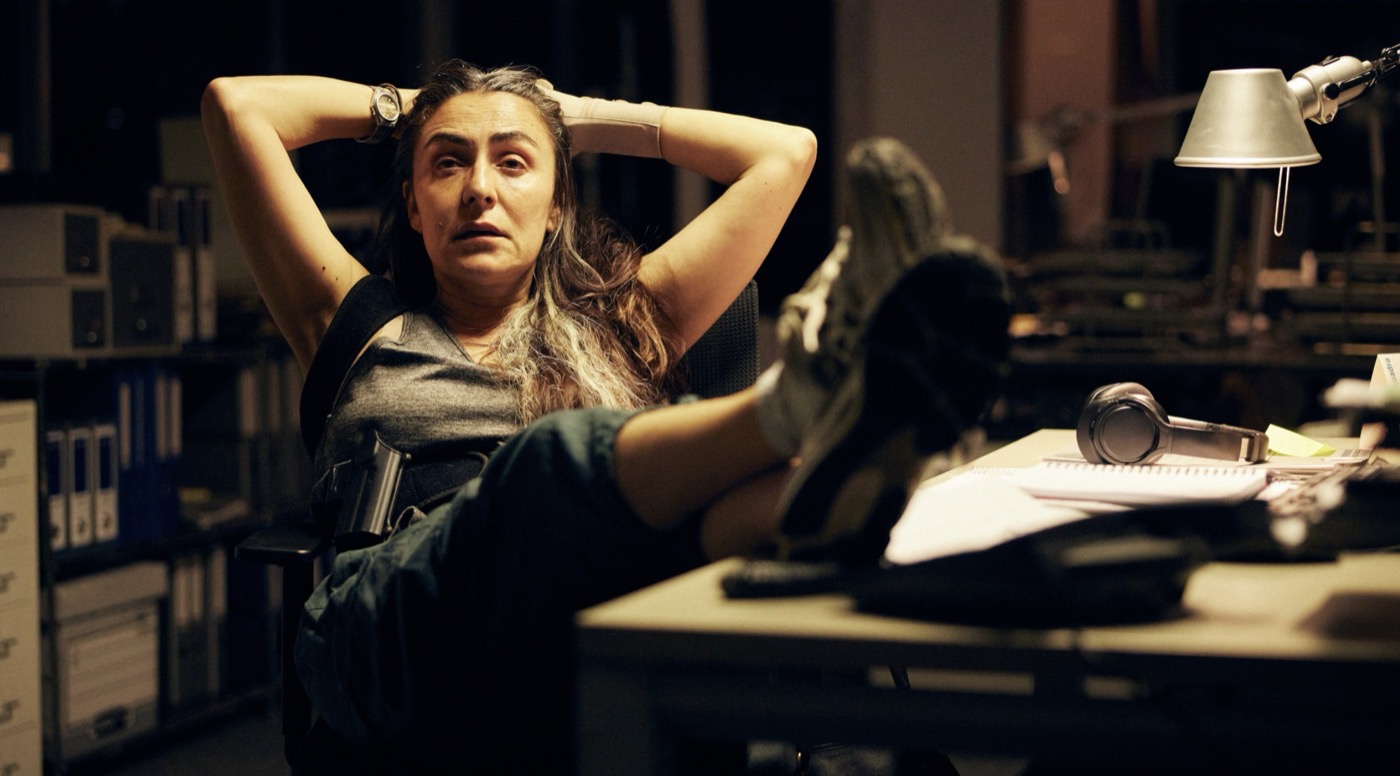
Overused-trope alarms may begin to sound, and they certainly will once the next main detective is introduced. Quique (Pol López) is a blunt, disreputable-looking investigator from the southern city of Algeciras, where the container originated and which Spanish audiences will recognise as a people-smuggling hub. Unsurprisingly, he’s under investigation by internal affairs. Predictably, the two detectives form a bickering, chalk-and-cheese pair. Later, Anna will even utter that classic line: “this goes a lot deeper than we thought”.
The way The Marked Woman falls back on such clichés is irritating because the premise holds so much potential, and the storyline is initially intriguing enough to hold the viewer’s attention. It emerges that the amnesiac woman was drugged and tortured inside the container. “I look inside, and there’s just terror,” she says, speaking of her mind, though she could easily be referring to the metal box. Later, the mystery deepens when she recalls a single detail: a string of numbers.
Unfortunately, most of the suspense this enigma generates is squandered when her identity is suddenly revealed in an abrupt manner that smacks more of writer’s convenience than plausibility. We also learn that before being abducted, she had joined a gym and mastered hand-to-hand combat — a frankly laughable mechanism used to justify an incongruous (though well-shot) fight sequence for a character you wouldn’t expect to be so literally kick-ass.
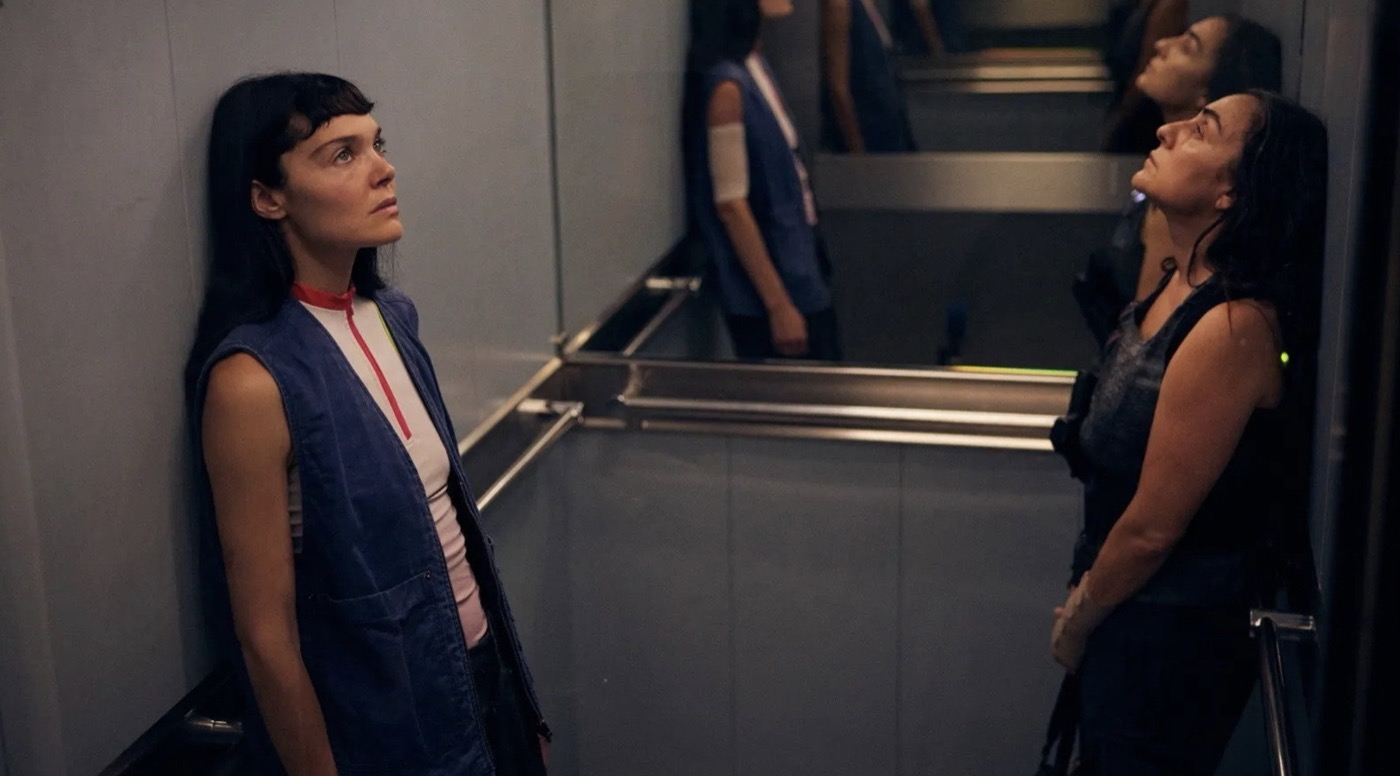
The Marked Woman then lurches, rather unsatisfactorily, into a different film. The mystery is no longer who the amnesiac woman, Clara, is, but why she was kidnapped. Some of the answers fall into place far too quickly, with Clara remembering swathes of her past and essentially delivering them as a monologue to the camera.
By the movie’s second half, there’s little left to draw you in. The storyline remains fast-moving, but it lacks any sense of urgency. While plenty of unanswered questions remain, none is as immediately gripping as the initial puzzle of Clara’s identity. It turns out another woman was also targeted by the same abductors, but we’re told very little about her or the circumstances. There are clearly bad people pulling the strings, but the precise wrong the protagonists are trying to right remains vague. Without a pressing threat, what ought to be a climactic showdown feels dull; we simply aren’t invested in the outcome.
It’s a pity, because the film is otherwise well-made. Gabe Ibáñez is a capable director — his film Automata (2014), which he also co-wrote, is an atmospheric dystopian tale that anticipates today’s big debates around A.I., even if it owes a heavy debt to Blade Runner (1982). Here, he handles long, complex passages with confidence. There’s an excellent, extended outdoor surveillance scene, for example, and another where Clara explores a building where she was held as visual memories rush back.
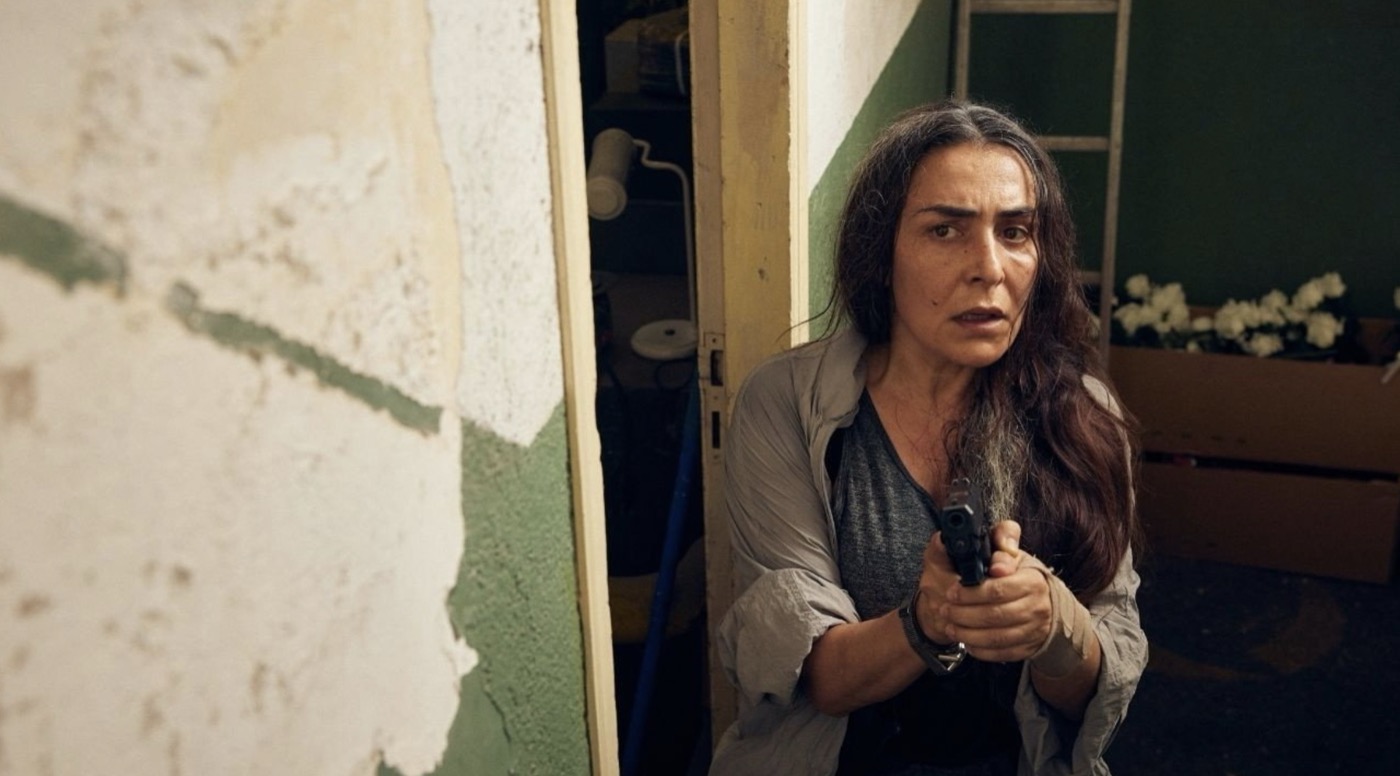
Ibáñez uses locations well, capturing the dingier, tourist-free corners of Barcelona. Bernat Bosch’s creative cinematography elevates the visuals, complemented by an effective score from the prolific Spanish composer Fernando Velázquez. Blending electronic and orchestral elements, the music perfectly underscores Clara’s psychological torment — looking back, it often sounds more suited to a horror movie than a detective thriller.
Among the cast, López is the clear stand-out as the potentially dodgy Algeciras cop. His role may be a stereotype, but it possesses some inherent intrigue (is he a good guy or a bad guy?) and he plays it brilliantly. By contrast, Peña, as his Barcelona counterpart, spends most of her time looking haunted.
To be fair, the shallowness of her performance is largely down to the script. Unlike most detective movies, The Marked Woman spends very little time on the private lives of its law-enforcement characters, despite initially highlighting them. This is usually a welcome relief — writers in this genre often overdo the investigators’ personal woes to the point of tedium — but here, screenwriter Lara Sendim goes too far in the opposite direction, leaving Anna with barely any personality at all.
The same issue plagues Clara. We never get a real sense of what’s going on inside her, even after she recovers her memory; she remains largely passive, carried along by events rather than shaping them. Rujas does the best she can with such a limiting character.
Ultimately, the flaws of The Marked Woman lie in the writing — not the dialogue itself, but the lack of a compelling narrative driver once the puzzle of Clara’s identity is solved. The ingredients for a strong film are all there, but there’s nothing to pull them together.
SPAIN • ARGENTINA | 2026 | 109 MINUTES | 2.35:1 | COLOUR | SPANISH

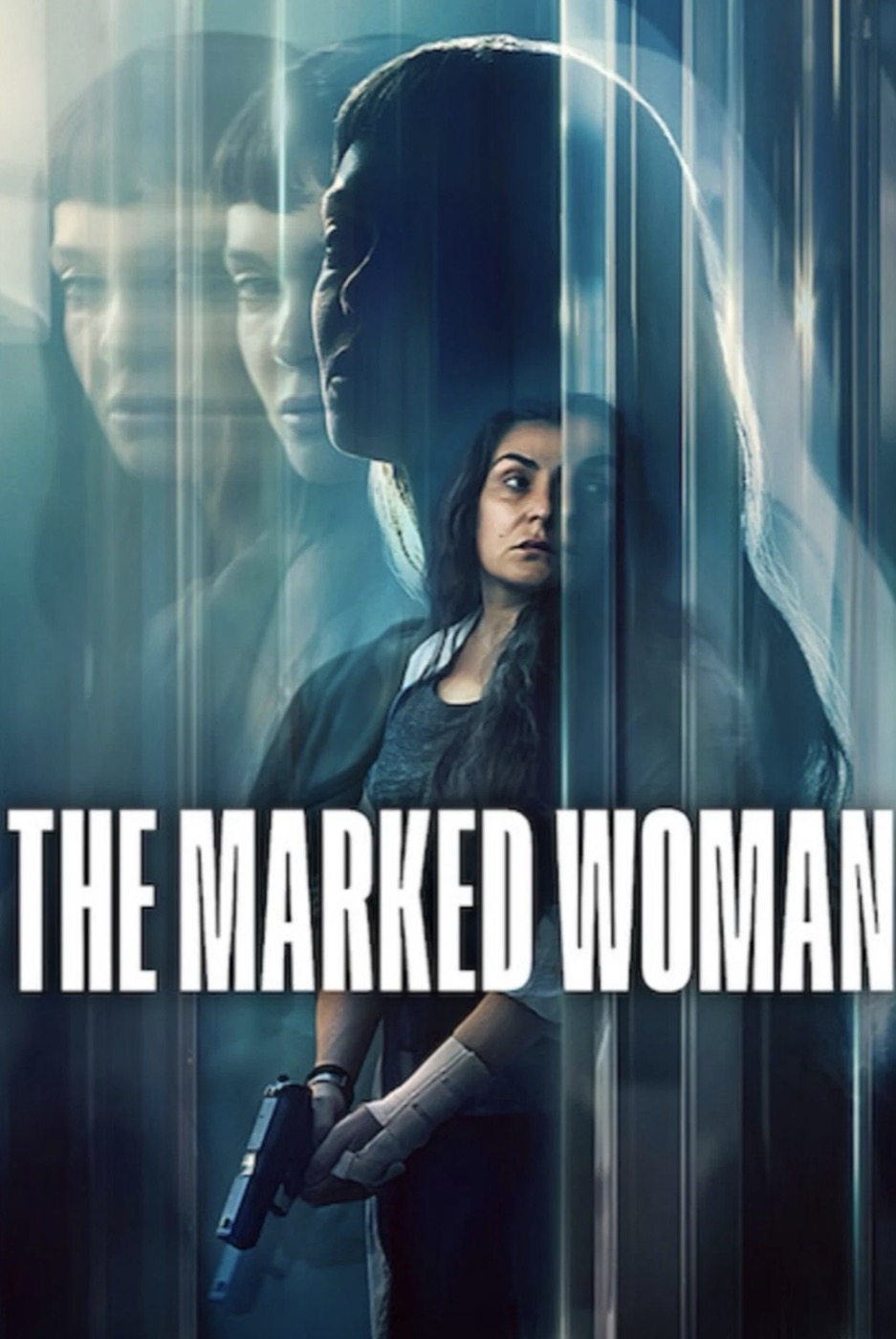
director: Gabe Ibáñez.
writer: Lara Sendim (based on the novel by Rosa Montero & Olivier Truc).
starring: Candela Peña, Ana Rujas, Kira Miró & Pol López.