DISCLOSURE DAY (2026)
A man tries to expose the truth about alien intelligences to humanity, while chased by a government agency dedicated to maintaining the secrecy...


A man tries to expose the truth about alien intelligences to humanity, while chased by a government agency dedicated to maintaining the secrecy...
After 21 years, Steven Spielberg returns to alien-themed sci-fi with Disclosure Day, a movie that, on the surface, is a thriller concerning extraterrestrial beings. However, once the film gets underway, you soon realise it’s trying to be more ambitious with its themes. It may share a few similarities with Close Encounters of the Third Kind (1977), but if you’re expecting the same type of spectacle and epic scope that film provided, you’re going to be sorely disappointed.
The narrative’s genesis came after the legendary director read a 2017 New York Times investigative article about the Pentagon’s secret UFO – or as they’re now called, Unidentified Aerial Phenomena (UAPs) – research programme.
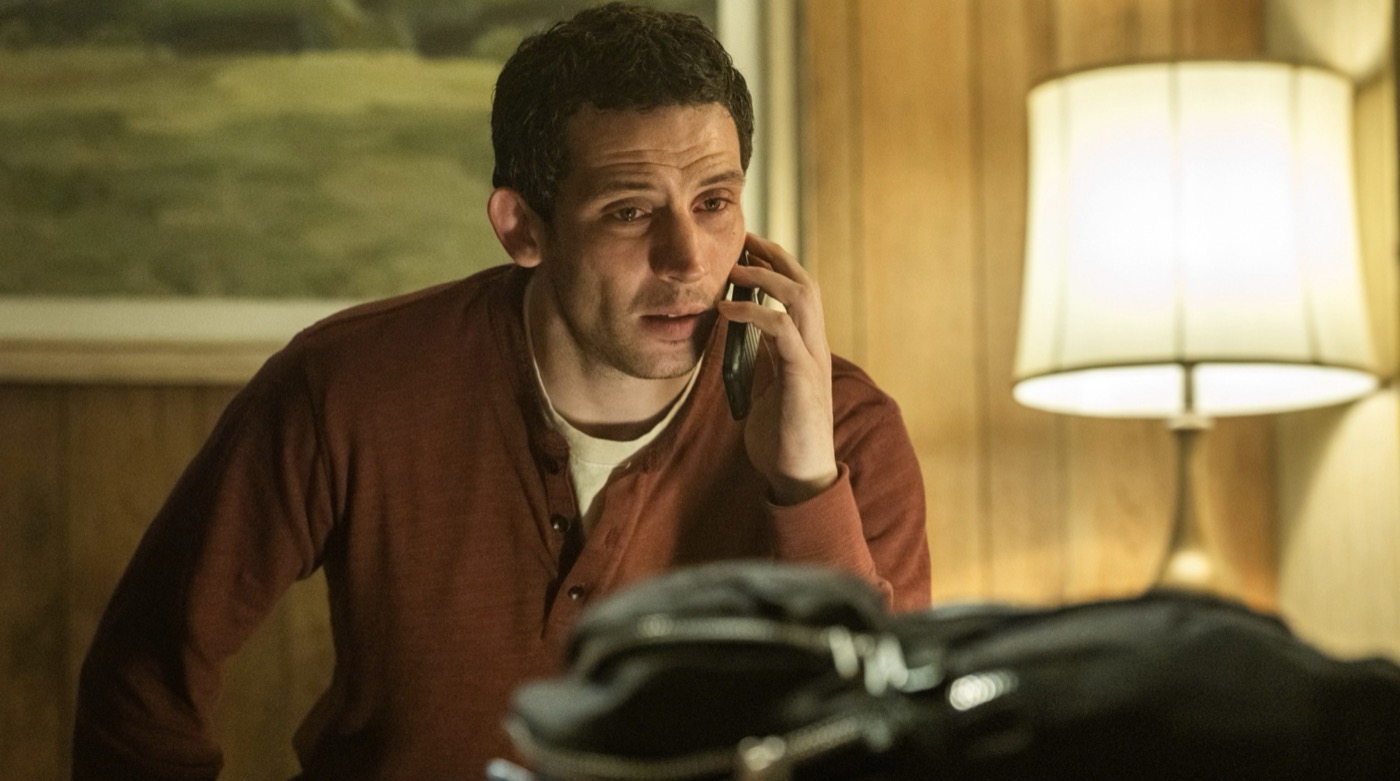
From the off, the influence of this premise involving a shadowy agency is immediately apparent. One of the main characters, cybersecurity specialist Daniel Kellner (Josh O’Connor), steals alien technology and files showing historical human-alien contact from the Wardex Corporation, a top-secret arm of the US government. Daniel reveals everything to his girlfriend, Jane (Eve Hewson), and tells her he intends to leak this knowledge to the world. Naturally, the powers that be within Wardex don’t want this to happen.
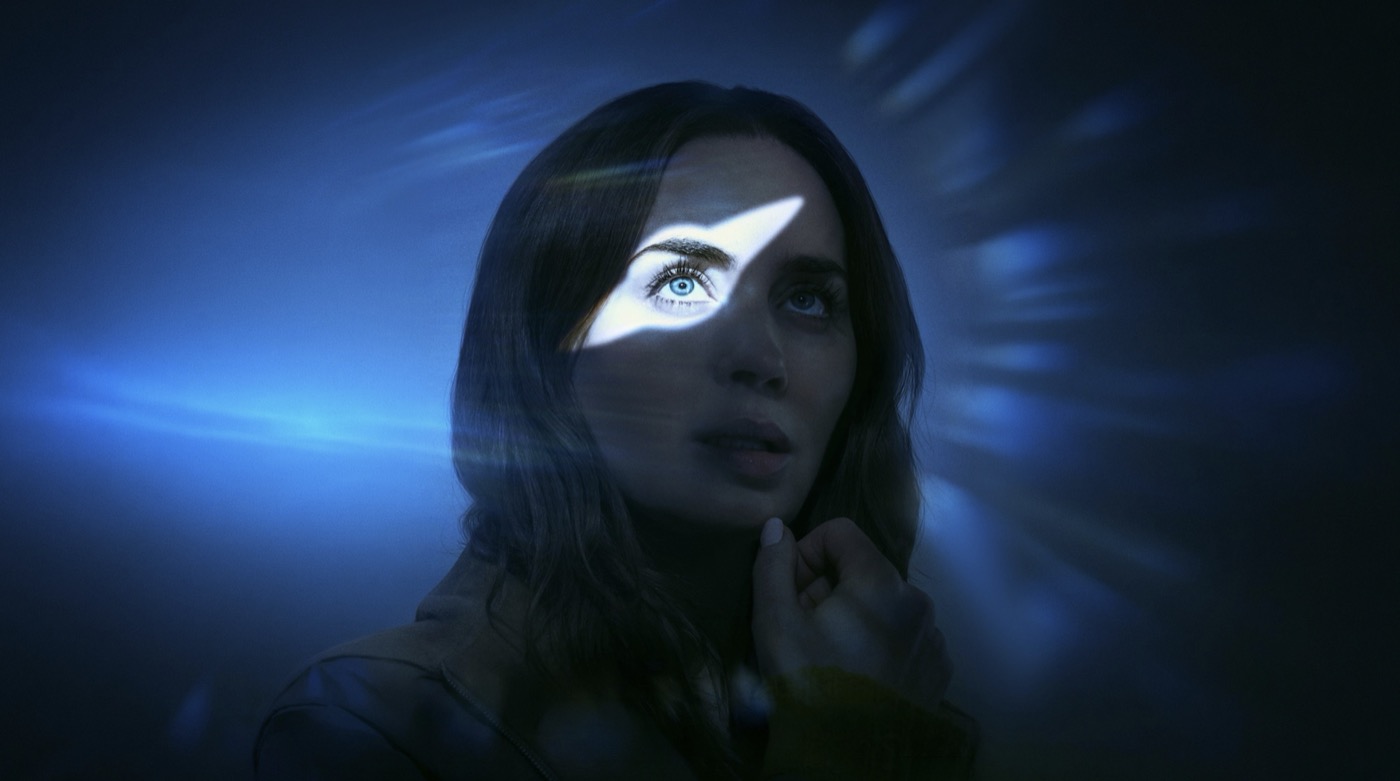
Alongside this X-Files-style scenario, Kansas City TV weather presenter Margaret Fairchild (Emily Blunt) begins speaking in a strange, unknown language during a live broadcast. This occurs soon after she sees a cardinal fly into her home, an event that appears to awaken a dormant empathic ability; suddenly, she can understand the emotions and languages of anyone she encounters. What does this all mean, and is it connected to Wardex and the alien technology?
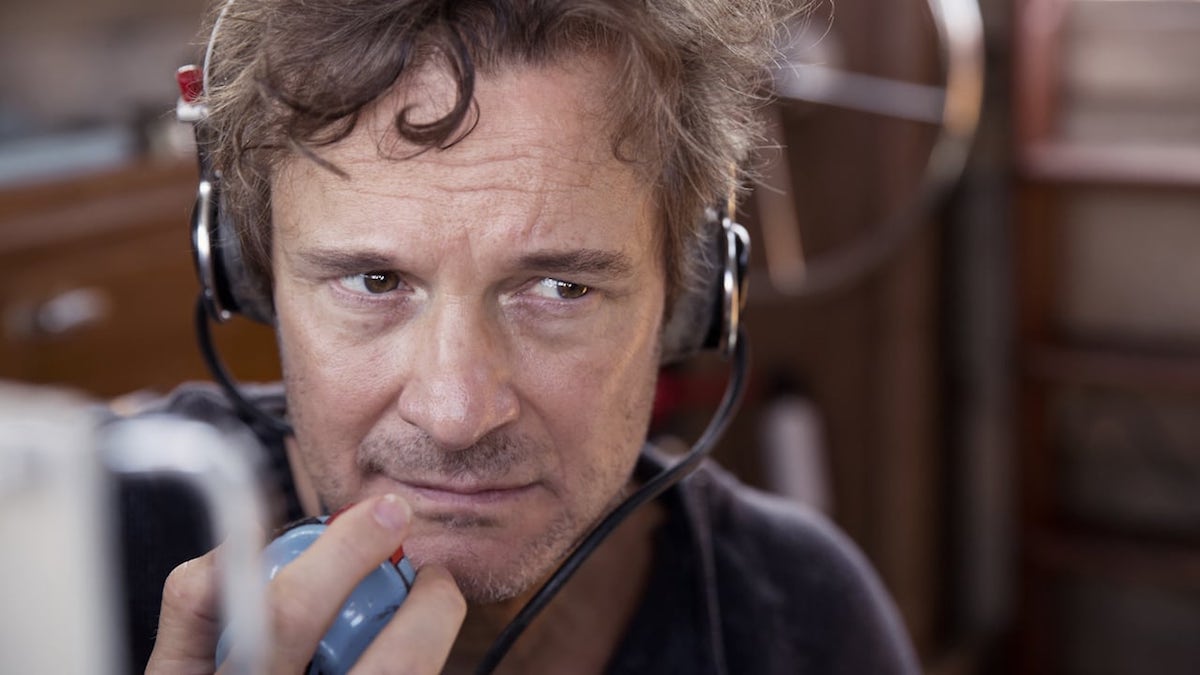
Daniel is declared a foreign spy by Wardex CEO Noah Scanlon (Colin Firth) who, after seeing footage of Margaret,identifies the language as being of otherworldly origin. He sets out to capture them so this monumental discovery stays hidden from the global population.
So far, so good. As I indicated earlier, the screenplay isn’t interested in a straight alien-visitation story. Instead, it explores themes centred around what would happen if actual footage of human-extraterrestrial contact were revealed – and the religious and societal consequences if such knowledge were shared with the world.
Tied into all this is the underlying message that, in our current state of global unrest, humanity is experiencing a huge existential crisis due to a lack of empathy. We as a species don’t connect like we once did, and the film attempts to reflect this through its science-fiction mystery plot. While these concepts can be commended for trying to bring something fresh and philosophical to the genre, the overall screenplay is, unfortunately, not quite up to its lofty ambitions.
Perhaps its main fault is that the narrative pacing is all over the place; the screenplay simply tries to do too much within the confines of one feature film. Its 1970s-era conspiracy thriller trappings are fine in themselves, but combining this approach with a prescient look at modern societal ills requires stronger writing across the board to be entirely successful. After hearing that screenwriter David Koepp had to turn in 43 drafts before it was signed off, I wasn’t surprised.
These ambitious themes might have been better served by a multi-episode TV series, allowing more time for the characters and thematic elements to properly play out. What we get instead is a mishmash of action set-pieces combined with underdeveloped plot points and clunky, expository dialogue. It’s a shame, since the direction, set-pieces and acting throughout are all excellent.
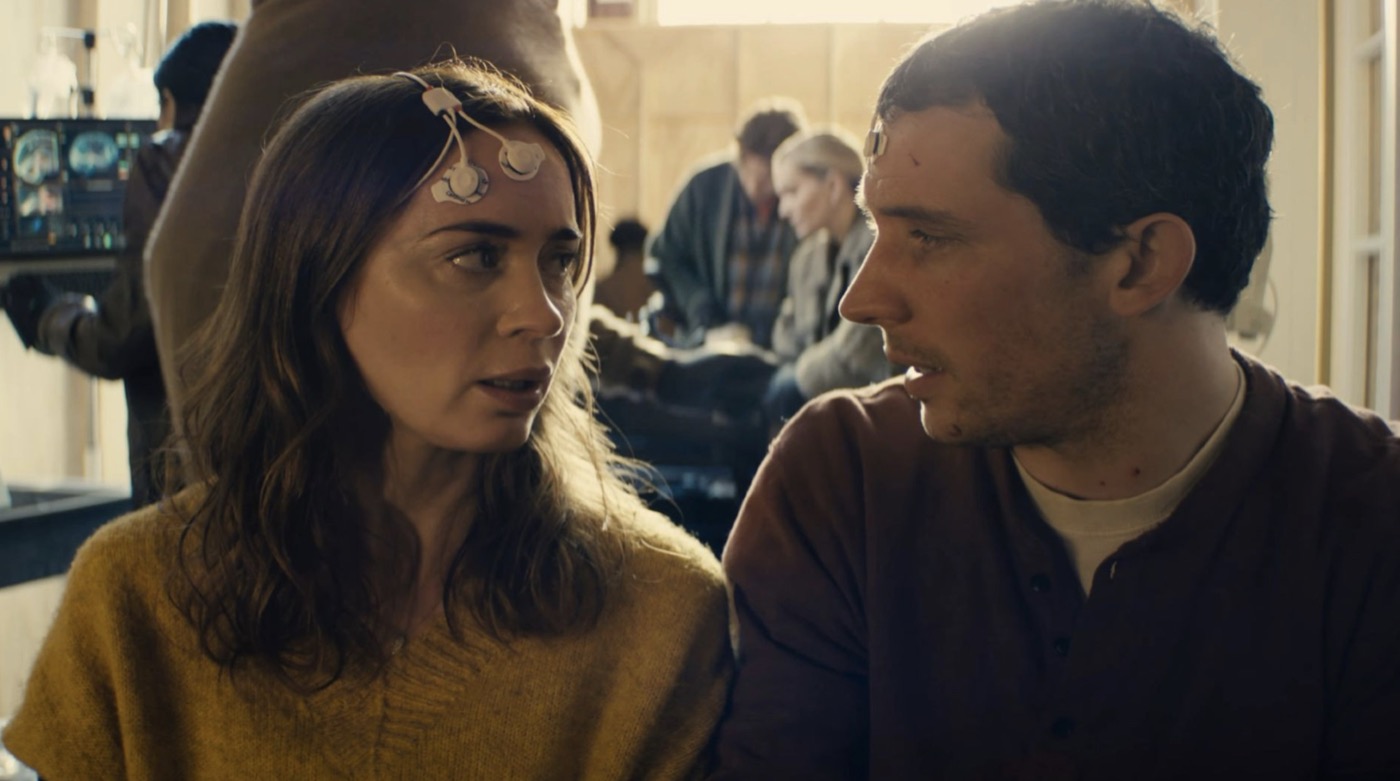
Out of all the strong performances, Emily Blunt stands head and shoulders above everyone else. She brings genuine emotional depth and naturalistic dramatic weight to the proceedings. The scene when she starts uttering weird alien clicks during her weather presentation is truly compelling to behold. Apparently, she was told initially that the moment would be enhanced using A.I. processing techniques, but she opted to perform it herself in one take. Truly astonishing.
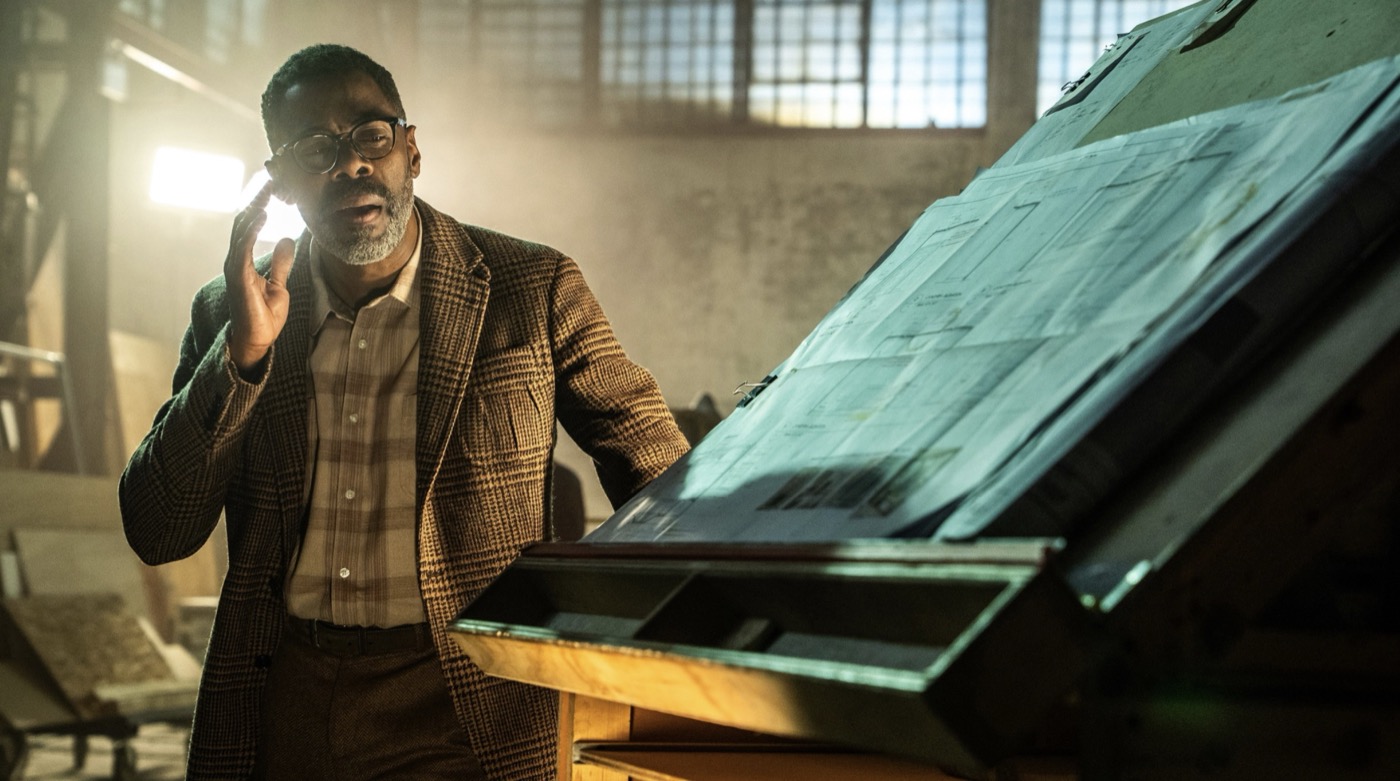
Josh O’Connor delivers another typically fine performance as tech nerd Daniel. His vulnerability as someone essentially out of his depth is always believable, and this helps drive the narrative along. Credit must also be given to Colman Domingo and Colin Firth. Domingo plays Hugo, a former Wardex employee-turned-whistleblower. His scenes with all his co-stars, especially Firth’s antagonist Scanlon, have genuine chemistry, and his character is certainly one of the stronger elements of the film. Meanwhile, Firth is clearly enjoying himself immensely as the movie’s ‘bad guy’. He can be menacing, but ultimately, by the film’s conclusion, you see more than a passing semblance of humanity emerge.
As you’d expect from a movie directed by Spielberg, the technical aspects are first-rate. Considering the filmmaker is nearly 80, the camerawork is breathtaking: shot after shot is perfectly composed and executed, with some scenes easily reminding you why the man is still one of the best in the business. The sequence involving Blunt, O’Connor and their car being pushed into a moving train is terrifying and masterfully put together – having, I think, more than a passing nod to a similar scene in the director’s first movie, Duel (1971).
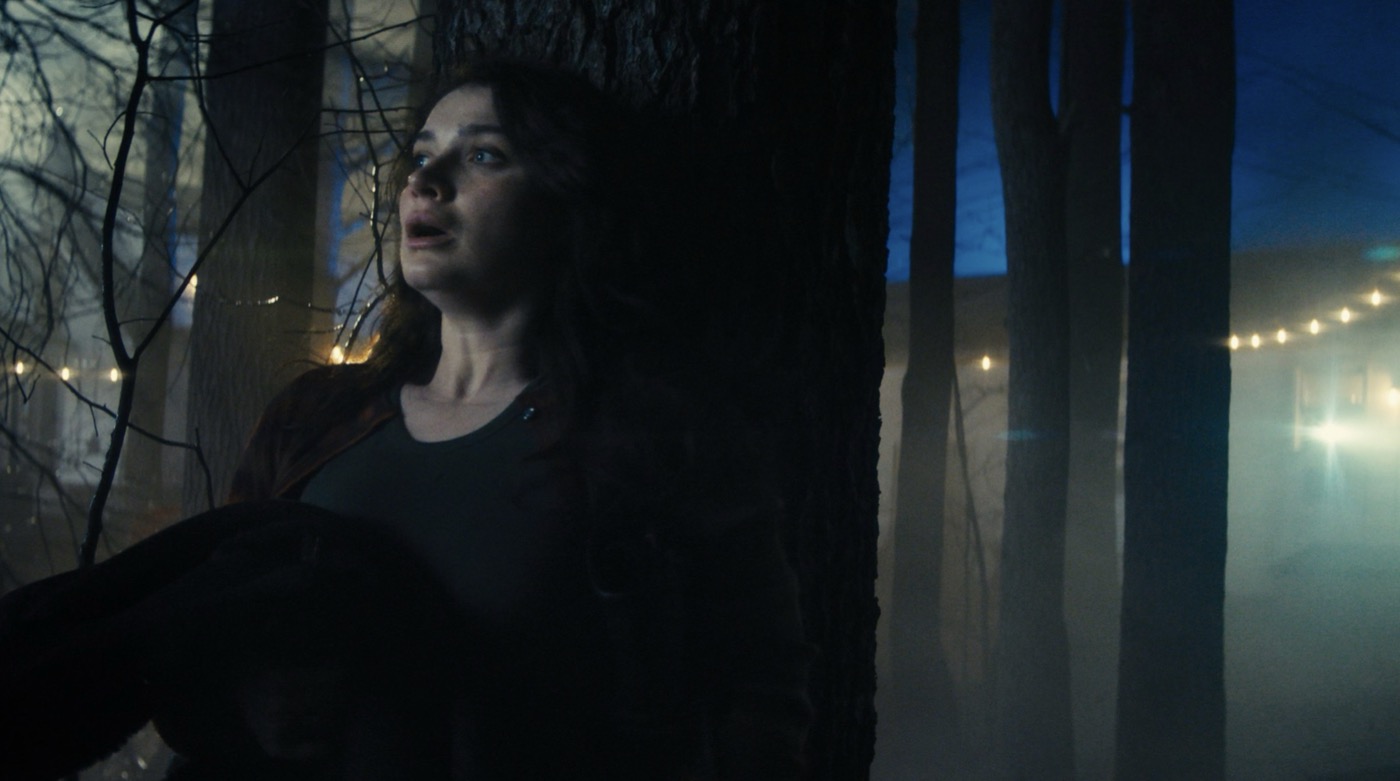
His long-time collaborators, cinematographer Janusz Kamiński and composer John Williams, also turn in quality work. Kamiński’s use of dark shadows and light is superbly handled. Filmed on 35mm, there’s a fair bit of lens flare employed, alongside some shots that seem to naturally capture reflections in windows and mirrors. Unlike many of Spielberg’s movies, Williams’ score is more restrained than usual, lending a darker, more atmospheric tone to the feature.
A lot of the public’s reviews for Disclosure Day on social media appear to be either gushing with praise or hailing it a disaster, and I’m not surprised. Some of that is possibly down to audience expectation and the film’s marketing. After all, it’s Spielberg working again within the sci-fi alien arena, so of course everyone is going into this thinking it’ll be the next Close Encounters. Sure, there are the government cover-ups, benign extraterrestrials and alien mind implants that drive characters along their journey – but that’s where the similarities end.
So, while this film isn’t about awe-inspiring UFOs in the night, lost warplanes being found in the desert, and a family man deciding to head off with his new alien friends, what it is concerned with is our need to connect with each other again; that through empathy we can truly flourish on this planet. For me, right now, the film didn’t completely work. With a tighter script, maybe there’s a stronger movie waiting to get out – but I’m still happy to see a major studio release something so bold and original. In this day and age, that’s quite an achievement.
USA • CANADA • NEW ZEALAND | 2026 | 145 MINUTES | 2.39:1 | COLOUR | ENGLISH

director: Steven Spielberg.
writer: David Koepp (story by Steven Spielberg).
starring: Emily Blunt, Josh O’Connor, Colin Firth, Eve Hewson, Colman Domingo & Wyatt Russell.