PUMP UP THE VOLUME (1990)
A young man running a pirate radio station causes an uproar when he speaks his mind and enthrals fellow teens.

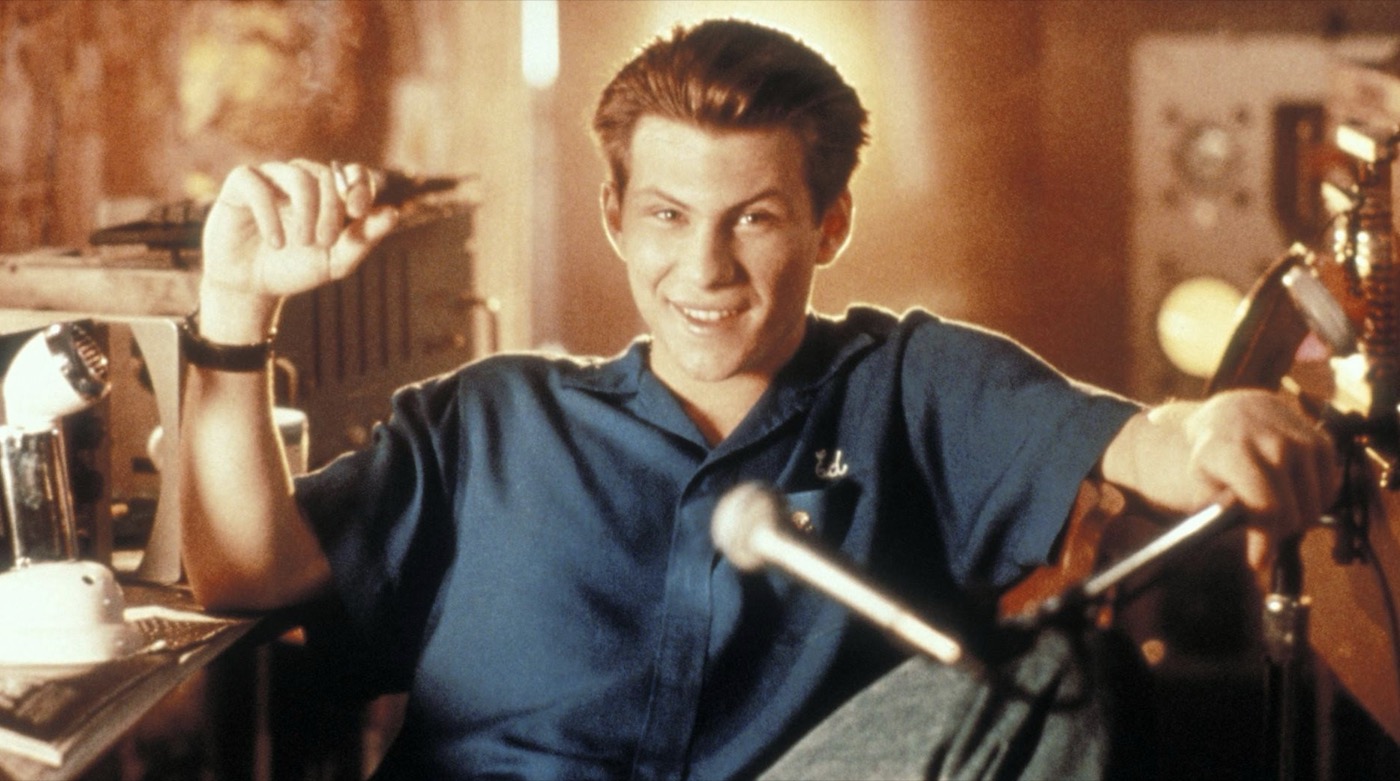

A young man running a pirate radio station causes an uproar when he speaks his mind and enthrals fellow teens.
There’s a hierarchy within the traditional high school movie: a sub-genre encompassing a remarkable range of tones and sensibilities. Some are earnest and perceptive; others remain exuberant and outrageous. Yet, the films that continue to reverberate across generations all share a common objective. Whether it’s John Hughes’s The Breakfast Club (1985), Richard Linklater’s Dazed and Confused (1993), or Bo Burnham’s Eighth Grade (2018), they capture something emotionally authentic about adolescence. They render teenagers’ anxieties, desires, and insecurities into something recognisable, allowing audiences to empathise with the high school experience long after leaving it behind. An often overlooked and underappreciated entry into that pantheon of American teen cinema is Allan Moyle’s Pump Up the Volume.
Pump Up the Volume was born from Moyle’s fascination with the pirate radio stations that once operated off the British coast, alongside a tragic figure from his formative years. The writer-director attended school with a classmate who published an underground newspaper from his basement, distributing it around the school. Tragically, the troubled teenager eventually took his own life. The loss profoundly affected Moyle, who channeled these memories into a screenplay originally titled Radio Death. It followed a young pirate radio presenter who promises to end his life during his final broadcast. The project underwent a significant transformation when producer Sandy Stern (Being John Malkovich) took an interest in the script, helping Moyle reshape its bleak premise into something more liberating. Backed by New Line Cinema and retitled Pump Up the Volume, what emerged was a subversive high school film that transformed Moyle’s fascination with pirate broadcasting, teenage alienation, and institutional hypocrisy into a provocative celebration of rebellion.
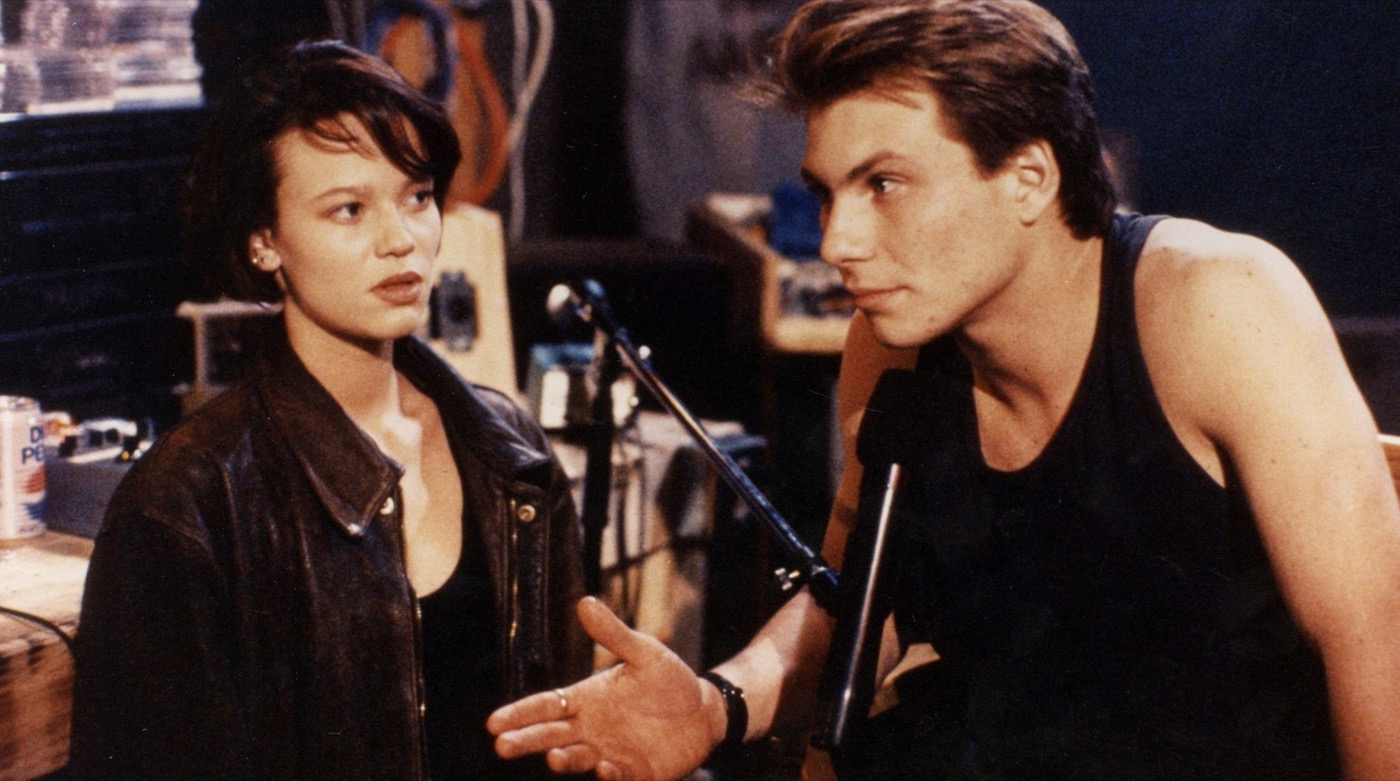
After moving to a dull Phoenix suburb, Mark Hunter (Christian Slater) starts a pirate radio station, broadcasting from his parents’ basement. By day, Mark is an awkward outsider who struggles to socialise with his classmates. By night, he assumes the outrageous alter ego “Hard Harry”, using his anonymous broadcasts to rail against societal hypocrisy and his school’s underhanded practices. Although his audience doesn’t know his true identity, Mark develops a loyal following among students who recognise their own frustrations in his irreverent monologues. The stakes rise when a troubled student contacts the station seeking advice about suicide. Mark attempts to reason with him, but the following day, the young caller takes his own life.
The tragedy devastates Mark, leaving him consumed by guilt. Convinced he failed the one person who truly needed him, he decides to shut down the station. In what he intends to be his final broadcast, Mark drops his provocative persona and apologises for not doing more. Rather than wallowing in despair, he urges his audience to face their problems instead of surrendering to suicide. As bootleg tapes of the broadcast circulate throughout the school, students begin openly voicing their grievances, challenging both teachers and parents. The growing disruption catches the attention of the authorities, who set out to identify and silence “Hard Harry”. However, their investigation exposes a far more serious abuse of power within the school itself.
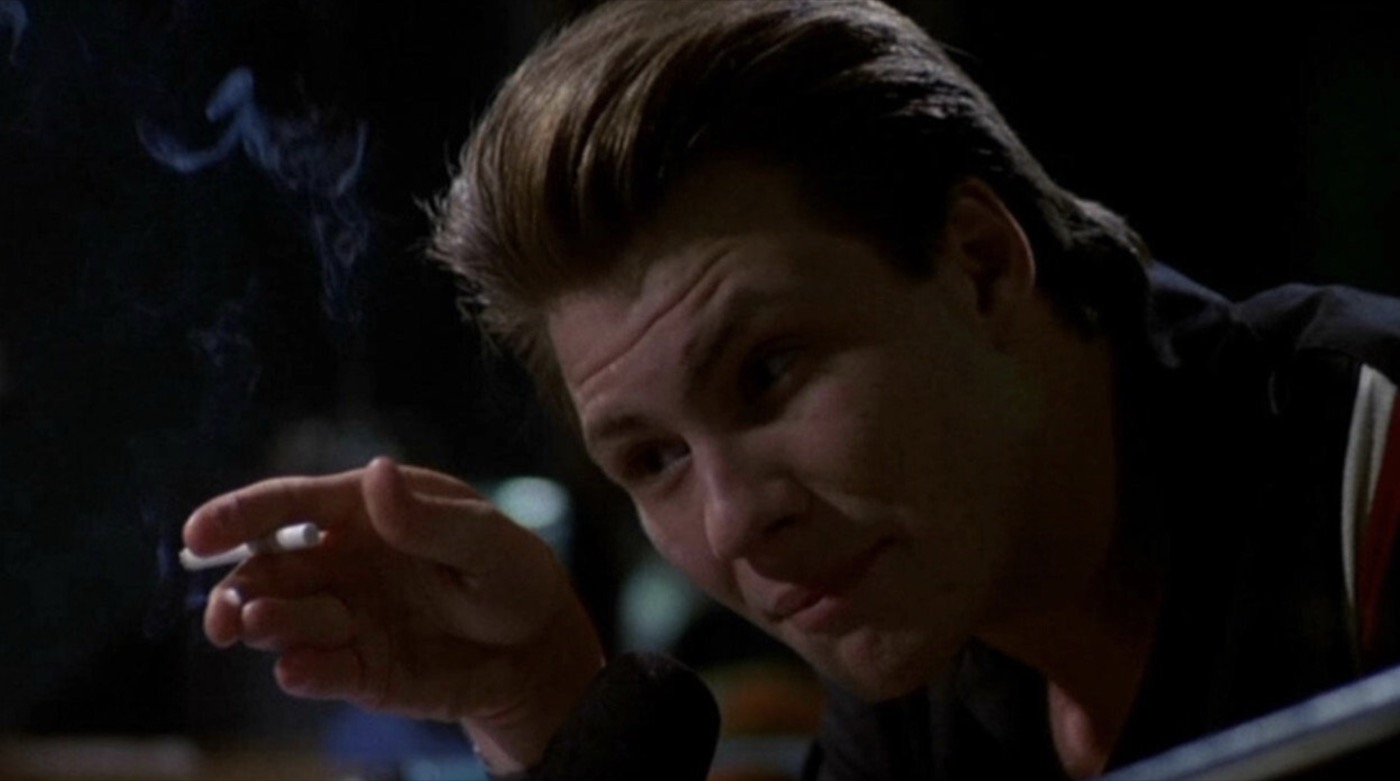
Arriving at the height of Christian Slater’s career—nestled between Young Guns II (1990) and Robin Hood: Prince of Thieves (1991)—Pump Up the Volume is frequently overlooked in discussions of his filmography. Yet it’s arguably one of his most entertaining turns. The role is essentially a dual performance, and he navigates both sides of Mark’s personality with deceptive ease. Initially, Slater portrays the character as withdrawn and socially awkward, embodying the familiar adolescent struggle of being caught between internal insecurities and external expectations. However, his performance comes alive once Mark retreats behind the microphone and transforms into “Hard Harry”. Drawing on the theatrical intensity he brought to J.D in Heathers (1988) while echoing the volatile radio presence of Eric Bogosian in Talk Radio (1988), he endows “Hard Harry” with a chaotic charisma. Behind the microphone, his body language transforms and his voice acquires an authority almost incongruous with the boy who struggles to speak up in the classroom. It’s one of the trickier roles of Slater’s early career, requiring him to inhabit both a painfully introverted teenager and a flamboyant personality, but he handles it with aplomb.
As demonstrated in his earlier cult hit Times Square (1980), and further explored in Empire Records (1995), Allan Moyle possesses a rare gift for treating teenage angst as something far weightier than mere adolescent melodrama. He recognises that teenagers don’t rebel simply because they’re young and hormonal; they grow angry because the educators entrusted with their development care more about control, while their parents routinely dismiss their concerns as youthful irresponsibility. That insight places Pump Up the Volume comfortably alongside John Hughes’s finest work. Much like The Breakfast Club and Ferris Bueller’s Day Off (1986), it captures the emotional intensity of adolescence and the weight of social expectations imposed by schools and parents. Unlike Hughes’s classics, however, Moyle’s protagonists don’t rebel by rejecting social cliques or skipping class; they do so by broadcasting their frustrations across the airwaves, sharing carefully selected tracks, and challenging the Federal Communications Commission by pretending to masturbate on air.
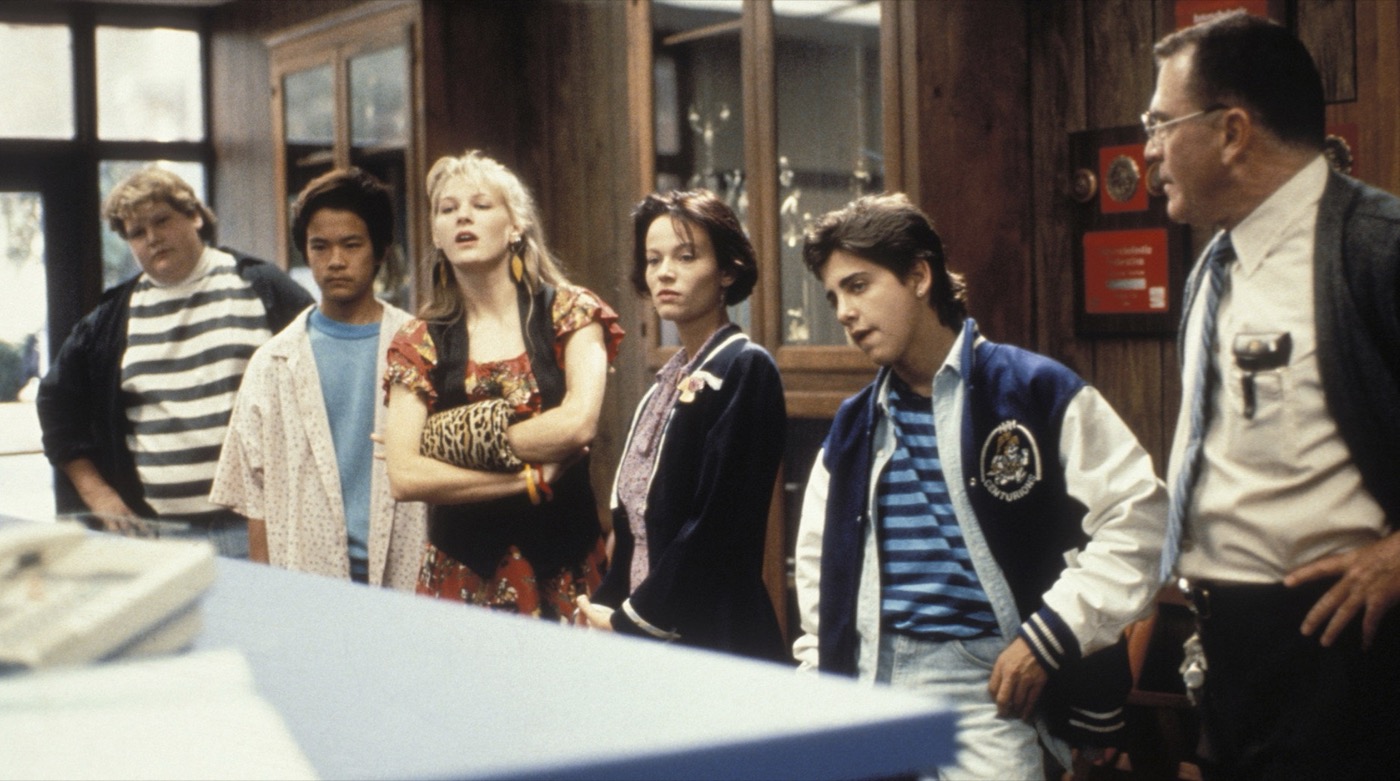
Beneath Mark’s outrageous monologues and feigned sexual antics, Pump Up the Volume is most affecting when it genuinely listens to its young characters. As a storyteller, Moyle understands that navigating the space between adolescence and adulthood is equal parts exhilarating and despairing. Yet, unlike many 1980s high school comedies, he treats that contradiction with genuine sincerity. Perhaps the film’s most poignant moment of vulnerability occurs when a gay teenager calls the station. What begins as a description of a tentative romantic encounter is gradually revealed to be a cruel homophobic prank orchestrated by his classmates. When the caller finishes, he asks: “So I guess you think I’m a faggot wimp, right?” Rather than ridiculing him or offering superficial advice, Mark responds with deep compassion, reassuring him that there’s nothing wrong with being confused and that the real fault lies with those who sought to humiliate him. It’s a striking moment of solidarity that encapsulates the film’s emotional heart. For all of Mark’s posturing, he possesses far more empathy than the adults trying to silence him in the name of “public decency”. He understands that people deserve to be heard—especially those who feel completely alone.
That isn’t to say Moyle’s screenplay is flawless. The narrative is occasionally undermined by a few plot points that strain credibility. For instance, it’s hard to believe Mark’s parents wouldn’t notice their son broadcasting from their basement using equipment that was hardly discreet by 1990s standards. Equally, the high school’s elaborate scheme to expel underperforming students seems unlikely to survive scrutiny once exposed. More significantly, the film loses momentum once Nora (Samantha Mathis) discovers Mark is “Hard Harry”. Until this point, Mark’s anonymity is central to the film’s tension: his broadcasts allow him to forge an identity separate from his awkward school persona, while giving listeners the freedom to voice their own frustrations. Once Nora uncovers his secret, the story sidelines its most provocative ideas to settle into conventional teen romance. Fortunately, these minor missteps don’t derail the film’s 100-minute runtime.
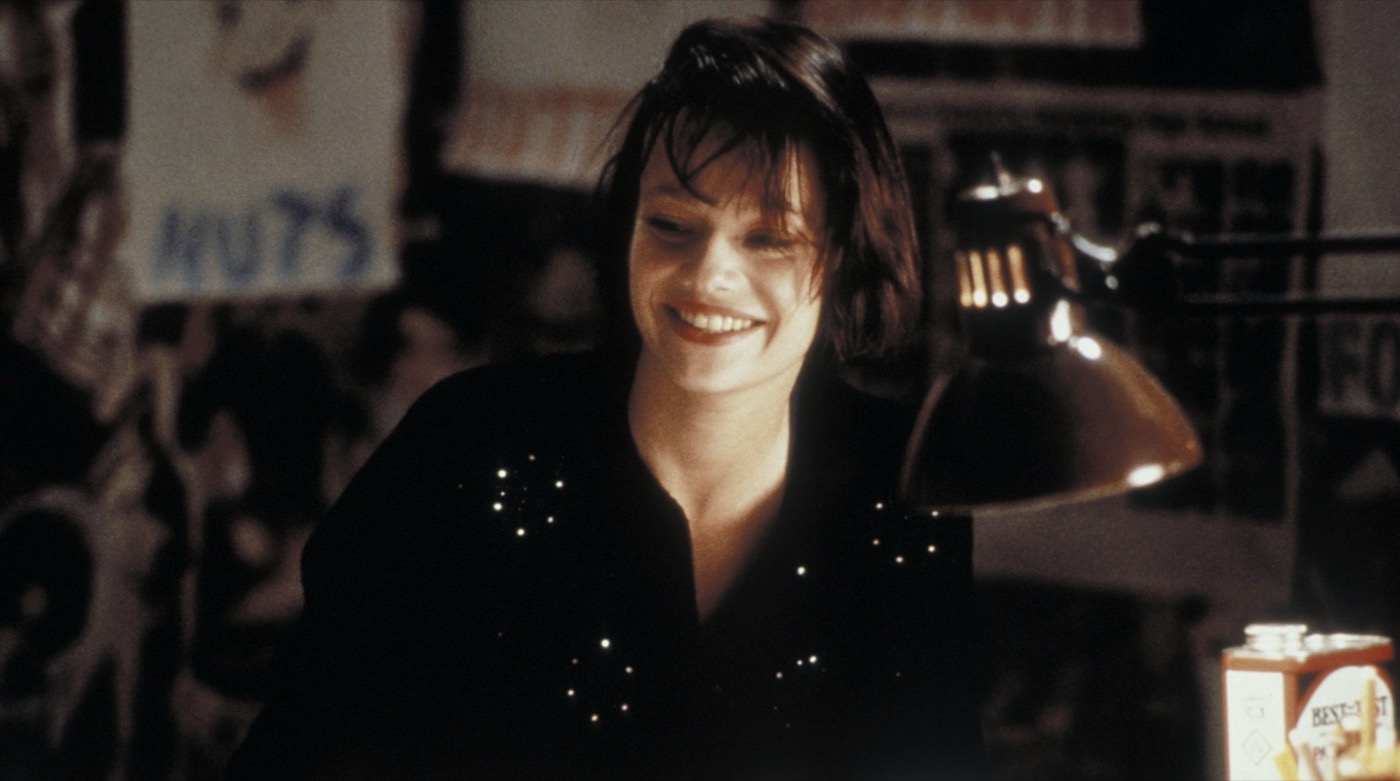
The enduring appeal of Pump Up the Volume three decades on lies in its prescient portrayal of teenagers finding their voices and building a community from scratch. Mark’s anonymous broadcasts directly presage the millions of teenagers who would later hide behind online avatars and anonymous handles to find like-minded peers. The film remains an unmistakable product of its time, standing on the threshold of the digital age several years before America Online introduced millions of households to the web. Teenagers still relied on fanzines and indie publications to discover bands and discuss social issues, while local ad columns and tape-trading networks allowed young music fans to exchange cassettes and help obscure acts find an audience outside their home towns.
Viewed through a contemporary lens, Mark’s analogue methods serve as an early prototype for the digital landscape that emerged at the turn of the millennium. His fiery monologues on suburban conformity and institutional corruption wouldn’t look out of place on YouTube today, while his carefully curated playlists are the direct precursors to modern Spotify mixes. In retrospect, Moyle anticipated a fundamental truth: our urge to broadcast our frustrations and insecurities springs from the hope that someone, somewhere, is listening. Beneath the impulse to be heard is an even deeper need to be understood—and to know we aren’t alone.
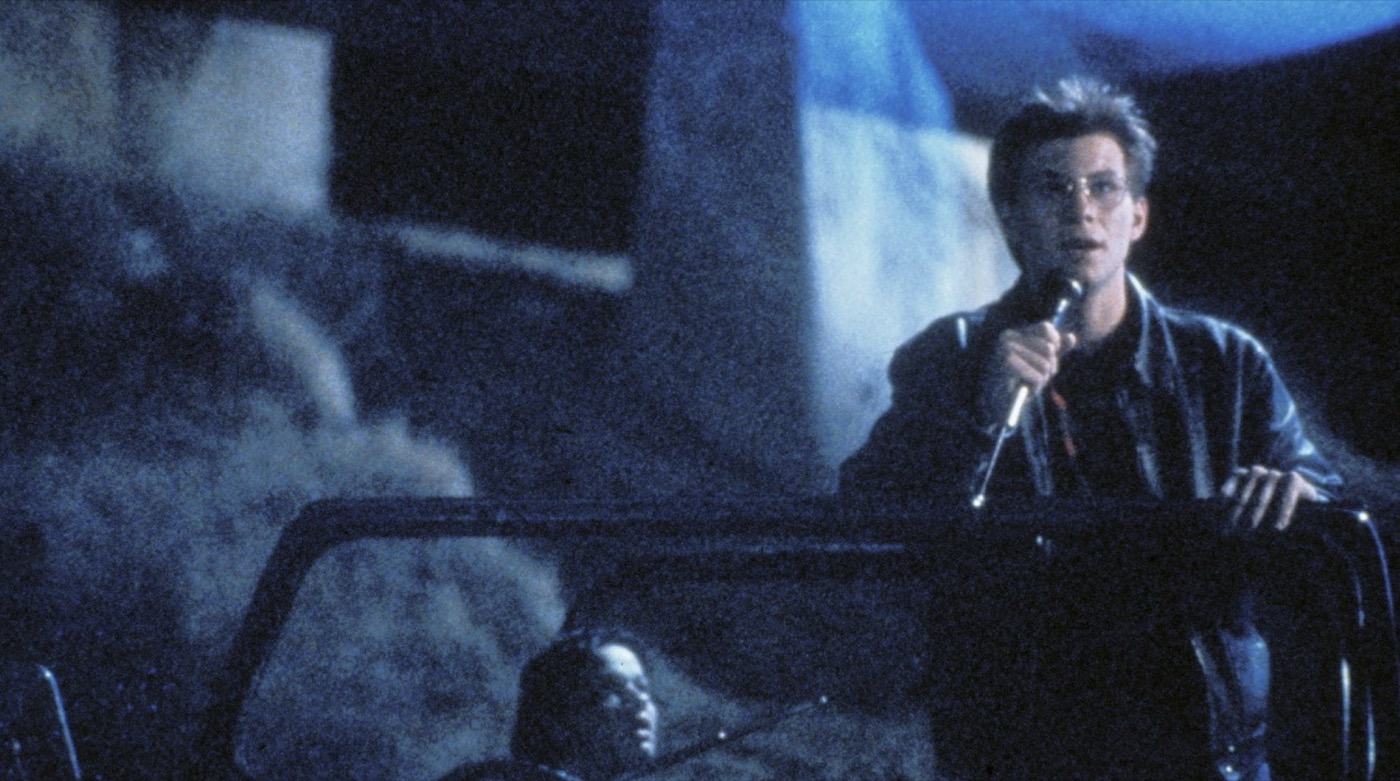
It would be remiss to ignore the film’s extraordinary soundtrack, which acts as an anthem for a generation’s rage and refusal to conform. At a time when Hollywood relied on polished, studio-approved pop for teen cinema, Moyle assembled a soundtrack as rebellious as Mark’s broadcasts. It’s an infectious blend of underground punk, grunge, and hip-hop that captures the turbulent musical landscape of American youth culture at the dawn of the 1990s. Bands like Sonic Youth and Pixies feature here long before Nirvana’s Nevermind triggered the alternative rock boom, while tracks by Ice-T and Above the Law capture the moment hip-hop was penetrating suburban America—before landmark records like A Tribe Called Quest’s The Low End Theory or Dr Dre’s The Chronic pushed the genre into the global mainstream.
Unfortunately, Pump Up the Volume didn’t become the smash hit New Line Cinema anticipated. Although critics praised the film, its box office performance fell short. After earning a modest $1.6M on its opening weekend, the studio doubted it would recoup its $5M budget. While it eventually grossed $11.5M, it was pulled from cinemas prematurely. Yet, much like Mark’s pirate station, Pump Up the Volume found its true audience on VHS and late-night television. It gradually became a touchstone for a generation shaped by early-90s grunge culture, beloved for its irreverent spirit and fierce celebration of individuality.
USA • CANADA | 1990 | 102 MINUTES | 1:85:1 | COLOUR | ENGLISH

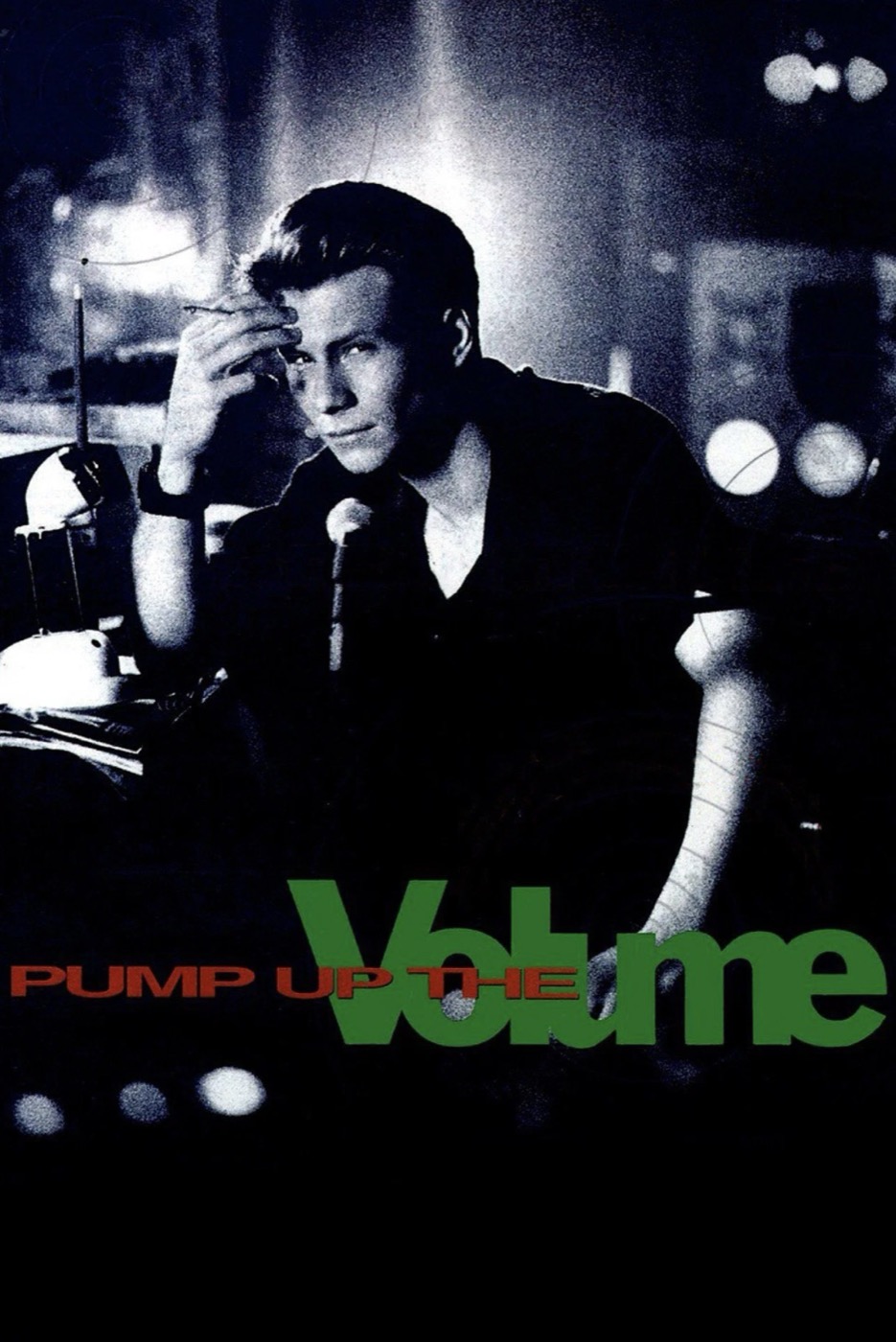
writer & director: Allan Moyle.
starring: Christian Slater, Samantha Mathis, Scott Paulin, Ellen Greene & Anthony Luke Lucero.