STRANGER THAN FICTION (2006)
An ordinary man discovers that someone is writing his life story and planning his death.

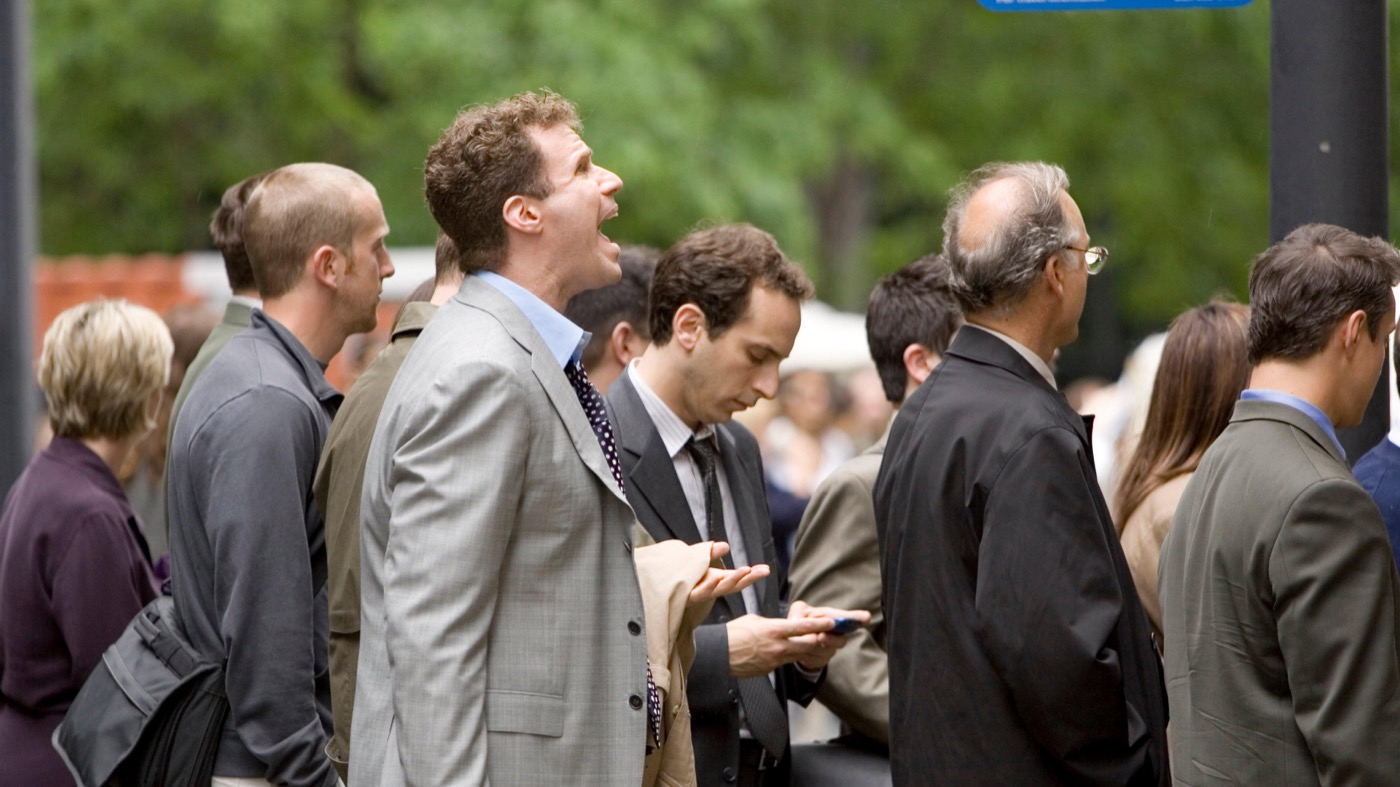

An ordinary man discovers that someone is writing his life story and planning his death.
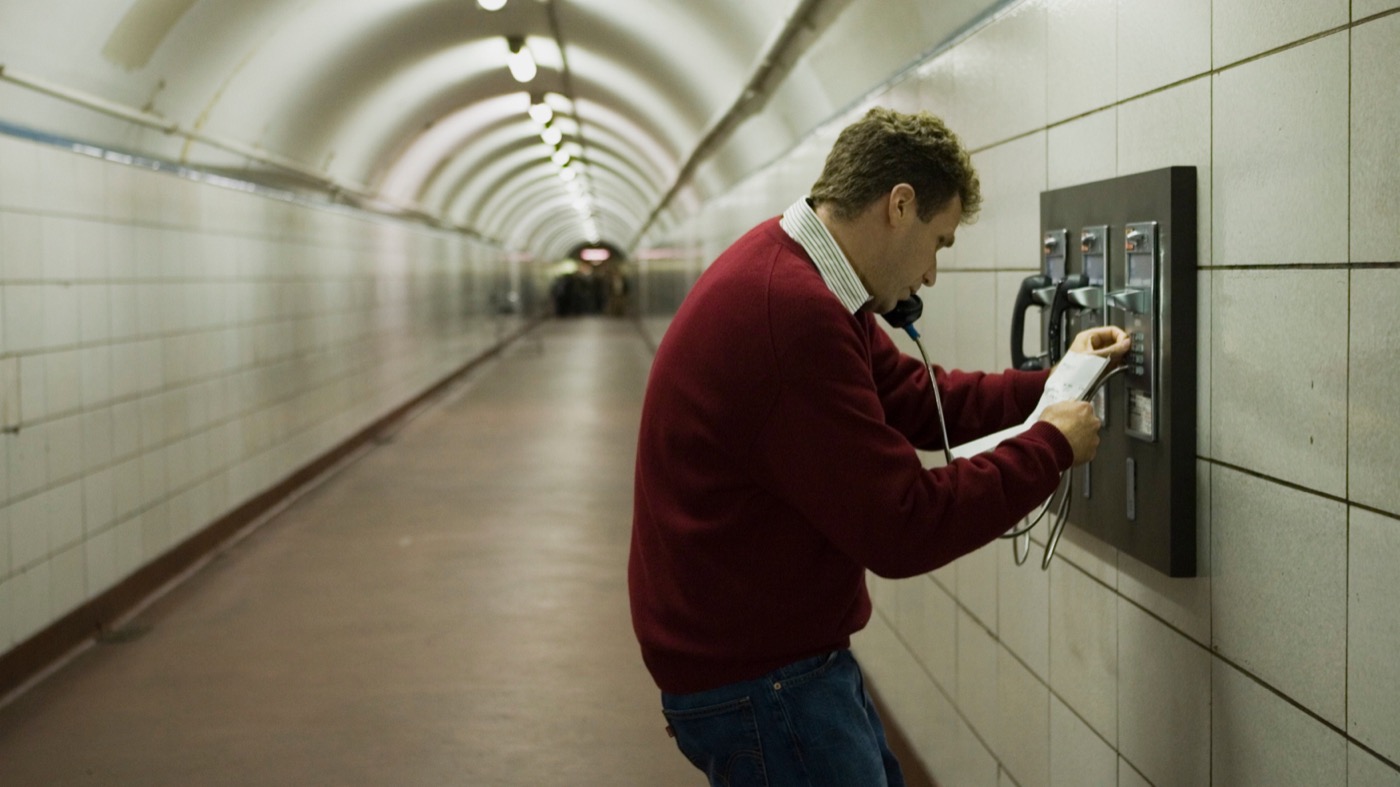
Harold Crick (Will Ferrell) counts everything: the steps to the bus stop, the minutes it takes to get to work, the smallest details of his daily routine. He’s an IRS auditor, a methodical, punctual man who has settled into a life he doesn’t seem to have chosen. He’s not particularly unhappy, but neither is he happy. Everything runs smoothly, and that appears to be enough. Then, one day, he begins hearing a woman’s voice (Emma Thompson) narrating his every action. She isn’t speaking to him directly, but describing him with the detachment of an omniscient narrator. Harold initially tries to ignore her, but when the voice announces his impending death, he realises he must find out who’s telling his story.
Written by Zach Helm and directed by Marc Forster, Stranger than Fiction takes this impossible premise and develops it into a fantasy comedy that moves between tragedy, romance and literary speculation. 20 years after its release, it remains a distinctive film, telling a deceptively simple story through an unusually sophisticated narrative. Helm’s first inspired decision is to make his protagonist thoroughly ordinary. Harold isn’t a hero enduring personal tragedy, nor does he seem especially dissatisfied with his existence. He’s replaced desires with habits, possibilities with procedures, and unpredictability with repetition. The narrator’s voice disrupts this carefully ordered world, turning the familiar into something increasingly unsettling.
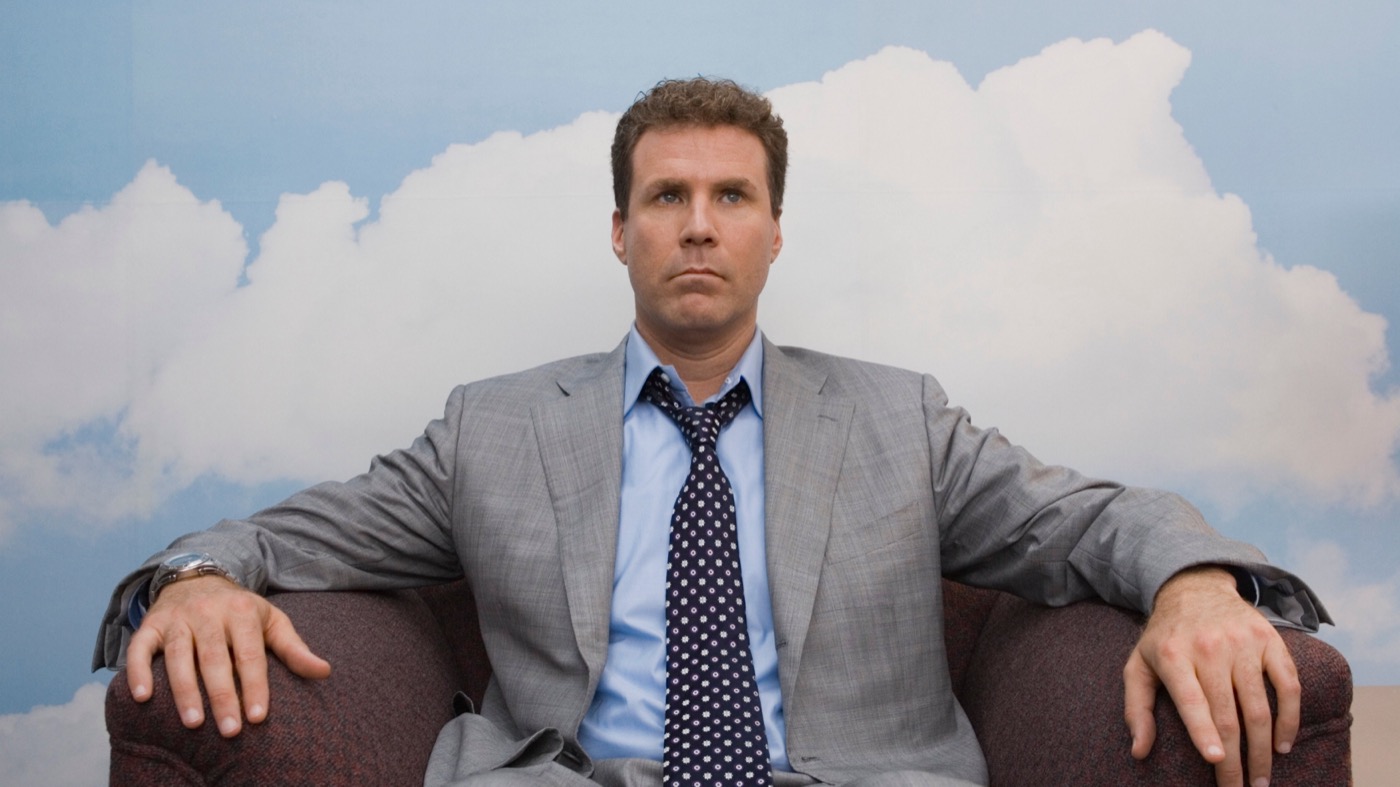
Faced with the prospect of dying, Harold responds by trying to exert even greater control over his actions. Professor Jules Hilbert (Dustin Hoffman), a literary scholar whom he consults to make sense of his predicament, eventually advises him to stay at home and do absolutely nothing. Then a demolition vehicle crashes through his apartment wall. It’s one of the film’s finest scenes, using near-slapstick comedy to expose the fragility of our illusion of control. Harold can remain perfectly still, but he can’t stop the world moving around him. Doing nothing doesn’t mean escaping events, just as measuring every minute doesn’t mean controlling time.
This realisation sets Harold on a different course. He starts playing the guitar, tries to get closer to Ana Pascal (Maggie Gyllenhaal), an outspoken, unconventional baker, and begins breaking habits that once seemed unchangeable. He hasn’t suddenly decided to embark on extraordinary adventures; he wants to take part in his own life. The paradox is that Harold hasn’t discovered he’s mortal. He always was. He’s merely stopped treating death as a possibility so distant that it can safely be ignored. The message might sound familiar: life is short, we don’t know how much time we have left, and we shouldn’t endlessly postpone the things we want to do. Yet the film restores urgency to a truth we know so well that we’ve largely stopped thinking about it.
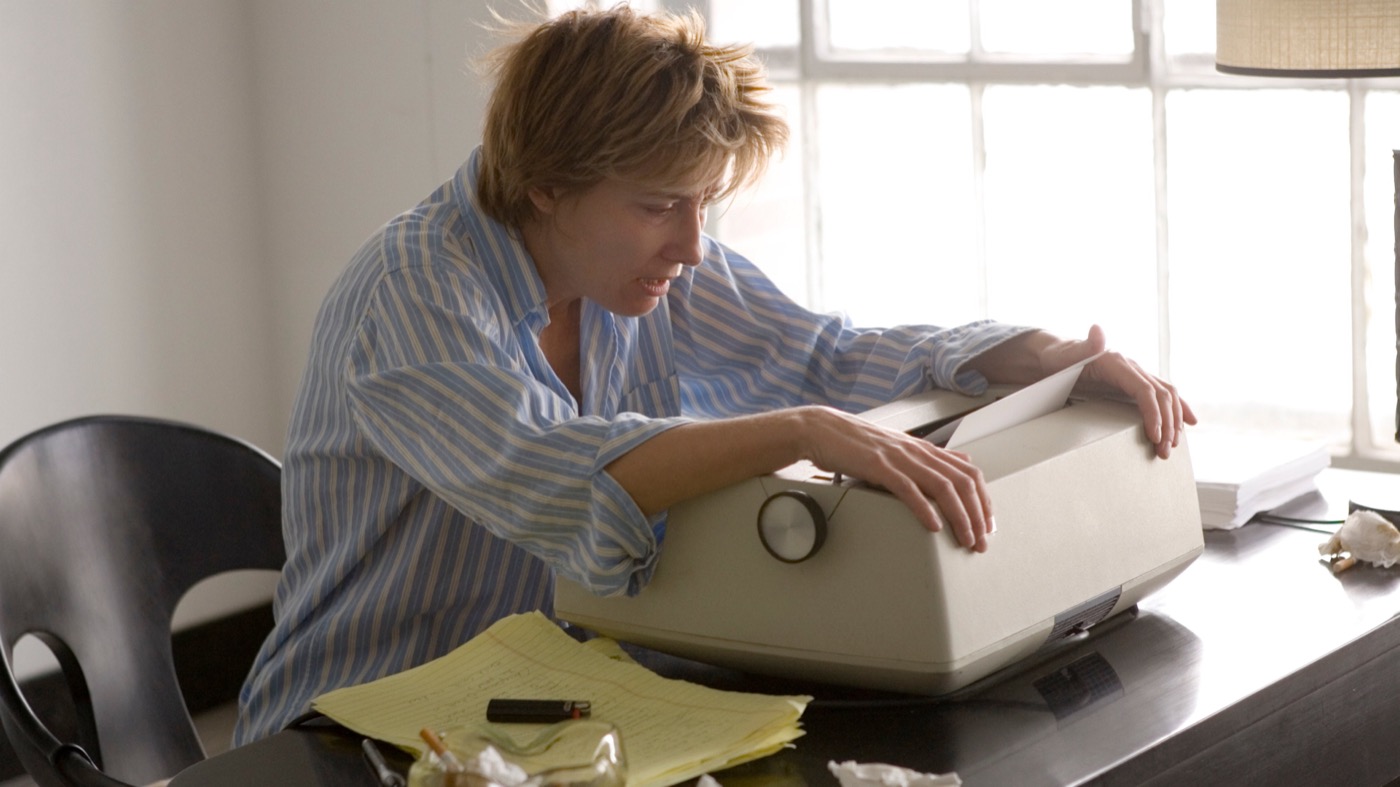
Harold’s wristwatch accompanies this transformation almost as a character in its own right. Initially, it dictates his daily routine, imposing a rigid, repetitive rhythm. But as his circumstances change, so does its significance. It represents not only the passing of time and the time already lost, but also the time Harold might still choose not to waste. The screenplay introduces another inspired device through Professor Hilbert. To work out what fate awaits Harold, the academic must first establish whether he’s the protagonist of a tragedy or a comedy. Literary classification becomes a matter of survival.
The film continually shifts between genres. Harold’s routine is comic, the narrator’s voice introduces an unsettling mystery, and the search for the writer develops a thriller’s sense of urgency. His relationship with Ana moves towards romantic comedy, while the prospect of death threatens to turn everything into tragedy. Yet these tones don’t simply take turns; they often coexist in the same scene. The demolition vehicle is both a visual gag and a genuine threat to Harold’s life. Hilbert approaches an absurd problem with complete academic seriousness, making arguments with potentially terrible consequences seem strangely funny. This interplay allows the film to work on several levels. Stranger than Fiction can be enjoyed as the story of a man desperately trying to survive while falling in love, or as an exploration of the relationship between author and character, fate and free will, fiction and reality. Neither reading depends on the other, but both emerge from the same dramatic conflict.
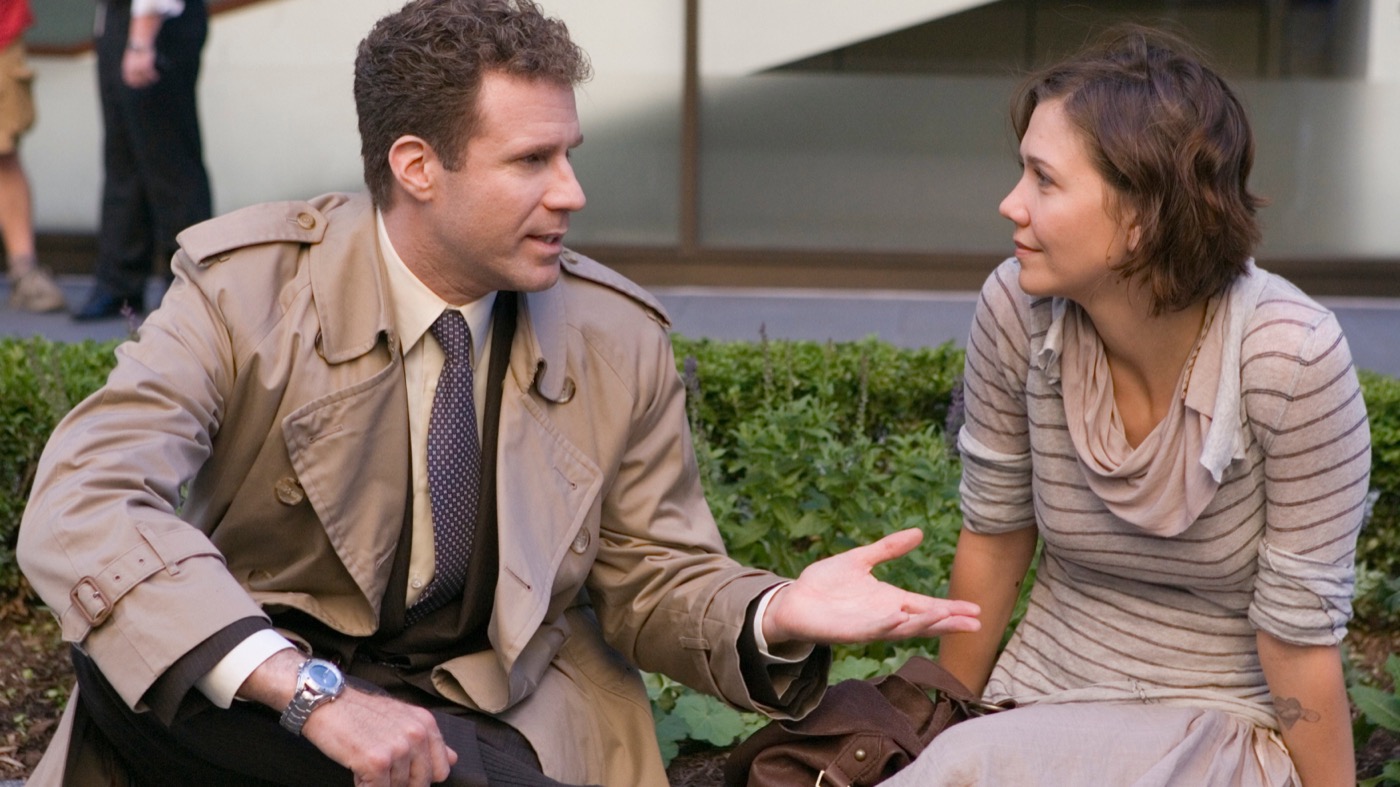
Karen Eiffel (Emma Thompson) is a novelist suffering from writer’s block. She’s struggling to find the perfect ending to her latest book, whose protagonist happens to be called Harold Crick. She has no idea that the man she plans to kill on the page might actually exist, while Harold must somehow reach her before she completes the manuscript. The story develops an almost thriller-like momentum as two characters pursue potentially incompatible goals: Harold wants to survive, while Karen wants to finish her novel.
But the premise also raises questions the screenplay never fully answers. If Karen’s writing determines the events of Harold’s life, what relationship exists between the novel and the reality they both inhabit? Does she create events or merely describe them? And what happens when a character can intervene directly in his author’s life? Helm doesn’t establish a completely consistent set of rules for his fictional world. Some remain undefined, and not every development is equally well grounded. It’s a genuine weakness, though hardly a fatal one. The screenplay is more convincing in developing its conflicts than in establishing the rules governing its universe. We may not understand exactly how this reality works, but the characters’ objectives, the obstacles they face and what’s at stake remain clear.
More importantly, the film shifts our attention away from the mechanics of its premise and towards the writer’s responsibility for her creation. What happens when the artistically superior ending to a story might require someone’s death? Literature, initially little more than a fantastical device, becomes the setting for an ethical conflict between the value of a work of art and that of a human life.
Forster deserves considerable credit for finding a visual language suited to an idea that could easily have remained too literary for the screen. Numbers, diagrams and graphic annotations appear over the images, revealing how Harold mentally organises the world. Distances, durations and movements become part of a constant system of measurement. The animations created by the MK12 collective do more than decorate the frame: they make Harold’s perception visible. The physical environment also plays its part. In a scene aboard an articulated bus, the vehicle’s movement repeatedly changes the characters’ ability to see one another. The shifting geometry gives physical expression to the uncertainty of a developing relationship.
Nor does the film need elaborate spectacle to sustain its ambitions. Most of its important moments take place in apartments, offices, streets and other everyday locations. Forster makes these ordinary spaces expressive, helped enormously by an excellent cast. Will Ferrell sets aside much of the exuberant comedy for which he’s best known, playing Harold as a restrained, awkward man whose transformation emerges through small gestures and subtle changes of expression. His performance works because he never treats the premise as a joke. Harold responds to his predicament with the seriousness of someone who genuinely believes his life is at stake.
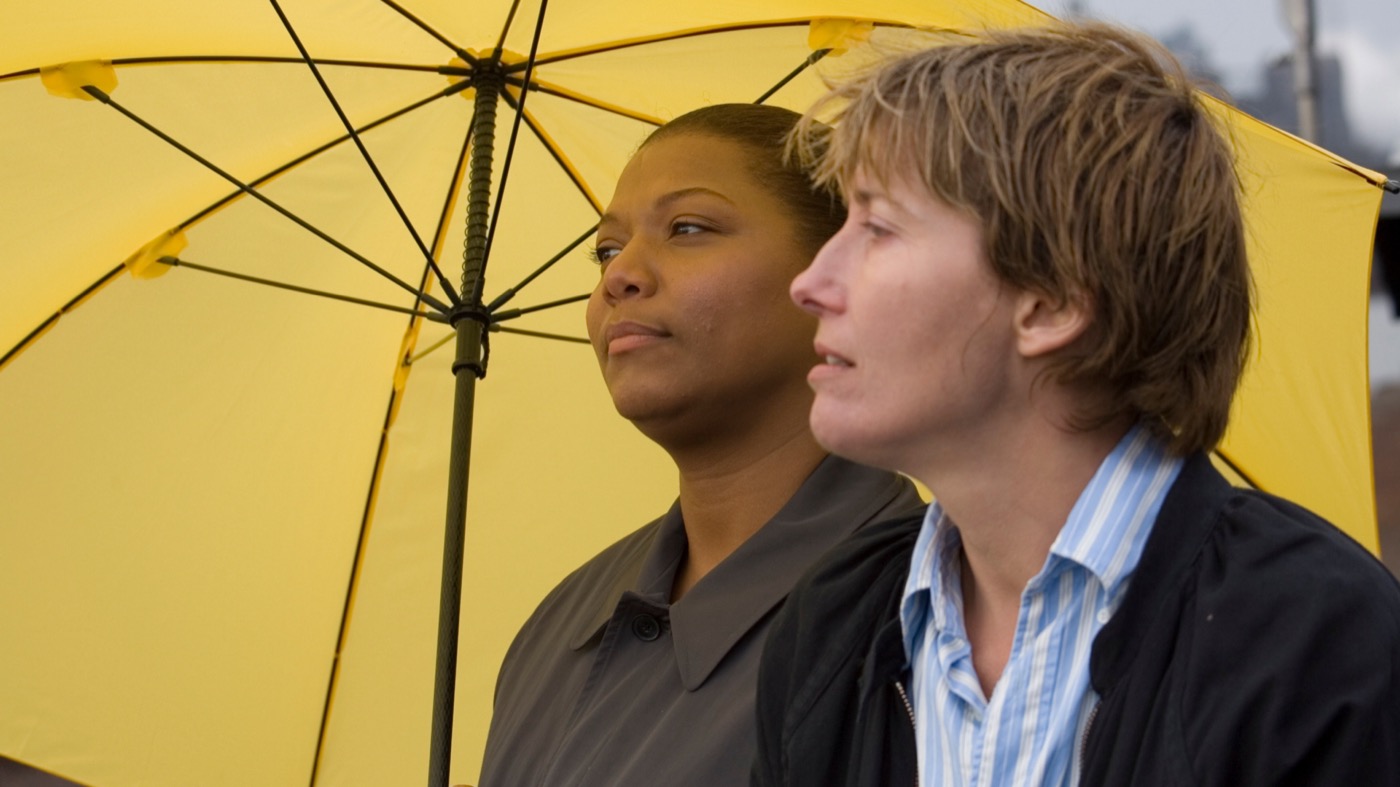
Emma Thompson gives Karen a convincing physical presence, conveying exhaustion, frustration and intense concentration without reducing her to a caricature of the tortured writer. Dustin Hoffman delivers even the most improbable literary theories with the easy authority of a professor entirely convinced of their relevance. Maggie Gyllenhaal brings the vitality and spontaneity needed to make Harold’s attraction to a different way of living credible, while Queen Latifah, as Karen’s assistant Penny Escher, provides a welcome pragmatic counterpoint to the novelist’s obsessive world.
Music is just as important to the film’s character. Brian Reitzell and Britt Daniel’s score works alongside songs by Spoon and other artists, giving the soundtrack a distinctive rhythmic identity. The scene in which Harold plays “Whole Wide World” by Wreckless Eric is particularly effective because the music becomes part of the drama rather than merely accompanying it. It’s more than a romantic moment. Playing the guitar allows Harold to express something he’s previously been unable to put into words. A man who has organised his entire existence around the rhythm of his watch begins to find one of his own.

Not everything is equally convincing. In its final stretch, the screenplay favours emotional reassurance over some of the more troubling implications of its premise. Certain coincidences work better as symbols than as believable consequences, and the metafictional conceit leaves questions unanswered that deserve more rigorous treatment. Yet Stranger than Fiction doesn’t depend on every mechanism working perfectly. Its achievement lies in turning an ingenious literary idea into engaging cinema without sacrificing the questions that make it interesting.
Twenty years on, what stands out is how Helm and Forster use an impossible situation to give weight to an elementary truth. Harold is a character written by someone else, yet discovering this drives him to seek a life of his own. Zach Helm invents his every action, including his rebellion against the fate assigned to him. There’s a wonderful irony in a screenwriter creating a character who must struggle to free himself from a writer’s control. But that contradiction captures much of the film’s appeal: an entirely invented story reminds us of something profoundly real.
We don’t know how much time we have left. But we can still decide what to do with it.
USA • UK | 2006 | 113 MINUTES | 1.85:1 | COLOUR | ENGLISH

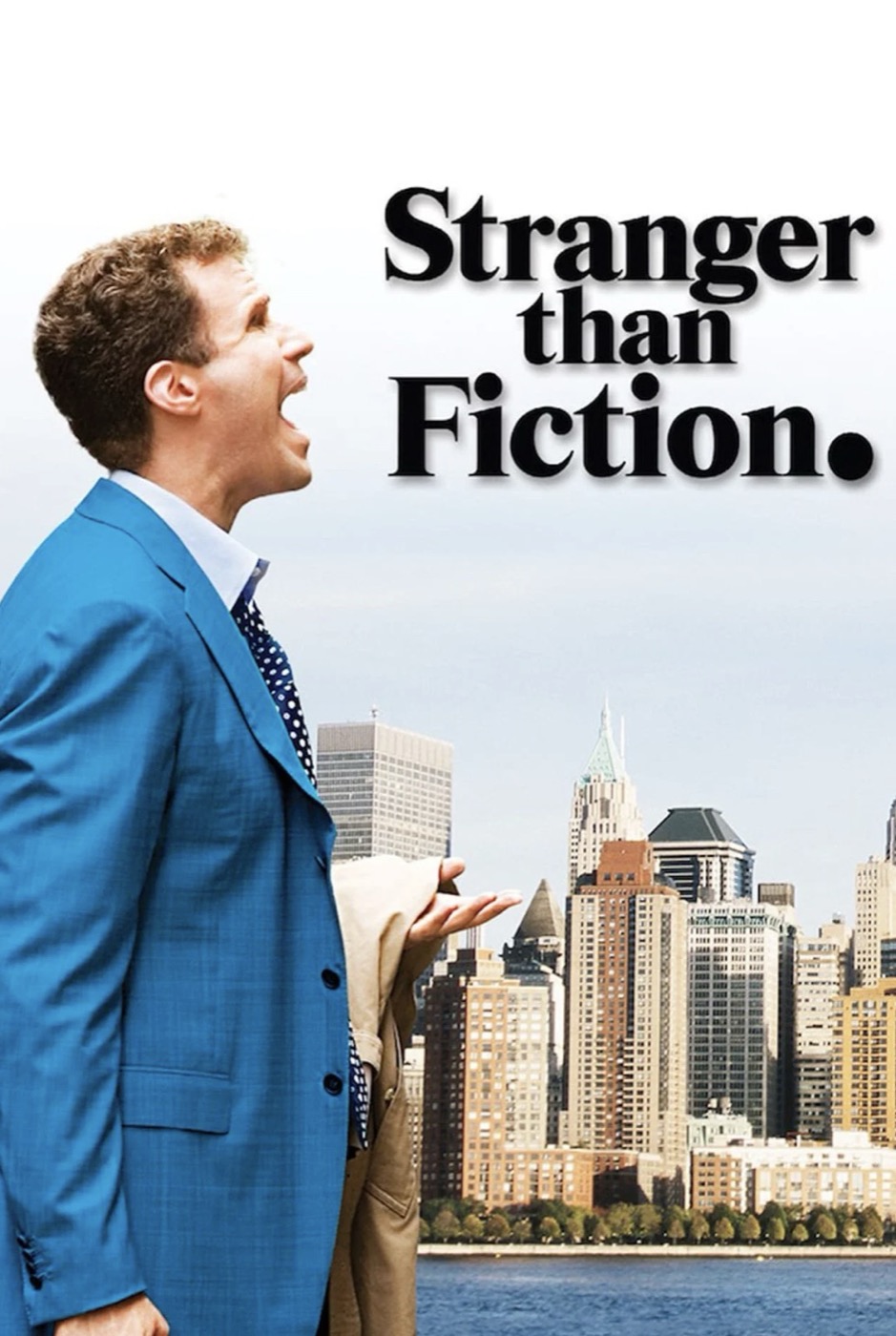
director: Marc Forster.
writer: Zach Helm.
starring: Will Ferrell, Emma Thompson, Dustin Hoffman, Maggie Gyllenhaal, Queen Latifah & Tony Hale.


