VICTORIAN PSYCHO (2026)
In 1858, an eccentric young governess arrives at a remote gothic manor and staff begin to inexplicably disappear..

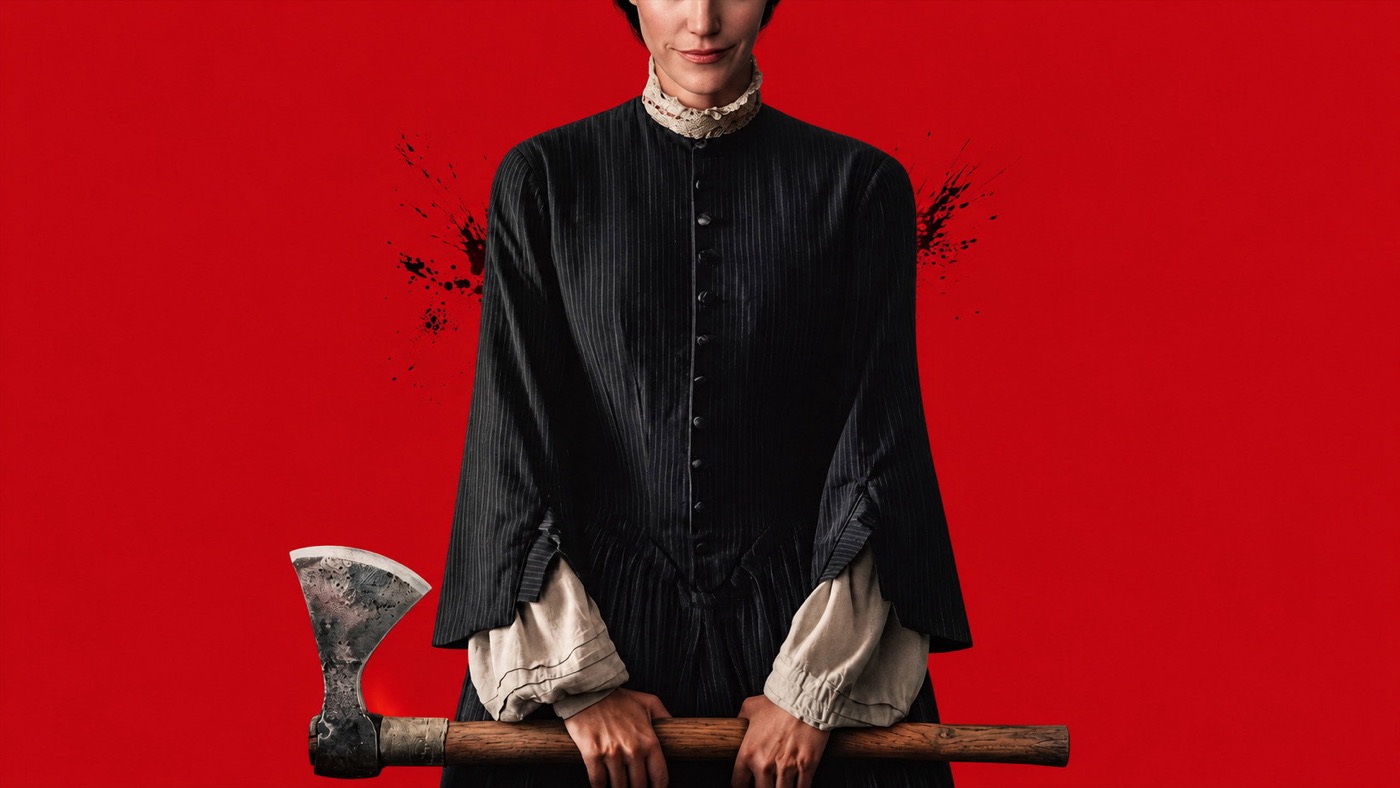

In 1858, an eccentric young governess arrives at a remote gothic manor and staff begin to inexplicably disappear..
How does one bring a psychotic mindset to the screen? What lends itself disturbingly — and quite easily — to the page is often too complex or shocking to show in a film. The devilish intimacy that first-person narration affords novels like A Clockwork Orange and American Psycho can only be conveyed in shorthand, offering us glimpses, at best, of an antagonist-protagonist’s twisted motivations and reasoning.
A film must go a little mad itself to plunge convincingly and efficiently into the brain of a maniac. The best films on the subject do just that: from Stanley Kubrick’s perverted sense of joy and rebirth in A Clockwork Orange (1971), to Mary Harron’s tangled perception of reality and fantasy in American Psycho (2000), to Oliver Stone’s demented jamboree of sex, violence and brain rot in Natural Born Killers (1994). All share the cynical humour and uninhibitedness of the late 20th century. But what about the Victorian era?
That age of repressed emotions and social absurdities produced its fair share of fiendish giggles and macabre acts, in fiction and in reality. There’s the historical, often reimagined Lizzie Borden, and the bogeyman rock star of penny dreadfuls and Broadway, Mr Sweeney Todd. But where’s the Patrick Bateman of the period: the unexceptional, unrepentant cinematic serial killer? More specifically, given the era’s infamous treatment of women, where’s our corset-suffocated lunatic, making cutting observations when she’s not cutting into flesh?
Last year, Virginia Feito finally delivered such an anti-heroine in her novel Victorian Psycho, an instant masterpiece of feminist horror that burrows us firmly inside the mind of killer governess Winifred Notty. Anyone who’s read the book and experienced its whimsical nihilism and graphic slaughter of children will return to the same central question: how in the holy fuck will they bring this to the screen?
Victorian Psycho follows the stylistic path established by those predecessors, while sadly slashing far too many pages from its source material. It’s a decidedly nutty film with some truly great moments, highlighted by Zachary Wigon’s kooky direction and a phenomenal lead performance by Maika Monroe. Still, we’re left wanting so much more.
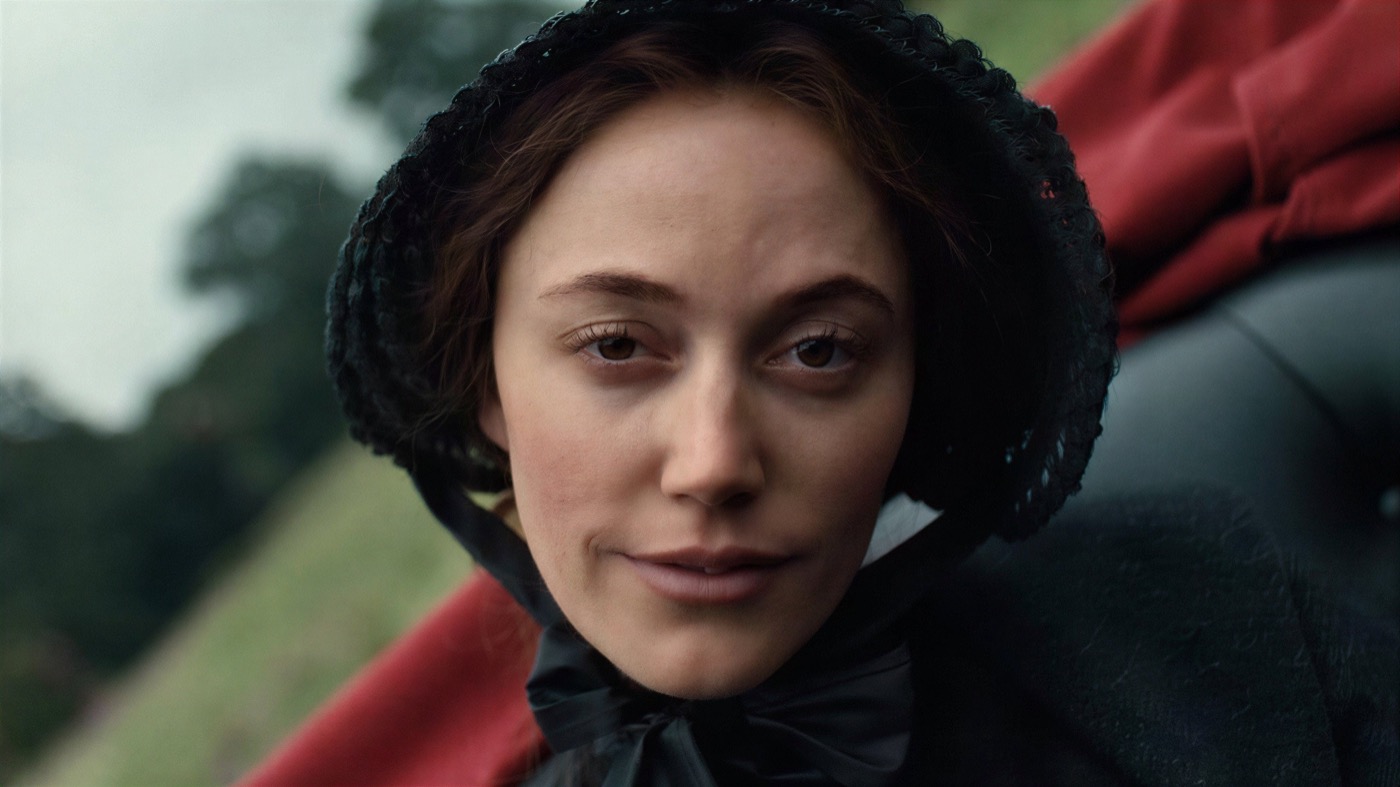
The film opens in pulsating darkness, disrupted by flashing images of what looks like a golden string being plucked from human viscera. If there’s any confusion about what you’ve signed up for by buying a ticket to Victorian Psycho, its gargantuan title card soon spells it out in gold. We meet Winifred Notty (Monroe) in a shot tilted to capture her daydreaming gaze as she rides in a carriage to Ensor House, a mid-19th-century English manor where a governess’s position with the affluent Pounds family awaits.
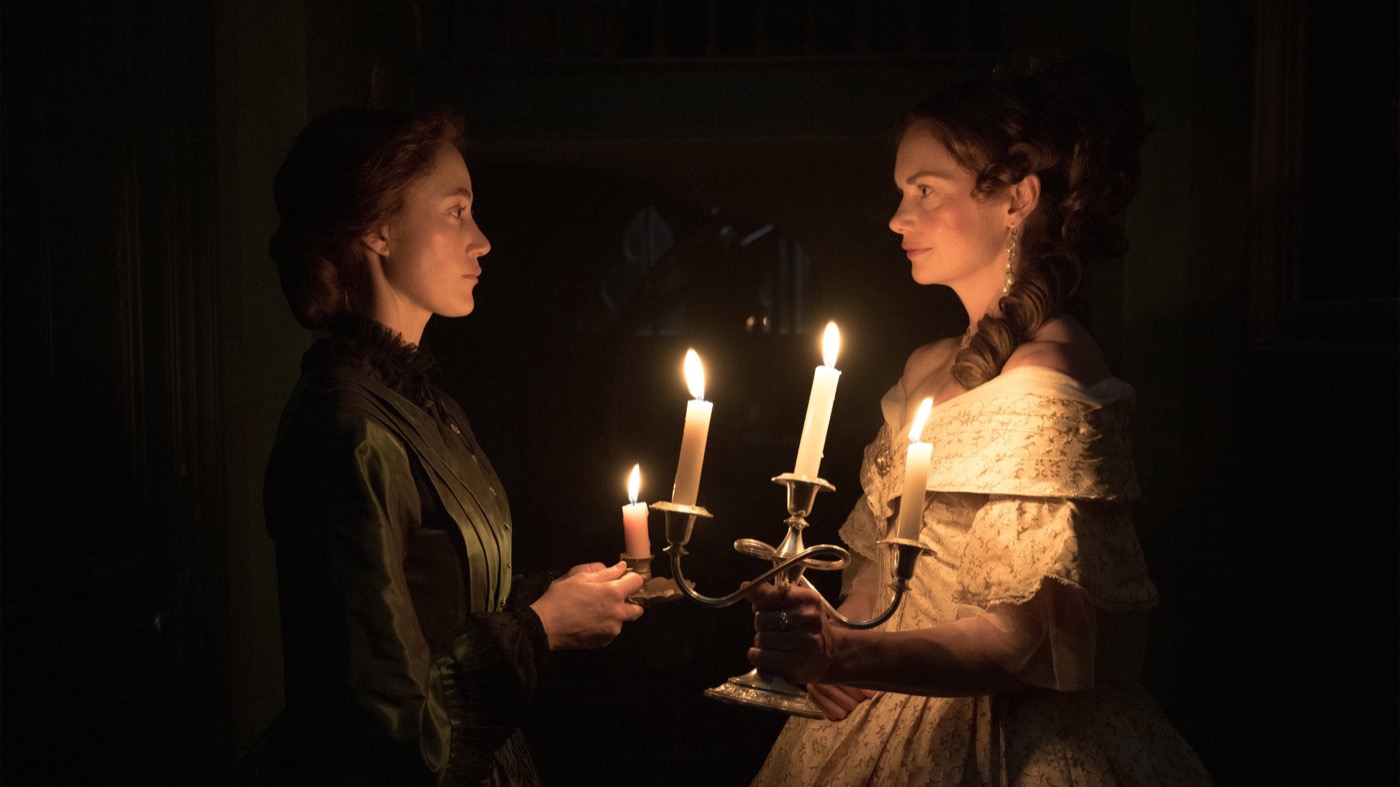
It’s immediately evident that this isn’t your mum’s Jane Eyre. Winnie’s private wool-gathering spills into our ears: chaotic voices are lulled as her perspective — and the camera — tilt back into an upright position. She introduces herself to us as “the most sane person” she knows. The house’s servants greet her with indifference; she awkwardly outranks them in the class hierarchy. Mrs Pounds (Ruth Wilson), meanwhile, greets her with hostility, picking at and belittling her from a throne of scathing privilege.
Mr Pounds (Jason Isaacs) receives her more openly, but with obvious lecherous intent. Before she’s even introduced to the two spoilt brats in her care, Winnie hears the loveless Pounds express conflicting wishes for their children’s education: they want to foster their intelligence, but not make them too clever; provide rigorous discipline, but not strike them; correct their iniquity, but honour their well-bred blood. Her eyes dart from one side of the dining table to the other in a delicious sample of the novel’s wit.
Winnie meets the Poundslings, Drusilla (Evie Templeton) and Andrew (Jacobi Jupe), and settles into her new job and quarters with a human ear stashed away as a snack. As in American Psycho, the film follows her two selves — public and private — as they contradict and comically collide, eventually fusing into one frightening, ambiguous viewpoint.
Winnie and the children stumble upon a wounded deer in the woods. She seizes the opportunity for an impromptu lesson about nature, smashing the poor animal’s brains out with a rock while casually noting that all living things suffer, and that ending this suffering is righteous. The Pounds’ gardener, Mr Finch (Barry O’Connor), tries to blackmail her with his knowledge of her previous slice-and-dice shenanigans. He meets an expected fate in the digestive system of the manor’s pigs.
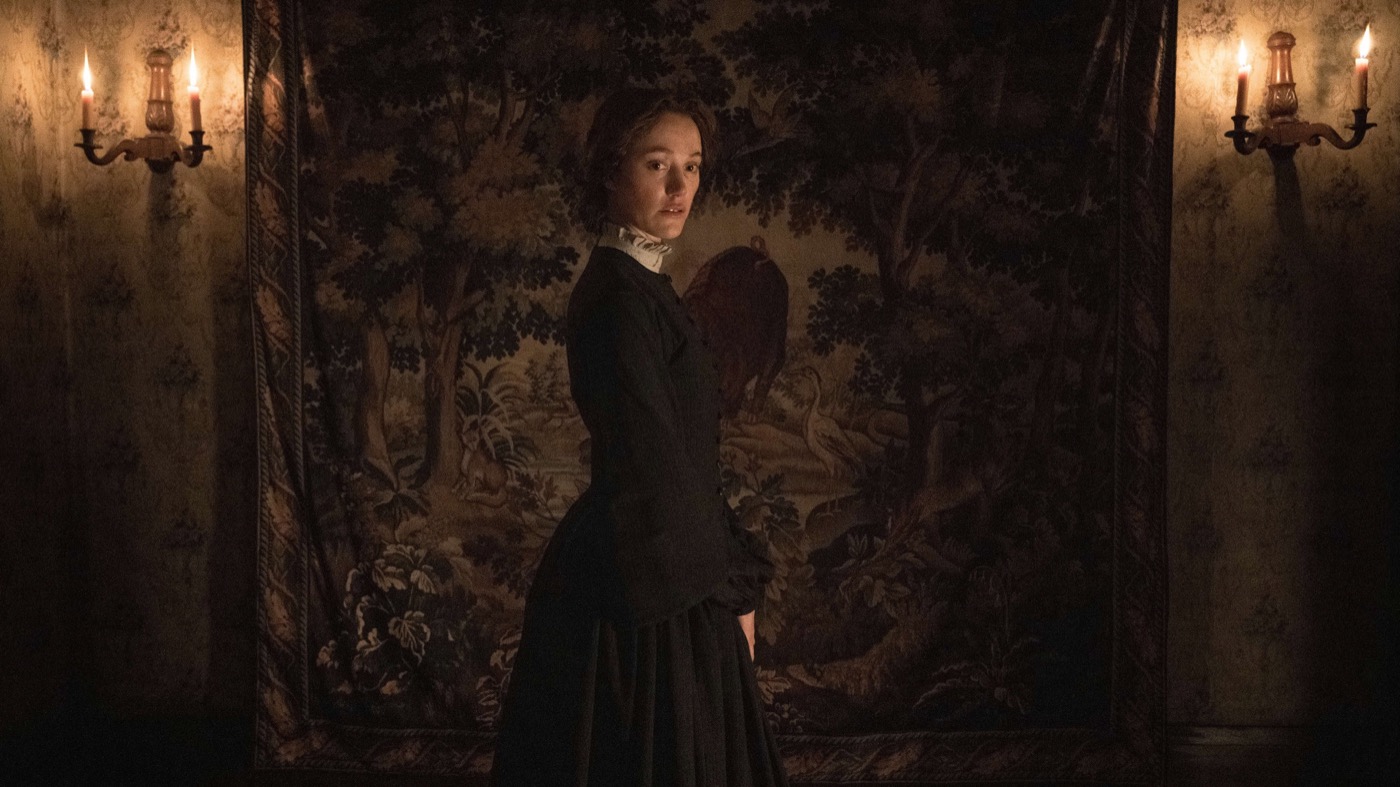
At night, she wanders the house’s halls, engaging in all kinds of mischief and creepiness. Her strange behaviour and bitingly droll remarks go unnoticed or are misunderstood, often thanks to Winnie’s half-baked, darkly hilarious explanations. When kind servant Ms Lamb (Thomasin McKenzie) bumps into her just after Mr Finch’s murder and spots blood on her dress, Winnie takes a theatrical aside. She all but winks at us, lazily improvising a story about a ghoul roaming the premises. Ms Lamb accepts it with petrified belief — one of Feito’s many riffs on the 19th-century Gothic aesthetic.
There’s a lot missing from Winnie’s characterisation in the film, which is odd, considering Feito wrote the script herself. Much of the more acidic satire and overt feminist commentary is tragically absent, while Winnie’s abuse at the hands of her mother, organised religion and previous employers is only hinted at. Our dear Ms Notty — a wonderfully revealing name, if ever there was one — is captivating in Maika Monroe’s hands nonetheless.
Monroe, one of her generation’s great scream queens, takes on a flamboyantly villainous role with absolute commitment and no self-consciousness. Her contortion of eyes and muscles into witchlike expressions and near-Joan Crawford levels of mania is balanced by an eerie restraint. Her naturally intelligent, resourceful “Final Girl” face is quickly and impressively chiselled into barely muzzled malevolence.
When that malevolence escapes, it’s epic — most notably when Winnie, panicked, plays peekaboo with a crying baby just before slitting its throat off-screen, and when she erupts in rage after a heart-to-heart with Mr Pounds goes south. The suppressed moments may not be as memorable or wickedly funny, but they’re certainly more chilling. Monroe’s handling of Winnie’s veiled threats and menacing conversations with Andrew is beyond wicked. And when she nonchalantly tells him about the demon named Fred living inside her, it’s still wickedly funny as hell.
Winnie continues her lessons with the children, teaching them right from wrong as the camera cheekily frames her between those two words on the blackboard. Andrew is already on his way to becoming an insufferable patriarch, dobbing Winnie in for her unconventional methods by day and praying for an “obedient wife” by night. Drusilla, meanwhile, seems much more attentive to and attracted by Ms Notty’s School of Naughty: she sketches satirical pornography in her journal and rejects her father when he shoots the rebellious book from her hand.
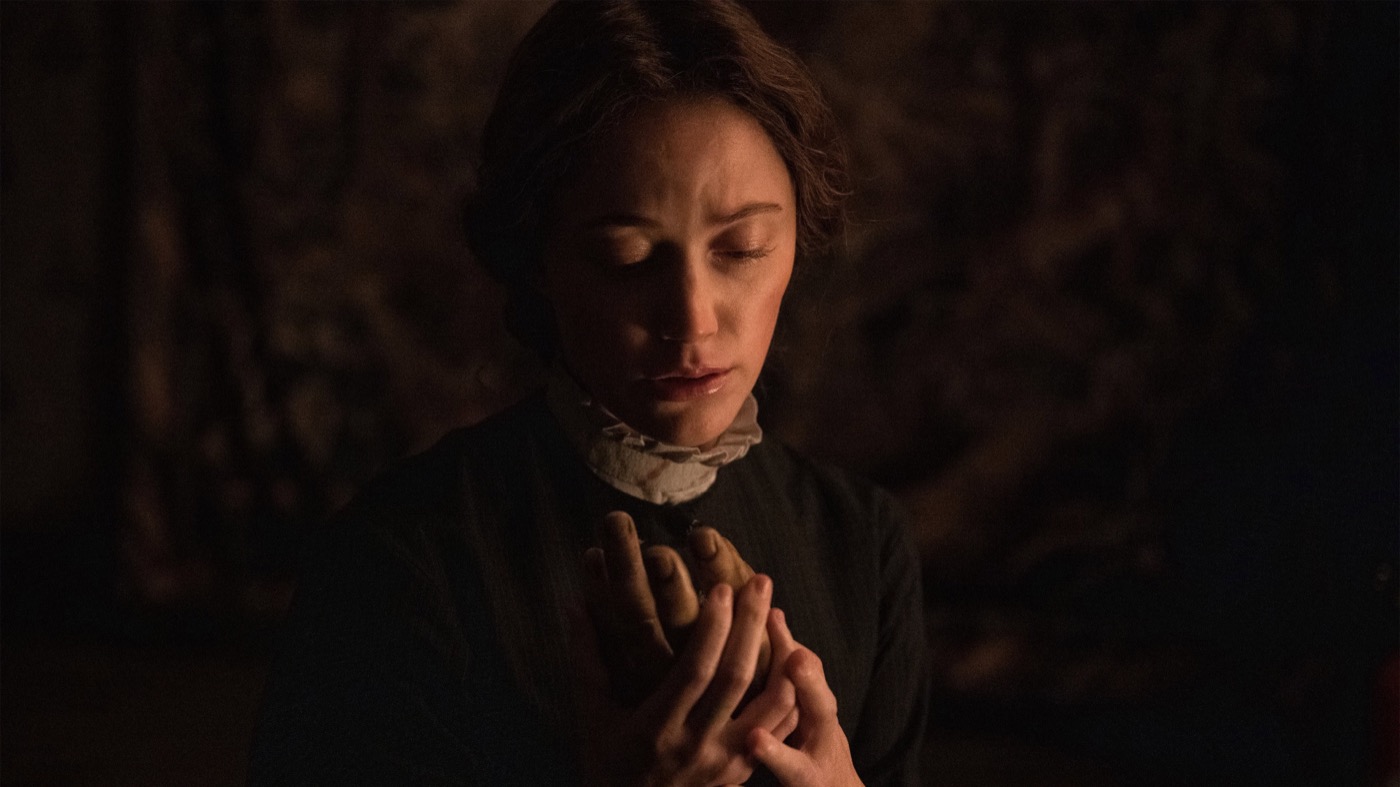
Templeton and Jupe aren’t given much to work with compared with the rich, far more fucked-up psychology Feito gives Drusilla and Andrew in that fiendishly masterful novel. However, they both make the most of their impressionistic roles, with Jupe particularly standing out. Between this and his eponymous performance as the kid who ripped our hearts from our chests in Hamnet (2025), he has quite a career ahead of him.
Winnie attempts to form personal relationships with Ms Lamb and Mr Pounds. Both end predictably disastrously. Monroe’s on-screen chemistry with McKenzie and Isaacs is especially effective, giving us the film’s two best sequences.
Candid conversations between Winnie and Ms Lamb — underscored by McKenzie’s sincere performance, period dialect, gullible sweetness and eccentric, chimpanzee-like laugh — lead to an unguarded moment involving a lick of the neck. Two deeply unsettling point-of-view shots and a teacup shank later, Ms Lamb is no more. Winnie’s heart-to-heart with Mr Pounds isn’t nearly as gory, but it does include one big confession. It’s narratively clumsy in the novel, and even clumsier here. Nevertheless, the raw acting between Monroe and Isaacs in the scene’s unbroken five-minute take is electric.
Isaacs does a decent job on his own of bringing out Mr Pounds’s patriarchal buffoonery and socially accepted psychopathy. He comes close to caricature more than once, but hey, this is 70% a comedy. A vapid industrialist, he tries to relieve the boredom of wealth with anything he can find. This includes pursuing Ms Notty sexually, unveiling an Egyptian mummy and indulging in the day’s trendiest upper-class pseudoscience: phrenology. Mr Pounds’s obsession with measuring skulls to determine a person’s character is a running joke, made all the more bitterly funny by his compliments about Winnie’s well-formed cranium.
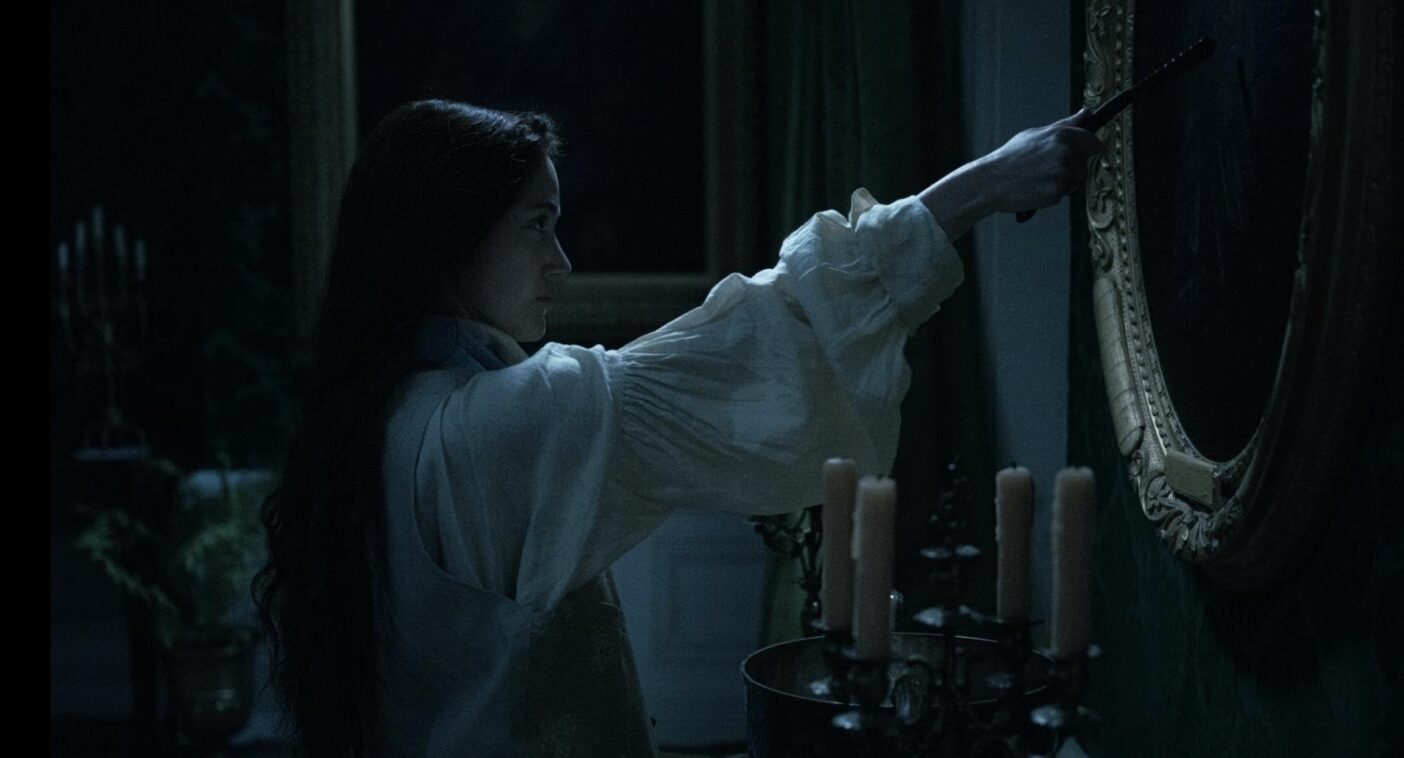
The novel pays close attention to what shaped Mrs Pounds into an aristocratic sadist, but the film barely spends any time with her. Ruth Wilson’s sturdy portrayal of Mrs Pounds’s callous, often agitated nature is confined to scenes of her berating Winnie. She makes the governess drink mouldy vase water and sleep in the dog kennel — acts driven by shallow jealousy rather than deep-seated prejudice, a need to quell her own insecurities or borderline kinky gratification in others’ pain.
At least Mr P gets something of an origin story. In one loaded conversation with Winnie, the film implies that he’s descended from a sexually abusive father and a grandfather who abused horses. Mrs P remains a mystery, though — another casualty of the character cuts and plot rearrangements that keep the film from reaching the vile grandeur of its source material.
Feito strays from the structure of her novel, despite its already cinematic precision. The climactic Christmas Day Massacre, which has to be read to be believed, is replaced by a Birthday Massacre that considerably tones down the brutality. A key arc involving Drusilla is rushed, losing its power along with the book’s unforgettable finale. And the book’s rotten yet mesmerising soul — Winnie’s narration — is scattered too sparsely across the film. I know I should praise the restraint shown in not having Winnie turn to the camera to offer Fleabag-style asides on everything. But honestly, the film could’ve rocked a lot harder with them.
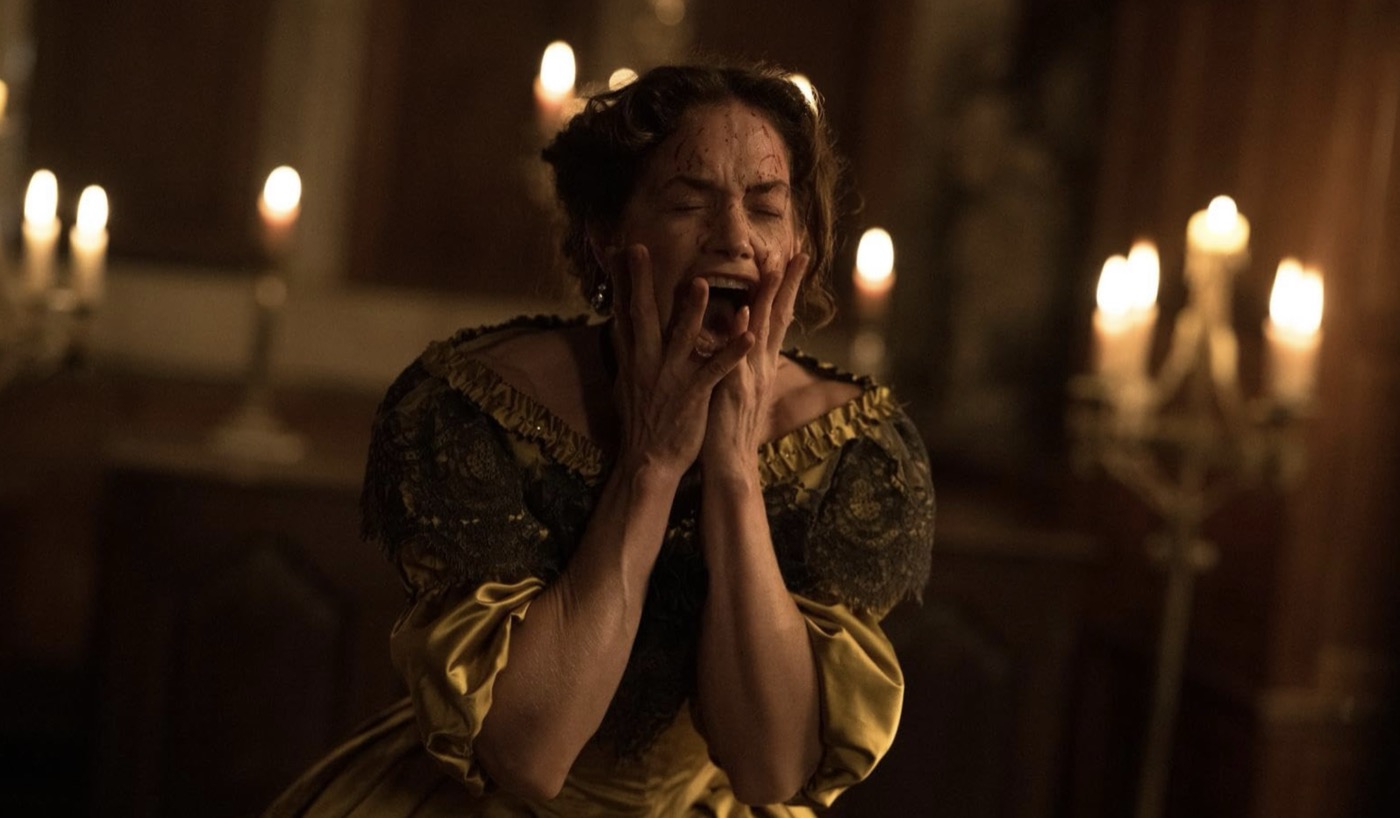
Wigon’s direction and Nico Aguilar’s cinematography give us just enough madness to enjoy. Victorian Psycho’s roguish, often surreal use of the SnorriCam is a midnight delight, attaching us to murder weapons, human appendages and Winnie herself in full, blood-splattered primal mode, for perspectives that feel positively forbidden. If you’ve ever wondered what meat travelling down someone’s gullet looks like from the meat’s point of view, here’s your film.
Even when the camera isn’t attached to something, the film brilliantly simulates a fractured mindset. Its dizzying editing by Dustin Chow and Lance Edmands, and Ariel Marx’s wacky, violin-plucked score, feel as deranged as Feito’s prose.
Overall, Victorian Psycho is a flawed portrait of a woman’s violent reckoning with the society that tormented her. It joins Maggie Gyllenhaal’s The Bride! (2026) and Ian Brennan’s Monster: The Lizzie Borden Story (2026) as an endearingly weird, historically wild and somewhat guilty-pleasure exploration of the same theme. Just don’t go in foolishly expecting the book, as I half did.
Heaven help us if Maika Monroe and Lily-Rose Depp ever square off in an Exorcist-face duel.
UK • IRELAND | 2026 | 102 MINUTES | 2.00:1 | COLOUR | ENGLISH

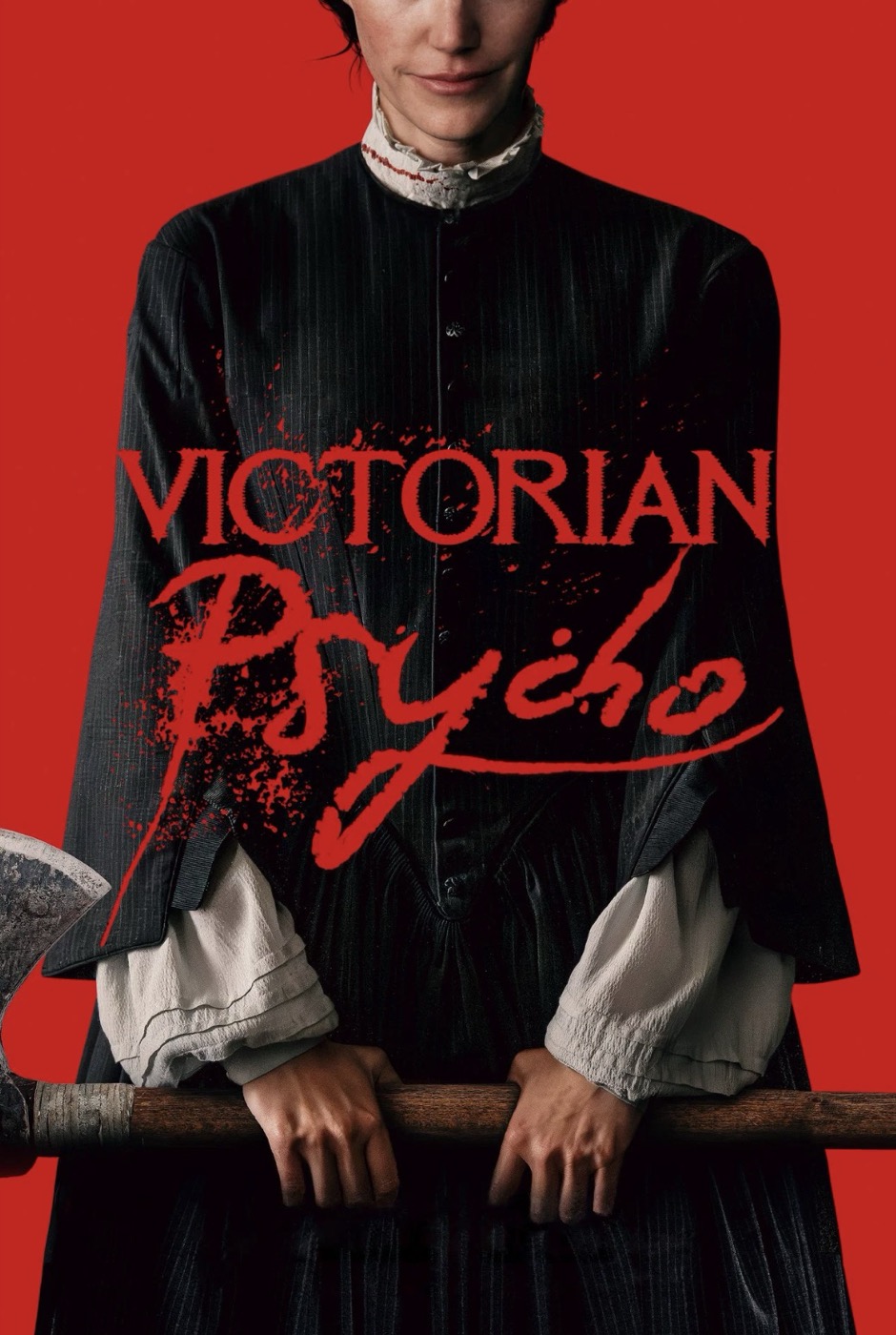
director: Zachary Wigon.
writer: Virginia Feito (based on her 2025 novel).
starring: Maika Monroe, Thomasin McKenzie, Jason Isaacs, Ruth Wilson, Evie Templeton & Jacobi Jupe.


