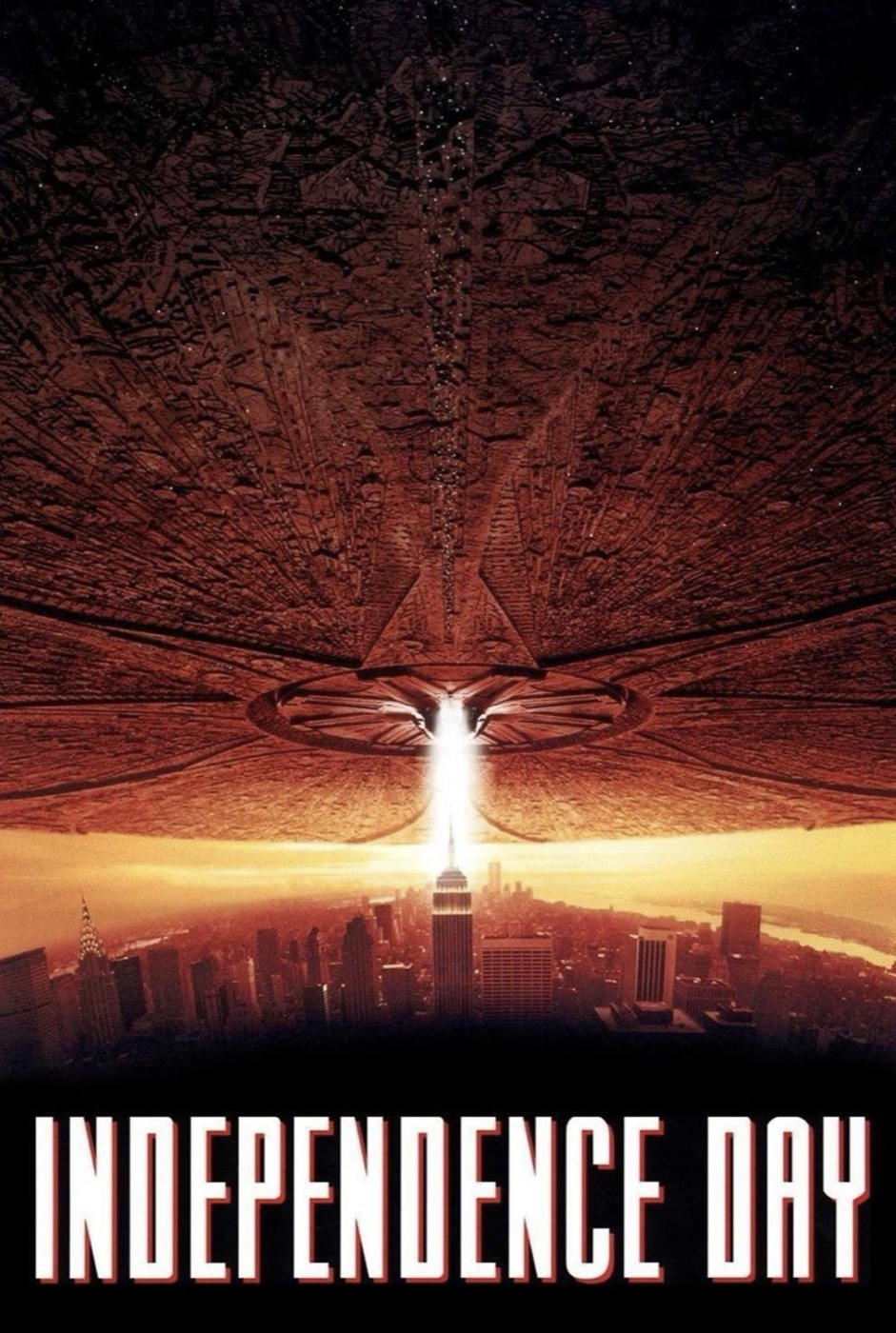
INDEPENDENCE DAY (1996)
Mankind faces a global alien invasion, with only a disparate mix of survivors (including the President of the USA, an MIT-engineer, and a fighter jet pilot), standing in their way...

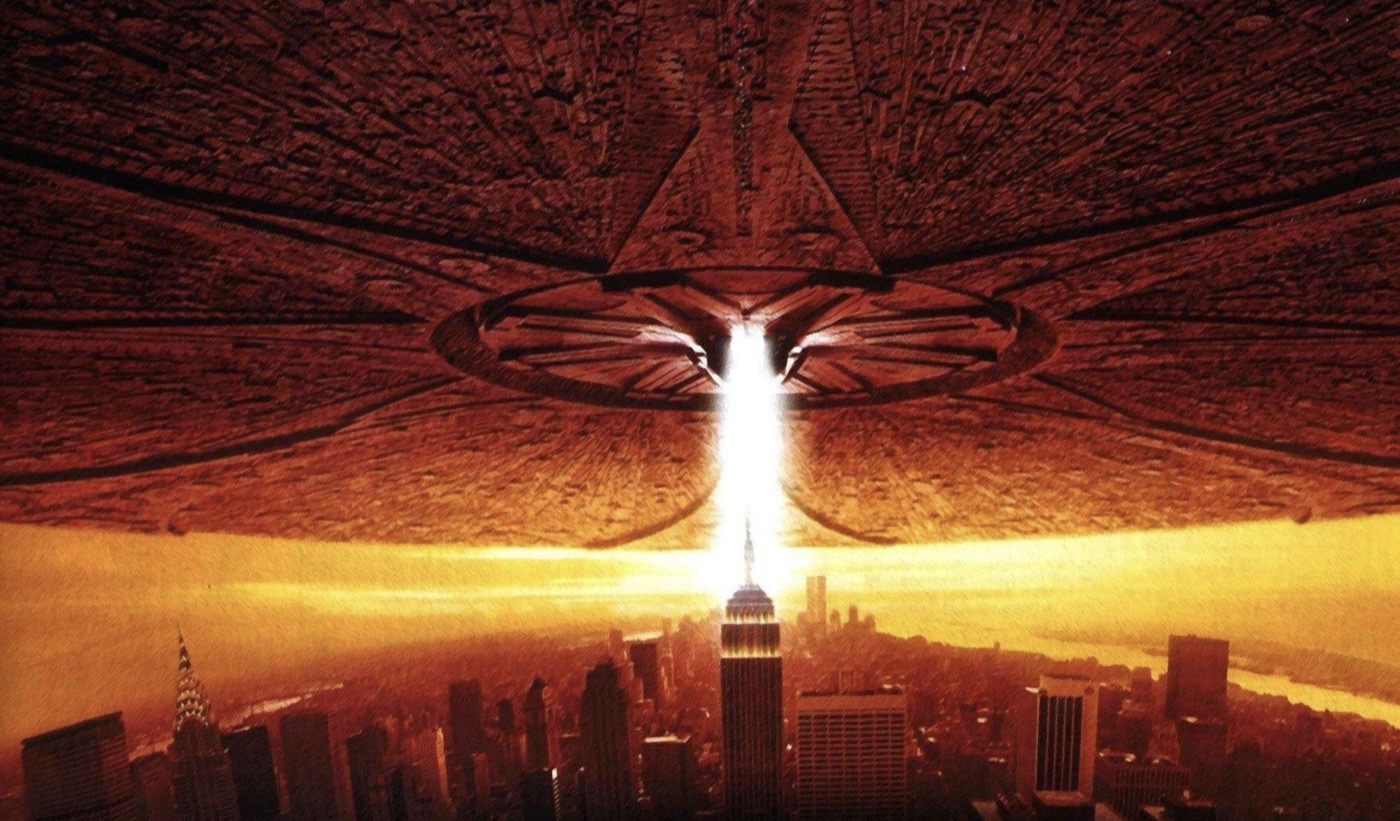

Mankind faces a global alien invasion, with only a disparate mix of survivors (including the President of the USA, an MIT-engineer, and a fighter jet pilot), standing in their way...
I love 1990s blockbusters. This is mostly down to being a teenager at the time, an age when you can see more at the cinema without parental supervision. But it was also an especially creative era for the major Hollywood studios. The dawn of CGI piqued mainstream interest with the shape-shifting liquid metal villain of Terminator 2: Judgment Day (1991), before blowing everyone’s minds by bringing prehistory back to life in Jurassic Park (1993). Those new tools ushered in a wave of summer blockbusters that brought our wildest imaginings to life in a more believable way than ever before. Toy Story (1995), Jumanji (1995), and Twister (1996) all pointed the way to a spectacle that’s commonplace today — perhaps even tiresome — but it’s easy to forget how wondrous it once felt.
Independence Day was the big hit of 1996. German director Roland Emmerich had found earlier success with Stargate (1994), but this was his ticket to the big time. He achieved it by updating H.G Wells’s The War of the Worlds with the brio of a 1970s disaster epic, backed by the scope and budget to wrangle dozens of characters and locations. Sure, it takes a more “USA vs the Aliens” approach than a remake would, but in ‘96 we didn’t much care. America was a stand-in for “us”, at least in the West, and the fact these extra-terrestrials tended to focus their destruction on US landmarks and cities didn’t confuse too many of us. Tim Burton’s Mars Attacks! (1996) would satisfy the itch for a more inclusive global catastrophe some months later.
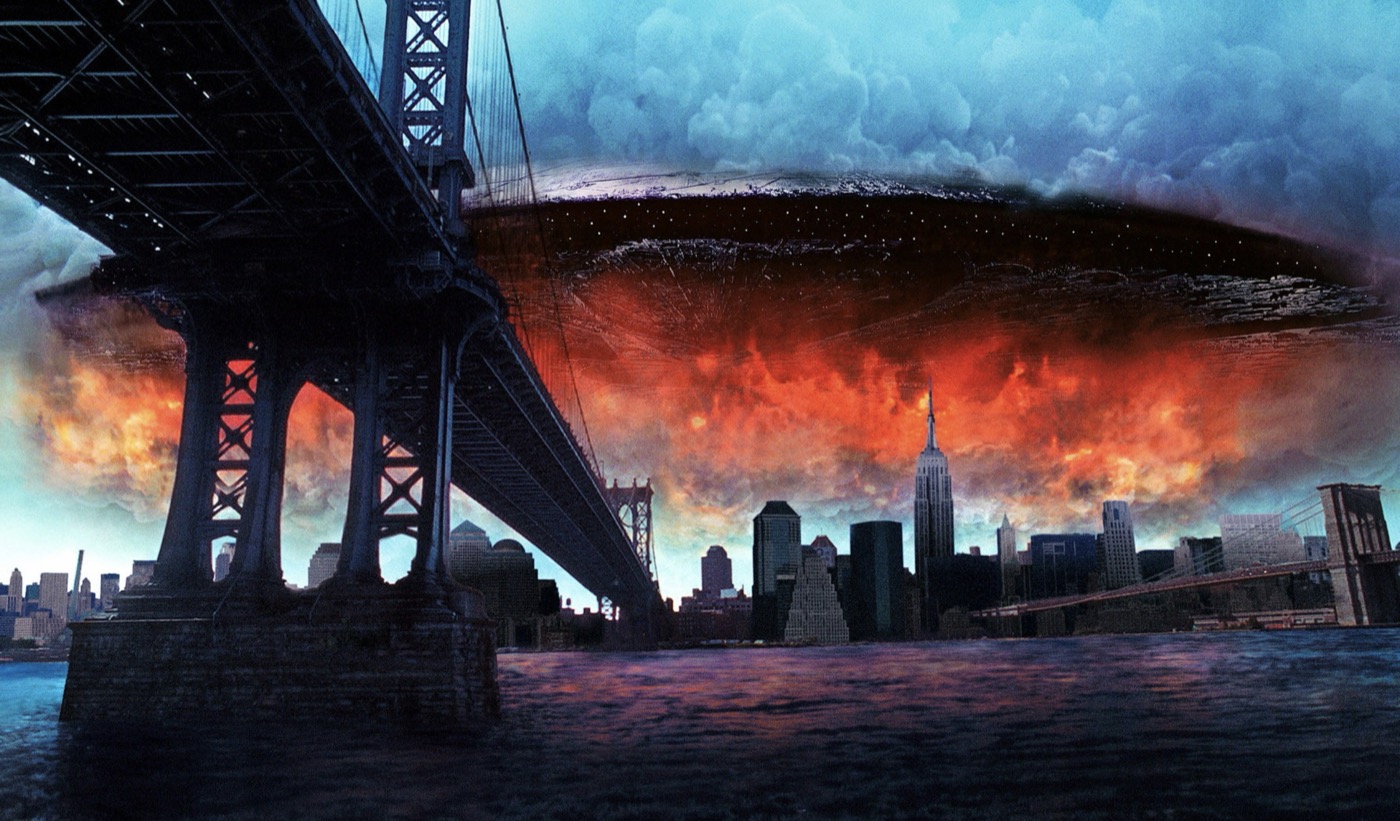
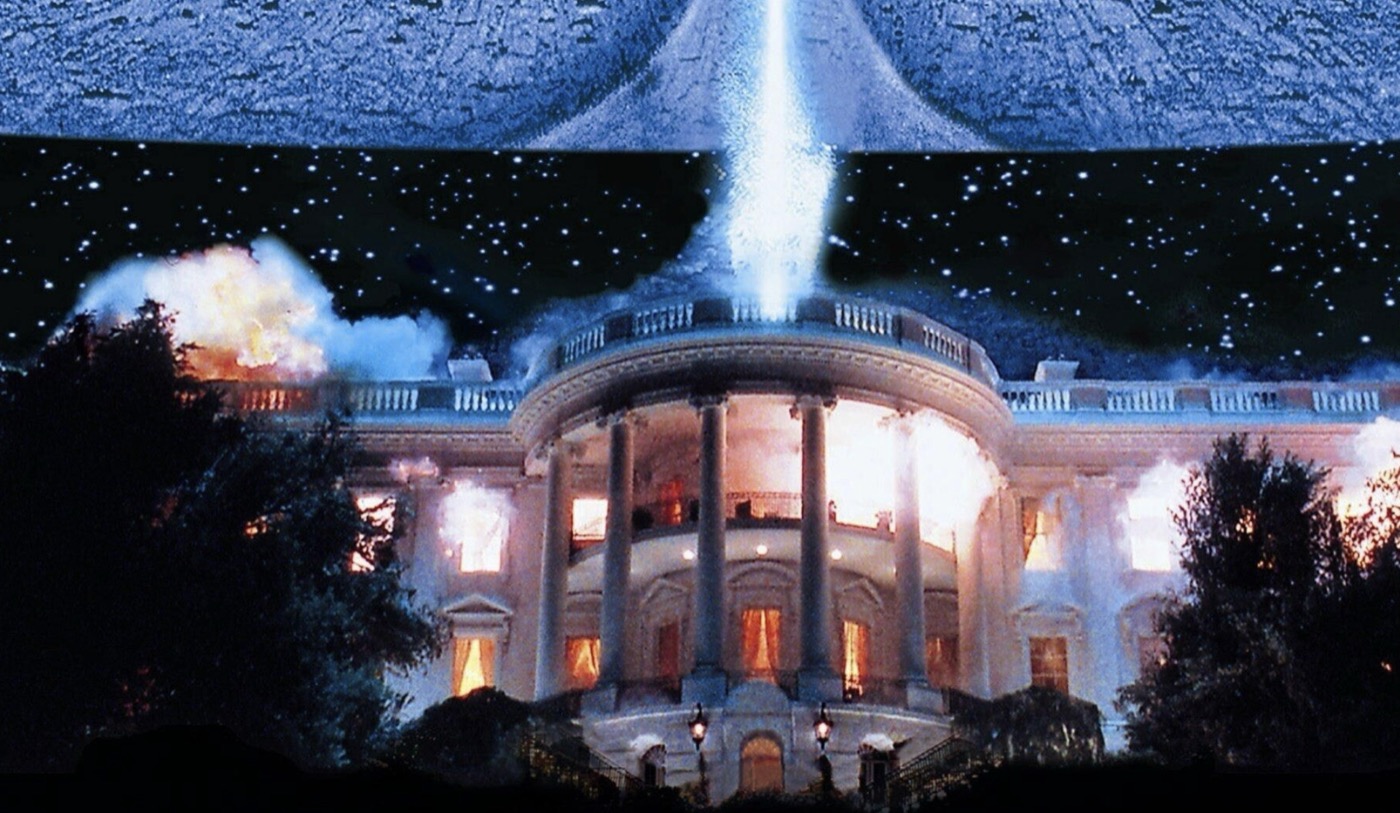
Emmerich’s film is a simple update of old ideas applied to new technology amidst a very different societal backdrop. There hadn’t been a big-budget alien invasion movie since Byron Haskin’s The War of The Worlds (1953), released over four decades ago. And while it’s easy to say Independence Day’s biggest difference is the photo-real VFX, there’s more old-fashioned miniature work being used in the mid-’90s than one might expect; even the iconic shot of the White House exploding was done in-camera by blowing up a large and expensive model.
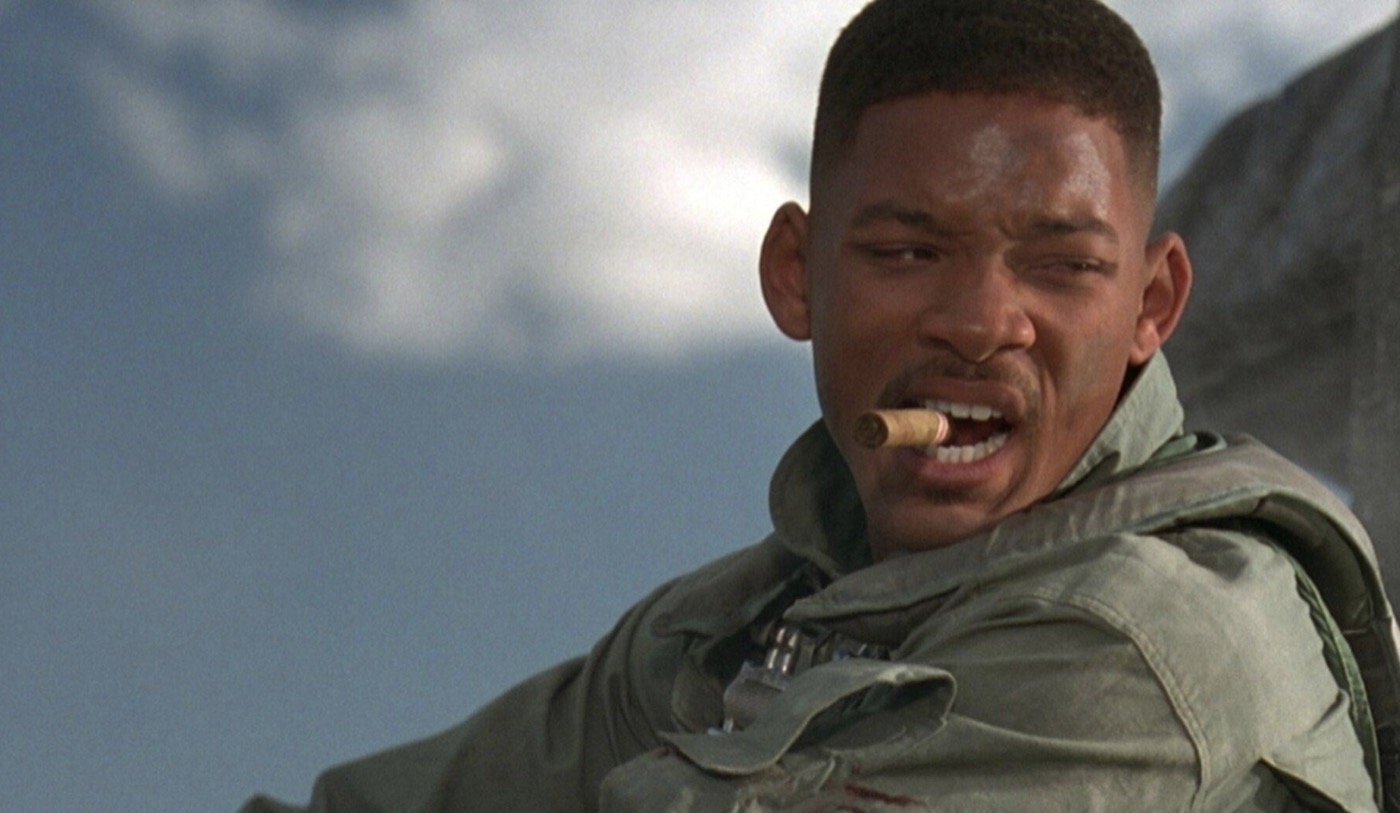
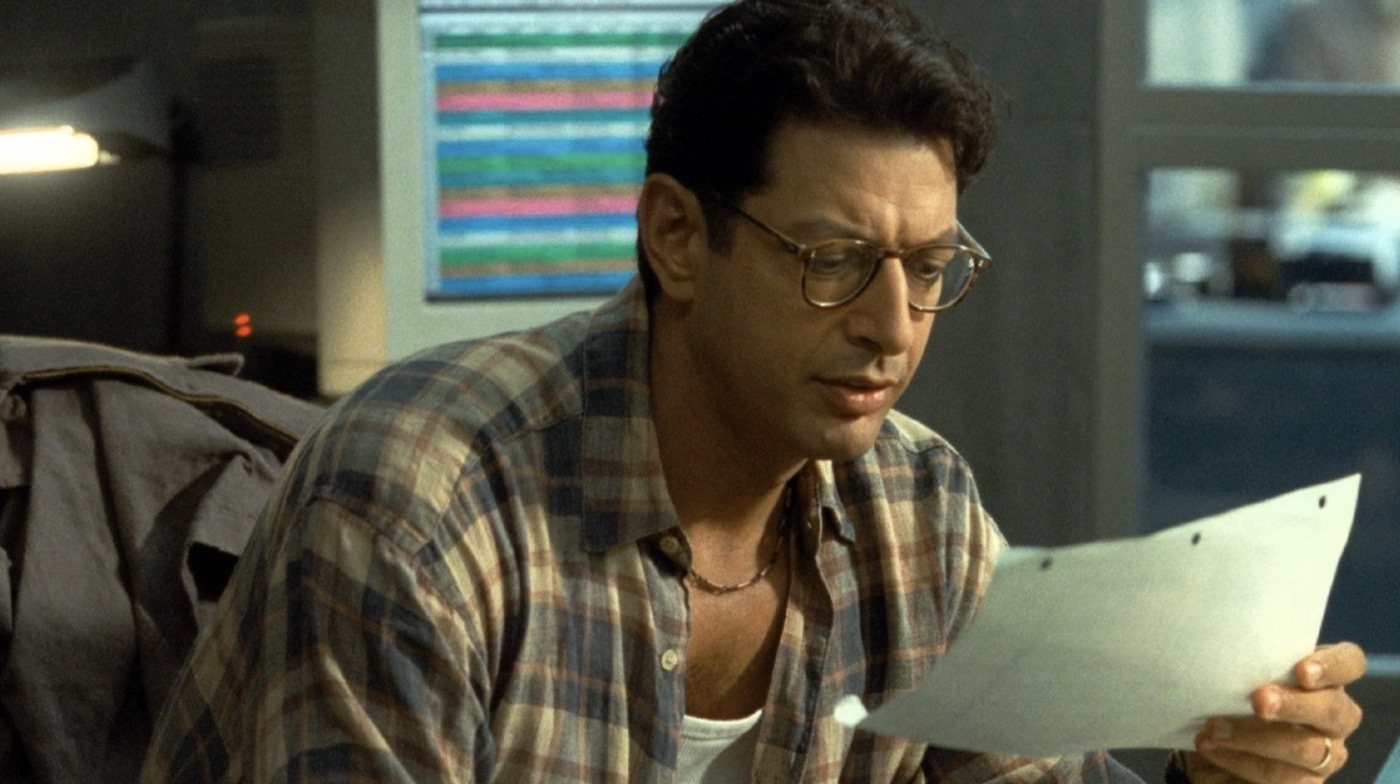
Flying saucers ominously appear across Earth, hovering over major cities, while a mothership in orbit coordinates a simultaneous strike to lay waste to the planet before harvesting its natural resources. A variety of characters become embroiled in the mystery and ensuing fight against extinction: US President Thomas Whitmore (Bill Pullman) and his staff and family, including First Lady Marilyn (Mary McDonnell); MIT-educated satellite engineer David Levinson (Jeff Goldblum) and his cantankerous father Julius (Judd Hirsch); ace fighter pilot Captain Steven Hiller (Will Smith) and his girlfriend Jasmine (Vivica A. Fox); and alcoholic former fighter pilot and alien abductee Russell Casse (Randy Quaid).
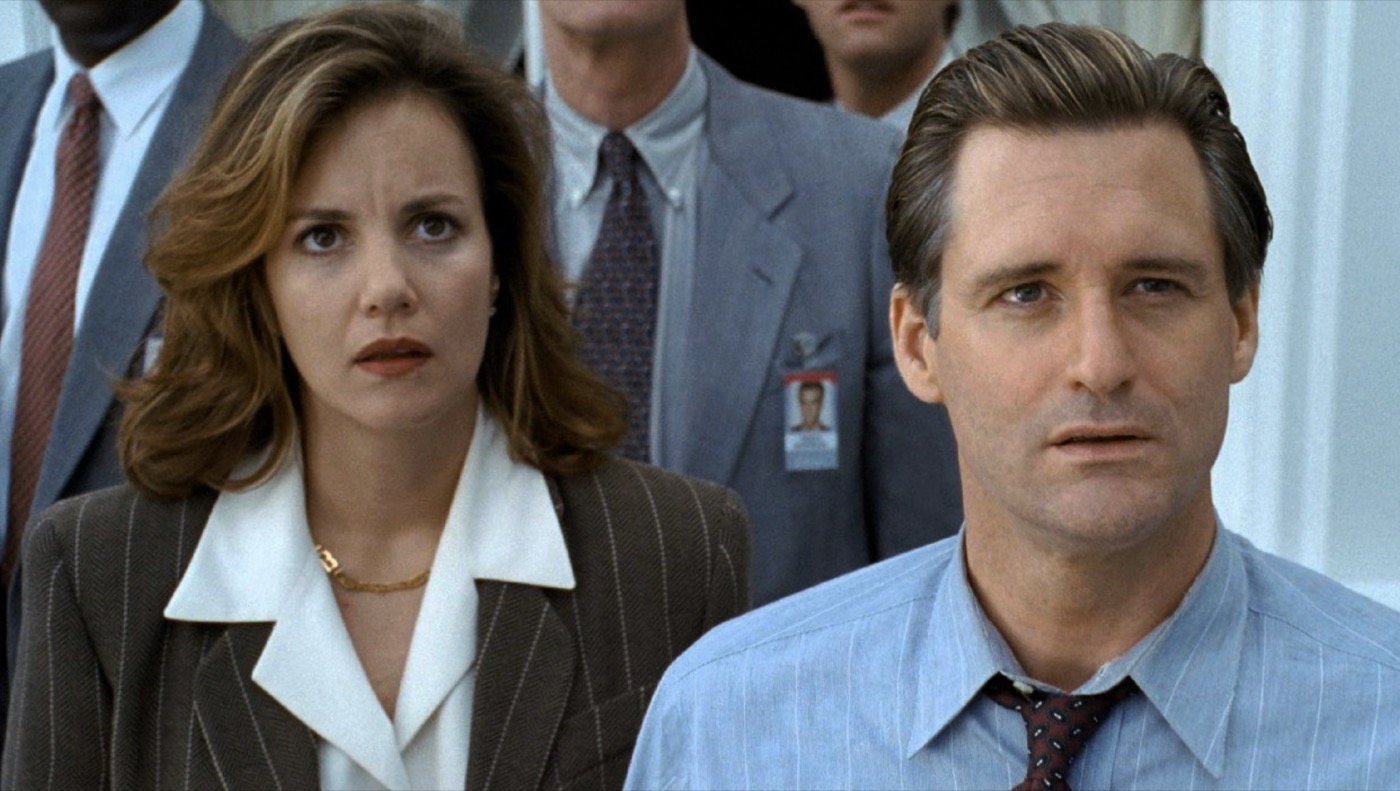
The great thing about ’90s blockbusters is that they were certainly made because a new opportunity for crowd-pleasing spectacle was there, but those techniques were still developing and budgets weren’t ludicrous. Screenplays had to at least attempt to tell good stories with characters you cared about, as filmmakers couldn’t wholly rely on visual pizazz to carry audiences through. Jurassic Park famously features only 12 minutes of the digital dinosaurs everyone came to see. While ID4 (as it was oddly marketed) isn’t exactly shy about throwing its VFX at the screen, by today’s standards the effects still come in waves that feel balanced around the needs of the narrative. The plot is simple and the characters are mostly archetypes, but Will Smith and Jeff Goldblum are the best at playing the “types” they’re so often hired to play — the charming, down-to-earth maverick and the super-intelligent nerd, respectively.
The one element that felt more modern at the time is the midway development involving Area 51. The notion that the US government has been reverse-engineering alien technology since retrieving a crashed ship at Roswell, New Mexico, in 1947, doesn’t feel too crazy today. But for mainstream audiences back then, it was a refreshing left turn, with filmgoers hungry for conspiratorial flavouring after years of watching The X-Files on television. This angle also helps shake up the hoary War of the Worlds template, even if the writers unwisely update the type of “virus” that saves the day. Although often ridiculed, the idea of uploading a computer virus into the mothership makes sense once you consider that mankind’s computers are presumably based on this alien tech. It still might not work in reality, but the movie is only missing a single line of exposition to make the climax feel plausible.
It also places ID4 in the cultural zeitgeist of the time, as the decade was relatively peaceful and prosperous, so the only imaginable way to destroy everything would come from outer space. A lot of pre-millennial anxiety was also underway, with apprehension about what a new century could bring.
Independence Day’s invigorating action also still works, even if the seams are more obvious now. It brought a Star Wars level of sci-fi action to the big screen at a time when that franchise was yet to be revived for prequels, but the performances and overall charm are what ensure it remains appealing. Hot off the success of Bad Boys (1995), Will Smith truly announced his arrival as a hot box office commodity with his effortless charisma, shooting down flying saucers and punching aliens (“Welcome to Earth!”). Goldblum reprises his Ian Malcolm persona from Jurassic Park to engaging effect, and Bill Pullman is perhaps the biggest surprise. Playing a flat and two-dimensional President on the page, Pullman elevates the role through his commitment to crafting a genuinely likeable leader and war veteran—something that certainly feels refreshing today.
Pullman’s signature “we will not go quietly into the night…” speech is a masterful display of acting talent. Writer-producer Dean Devlin had knocked it together as a placeholder, but it was nevertheless shot late at night with Pullman silencing a rowdy crowd of extras by speaking through a real megaphone. Amusingly, the scene was only included so the phrase “Independence Day” would feel prominent enough to stop the studio forcing the filmmakers to use the title Doomsday, which they hated. Pullman’s rousing speech has arguably become the second most iconic moment in the entire movie — the first being, of course, the destruction of the White House. (Ironically, a moment portrayed on a Mars Attacks! trading card that couldn’t be used in Tim Burton’s adaptation, thanks to ID4!)
Three decades on, Independence Day stands as a high-water mark for a vanished era of blockbuster filmmaking. It serves as a stark reminder of a time when event cinema could be unashamedly populist without being cynical, and massive in scale without feeling hollow. In an age currently dominated by interconnected cinematic universes and green-screen fatigue, there’s a distinct, nostalgic joy in revisiting a self-contained story where the stakes are simple, the heroes are clear, the humour works (“you punched the President?!”), the spectacle is earned, and the dog survives.
Even side characters leave an impression— like Harry Connick Jr’s tragic comic relief wingman, James Rebhorn’s uptight Secretary of Defence, or Brent Spiner’s kooky scientist Dr Okun. It’s nevertheless a shame all the female characters are thinly written or poorly utilised within the story, with only Mary McDonnell registering. The jingoism and male gaze of ID4 shouldn’t be underestimated and it’s a shame those flaws couldn’t have been fixed, by presenting a truly global community of people trying to defend Earth—some of whom may even be female. Maybe that’s why the President in the sequel was a woman.
Speaking of which, ID4-2 always felt unlikely, narratively speaking, but Roland Emmerich and Dean Devlin eventually returned to make Independence Day: Resurgence (2016) at low ebbs in their careers. However, despite an interesting “alternative timeline” setup — where the present-day is a very different place in the aftermath of these events— it inevitably couldn’t recapture the magic. ID4 had grossed $817M worldwide (a remarkable $1.7BN in today’s money), while the belated follow-up could only muster $389M ($543M today).
Destroying more cities in a crazier way and enlarging the alien ships to become the size of continents, all without Will Smith cracking wise, was an exercise in futility. There was some pleasure in seeing Goldblum reprise his role, and it’s certainly an ambitious swing that played with some fun ideas, but it ultimately set up a concluding part to a trilogy that’s likely to remain unfinished.
Ultimately, the original Independence Day succeeded because it understood the fundamental rule of a popcorn movie: you can blow up all the shit you want, but if the audience isn’t rooting for the people on the ground, the fireworks mean absolutely nothing. This is exactly why, three decades later, whenever July rolls around, we’re still more than happy to watch Earth fight back.
USA | 1996 | 145 MINUTES | 2.39:1 | COLOUR | ENGLISH

director: Roland Emmerich.
writers: Dean Devlin & Roland Emmerich.
starring: Will Smith, Bill Pullman, Jeff Goldblum, Mary McDonnell, Judd Hirsch, Margaret Colin, Randy Quaid, Robert Loggia, James Rebhorn, Harvey Fierstein & Brent Spiner.