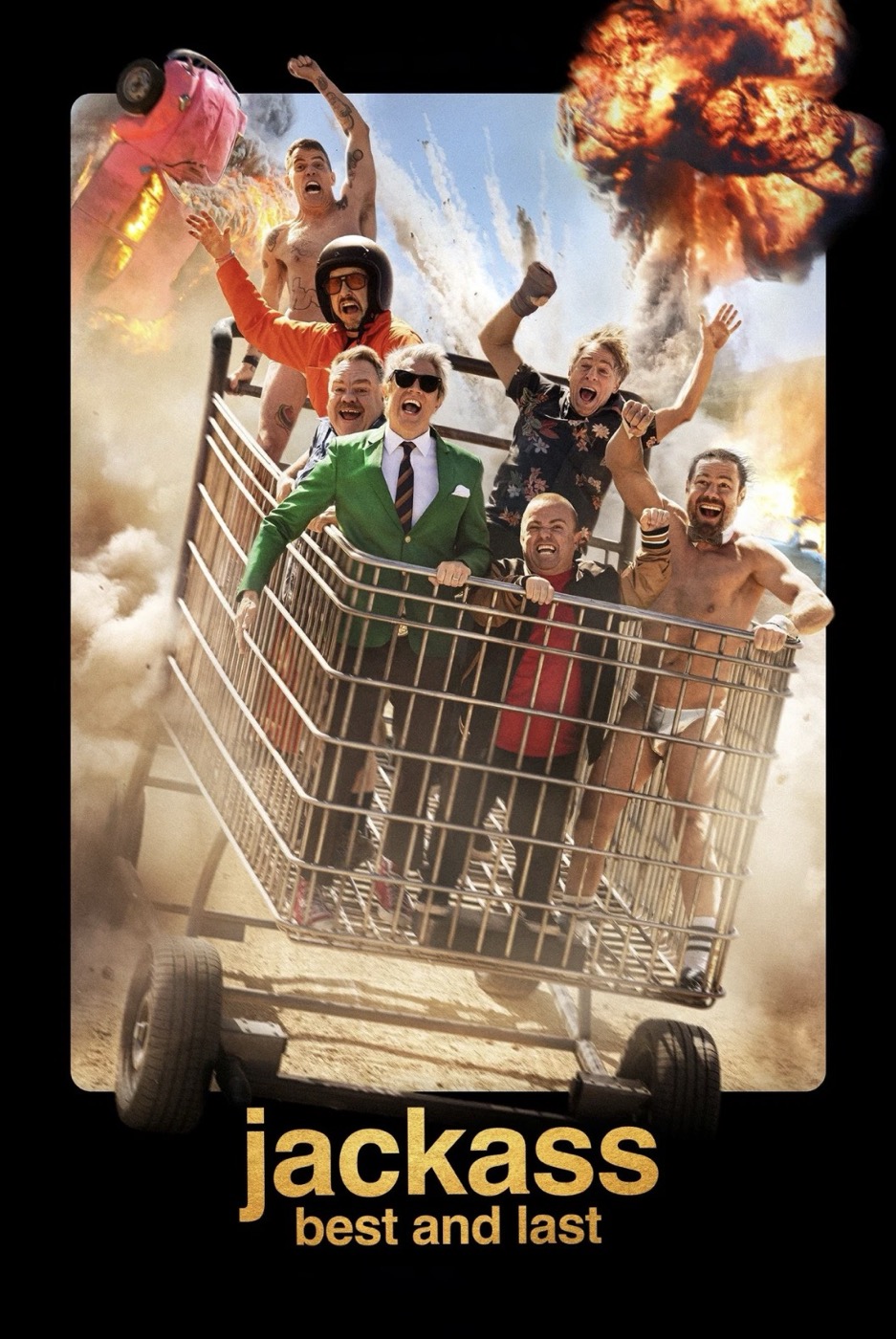
JACKASS: BEST AND LAST (2026)
Follows the Jackass crew as they perform their final series of dangerous stunts and pranks, marking the end of the franchise.

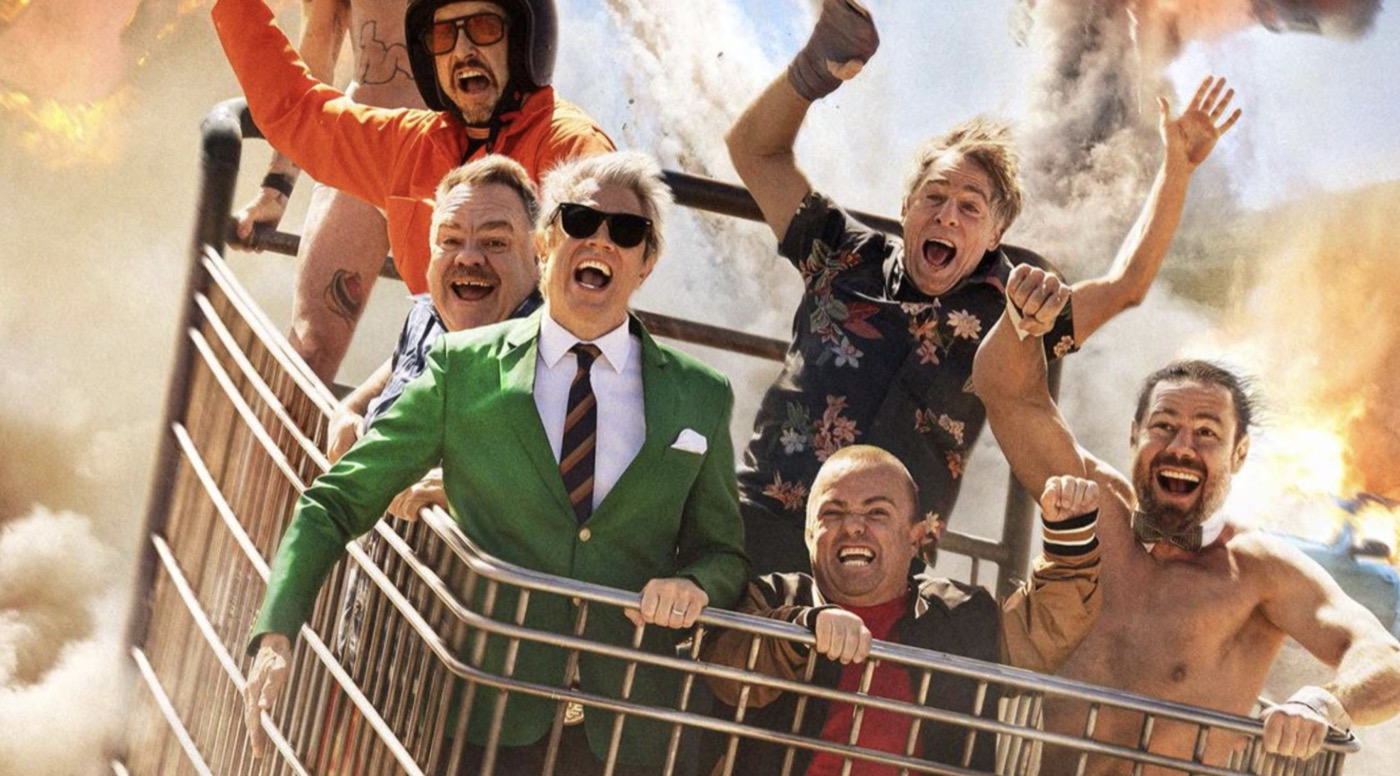

Follows the Jackass crew as they perform their final series of dangerous stunts and pranks, marking the end of the franchise.
It’s always a risk to use a word like ‘last’ in a film title, but if the Jackass crew are used to anything, it’s risks. Jackass: Best and Last, the fifth and supposedly final instalment of the beloved series, is as sadistic and scatological as ever. The real surprise, despite all the carnival-barker promises of the extreme and the hysterical, is that it truly does feel like the end this time.
Last year saw the purported final ride of another life-and-limb-risking American, Ethan Hunt (Tom Cruise), in Mission: Impossible – The Final Reckoning (2025). That series of films has become increasingly defined by the lurid possibility of seeing its star brutally injured on camera — or worse. The clip of Cruise shattering his ankle and continuing the take has become the stuff of legend. It is hard to believe, however, that the man will be able to resist dangling off the side of aeroplanes for long.
Yet age catches up with everyone. Johnny Knoxville, the stuntman-prankster whose Jack Nicholson-style cool and impish sadism made him the default face of the franchise, is several years shy of 60. The original crew’s youngest member, “Danger Ehren” McGhehey, will be 50 later this year. These guys are hardly at the end of their lives, but there are only so many times you can be dropped on your head and get away with it.
Knoxville, whose contributions typically lean away from the gross-out and more towards the “he might actually die” stunts, came to an impasse after filming the infamous “Magic Trick” stunt in Jackass Forever (2022). Charged by a bull, sent flailing into the air before crashing down on his head and neck, Knoxville suffered a concussion and brain damage, subsequently undergoing years of rehabilitation.
The writing was on the wall: the husband and father could no longer take such dramatic risks in the pursuit of good footage. Yet, maddeningly, the footage is good, and it is played in full in Jackass: Best and Last, serving as both a celebration of the man’s dedication and a reminder of why this has to be the end.
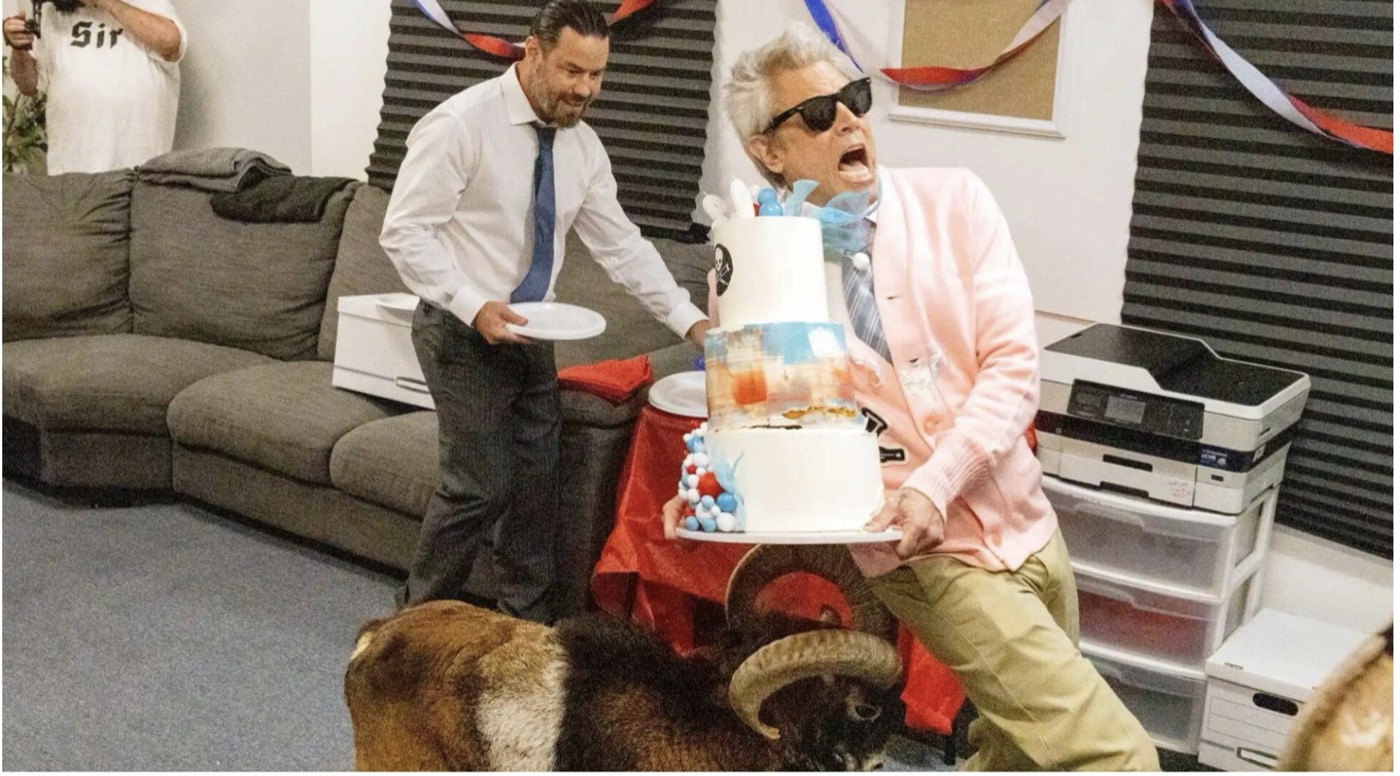
The clip is one of dozens repurposed for Best and Last, which is equal parts new material and a best-of compilation, filled out with current-day recollections shared by the cast, plus a few previously unreleased skits. For any other franchise, the whiff of a cash-in would be unmistakable. To be sure, there have been strong responses from Jackass die-hards, frustrated at having to fork out the price of a cinema ticket to see 40 minutes of footage they have already watched dozens of times.
Yet it somehow feels just right for Jackass, a collaborative project that has always been more than the sum of its parts. Every Jackass fan has a favourite sketch or cast member (I’m a Pontius man, myself), but Jackass inherently works because it is bitty, and because some of the sketches barely work at all (McGhehey’s “Meter Fairy” sketch from the TV series gets a mention). It is precisely this hit-to-miss ratio, the pure exhilaration and stupidity of making something, that gives Jackass its flavour.
Best and Last feels taped together in a manner that captures the franchise’s early years — a punk-ish mixtape of images you still can’t quite believe you’re viewing in public with total strangers. The most nerve-wracking Best and Last clip, shot way back in 1999, comes from Johnny Knoxville’s tenure as a contributor to the skateboard magazine Big Brother, where he connected with the director of the Jackass films, Jeff Tremaine.
Knoxville, then just Phillip John “PJ” Clapp, already possessed the cool, hangover-chic he would become known for. But as a crappy handycam follows him out into a dusty valley, away from prying eyes and ears, the feeling of a snuff film begins to creep in. Knoxville is testing a bulletproof vest. It is the cheapest on the market, and with a couple of magazines taped around his abdomen for extra protection, he takes his place. He aims a handgun directly at his chest. Voices from behind the camera hurry him along, eager to get the stunt completed so the unbearable tension can end and they can peel out of there before the police show up.
Each click of the trigger, the barrel empty save for one bullet, is horrifying. Nobody is laughing behind the camera. Nobody in the audience I see the film with is laughing either; many cover their faces. We know Knoxville survives the stunt. Anybody who has seen the documentary Dumb: The Story of Big Brother Magazine (2017) has already seen the footage.
Yet the tension is palpable and deeply uncomfortable. There is a darkness to the footage — a suicidality and spectacle that is deeply American — and a euphoric relief (“How the hell did we get away with that one?”) that sets the tone for so much of Jackass. It is slapping death and stupidity in the face and coming away mostly intact, the thrill of it all just enough to sustain you until the next hit.
In Best and Last’s new footage, Knoxville assumes the role of MC, with his and most of the crew’s stunts eschewing head trauma in favour of electric shocks, diarrhoea, and nut-shots. Steve-O, whose sketches typically dabble in vomit and bodily mutilation, has calmed down a little too. He is sharper and, 17 years sober, seems these days to have a genuine concern for his own wellbeing.
This openness amongst the crew, and the acknowledgement of the passing of time, makes the whole endeavour shockingly moving. “I feel old and I miss Dunn,” says Jackass favourite Preston Lacy, referring to the late Ryan Dunn, whose comic timing and deadpan delivery made him Jackass’s strongest — and perhaps most loveable — secret weapon. Wee Man, watching back old footage, gasps, “We were babies!” Knoxville, on the first day of the final week of filming, chokes up in what at first seems like a gag. He means it from the bottom of his heart, and you get the sense they all mean it: this life is everything to them.
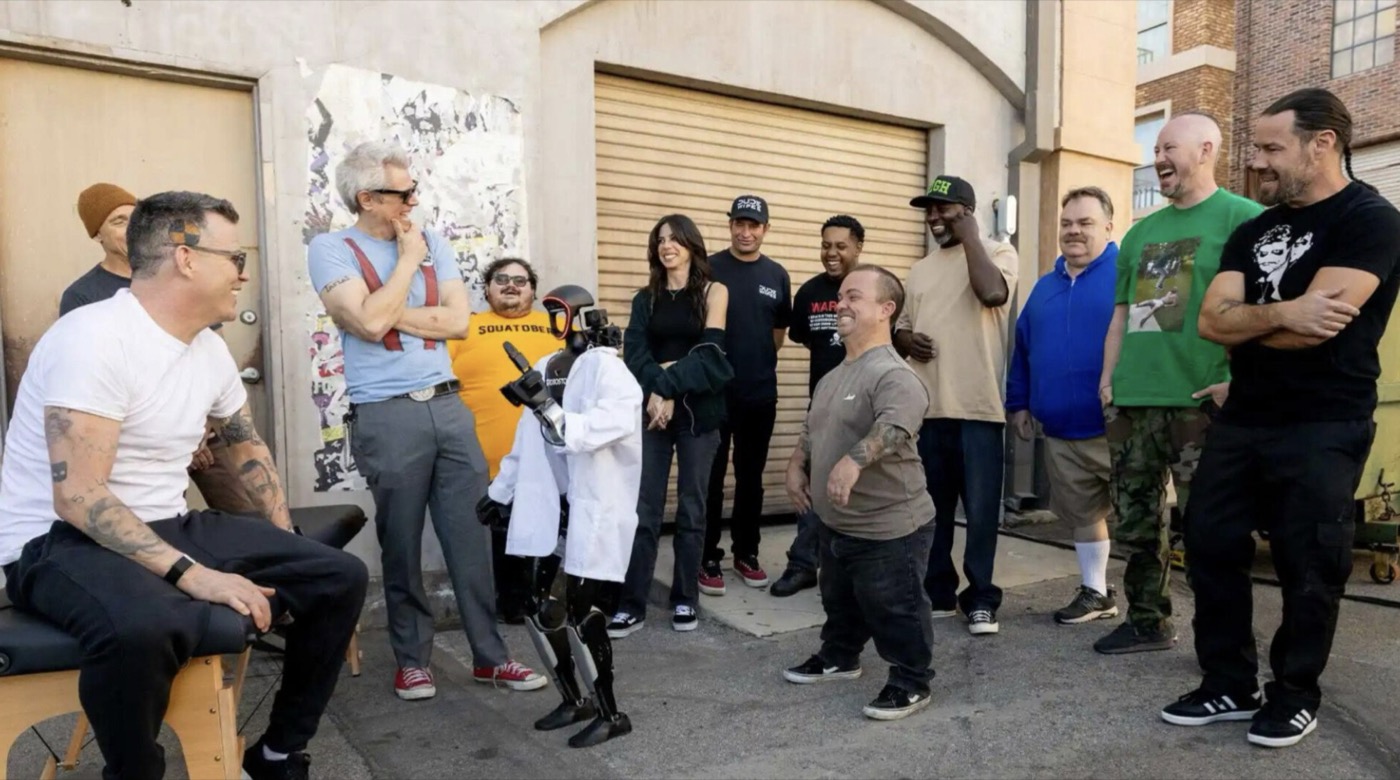
But it is not all hugs and feelings. The crew’s middle-agedness sparks some grotesque creativity, particularly on display when Steve-O receives a prostate exam from a talking robot named Larry, using a particular foodstuff for lubrication that might take it off your shopping lists for the next few years.
Later, in a bit dubbed “The Human Pretzel”, Steve-O, Dave England, Ehren McGhehey, and newcomer “Poopies” chug laxatives designed to clear house before a prostate exam, and proceed to play a game of Twister. Any viewers averse to gallons of human shit need not be dismayed — as is always the case with Jackass, there is something for all tastes.
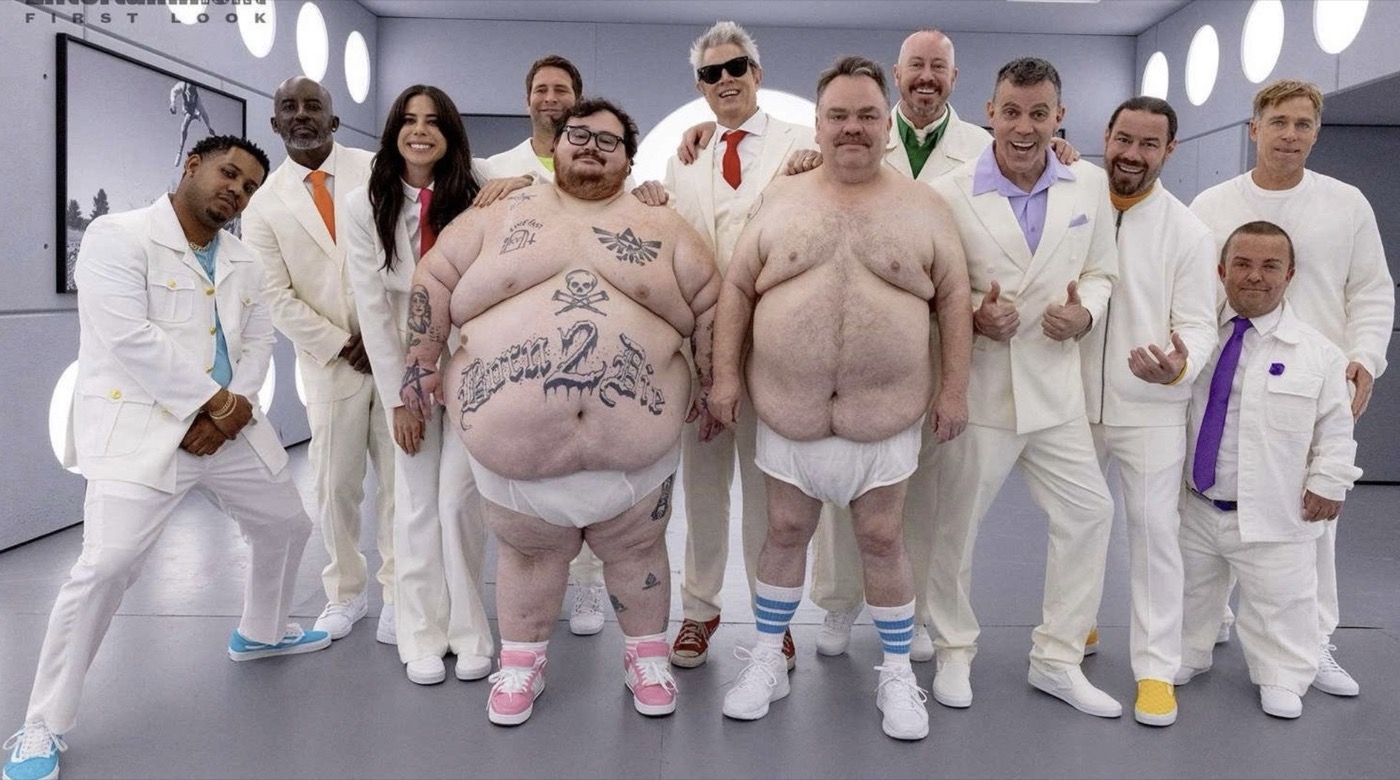
Tattoo guns make a reappearance for a bit in which a repeatedly electrocuted Steve-O tries to ink a smiley face onto the nipple of recent addition Zach Holmes. Meanwhile, those who like a little more choreography and spectacle in their Jackass should get a kick from the film’s opening roll-call — a musical spectacular set to Bonnie Tyler’s “Holding Out for a Hero”, in which the crew experience a series of physical agonies while trying to keep their footing on a set with a moving floor, à la the music video for Jamiroquai’s “Virtual Insanity.”
Elsewhere, the archives are mined for some true gold that has never been seen before. In one sketch, filmed for the Jackass TV series but never aired, Knoxville walks into a hardware store dressed in a bright orange jumpsuit and handcuffs, asking for a hacksaw. The bit escalates with real-world details that are both hysterical and terrifying: the police are called and, miraculously, with timing so perfect it could never have been written, an officer forgets to use their handbrake and their cruiser ploughs directly into a lamppost.
The clip ends with another gun pointed at Knoxville, this time by the officer who cannot drive. But when it all dies down, when it sinks in that — yes — they got away with it again (barely), it is that unpredictable element, the car smashing into the lamppost, that you are likely to replay in your head and tell your friends about afterwards.
Because as much as Jackass is about Knoxville riding a rocket high into the sky, or Wee Man and Preston performing a tethered bungee jump from a bridge, it is the unscripted, real-life humanity and idiosyncrasies that form the lifeblood of the series. It is Bam Margera sweetly asking, “Is Raab Himself here?” at the start of one sketch, referring to his old friend from the days of the CKY skate-prank-stunt videos that predated and heavily influenced Jackass. Or it is the sour, disturbed expression of the technician trying to make sense of an X-ray picturing a toy car that has been stuck up Ryan Dunn’s ass.
Jackass may have fomented in a time of burgeoning reality television, but whereas for the most part its peers came across as cynical, carefully calibrated, and network-managed facsimiles of real life, Jackass did — and still does — feel as if there is no middleman. Jackass was made by people like Jeff Tremaine, Spike Jonze, and the perpetually puking Lance Bangs: people who came up making skate videos and skits, whose punk ethos is still unbridled, and whose main goal remains getting the best footage and making each other laugh. They want real reactions. They know how to capture the vibe of their friends hanging out. It isn’t engineered.
Jackass never really had to strain to make its crew funny and likeable. The chemistry is abundant. Any punk kid watching it could feel the nervous sweat accumulating if a parent happened to be in the room. But before long, your parents would be laughing too. Some of the loudest, most foghorn-like laughs of my mother’s were had at the expense of Wee Man being sent flying, or Bam being slapped into another reality by a giant spring-loaded hand.
It helps that Jackass never feels cruel. In one clip shown in Best and Last, Bam Margera is locked in a trailer with snakes, of which he is phobic. Tears well in his eyes; his voice quivers. It is funny, then less funny, and Knoxville’s maniacal laugh eventually peters out. Bam’s lifelong friend Ryan Dunn intervenes. He lets Bam out, reaching out to grab his arm to help him up. “Come on,” he says with an unmistakable “I’m not fucking with you” tone.
Though Dunn has been gone for 15 years, and Margera is not in Best and Last save for archive footage, this camaraderie is still at the heart of Jackass. For all the torture and depravity, Jackass is about friendship. Is it a healthy model of friendship? Who is to say? But there is something familiar, even enviable, about these alliances. Who wouldn’t want friends with whom you are so comfortable that you don’t mind reaching into their anus to retrieve a coin?
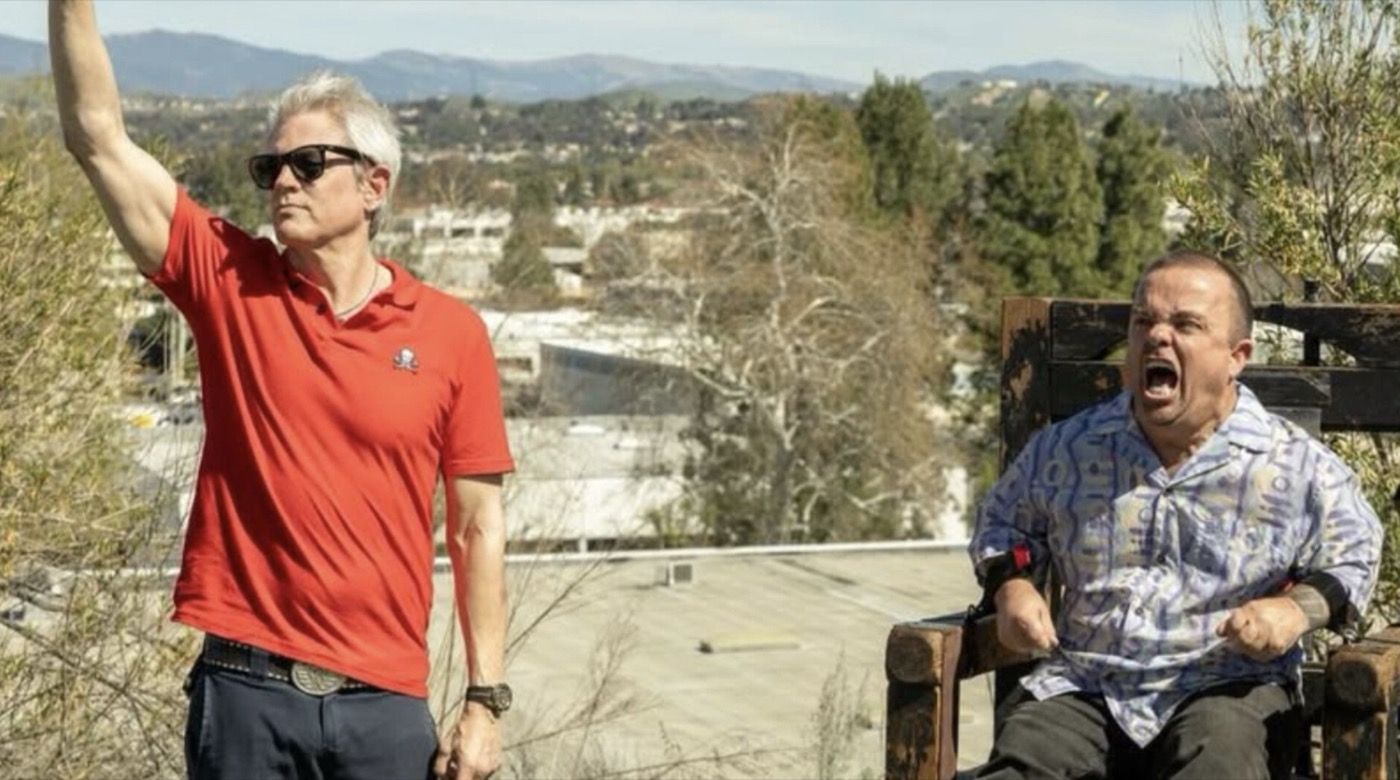
Strapped to a DIY electric chair, Knoxville is asked by Preston Lacy how audiences are expected to buy the marketing bullshit of this really being the last ever Jackass. But again, Johnny’s laugh catches. Behind his trademark Ray-Bans, there are tears. It is the end this time. Poopies cries. Knoxville cries again. Pontius doesn’t (“I’m not in touch with my emotions,” he deadpans).
Jackass was formative for the people watching (I was eight years old when the MTV series debuted and became instantly obsessed), but you sense it is just as important to the people making it. Taking out a video camera to film your stupid friends doing stupid shit, long before view counts and social media, feels like a lost pastime now. Sure, these videos were distributed across the globe, but the pure love of the game is undeniable.
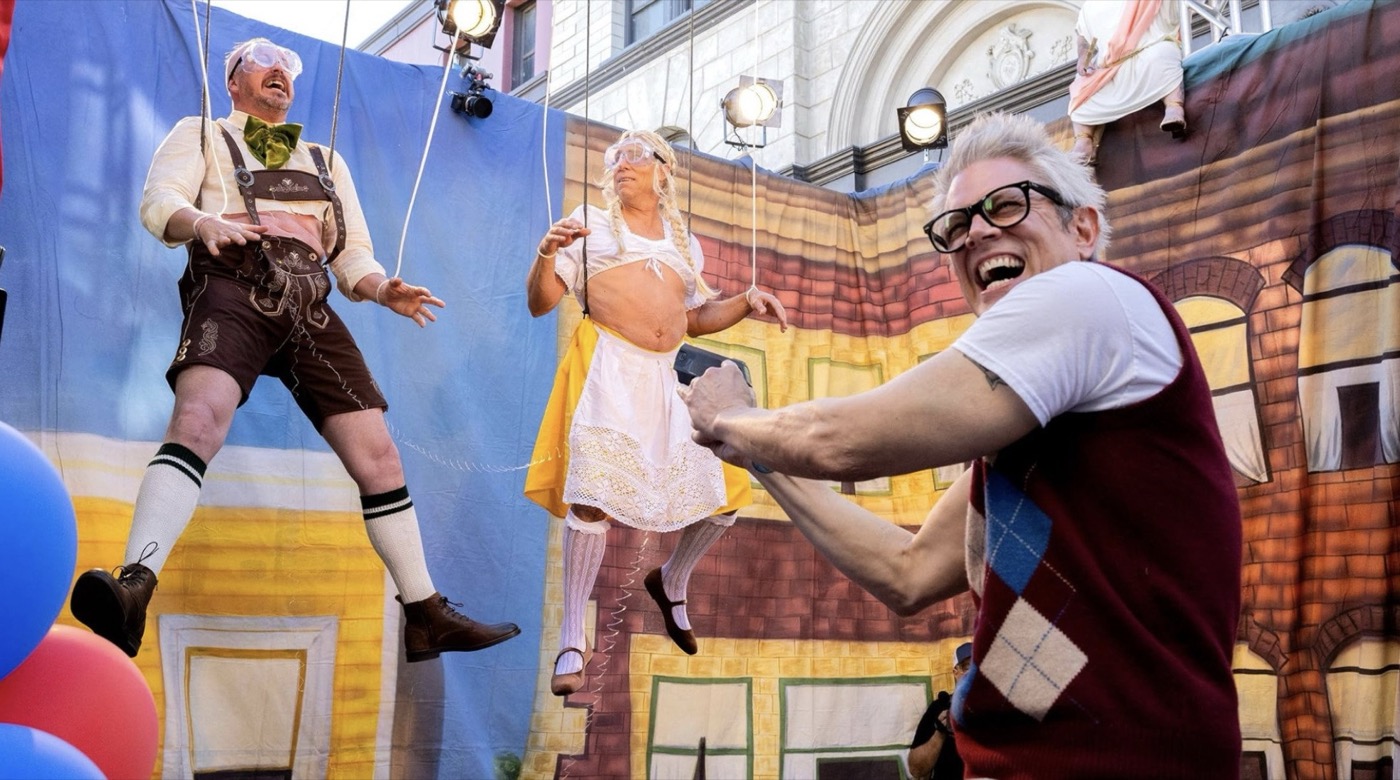
After one deadly stunt from the archives, Tremaine asks Knoxville if he wants to go and hook the camera up to his TV so they can watch it back. There is the immediate kick of the stunt and watching it back, but also a strange magic in these moments being immortalised through video. There, a wannabe actor is the most fearless stuntman alive; the pal who is always cracking you up is suddenly a comedy icon. It transforms the ephemeral nonsense of life into something that lasts. These moments with your friends, even if they are gone, remind you of what makes you feel alive — that rush, that laughter, that inspired madness.
It is perhaps ironic that a film which ends on old footage of Dave England wordlessly flicking a springy doorstop should felicitate a sense of hunger for art and for friendship, but it does. In a time of rapidly slopifying content, much of which feels barely (if at all) made by humans, Jackass: Best and Last is a capper to a series that sprung from nothing but human ingenuity, stupidity, and a fair dose of boredom.
Jackass is one of the true American innovations of the 21st-century, and Best and Last is its fitting swan-song. Friends grow old, fall out, reunite. They do great things and dumb things. Faced with an onslaught of joylessness and with knocks taken to our spirits each day, Jackass, even as it ends, provides a pretty good model of how best to enjoy and endure it all. When you get knocked down, you’ve got to get back up.
USA | 2026 | 92 MINUTES | 1.85:1 | COLOUR | ENGLISH

director: Jeff Tremaine.
based on: ‘Jackass’ by Jeff Tremaine, Spike Jonze & Johnny Knoxville.
starring: Johnny Knoxville, Steve-O, Chris Pontius, Wee Man, Dave England, Danger Ehren, Preston Lacy, Rachel Wolfson, Jasper Dolphin, Dark Shark, Poopies & Zach Holmes.