SUPERGIRL (2026)
Kara Zor-El, aka Supergirl, joins forces with an unlikely companion on an interstellar journey of vengeance and justice when an unexpected adversary strikes too close to home.

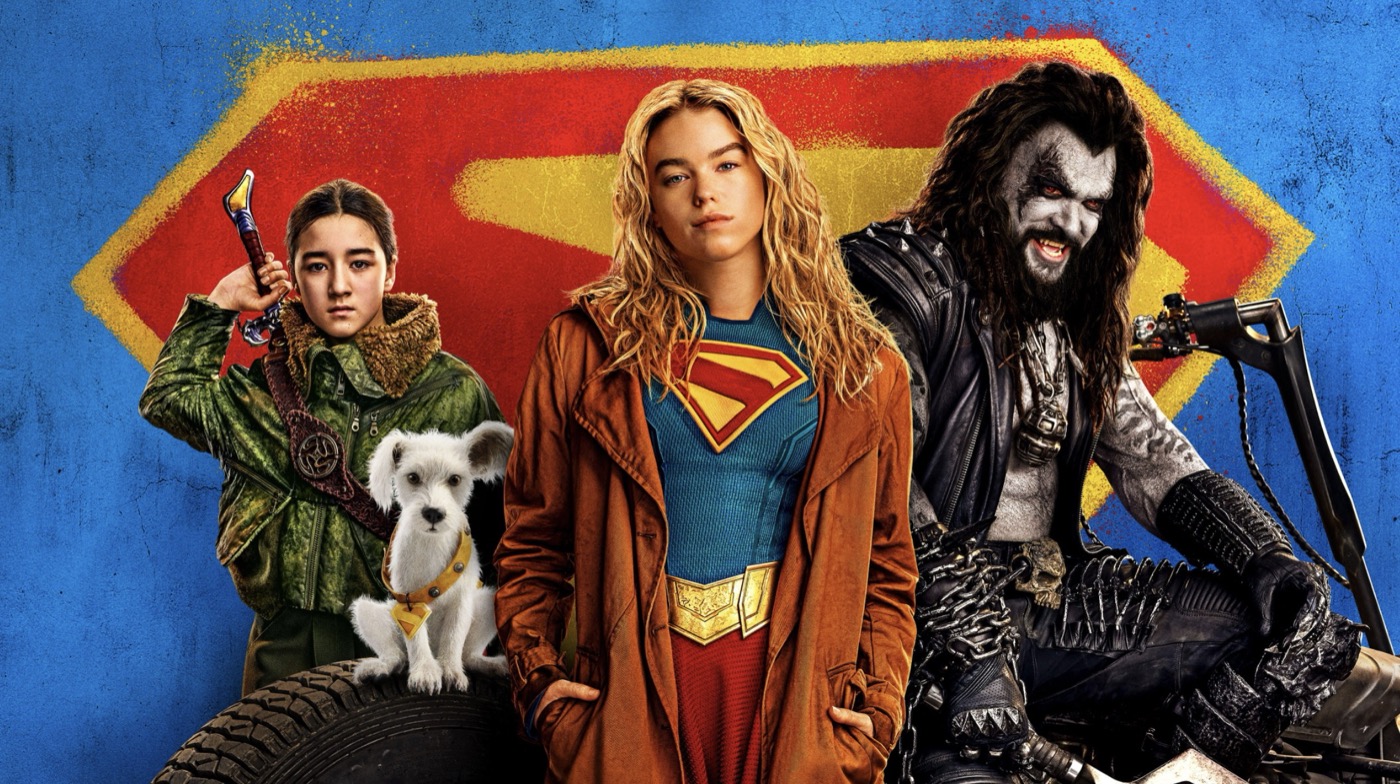

Kara Zor-El, aka Supergirl, joins forces with an unlikely companion on an interstellar journey of vengeance and justice when an unexpected adversary strikes too close to home.
Interest in the superhero genre is past its peak—a cause for alarm if you’re James Gunn and Peter Safran, the duo behind the new DC Universe. Gunn’s own Superman (2025) was a success, but that character is so iconic that audiences will largely turn up anyway. Supergirl is a trickier prospect. Originally conceived in the late 1950s simply to attract young girls to comic books, the character suffered a notorious screen flop with the 1984 movie starring Helen Slater. Though later rehabilitated by The CW’s well-liked TV series and a brief appearance in The Flash (2023), do people care enough to make 2026’s Supergirl a box office smash?
Written by actress and playwright Ana Nogueira, Supergirl adapts Tom King and Bilquis Evely’s popular 2021 comic-book miniseries Supergirl: Woman of Tomorrow. Here, we find Kara Zor-El (Milly Alcock) on an intergalactic pub crawl with her dog, Krypto, preferring “red sun” locations where she loses her powers and can get drunk in peace. It’s her equivalent of a gap year. Her concerned cousin, Clark Kent (David Corenswet), effectively video-calls her for updates as she flies around in a motorhome-style spaceship where her only real enemy is a hangover.
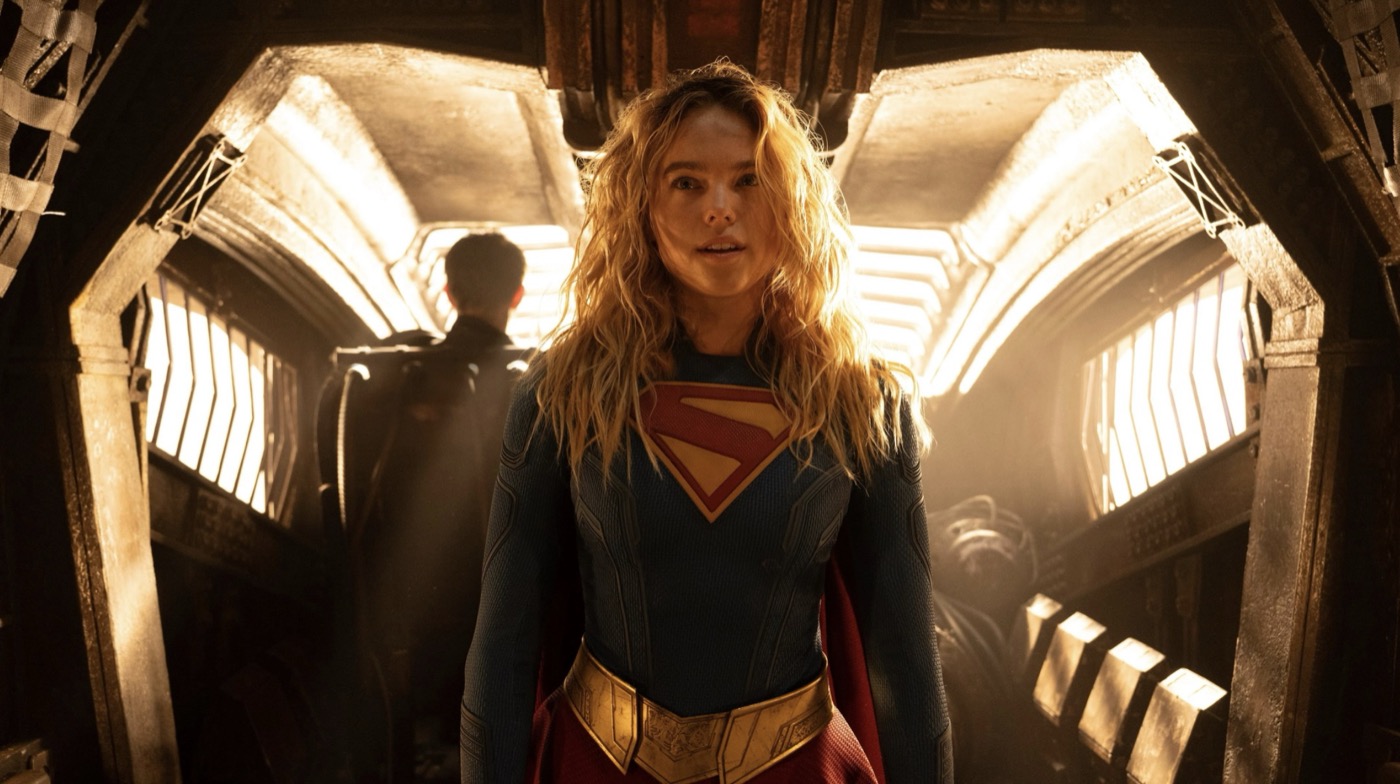
However, things get serious once she’s asked to help Ruthye (Eve Ridley), a teenage girl whose family were slaughtered by human traffickers led by Krem of the Yellow Hills (Matthias Schoenaerts). Armed with her late father’s sword, Ruthye has sworn revenge, and Kara’s misgivings are set aside once Krypto is poisoned, leaving Krem with the only antidote.
It’s easy to see why the new DC Universe wanted to adapt a modern Supergirl story, especially given the fresher approach to the character. Kara isn’t just a female Superman with long blonde hair and a tweaked backstory; she’s a fully fleshed-out person with a distinct personality from the “boy scout” Clark Kent. Younger and less experienced on Earth, Kara lived through the aftermath of Krypton’s fall and is now lost. She wasn’t a baby raised by Kansas farmers who doesn’t know any different; instead, she’s trying to block out her trauma with alcohol. In contrast to Clark, she embraces her lack of personal ties—she has no job on Earth, no boyfriend—and just wants to cruise around with her dog and get wasted in as many bars as possible.
Milly Alcock is an intriguing casting choice, as most mainstream viewers won’t recognise her outside of her handful of early episodes in the first season of HBO’s House of the Dragon. Perhaps partly down to her Australian background, she imbues Kara with a believable, down-to-earth attitude, carrying herself with a temperament and values that don’t exactly align with her more famous cousin’s approach to being a saviour.
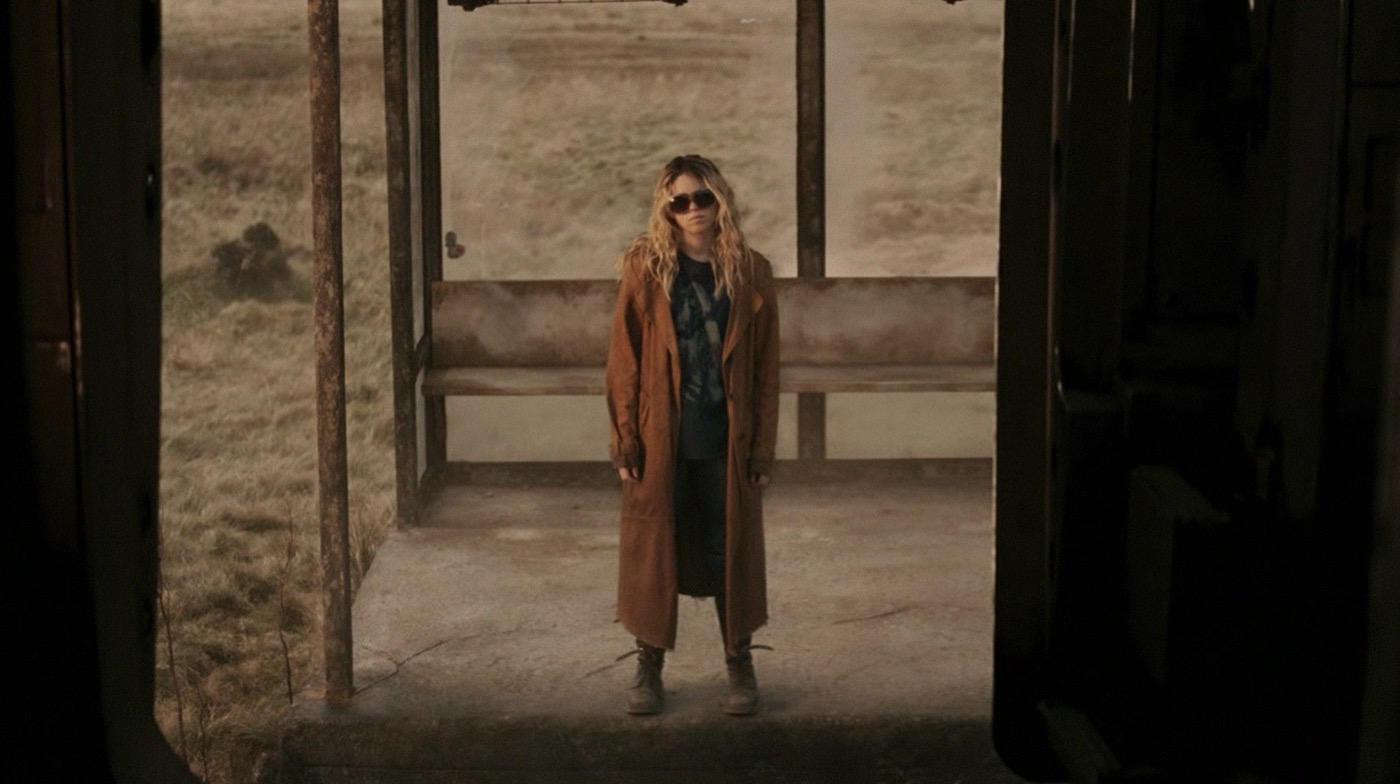
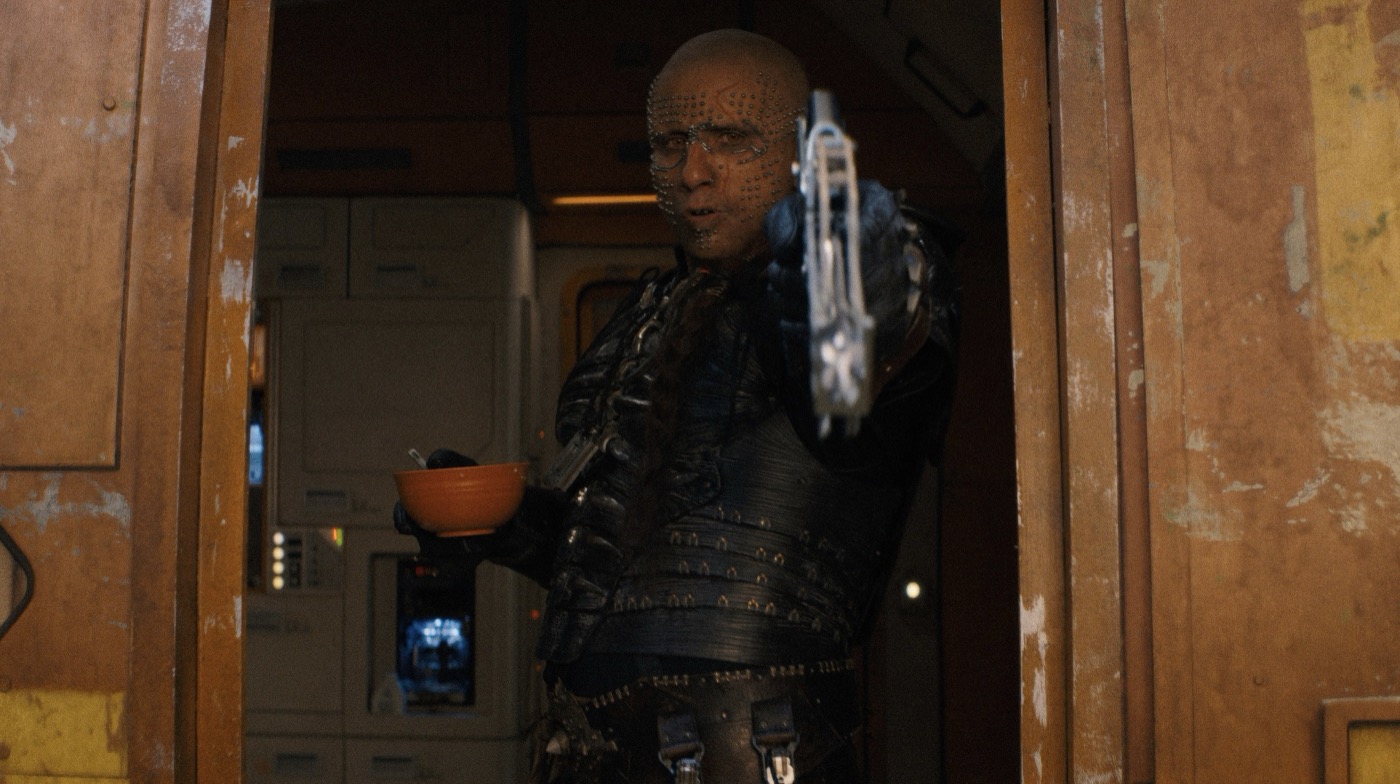
The setting and backdrop to Supergirl are also distinct from last year’s Superman, which took place on a broadly familiar, if exaggerated, version of Earth. Instead, we’re in a corner of the cosmos heavily styled after Guardians of the Galaxy (2014), jumping from planet to planet via bus-like spaceships. Each location’s local star determines whether Kara will struggle against villains like an ordinary young woman, swat them like flies like a goddess, or feel too sick to do anything at all. Gunn’s masterminding of the DCU is perhaps why it feels so much like his corner of the Marvel Cinematic Universe (MCU), with the villains looking like a Scandinavian heavy metal band’s take on the Ravagers from his Guardians trilogy. There are also some gonzo The Fifth Element (1997) sensibilities here, especially with the slightly European feel of the designs, but one unexpected inspiration seems to be George Miller’s Mad Max saga.
Squint and Supergirl is pretty much a space-borne Mad Max adventure, even taking place across alien deserts. The presence of “brides”—women kidnapped to keep the population of a patriarchal society thriving—is a direct lift from Mad Max: Fury Road (2015), though it’s strangely pushed into the background and doesn’t fuel much of the story. Shouldn’t Supergirl be the ultimate feminist powerhouse, punching toxic men and dismantling the power structures they create to control and subjugate women? Perhaps there were concerns the film would feel too politicised, or become the target of right-wing vitriol if they leaned into that too heavily. Instead, all you really get is a vague sense that Kara grows into her superhero identity, donning the iconic costume thanks to the maternal feelings stoked by helping Ruthye.
Perhaps because Supergirl lacks an interesting cadre of supporting characters—certainly compared to Superman with Lois Lane, Perry White, Jimmy Olsen, and Lex Luthor—the film seems a little unsure of whether its title character can carry the narrative.
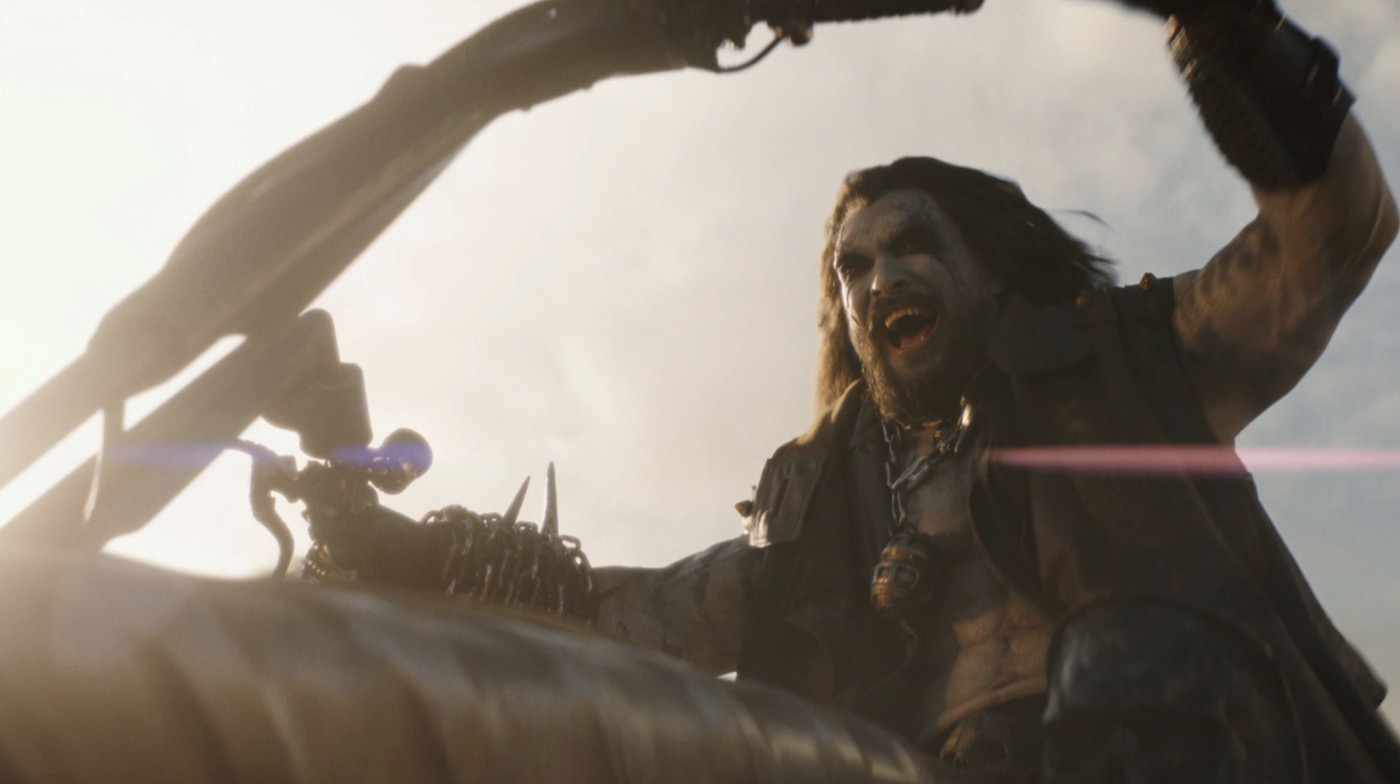
Cult favourite Lobo (Jason Momoa) is thrown into the mix: a mercenary and bounty hunter who looks like a member of Kiss got bitten by a vampire. Momoa is perfect for the role—so much so that Gunn and Safran cast him despite his prominence as Aquaman in the last iteration of the DC Universe. Luckily, even though Lobo isn’t much of a stretch for Momoa, he doesn’t feel like a dull retread; he’s a lot of fun. His gruff attitude, especially when roaring around on his space motorbike, delivers some of the movie’s best moments. But that also presents a slight problem: I’d rather have watched a full-blown Lobo movie. Momoa is more charismatic and entertaining than Alcock, and at times it feels as though the filmmakers realise this, too.
David Corenswet was bound to cameo as Superman—just as Alcock did late in his movie—but his appearance turns into a recurring role during flashbacks explaining how alien evacuee Kara was taken under his wing. Audiences have been accustomed to superhero ensembles since The Avengers (2012), but whenever Superman and Lobo turn up, Kara’s comparative dullness comes into sharper relief. That said, Alcock is noticeably more alive in the presence of Corenswet, perhaps because the characters’ familial banter and clear differences create a spark and energy missing everywhere else.
Supergirl isn’t a total stinker, but its ideas and designs borrow from obvious, superior movies. While the main character has genuine potential, the hero’s journey fizzles on screen, none of the relationships click, and Craig Gillespie’s (Cruella) direction is functional but uninspired. The big action set-pieces aren’t badly handled, but there’s nothing fresh or memorable about them—which is disappointing when the flying sequences in Superman felt so exciting. Here, it all feels flat and generic, with a total lack of excitement. It doesn’t help that most of the environments are a miasma of muddy browns and dusty yellows.
Being off-world for almost the entire runtime means the inherent spectacle of Supergirl herself fails to stand out against a backdrop of strange aliens, creatures, and spaceships. For that reason, it plays a bit too much like the cosmic adventure of The Marvels (2023), and it’s certainly not a must-see on the big screen.
USA | 2026 | 108 MINUTES | 2.39:1 | COLOUR | ENGLISH


director: Craig Gillespie.
writer: Ana Nogueria (based on ‘Supergirl: Woman of Tomorrow’ by Tom King & Bilquis Evely).
starring: Milly Alcock, Matthias Schoenaerts, Eve Ridley, David Krumholtz, Emily Beecham, David Corenswet & Jason Momoa.