CAPE FEAR (1991)
A convict systematically stalks the defense attorney who withheld evidence during his original trial fourteen years prior.

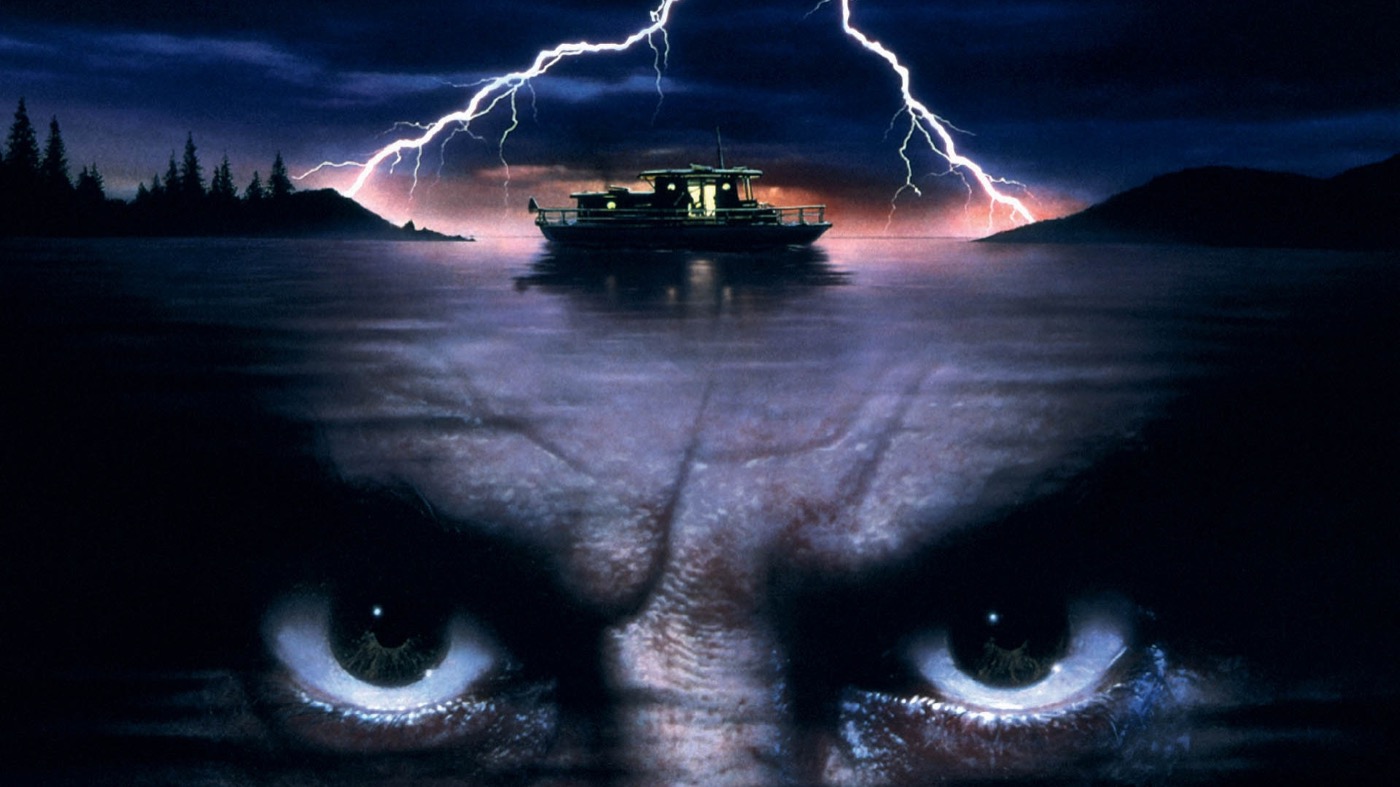

A convict systematically stalks the defense attorney who withheld evidence during his original trial fourteen years prior.
For me, like many film fans around the world, Martin Scorsese ranks among the greatest American directors of recent times. His career, spanning more than five decades, is nothing short of incredible. The casual filmgoer has probably seen Taxi Driver (1976), Goodfellas (1990) and The Wolf of Wall Street (2013), but that barely scratches the surface: there’s so much more to discover, all of it brilliantly filmed and compelling. Yes, there are a few misfires, for lack of a better word, but of his 26 features, probably only five or six could legitimately be put in that category.
One such film, which I think still qualifies as a lesser entry in his back catalogue despite its box office success, is Cape Fear. Before I go any further, though, a little clarification is needed. I like this film, but I don’t love it. Perhaps I did when I first saw it, aged just 19 and at the beginning of my Scorsese journey, but I’m less keen now. It’s well made and has some intriguing themes, but compared with his many other films, it’s definitely mid-tier.
My other main criticism, and the reason it falls short of his greats, is that this film feels like the work of a director for hire. Scorsese didn’t approach it organically or treat it as something deeply personal. It was a commercial undertaking: deliberately mainstream, designed to appeal to a mass audience and make as much money as possible—which, from a Hollywood studio’s perspective, is perfectly acceptable. But, with the possible exception of the early film he made for Roger Corman, Boxcar Bertha (1972), this is the only time he joined a project simply because it was offered to him.
There are a few reasons for this, all of which now seem like a strange twist of fate. The first piece of the puzzle appeared in the early 1980s…
In 1983, Universal Pictures bought the rights to Thomas Keneally’s novel Schindler’s Ark after Spielberg expressed interest in the book. At the time, though, he felt he wasn’t mature enough as a filmmaker. As a Jew, he was also terrified of making something mediocre that might dishonour Holocaust victims and survivors. So he passed. The studio then offered the project to several other directors, including Scorsese, who signed on in 1988.
Around the same time, Spielberg was developing a remake of Cape Fear, based on the 1962 thriller starring Robert Mitchum and Gregory Peck. It’s hard to know exactly what attracted him to the project. By then, however, he had started making more adult-themed films, such as The Color Purple (1985) and Empire of the Sun (1987), so it may not have been such a leap. In any case, when Holocaust denial, neo-Nazism and ethnic cleansing were on the rise in the early 1990s, Spielberg finally decided to tackle Keneally’s novel—and the rest, as we all know, is history. Before doing so, he suggested to his longtime friend Scorsese that Cape Fear might be a good fit for him.
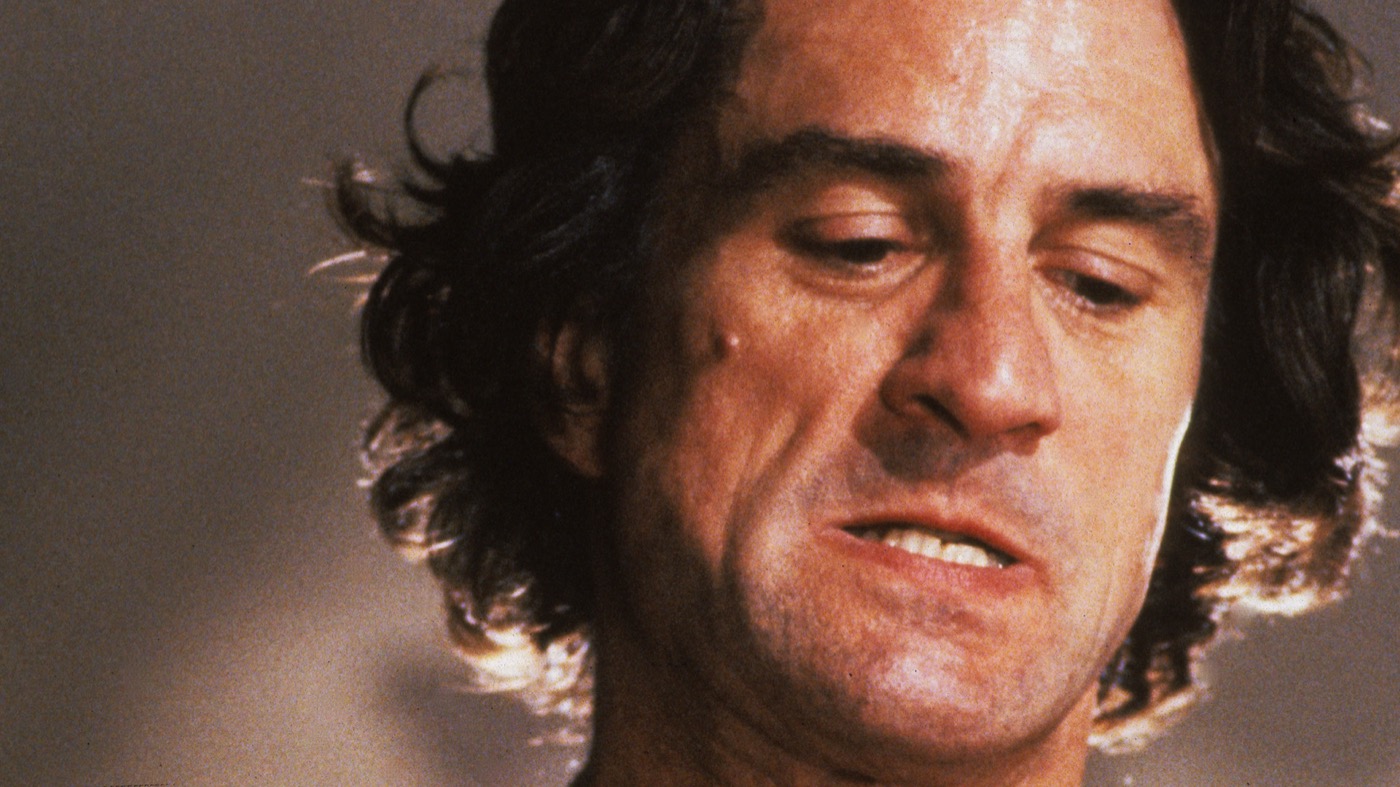
After some time in pre-production, Spielberg recognised the film’s box-office potential, something Scorsese was perhaps keen to capitalise on after a relatively dry spell. Two other factors sealed the deal: De Niro, who discussed the project with him, and Universal, which owned the rights. The same studio had financed Scorsese’s long-gestating passion project, The Last Temptation of Christ (1988). As part of the deal, he would make a more mainstream film for them. And there you have it: lights, camera, action!
The 1962 Cape Fear was adapted from John D. MacDonald’s novel The Executioners. Its plot resembles Scorsese’s version: after serving an eight-year prison sentence, Max Cady (Robert Mitchum) seeks revenge on attorney Sam Bowden and his family (Gregory Peck), believing Bowden responsible for his conviction because he stopped him attacking a woman and later testified in court.
Director J. Lee Thompson (The Guns of Navarone) helmed the first film. If you’ve never seen this efficiently made black-and-white thriller, I strongly recommend it—though it’s about as far removed from Scorsese’s version as you can imagine. By today’s standards, it feels quite tame, but the superb acting and assured direction still hold up.
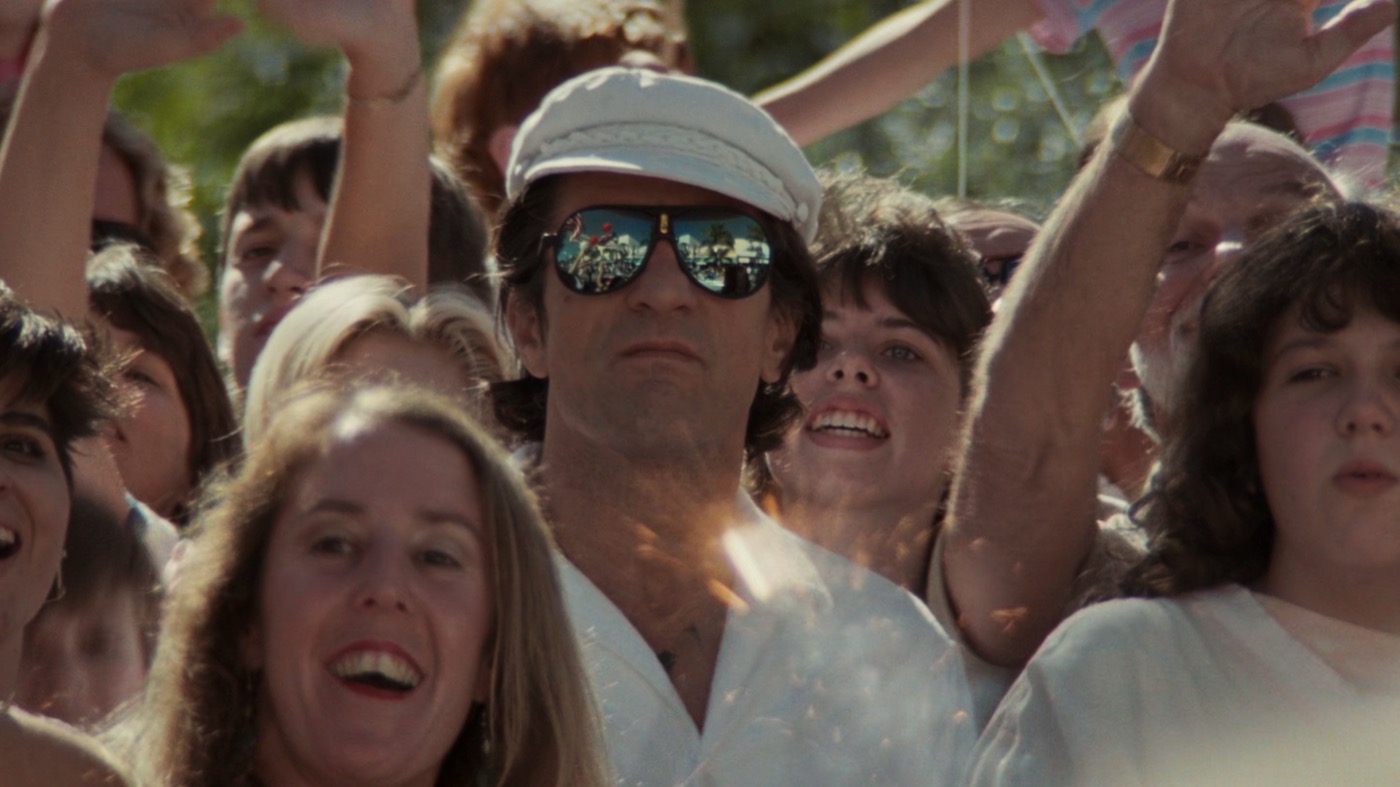
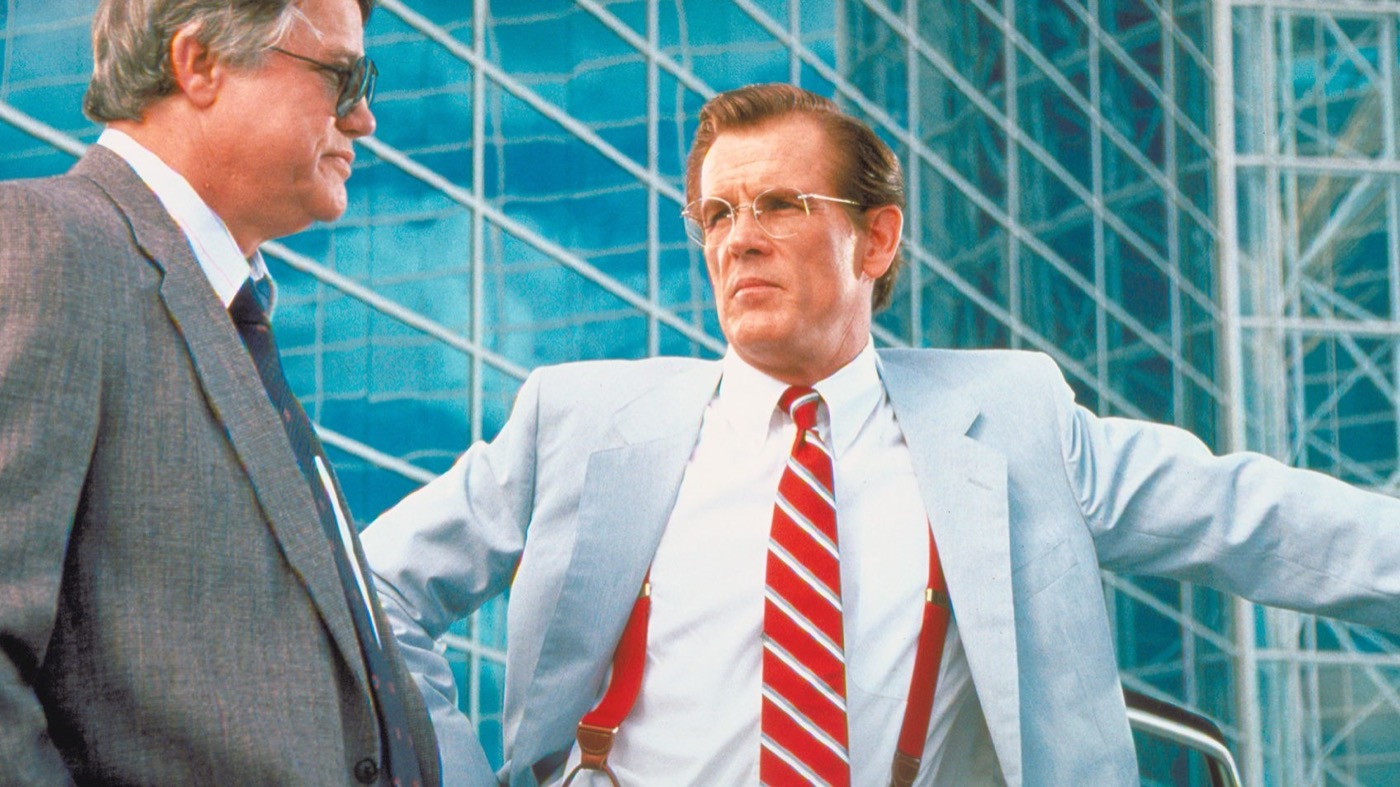
Thompson’s film shows that Cady’s actions stem from his belief that Bowden is responsible for his conviction. In Scorsese’s version, written by Wesley Strick (Arachnophobia), the moral waters are much murkier. The new film gives the story a contemporary setting, and Cady targets Bowden (Nick Nolte) because, while serving his 14-year sentence, he learns that Bowden—his defence attorney—suppressed crucial evidence that his victim had been promiscuous. That evidence might have helped him walk free.
The Bowden family dynamics are also much more fraught than in the original. Sam’s wife, Leigh (Jessica Lange), seems to have harboured resentment over his past infidelities for years. Their daughter, Danielle (Juliette Lewis), is going through the usual teenage rebellion, but is also aware that her parents’ marriage is far from happy.
These domestic tensions enrich the story, especially when Cady exploits them to harass the family. The new film makes several other thematic changes, which I’ll discuss later. As in much of his work, Scorsese’s primary aim is to show humanity’s dark side: none of us is perfect. That’s why, I think, he was the right director for this material.
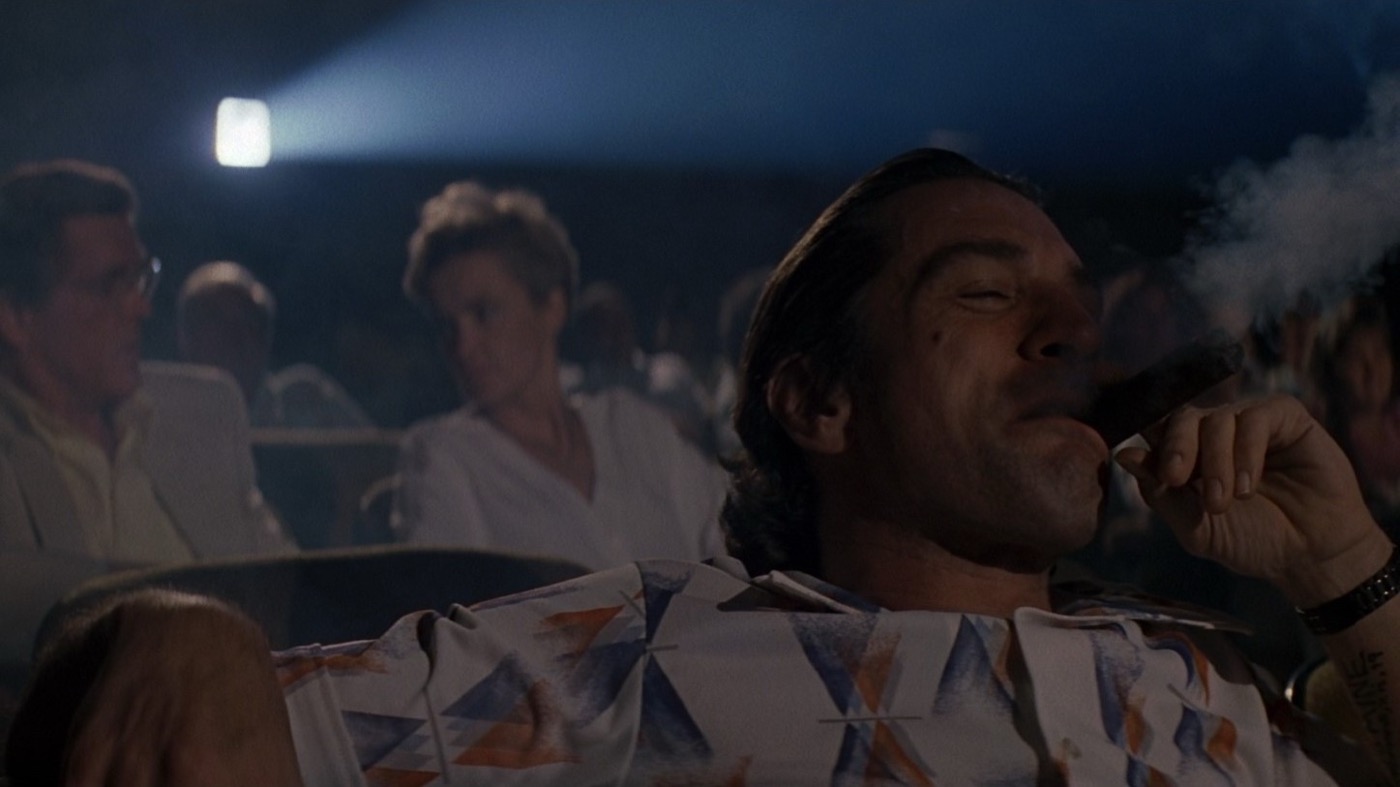
Technically, Spielberg was more than capable of directing the film. But because he usually brings some sentimentality to his work, I think the overall tone would have been different. Scorsese’s decision to give it a B-movie aesthetic was spot on. From the overly stylised opening credits and booming dramatic score, both clear nods to Hitchcock, to the rest of the film, everything is deliberately dialled up to 11.
Scorsese even hired veteran title-sequence designers Elaine and Saul Bass for the opening. Saul had famously worked on Vertigo (1958), North by Northwest (1959) and Psycho (1960). The score was adapted by Elmer Bernstein from Bernard Herrmann’s music. As the film begins, we see a close-up of Juliette Lewis as Danielle speaking directly to the camera. She appears to be in a classroom, with a blackboard behind her, recounting her ordeal as if in an English lesson:
“My reminiscences…I always thought that for such a lovely river, the name was mystifying, Cape Fear, when the only thing to fear on those enchanted summer nights was that the magic would end and real life would come crashing in.”
Her happy expression soon turns to one of anguish.
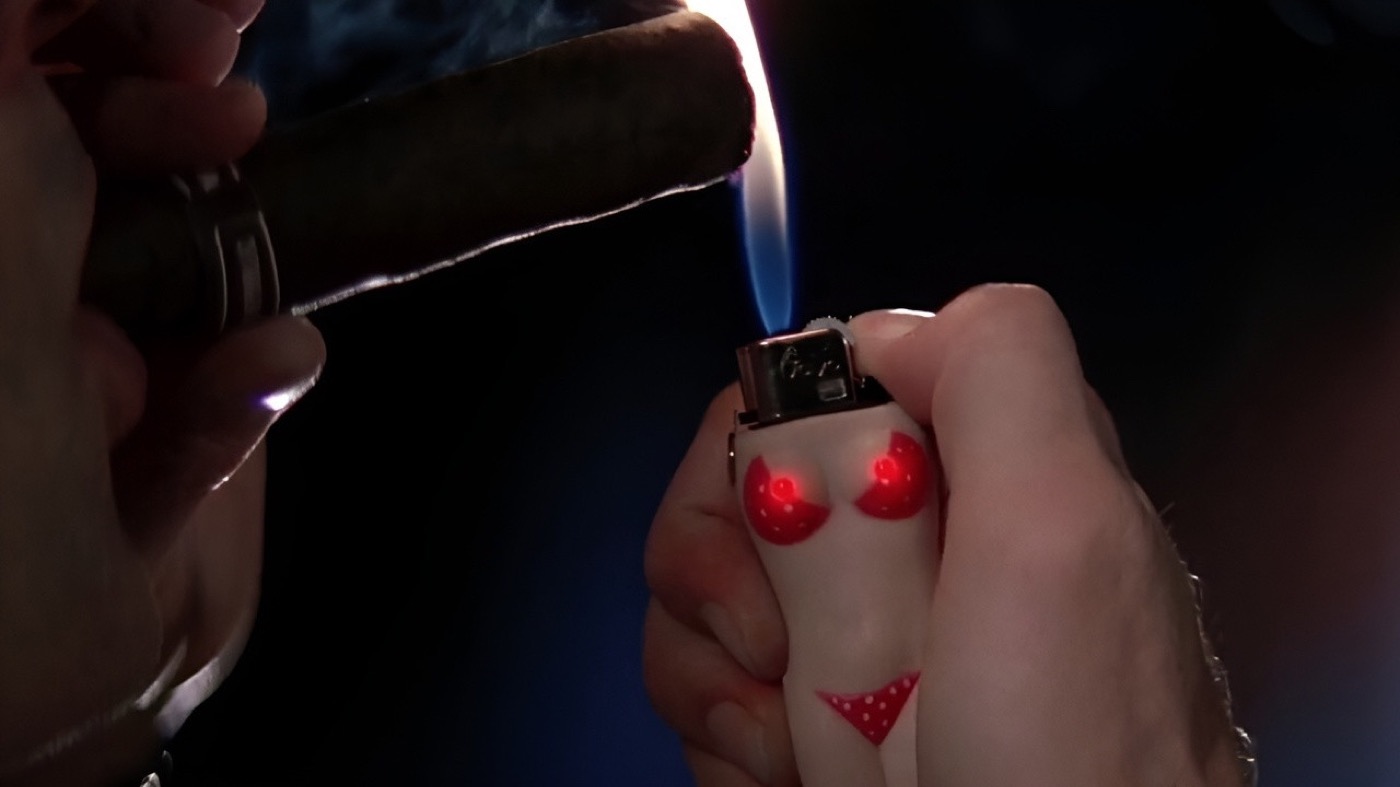
The sequence cuts to Cady’s cell as the dramatic score plays. We see his heavily tattooed, muscular frame working out. As he leaves his cell, we realise he’s being released. “What about your books?” asks a guard. Cady replies, “Already read ’em.” As he walks away from the gate, storm clouds gather in the background. The scene ends with him walking directly towards the camera, De Niro’s face filling the frame. Nothing here is subtle: Scorsese is having fun and showing the audience exactly what kind of film this will be.
Depending on your point of view, this heavy-handed style either heightens the experience or feels like too much. You either go with it or you don’t. Scorsese is such a master filmmaker that he more or less makes his over-the-top direction work with the script. Yes, this is a psychological thriller starring major Hollywood names, but its execution is pure exploitation film.
Veteran British cinematographer Freddie Francis (The Elephant Man) uses a kind of Gothic-noir lighting throughout, with expressionistic colour palettes of bruised purples, blood-red skies and high-contrast shadows. The camera movements are equally aggressive, with plenty of whip-pans and rapid zooms. Another first for Scorsese was shooting with anamorphic lenses, which present the film in a CinemaScope ratio when projected. This partly evokes the classic melodrama era, but also gives the frame a wider composition and helps create a sense of dread and paranoia. You may find yourself wondering whether Cady is lurking at the edge of the shot.
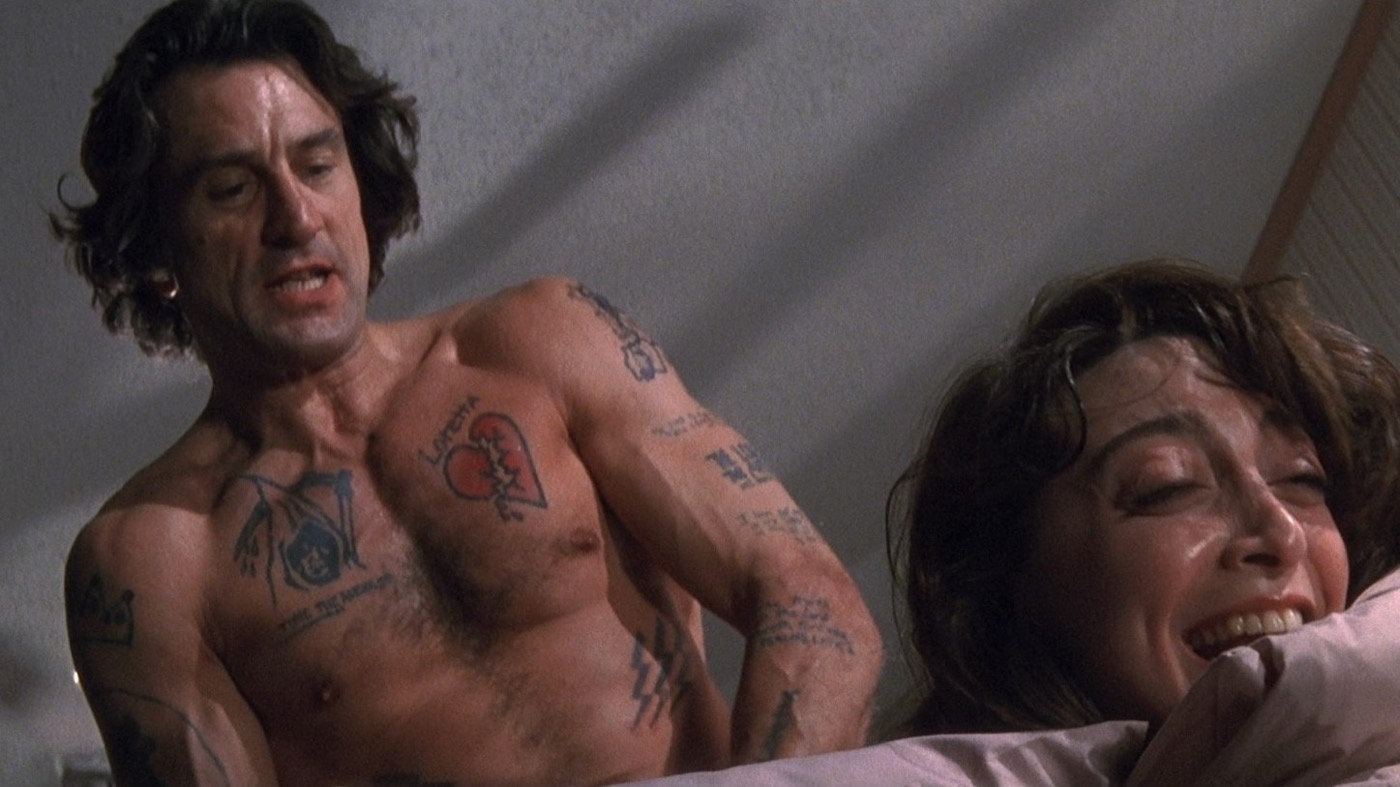
Unlike the original, which plays out as a straightforward cat-and-mouse revenge story, Scorsese’s film presents its protagonist and antagonist as men bound together by the consequences of their actions. The flawed legal system is central to the story. The original film depicts the law as a reliable shield against crime; the 1991 remake shows a broken judicial system that both sides can manipulate.
At first glance, the two men are very different: Cady is a violent rapist and psychopath from the wrong side of the tracks, while Sam is an upstanding lawyer with a family and an upper-middle-class lifestyle. But look closer and they share a belief that their actions are morally justified. Sam believes he did the right thing by suppressing evidence about the victim’s other lovers. Cady feels wronged by the man who was supposed to defend him. Early in the film, Max surprises Sam by revealing that he learnt to read in prison and became something of a legal expert. He knows how to exploit certain loopholes to his advantage.
Things get more complicated when we see Sam flirting with his legal secretary, Lori (Illeana Douglas), during a game of squash after work. She’s clearly attracted to him, and he doesn’t exactly rebuff her. As we later discover, this isn’t the first time Sam has strayed from his marriage.
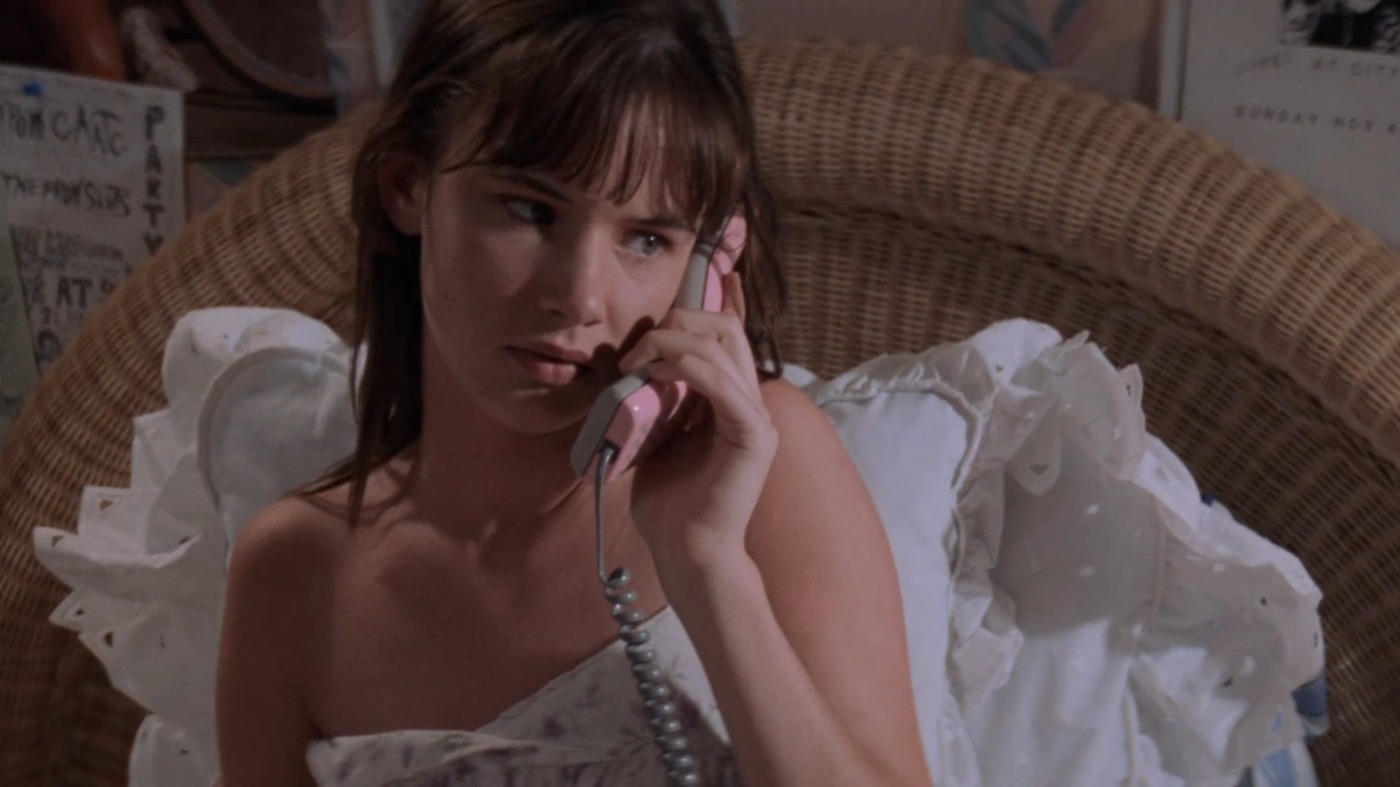
This Bowden family is a long way from the classic all-American home life of the original film. The cracks are already showing before Cady begins his campaign of terror. As soon as he arrives, the family’s deep-seated melancholy and bitterness come to the surface.
Watching De Niro chew the scenery as the mad-as-a-box-of-frogs Cady makes for some cracking scenes. But the Bowdens’ dysfunctional family life provides real dramatic weight and lifts the film above the average psycho-stalker thriller.
The 128-minute runtime flies by, yet every character has enough room to feel fully developed and grounded in something like reality. The acting is excellent, though I have reservations about De Niro’s final scene. For me, the real standout is Juliette Lewis.
Cast at just 18, Lewis had previously appeared in National Lampoon’s Christmas Vacation (1989) and the television film Too Young to Die? (1990), alongside Brad Pitt. To say she holds her own against such heavyweight co-stars is an understatement. She perfectly balances naïve, sweet innocence with burgeoning sexual awareness, particularly in the famous scene with De Niro, when Cady pretends to be her drama teacher.
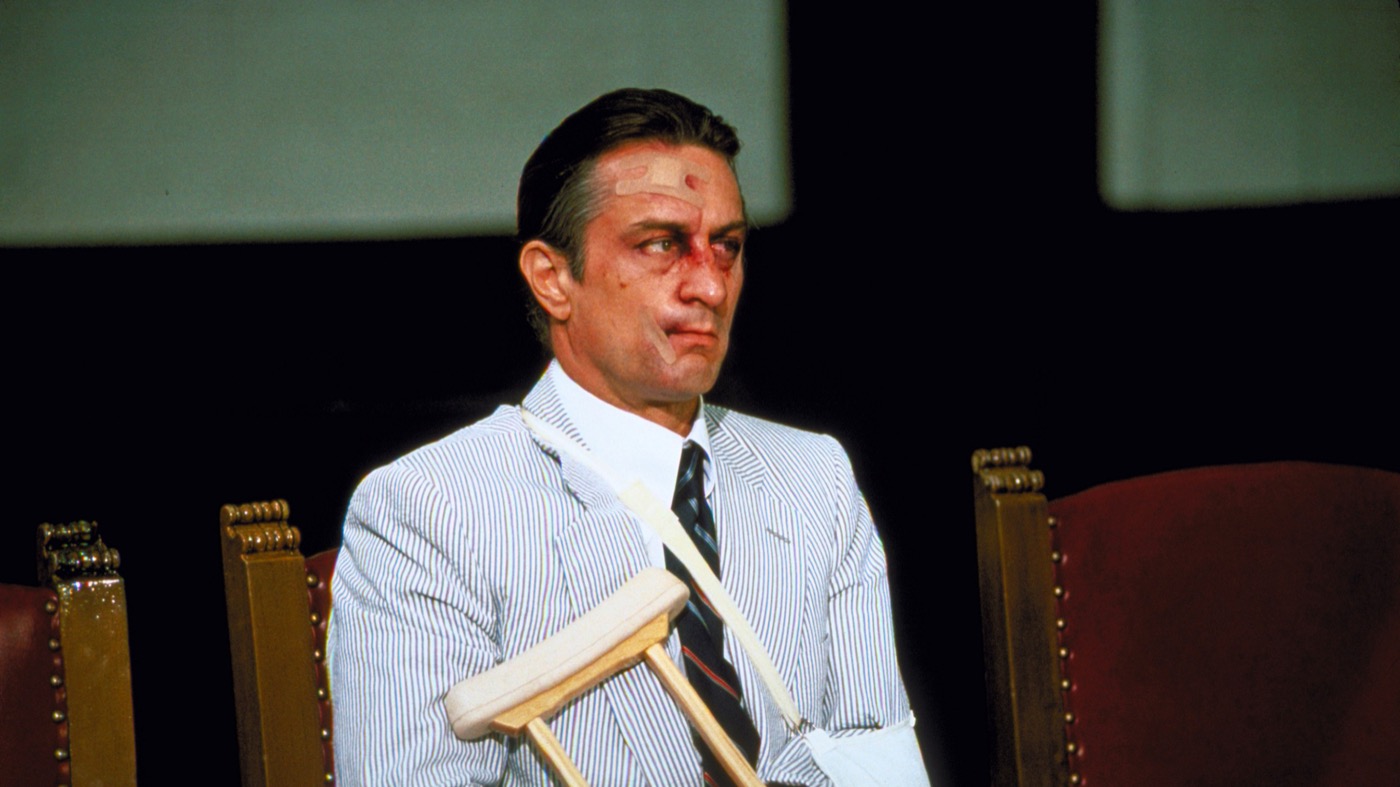
Apparently shot in one take, the entire sequence was filmed with two cameras placed on either side of the school theatre stage. Even 35 years later, it remains an intensely cringe-inducing but electrifying scene. Cady more or less seduces Danielle simply because he knows it will create friction with her parents. Given the actor she was playing opposite, it’s astonishing how well Lewis handles this emotionally charged scene. It ranks among the film’s pivotal moments.
Nolte and Lange are equally strong. Watching them navigate both their marriage and Cady’s escalating threat is a joy. A scene in which Leigh confronts Sam about his relationship with his secretary is cinematic gold. What begins as a relatively civil discussion turns heated, but neither performance feels forced. Lange is particularly impressive: her emotions are on full display as she moves from playful questioning to an anguished outburst about Sam’s other affairs. It’s so effective that you feel you’re intruding on a private, intimate moment.
De Niro, of course, is the film’s star, and although his performance leans towards melodrama, his screen presence holds your attention from the first minute.
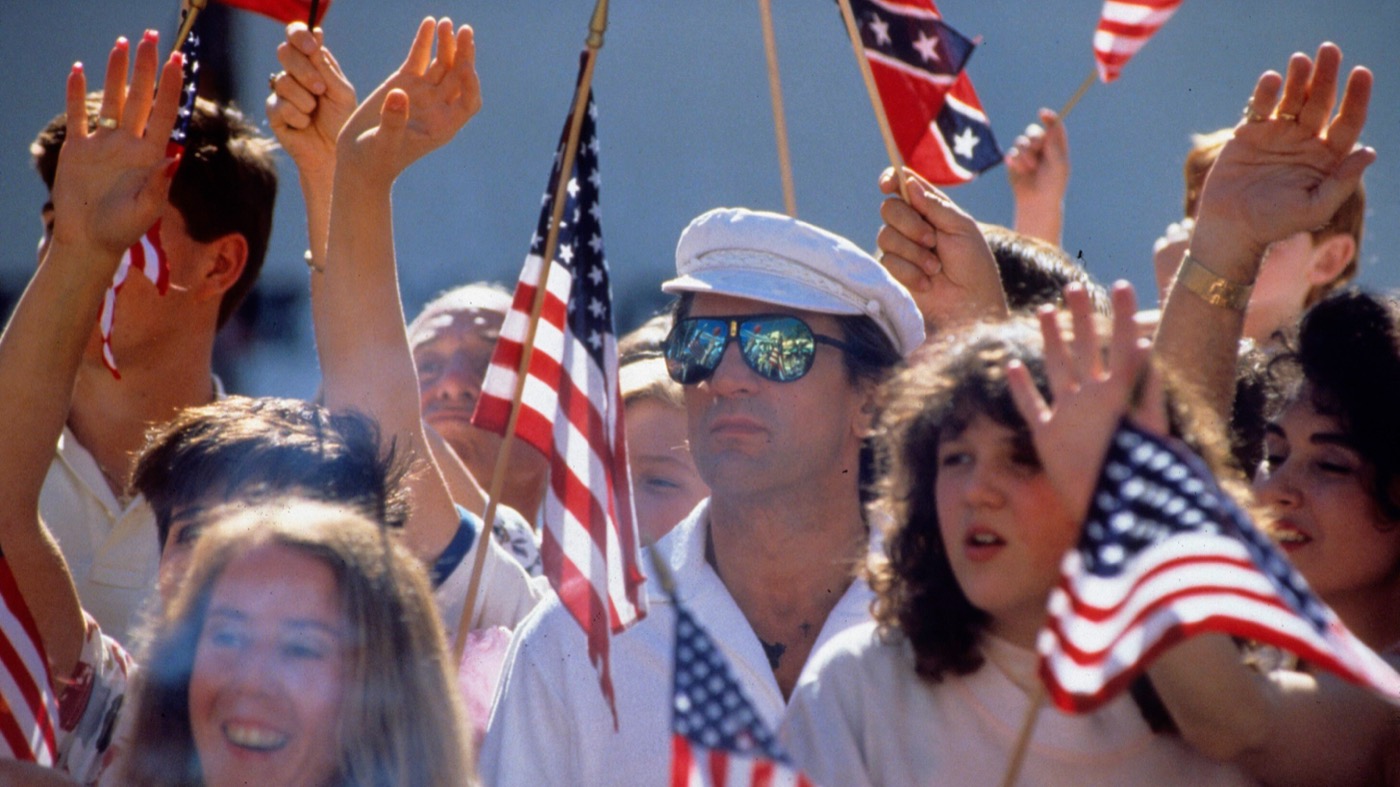
As in several of his roles, De Niro underwent an impressive physical transformation. He was 47 at the time and spent months training, reportedly reducing his body fat to four per cent and adding 25–30 pounds of muscle. He even spent $5,000 having his teeth made jagged and chipped, then another $20,000 restoring them. A final touch was his extensive tattooing. These weren’t simple transfers; the make-up department created a special vegetable dye that would last for months.
Alongside the stellar lead performances, there are some great supporting turns, most notably cameos from the original film’s stars, Robert Mitchum and Gregory Peck. Character actor par excellence Joe Don Baker (The Living Daylights) makes every minute of his brief screen time count as the shady private detective Kirsek. He initially comes across as a personable, seen-it-all tough guy, but Cady gets the upper hand—in more ways than one.
Amid all the suspense and occasional black humour, Scorsese’s reimagined Cape Fear goes to some dark places. The most disturbing scene comes when Cady chats up Sam’s intoxicated secretary at a bar, then later viciously beats her at his home. It caused controversy on release and remains an unpleasant viewing experience. More sinister still is Cady’s charm during the seduction. He knows that, because of her position at the law firm, she won’t want to endure the ordeal of reporting him to the authorities.
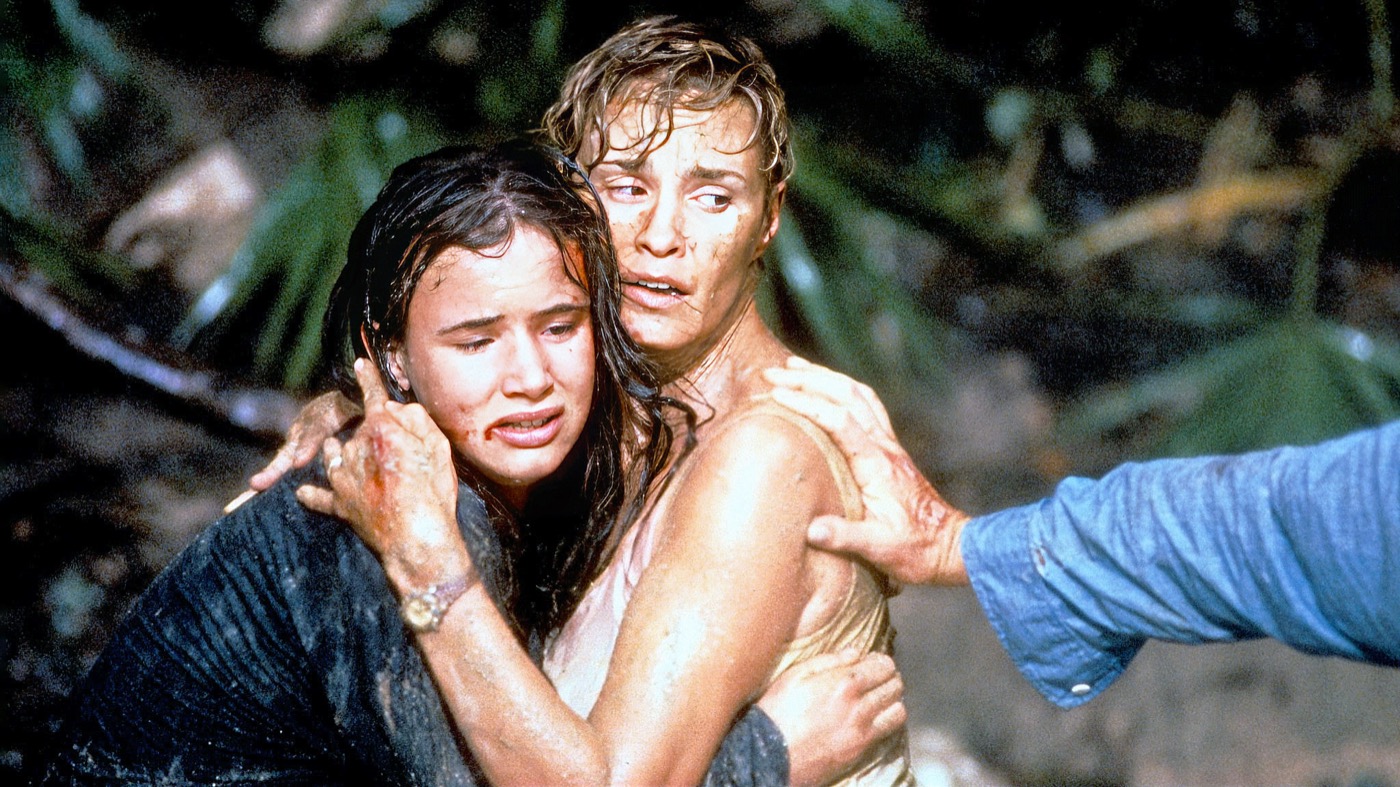
By the time the film reaches its dramatic conclusion on the houseboat, Cady’s behaviour has reached bat-shit-crazy levels, and I start to feel that the film goes too far. The final minutes of De Niro’s screen time, especially after Cady is burned, are too silly to be scary. That’s a shame, given that the rest of the film makes for solid Saturday-night viewing with a few drinks.
On release, Cape Fear took in a very respectable $182.3M against a $35M budget, making it one of Scorsese’s most successful films. Critics were divided. While Empire praised its escalating suspense and Gothic dread, Terence Rafferty of The New Yorker dismissed it as “a disgrace… ugly, incoherent, dishonest.”
I don’t think the film comes close to deserving that description. Fair enough, the wheels occasionally come off, but given how intelligent a filmmaker Scorsese is, you might wonder whether most of the excess was intentional. I think it was, and that earns the film some leeway. If you’re after a slow-burn psychological drama, this isn’t for you. But if you like your thrillers exciting, mean-spirited and, at times, completely bonkers, it’s worth a look.
USA | 1991 | 128 MINUTES | 2.39:1 | COLOUR | ENGLISH

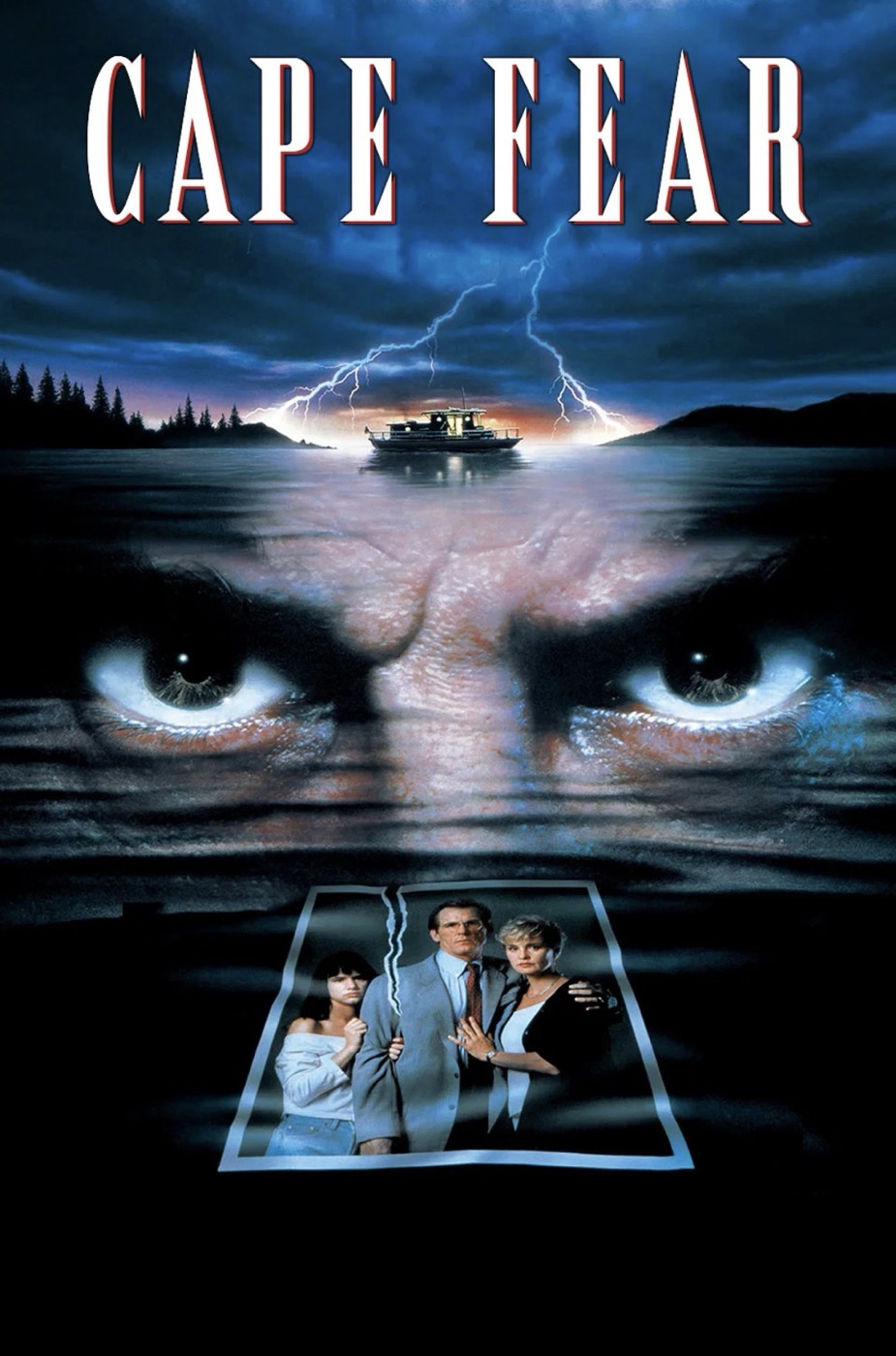
director: Martin Scorsese
writer: Wesley Strick (based on the 1962 film by James R. Webb, itself based on the 1957 novel ‘The Executioners’ by John D. MacDonald).
starring: Robert De Niro, Nick Nolte, Jessica Lange, Juliette Lewis, Joe Don Baker, Robert Mitchum, Gregory Peck, Martin Balsam & Illeana Douglas.
All visual media incorporated herein is utilised pursuant to the Fair Use doctrine under 17 U.S.C. § 107 (United States) and the Fair Dealing exceptions under the Copyright, Designs and Patents Act 1988 (United Kingdom). This content is curated strictly for the purposes of transformative criticism, scholarly commentary, and educational review.