MISTY GREEN (2026)
Years after her Hollywood breakthrough, a talented actress whose career has stalled fights for her second act.

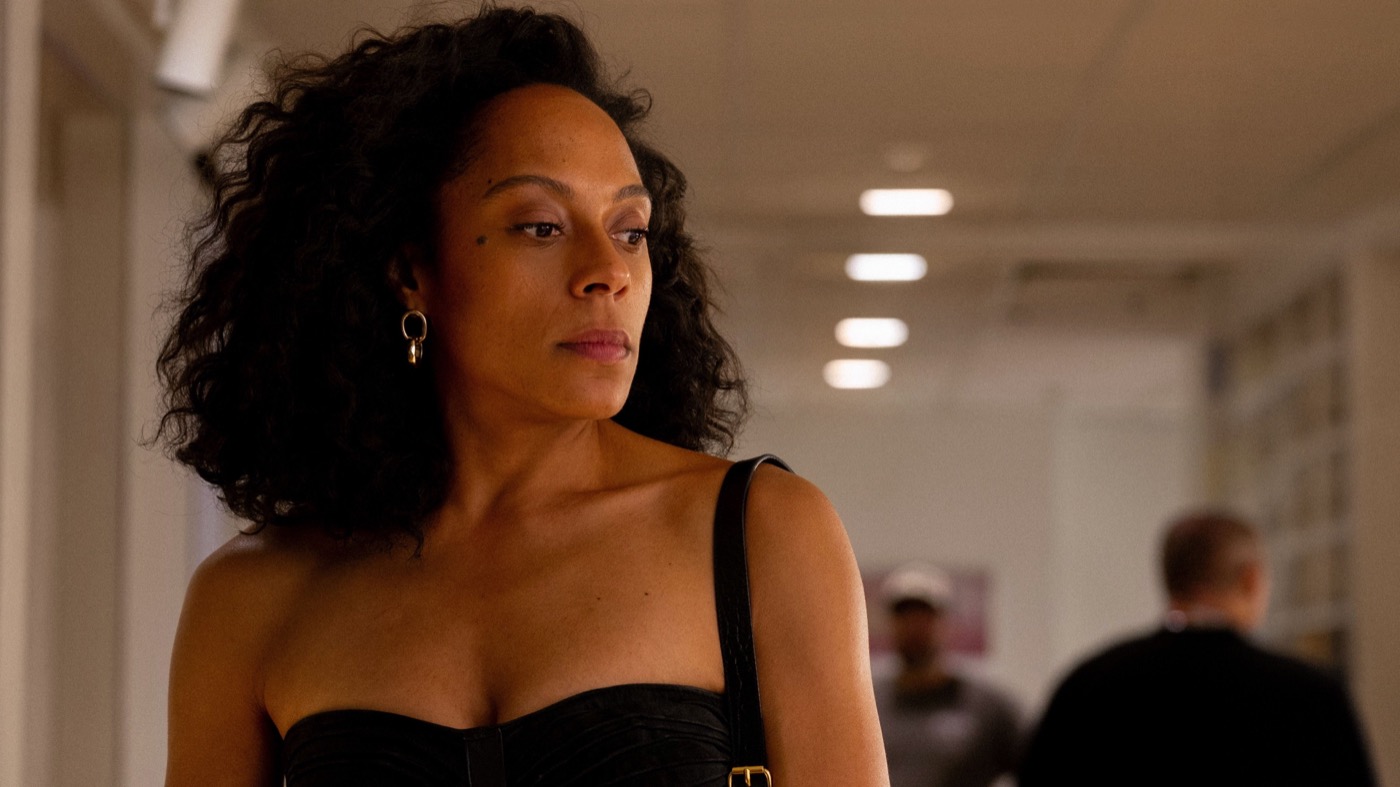

Years after her Hollywood breakthrough, a talented actress whose career has stalled fights for her second act.
If Hollywood’s romance is fading—and there’s little doubt that it is—Chris Rock isn’t here to revive it. His latest film, the mercurial and relentless Misty Green, opens bluntly with a series of photographs. Half focus on the glitz and superficiality of Los Angeles celebrity; the others show the city’s inability to accommodate its homeless population, alongside the ever-present threat of wildfires. It’s an honest, subversive framework for the story that follows: that of a Black actress whose fame is fading, caught between losing her place in the city and clinging to whatever remains of her slippery renown.
Rock’s relationship with Hollywood has been rocky, to say the least. His stadium-filling comedy career has made him one of the best-known and best-paid performers around. At the same time, few will forget two of his most emblematic encounters with the Academy Awards. The first came in 2016, when he addressed the Academy’s racial biases head-on; the second was in 2022, when Will Smith slapped him on live television. If anyone has been close enough to fame to witness its racial and psychological pitfalls first-hand, it’s likely Rock, and in Misty Green, we see how many of his most acerbic criticisms take shape.

The titular protagonist, Misty (Rosalind Eleazar), faces a predicament that puts her stability in Los Angeles in jeopardy. She has been living in the flat of her wealthy, married boyfriend since his death. Then she comes face to face with his widow, Celine (Amy Landecker). On discovering her late husband’s mistress in his nearly trashed flat, Celine’s first instinct is to hurl abuse at Misty and demand that she leave immediately. That is, until she spots Misty’s Emmy trophy, won for a show called The Red Eye in a role Celine remembers only as ‘the Black one’; the trophy leads Celine to give Misty a week to pack her things.
What unfolds over that week is a surprisingly sprawling journey. Misty searches for her next acting job while continuing to struggle with her own self-sabotage. The film is anchored by a potent, star-making performance from Eleazar—an ironic tonic to the way Misty Green depicts the devaluing of Black talent. We watch as Misty turns to everyone in her contacts who might give her a second chance—or take advantage of her. Once a young phenomenon, she cracked under the pressures of fame and became an industry pariah after alienating and clashing with cast and crew. Now she’s scrambling for any opportunity to make a living in an increasingly hostile city, one that welcomes comeback stories even as it forces talent out.
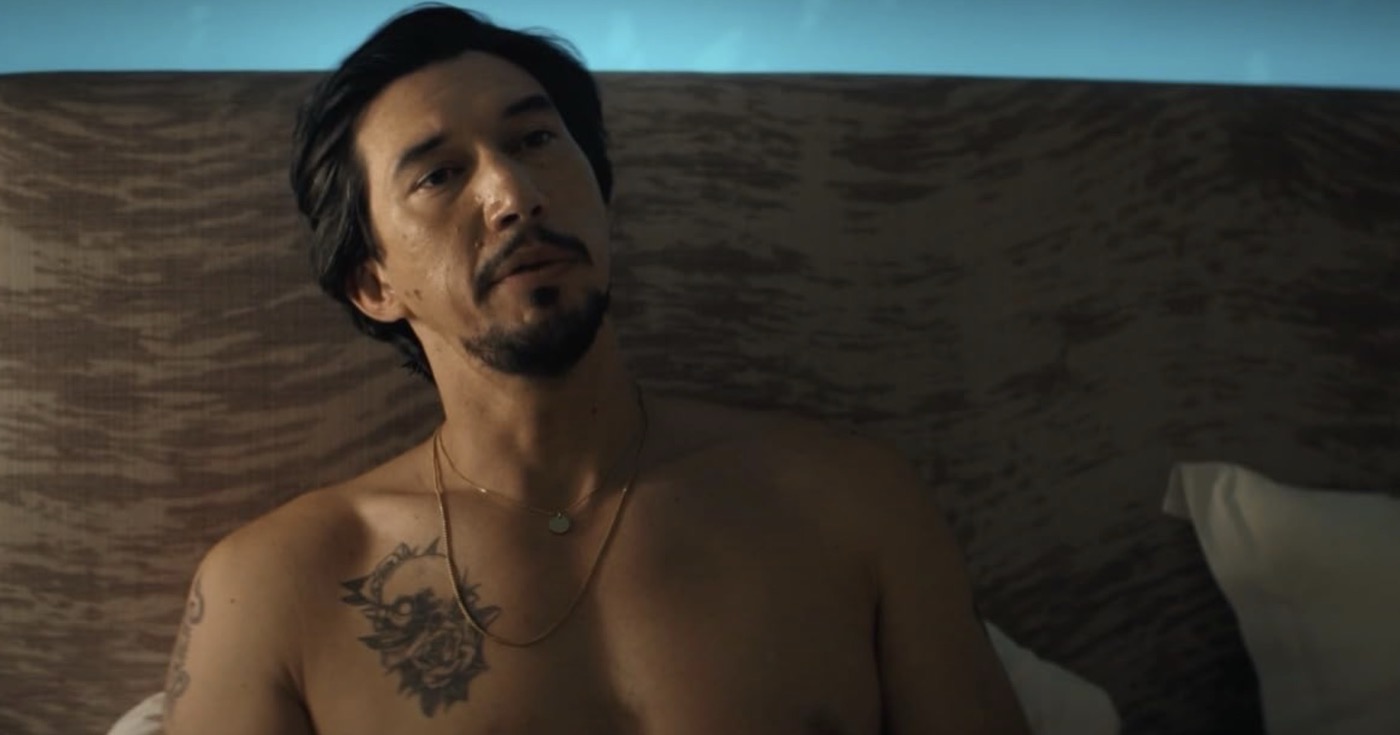
In an industry built on connections, Misty’s encounters with the people still in her life allow Rock to assemble a strong ensemble with plenty of star power of its own. Two characters, in particular, play the angel and devil on Misty’s shoulders. The angel is Jordan Green (Rock), in a meta piece of stunt casting. A now-successful director with plenty to say about Hollywood’s dismissal of Black artistry, Jordan becomes Misty’s champion by letting her audition for his remake of Dreamgirls (2006). The imp whispering temptation in her ear is Zach (Adam Driver), a hedonistic salesman of the industry’s debauchery who readily supplies sex and drugs to anyone interested, including Misty.
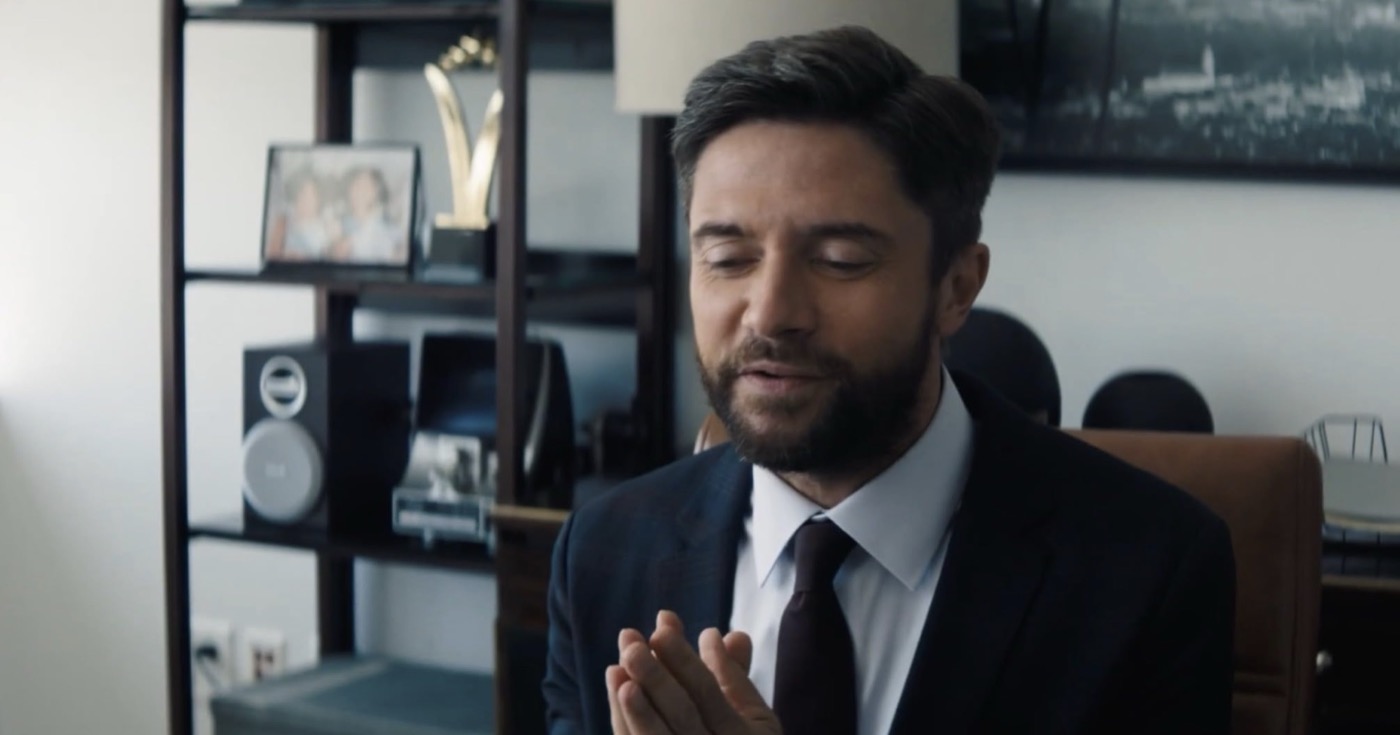
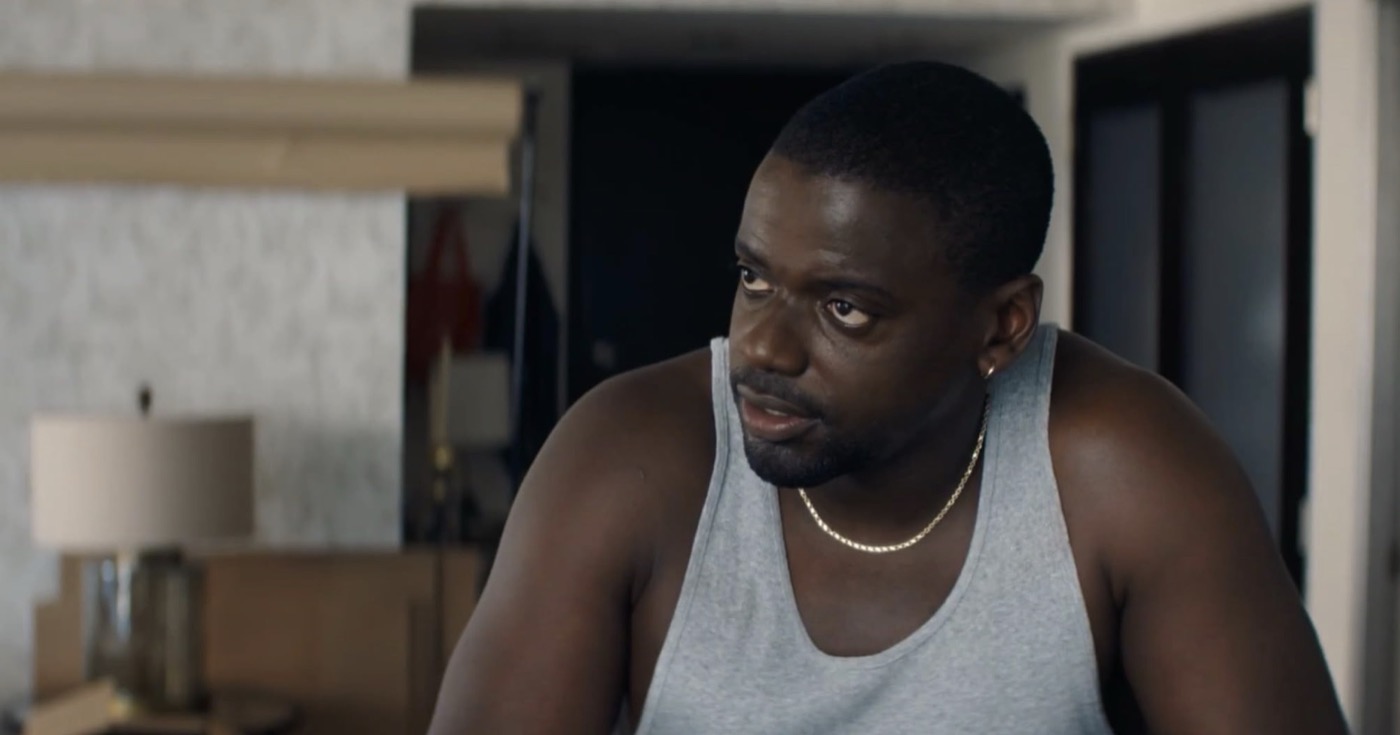
The supporting cast also offers insights into Misty’s life. Naomi (Anna Kendrick), one of her closest confidants, is reckoning with the future of both her acting career and her relationship. Topher Grace plays Misty’s agent, Randy, with the exasperation of a man eyeing greener pastures—if only Misty would stop insisting that he find her another job. But Daniel Kaluuya, returning to the big screen four years after Jordan Peele’s Nope (2022), is perhaps the most welcome presence. He plays Misty’s bipolar brother, Jay, a deeply temperamental man whose explosive indignation lurks beneath a casually dismissive manner.
The breadth of ideas in Misty Green gives it plenty to say about the industry. Misty herself is full of contradictions. She’s a talented singer, showing off her voice at auditions and in a quieter rendition of Radiohead’s “Creep”. Her compassion for those around her doesn’t go unnoticed. Yet she’s also prone to the impulsive temptations Zach offers, and becomes more irascible as her desperation grows. Her self-sabotage tends to emerge at the worst possible moments, though it’s often predictable. Whatever the film’s oversized ambition—and occasional indulgence in rug-pulling—it makes up for much of that by giving Eleazar such a vivid role in which to show her range.
These contradictions also shape the film’s deeply unflattering portrait of Los Angeles. The contrast between affluence and homelessness is a recurring backdrop, as is a news story about a murdered white female student, for which a Black man is accused. In the film industry, Jordan represents a specific echelon of Black artistry. He has achieved a degree of status but still feels compelled sometimes to conceal his true feelings about the industry’s racist tendencies. Further contradictions surround Jay’s disorder and the places where Zach parties. They recur in the audition rooms Misty enters and in the roles she tries out for.
This wealth of detail can become overwhelming, particularly when Misty Green shifts towards tragicomedy. A major opportunity presents itself to Misty, then begins to crumble for reasons both within and beyond her control. It’s a pointed portrayal of how her precarious relationship with fame is a natural consequence of an industry with little consistency to offer, one as callous as it is quick to celebrate its stars.
But Rock’s film seems to have more ideas than it can comfortably contain in its relatively short runtime. It struggles to integrate its commentary naturally into the character study of Misty’s troubles, and both strands suffer as a result. Misty can feel like a punching bag for the film’s most potent depictions of self-sabotage. The scenes of L.A.’s less privileged residents can seem like a bird’s-eye diagnosis of a related social problem, rather than a real understanding of how that problem materially affects these characters.
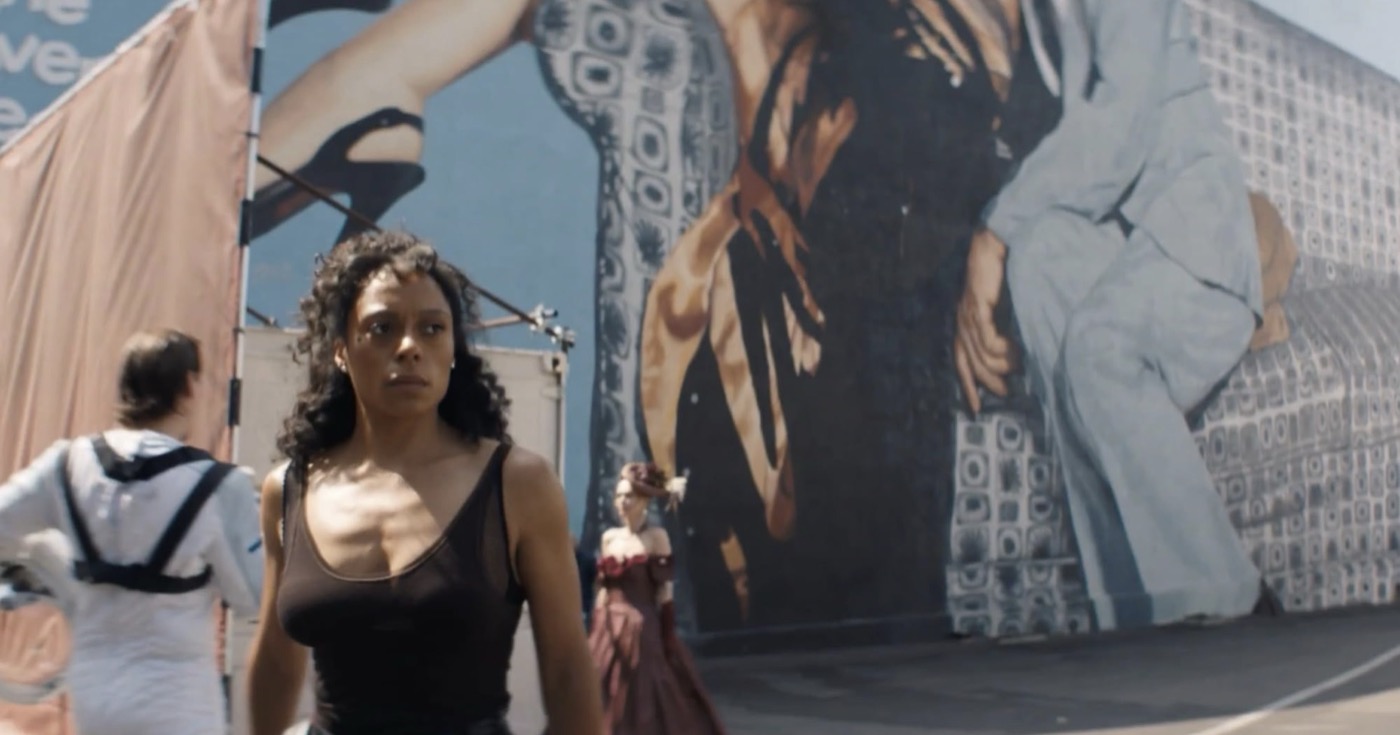
The film lacks thematic balance, but still offers a mature, inside-baseball perspective on—and considerable empathy for—people in an unglamorous industry. Rock may not be trying to revive Hollywood’s fading romance, but Misty Green makes clear that he remains preoccupied with the ways the industry fails Black artists, through both overt exclusion and fragile success. He also observes how those failures contribute to Los Angeles’s wider problems and to the instability of people trying to succeed and survive there.
Misty Green is empathetic rather than diagnostic. It resists melodrama while speaking frankly about the limits of Hollywood’s tolerance for Blackness and celebrity. Look closely at stories of success in the industry and you’ll find struggles with invasive levels of attention, the fear of making a living and, at their worst, brutally tragic downfalls. But Misty’s story becomes more than that because her success was briefer, her livelihood is far less secure and her journey is more complicated than celebrities are willing to admit. Rock has clearly seen it all himself, and seems intent on offering a different vision of the mess he sees in Los Angeles today.
USA | 2026 | 103 MINUTES | 2.39:1 | COLOUR | ENGLISH

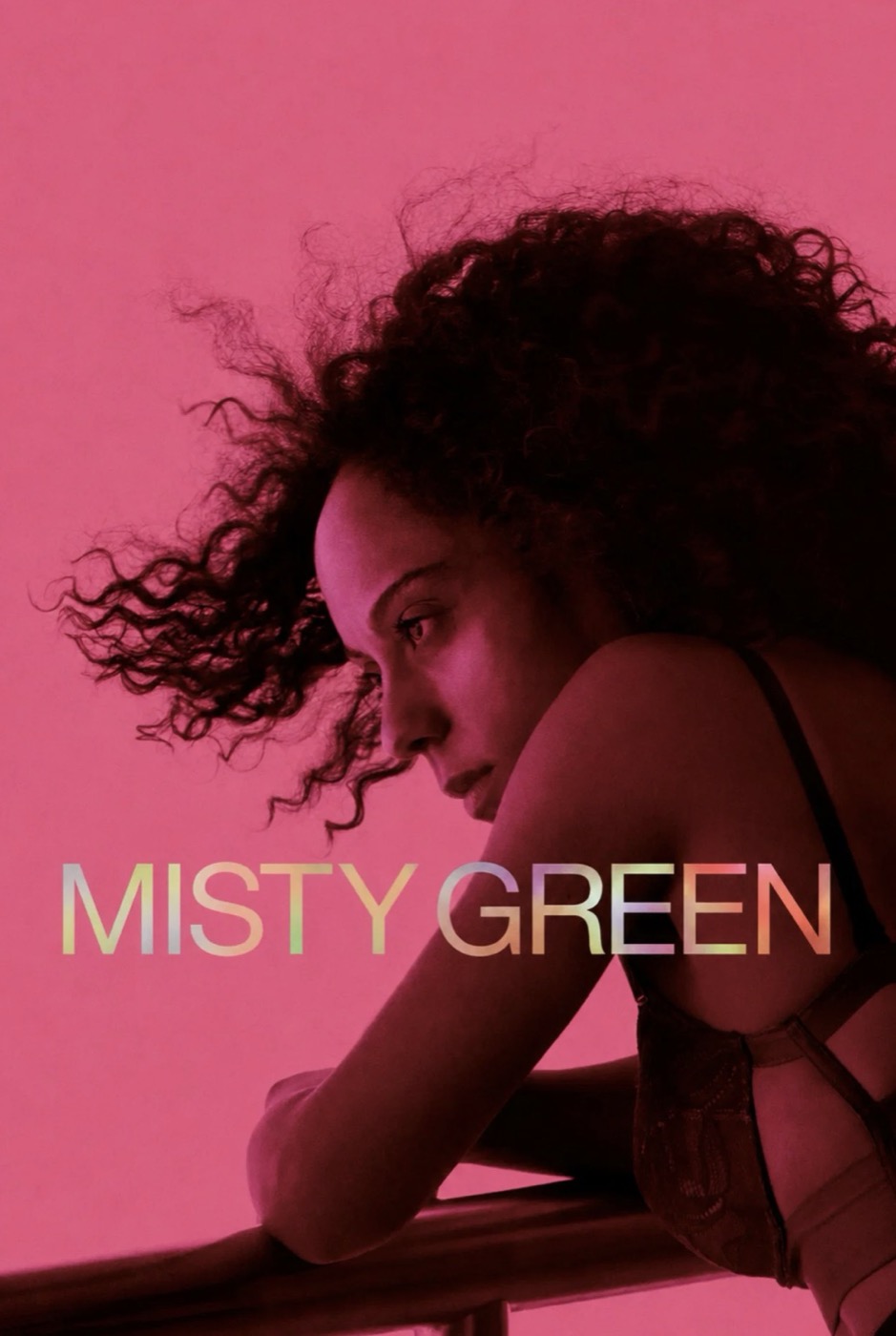
writer & director: Chris Rock.
starring: Rosalind Eleazar, Adam Driver, Daniel Kaluuya, Anna Kendrick, Chris Rock, Topher Grace, Alexandra Shipp & Amy Landecker.