THE LAST HOUSE (2026)
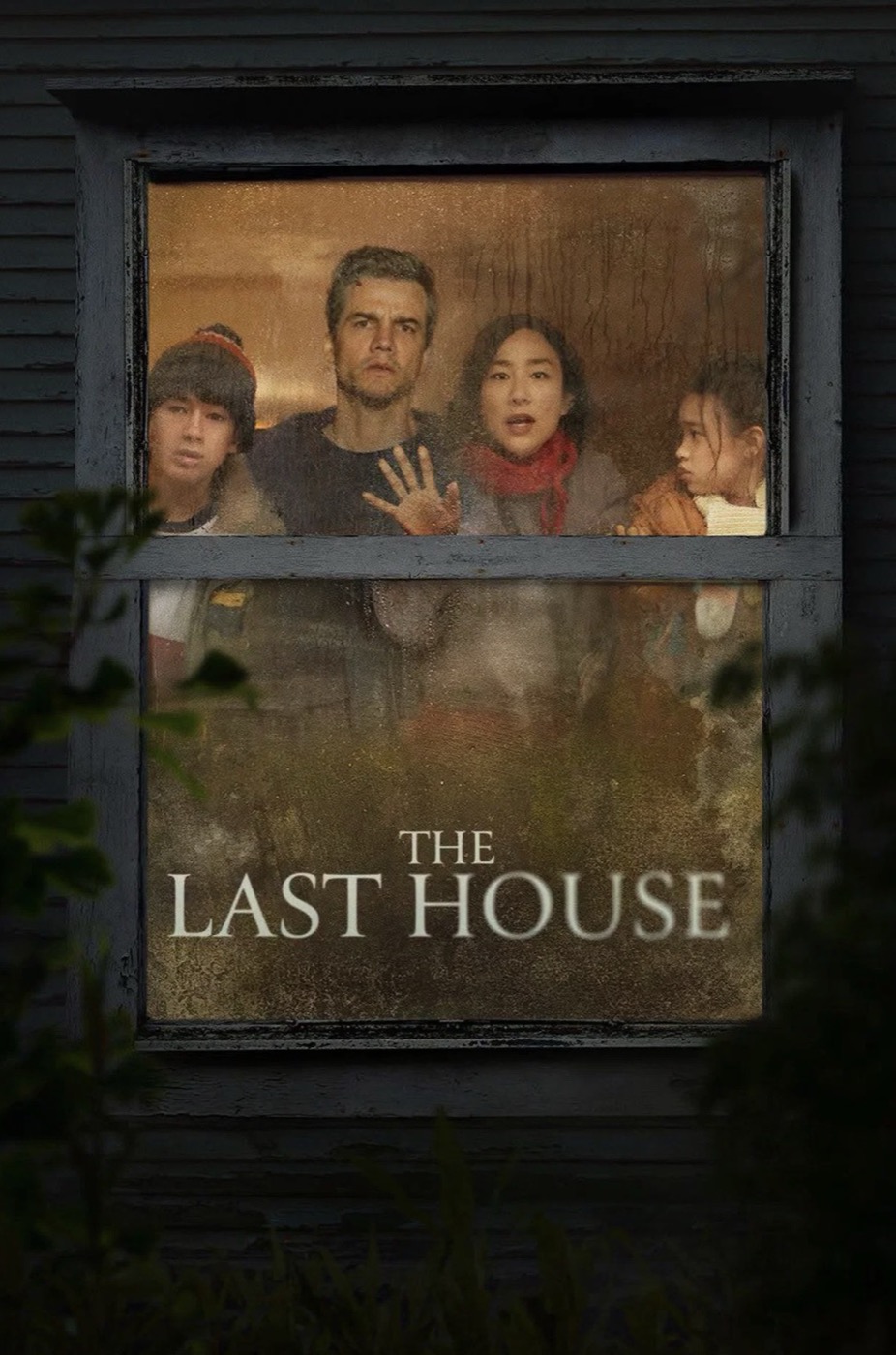
A family of four is suddenly sealed inside their house with no way out and must work together to survive against both their dwindling resources and the mysterious, looming threat that is keeping them trapped.

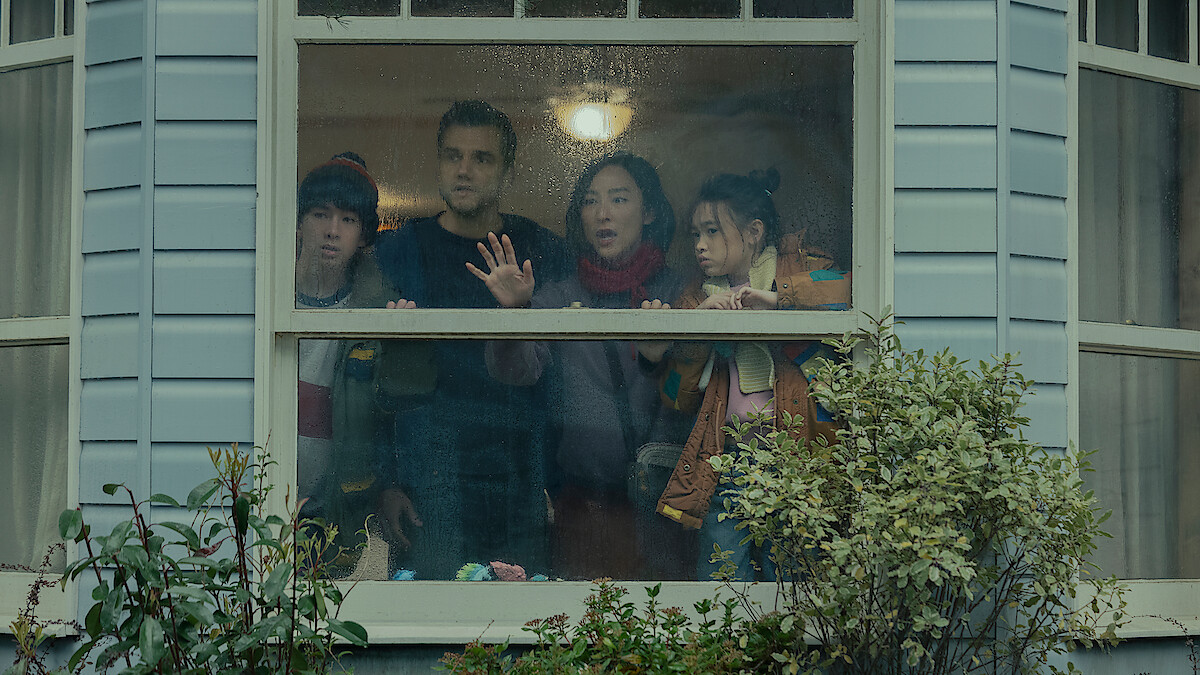

A family of four is suddenly sealed inside their house with no way out and must work together to survive against both their dwindling resources and the mysterious, looming threat that is keeping them trapped.
What attracted me to the new Netflix thriller, The Last House, were the two familiar names leading the creative team. Director Louis Leterrier first made his mark with two Luc Besson-penned action thrillers: The Transporter (2002), his sophomore feature, and Unleashed (2005). He may be best known for two consecutive big-budget spectacles—The Incredible Hulk (2008) and the remake of Clash of the Titans (2010)—but for me, his 10-part television series Dark Crystal: Age of Resistance (2019) remains the pinnacle of his varied career. Scriptwriter Matthew Robinson boasts an equally diverse filmography, including the excellent Love and Monsters (2020) and, following a five-year hiatus, the action AI-apocalypse satire Good Luck, Have Fun, Don’t Die (2026), which, like The Last House, explored an existential threat to humanity.
The narrative is compelling from the opening voiceover, which tells us ominously: “Everyone remembers where they were the day the rain came…” Jason Delgado (Wagner Moura) is out fishing on the pier by dawn’s early light when an unforecast storm front looms on the horizon. Packing up swiftly, he returns to his home in the Seattle suburbs just ahead of a torrential downpour of biblical proportions. Nevertheless, it is the day set aside for selecting the family Christmas tree, and his two children, Graham (Noah Alexander Sosnowski) and Ruth (Riley Chung), won’t let him or their mother, Ann (Greta Lee), renege on their promise. I wondered: could this become an alternative festive favourite?
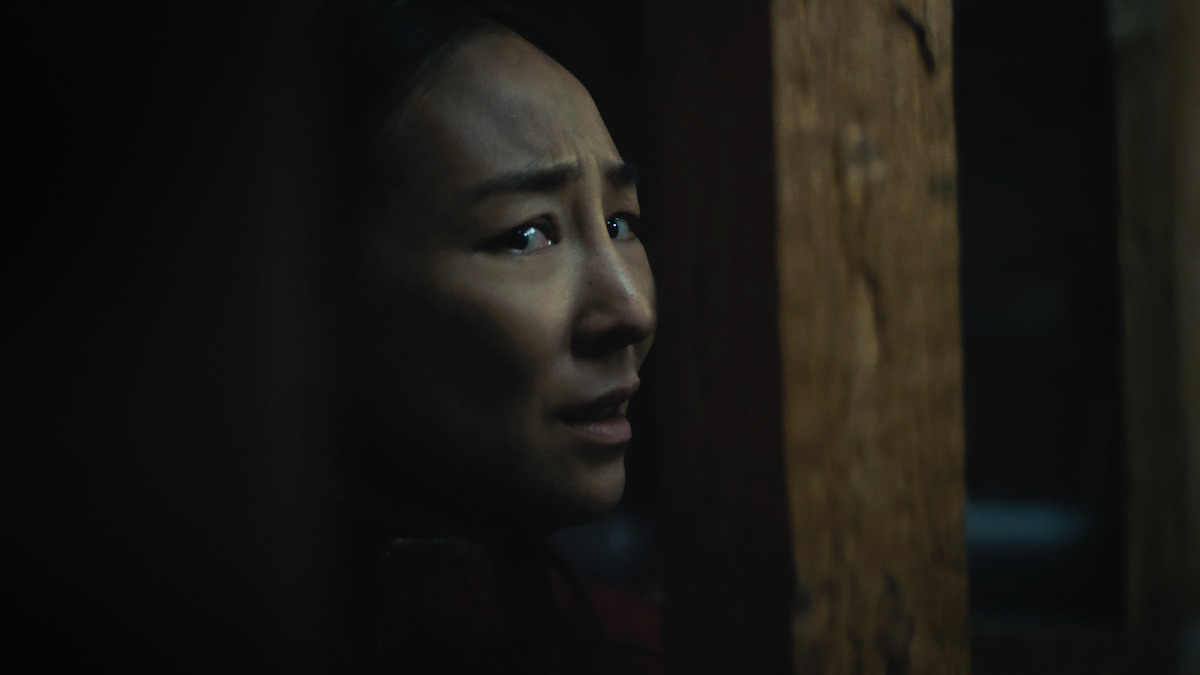
As soon as the rain eases, they ready themselves for their seasonal mission, only to find they can’t leave the house because every door and window is jammed. Ann dismisses it as a prank pulled by teenagers with superglue, but she is visibly shaken when Jason panics and attacks the windows with a heavy fire poker to no avail. An unknown force prevents the shattered glass from falling away, making it clear that the rain possesses a sentience and conceals an inscrutable threat that takes its time to reveal itself.
Although the official trailer isn’t entirely spoiler-free, it avoids revealing a few of the more unexpected twists. Forgive me if I occasionally sound enigmatic here, as I’m trying not to give too much away either. Though not without gentle humour, The Last House unfolds into a harrowing suspense-thriller that blends family melodrama into a survivalist eco-horror featuring a couple of genuinely tense set-pieces.
The menace ‘out there’ serves the purpose so often fulfilled by zombies nowadays, but in a refreshing twist, the nature of this baffling apocalypse isn’t immediately clear. It is certainly some sort of climate catastrophe, but its origin remains an enigma. Perhaps this places The Last House in a lineage of eco-mystery-thrillers that can be traced back to Alfred Hitchcock’s The Birds (1963). With all communications cut off while electricity and water are still running, the isolated Delgados use signs to communicate with neighbours they had never previously interacted with beyond a daily exchange of pleasantries. Trying to establish the extent of the phenomenon, they entertain various theories about its cause, ranging from government conspiracies to alien invasion.
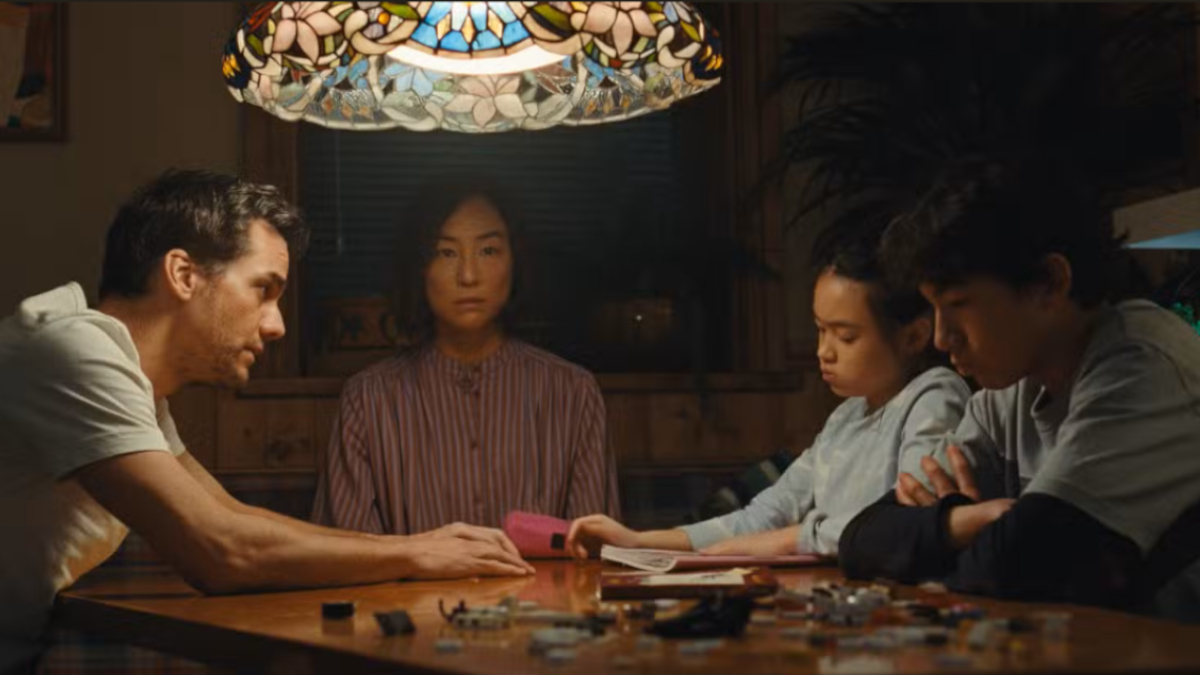
For the first act, we’re in the company of a ‘Spielbergian’ family—quickly sketched, yet possessing a convincing dynamic of petty tensions and resilient affection, reminiscent of E.T. the Extra-Terrestrial (1982) or Poltergeist (1982), complete with a similar golden retriever. The Spielberg vibe may well be intentional. Leterrier eschewed Netflix’s predilection for digital filming, choosing instead to shoot the first act on 35mm with the same type of anamorphic lenses used on Raiders of the Lost Ark (1981).
I suspect the seeds of the story were sown during COVID-19 lockdowns, when families were forced to stay indoors and spend time together. This introduces a pertinent subtext concerning the disintegration of community in modern suburbia and the broader fragmentation of society. Setting the action almost entirely within a domestic space also keeps things relatable, prompting us to ponder how long we might survive on the contents of our cupboards if we were suddenly cut off from all societal support.
The Delgados cope remarkably well together, and the small cast carries the film, bolstered by strong, nuanced performances from Moura and Lee. Both are established, hardworking actors: Greta Lee will be recognisable to many from her lead role in Tron: Ares (2025), whilst Wagner Moura may be known for his Golden Globe-winning turn in the historical political thriller The Secret Agent (2025)—though he also boasts several prestigious accolades for his work behind the camera as a director.
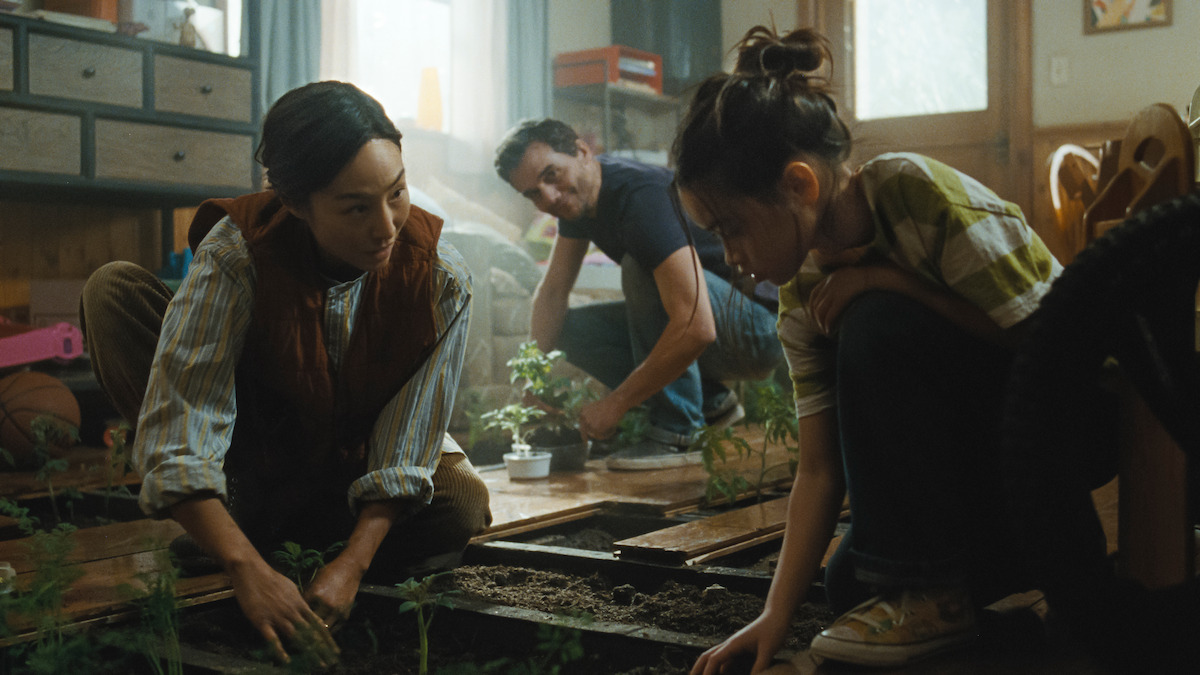
The young actors also flesh out believable characters who shift from sweet and supportive to more angsty and problematic as they grow into teenagers within this pressure-cooker scenario. The older Graham (Gabriel Barbosa) and Ruth (Emma Ho) are so brilliantly cast that we don’t question their montaged transition. Leterrier further tested cinematographer Pål Ulvik Rokseth by deliberately changing visual textures to mark the time jump alongside the partial cast change. Here, they switched to high-definition digital cameras fitted with vintage 1960s lenses to capture a cinematic, Hitchcockian feel.
The Last House is at its best when exploring family relationships in extremis, though I’m glad this didn’t dominate the narrative entirely. After all, this is primarily a sci-fi disaster movie, albeit distilled through the experiences of a single household. The themes touch upon our waste of resources and concerns around food security as populations grow and climate change threatens the agrarian lifestyle for millions. There are unavoidable plot parallels with the Doctor Who spin-off series The War Between the Land and the Sea (2025), which also featured water directed by a consciousness threatening to wash away humanity. There is also resonance with John Carpenter’s The Thing (1982), which relentlessly builds tension around a small group isolated with a mysterious threat in their midst, as well as James Cameron’s The Abyss (1989), where water acts as a conduit for communication and control.
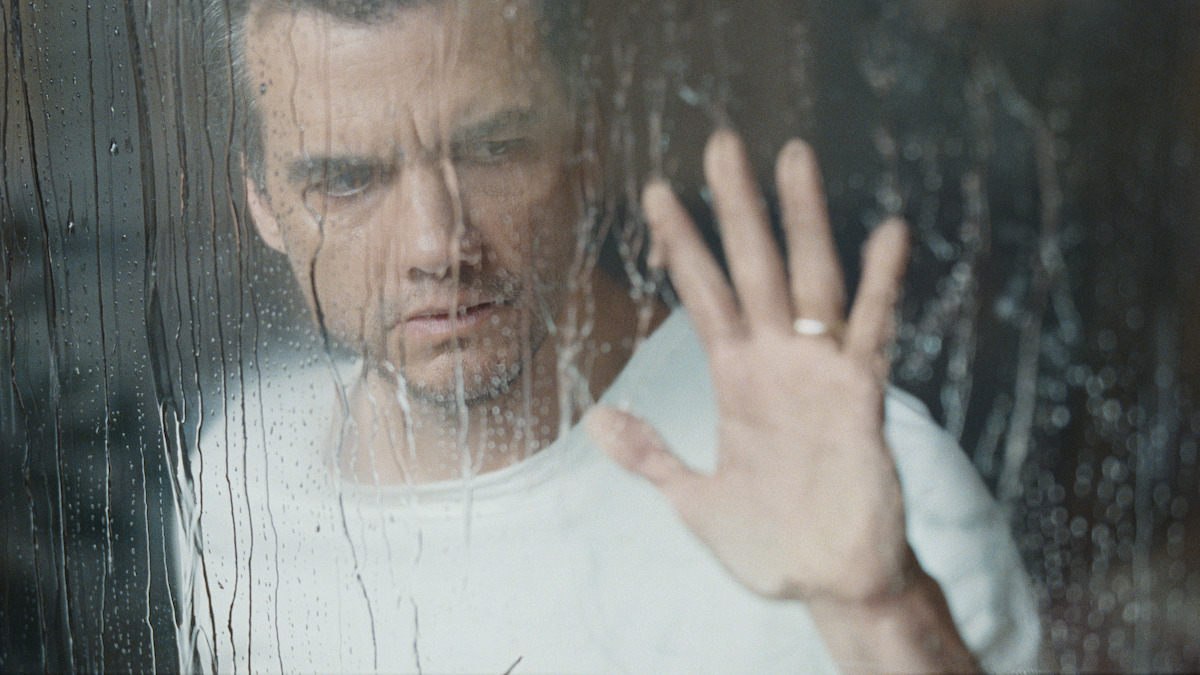
Around the midpoint, the narrative shifts up a gear from sustained mystery to a straightforward survival thriller. I particularly enjoyed the depiction of a suburban estate being reclaimed by nature, and wouldn’t be surprised if the art department drew inspiration from the imagery of artist-illustrator Kevin Peterson. Coyotes and bears wandering among verdant undergrowth, alongside flowers choking the streets and engulfing cars and houses, not only add an unexpected poetic beauty, but also provide a potential source of protein for the trapped family—if they ever master “chimney fishing”, that is.
The conclusion is already drawing criticism for being unsatisfying, but it succeeds in avoiding the obvious clichés of contrived pessimism or an unconvincing happy ending. What we get instead is a third alternative, which admittedly needed better foreshadowing to sell it. It feels as though an entire subplot was excised—perhaps due to concerns over runtime or pacing—that would have better primed the audience so the dénouement didn’t feel like a non sequitur. Only in retrospect does one realise that tiny clues were scattered throughout; they simply weren’t sufficiently underscored. The sole explicit detail that explains what transpires in the final few minutes occurs in the very first few. You really do have to pay attention.
UK * USA * FRANCE | 2026 | 112 MINUTES | 1.85:1 | COLOUR | ENGLISH

director: Louis Leterrier.
writer: Matthew Robinson.
starring: Greta Lee, Wagner Moura, Riley Chung, Emma Ho, Noah Alexander Sosnowski & Gabriel Chung.