THE LAST CIRCUS (2010)
A young trapeze artist must decide between her lust for happy and sad clowns, both of whom are deeply disturbed.


A young trapeze artist must decide between her lust for happy and sad clowns, both of whom are deeply disturbed.
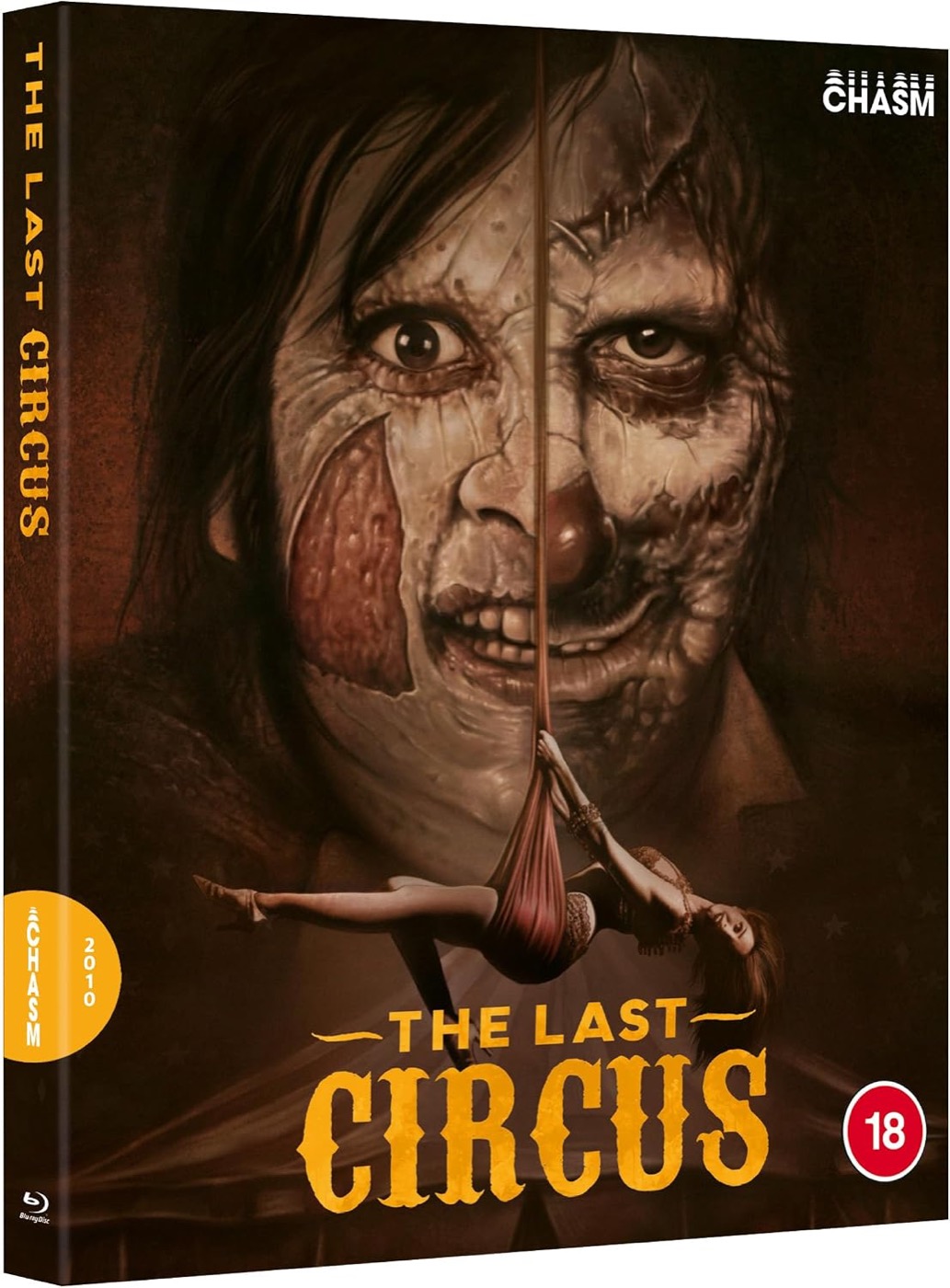
Chasm Films is a new subsidiary label from the consistently reliable Radiance, describing itself as dedicated to curating a catalogue of world genre movies that are under-seen, under-appreciated, and underground. So far, its first two titles have been a bold statement of intent. György Pálfi’s satirical body-horror Taxidermia (2006) launched the list earlier this year. Now comes Álex de la Iglesia’s satirical clown-horror The Last Circus, making its Blu-ray debut with first-rate bonus content to please fans and film scholars alike. Those coming fresh to this outrageous oddity will never have seen anything quite like it. Others will relish the opportunity to revisit this contentious classic of coulrophobia again and again…
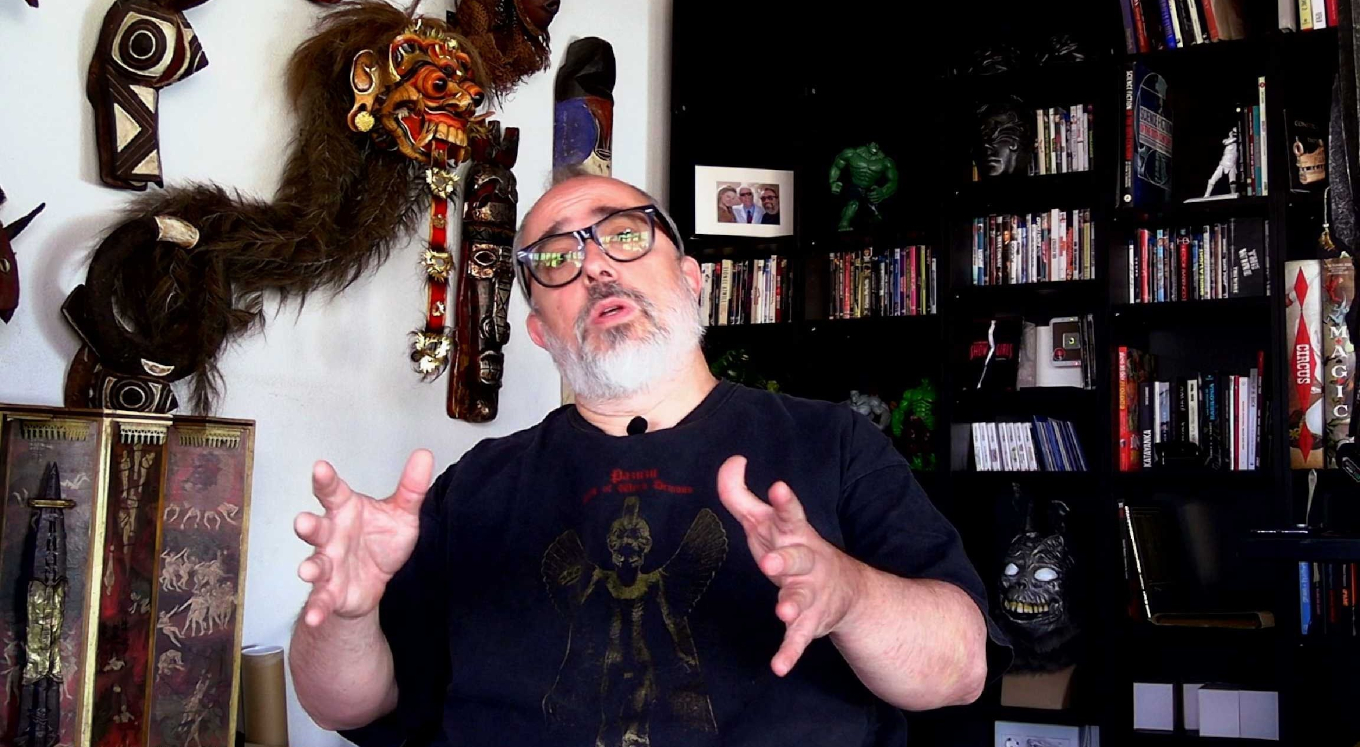
Álex de la Iglesia’s The Last Circus is a bold assault on the senses that rarely allows any pause or respite. The director has explained it as his most personal film, featuring many autobiographical elements dressed in often brash metaphor. It’s also a biography of the Spain he grew up in, peppered with meticulous historical references that place the often surreal events against a very real historical backdrop.
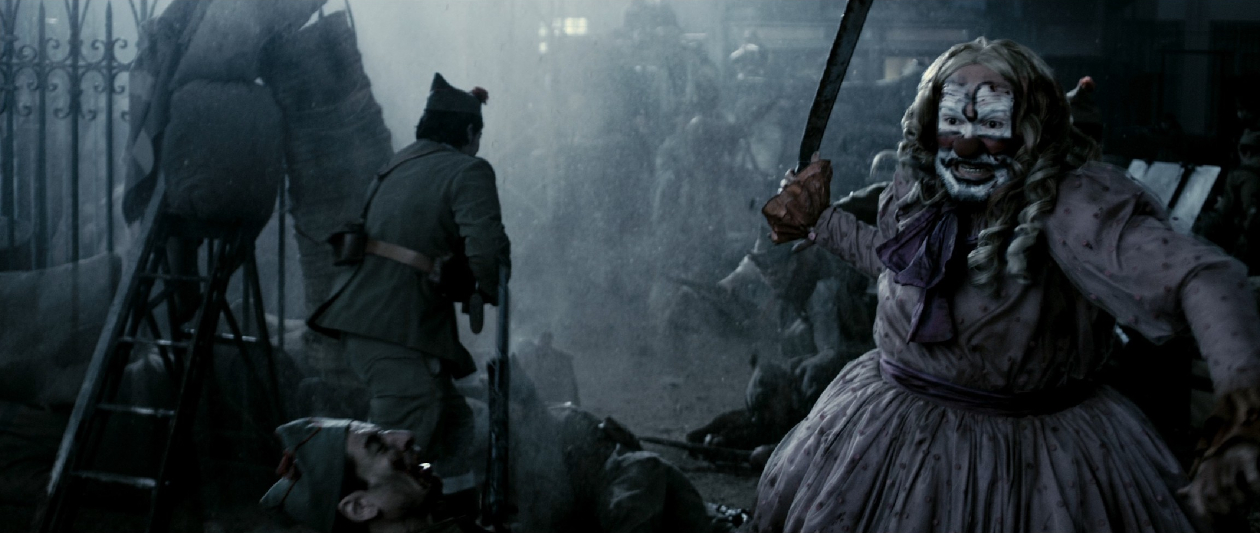
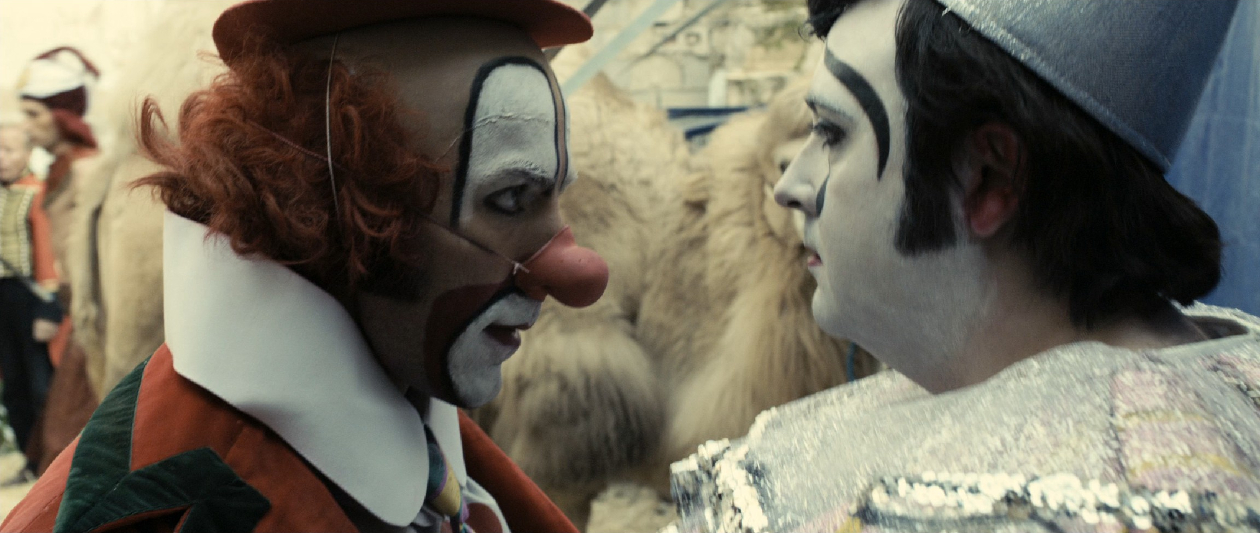
Set in 1937, the opening vignette is the movie’s strongest 10 minutes. The laughter of children is interrupted by the sound of shells exploding too close to the circus, where a two-man clown act quickly improvises to calm and distract the audience. The Silly Clown (Santiago Segura) and Serious Clown (Fofito) are all too aware of how structurally flimsy the big top is and how rare laughter has become. They switch to “the dress act”, which involves The Silly Clown’s ingenious costume falling away to reveal a big pink frilly number and, on removal of his top hat, a cascade of ‘Shirley Temple’ curls. It’s at this point that the militia take control of the circus, demanding every man immediately take up arms and join them. And this is how a clown in a dress ends up at the chaotic battlefront wielding a machete. Surprisingly—probably down to the physical agility of clowns used to stunts and pratfalls—he is one of the few survivors taken prisoner by Franco’s Nationalist rebels.
The sequence hinges upon a brave, emotionally grounded performance from Santiago Segura who, under the smeared greasepaint of his happy clown make-up, is hardly recognisable as the actor who played José María, the metalhead sidekick in de la Iglesia’s equally dark yet funnier The Day of the Beast (1995). There is a tear-jerking farewell in which he tells his young son, Javier (Sasha DiBenedetto), to become a sad clown because, as a war orphan, he will have no childhood and thus will never know how to make children laugh. However, the clown isn’t executed as expected, but assigned to a labour detail breaking ground for the construction of a huge war memorial. This will turn out to be the Basilica of the Holy Cross of the Valley of the Fallen, featuring vast crypts where the bodies of more than 33,000 unknown casualties of the civil war from both sides will be interred, ultimately becoming Franco’s mausoleum. This provides the vertiginous setting for the finale, bracketing the narrative though offering little sense of closure.
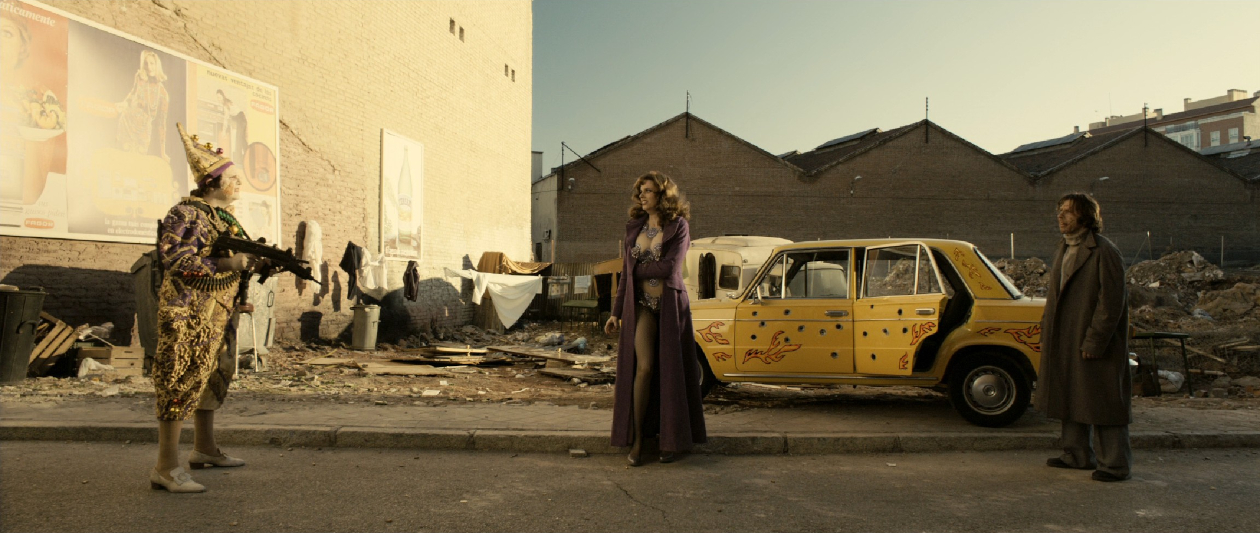
The montage of images behind the opening credits provides a collage of historical and cultural iconography that would be all too recognisable to Spaniards of a certain age. It functions as a graphic summary of the nation’s history—from the atrocities of the war and the political aftermath of a nation under dual forms of oppression from state and church, through famous movie monsters and headline-grabbing crimes, to the post-war economic boom and the growth of international tourism in Madrid up to 1973.
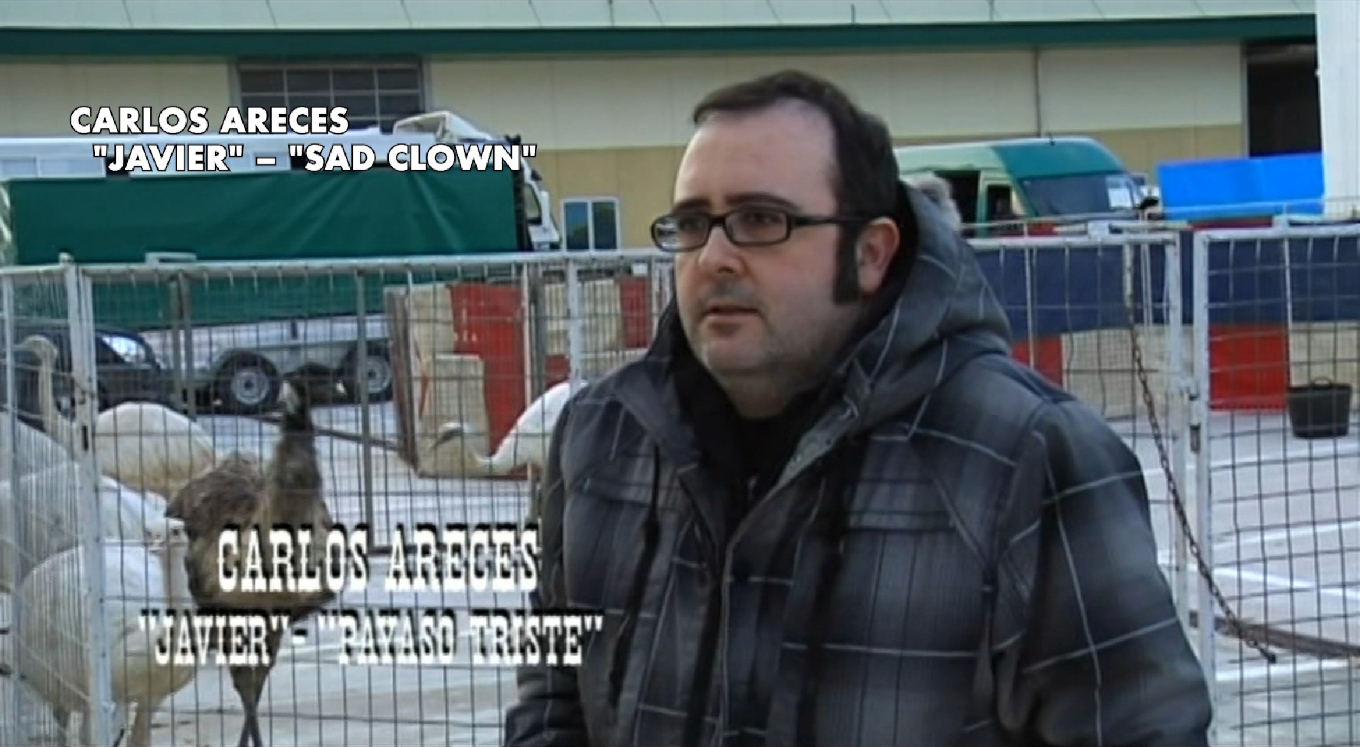
The adult Javier (Carlos Areces) is starting his new job as a Sad Clown. Arriving at the tawdry circus, he’s briefly shown the ropes by Ramiro (Manuel Tallafé), elephant trainer and escapologist, and is immediately smitten with the trapeze artist Natalia (Carolina Bang), in a knowing nod to Tod Browning’s Freaks (1932). However, Ramiro tells Javier in no uncertain terms that she is the property of his new boss, Sergio (Antonio de la Torre), the Happy Clown. This is a culture where people—particularly women—are owned by others.
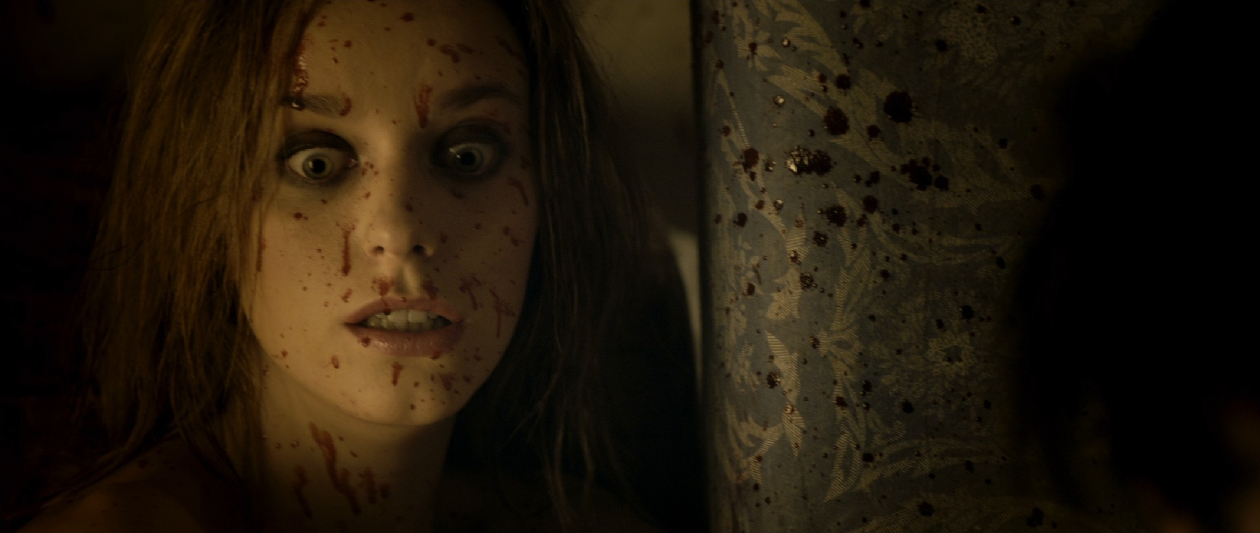
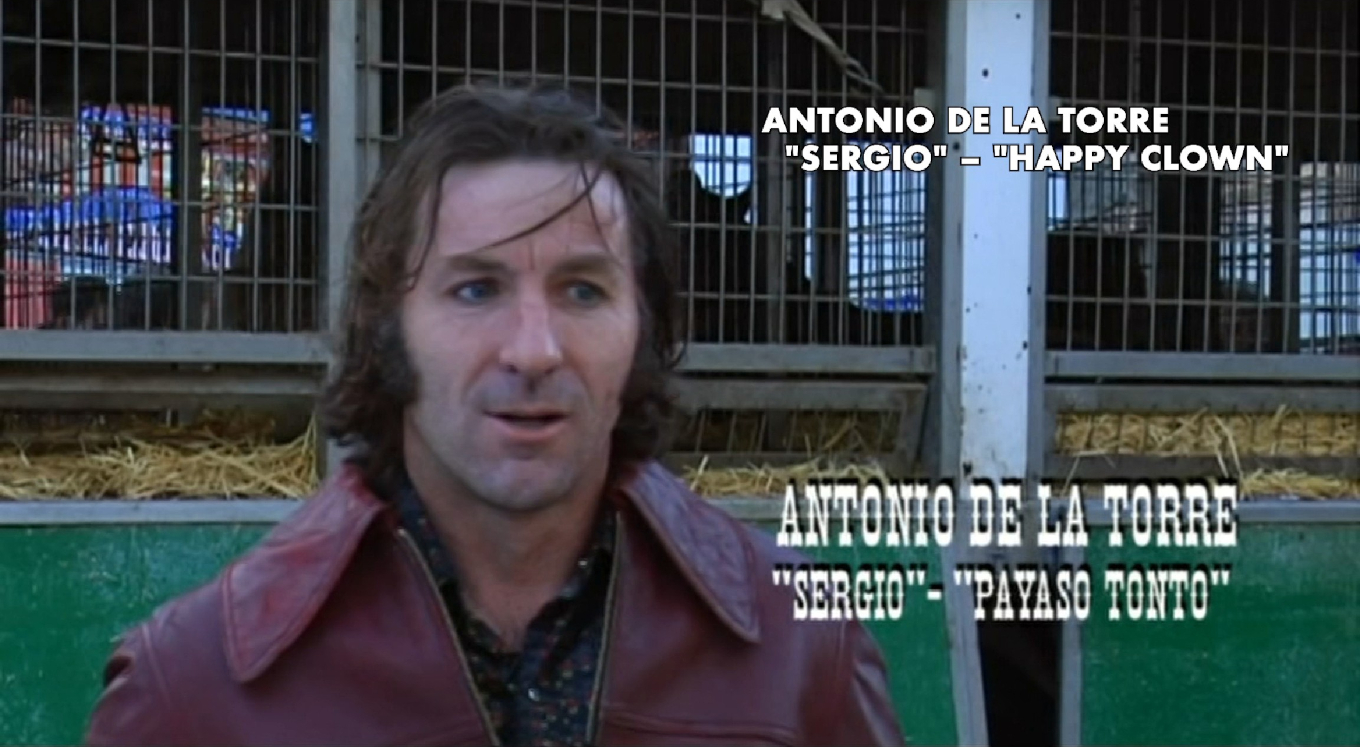
Sergio is a humourless, intimidating man who soon reveals himself as a dangerously violent alcoholic when he viciously beats Natalia unconscious during Javier’s first night out with the troupe. After they leave the diner, Javier sneaks back to tend to Natalia, but has to hide when Sergio returns to take sexual possession of her. There’s no mistaking this for anything other than gendered violence, though it isn’t framed as rape because Natalia appears to capitulate willingly. Thus begins the dysfunctional love triangle that shapes the entire narrative.
Though The Last Circus offers multiple readings, it’s tempting to see Javier and Sergio as the opposing factions of the Spanish Civil War, and Natalia as the embodiment of the country caught in the middle. It’s one of the more interesting interpretations to ponder, as it examines the gendering of political ideologies—there’s a reason why right-leaning regimes fight for a fatherland and leftists for a motherland. Sergio wants to possess and dominate Natalia both emotionally and physically. Javier sees himself as her (albeit ineffectual) saviour and, as an orphan of war, views her as an idealised mother substitute. Natalia finds aspects of both men appealing and repugnant in equal measure. Her indecision in the face of irreconcilable obsessions ultimately leads to tragic consequences for all involved, offering an unflinching reflection on the fallout of a civil war where no one truly wins.
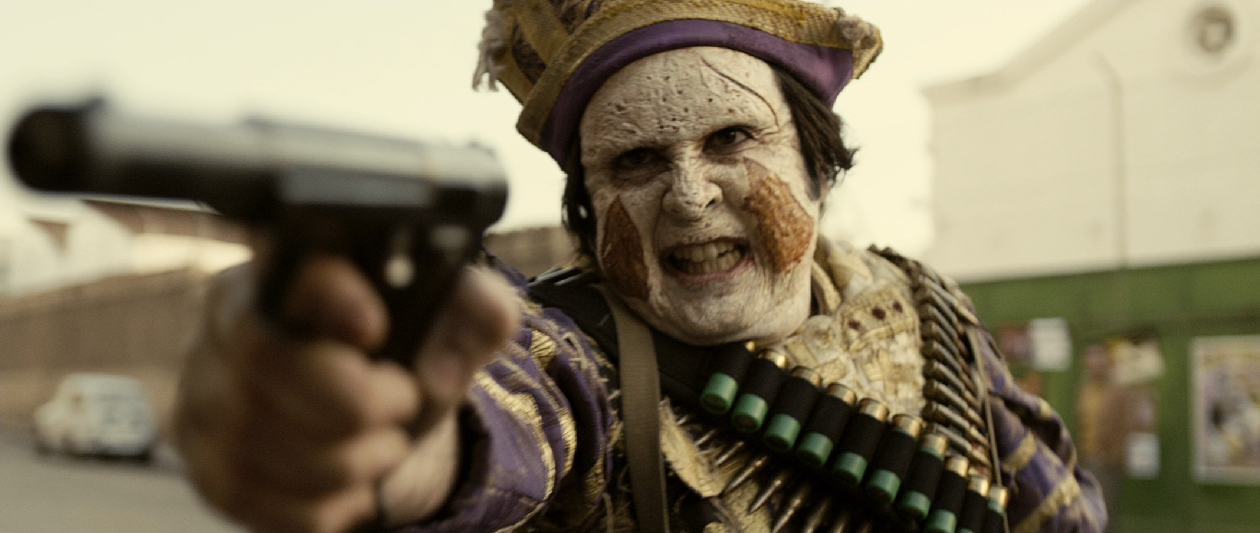
Both men were robbed of a normal childhood during the nationwide adversity, suffering, and ever-present violence of the war years. As a result, they remain woefully stunted emotionally. They long to reclaim what we value in childhood, but lack the foundational experiences upon which to build a functioning adult persona. Natalia is similarly damaged and incapable of escaping her past, deriving a sinister pleasure from playing the two men against each other—until it all comes to a head and they nearly kill each other in bouts of spectacular violence that neither should reasonably have survived.
By this time, however, we realise we’re not dealing with realism, but with political metaphor pushed to comic-book extremes. Álex de la Iglesia started out in comics and graphic novels, and this background remains apparent in his use of stunning imagery that elevates individual moments into pure cinema. Sometimes, the sole purpose of the narrative seems to be setting up a bold composition where the image is regnant and the story its servant. This will come as no surprise to those familiar with the director’s earlier films, including his ultra-violent debut Mutant Action (1993), the dark Satanic comedy The Day of the Beast, the transgressive psycho-thriller Perdita Durango (1997), and perhaps most pertinently, Dying of Laughter (1999), which starred Santiago Segura as half of a comedy duo defined by mutual loathing and was likewise set in the final years of the Franco regime. Álex de la Iglesia certainly has his recurring themes.
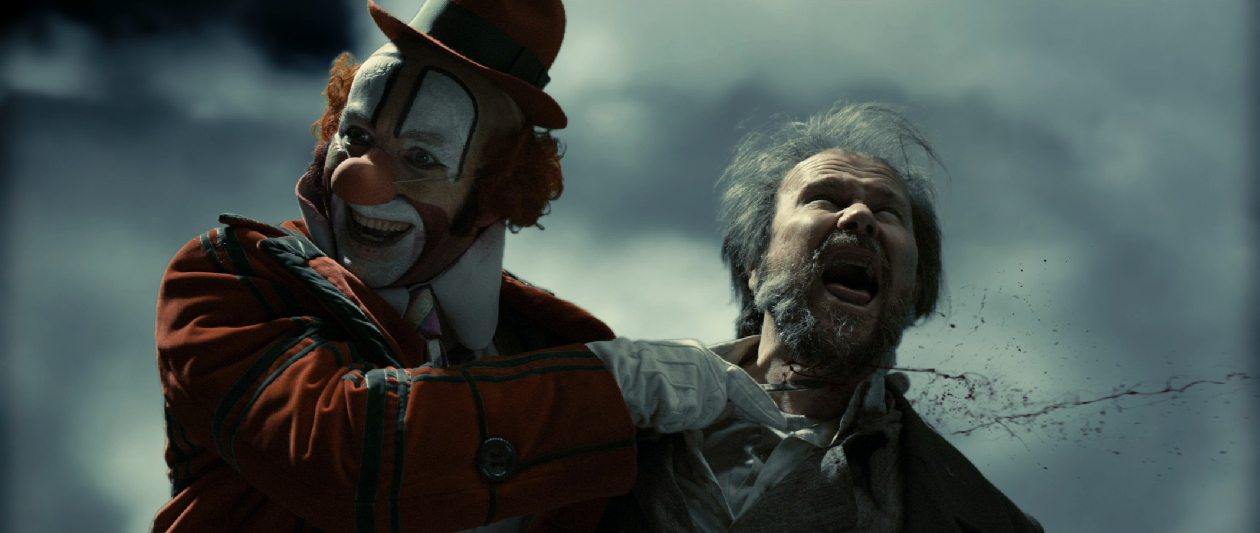
To maintain momentum, significant time skips are required, which lead to incongruities if one isn’t paying close attention to the visual cues. Sometimes this is indicated by background news reports, a serious injury scarring over, or a stag carcass being devoured. As in life, it’s the intense moments that we truly experience and embed in memory. Thus, the narrative leaps from one psychologically challenging incident to the next—moments that also pull the character arcs together. Thankfully, the narrative avoids getting mired in a melodrama about dim or damaged people having a miserable time. There’s plenty for the cast to sink their teeth into, and the three leads are frighteningly good. Their characters are revealed rather than developed, with the shifts required to propel the story brought about by cathartic events and archetypal motifs, deliberately avoiding preachy moral judgements.
Nevertheless, we are prompted to make our own judgements and may be shocked to find ourselves rooting for one clown as he completely disfigures another with a trumpet thrashing. Occurring at the point of narrative reversal, this is a visual play on the original Spanish title Balada triste de trompeta / Sad Trumpet Ballad, which refers to a recurring pop song by Spanish superstar ‘clown’ Raphael. At this point, we’re immersed in the fiction and forced to take sides in what threatens to be a three-way tie for last place. Our central trio are all emotionally or physically wounded and descend into spectacular madness. Javier pushes his sad clown persona into psychotic territory when, after being condemned to execution for biting dictator Francisco Franco, he hallucinates Natalia as the Virgin Mary commanding him to become her avenging angel. Alejandro Jodorowsky would be proud; The Last Circus would make an excellent double bill with Santa Sangre (1989), which is a clear influence.
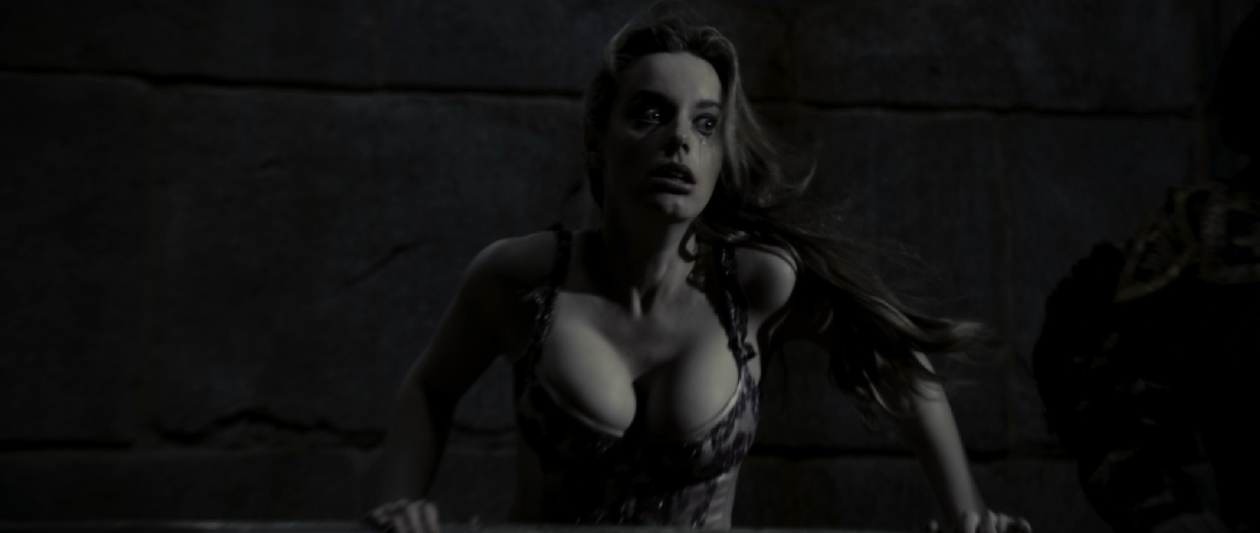
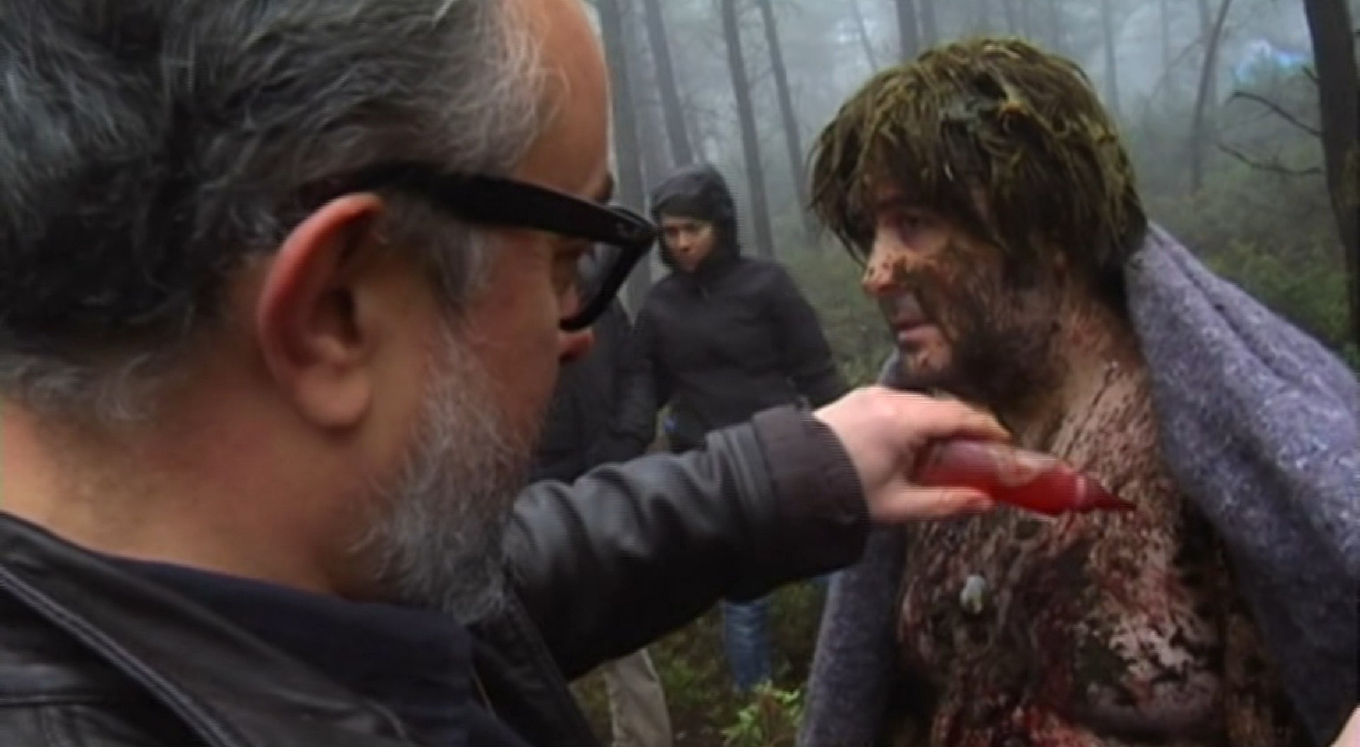
Apart from the bravura performances, Álex de la Iglesia’s meticulous attention to detail stands out when recreating long-lost historical places. This was his first time working with digital effects, which are effectively deployed throughout. On first viewing, the dated CG rendering is rarely noticeable because the story and performances are so engrossing that one doesn’t register the background extras as digitally animated avatars. It is obvious, however, that the Hitchcockian climax high on the 150-metre cross dominating the Valley of the Fallen is digitally rendered, as the angles and camera motions would be impossible to achieve otherwise. Furthermore, permission to film on location was denied, so the site had to be recreated in studio using extensive green screen. This doesn’t detract from the finale’s power, which actually benefits from the cleaner ‘graphic novel’ aesthetic.
The Last Circus won’t please everyone and will certainly offend some. However, it is a wild ride featuring some of the most audacious images and set pieces in Spanish cinema, drawing on a rich heritage of political allegory from Luis Buñuel to Guillermo del Toro. Álex de la Iglesia refuses to provide easy answers or offer ideological comfort. The ending is not an easy watch, though it’s undeniably edge-of-your-seat thrilling. While I was totally riveted while watching, I remained critically ambivalent in the aftermath. Although the imagery is striking and surreal, the comedy isn’t amusing and the tragedy is diluted by the lack of a clear protagonist to identify with. Ultimately, no one is likeable or sympathetic. In love and war, does anyone truly win?
SPAIN | 2010 | 105 MINUTES | 2.35:1 | COLOUR | SPANISH



writer & director: Álex de la Iglesia.
starring: Carlos Areces, Antonio de la Torre, Carolina Bang, Manuel Tallafé, Alejandro Tejería, Santiago Segura, Fernando Guillén Cuervo & Sancho Gracia.