CONFESSIONS OF A POLICE CAPTAIN (1971)
In corruption-stricken Palermo, a cynical police captain clashes with an idealistic state prosecutor over their respective methods to nab an elusive Mafia boss.


In corruption-stricken Palermo, a cynical police captain clashes with an idealistic state prosecutor over their respective methods to nab an elusive Mafia boss.
Italian horror rose to prominence in the mid-1980s and, lagging only slightly behind, the Italian giallo was rediscovered by a fresh audience and reappraised by critics as an important, influential genre. It is, therefore, about time that the spotlight finally falls on poliziotteschi. These gritty Italian police stories have remained a niche interest, which may explain why Damiano Damiani is less famous than contemporaries such as Mario Bava, Dario Argento, and Sergio Martino.
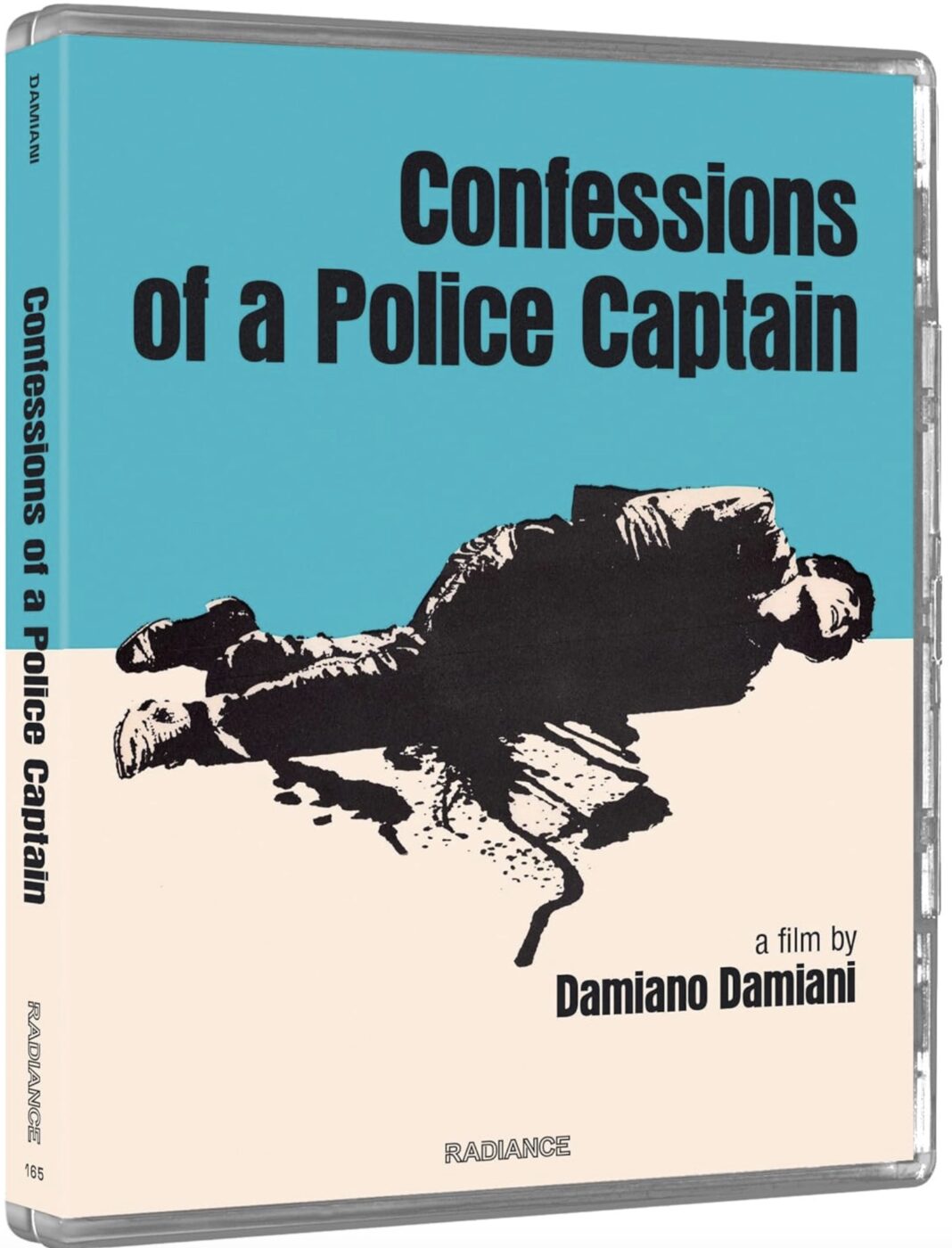
This excellent new 2K restoration from Radiance on Blu-ray is a timely, welcome release. It’s an unusually intelligent and perceptive crime thriller with a pertinent subtext that, sadly, remains relevant today. Crucially, its intellectual weight never hampers a gripping narrative that will please any fan of Italian pulp cinema.
Damiani is often discussed alongside Elio Petri, another maker of politically charged thrillers who has enjoyed a renaissance since the restored Blu-ray release of Investigation of a Citizen Above Suspicion (1970). Considered Petri’s masterpiece, that film was responsible for sparking the 1970s trend for brave, civic-minded cinema in Italy. Political poliziotteschi frequently tried to emulate the wordy title patterns of Petri’s work, much as gialli leaned on titles reminiscent of Argento’s The Bird with the Crystal Plumage (1970).
Hence, the original Italian title for Confessions of a Police Captain was Confessione di un commissario di polizia al procuratore della Repubblica—which translates literally as ‘Confession of a Police Commissioner to the Public Prosecutor’. It’s a title that feels more like a synopsis than a hook.
Despite garnering broad international acclaim and being one of the most widely distributed Italian films of its day, the movie seemed to disappear into obscurity. This is perhaps because it provides such a grounded, stark snapshot of the socio-political climate during the early ‘Years of Lead’, which began in 1969 and plagued the nation until 1988. During this era, the post-war working class found its voice and opposing factions vied for power. It was a conflict that ignited nearly two decades of political extremism, street violence, bombings, assassinations, student unrest, and workers’ strikes.
At the end of World War II, as the Western Allies withdrew, the legacy of the Mafia reasserted itself. It was a long-established power structure ready to fill the vacuum left by the fall of Benito Mussolini’s far-right regime. Opportunities abounded as the nation transitioned from an agrarian economy to an international industrial powerhouse.
However, by the 1970s, it was clear this explosive growth had benefited one stratum of society more than others. The working class continued to feel exploited as cheap labour, and it appeared that organised crime and corporate corruption had infected every organ of church and state. This mirrors the post-war power grab of the yakuza, which resulted in the box-office dominance of the similarly gritty jitsuroku eiga crime genre in Japan.
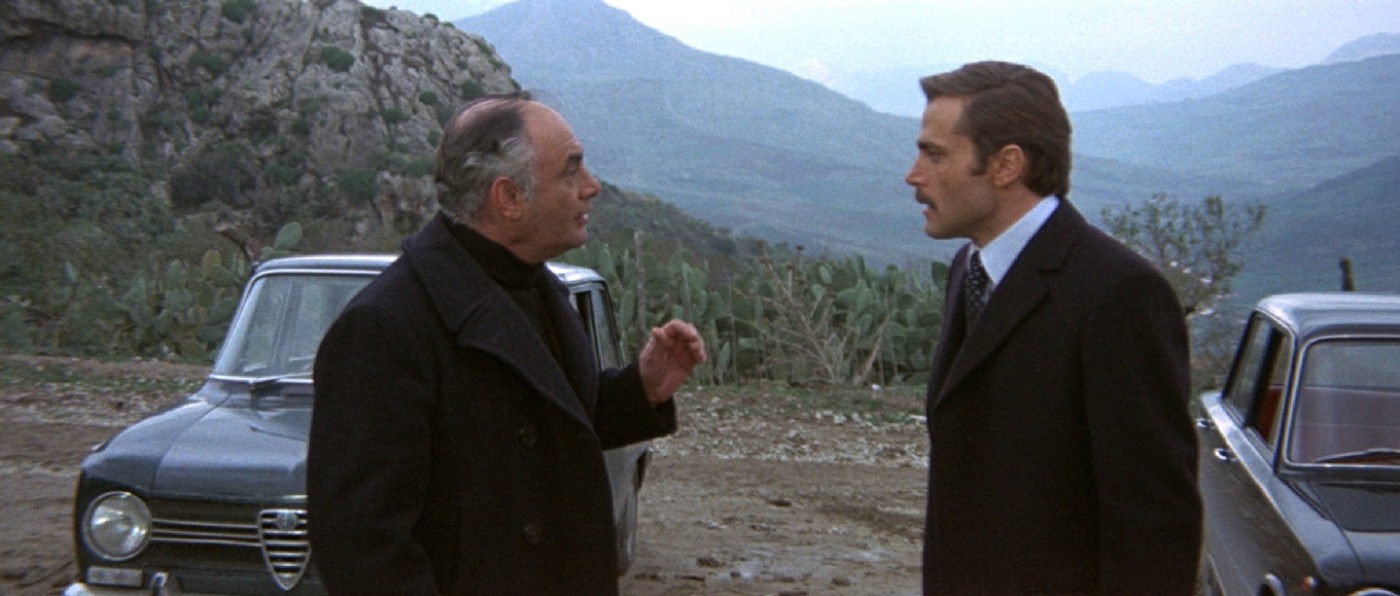
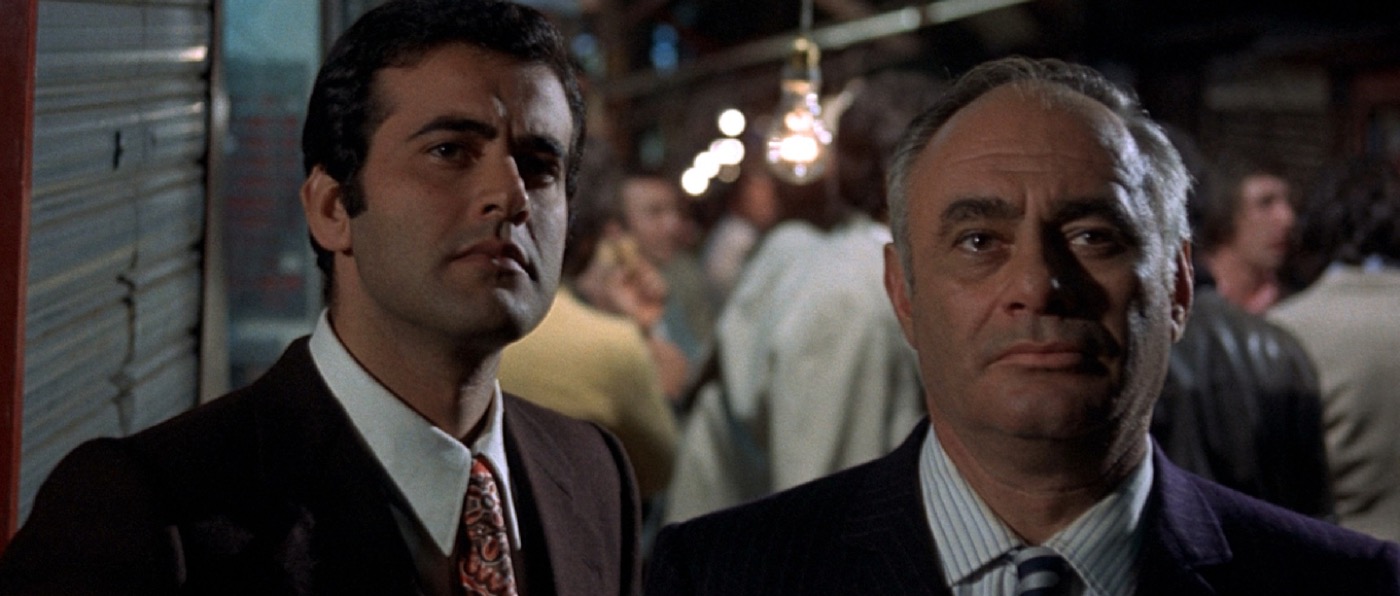
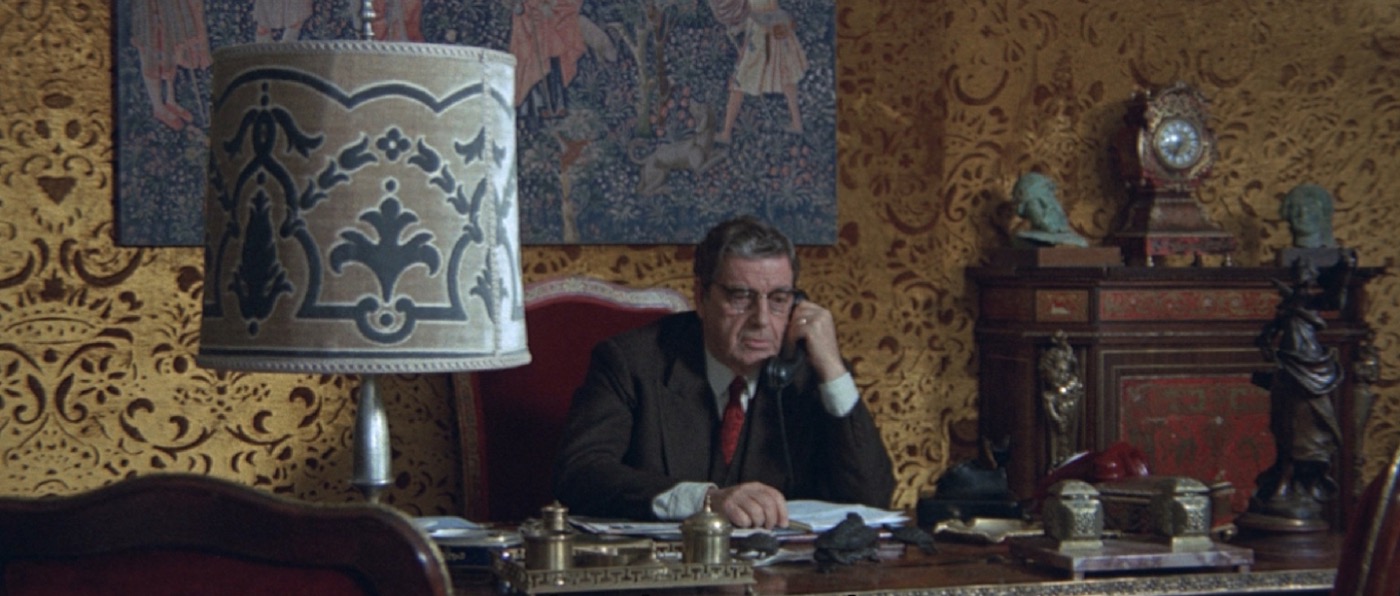
Confessions of a Police Captain opens with the titular Commissario, Giacomo Bonavia (Martin Balsam), visiting a grim asylum that is little more than a harsh prison. He is there to secure the release of Michele Li Puma (Adolfo Lastretti), an obsessive paranoid with a grudge against the powerful, and predictably corrupt, land developer Ferdinando Lomunno (Luciano Catenacci).
Bonavia and his enthusiastic young protégé, Gammino (Michele Gammino), track Li Puma as he arms himself with an ex-police-issue Beretta M12 submachine gun and enters Lomunno’s offices disguised as a guard. As Bonavia calculated, the mentally ill Li Puma picks up his grudge exactly where he left off—an issue involving his sister, Serena (Marilù Tolo). However, the businessman has been forewarned and sets his own ambush, resulting in a well-shot (pun intended) bloody shoot-out.
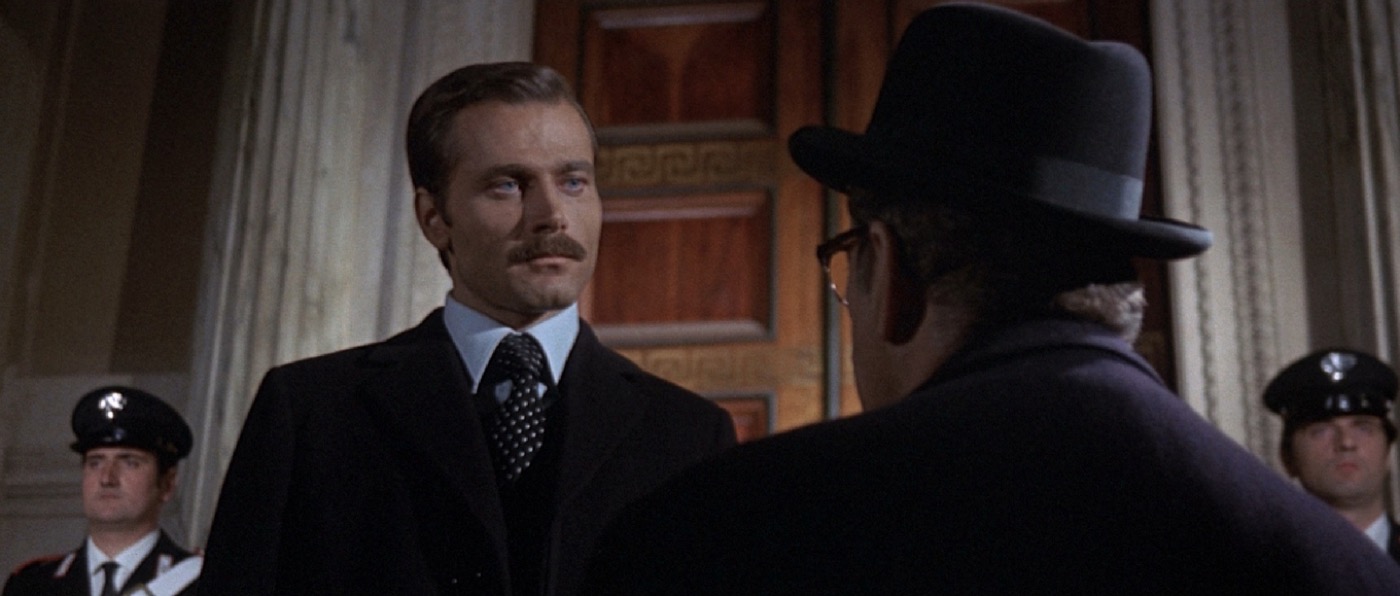
In the aftermath, Deputy D.A. Traini (Franco Nero) is impressed by the Captain’s knowledge of the perpetrators, especially Li Puma, whose face-down corpse he identifies from a distance. So begins a clever chess game between two men on the same side who employ vastly different methodologies. It’s a brilliant variation on the standard ‘buddy movie’; they are clear antagonists who nevertheless care for one another’s welfare, eventually going out of their way to provide protection. Their shifting relationship and beautifully crafted dialogue keep the film eminently watchable throughout.
The poliziotteschi was a natural progression from Italian Neo-Realism, which critiqued post-war social inequalities and focused on class conflict and institutional failures. Such movies were shot in a vérité style using authentic locations and mostly non-actors. While the subject matter was often bleak, an underlying optimism suggested that empathy could effect change.
Poliziotteschi shared these traits but used crime-thriller conventions to critique the state and highlight deep social rifts. Their storylines often paralleled political events and true crimes, sometimes filming at the actual locations. In this sense, fiction served as a method of defence against reprisal from the Mafia and implicated individuals.
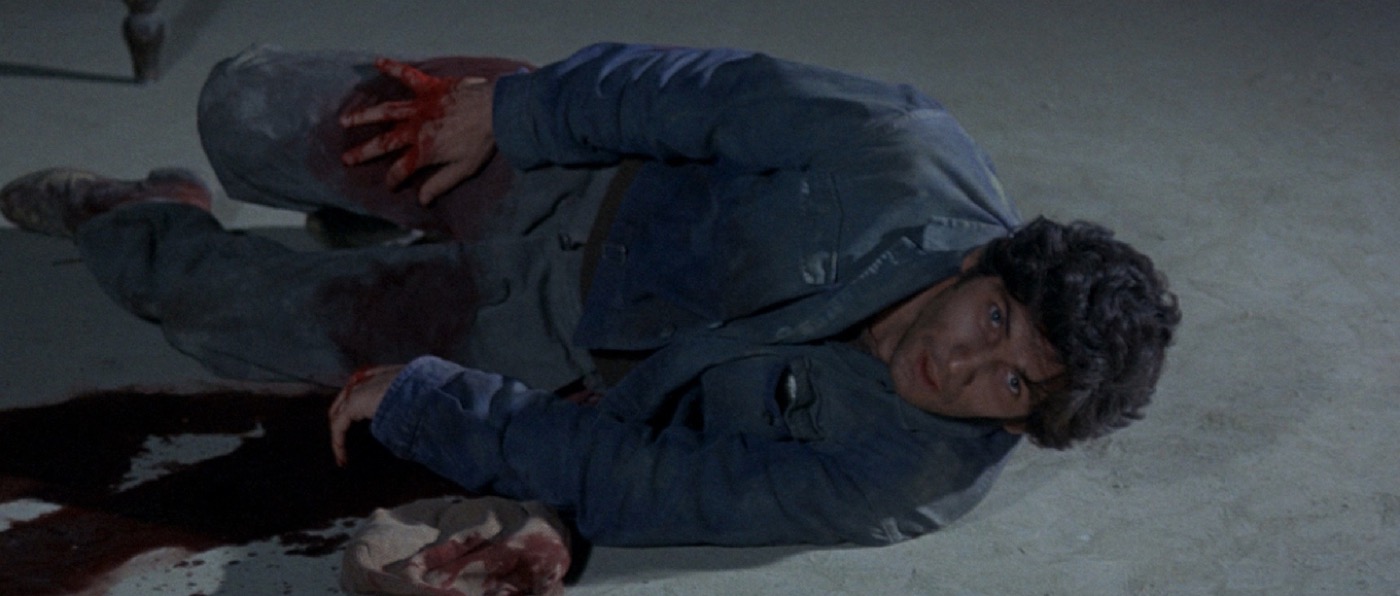
Historical Context: Damiani and co-writer Fulvio Gicca Palli took inspiration from the 1948 murder of union activist Placido Rizzotto, executed by the Mafia alongside a young shepherd boy who had witnessed the crime.
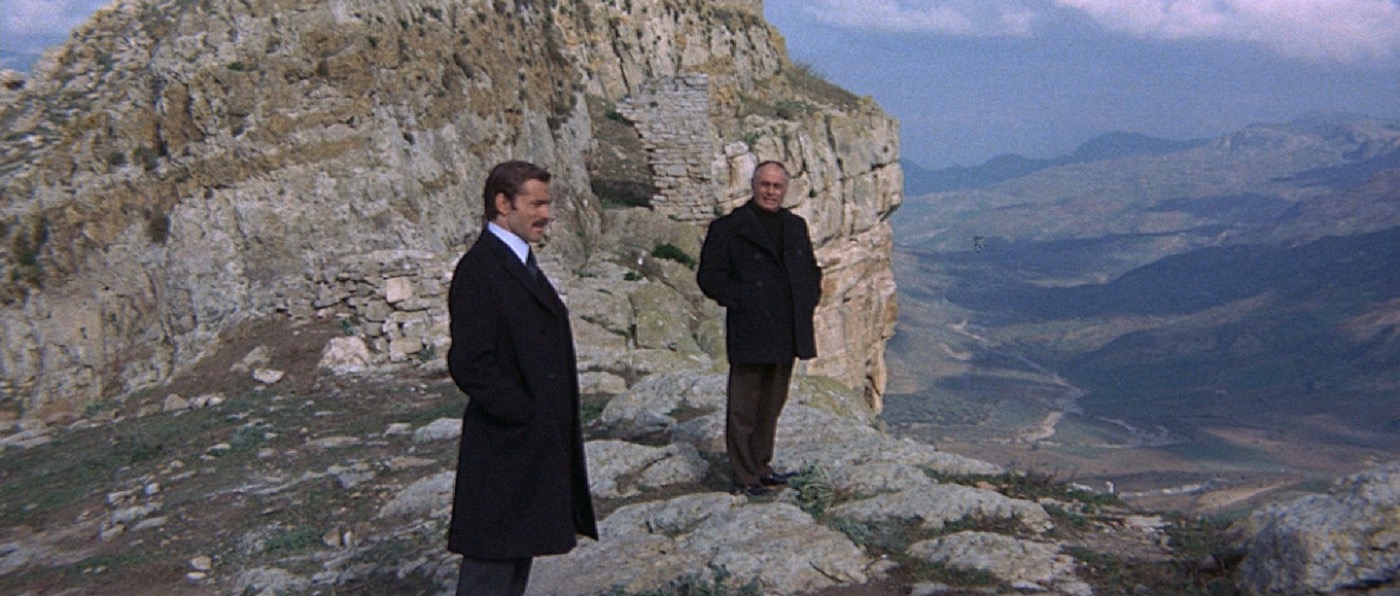
The details are reworked for dramatic purposes: Placido Rizzotto becomes Giampaolo Rizzo (Giancarlo Prete). We see his tale of tragic heroism through a flashback during a key scene shot on the clifftops of Rocca Busambra in Corleone, near Palermo—the site where Rizzotto’s remains were eventually found in 2009. That was 60 years after his death and nearly 30 years after the scene was filmed.
The clifftop scene is an outstanding piece of cinema. It was reportedly shot in three continuous takes from different angles to capture a rhythm of dialogue that, in a lesser film, would have been a cliché punch-up. Here, the punches are linguistic, and the action is conveyed through posture and nuanced delivery.
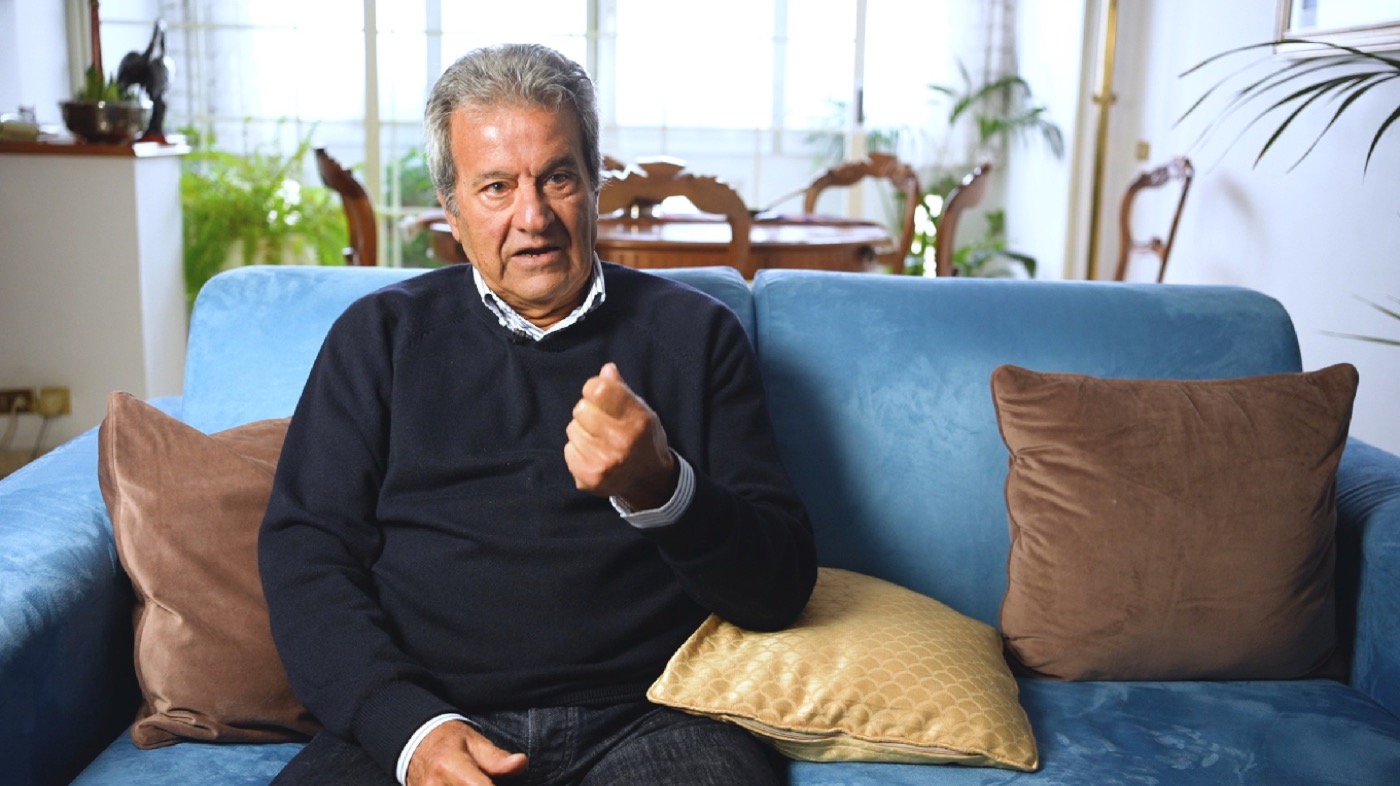
In the disc’s bonus material, editor Antonio Siciliano discusses how he subtly adjusted the rhythm by excising just a few frames—a technique usually associated with Hong Kong action choreography. It’s surprising how much leeway Damiani, a notoriously controlling auteur, granted Siciliano. He allowed structural changes to Salvatore Laurani’s screenplay, reordering scenes and even editing the finale for three different outcomes.
Damiani wanted one ending and Laurani another; Siciliano was asked to edit both. Instead, he invented a third alternative—the powerfully understated conclusion that remains in the final cut. That finale is open to interpretation, but for me, it implies that while the system appeared irreparable at the time, small changes made by principled individuals can initiate the slow process of reform.
Interestingly, while Italy was a founding nation of the European Union (EU) in 1949, the first case brought before the European Court of Human Rights (ECHR) against the Italian state didn’t occur until 1980. That ruling finally favoured an individual plaintiff, overturning a judgment by the supreme Court of Cassation and signalling the very change Damiani’s film hoped for.
ITALY | 1971 | 101 MINUTES | 2.35:1 | COLOUR | ITALIAN • ENGLISH



director: Damiano Damiani.
writers: Damiano Damiani & Salvatore Laurani (story by Damiano Damiani & Fulvio Gicca Palli).
starring: Franco Nero, Martin Balsam, Marilù Tolo, Claudio Gora, Arturo Dominici, Michele Gammino, Luciano Lorcas, Giancarlo Prete & Adolfo Lastretti.