THE HANDMAIDEN (2016)
In 1930s Korea, a girl is hired as a handmaiden to a Japanese heiress, but the maid is secretly a thief recruited to steal her fortune.

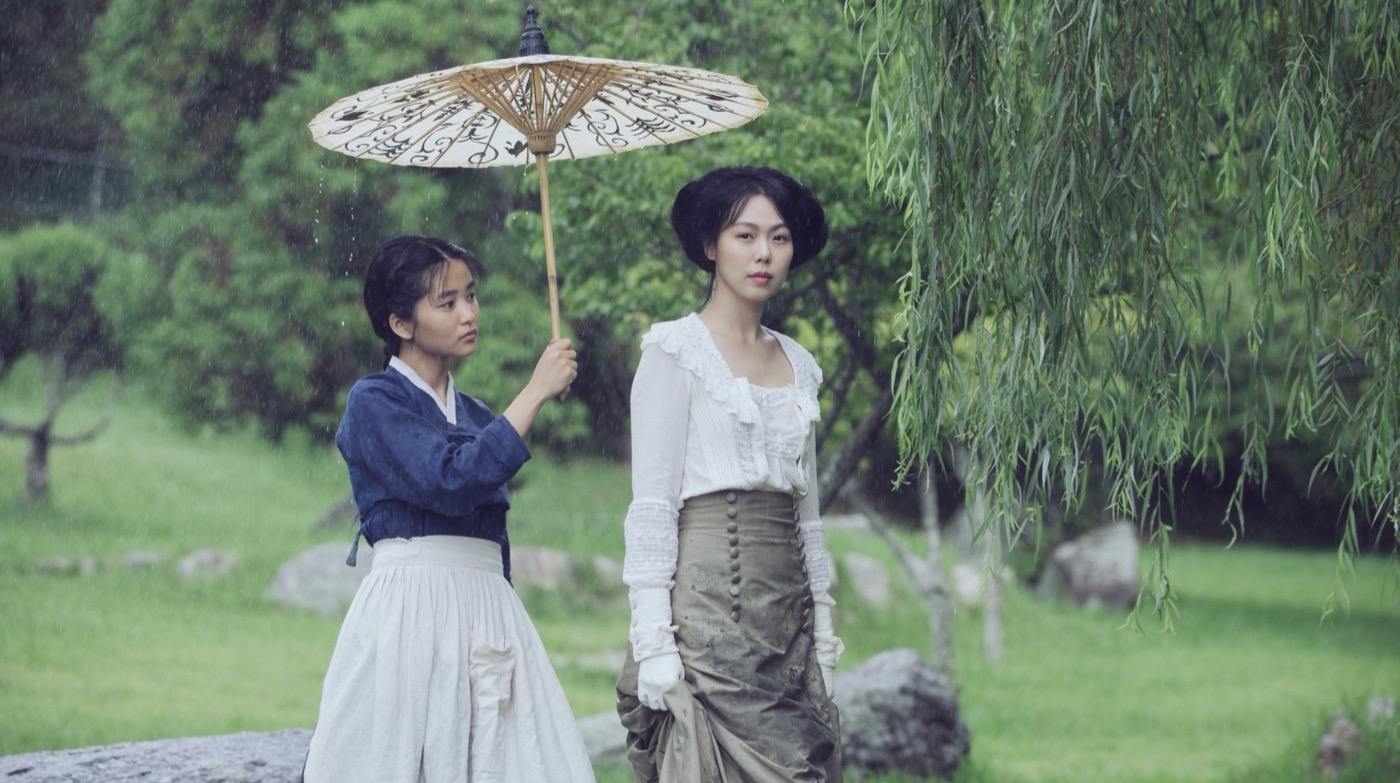

In 1930s Korea, a girl is hired as a handmaiden to a Japanese heiress, but the maid is secretly a thief recruited to steal her fortune.
It’s a great disappointment that Park Chan-wook, one of the most acclaimed South Korean directors of the 21st-century, leaves such long gaps between entries in his filmography. His 2016 feature The Handmaiden / 아가씨 has already reached its 10-year anniversary, yet the director has helmed just two films since. But when you sit down to watch them, that laborious wait becomes increasingly understandable. He is a uniquely attentive visual stylist, moving the camera so seamlessly that you almost forget how technically impressive each movement is. In his most recent projects, Decision to Leave (2022) and No Other Choice (2025), his creativity even outdoes his precision, featuring shots that only he could have conceived.
The Handmaiden, by contrast, is more measured, though no less impressive. Whereas the director’s latest works feel as though each scene is competing to outdo the last, The Handmaiden doesn’t let the story’s twists upend its visual cohesion, or vice versa. Adapted from Sarah Waters’ 2002 novel Fingersmith, the film transplants the book’s British setting to 1930s South Korea, which was then under Japanese rule. One persistent through line between both works is their role as psychological thrillers exploring lust through multiple lenses. This passion is at its most authentic between Izumi Hideko (Kim Min-hee), a reclusive, depressive Japanese heiress, and Nam Sook-hee (Kim Tae-ri), her new maid.
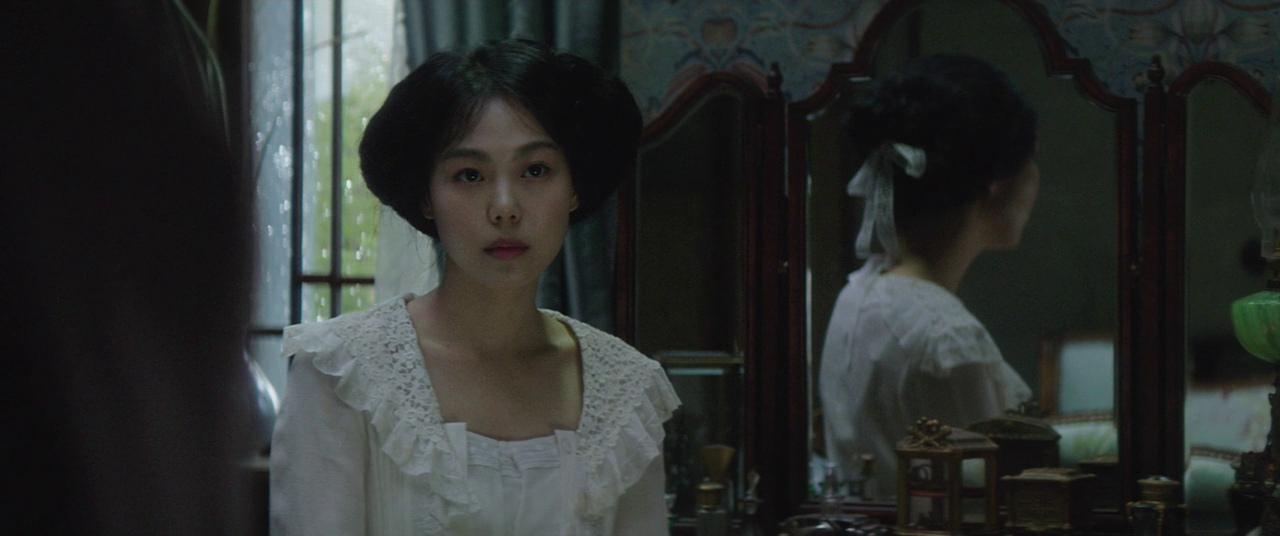
But Sook-hee is no mere handmaiden. That is just her cover story; she is actually a lifelong con artist and swindler, raised in the trade by her family. She is embarking on her most ambitious job yet: encouraging Hideko to marry another con artist, known as the Count (Ha Jung-woo), so he can lock the unhappy woman away in an asylum and acquire her fortune. Sook-hee, of course, will receive a bountiful cut. As she dutifully dresses and undresses the waif-like heiress each day, she isn’t just envying the gorgeous gowns and jewellery she handles; she is wearing them in her mind, preparing for the moment she can consummate her desires.
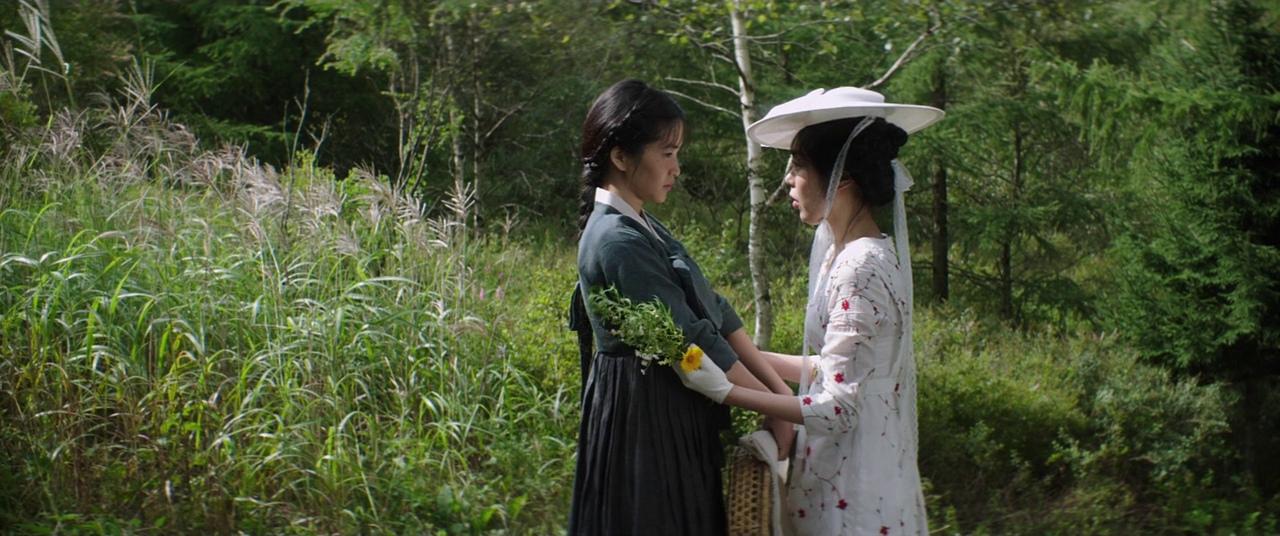
But even stronger desires are silently begging to be consummated as Hideko and Sook-hee slowly fall for one another. It would seem that lust cannot be complicated by deception, whether in the Count pretending to be enamoured with Hideko, or Sook-hee finding herself speechless in the presence of her lady’s beauty while planning to have her committed. Much has been made in cinema of the ways we lie to ourselves, but The Handmaiden is striking because its deceptions are always external. Sook-hee and the Count do not pretend for a moment that they are good people.
The Count is simply a businessman, eager to deliver on his fake promises to Hideko and the earnest ones he tells himself. He is efficient and impersonal, not sadistic. But Sook-hee genuinely pities her employer, allured by her beauty and recognising that her spirit is that of a beautiful bird trapped in a gilded cage. The decadence around Hideko is its own form of decay; the pretty adornments that provide a sliver of escapism from her miserable existence are just another aspect of her prison. Beauty, and its convergence with femininity, is but one of many tools used to trap her. As if that weren’t haunting enough, her room overlooks a giant cherry tree from which her aunt hanged herself. In the dead of night, with no one to attend to her sorrow but dispassionate employees, does she feel it calling out to her, beckoning her closer?
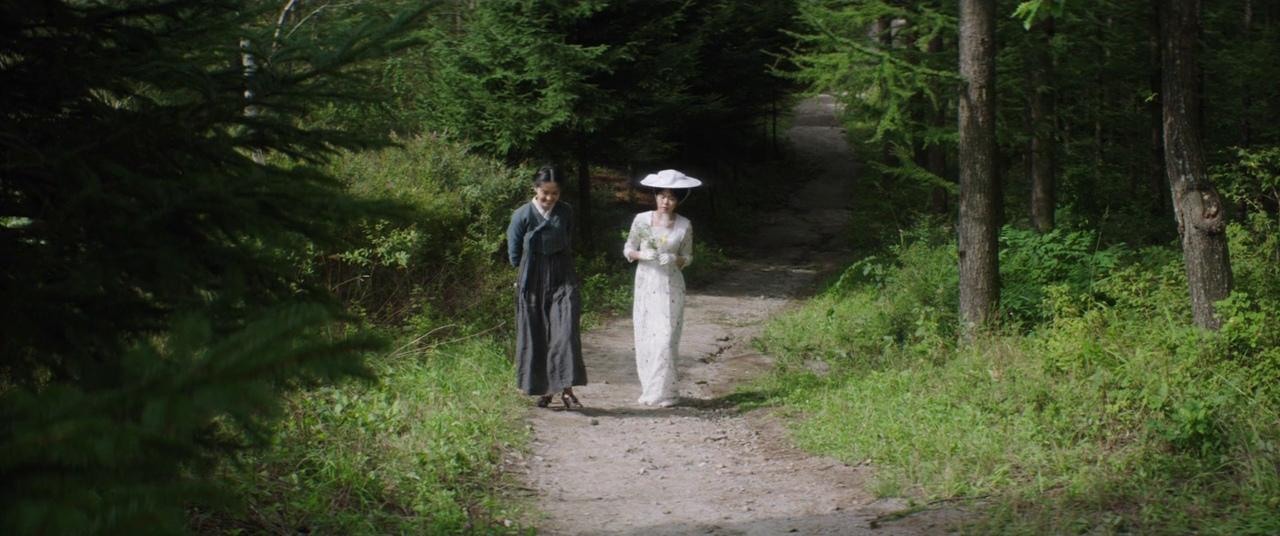
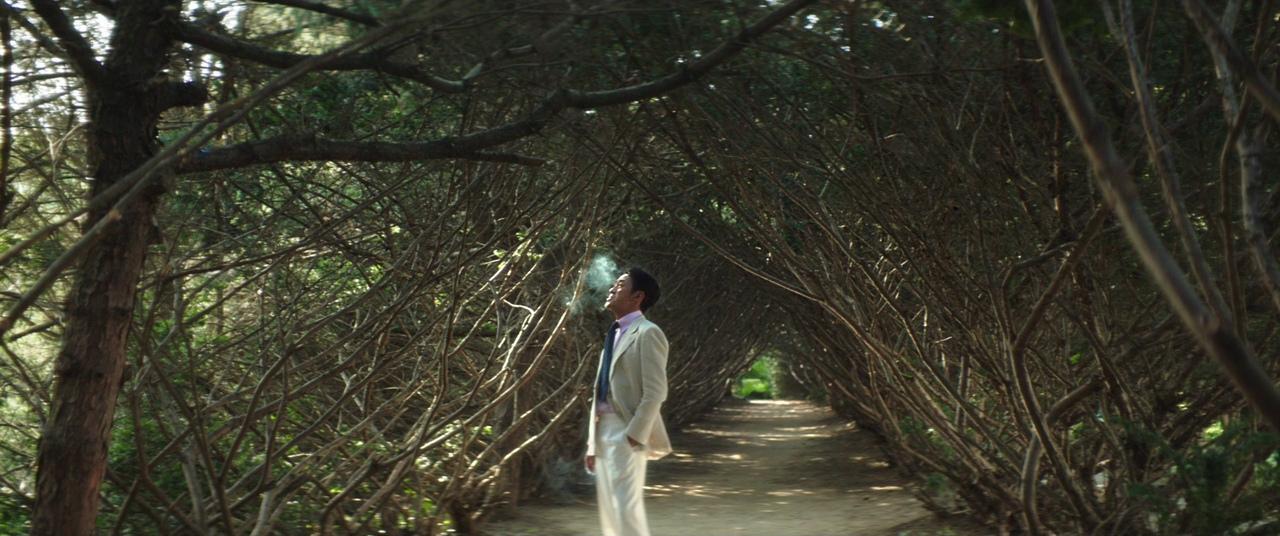
And what of Kouzuki (Cho Jin-woong), Hideko’s strange, sadistic uncle, who lurks in the periphery of her life while simultaneously dominating it? They hardly ever interact, but that doesn’t mean there aren’t secrets tucked away in this grand mansion, in places where Sook-hee cannot follow or intervene. In The Handmaiden, no one is to be trusted. The film begins with deception and refuses to relinquish the motif. Park, who is fond of elegant, ambitious camera movements, sweeps and glides through this palace, which glimmers and sparkles in all its radiant beauty. Cinematographer Chung Chung-hoon, who has worked with Park on almost all his films, produces some of his finest work here; the opulent surroundings and luxurious, deep colours leave a vivid impression.
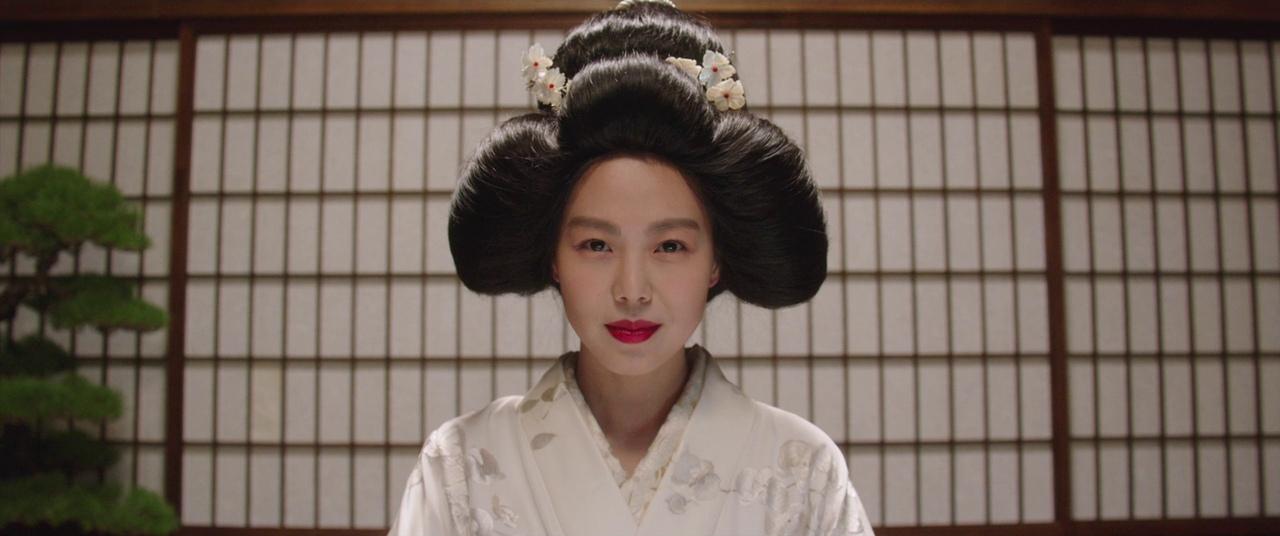
The most impressive technical element, though, is Park’s ability to map camerawork and shot compositions onto the story’s emotional texture. His blocking is immaculate. Space is utilised superbly, whether to create intimacy or to make it seem as though two characters stand at an impossible distance. There is no denying the sultry elements of the story, whether involving material goods or lust, but Park goes a step further by embracing them fully. He holds on a close-up of a facial expression that says more than a soliloquy ever could, or shifts between the characters’ visual perspectives and shots that place them at a distance from us.
These point-of-view shots are uncertain and uncomfortable, putting the audience on edge; it’s no wonder many occur as a character looks directly into the lens, bearing down on their interlocutor. They are little jolts of subjectivity, employed with handheld camera movements whose slight unevenness mimics shaky hands or provides a visual accompaniment to anxious thoughts. Being seen as one truly is remains a paralysing concept, both for the film’s duplicitous figures and its central lovers. Watching fake and authentic love brush up against one another—sometimes contrasted in the very same scene—thrills and titillates as tension continually rises and falls.

Little can be revealed of the plot, since each new discovery is too evocative in spirit and too expertly conveyed visually and sonically to merit spoiling. Composer Jo Yeong-wook’s score, just like the story, is as tense as it is heartfelt, bracing the audience for anticipation throughout the runtime. The beauty of it is that you hardly know what you are anticipating next.
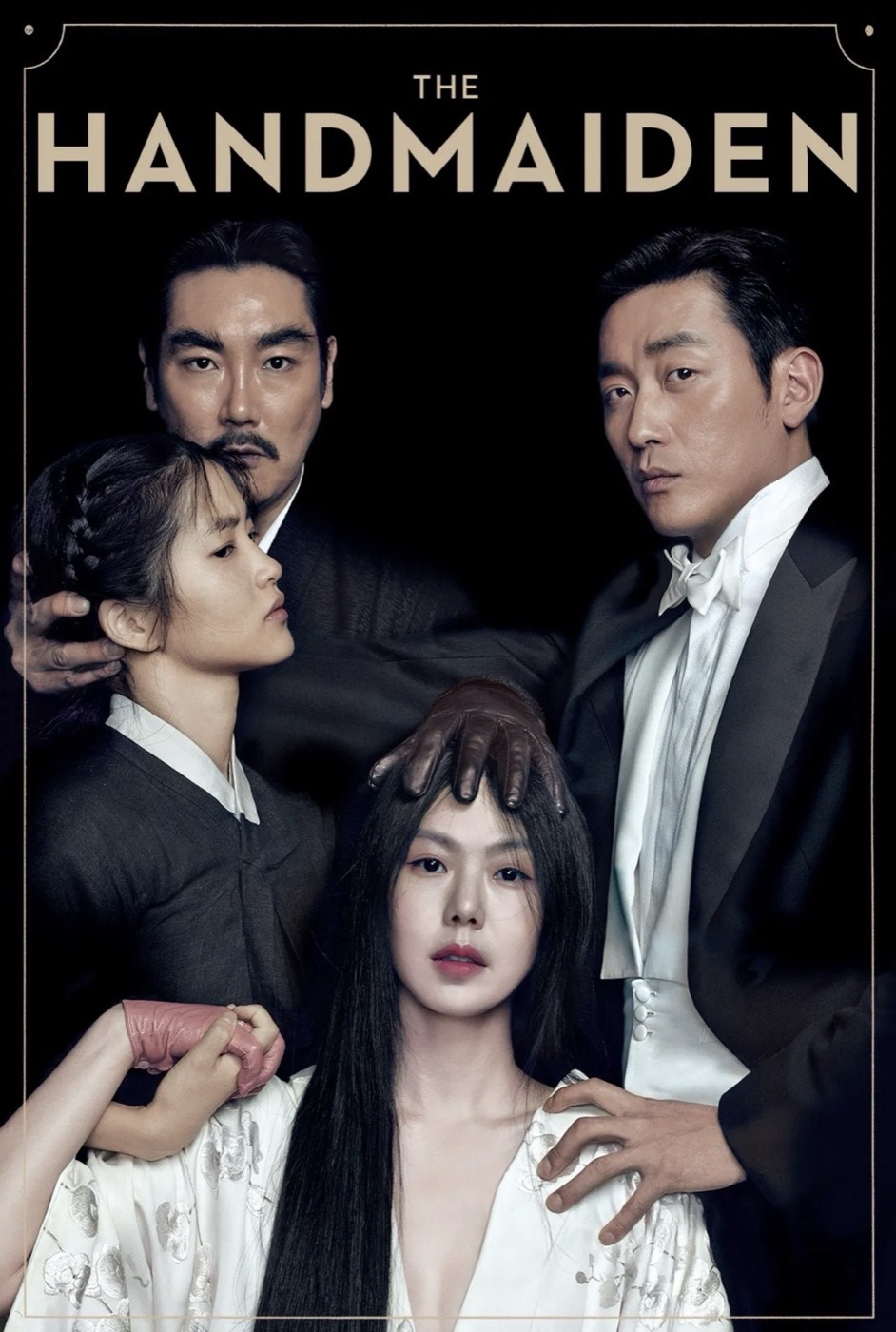
Each of the film’s four leading actors is a marvel, not just for their performances, but for how well-cast they are. Both Kims are striking leading ladies, but for very different reasons that complement their characters and blossoming attraction. Hideko is a ghost of a woman, her emotions lurking behind a placid, beautiful face. When she remarks that she is always cold, it feels as if one knew this long before she uttered the words. You glimpse that coldness in her muted expression, her forlorn eyes, and her corrupted innocence. Sook-hee, by contrast, is a live wire, eager to please in her new role but too spirited to be well-suited to it. Her war of attrition with the Count, often conveyed through unruly expressions while Hideko is present, is frequently amusing.
While there are some narrative retreads, they enhance the emotional palette of the film and deepen its characterisation. Amid the acclaim this film has received from critics and enthusiasts alike, one semi-consistent criticism is the story’s repetition. Not only did this not prove an issue for me, I would have preferred to watch entire sequences of repeated scenes with this new information in mind, recontextualising our understanding of the character dynamics. Instead, The Handmaiden takes an explicitly expository approach, gliding quickly through these scenes, though never as seamlessly as its camerawork does. By honing in on key pieces of information from different plot beats, the film prevents viewers from savouring the multi-faceted nature of these performances.
There is some debate over whether the film is best served by its theatrical or extended cut. The theatrical appears to be the preferred, more mainstream version, but there are moments when the protagonists’ romance, and the deceptions inherent to it, could be fleshed out to deepen our appreciation. Almost all physical media copies offer just the theatrical cut, though interestingly, it was the extended cut that was made available in UK cinemas upon release.
Though I have yet to see the extended version, the strengths of the film, and the fact that it adds just 20 or so minutes to the runtime, suggest either version is a strong candidate for basking in this audio-visual treat. The Handmaiden is a delicate, tremulous psychological thriller, where unfurling one’s true character could mean certain death or the most passionate, and lasting, of liberations.
You just can’t be sure which one will reveal itself, just as the film keeps you on tenterhooks throughout. Well, almost. The Handmaiden’s third act, when it has no more explaining to do, loses some of its lustre, especially when it ceases to commit to the Gothic backdrop that informed the original novel and still holds sway over the film. But it’s a rare film in that its technical mastery never complicates or burdens its emotional palette, which alone is worthy of praise. Luckily, that is just the tip of the iceberg for the various ways in which The Handmaiden excels.
SOUTH KOREA | 2016 | 144 MINUTES (THEATRICAL) • 168 MINUTES (EXTENDED CUT) | 2.35:1 | COLOUR | KOREAN • JAPANESE

director: Park Chan-wook.
writers: Park Chan-wook & Jeong Seo-kyeong (based on the novel ‘Fingersmith’ by Sarah Waters).
starring: Kim Min-hee, Kim Tae-ri, Ha Jung-woo, Cho Jin-woong, Kim Hae-sook, Moon So-ri, Lee Yong-nyeo & Jo Eun-hyung.