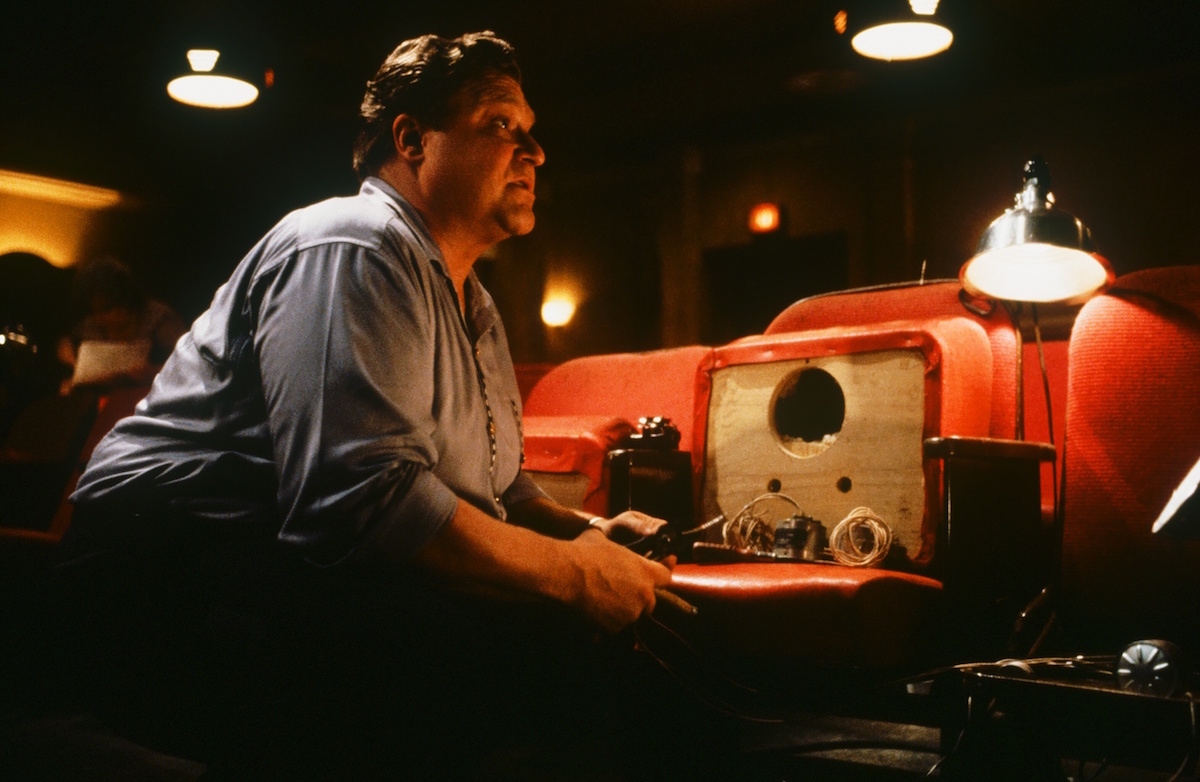
THE ARRIVAL (1996)
An astronomer discovers intelligent alien life, but the aliens are keeping a deadly secret, and will do anything to stop him from learning it.

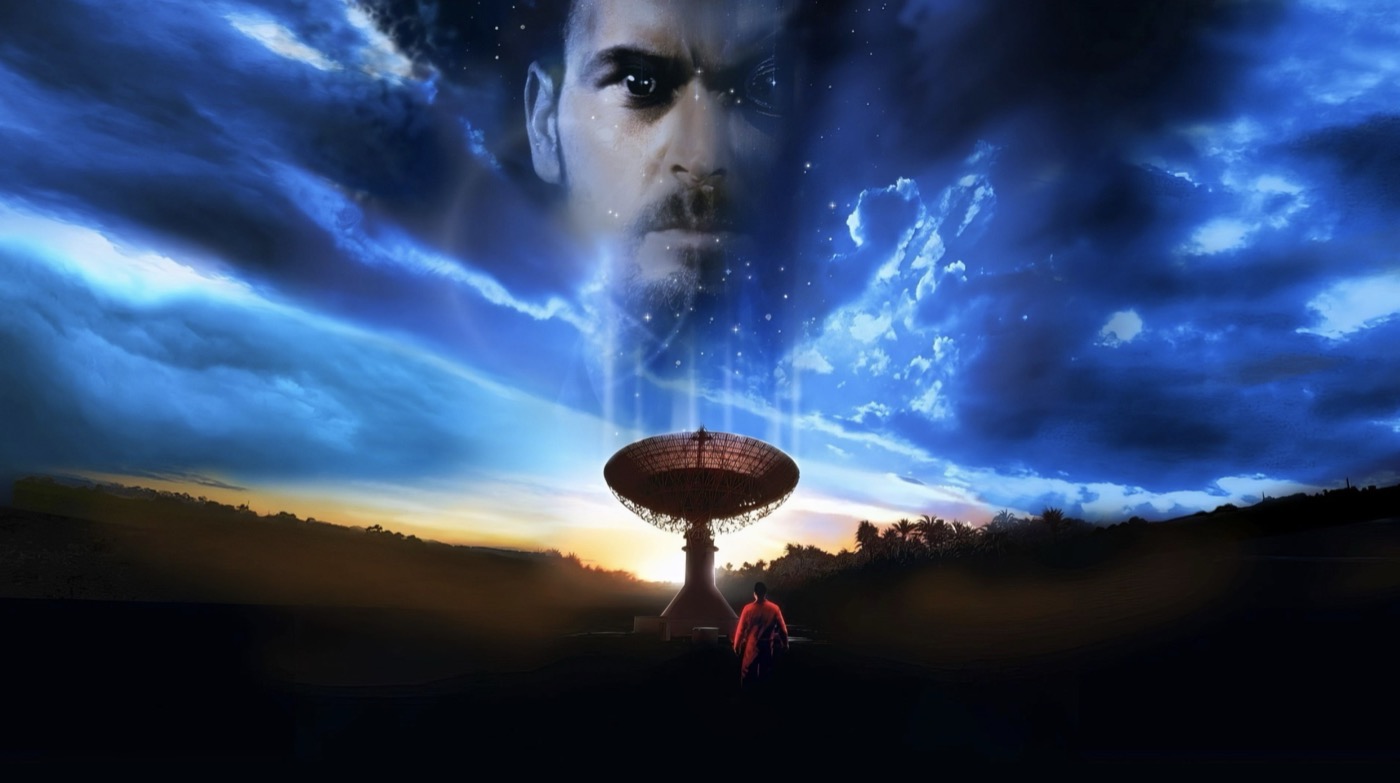

An astronomer discovers intelligent alien life, but the aliens are keeping a deadly secret, and will do anything to stop him from learning it.
When you think of the standard Hollywood alien-invasion blockbuster, films such as Independence Day (1996), War of the Worlds (2005), or Battle: Los Angeles (2011) probably spring to mind. They thrive on spectacle: enormous spacecraft hanging over major cities, explosions tearing through skylines, and humanity either rallying heroically or being obliterated by overwhelming force. There’s nothing inherently wrong with that formula, but it’s become so familiar that it can feel predictable—occasionally even dull.
There are, of course, notable exceptions. Philip Kaufman’s remake of Invasion of the Body Snatchers (1978) remains deeply unsettling decades later. Then there’s The Thing (1982), John Carpenter’s masterful reinterpretation of The Thing from Another World (1951). Both relied on more than impressive effects and grotesque makeup; beneath the horror lay stories of paranoia, mistrust, and the terrifying fragility of identity itself.
Curiously, just one month before the aforementioned Independence Day dominated the global box office, The Arrival slipped quietly into cinemas with very little publicity. Unsurprisingly, it disappeared almost immediately beneath the shadow of Roland Emmerich’s far louder extraterrestrial epic. Released at another time, it might’ve found a much larger audience because, in several respects, it’s the more intelligent and suspenseful film.
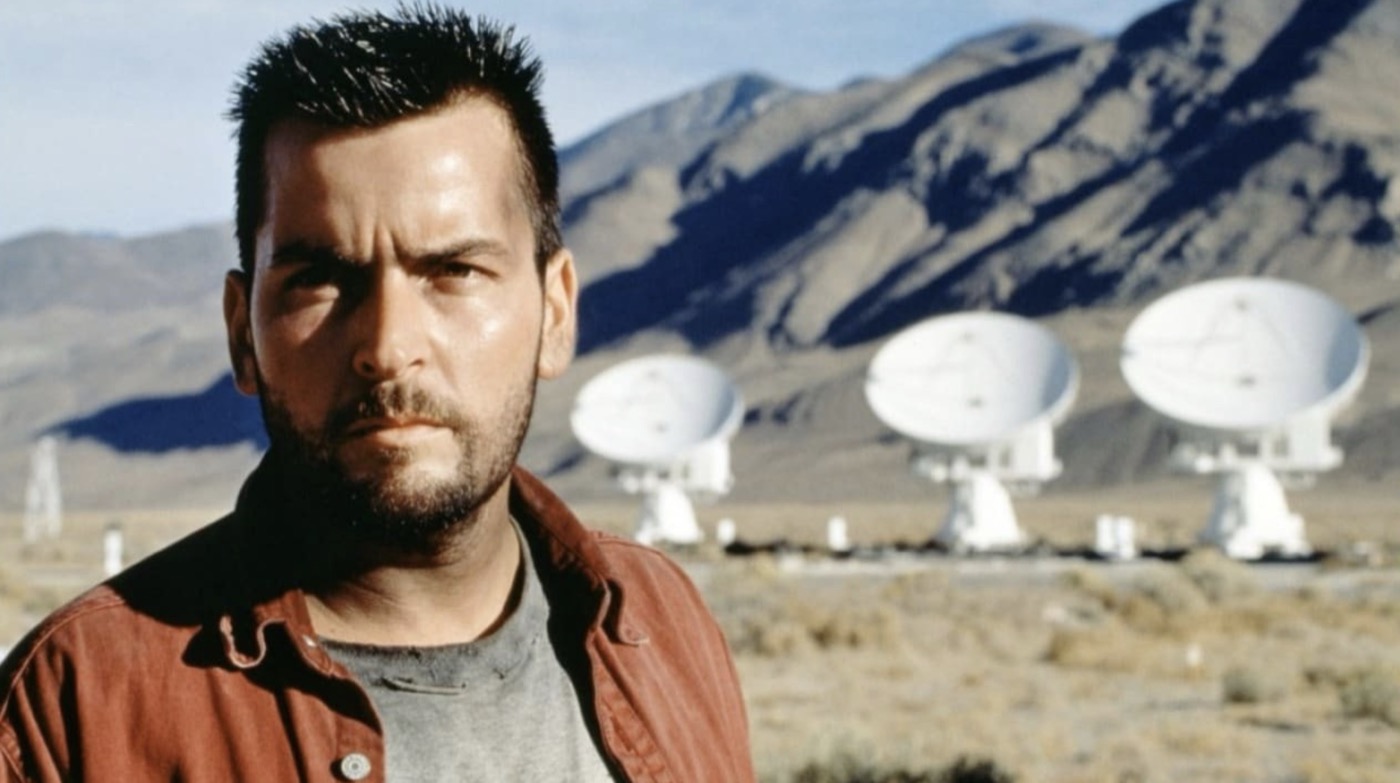
At its core, The Arrival is less an action movie than a conspiracy thriller wrapped in science fiction. Strange climate anomalies begin appearing across the globe, hidden installations lie buried beneath power plants, and something is manipulating events from behind the scenes. Granted, it’s still fundamentally a B-movie starring Charlie Sheen, so expectations should remain appropriately modest.
Writer-director David Twohy had already built a reputation as a screenwriter before stepping behind the camera. He worked on films like Warlock (1989), The Fugitive (1993), and Waterworld (1995)—productions that were often uneven but rarely lacked ambition. He later contributed to G.I. Jane (1997) as well, proving he could move comfortably between genres.
A few years later, Twohy would direct Pitch Black (2000) and continue developing the darker, morally murky style that became associated with The Chronicles of Riddick (2004) franchise. Yet The Arrival feels distinct within his filmography; it’s driven far more by suspicion and unease than by gunfire or spectacle.
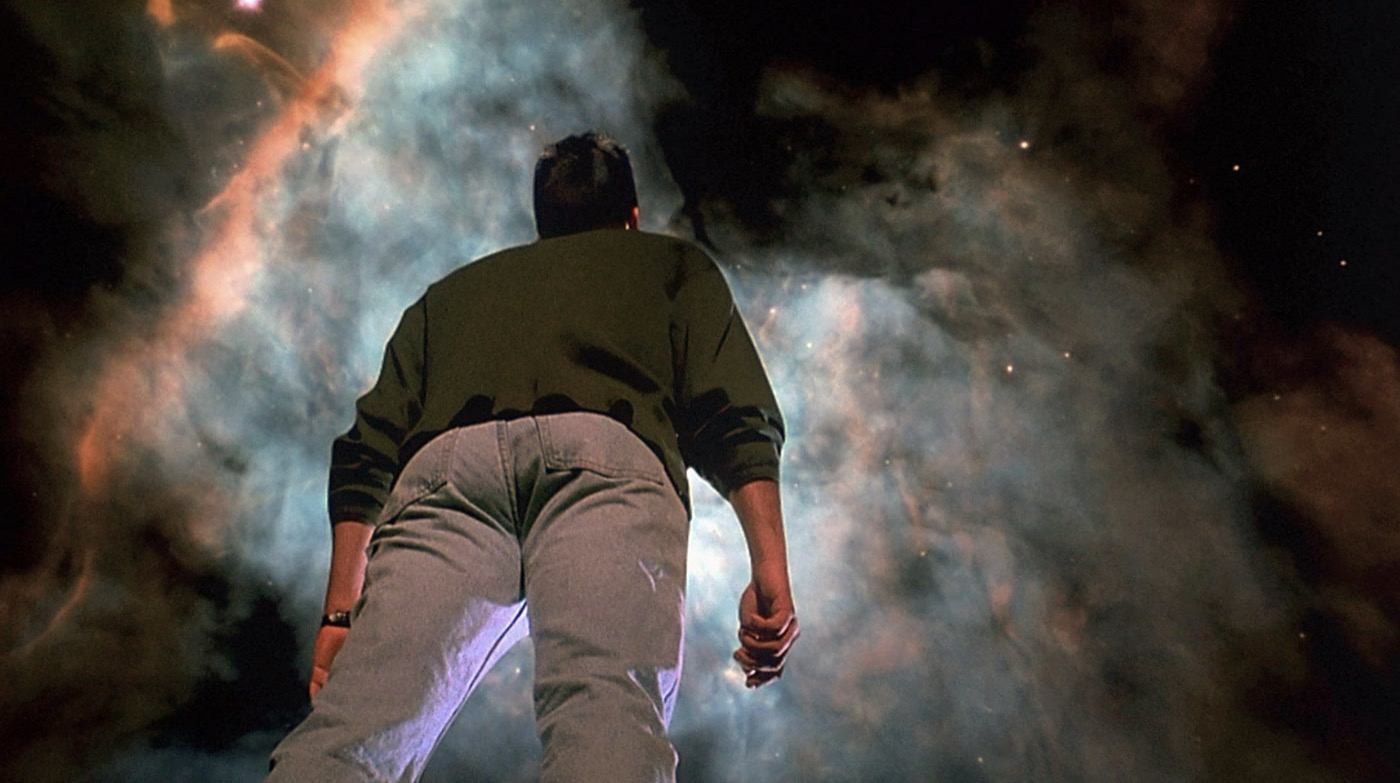
The central concept is genuinely compelling. Rather than invading openly, what if aliens had already infiltrated society and were quietly reshaping Earth to suit their own needs? Twohy imagines extraterrestrials unable to tolerate our atmosphere, forcing them to alter the planet’s climate instead.
That idea remains effective because it trades grand destruction for something subtler and more unnerving. The danger is hidden, gradual, and difficult to detect until the damage is already irreversible. The premise taps into a very human fear: the possibility that catastrophic threats can exist all around us unnoticed.
In the film, Charlie Sheen plays Zane Zaminsky, a SETI astronomer working at NASA’s Jet Propulsion Laboratory. His life revolves around scanning the skies for evidence of intelligent life. Then, one night, he actually discovers something—an unmistakable signal from deep space. Instead of receiving praise, however, he’s abruptly dismissed by his superior, Gordi, played with suitable smarm by Ron Silver. Fired and increasingly suspicious, Zane begins following clues connected to bizarre weather patterns, unexplained incidents, and people who may not be human at all.
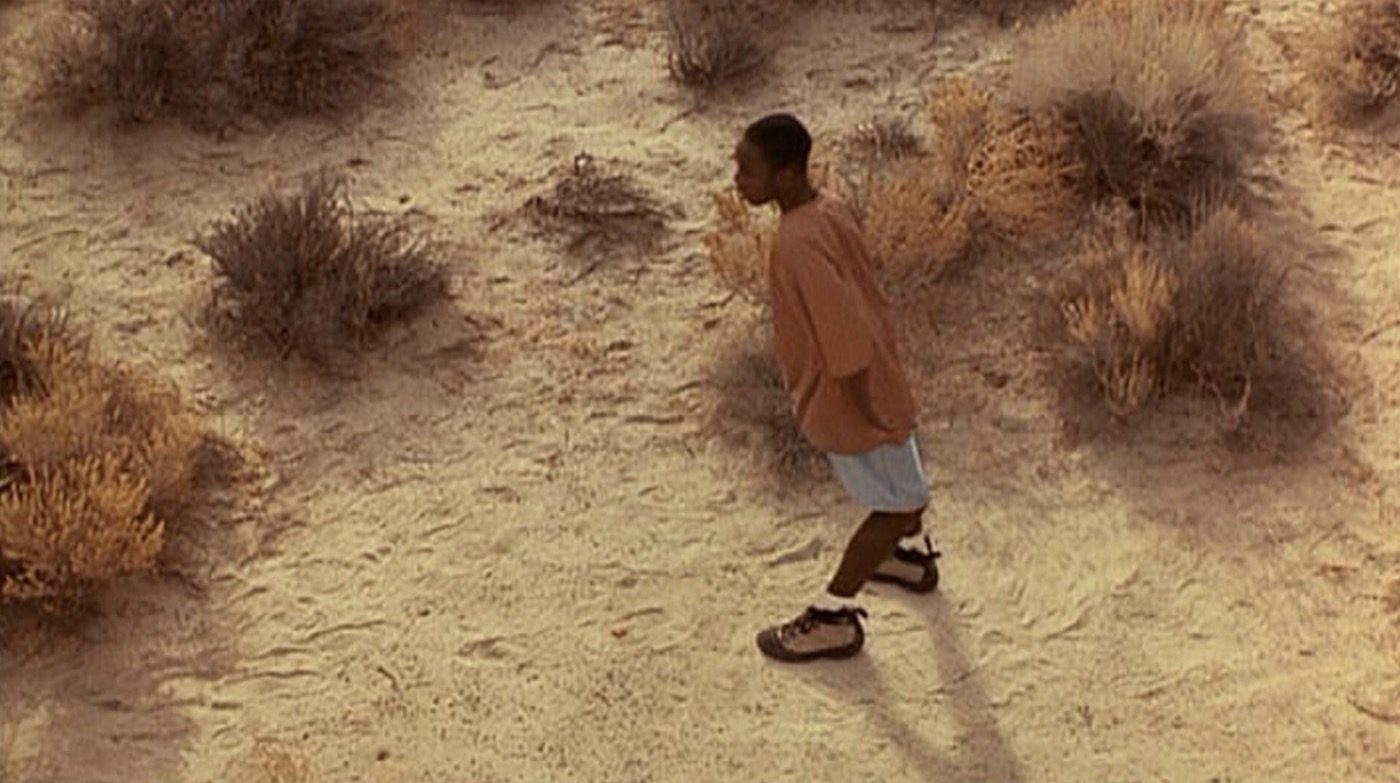
Sheen, whose strengths usually lie in charismatic or comedic roles, never entirely convinces as an obsessive scientist unraveling a worldwide conspiracy. He’s not terrible by any means, but the performance feels slightly misaligned with the character. Rather than a brilliant astronomer, he comes across more like an ordinary man stumbling into extraordinary circumstances. The casting doesn’t sink the movie, though it constantly leaves you imagining how much stronger the role might’ve been in different hands.
Fortunately, the screenplay makes up for that weakness. The conspiracy unfolds gradually and effectively, revealing aliens who are increasing Earth’s temperature to make the environment habitable for themselves. By linking the plot to climate manipulation and industrial pollution, the story gains an added layer of relevance that feels surprisingly contemporary.
The opening sequence captures this idea beautifully: a lush patch of flowers appears to be blooming peacefully until the camera pulls back to reveal that the tiny oasis exists within an otherwise frozen Arctic wasteland.
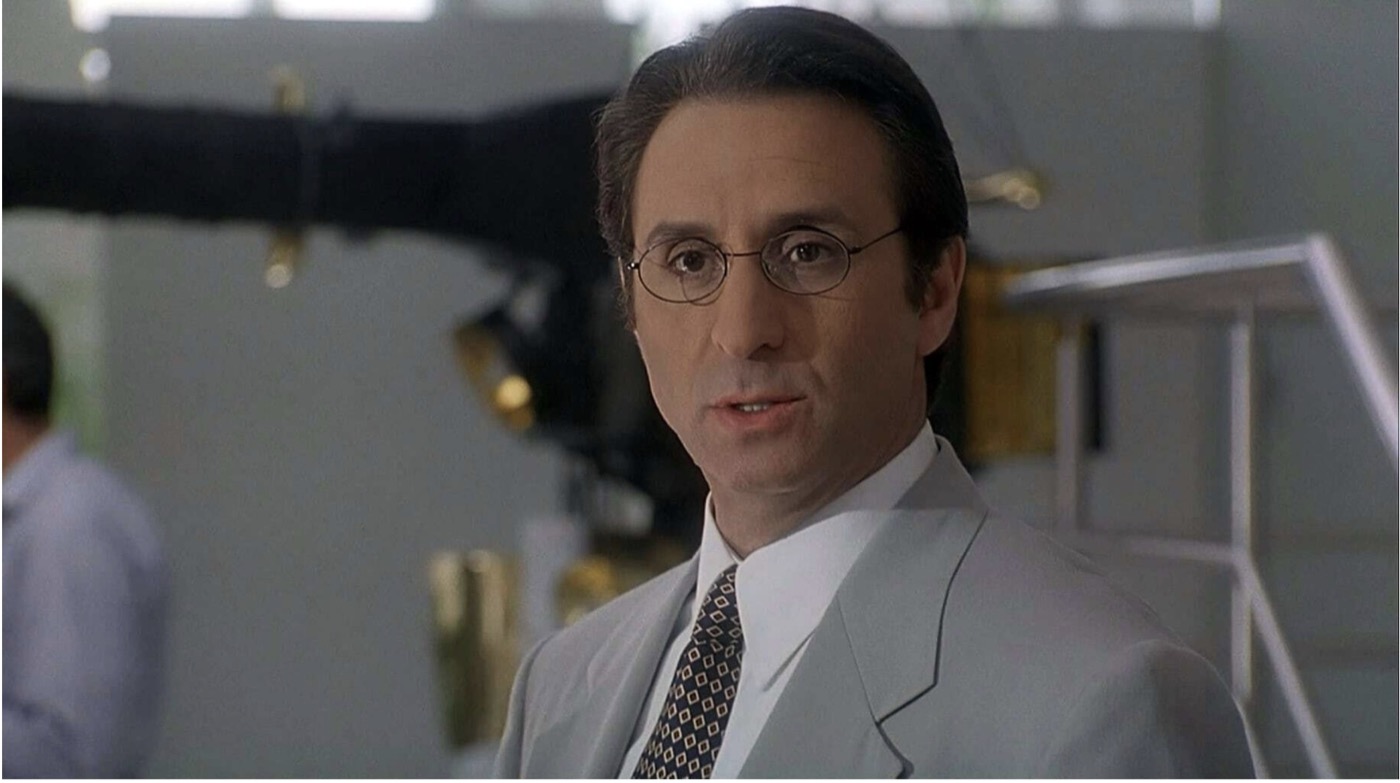
Given its modest budget, the visual effects also hold up reasonably well. They’re undeniably products of the mid-1990s, yet they remain convincing enough to preserve the atmosphere. The aliens themselves are particularly effective because the film uses restraint. Small visual glitches in their disguises, particularly around their knees, create discomfort without over-explaining anything.
One standout moment involves a cornered alien suddenly leaping enormous distances in an attempt to escape. The sequence strongly recalls a scene later featured in Men in Black (1997), and it remarkably achieves a similar impact with far fewer resources. Interestingly, the effects company behind the film, Pacific Data Images, would eventually become part of DreamWorks Animation.
The supporting cast adds a welcome sense of stability. Ron Silver brings the right amount of smug authority to Gordi, while Teri Polo gives Zane’s girlfriend, Char, a grounded warmth that balances the increasingly bizarre plot developments. Lindsay Crouse is also excellent as climate scientist Ilana Green, lending the story a level of credibility and dramatic weight it might otherwise have lacked.

Perhaps one of the film’s strongest qualities is the way it blends science fiction with the structure of a classic paranoia thriller. The aliens are shapeshifters hiding in plain sight, which means even mundane interactions carry an undercurrent of tension. Twohy wisely avoids endless action scenes. Instead, he builds suspense through fragments and details: an awkwardly bent knee, strange black fluid, and subtle behavioural inconsistencies. The mystery unfolds piece by piece, encouraging the audience to share Zane’s growing distrust of everyone around him.
The film also deserves credit for attempting a degree of scientific plausibility. Zane’s work decoding radio signals gives the story at least a superficial grounding in real-world astronomy. Given the thematic focus on a scientifically based search for extraterrestrials, it’s hard not to compare this to Robert Zemeckis’s Contact (1997), which arrived just a year later.
Under closer scrutiny, however, these two films couldn’t be more different. The Jodie Foster-starring epic based on Carl Sagan’s novel is far more ambitious in scope and serious in tone, whereas The Arrival operates much closer to the territory of The X-Files (1993-2002).
That said, the movie is far from flawless. Certain sections drag, and some plot developments rely rather heavily on coincidence. Zane frequently seems to discover crucial answers at precisely the right moment. There’s also a streak of intentional silliness running through the film that occasionally pushes scenes towards camp.
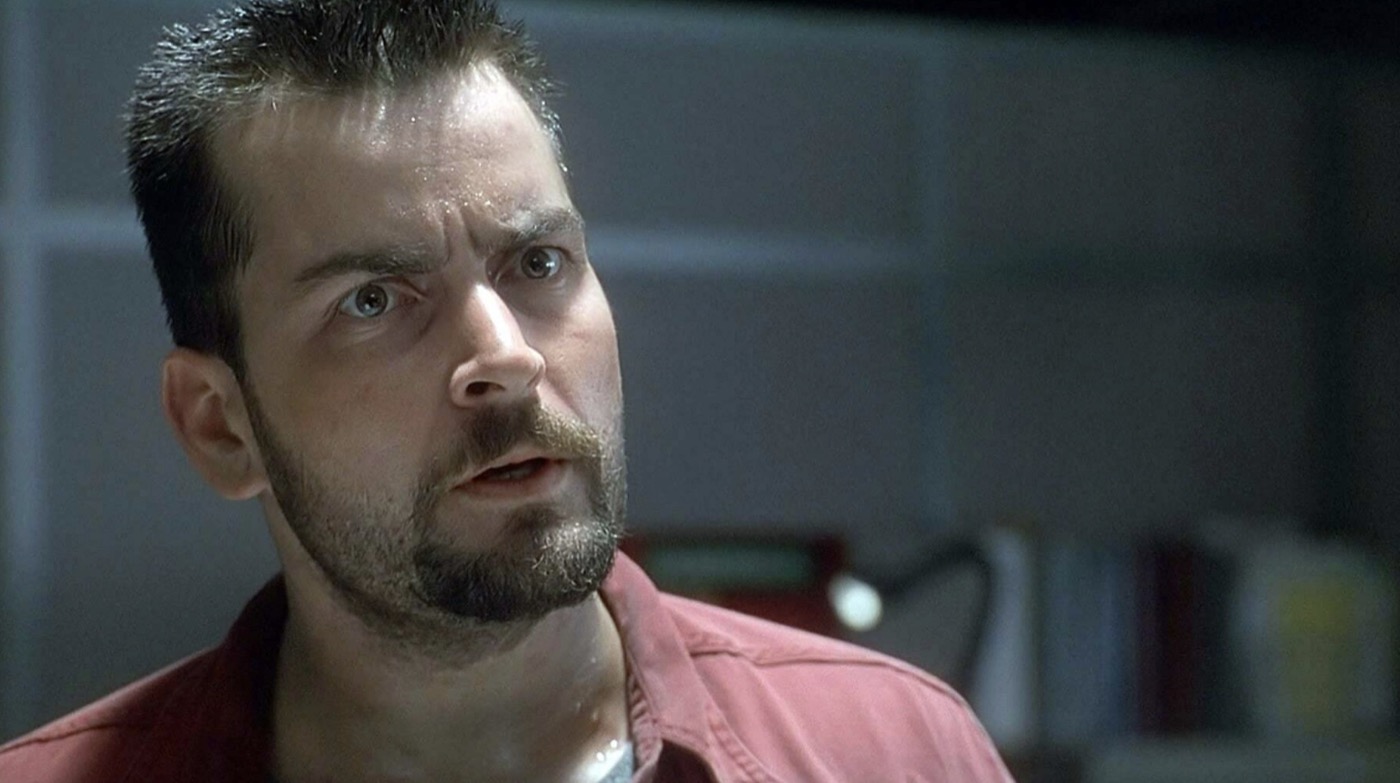
Oddly, that tonal inconsistency sometimes works in its favour. The humour prevents the story from collapsing under the weight of its own conspiratorial paranoia. Even so, the mismatch between Sheen and the role remains difficult to ignore and slightly weakens the otherwise intelligent atmosphere.
Commercially, The Arrival was somewhat lacklustre, earning around $26.4M worldwide against a budget of roughly $26M. Not a disaster, but hardly a triumph either. Critical reception, however, was more encouraging. Many reviewers praised its unusually thoughtful screenplay and slow-burning tension. Roger Ebert even described it as “a science-fiction film of unusual intelligence.”
While it might not be quite that clever, there’s still something undeniably satisfying about the film. Its ideas feel fresher than many alien-invasion stories of the era, the pacing is deliberate rather than lazy, and the themes surrounding environmental collapse and hidden manipulation resonate more strongly today than they did thirty years ago. Importantly, despite the climate-change subtext, the film never feels preachy; it trusts the audience to make the connection themselves.
Ultimately, if you want enormous battles, constant explosions, and wall-to-wall action, this probably isn’t the alien-invasion movie for you. However, if you prefer science fiction built around atmosphere, conspiracy, and a genuinely intriguing premise, The Arrival is well worth revisiting.
MEXICO • USA | 1996 | 115 MINUTES | 1.85:1 | COLOUR | ENGLISH SPANISH

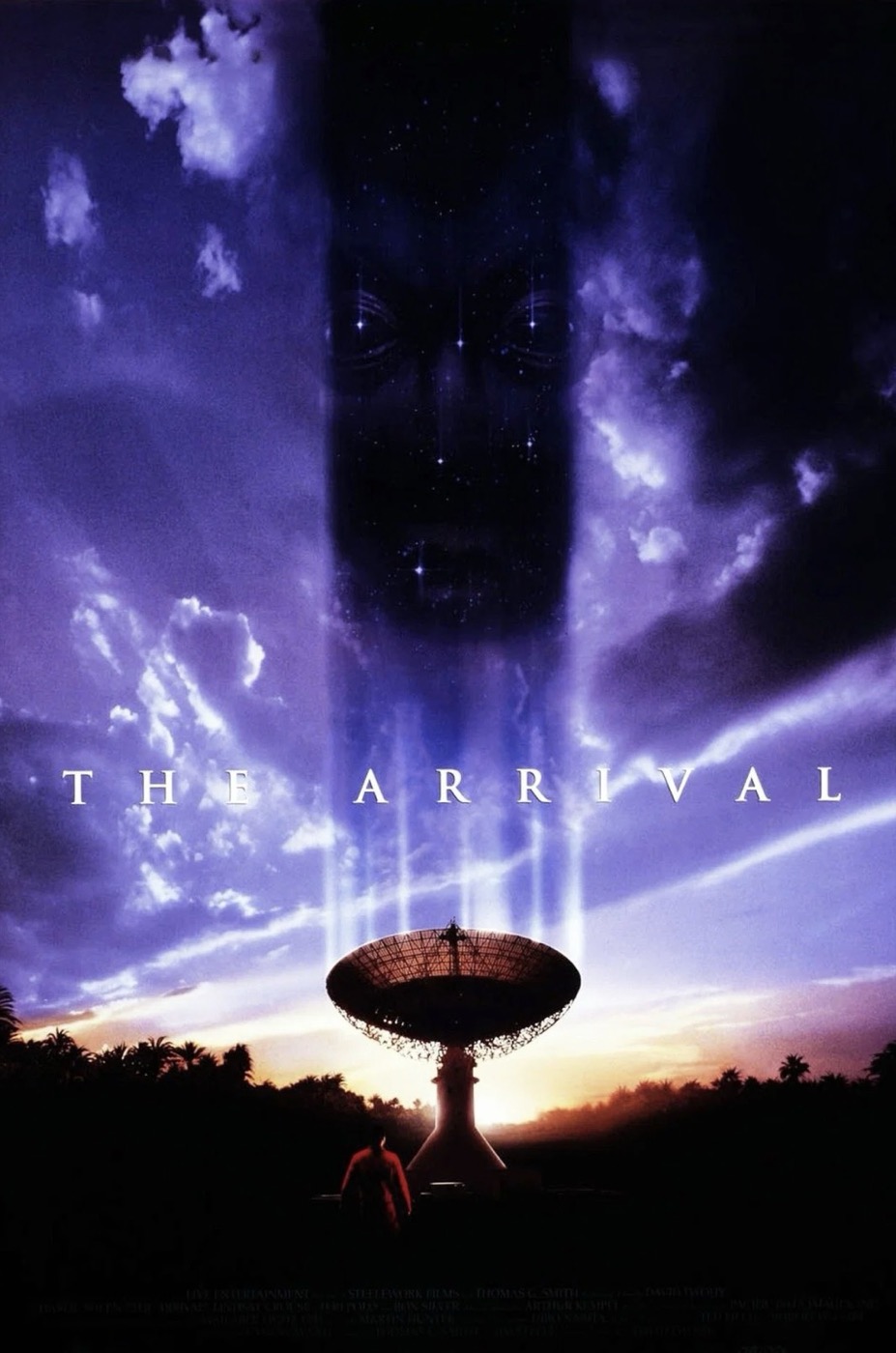
writer & director: David Twohy.
starring: Charlie Sheen, Lindsay Crouse, Teri Polo, Richard Schiff & Ron Silver.