MAYDAY (2026)
When a US Navy pilot on a top-secret mission during the Cold War gets trapped behind enemy lines, his only chance at survival is to form an alliance with an eccentric ex-KGB agent.


When a US Navy pilot on a top-secret mission during the Cold War gets trapped behind enemy lines, his only chance at survival is to form an alliance with an eccentric ex-KGB agent.
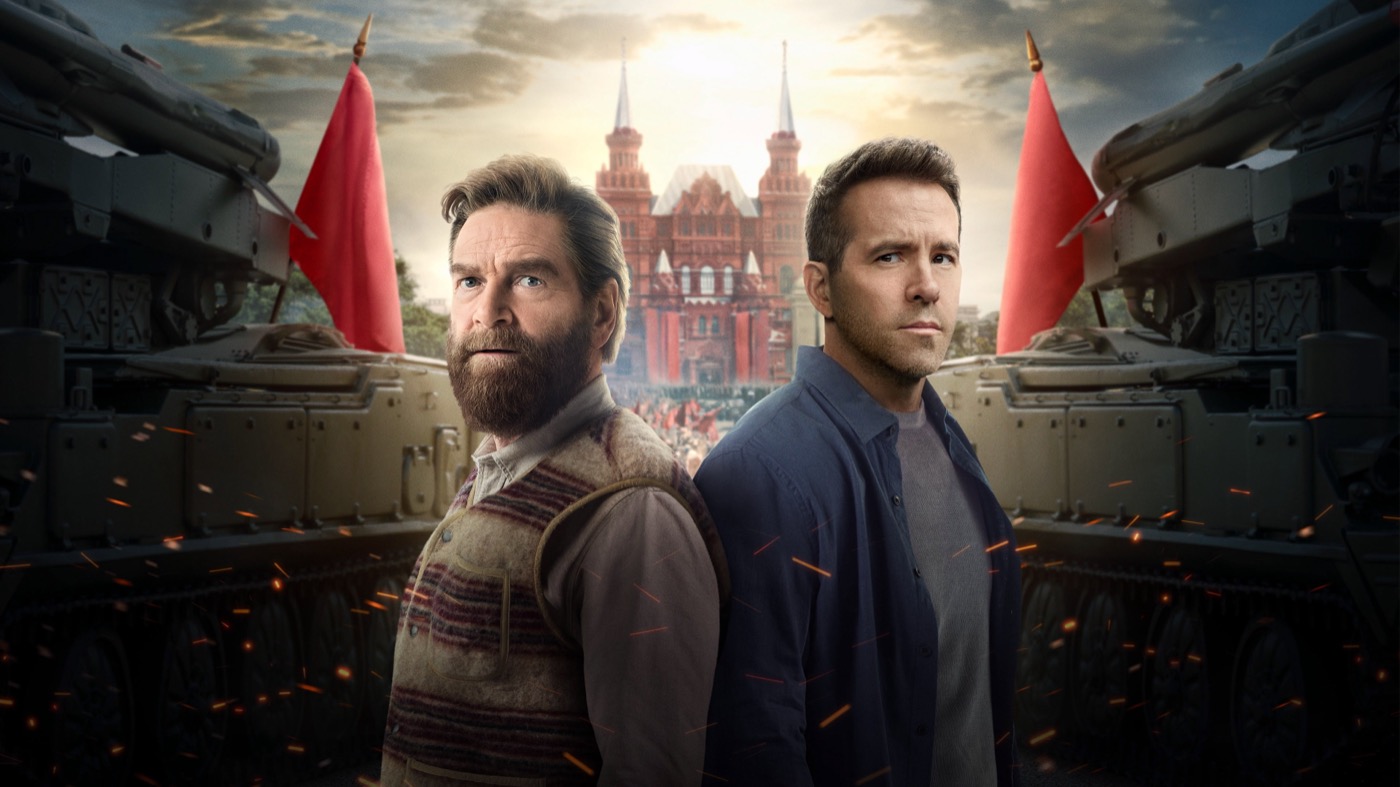
It’s 1987, four decades years into the Cold War. US Navy Lieutenant Troy “Assassin” Kelly (Ryan Reynolds) proves his worth when he saves a colleague struggling to land on an aircraft carrier. A dedicated pilot, Kelly’s asked to fly a Lockheed SR-71 Blackbird over Russia as part of a two-man reconnaissance mission.
He carries out the flight until he’s intercepted and forced to eject above the snowy wastes. Waking up in the home of retired KGB officer Nikolai “Nick” Ustinov (Kenneth Branagh)—a fan of American popular culture excited by the prospect of meeting a real Yank—Kelly must soon form an uneasy alliance with his host. When Troy makes a dash for the wreckage, both men find themselves pursued by KGB manhunter Alexander Volkov (Marcin Dorociński).
Mayday is a Cold War spy comedy starring Ryan Reynolds and Kenneth Branagh—a concept reminiscent of John Landis’s Spies Like Us (1985), starring Dan Aykroyd and Chevy Chase. It’s reasonably entertaining streaming fare. Although framed as a comedy, it often feels more like a B-movie action flick that would’ve come and gone in cinemas during the era in which it’s set.
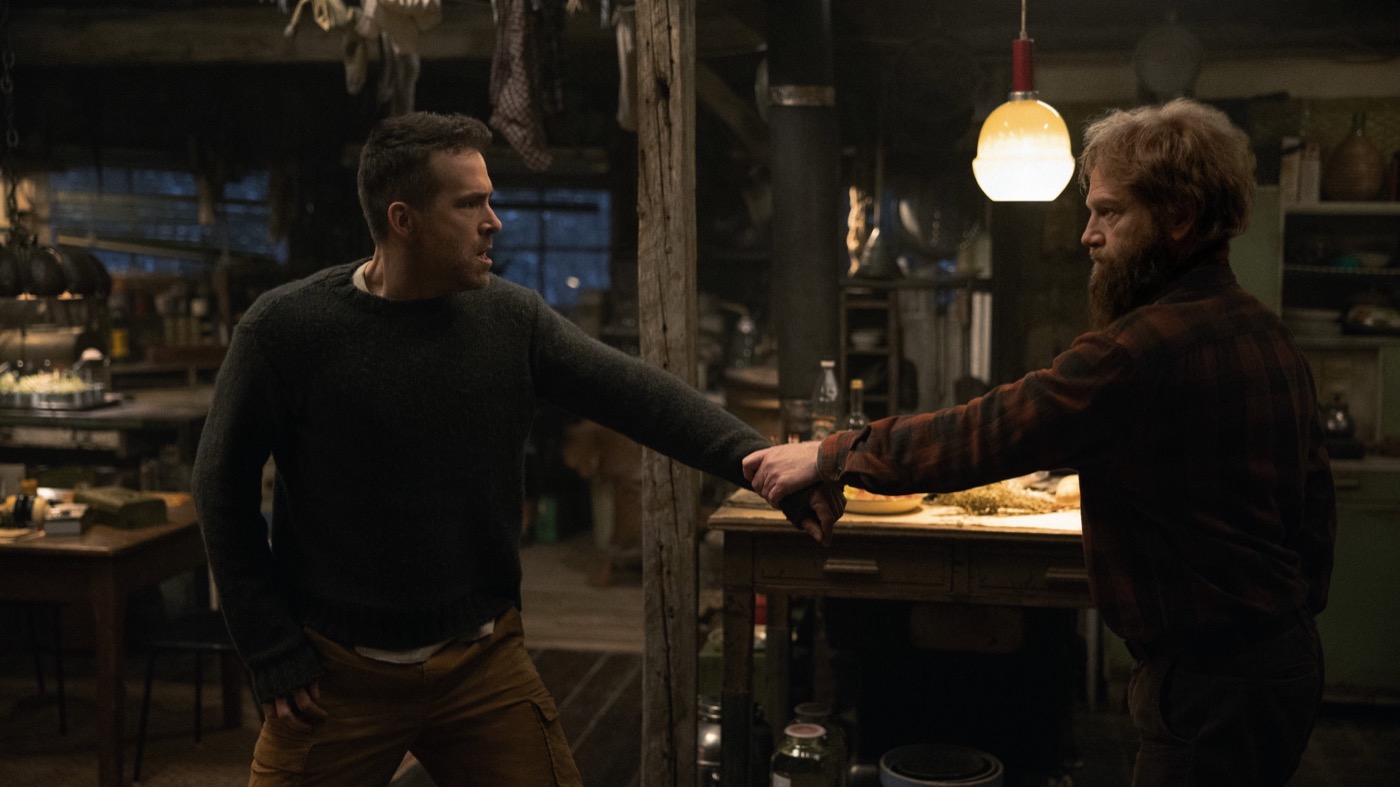
There’s something sweet about its “our enemies aren’t so different from us” narrative, though it’s doubtful this movie would’ve been made if set in, say, Iran, with an American pilot bonding with a local soldier. Or even in Ukraine. Such a setting would’ve been braver and far more satirical, but it simply wouldn’t have been greenlit. As it stands, it plays closer to a buddy comedy. Some scenes even edge into screwball territory, including a sequence with a high-ranking Russian and his escort that wouldn’t feel out of place in an Ealing comedy like The Ladykillers (1955) or Kind Hearts and Coronets (1949).
The film perks up considerably as it goes along, edging closer to the tone and excitement of a James Bond thriller. Ultimately, its best genre descriptor is probably a “dad movie”. To paraphrase the YouTube channel RedLetterMedia, it’s the sort of film your dad watches in his La-Z-Boy recliner with a coffee and a bag of doughnuts, falls asleep halfway through, and then tells you was really good. It’s also consciously naive in a way that appeals to American audiences, where everything comes right in the end because there are enough good people on “our side” to keep the dream alive.
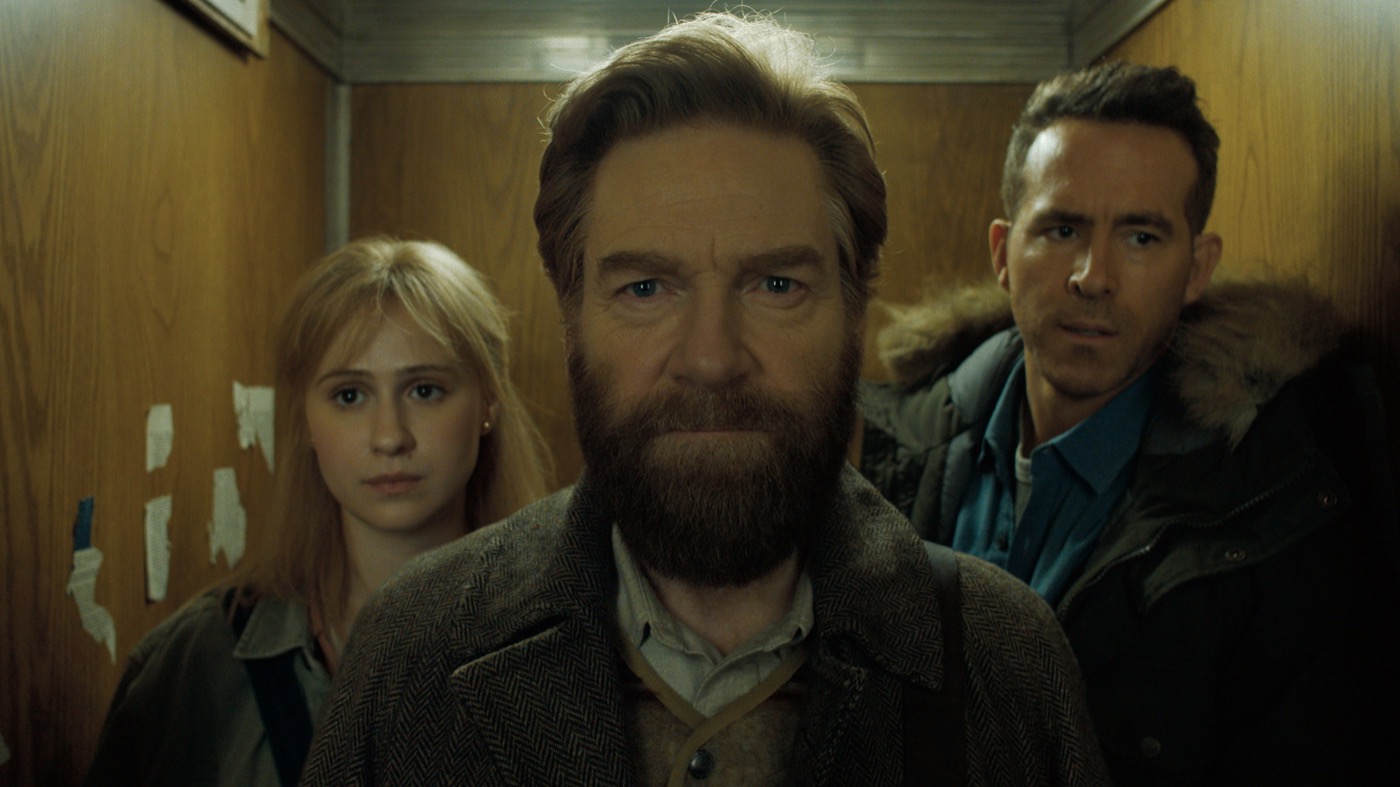
Directing and writing duties are divided equally between John Francis Daley and Jonathan Goldstein. The camera work is highly functional, circling figures during action sequences and shooting from low angles so viewers get a clear view of the choreography on display. Yet there’s a certain blandness to the style, reminiscent of how soap operas are shot to capture maximum conversation coverage for rapid content production.
Perhaps that’s unfair. Daley and Goldstein churn out effective enough material here, and a film like Mayday isn’t designed to linger long in the mind. It’s like a Big Mac—fitting, given that a running thread is Nick’s desire to try McDonald’s, a meal he’s never had but is sure he’d like. (A recent rewatch of Tim Burton’s 2012 Gothic comedy Dark Shadows highlighted a similar theme, where McDonald’s symbolised American modernity—the Golden Arches first viewed by Johnny Depp’s pilgrim vampire in an ancient text, then looming out of the night when he awakes in the 1970s. The burger-and-fries joint will likely always serve as convenient, vulgar shorthand for modern US culture.)
Some early shots of Troy’s flight feel close to a video game, reminiscent of first-person shooters. A lot of the film carries a slick, artificial feel that fails to match the tactile quality of pre-digital celluloid action movies. This brings to mind Quentin Tarantino’s comment that modern films can make you feel as though you’re simply renting a chair for two hours. That sensation would’ve certainly dulled the experience on the big screen, but on television, it’s just about right.
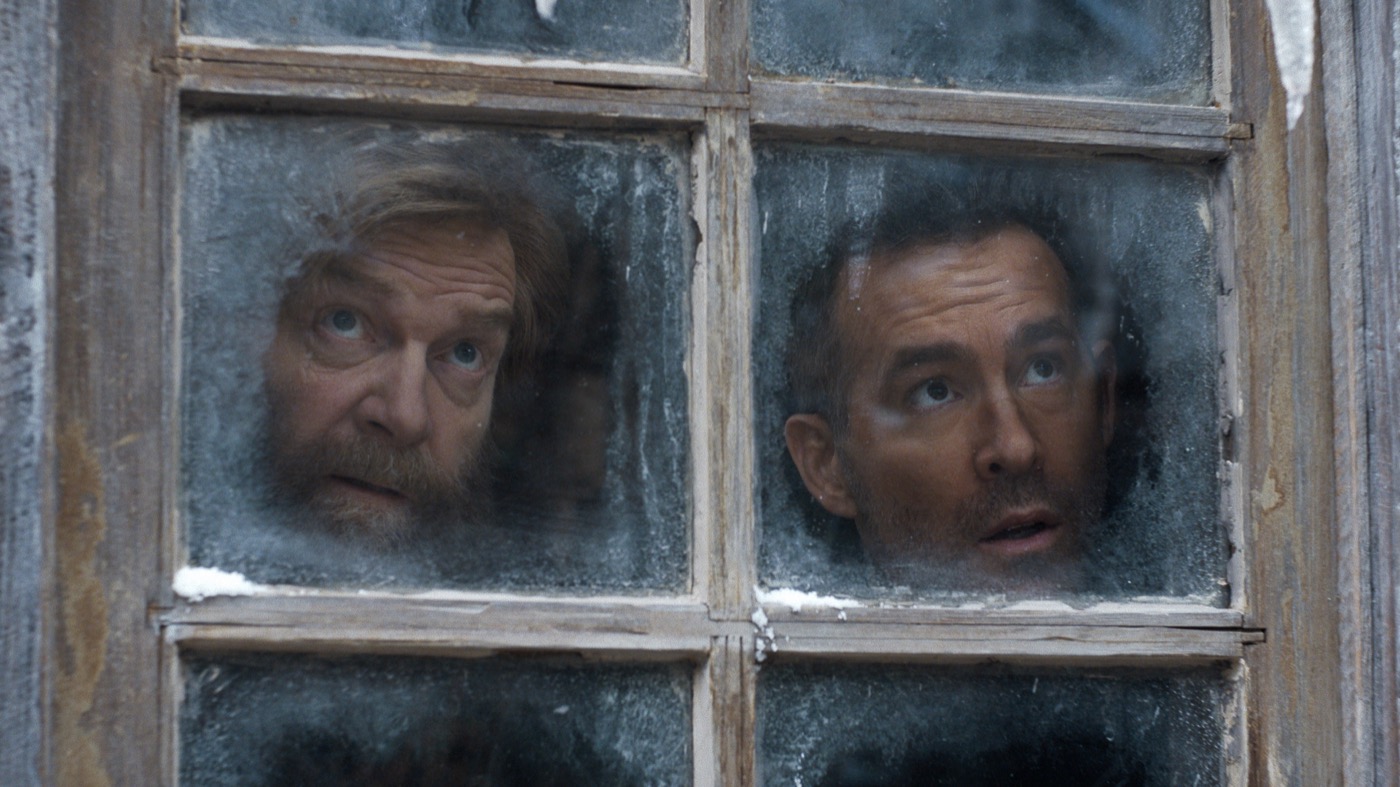
Film critic Mark Kermode posited a spectrum between the televisual and cinematic: local news programmes represent the former extreme, whilst Stanley Kubrick’s 2001: A Space Odyssey (1968) represents the latter. Local news wouldn’t work on a cinema screen; 2001 loses something on the small screen. On that spectrum, Mayday sits centre-left—leaning towards the televisual, though not to the extent that it feels purely like a television film.
The performances by Reynolds and Branagh are serviceable. Their initial dynamic echoes Misery (1990), Rob Reiner’s adaptation of Stephen King’s novel about a writer rescued from a car crash in rural Alaska by his number-one fan, who sets his bones before holding him hostage. It wouldn’t be surprising if Misery served as an inspiration, followed by the Bond film Octopussy (1983). Steven Berkoff’s cod-Russian accent in Octopussy calls to mind Branagh’s delivery—both actors being theatre maestros who bring a hambone charm to their screen roles. Reynolds plays another iteration of the character that built his career: the handsome, doe-eyed, wisecracking Yank. Ultimately, Mayday will pass an evening nicely for anyone looking to relax in their favourite chair with a coffee and doughnut in hand.
USA | 2026 | 110 MINUTES | 2.39:1 | COLOUR | ENGLISH • RUSSIAN

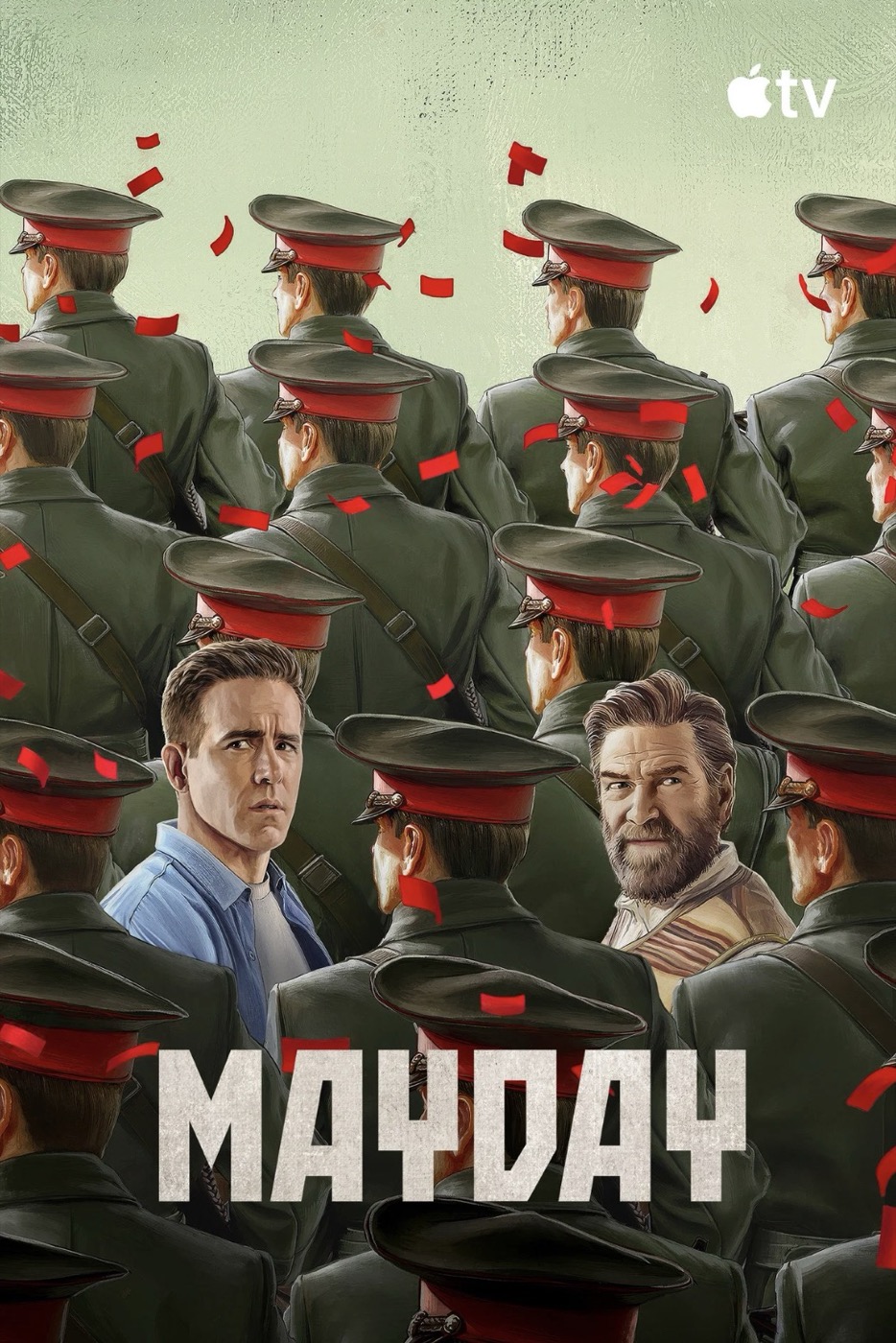
writers & directors: John Francis Daley & Jonathan Goldstein.
starring: Ryan Reynolds, Kenneth Branagh, Marcin Dorociński, Maria Bakalova & David Morse.