THE ROCKETEER (1991)
A young pilot stumbles onto a prototype jetpack that allows him to become a high-flying masked hero.

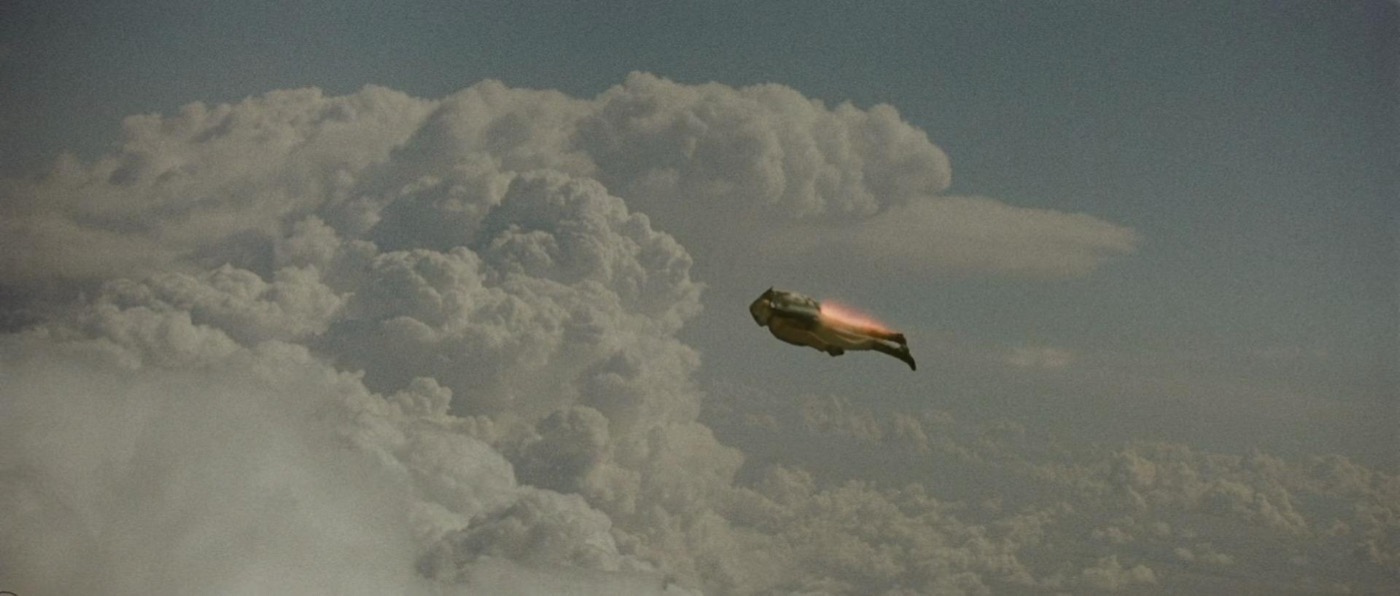

A young pilot stumbles onto a prototype jetpack that allows him to become a high-flying masked hero.
For a long time, if asked what I considered to be the best screen adaptation of a comic book, I’d invariably answer Joe Johnston’s rendering of The Rocketeer, based on the cult graphic series created by Dave Stevens.
Now, after so many massive Marvel and DC blockbusters with budgets touching the billions—including Captain America: The First Avenger (2011) from the same director—I’d probably still say The Rocketeer. It’s an adaptation of the comic, but the film doesn’t follow any single storyline directly. Instead, it blends elements from the comics with substantial new material created specifically for the screenplay, making some significant changes to the characters along the way. Whereas Stevens initially referenced the world of 1930s pulp comics and cinematic serials, the film inserts cameos for real-life Hollywood personalities, places, and events.
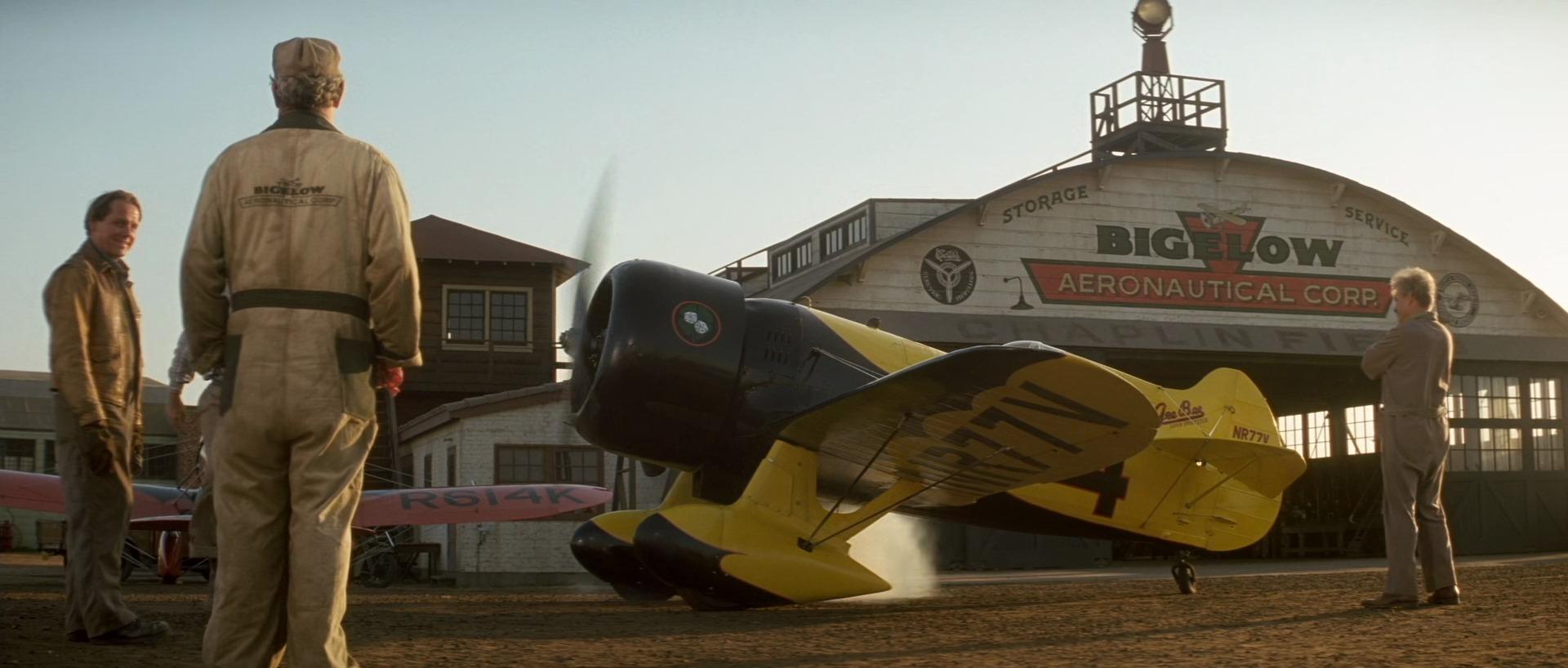
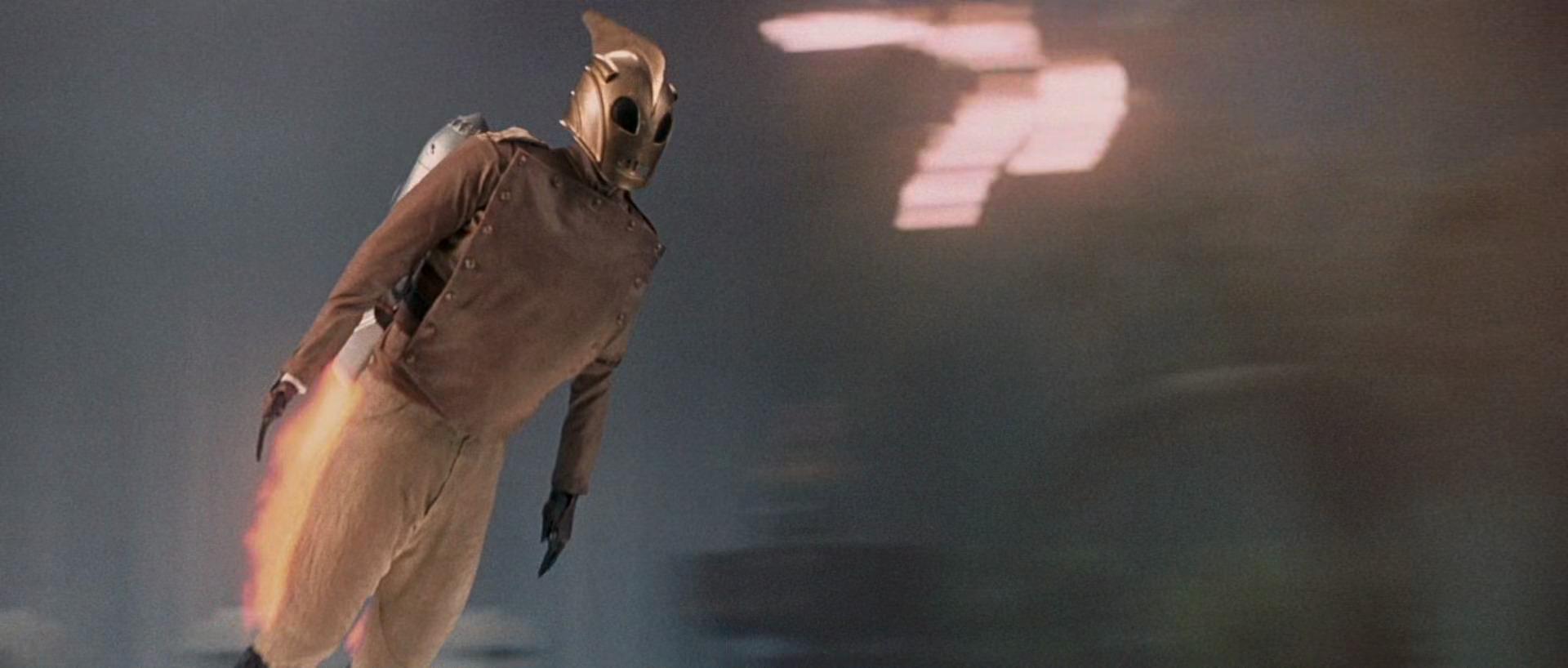
Our protagonist is still Cliff Secord (Billy Campbell), a racing pilot and stunt flyer who has spent years building a high-performance plane with his engineer, Peevey (Alan Arkin), in the hope of competing in ‘The Nationals’. The stubby-winged aircraft they now have is a replica of the Gee Bee Model Z Super Sportster, a real racing plane that won the US National Air Race in 1931 before crashing during an attempt to set a new speed record. Secord’s little plane doesn’t survive its maiden flight, as it gets caught up in an exchange of gunfire between gangsters and federal agents during a car chase that ends explosively at the airfield. It’s a well-designed, spectacular action set piece with a sharp sense of comic timing that sets the Saturday-matinee tone, bolstered by James Horner’s rousing score. Secord later discovers that the stolen device the Feds were trying to recover is an experimental rocket pack designed by none other than Howard Hughes.
In the comics, the inventor of the rocket pack is Doc Savage—the fictional character who provided the template for the comic book superhero, first appearing in 1933, years ahead of Superman and Batman. Doc Savage is a man-of-action polymath: surgeon, scientist, inventor, martial-arts master, and talented musician. He was also a direct inspiration for The Adventures of Buckaroo Banzai Across the 8th Dimension (1984).
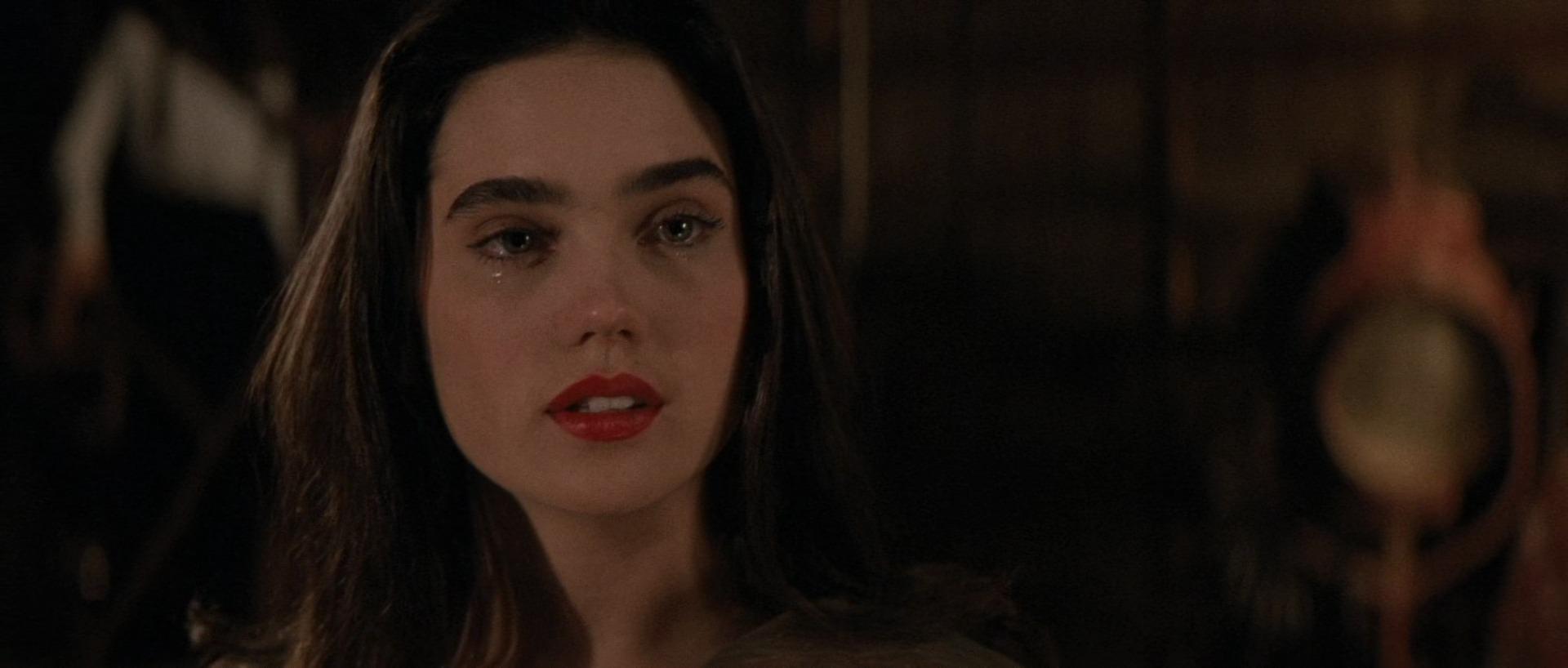
Another character who changed from page to screen is Secord’s love interest. Dave Stevens based his Betty on 1950s cult cheesecake glamour and BDSM model Bettie Page. Having used her photos for figure reference, he sought out the then-retired model to pay her accordingly for using her image, which had become a major selling point for The Rocketeer magazines. They struck up a friendship, and he helped her collect fees due to her for the prolific pirating of her image by others. In the film, she becomes Jenny (Jennifer Connelly) because having a character based on a living person was too problematic. Jenny is also an aspiring actress—a more family-friendly profession—though she certainly adds as much visual appeal to the screen as Betty did to the page. Moreover, Jenny is more proactive; while remaining a believable, period-appropriate woman, she will fight back and take decisive, occasionally incendiary, action.
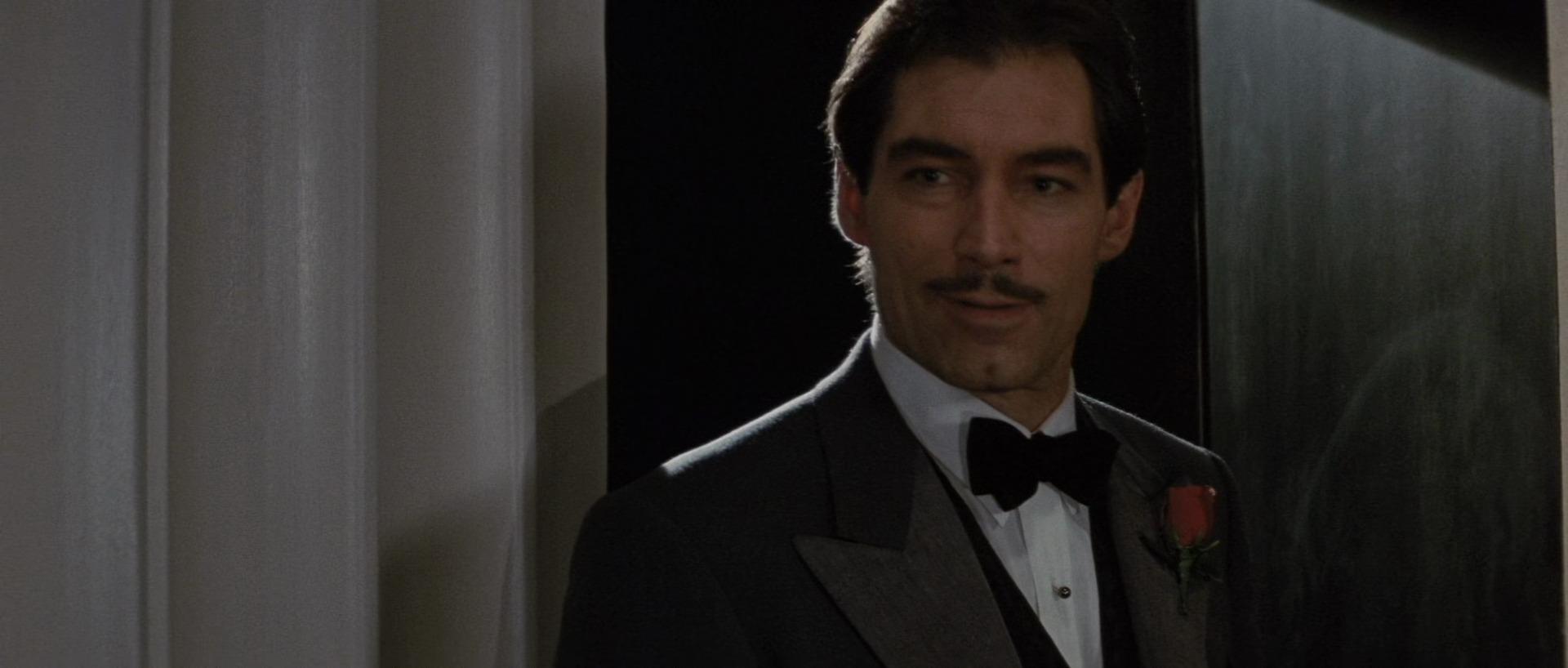
Jenny has landed a minor role opposite Neville Sinclair (Timothy Dalton), who delivers some superb smarm throughout. Sinclair was loosely based on Errol Flynn, a real superstar of Hollywood’s golden age who, at the time Stevens was writing the first comic arc, had been linked with a Nazi spy. By the time the film was being scripted,however, these rumours had been refuted. There’s a clue in the character’s name, as it is lifted from the Sherlock Holmes story “The Man with the Twisted Lip”, in which his namesake has a dual identity.
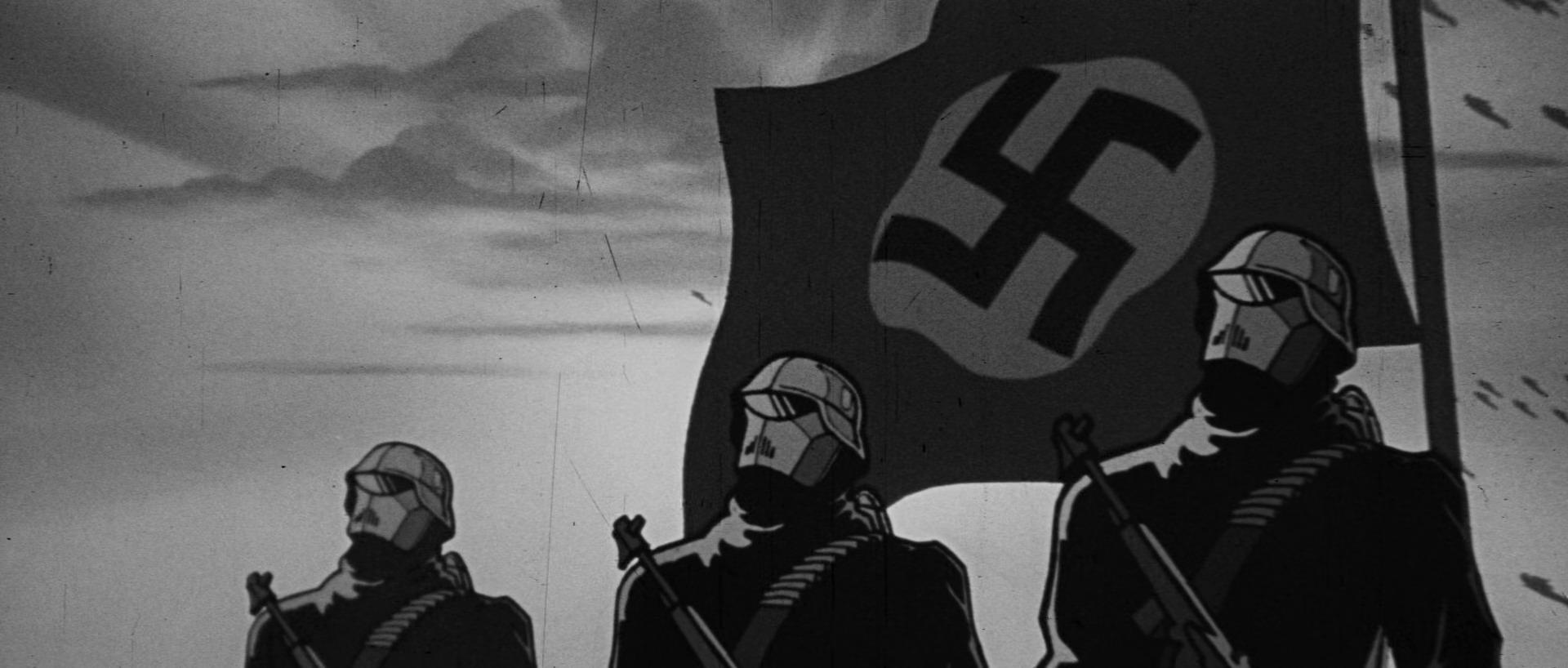
The Rocketeer was ahead of its time in offering a parallel alternative history in a similar vein to SS-GB (2017), For All Mankind (2019-224), and Star City. Its alternative history is more believable—it could almost have happened and been covered up. Nazi plans to use a flying army of rocket-powered soldiers don’t sound too far-fetched compared to some of the insane schemes certain Nazi factions reputedly contemplated, such as invading countries by burrowing into the ‘hollow earth’ and digging their way back through the planet’s crust to mount a surprise attack from behind enemy lines.
Other references to real Hollywood stars include Clark Gable (Gene Daily) and W.C Fields (Bob Leeman), lending a sense of authenticity to the period. Neville Sinclair’s stylish abode adds further period authenticity, being the real-life location known as Ennis House, designed by architect Frank Lloyd Wright in the mid-1920s. It’s a popular period filming location due to its interesting Mayan Revival features—I’ve recognised it in Blade Runner (1982), Predator 2 (1990), and Mulholland Drive (2001).
Its cosy nostalgia lands so well because it evokes its period so effectively. Or rather, it effectively evokes the idea of the interwar period. Set specifically in 1938, it captures the zeitgeist of the end of an era as war loomed once more. The USA saw the Great Depression and a class divide that became more of a class chasm, alongside sexual and social liberation. It seemed like perpetual partying was the order of the day for the elite in their elegant Art Deco fashion and finery, complete with new music, dance styles, and cocktails. The talkies took off and Hollywood thrived, producing escapist films that entertained rich and poor alike. It was the golden age of the matinee idol and cliffhanger series like Flash Gordon and Buck Rogers, though Stevens was mainly drawing inspiration from 1940s and ’50s serials,particularly King of the Rocket Men (1949) and the Commando Cody franchise.
Sinclair hires gang boss Eddie Valentine (Paul Sorvino) to retrieve the jet pack, who in turn sets heavy Lothar (Tiny Ron) on anyone who may know its whereabouts. Stevens based the character on Rondo Hatton, who moved to Hollywood in the 1930s when symptoms of his acromegaly became very apparent and was cast in a series of bit parts and monster movies. The uncannily accurate make-up for his facsimile in The Rocketeer was created by Rick Baker, who’d previously worked with Joe Johnston on the Star Wars films and also created the make-up for Michael Jackson’s epic “Thriller” music video, which was designed and storyboarded by Dave Stevens.
That the final result still successfully captures the pulp adventure essence of the original is a testament to the tenacity of the creative team, who held things together behind the scenes and rescued the movie we know today from production hell. Things could have turned out quite differently…
The late, great Dave Stevens loved comics. It’s said that he was among the 100 or so visitors to the very first San Diego Comic-Con in 1970 while a student at the city’s college. By 1975, Stevens was working as a professional illustrator,and his break into the world of comics came inking Russ Manning’s pencils for the syndicated Tarzan newspaper comic strip, which led to a couple of Tarzan graphic novels.
In 1976, a fateful meeting took place when Stevens took samples of his artwork to a warehouse in Van Nuys,California, pitching for a shot as a concept artist for a science-fiction film being developed there by Industrial Light & Magic (ILM). One of the VFX team, Joe Johnston, who at the time was designing a spaceship named the Millennium Falcon, gave him the studio tour.
Russ Manning’s final big commission was writing and illustrating the syndicated Star Wars comics published in the late-1970s. He kept Stevens on as his assistant, who by that time was also inking for the likes of Jack Kirby and storyboarding for Hanna-Barbera animation.
His dynamic style and fluid figure drawing were soon in demand around the world, with Japan’s Sanrio hiring him to develop a comic series aimed at mature readers, which eventually manifested in issues of Alien Worlds in the US. Perhaps George Lucas was impressed with his work on the Star Wars strips, because he hired Stevens to storyboard his script for Raiders of the Lost Ark (1981). Again, Joe Johnston was on the ILM team that won the Academy Award for Best Visual Effects, one of the film’s five Academy Award wins.
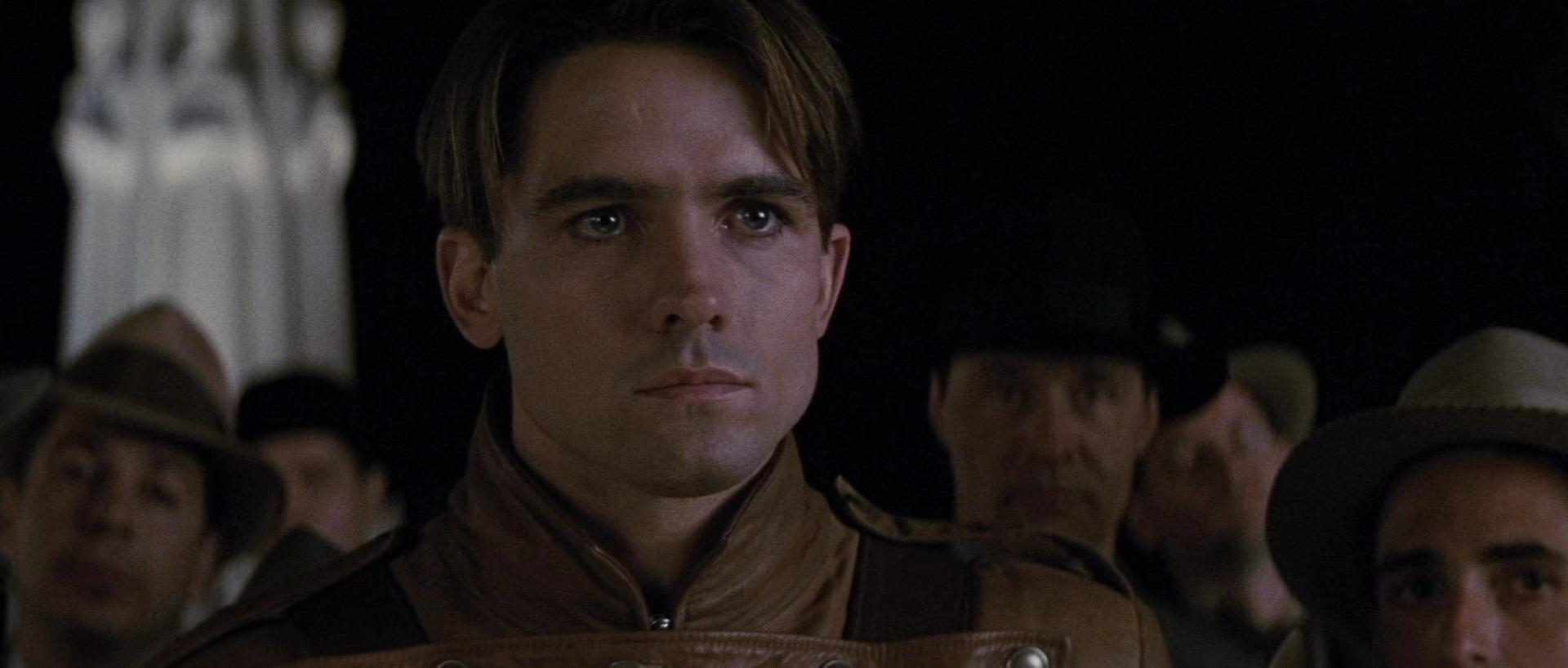
Since working on the first Star Wars (1977) movie, Johnston had co-designed Boba Fett’s suit for The Empire Strikes Back (1980) and served as an Art Director on Return of the Jedi (1983). He went on to be associate producer for the Lucasfilm fantasy Willow (1988) and production designer for the two Ewoks spin-off movies, before making his directorial debut with Honey, I Shrunk the Kids (1989).
Dave Stevens had been developing the graphic series he’d be remembered for since 1982, when the first two Rocketeer instalments were published in the Starslayer comic. The Rocketeer then continued in a few different publications before attracting enough of a fan following to warrant its very own Rocketeer Adventure Magazine, which began sporadic publication in 1988. By this time, Stevens was developing a feature film treatment in parallel. Producer-director Steve Miner bought the rights as early as 1983. However, nothing came of that deal, and Stevens began a collaboration with Danny Bilson and Paul De Meo, with whom he planned to pitch a low-budget production shot in black and white as a pastiche of the 1930s cinematic serials that had partly inspired his original vision.
By 1985, William Dear was also involved as a potential director, pushing development towards a bigger-budget production. After several failed pitches to major studios, Disney Studios struck a development deal based on Bilson and De Meo’s seven-page treatment, supported by visuals from Stevens. However, the project stagnated for the next four or five years as a series of script revisions were ordered. According to Bilson and De Meo, they were fired and rehired three times, and it wasn’t until Tim Burton’s Batman (1989) became a surprise box office smash that Disney finally progressed towards production—though it seems they were mainly interested in the potential for tie-in toys and other merchandise. Accordingly, production was switched to Walt Disney Pictures and another rewrite was made to ensure everything was child-friendly.
While The Rocketeer was still being developed as a live-action franchise trilogy, it was determined that a stopgap animated series would keep the brand alive and the merch selling. Concept art was produced for the cartoon series, but the show never materialised, although some of its imagery and storyline fed into a tie-in PC game for IBM.
Sadly, the release of The Rocketeer was mishandled. It found itself up against summer blockbusters such as Terminator 2: Judgment Day (1991) and Robin Hood: Prince of Thieves (1991). Its fun, hopeful attitude was also at odds with the more cynical approach that had risen to prominence, making a nostalgic 1930s pulp throwback harder to sell. This was long before Disney’s acquisition of the Marvel brand, when the company still had a reputation for making movies for children. Sure, young viewers loved The Rocketeer, but it should have been marketed squarely to the same audience who enjoyed Raiders of the Lost Ark—because it is genre-adjacent and equally appealing. Its initial theatrical run grossed $46.7M, covering its $35–$40M production budget, but was not considered successful enough to bankroll the planned sequels.
USA | 1991 | 108 MINUTES | 2.39:1 | COLOUR | ENGLISH • GERMAN

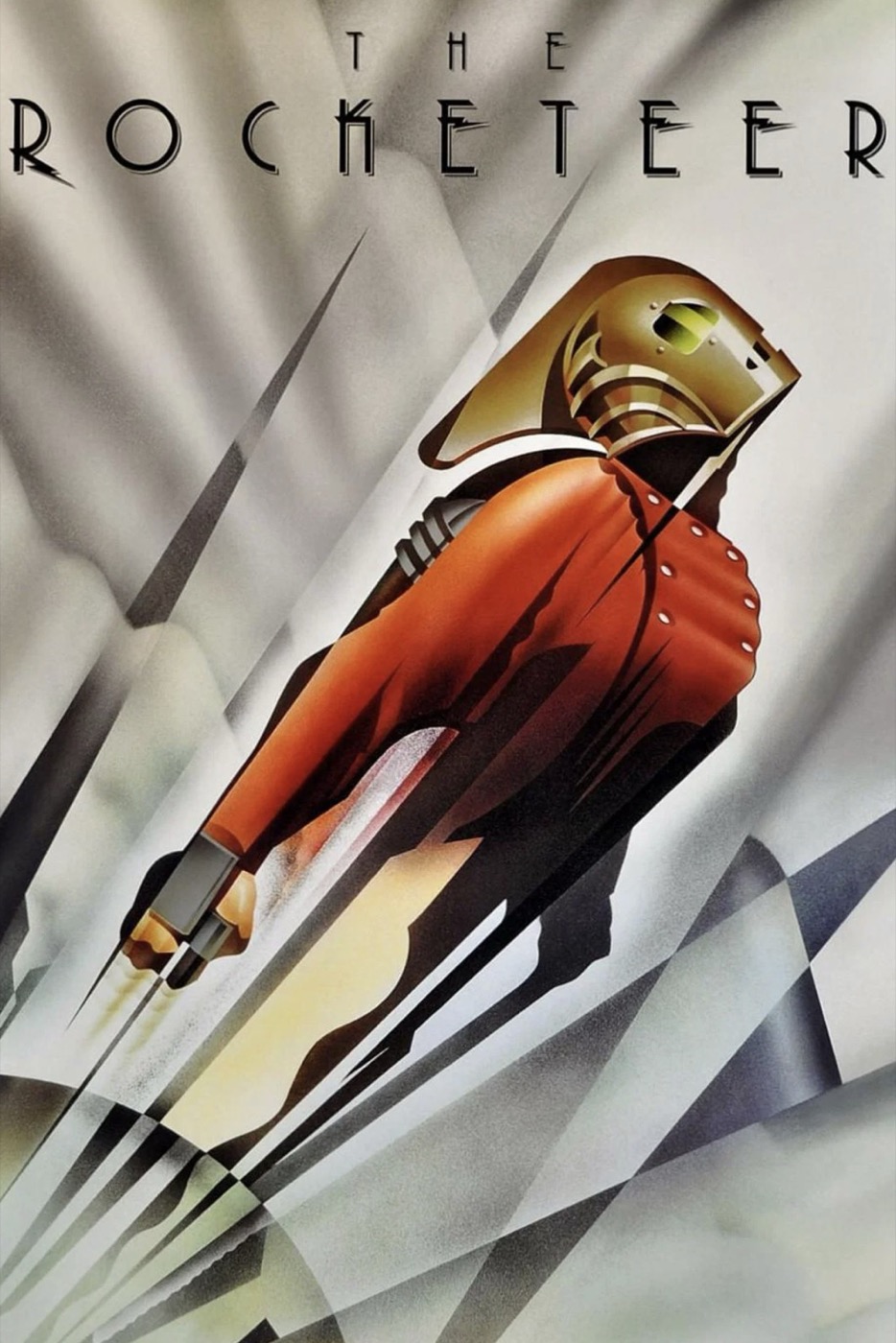
director: Joe Johnston.
writers: Danny Bilson & Paul DeMeo (story by Danny Bilson, Paul De Mer & William Dear; based on the comic-book by Dave Stevens).
starring: Billy Campbell, Alan Arkin, Jennifer Connelly, Paul Sorvino & Timothy Dalton.