FJORD (2026)
An immigrant Romanian family living in Norway is subject to an investigation and faces the scrutiny of the local judicial system.

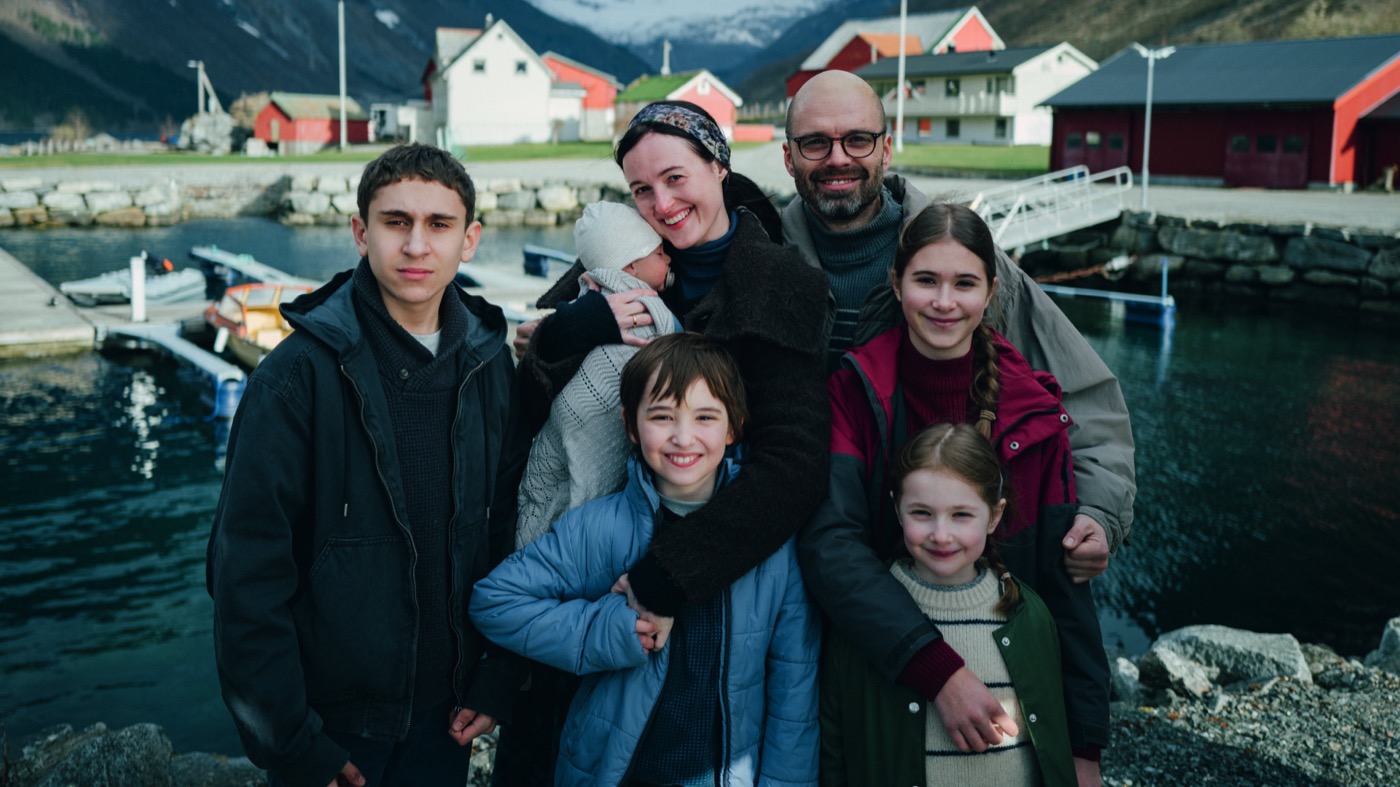

An immigrant Romanian family living in Norway is subject to an investigation and faces the scrutiny of the local judicial system.
Cristian Mungiu (Graduation) brings audiences a thorny, controversial drama with Fjord. The filmmaker holds a mirror up to society, deliberately making viewers uncomfortable. The film caused a stir when it won the Palme d’Or at the 79th Cannes Film Festival. It isn’t as divisive as it seems to want to be, and its message gets lost in a long, languid runtime, but it’s certainly a conversation starter.
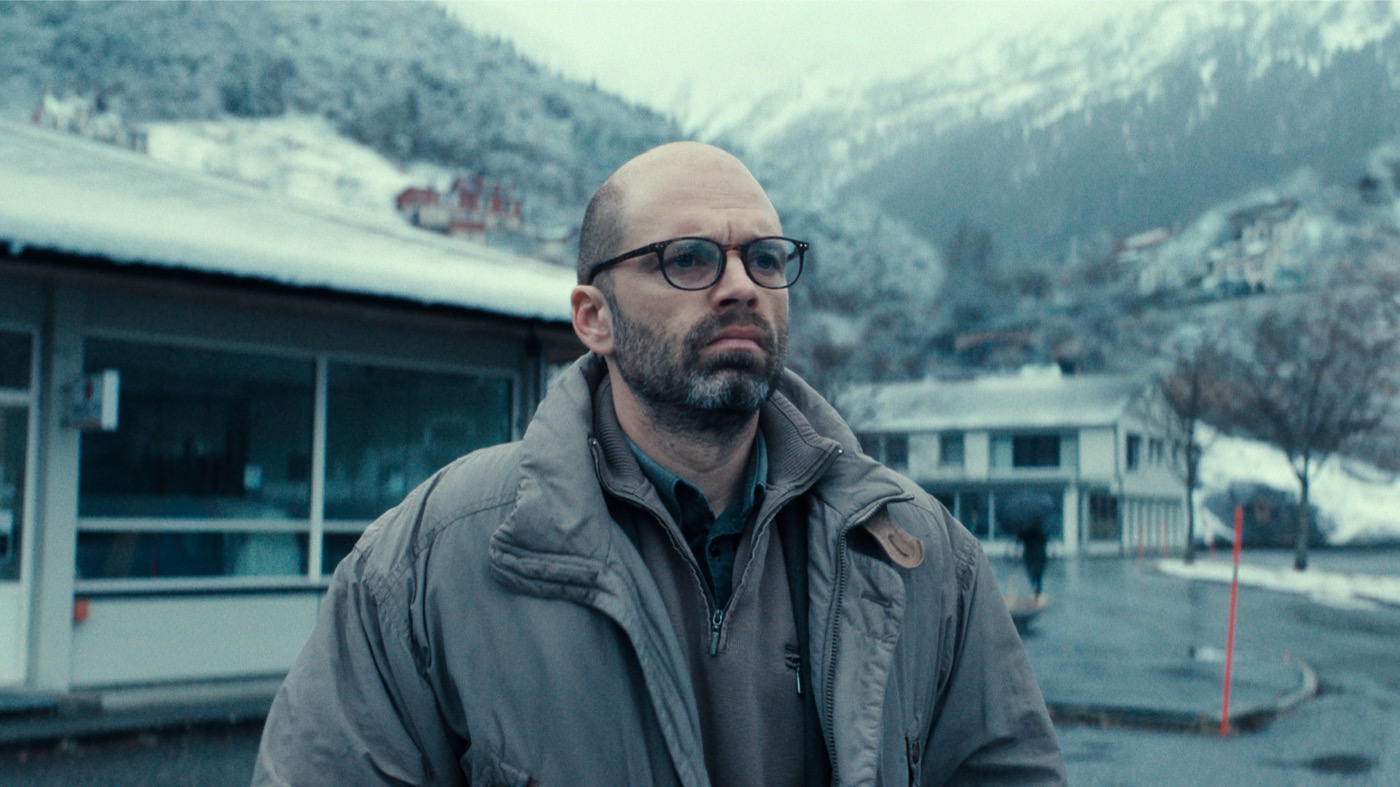
Nurse Lisbet (Renate Reinsve) and IT technician Mihai Gheorghiu (Sebastian Stan) have recently moved from Romania to a small, remote Norwegian town. Lisbet is from the region and speaks the language fluently, while Mihai can manage only brief conversations and prefers to speak English. These details matter later in the couple’s story.
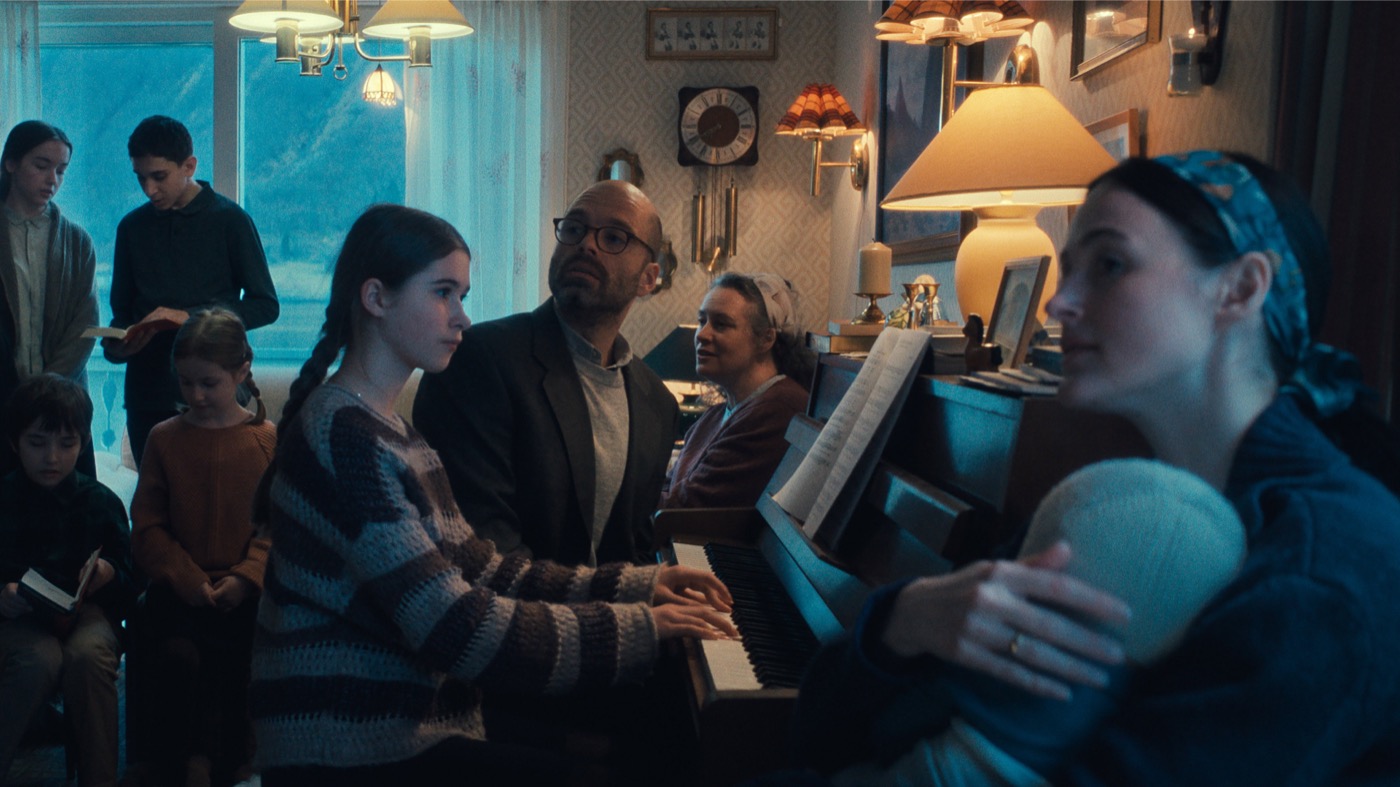
The Gheorghius have five children, ranging from a baby to two tearaway teenagers. Their religious upbringing borders on the fanatical, setting them apart from their peers. They don’t listen to modern music, have smartphones or share their classmates’ liberal values. Instead, the family gathers with their church for Bible study and sings hymns around the piano. The parents are strict, believing their children shouldn’t be given the same freedom as their classmates.
The film doesn’t present these religious practices as disruptive; they’re simply part of the family’s daily life. But their new neighbours can’t help looking askance at how the Gheorghius are raising their children. It’s a small community where everyone knows everyone, and the family’s way of life doesn’t quite fit in. This becomes clear when Mihai plays “Amazing Grace” on the piano and one of the teachers, Frida (Lisa Loven Kongsli), reacts as if he’s done something deeply offensive.
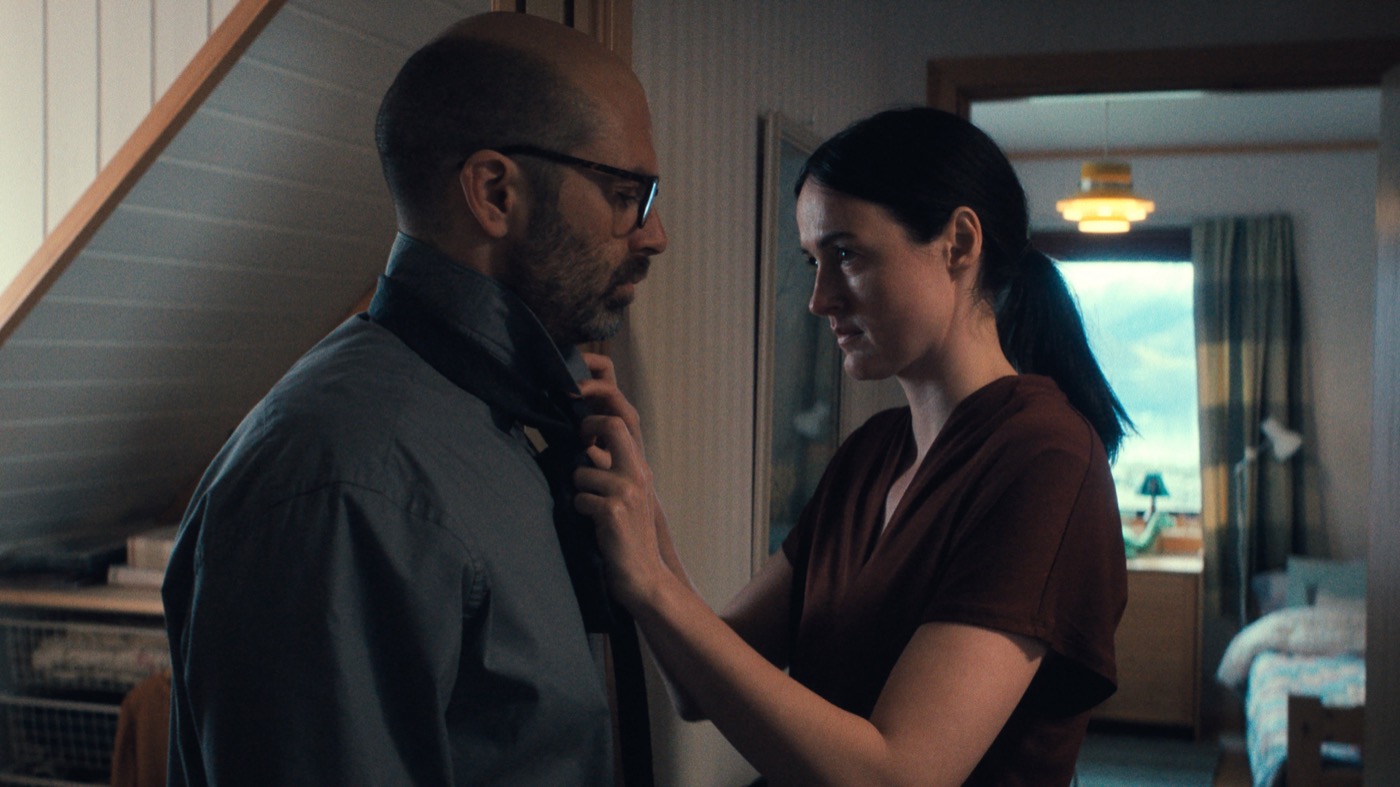
One day at school, someone notices bruises on the eldest daughter, Elia (Vanessa Ceban). The film never makes clear how she got them. Were they the result of tough love from her parents, or of her adventures with rebellious teenage neighbour Noora Halberg (Henrikke Lund-Olsen)? The teacher’s report to the authorities sets off a chain reaction among the neighbours and across the town.
Fjord takes its time establishing the characters, the community and the Gheorghius’ way of life. At 146 minutes, be warned: this is a long, slow ride. The film benefits from its extended build-up and exposition-heavy first act, thanks to authentic performances from Stan and Reinsve. Some may argue that it takes too long to reach its inciting incident, but the build-up at least rewards viewers later on.
Suddenly, the family’s way of life comes under scrutiny from the authorities, their neighbours and the court of public opinion. Mihai admits that he sometimes slaps his children as punishment, but says he doesn’t hit them hard enough to cause harm. He considers this normal practice in his native Romania, but in Norway it’s a crime. The film doesn’t distinguish between a slap on the wrist and an actual beating.
At the midway point, Fjord becomes a political and courtroom drama reminiscent of Anatomy of a Fall (2023). The couple must fight the system to get their five children back. The film doesn’t ask viewers to choose a side or judge the couple’s morality. Instead, it asks them to examine the morality of the court system. Audience response will likely be shaped by their own upbringing and experiences. Mungiu’s neutral approach may frustrate some: the film aims to encourage debate, but its stance could be mistaken for right-wing propaganda.
Fjord doesn’t ask whether slapping badly behaved children is wrong. It asks whether outsiders and people with strong religious beliefs are penalised in the modern world. The film assumes that viewers won’t share the family’s Christian beliefs or conservative approach to parenting. Ultimately, though, it asks whether we can still defend—or even consider—the beliefs of someone whose views are diametrically opposed to our own.
Mungiu understands that we live in a world where grey areas seem to have disappeared. People see things in black and white, while politics and religion are polarised on every side. The film comes into its own when it becomes a story about the courts facing off against an angry online mob. It’s a shame it takes so long to get there.
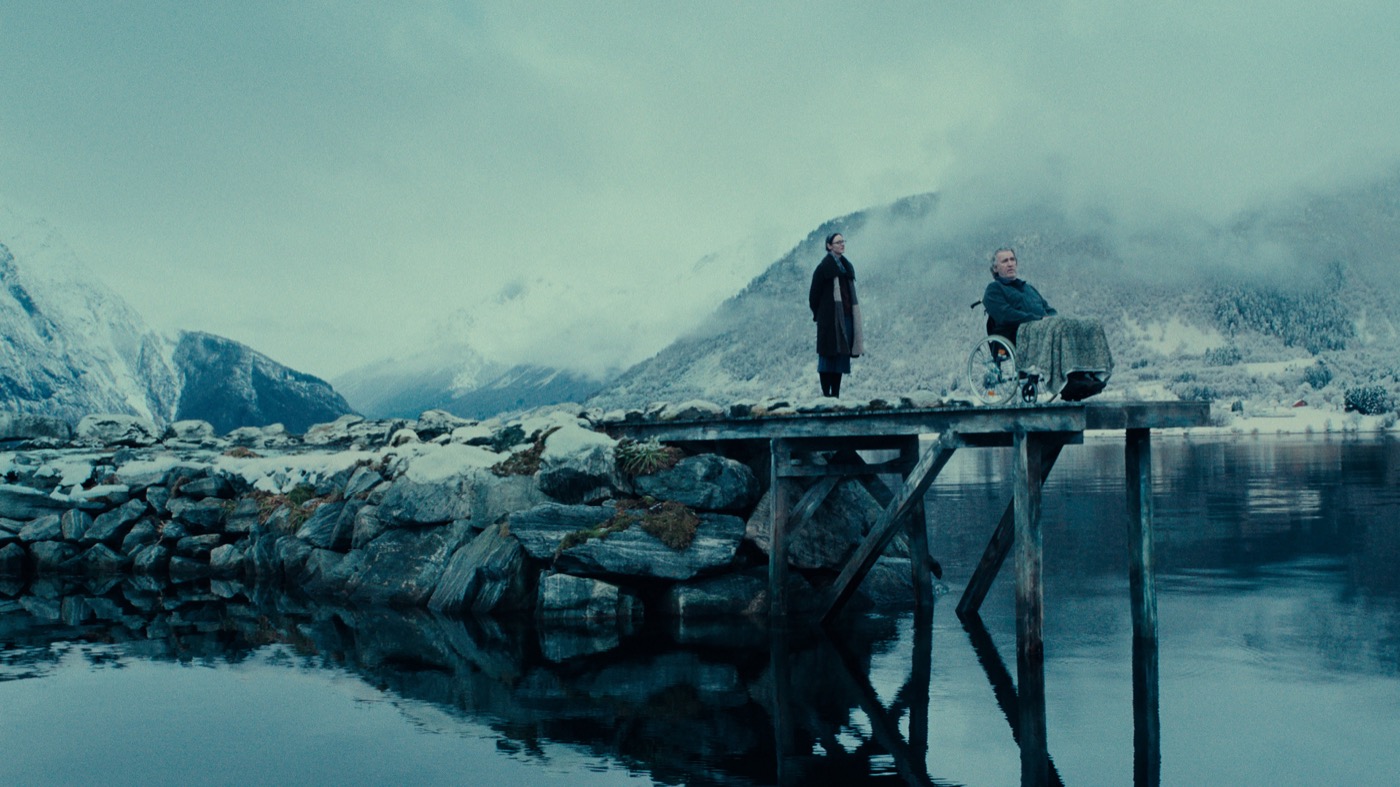
The film would be much drier in the hands of less capable performers. Reinsve brings nuance to Lisbet, a religious nurse who works in end-of-life care and believes her faith comforts people rather than imposing anything uncomfortable on them. Stan disappears into the stoic Mihai. Returning to his Romanian roots, he looks almost unrecognisable with his shaved head and glasses. His rage simmers beneath the surface before he takes his plight online, encouraging Christian hardliners to join the argument. Both actors bring authenticity to the film and keep the script from veering into melodrama.
Fjord is more interesting when revealing problems in its subject matter and stirring viewers’ emotions than when it dwells on the issues themselves. Its length and heavy exposition mean some of its message gets lost in the dense runtime. There are also subplots that add colour to the Gheorghius’ lives and their neighbourhood, but ultimately weigh down the narrative.
The film may seem like a difficult watch, with its dense monologues, tough themes and big questions. But it’s the kind of movie that will spark conversation on the drive home, encourage people to reflect on their own childhoods and parenting, and make them consider the merits of cultural differences. These ideas might have had more impact if Mungiu had tightened and refocused his script.
ROMANIA FRANCE NORWAY DENMARK FINLAND SWEDEN | 2026 | 2.39:1 | COLOUR | ENGLISH ROMANIAN NORWEGIAN SWEDISH

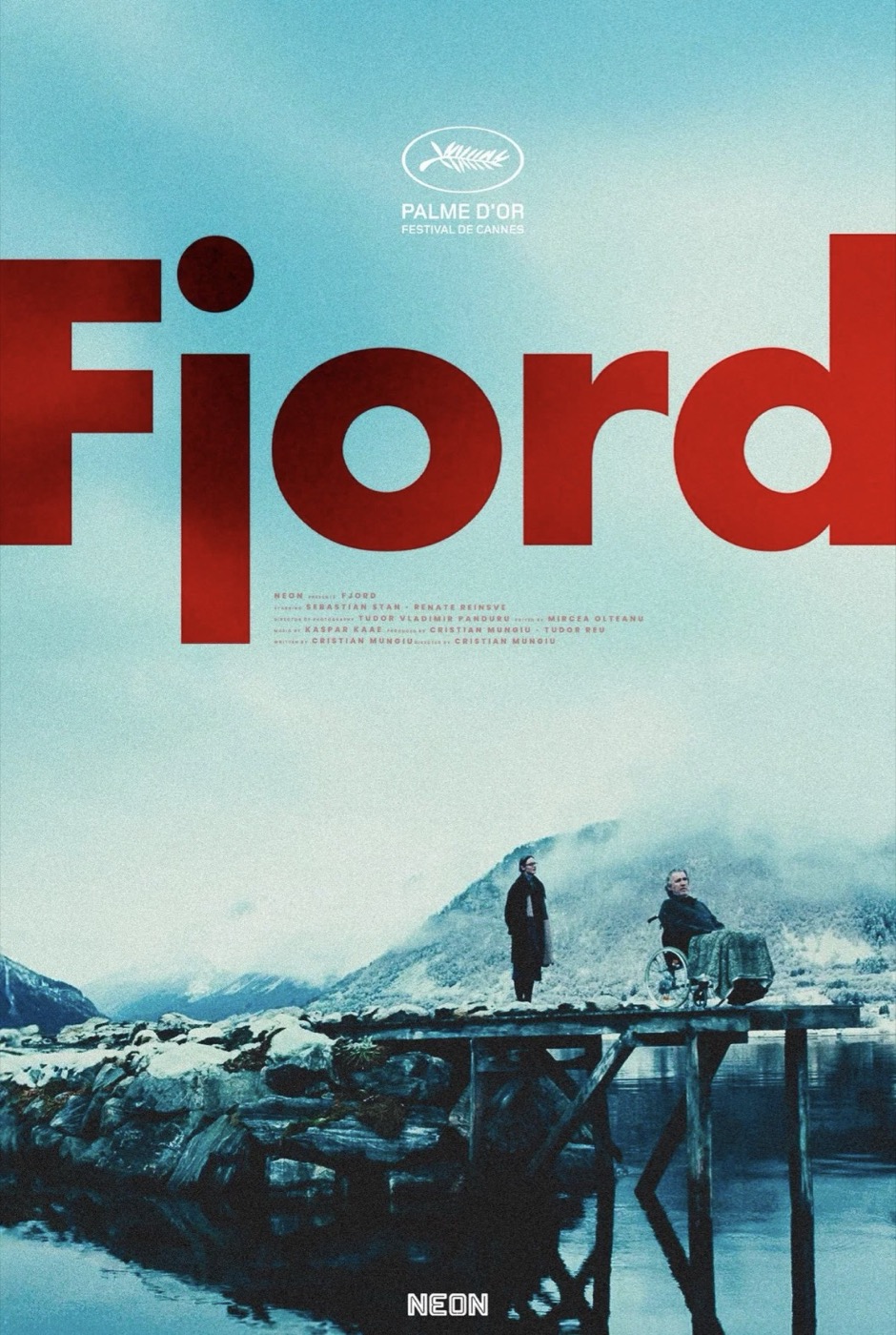
writer & director: Cristian Mungiu.
starring: Sebastian Stan, Renate Reinsve, Lisa Carlehed, Henrikke Lund-Olsen, Vanessa Ceban, Jonathan Ciprian Breauz, Ellen Dorrit Petersen & Lisa Loven Kongsli.


