☆☆☆☆☆ ★★★★★

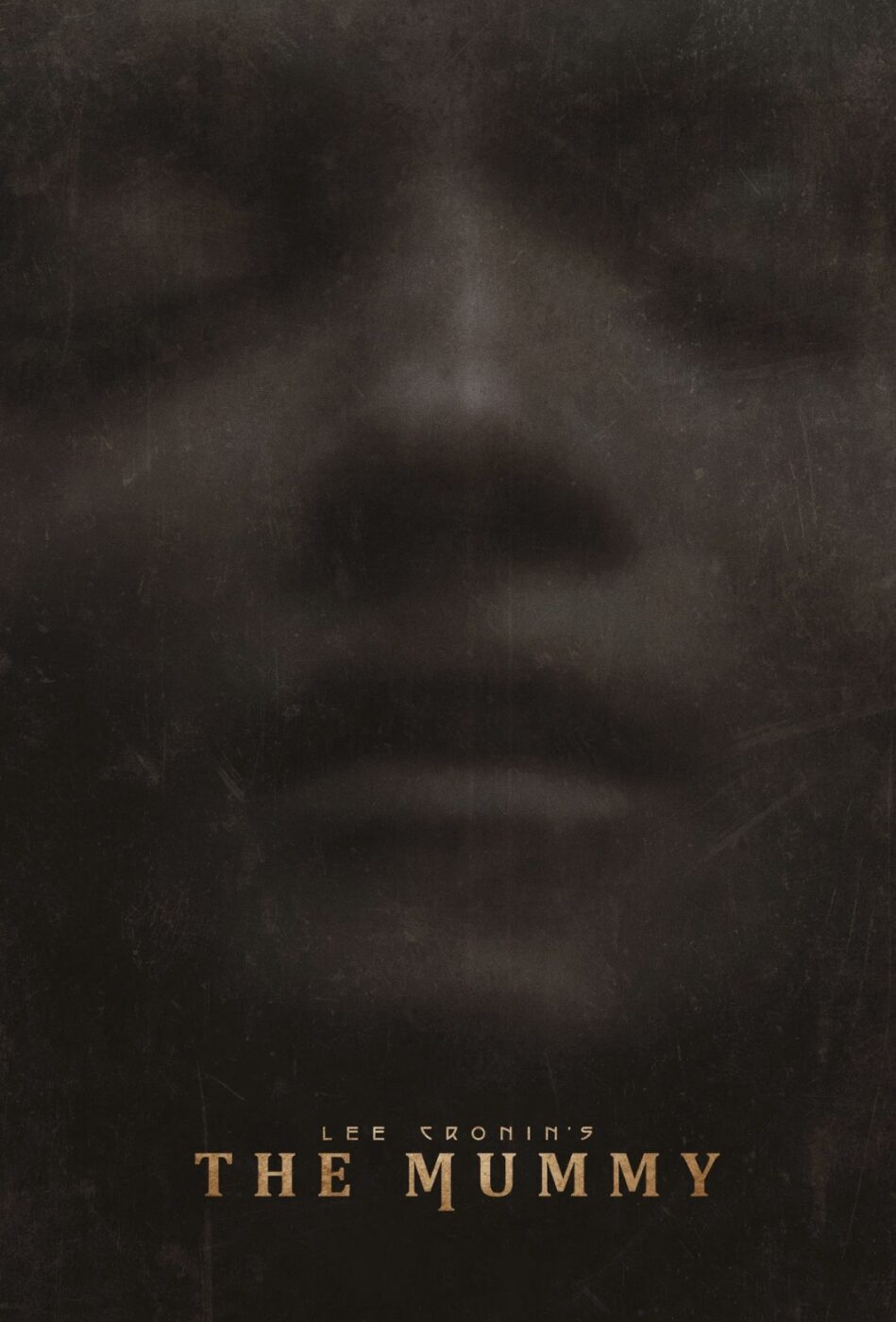
You know you’ve made it in Hollywood when your name is used to introduce a film’s title, don’t you? It isn’t The Thing; it’s John Carpenter’s The Thing. However, Lee Cronin only came to horror fans’ attention with The Hole in the Ground (2019), before successfully segueing into the bigger-budget Evil Dead Rise (2023). I’m not sure the Irish filmmaker is a unique “brand” just yet — someone whose name alone can sell tickets — but the title helps to differentiate Lee Cronin’s The Mummy from its many remakes and reboots.

Ostensibly a modern reimagining of The Mummy franchise, the series has a chequered past. It began with the Boris Karloff classics of the 1930s and 1940s, before Hammer offered its own colourful spin in the 1950s and 1960s. Eventually, Hollywood transformed the property into an Indiana Jones-esque thrill ride in 1999 with Stephen Sommers’ VFX-laden vision. But for every undisputed classic that audiences embraced, there’s an ill-fated version starring Tom Cruise that killed a studio’s grand ambitions stone dead.

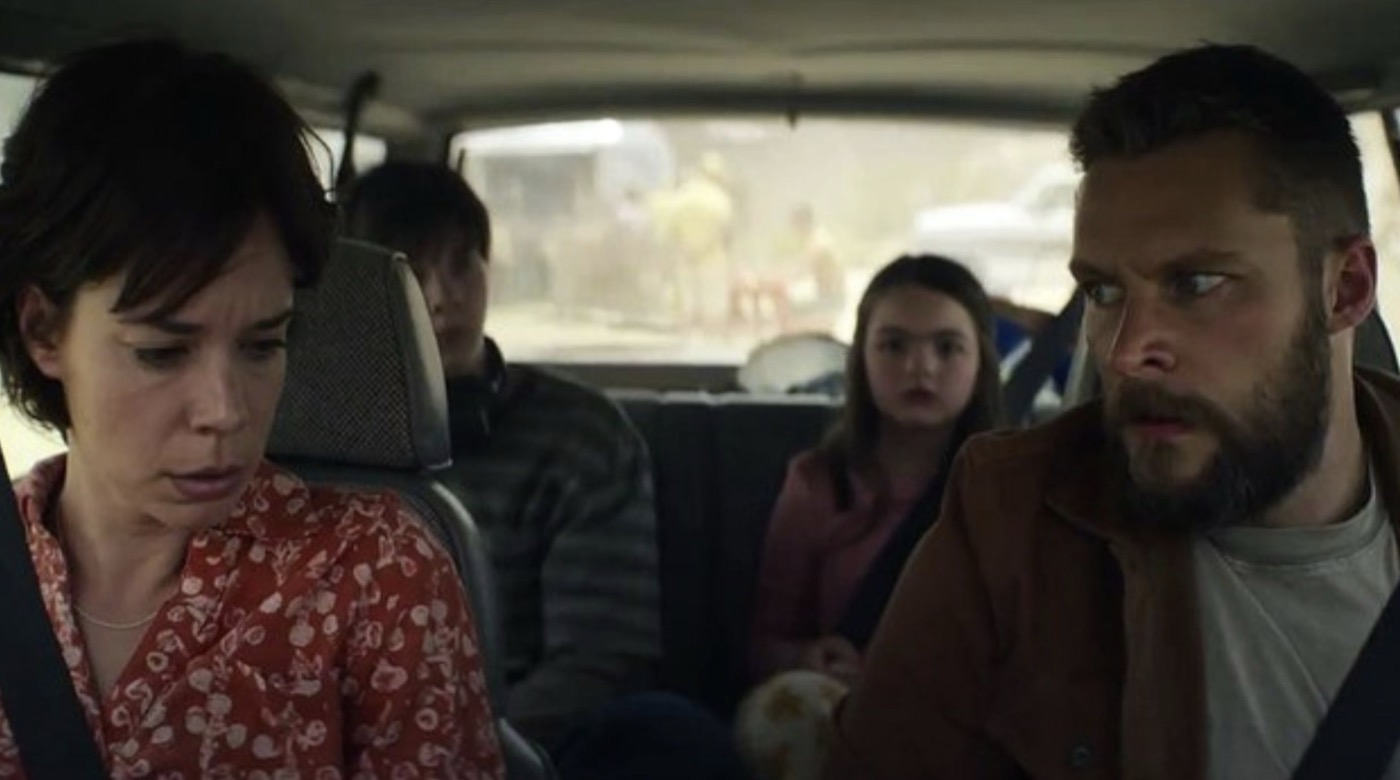
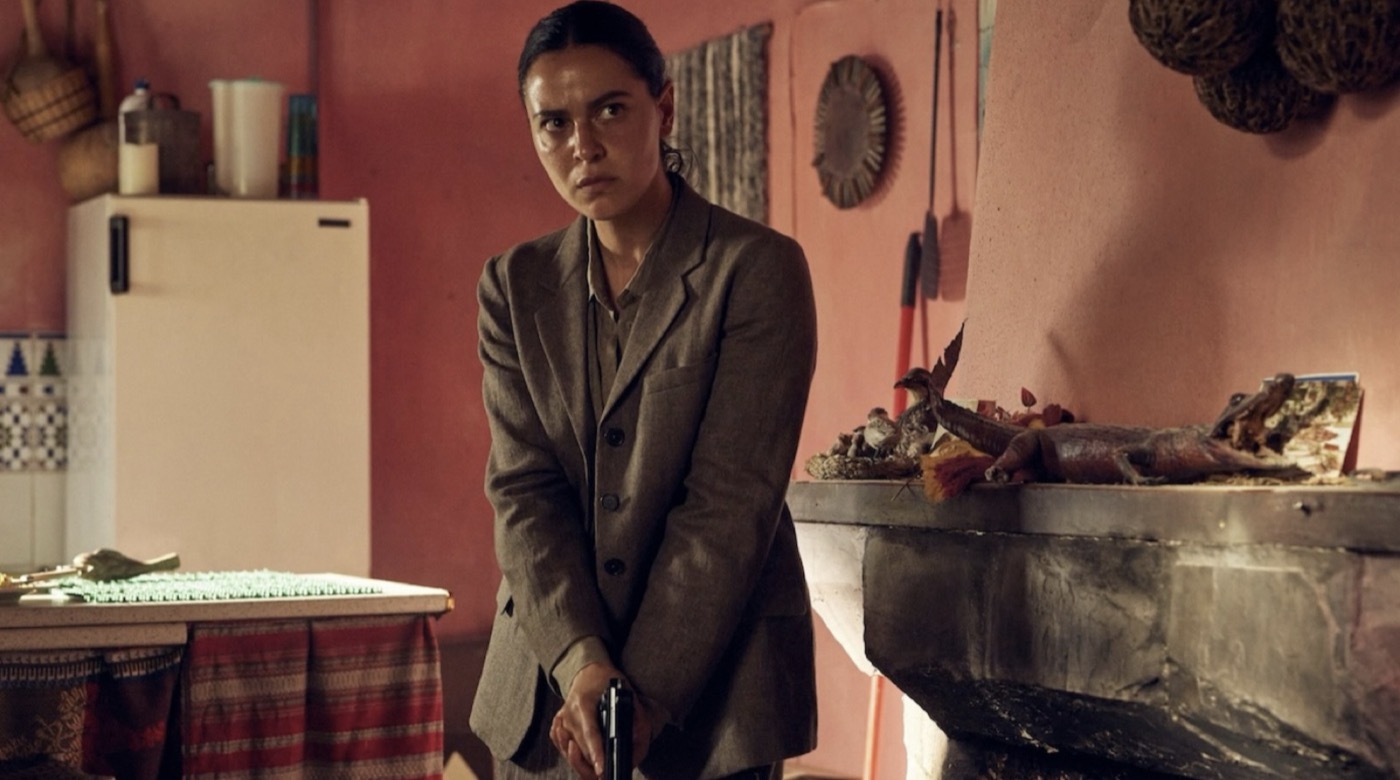
Cronin’s take on the core concept is to bring the creature into the modern era and make the stakes more personal. Charlie Cannon (Jack Reynor) is an American TV reporter living in Cairo with his pregnant wife, Larissa (Laia Costa), and their two children, Katie (Emily Mitchell) and Sebastian (Dean Allen Williams). Then, one day, tragedy strikes when Katie is abducted by a mysterious woman (Hayat Kamille), leaving the local detectives — led by Dalia Zaki (May Calamawy) — at a loss.

Eight years later, the Cannons have moved back to Albuquerque, New Mexico, slowly recovering from their nightmarish experience. However, old wounds are reopened when Katie (now played by Natalie Grace) is suddenly found in the debris of a plane crash — specifically inside a lead-lined sarcophagus. Beyond some physical scarring, she’s suffering from psychological damage due to a prolonged lack of light and stimulus. This has turned her into a distant, unnerving teenager whom her family struggle to communicate with.

The Mummy is an enjoyable horror film, although it doesn’t exactly play as a “mummy movie” in any traditional sense. While we expected the filmmakers to avoid the outdated notion of a groaning man staggering around in white bandages, Cronin’s screenplay is more a child-possession story. A few Mummy-esque elements are woven in, but it’s notable how much influence comes from a different horror sub-genre entirely.

Cronin’s experience making an Evil Dead film also comes to the fore. Many sequences feel like something you’d expect to have seen in his Evil Dead Rise — from the unflinching body horror to the kinetic camerawork, the use of telekinesis, and the setup of an ordinary family being attacked from within by a loved one. Sound familiar?

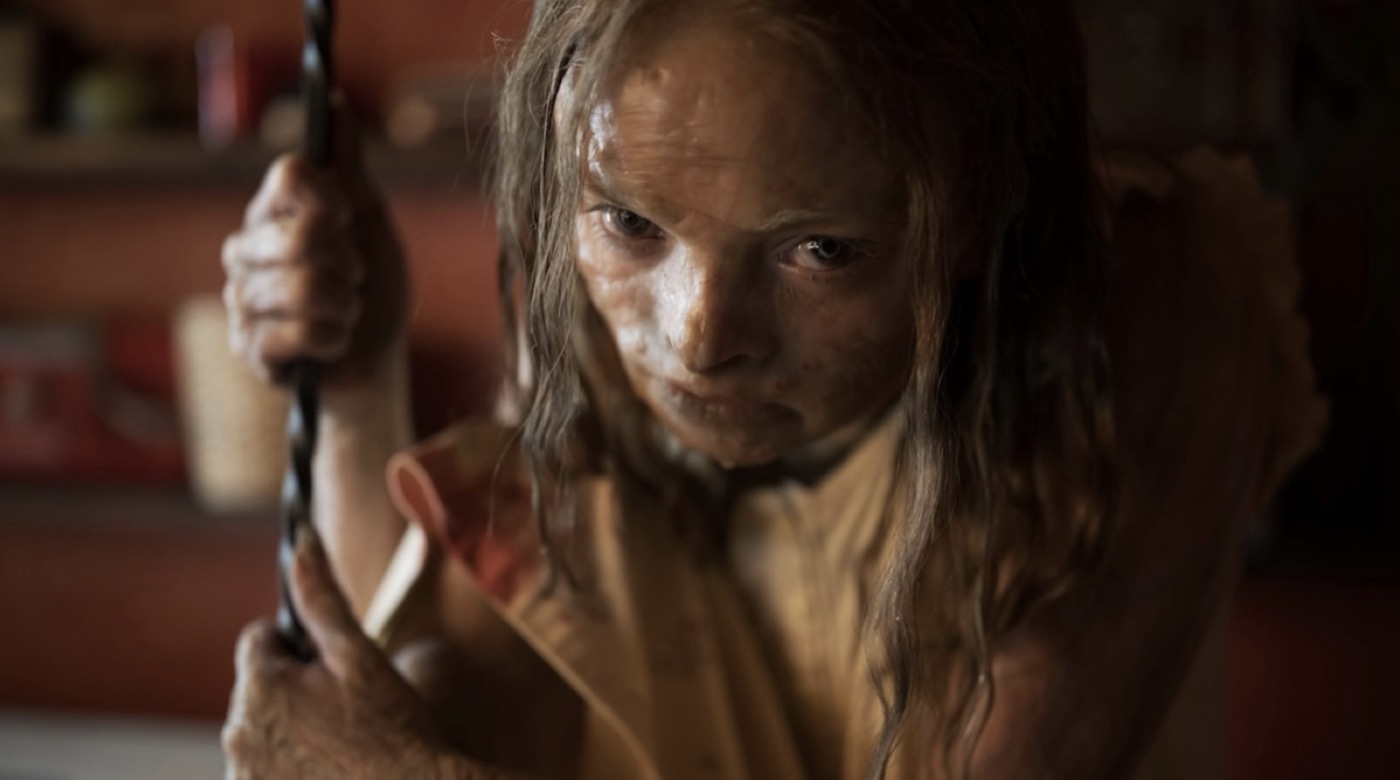
It’s perhaps a slight worry that Cronin’s follow-up to his breakthrough movie feels so beholden to it. However, that doesn’t ruin the effectiveness of applying an Evil Dead style to The Mummy franchise. It does wrong-foot you for a time; you begin in Egypt expecting a modern update of classic tropes, only to find yourself back in the US with a creepy teenager scampering around a rural home, head-butting her grandmother, levitating off the floor in her wheelchair, and having her toenails torn off.

The first half of The Mummy is the most emotionally engaging and structurally robust. Cronin’s twist on the concept neatly anchors the story with a more believable tragedy we can all grasp — the unexpected disappearance of a child — and I’m sure most people will have real-life news stories flashing through their minds. For me, Madeleine McCann’s kidnapping in 2007 came to the fore, and the performances help to sell this gut-wrenching event and the turmoil that follows.

Jack Reynor (Midsommar), an Irish actor easily mistaken for Josh Ruben or Jamie Dornan, is particularly excellent as a man having to keep his remaining family together after their youngest is taken. He’s ably supported by Laia Costa as his screen wife, and none of the child actors let the side down. Natalie Grace’s physical abilities alone are remarkable to behold, making her one of the best possessed children I’ve seen on screen in a long time. It also helps that Cronin cast relative unknowns in every role; you can more easily buy into these actors as the people they’re playing without any famous faces breaking the spell.

The second half is of mixed success, only because the emotional reality gives way to entertaining but clichéd horror sequences. And the central mystery — “what happened to Katie?” — isn’t exactly difficult to piece together, although some of the specificity is welcome, adding cultish flavours and aspects that brought Martyrs (2008) to mind. Cronin definitely flexes his filmmaking muscles in the final act with a symphony of crazed imagery and unnerving sound design. It gets increasingly unhinged and chaotic, again evoking the feeling of an Evil Dead movie being let loose on the audience. But is it entirely in keeping with what a Mummy movie should be at heart? Maybe not. But it’s an idea with flexibility, and we’ve never seen a version quite like this.

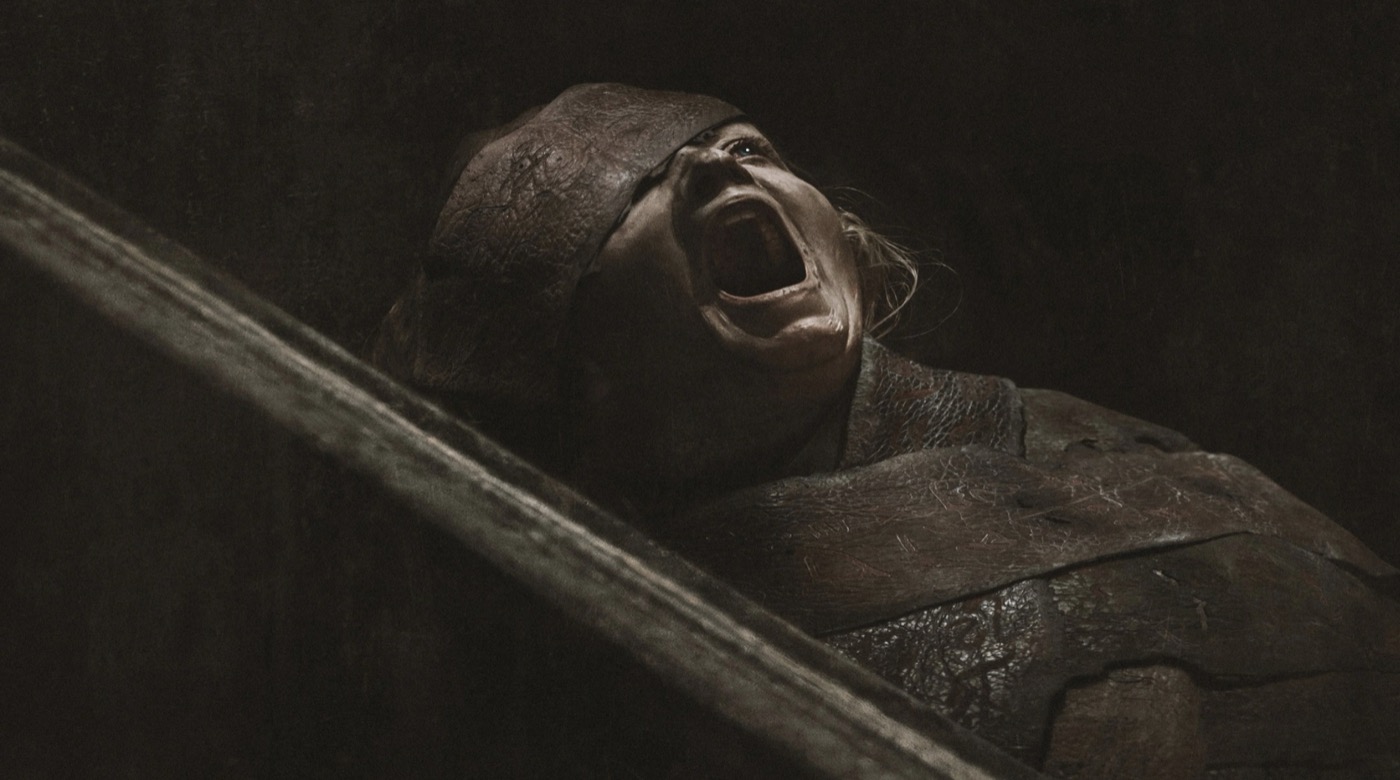
Some of the better aspects of The Mummy come from the little details. I loved the update to the “bandages” we naturally connect to this screen monster, with Katie wreathed in wraps that almost feel like thin sheets of peeling skin, each marked with ancient script binding a dark entity within her. The decision to set the movie in two wildly different desert environments also works well, and Detective Zaki’s investigation in Egypt carries some of the creepiness seen in Nordic mysteries like The Girl with the Dragon Tattoo (2009). Furthermore, early setups that pay off in the third act are nicely delivered without feeling too on-the-nose.

Overall, Lee Cronin succeeds in delivering a fresh take on the Mummy myth. It isn’t something likely to lead to diminishing returns in various sequels — a common trend for this franchise — as the idea feels fully explored. My only quibble is with audience expectations; this is 80% child-possession horror thriller with some Egyptian iconography and lore tacked on. I’m not sure “The Mummy” should be the spirit of something trapped inside a traumatised 17-year-old girl. However, Cronin’s skill with actors, especially children, and his creative camerawork continue to mark him out as an exciting filmmaker. Most people likely won’t recognise his name from the title, but they’d do well to remember it.

USA | 2026 | 133 MINUTES | 2.39:1 | COLOUR | ENGLISH • SPANISH • ARABIC

frame rated divider warner bros

Cast & Crew

writer & director: Lee Cronin.
starring: Jack Reynor, Laia Costa, May Calamity, Natalie Grace & Verónica Falcón.

All visual media incorporated herein is utilised pursuant to the Fair Use doctrine under 17 U.S.C. § 107 (United States) and the Fair Dealing exceptions under the Copyright, Designs and Patents Act 1988 (United Kingdom). This content is curated strictly for the purposes of transformative criticism, scholarly commentary, and educational review.