WILD SWIMMERS (2026)
When wild swimmers go missing, a journalism student becomes convinced that a serial killer is at work.. but soon discovers an ancient evil...


When wild swimmers go missing, a journalism student becomes convinced that a serial killer is at work.. but soon discovers an ancient evil...
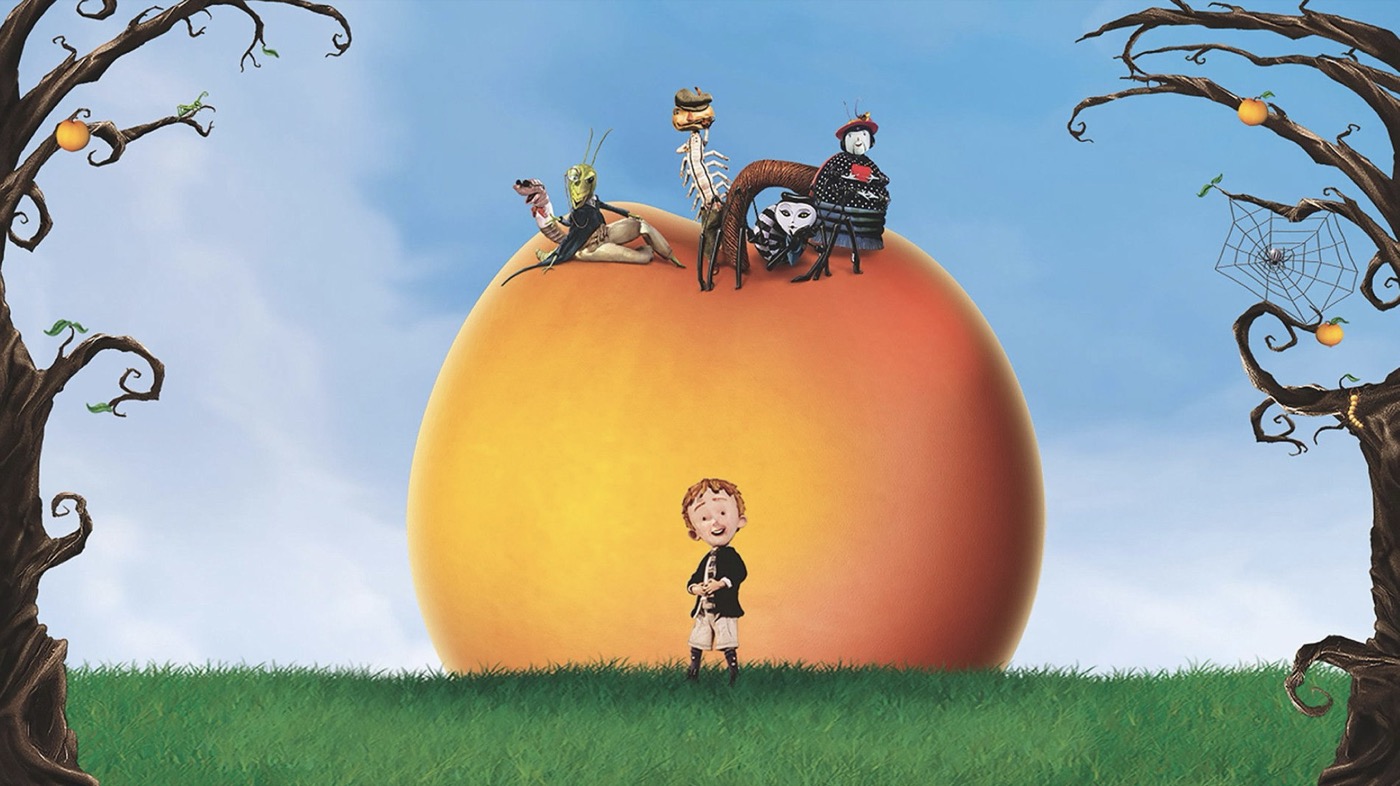
British folk horror has to be one of the most interesting and unique sub-genres out there. Looking back to its origins, films like Witchfinder General (1968), The Blood on Satan’s Claw (1971), and The Wicker Man (1973) were the most notable entries; while they achieved only modest success upon release, they all attained cult status decades later.
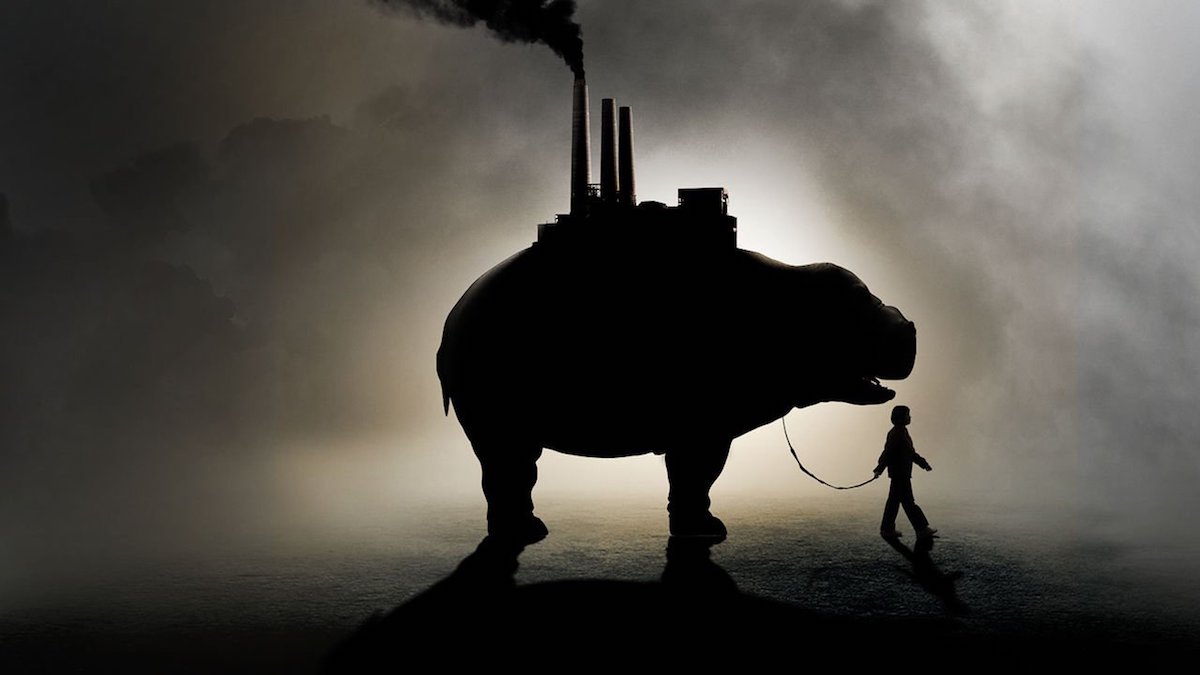
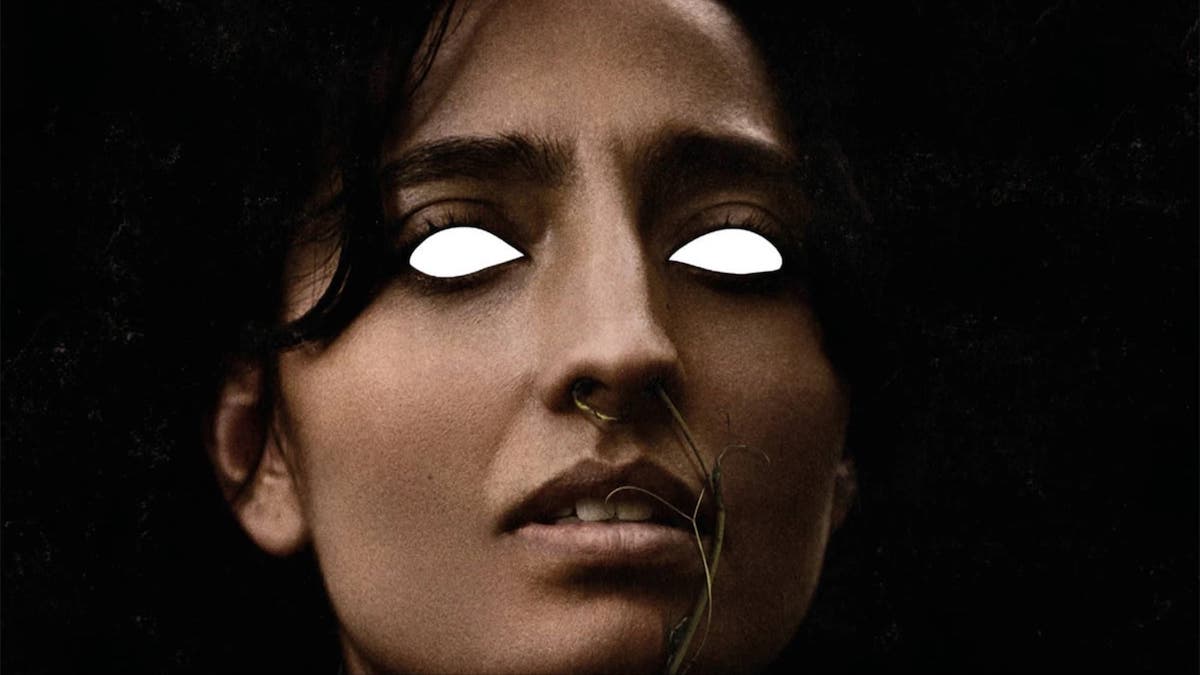
Since then, there hasn’t exactly been a prolific number of new titles, but recent years have seen a resurgence thanks to homegrown talent such as Ben Wheatley, Alex Garland, and Mark Jenkin. While far from commercial hits, titles like Kill List (2011), Men (2022), and Enys Men (2022) received scores of positive reviews while finding a solid fanbase among more discerning filmgoers.
Now, following his debut Rewilding (2021), music journalist turned director Ric Rawlins has conjured up something completely different for the genre: Wild Swimmers, a low-budget indie concerning a vampire that preys on humans sampling the delights of the River Avon.
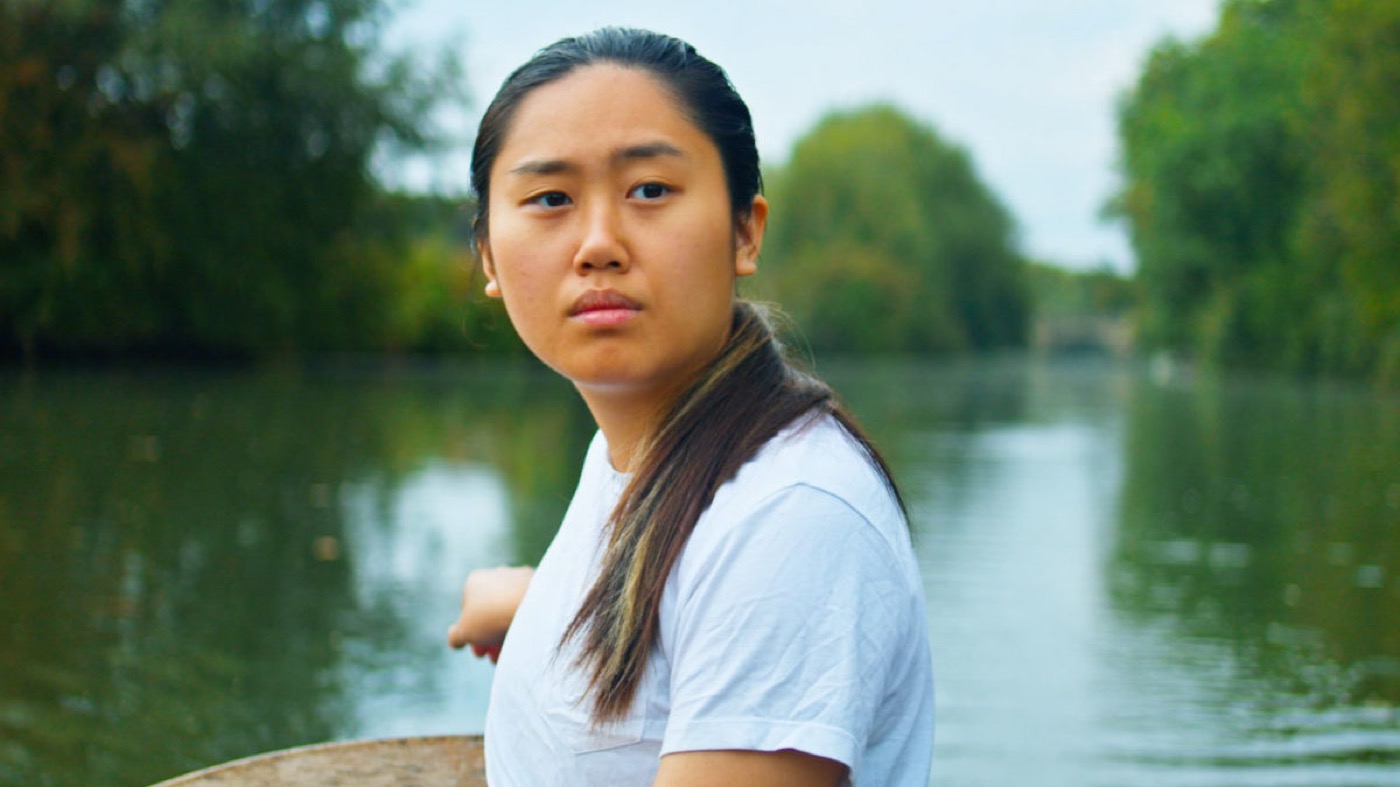
Deji, a young trainee journalist from Hong Kong, is given an end-of-term assignment to find “a story that has legs”—something with the potential for lasting appeal. While researching local leads, she comes across the case of a teenage girl who died in the River Avon in 2018. The death was officially ruled a drowning, but a retired police officer who worked on the case believes there was more to it. According to her, one witness claimed the girl appeared to be dragged beneath the water, while the post-mortem discovered strange marks on her neck resembling snake bites.
It’s an intriguing set-up, and as a starting point, this first act is possibly the best part of the film. Deji’s search for answers gradually uncovers a series of mysterious deaths linked to the river, while local rumours hint that something ancient and monstrous may have lurked there for centuries. The mystery deepens when Deji teams up with photographer Kim (Caroline Murray), and together they begin to piece together the horrifying truth.
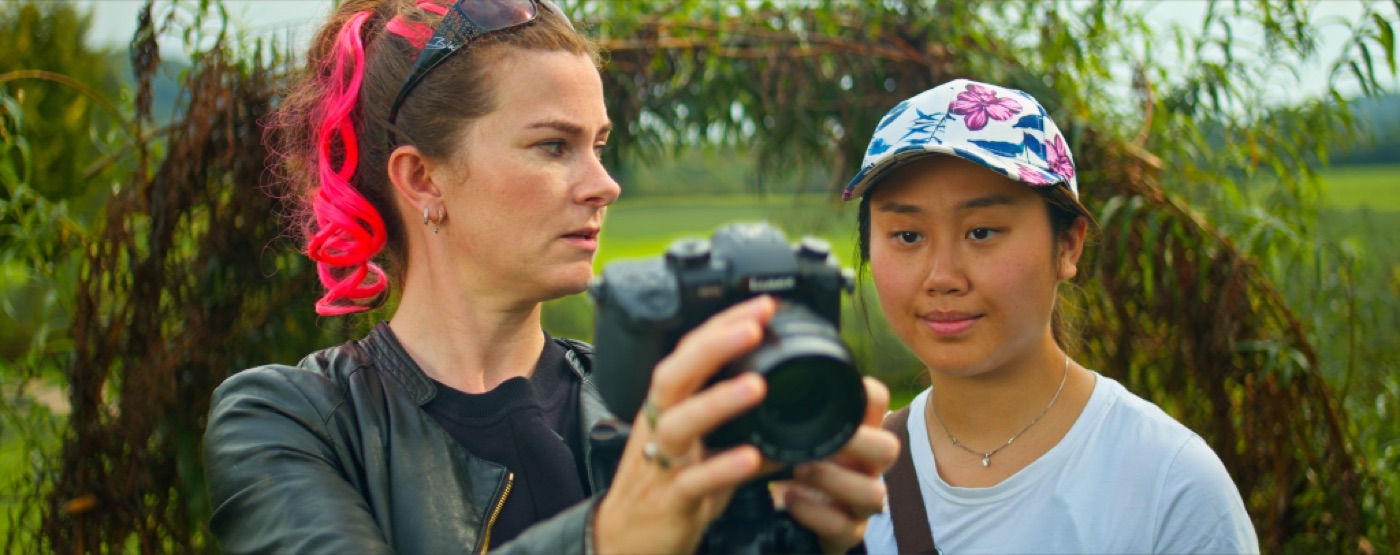
Aside from this engaging introduction, another particularly strong element is Deji herself. Unlike many horror protagonists, she’s given a genuinely compelling backstory. Her character left Hong Kong because of the increasingly dangerous treatment of journalists there, forcing her to leave family behind. The movie makes it clear that this separation has deeply affected her, but it’s also made her more determined than ever to pursue the truth, no matter the danger. It’s one of the more thoughtful elements of the screenplay, grounding the supernatural mystery in something emotionally real.
Valerie Kwok gives an excellent performance in the role. She makes Deji feel intelligent, vulnerable, and fiercely driven all at once. Even when the script occasionally falters, Kwok remains completely believable; her performance keeps the character grounded. You believe in her persistence because Kwok makes it clear what drives it.
Murray’s acting is equally solid. She brings a lot of warmth to the part, and the chemistry between the two leads gives the film much of its energy. Their friendship develops naturally without ever feeling forced, and their scenes together are consistently among the strongest.
Unfortunately, not everything works as well. The rest of the acting is patchy at best, which, I’m afraid, includes the vampire (Robin Bailes). Considering he’s the feature’s creature, that’s a significant problem. To be fair, he’s not terrible, and you only really see him when his “human alter ego”, Gerald Baker, is running around, but he’s simply not convincing enough to be scary.
Another weak point is the poorly handled subplot involving Deji’s controlling and overprotective boyfriend. Worried about her investigation, he gives her a phone tracker so he can monitor her location. The film seems to expect us to view this as unreasonable and to side with Deji when she treats it as an attempt to control her. The problem is that, given the circumstances, Mark’s concern seems perfectly understandable. Deji is investigating a series of suspicious deaths linked to an isolated stretch of river; in that context, wanting to know where she is doesn’t feel sinister—it feels sensible.
As a result, her behaviour towards him comes across as unfair. Yes, one could argue her reaction stems from trust issues following her experiences in Hong Kong, but the execution is clumsy. To compound the issue, the film’s 78-minute runtime means their relationship—though still in its early stages—feels rushed and lacks credibility.
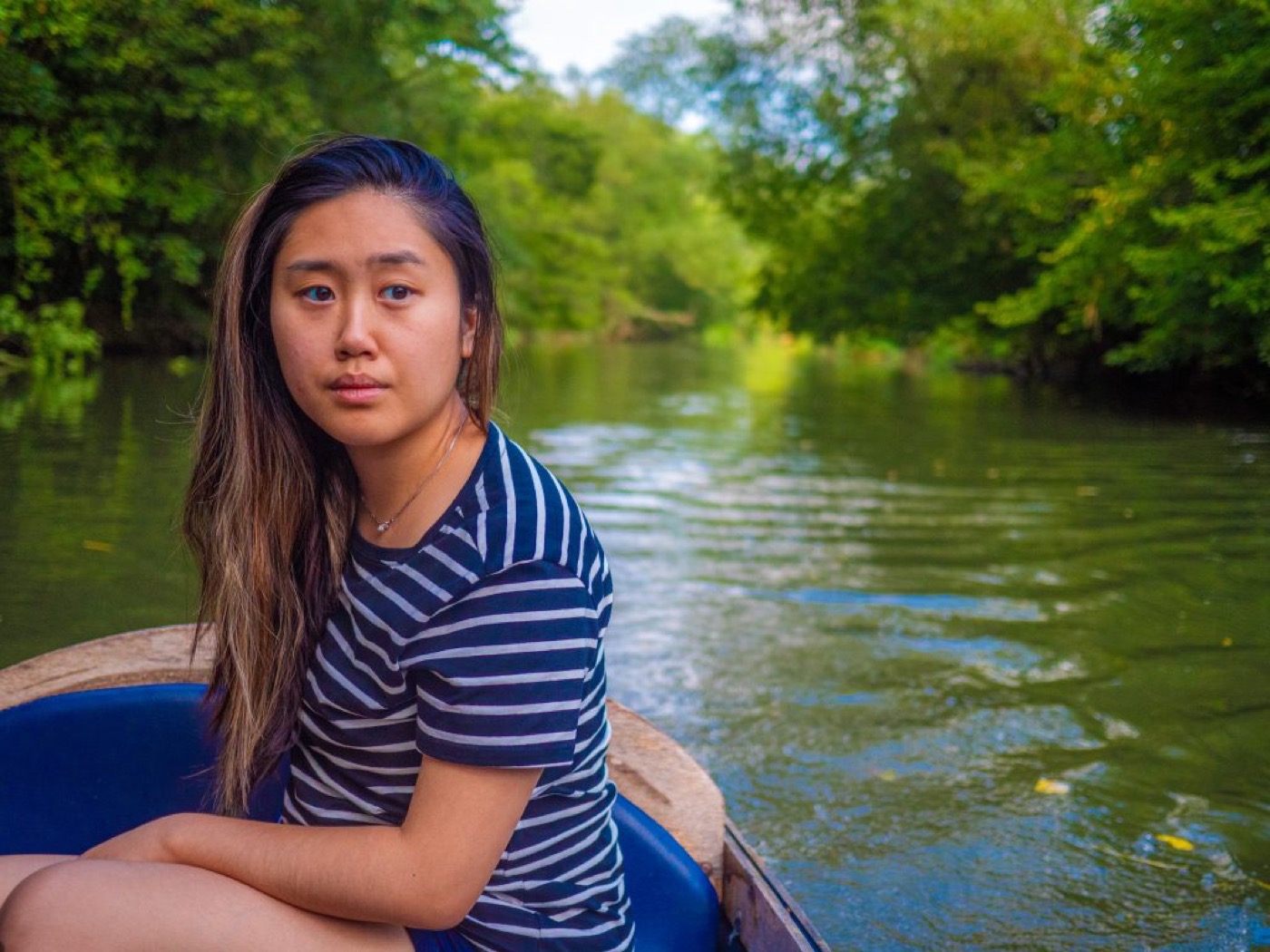
Despite this, Rawlins shows a clear talent for establishing a creepy mood. More than anything else, Wild Swimmers succeeds because of its setting. The cinematography is consistently impressive, capturing the river and surrounding countryside with a beauty that’s also faintly unsettling—especially the shots of the river at sunrise, with the morning mist hanging over it.
There’s an interesting similarity to Ari Aster’s Midsommar (2019), in that Rawlins repeatedly manages to convey an eerie sense of dread within bright, open spaces. A good example occurs when a young couple on the river spot a dark, almost witch-like scarecrow looming over the water. It’s never explained, and that’s precisely why it works. It feels ancient and wrong—as though it has always stood there, watching. However, while the film is often eerie, it’s never quite frightening. It creates unease more successfully than terror. Perhaps that was the director’s intention, but the film never builds on the overwhelming sense of dread that the best folk horror achieves.
Part of the issue is pacing. Near the end, the film abruptly cuts away to show the creature’s origins: a newly turned vampire coming to terms with the fact that he can no longer remain with his family. It’s an interesting scene and hints at a richer mythology, yet it arrives at entirely the wrong moment. Instead of deepening the story, it interrupts it, halting the momentum just when the narrative should be accelerating.
There are also a few technical lapses. One chase sequence is particularly distracting, beginning at night only for the scene to shift abruptly into what looks like early morning a few moments later. The jump is so obvious that it pulls you out of the film entirely.
Still, Wild Swimmers remains reasonably engaging. Rawlins has a strong visual sense, and the film often looks far more polished than its small budget would suggest. Ultimately, it’s an uneven but interesting addition to modern British folk horror. Many will likely find much to admire in the film’s unusual premise and striking visuals; it’s just a shame it never quite lives up to the potential of its opening act.
UK | 2025 | 78 MINUTES | 1.85:1 | COLOUR | ENGLISH

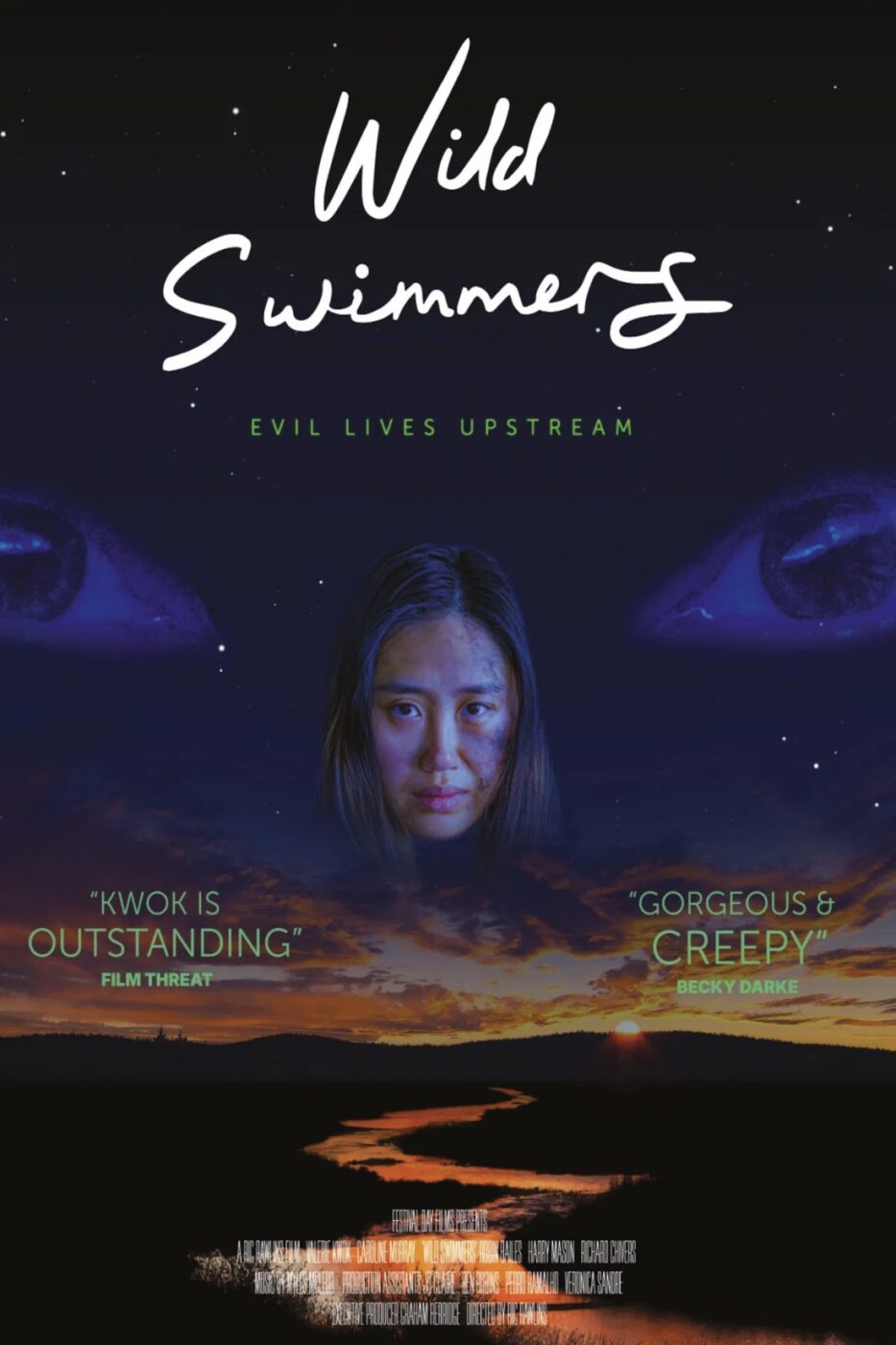
writer & director: Ric Rawlins.
starring: Valerie Kwok, Caroline Murray & Robin Bailes.