GRADUATION (2016)
After his daughter is assaulted and left with an injury that may jeopardise her opportunity to study in the UK, a Romanian doctor decides to do whatever it takes to secure her future.

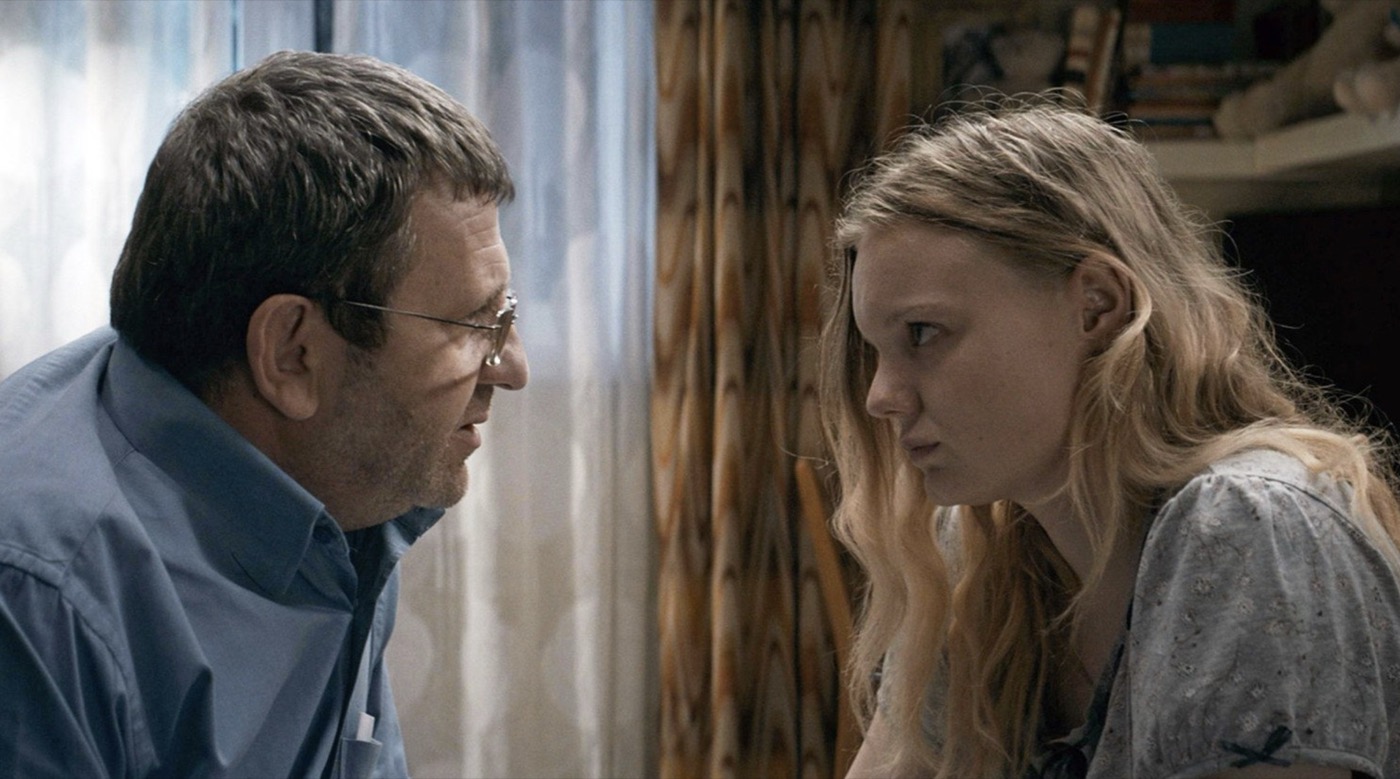

After his daughter is assaulted and left with an injury that may jeopardise her opportunity to study in the UK, a Romanian doctor decides to do whatever it takes to secure her future.
One of the most instinctive urges in life is to protect one’s child. Parents can readily attest to this, though one doesn’t need to be one to recognise this truth. You can watch videos online of parents demonstrating lightning-fast reflexes to catch falling children in the nick of time, or waking up and rushing to their baby the instant their breathing becomes irregular. Many parents will agree that they would die for their children if that was what it took to ensure their safety, and that they would struggle to stop their anger from turning violent towards anyone who harmed them.
When examining the fallout of the actress Felicity Huffman’s attempt to cheat her way through the US college system so that her daughter could attend an elite university, there was little sympathy levelled at her by the general public. Here was a rich, privileged woman using the leverage of her wealth and the ease with which she navigated socio-economic circumstances to evade the rules that the rest of us are subject to. Her goal didn’t sound particularly noble, either. If she had succeeded, her daughter would have received an unearned place at a high-level university, while another applicant who achieved their offer of admission on merit would have missed out on a life-changing opportunity.
But what is the difference between this act and the protective instincts of parents? Was Huffman not simply being a good mother (perhaps at the expense of being a good person) to ensure the best possible future for her child? Both topics are cleverly intertwined in Cristian Mungiu’s moral drama Graduation / Bacalaureat.
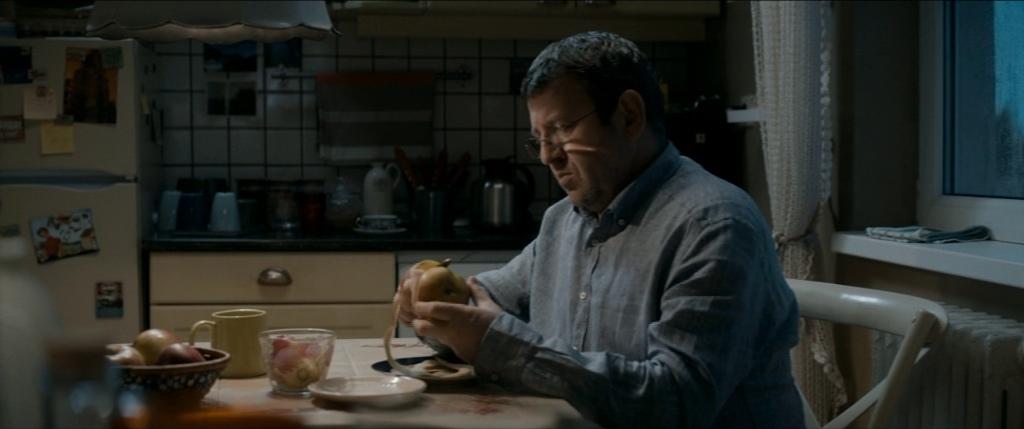
Of course, survival or safety are not exactly equivalent to attending an Ivy League university, but the general urge to look after your loved ones and afford them the best possible future can lead parents down moral quandaries they would otherwise never entertain. Besides, these seemingly divergent scenarios are slightly closer aligned for Romeo Aldea (Adrian Titieni), a physician who tries his best to ensure that his 18-year-old daughter, Eliza (Maria-Victoria Dragus), has the best possible chance of winning a scholarship to Oxford University. There, she can be free of the crime and corruption riddled throughout her native Romania, where Romeo’s car and house windows are regularly vandalised, and where Eliza is attacked and sexually assaulted near her school.
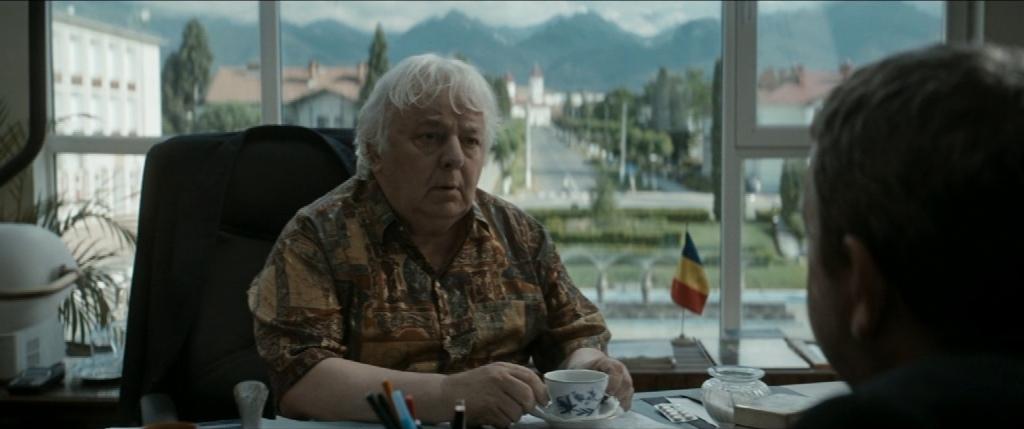
The latter incident kickstarts a desperate effort to rig Eliza’s exam results — a last-ditch attempt borne of fatherly love and an understandable series of frustrations. The assault left Eliza in a cast, slowing her down physically during an exam and robbing her of her usual intellectual clarity, given the paper took place just one day after the attack. With Eliza’s actual results falling short of the required level for the scholarship, and her chances of defying the odds in follow-up exams looking slim, Romeo abandons his moral duties to carve out a better future for his daughter.
Romeo is much more interested in being a good parent than having his character judged favourably by any other metric. And yet, for all his efforts, his actions throughout Graduation only distance him from his daughter, costing him her affection and trust. She does not want her future dictated for her, nor does she want Romeo to interrogate her boyfriend, Marius (Rareș Andric), for arriving late to meet her on the day she was assaulted.
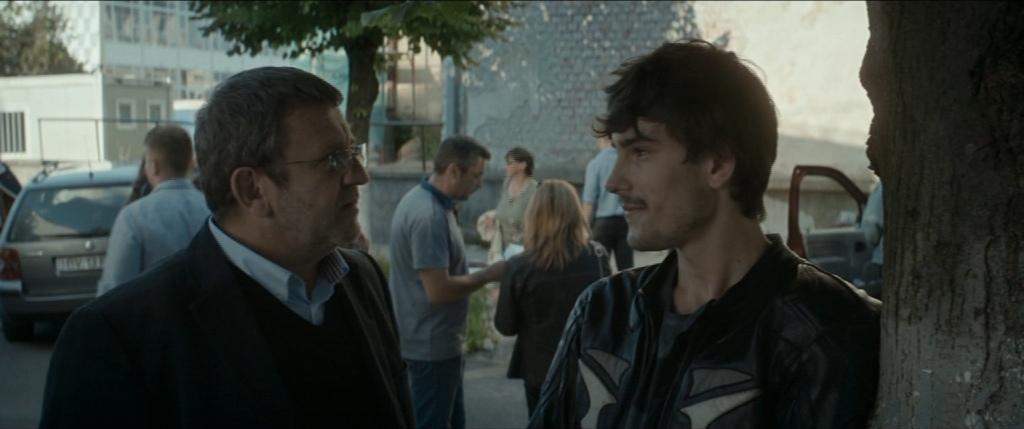
Romeo’s thankless work is in vain. Even as he compromises his morals and safety, he remains lost in the dream of an idyllic world far away from local corruption. This is not a story that applies solely to Romanians; college cheating scams, like the one Huffman was involved in, crop up in more affluent countries too. But Romeo is unable to see that complexity. He can’t even reckon with his daughter’s express wishes. He is lost within the bonds of fatherly duty, and even though he believes he is being honest when he tells his daughter he respects her opinion, he works tirelessly against it on the off chance she relents.
With its long, slow takes and bleak outlook, Graduation asks viewers to approach its subject matter with the complexity it deserves. Apart from Titieni’s lead performance — the shining quality of the film, as he effortlessly portrays a believable everyman father — Graduation is a story with many unspoken components. We do not witness Eliza’s assault because the camera strictly follows Romeo’s perspective and travails, but more remarkable is how little is made of the attack in retrospect. Mungiu, who usually forces his viewers to sit with the brutal, ice-cold reality of his stories, instead develops much of this film through omission, exposing the things Romeo fails to say or the consequences he fails to consider.
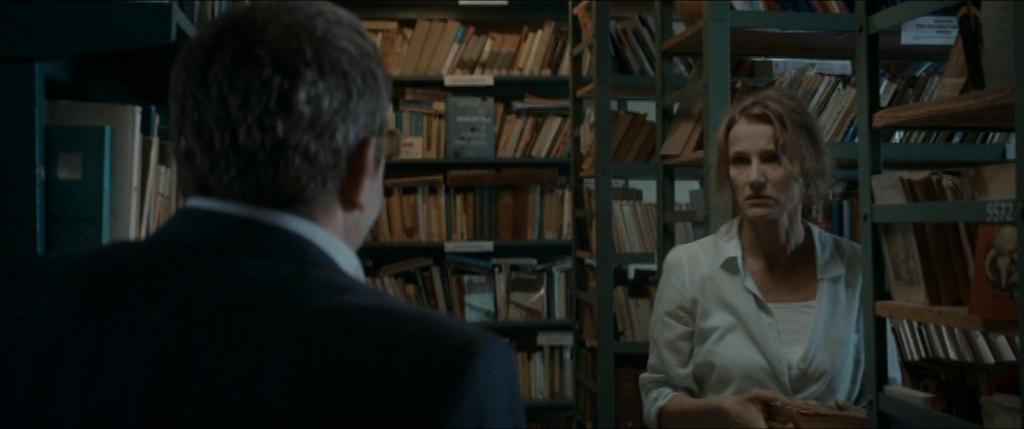
Romeo hardly discusses Eliza’s assault or its reverberations, partly because of how headstrong and determined he is. Similarly, no mention is ever made of the young person whose dreams could be crushed if Eliza illegitimately secures her place at Oxford. This omission benefits the story, exploring how a good man’s moral compass can be severely limited, however easy it is to sympathise with him.
At the same time, it is difficult not to compare this comparative lack of tension with the bone-chilling drama of the director’s most acclaimed work, 4 Months, 3 Weeks and 2 Days (2007), which centres on an illegal abortion in 1980s Romania. It is remarkable how searing and unforgettable that film remains, with Mungiu’s seemingly boundless empathy forming a lump in the throat that feels like a universal sentiment, despite the polarising subject matter. Mungiu achieves that sense of universality by drilling down into the oppressive bleakness of a single day in a corrupt nation.
That film’s long takes are merciless, leaving the viewer exhausted. At one point, a meaningless, cruelly ironic dinner-table conversation plays out while the camera remains locked on the protagonist, who is preoccupied by something else entirely. Despite entire minutes passing like this, the story’s urgency never dwindles; it escalates with each passing second as the young woman sits and waits, lost in a world that didn’t exist the day before, but which can now never be undone.
Graduation appears to have the same makings of soul-deadening, shrewd slow cinema in store, but there isn’t a single scene here that matches the way tension flows so steadily through the seemingly uncomplicated sequences in 4 Months. Graduation’s slowness doesn’t offer as much to meditate on as it thinks it does, while its lived-in approach to Romeo’s personality proves a hindrance to compelling storytelling.
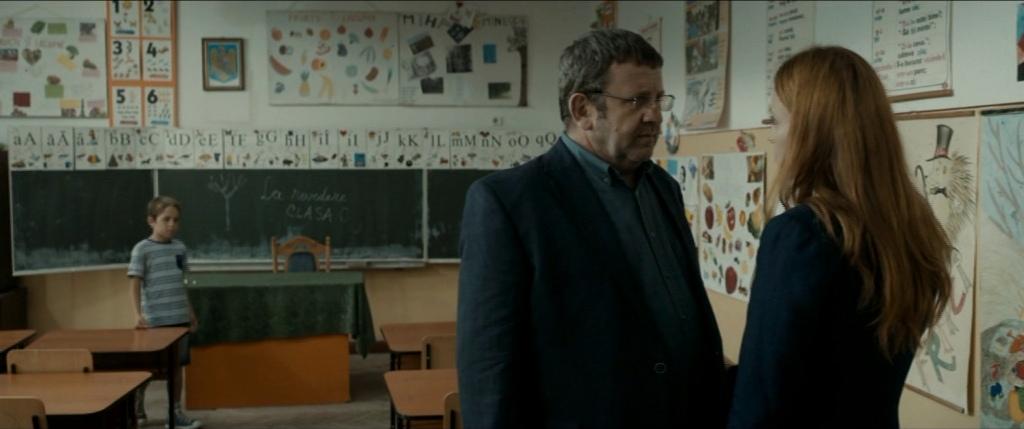
The history between these characters, as well as the rich inner and outer worlds that should accompany it, is never broached. In 4 Months, it would be unthinkable to make such demands, since everything in that film lives or dies on the unbearable weight of the present moment. Romeo is a worthy protagonist, but the film distances itself from the audience by failing to explore its wider cast, leaving important side characters looking like background objects with little opportunity to showcase their personalities.
A few plot contrivances, like a sudden family injury, bring characters together only to prod the narrative forward rather than give them anything meaningful to do. Whereas his 2007 Palme d’Or-winning effort cut bone-deep, Graduation is a prolonged, surface-level study of moral compromise and uncomfortable scenarios, whose memorable final scene cannot patch up its underwhelming tension.
ROMANIA • FRANCE • BELGIUM | 2016 | 128 MINUTES | 2.35:1 | COLOUR | ROMANIAN

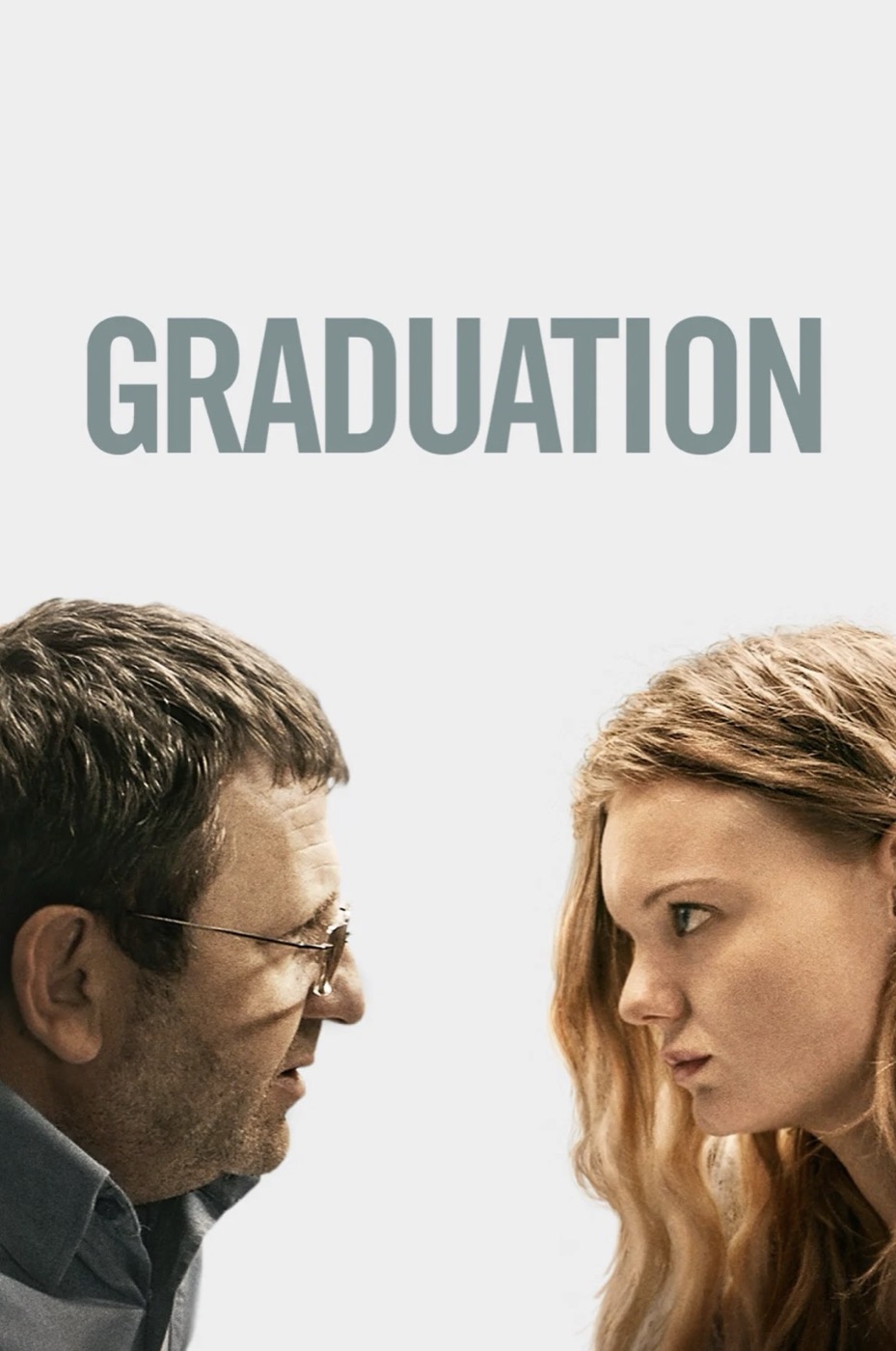
writer & director: Cristian Mungiu.
starring: Adrian Titieni, Maria Drăguș, Rareș Andrici, Lia Bugnar, Mălina Manovici, Vlad Ivanov & Gelu Colceag.