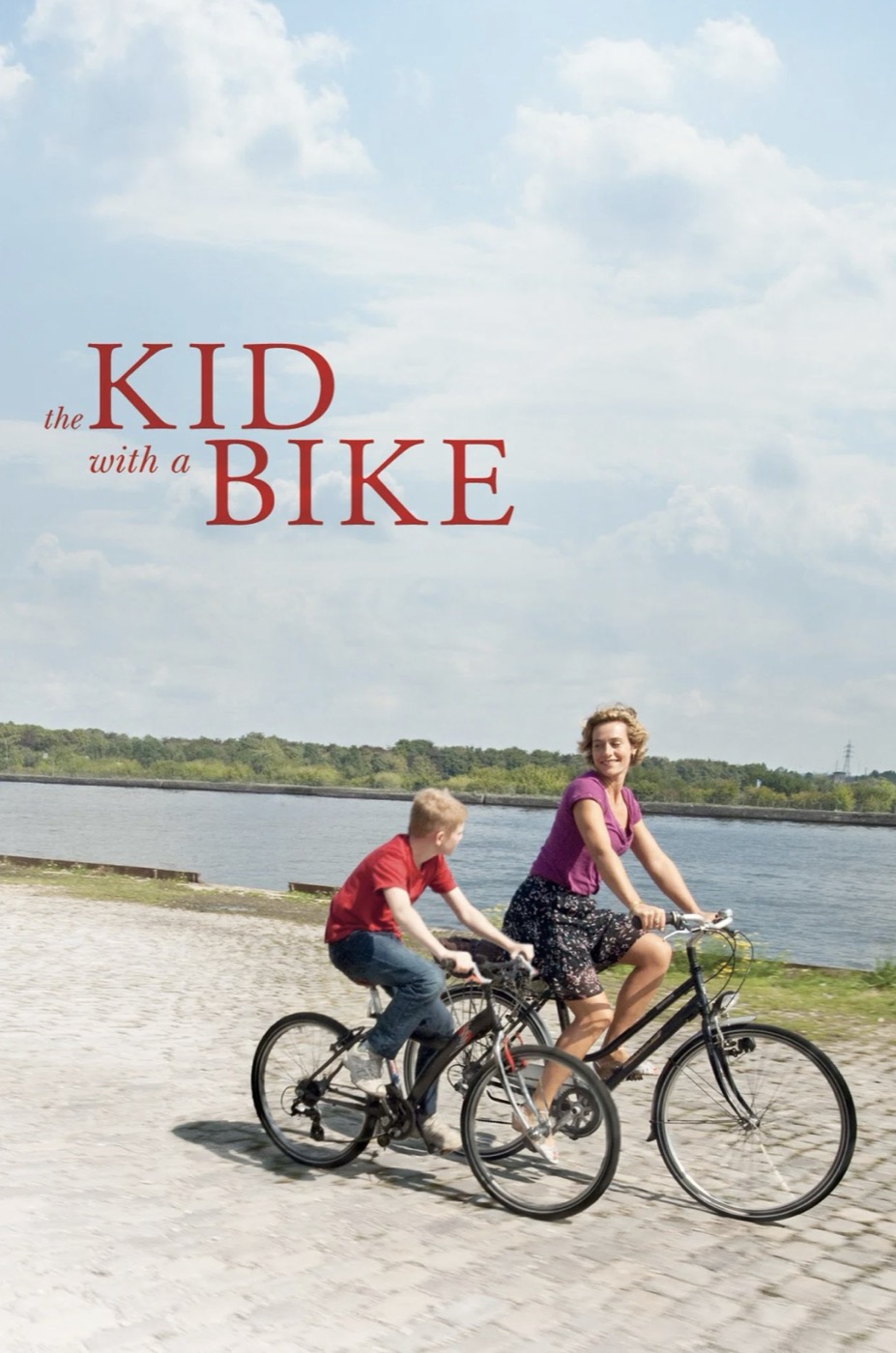
THE KID WITH A BIKE (2011)
Abandoned by his father, a young boy is left in a state-run youth farm, where the town hairdresser agrees to foster him on weekends.

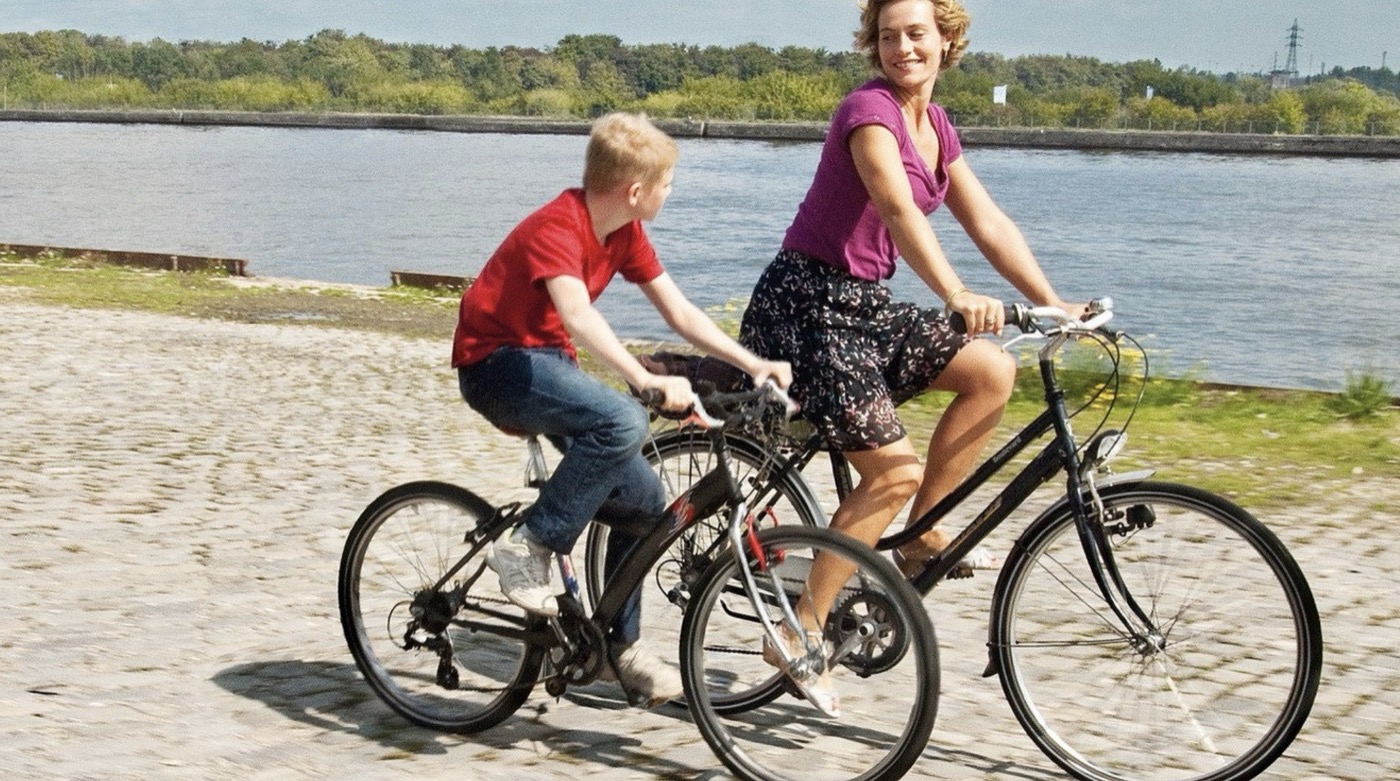

Abandoned by his father, a young boy is left in a state-run youth farm, where the town hairdresser agrees to foster him on weekends.
Six years after his central role as an irresponsible young father in the Dardenne brothers’ The Child (2005), Jérémie Renier starred as yet another wayward dad in one of the Belgian directors’ subsequent films, The Kid with a Bike / Le gamin au vélo. This time, he’s in charge not of a baby, but an 11-year-old boy, yet he’s similarly useless at looking after his offspring. The father, Guy Catoul (Renier), gives his son, Cyril (Thomas Doret), away to a children’s home, ostensibly for just a month, though it doesn’t take long to recognise that Guy has little interest in allowing Cyril to return to his life.
Cyril is an angry, tormented youngster, frequently running away from the children’s home. His instinct is always to run, or fight, for what he feels he deserves. Though his behaviour makes him a royal pain for anyone trying to look after him, the bruised ego of a young child desperate for love remains accessible. While the children’s home workers attempt to apprehend him in a hospital after one of his many escapes, he clings to a patient and hairdresser, Samantha (Cécile de France), who takes pity on the boy. Buying back Cyril’s beloved bike, which had been sold by his callous father, Samantha accepts the boy’s request to foster him at weekends. But trying to look out for a child pushing back against vulnerability and toying with crime is no easy task.
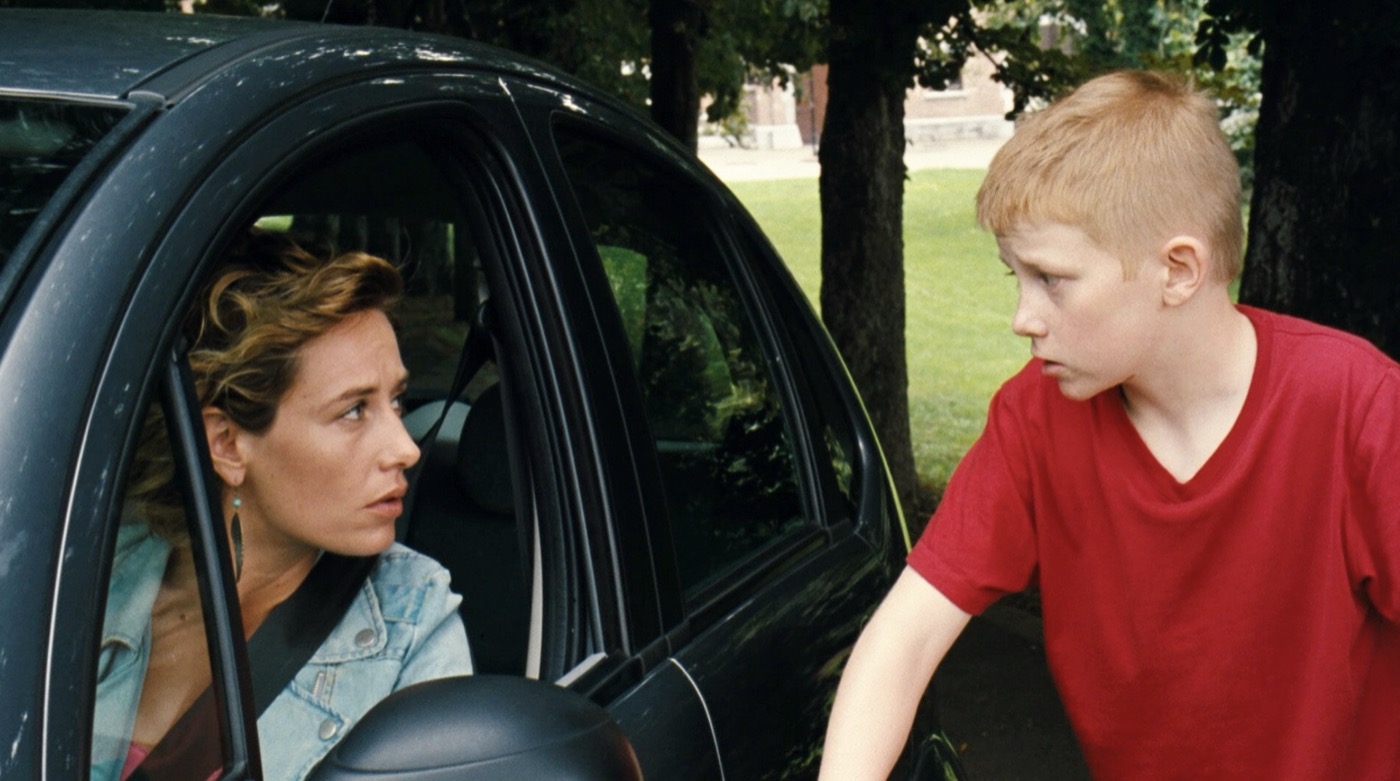
Doret isn’t just brilliant in isolated scenes; he fully embodies this character’s dejection and desperation for commitment. Despite being only a teenager when he was cast, he appears wiser than his years suggest, communicating more through his expressions than words could ever hope to convey. The Dardennes have a keen knack for orienting the audience in the specifics of their world, allowing viewers to sympathise with their protagonists while still recognising their flaws. Cyril has many of those. He’s abrasive, violent, sullen, and antisocial. Worst of all, he isn’t trying to better himself.
But he is trying to be loved, and in some respects that’s the best one can hope for from this protagonist. His actions mightn’t make much logical sense — what can he ever hope to achieve from his transgressions? — but as a wounded kid searching for affection, his sense of rebellion is always understandable. If he rebels against Samantha’s affection, it’s only to test her to see if she really cares about him. However, the presence of local drug dealers, eager to influence Cyril to do their bidding, threatens to disrupt this blossoming relationship.
The Dardenne brothers’ greatest asset is their ability to avoid sentimentality or dreariness. To say the filmmakers are apathetic would be simply untrue, existing outside the bounds of subjective opinion. Arguments can at least be made that they are too forgiving of their characters’ misdeeds, or too contrived in these figures’ misery. Neither critique rings true. Cyril and Samantha’s backstories are omitted, offering us only as much knowledge as can be gleaned from the present moment between them. By resisting a tragic backdrop, the film avoids priming us to sympathise with Cyril. He’s a disagreeable, restless protagonist who somehow finds a way to irritate and overwhelm those around him, even when he isn’t shouldering any responsibilities.
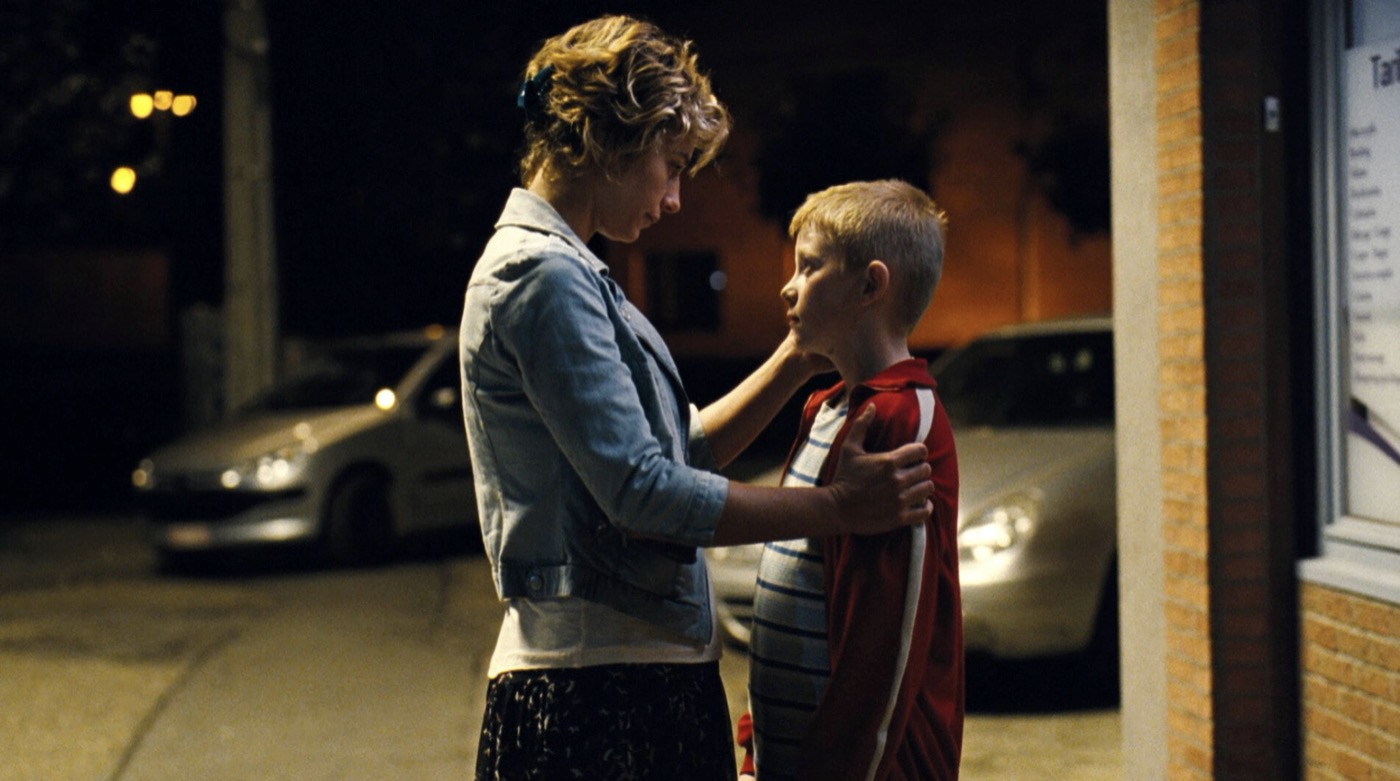
But greater than any lone responsibility is the burden of feeling unloved, with this sweet, simple tale finding its most resonant note in delicately unfurling his toxic traits and revealing the wounded sentiments beneath them. Normally, the Dardennes explore their characters’ lives in microscopic detail, but The Kid with a Bike — with a lean runtime of 87 minutes — is content with skimming the surface. In doing so, it doesn’t just end on an uncertain note (a trademark of this filmmaking duo); it features an abrupt tonal shift that is as intriguing as it is awkward. With so little in the way of structure, the movie starts to feel a little flimsy in retrospect, relying on its strong central performances to give it momentum.
The lead performers — from Doret and Renier to the authentically warm-hearted and struggling de France — are all without fault. But this story, which was envisioned by the Dardennes as being akin to a fairy tale for its lack of backstory and focus on redemption, is too anchored by naturalism to leave the impression that it was ever intended as such. As naturalists, the filmmaking brothers are totally at odds with anything that does not speak to the reality of these characters; you can easily envision the kinds of people in everyday life who inspired each of these figures. Without wanting to do a disservice to those everyday figures — especially the central urgency of children desperate for love but without the tools to achieve it — the pair refuse to enter more stylistically bold territory.

The only noticeable difference between The Kid with a Bike and the Dardennes’ other films is that this one has a brighter colour palette, suggesting a hopeful slant that their other, more painful films aren’t nearly so willing to give in to. While the Dardennes are never cruel to their characters, they are frank, and as filmmakers with a political agenda, they are committed to exploring the cruelty within these characters’ lives, whether between each other or inflicted by wider systems that pin them down.
The Kid with a Bike features a young boy who has constant means of escape, and who indulges in them regularly — a far cry from how trapped these directors’ other characters are. But in this case, learning to be grounded and to accept the stability of a loving parental figure is key. This is a film about new possibilities, from directors who have a reflexive habit of showing the world to be so much less open and freeing.
All of these tonal shifts sound ideal in theory, but in practice they result in a sweet, simple tale that feels a tad shallow. These characters are easy to care about, but they remain watered-down, imprecise depictions of the good-hearted, exasperated, flawed people characteristic of the Dardennes’ work.
One other distinction between this film and many of their other projects is that The Kid with a Bike features music, though never very much of it. The film’s infrequent score never feels random or out of place, operating as a kind of bookend between dramatic swells of emotion. Tastefully composed and resonant, the soundtrack is also spare, lacking much of a punch beyond its notes of sincerity — just like the film itself.
BELGIUM • FRANCE • ITALY | 2011 | 87 MINUTES | 1.85:1 | COLOUR | FRENCH

writers & directors: Jean-Pierre Dardenne & Luc Dardenne.
starring: Thomas Doret, Cécile de France, Jérémie Renier, Fabrizio Rongione, Egon Di Mateo, Olivier Gourmet & Myriem Akheddiou.