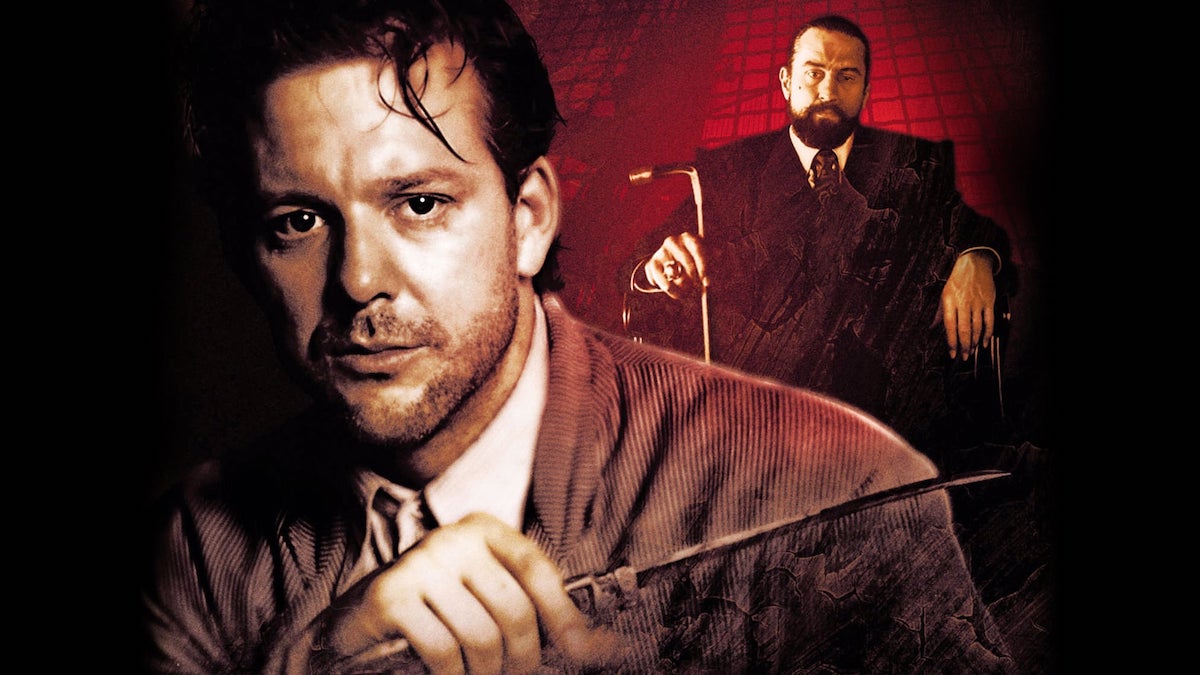
HI, MOM! (1970)
A Vietnam vet moves into an apartment and peers through other people's windows across the street, meets one of the women, and discovers Black theatre.

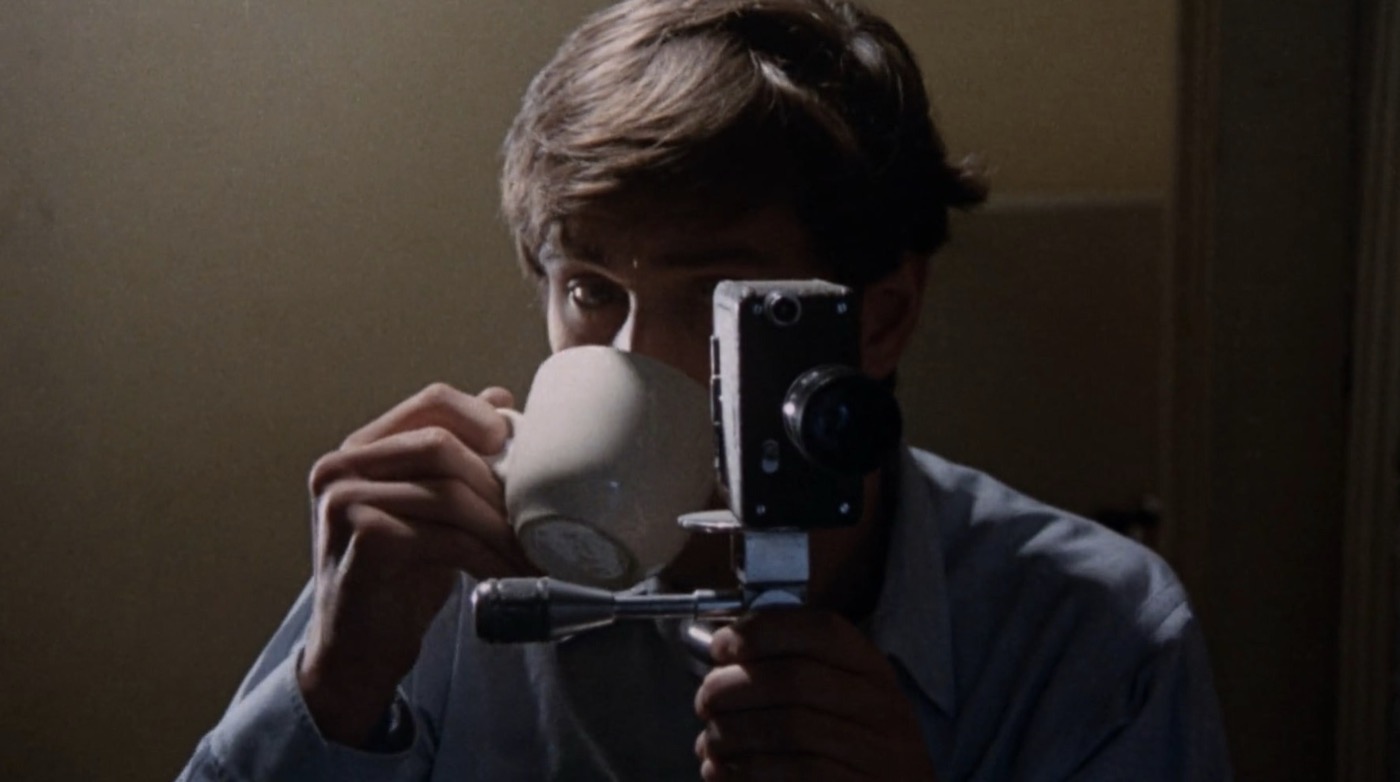

A Vietnam vet moves into an apartment and peers through other people's windows across the street, meets one of the women, and discovers Black theatre.
Even considering filmmaker Brian De Palma’s famous directorial nadir, The Bonfire of the Vanities (1990), I simply couldn’t believe Passion (2012) was made by the same man when I saw it a few years ago. Despite a strong cast, including Rachel McAdams and Noomi Rapace, the production’s cheap-looking sets and a screenplay so mediocre you can practically see the actors questioning their career choices, it resulted in something resembling a Hallmark Channel original. It was so mind-numbingly dull I switched it off after 45 minutes.
De Palma’s output has always swung wildly between success and failure, but his films were rarely boring. Had he lost his mojo? After more than 50 years in the industry, it’s certainly possible. Watching Passion, it felt as if it had been made by someone tired of the process and ready to give up. This is why revisiting De Palma’s early years, to see Hi, Mom!, proved such a pleasant surprise.
Granted, this was only De Palma’s fourth feature. Produced for around $100,000, it’s understandably rough around the edges, but this satirical black comedy possesses enough sharp ideas, strange humour, and strong performances to make it an easy recommendation for serious cinephiles—and perhaps even casual fans interested in the formative work of its star and director.
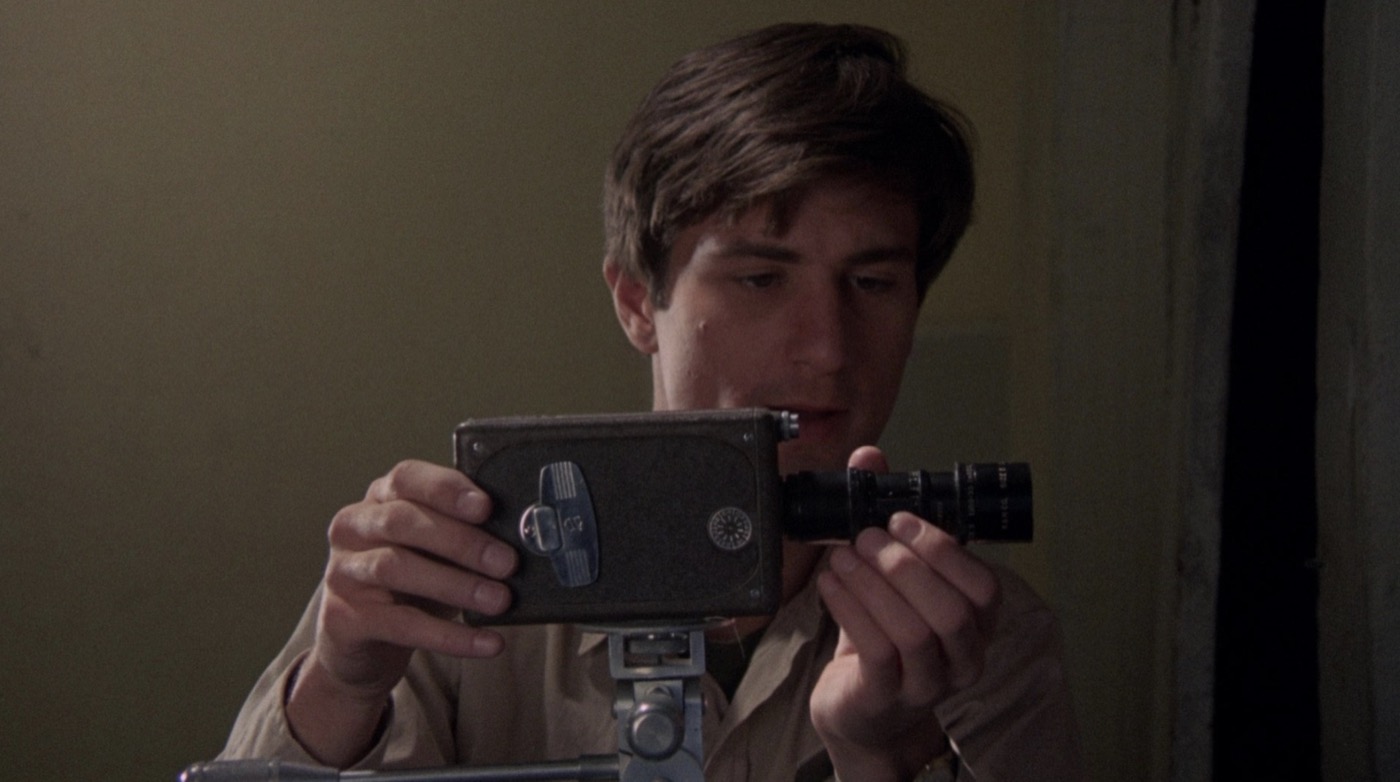
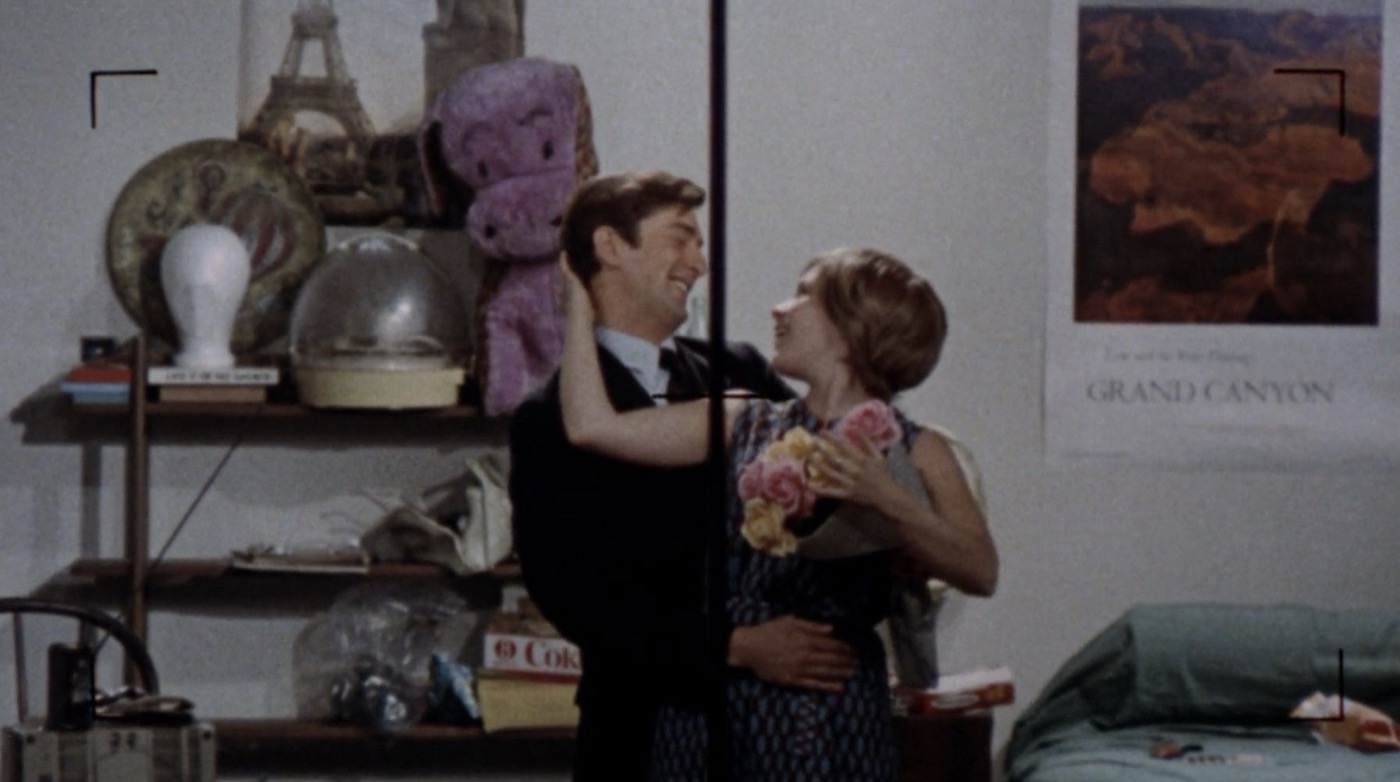
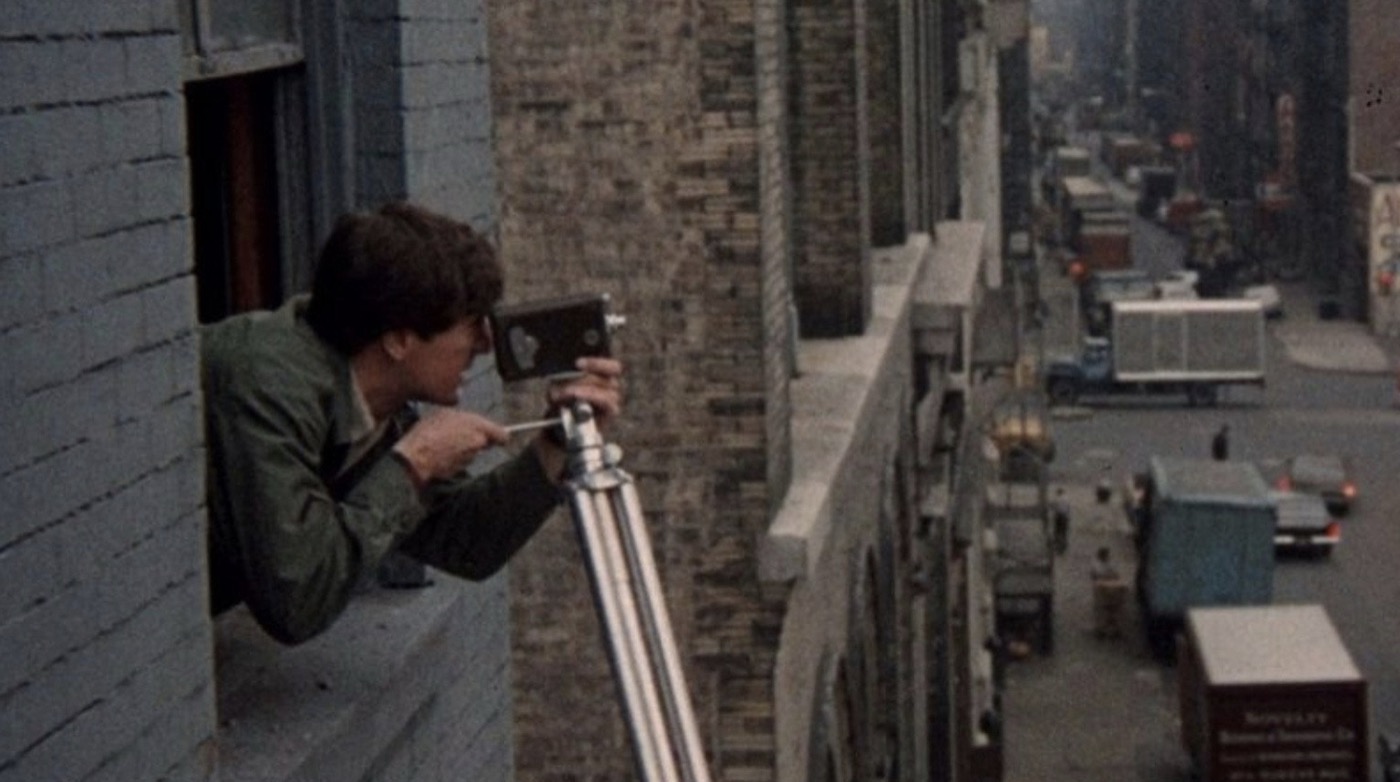
In one of the opening scenes, Jon Rubin (Robert De Niro) stands in his cramped Manhattan apartment, camera in hand, peering through a long lens into the building opposite. He watches people undress, argue, have sex, and eat dinner—moments that feel invasive simply because he’s observing them. By modern standards, the setup feels almost quaint; we’re now used to living under the constant surveillance of CCTV, smartphones, and social media. Yet, the scenes still carry a faintly creepy edge.
Rubin is doing this because he wants to break into the adult film business, making “peep art”, as he calls it. This gives De Palma an excuse to lean heavily into extended voyeuristic sequences. Rubin rents a shabby apartment with the perfect view into other people’s windows and pitches the idea of filming real lives in real time—essentially reality TV years before the genre existed. What follows is a strange mix of satire, awkward comedy, and social commentary as Rubin blunders through increasingly bizarre schemes, eventually starting a relationship with one of the women he has been spying on.
The film arrived at a fascinating moment in American cinema. The old studio system was collapsing, censorship rules were loosening, and a younger generation of filmmakers—many inspired by European art cinema—was trying to make sense of a country fracturing politically and culturally. This group, later dubbed “The Movie Brats”, would completely reshape Hollywood. You know the names: Martin Scorsese, George Lucas, Francis Ford Coppola, and Steven Spielberg. De Palma belonged to that same generation, even if his career took stranger, more divisive turns.
Still in his twenties, De Palma had already directed several low-budget features, including Greetings (1968), which first introduced Jon Rubin. Hi, Mom! continues that character’s story, although calling it a direct sequel is a stretch. It’s more of a loose continuation: fragmented, chaotic, and deliberately disjointed.
If you’re familiar with De Palma’s later work, the voyeuristic material here feels like a blueprint for themes he would revisit in Dressed to Kill (1980) and Body Double (1984). Both films sparked controversy for their graphic sexual violence. Hi, Mom! is messier and more overtly comedic than those later thrillers, but the filmmaker’s obsessions are already evident.
Alongside the edgy material, the fact that Rubin is a Vietnam veteran provides an interesting backstory. The subtle way this is handled—mentioned only in passing—is a smart creative choice. It lends dramatic heft to the story and makes the feature feel more grounded, especially considering the timing of its release.
Of course, it’s difficult not to think of Travis Bickle from Taxi Driver (1976), another iconic De Niro performance that would arrive only a few years later. But where Bickle is tense and boiling over, Rubin is opportunistic, detached, and strangely playful. He isn’t fuelled by rage so much as pure moral flexibility; he’ll latch onto anything that might give his empty life shape or purpose.
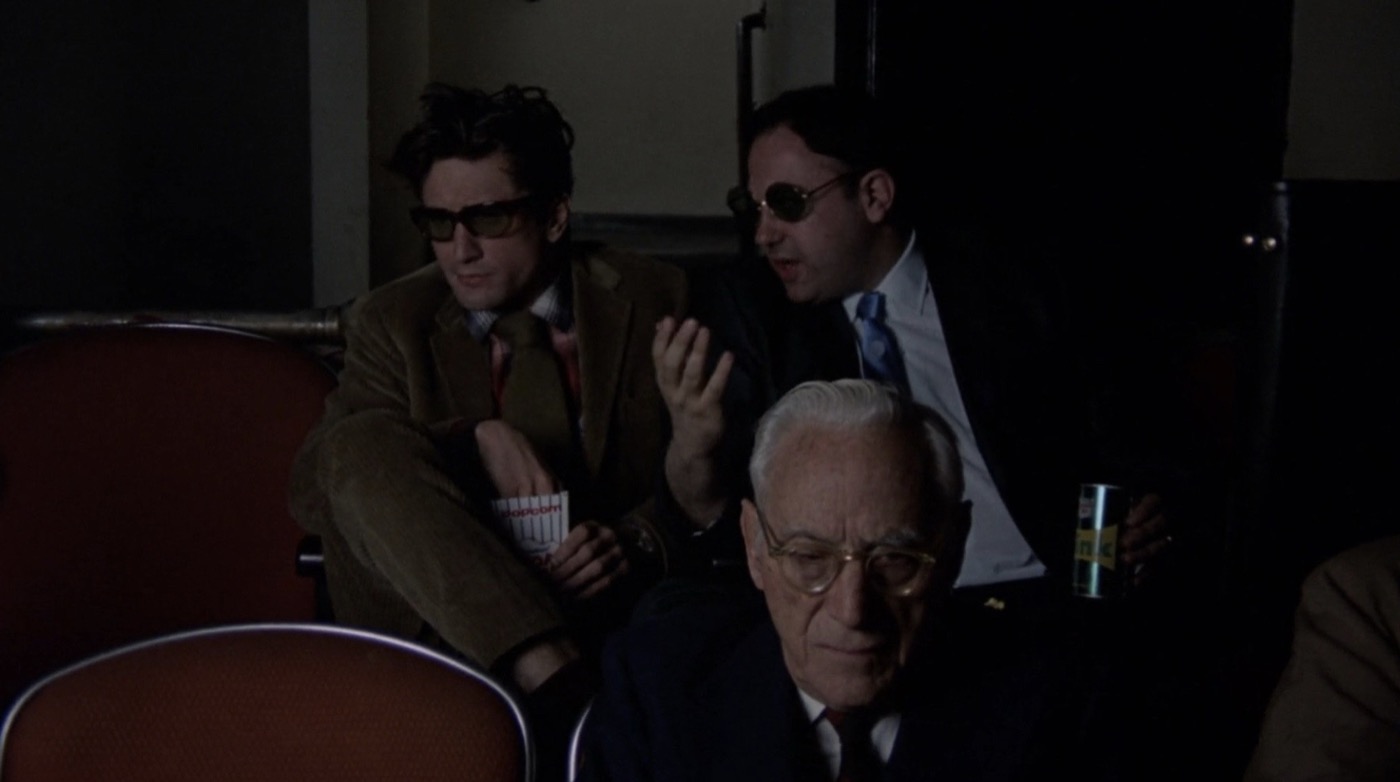
That also makes him harder to pin down. His story doesn’t build towards a grand tragic collapse; instead, it drifts from one strange episode to another. That shapeless quality feels deliberate. Rubin’s ability to float between social movements, political ideas, and personal obsessions without genuinely caring about any of them becomes unsettling. He isn’t obviously broken, but a hollowness lingers beneath the comedy.
About halfway through, there’s a tonal shift that may be too jarring for some. Rubin becomes increasingly curious about—and eventually joins—an experimental theatre group. Their new play, Be Black, Baby, is a long, chaotic, and deeply uncomfortable performance in which white audience members are dragged into a simulated experience of racism and police brutality. They are covered in blackface, screamed at, shoved, and humiliated. One actor pretending to be an audience member even appears to be raped, and the piece concludes with fake arrests by a police officer played by Rubin.
Afterward, a film crew interviews the audience. Despite the ordeal, many describe it as “powerful” and “authentic”. That’s where De Palma’s real joke lands. The film mocks how quickly people can turn genuine suffering into something fashionable or intellectual once it’s packaged as “art”.
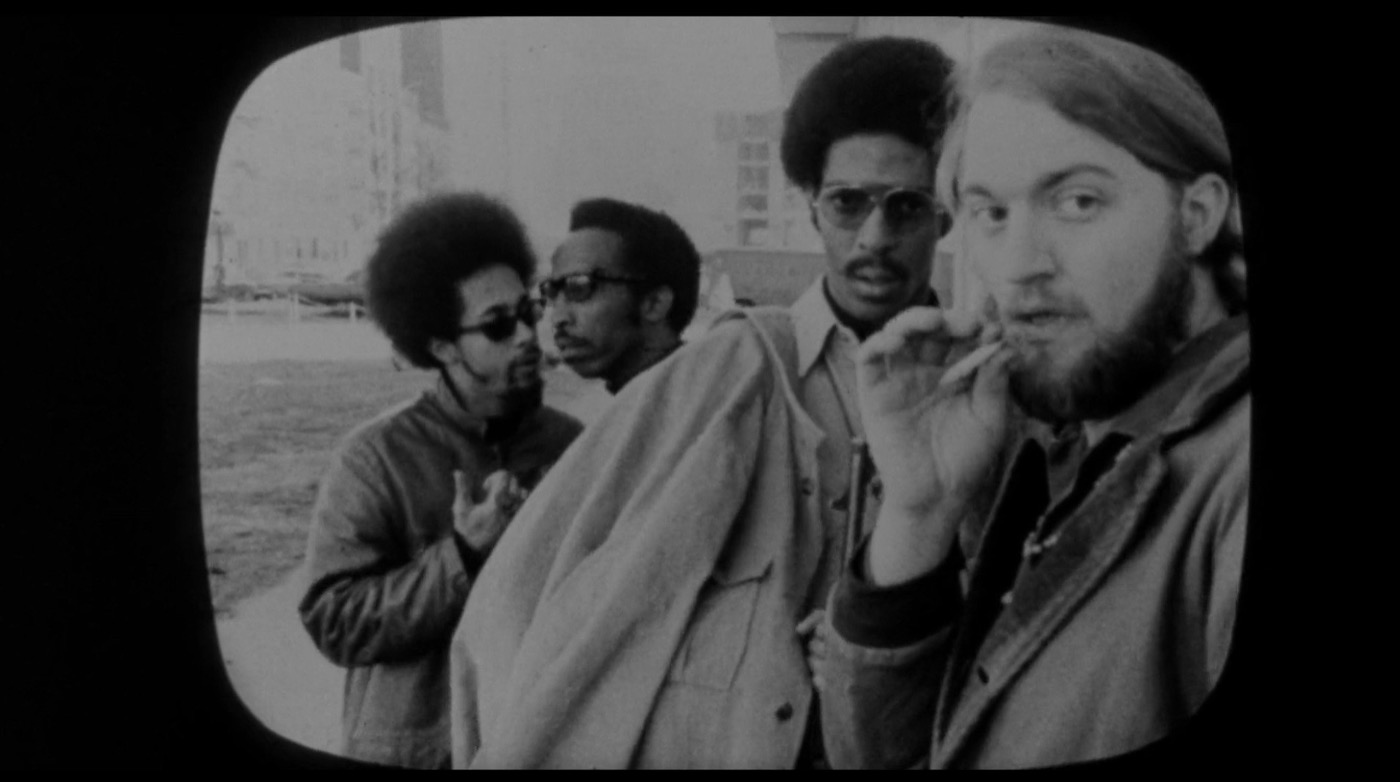
The sequence remains uncomfortable, but that’s clearly the point. De Palma shoots it in a rough, handheld style that feels almost like a documentary, blurring the line between performance and reality. The film isn’t simply attacking one political viewpoint; it’s mocking white liberal guilt, self-important activism, experimental theatre culture, and the media’s ability to reduce serious social issues to spectacles for dinner-table conversation.
The scene was heavily inspired by the experimental theatre movement of the late 1960s, where audience confrontation was popular. De Palma had just finished the documentary Dionysus in ’69, which followed The Performance Group’s controversial stage production, and that influence is visible throughout. These performances tried to break the barrier between audience and actors, forcing viewers to become active participants. Hi, Mom! both mocks and imitates that style, cleverly putting the film’s own audience in an awkward position.
When Hi, Mom! was first released, it didn’t make much money. It was never designed for mainstream success; it’s far too strange and confrontational. However, it slowly developed a following among younger audiences attracted to its rebellious, anything-goes energy.
De Niro’s presence remains a primary draw. Watching him here is fascinating because you can see the movie star emerging. He gives Rubin a restless, unpredictable energy that commands attention even when the film threatens to drift apart.
He’s also remarkably funny. Long before De Niro was known for comedy, he displayed superb comic timing: awkward, twitchy, and bizarrely charming. Rubin spends much of the film bluffing through absurd situations, and De Niro plays those moments with a loose confidence that keeps the character entertaining even when he’s acting reprehensibly. It would be many years before he fully embraced a comedic role again, most notably in Midnight Run (1988).
Jennifer Salt (Midnight Cowboy) also holds her own as Judy, the woman Rubin becomes obsessed with. She provides a grounded quality that ensures her character feels like more than just an object of Rubin’s voyeurism. A scene where she tries to seduce Rubin is particularly funny; both actors seem to be enjoying themselves immensely.
Seen today, Hi, Mom! is an unmistakable cinematic time capsule. Some of the pacing is awkward and the structure can seem improvised—more a collection of filmed experiments than a fully formed movie. Some sections feel underdeveloped, while others drag. What’s worth noting, however, is the humour in the sex scenes Rubin shoots.
In lesser hands, these sequences could look merely smutty, but De Palma speeds up the film so everything moves at a comedic pace, leaving only brief glimpses of nudity. Interestingly—and daringly for the time—the director also shows a male performer fully naked. One of the actors from the theatre group hesitates before covering himself in black body paint. This scene was actually cut from the original theatrical release to avoid an X rating.
Ultimately, this early De Palma entry is a compelling viewing experience. Not all of it succeeds, but it’s refreshing to see a film taking risks. He would later make slicker, more technically accomplished films, but few captured the same raw, unpredictable energy found in Hi, Mom!
USA | 1970 | 87 MINUTES | 1.85:1 | COLOUR • BLACK & WHITE | ENGLISH

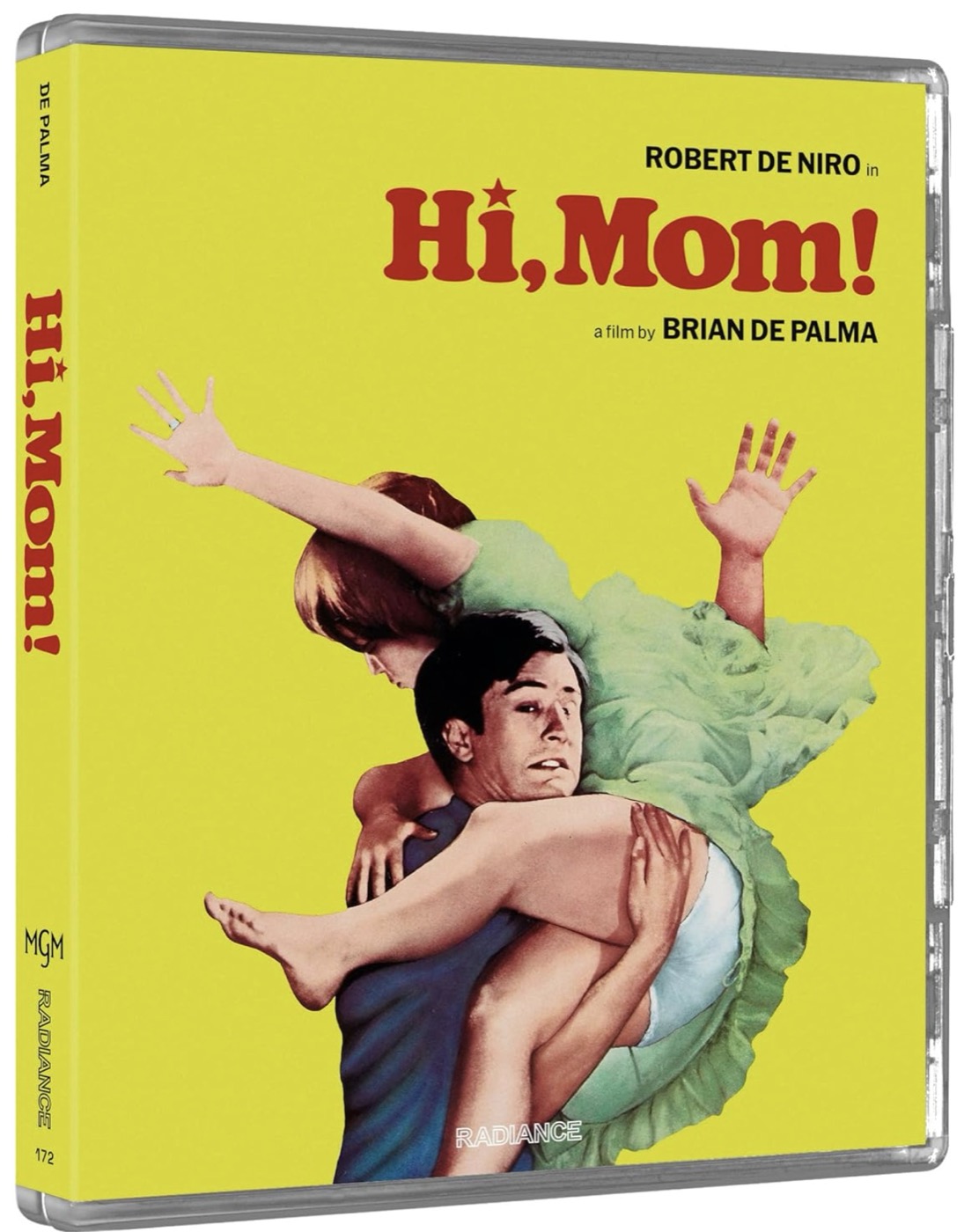
This Radiance Limited Edition release in 4K Ultra HD/Blu-ray looks pin-sharp, with colours appearing fresh and vibrant. Indeed, considering the film’s age, the overall transfer is very impressive. Unlike some UHD releases, the organic film grain is preserved, yet everything remains crisp and high-quality—the dark contrasts hold up particularly well. Alongside the top-notch visuals, the uncompressed mono audio mix sounds excellent, providing a balanced, clear range free from distortion that perfectly showcases the funky 1970s soundtrack.
If you consider yourself a culture vulture, this disc’s extras won’t disappoint. To begin with, there’s the 76-minute, fly-on-the-wall documentary Son of Greetings, which features numerous behind-the-scenes sequences. It’s particularly interesting to see one of the actors from the Be Black, Baby segment explaining the production’s process and themes. A young De Niro is captured signing autographs, and there’s a clip of the star and Jennifer Salt filming on a street while residents peek out from their apartment windows.
You also get the full Dionysus in ’69 documentary, which De Palma filmed before making Hi, Mom! Shot in black and white, the film offers a fascinating, fleeting look back at the New York theatre scene. De Palma’s famous split-screen technique, later used in Carrie and Blow Out, is utilised effectively throughout. Last but not least, there’s an engaging feature from critic Ellen E. Jones, which contains some fascinating facts about the film and its director.

director: Brian De Palma.
writer: Brian De Palma (story by Charles Hirsch & Brian De Palma).
starring: Robert De Niro, Jennifer Salt, Gerrit Graham, Ruth Alda, Allen Garfield, Charles Durning, Lara Parker & Bruce D. Price.