THE MARQUIS OF O (1976)
A German Marquise has to deal with a pregnancy she cannot explain and an infatuated Russian Count.


A German Marquise has to deal with a pregnancy she cannot explain and an infatuated Russian Count.
Few genres seem as ill-fitting for the sensibilities of Éric Rohmer than historical drama. The acclaimed director was at his best creating light, nimble works bursting with optimism and hope. Whether it was young lovers engaging in constant spats, chance encounters between strangers transforming into rich, complex dynamics, or our inability to treat people with the grace they deserve, Rohmer’s films are a delight. He drifts through his characters’ lives so adeptly that you can never quite pinpoint the moment his stories become compelling; such is their transfixing nature.
The more liberal and liberating attitudes of contemporary France played a significant role throughout his filmography. This social bedrock allowed his characters to start new relationships long before current ones had died out, switching between lovers so easily that the effect would be scandalising if the filmmaker weren’t so talented at conveying the splendour of spontaneity. Rohmer’s films mightn’t be fantastical, and conversations take their sweet time to become entrancing, but there’s a magic embedded in these moments, where the present feels as though it isn’t escaping us.
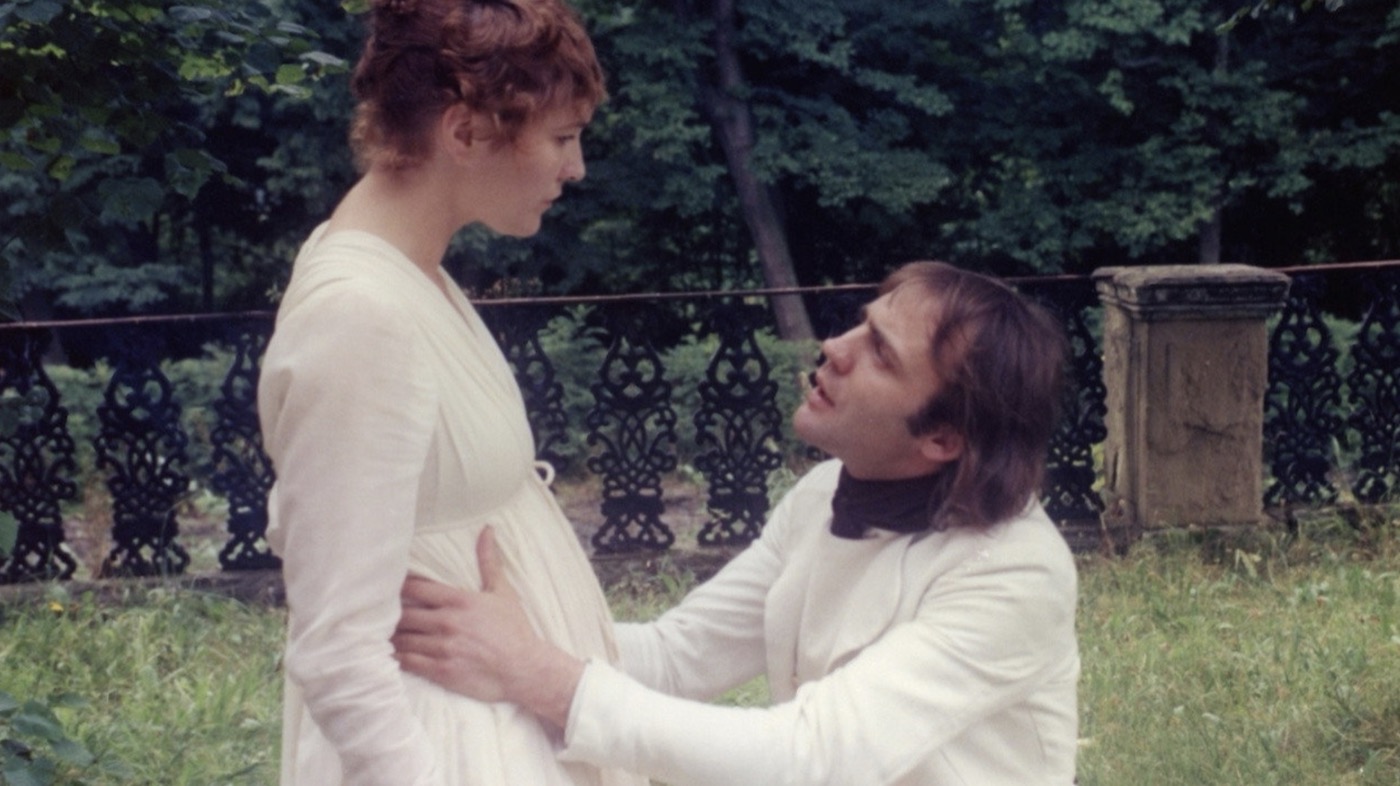
In a sense, it’s for the best that Rohmer doesn’t seek to transmute these qualities onto 18th-century Germany in his 1976 feature The Marquise of O. Instead, the period piece is intentionally sterile; both the camera and the characters are often still. The film’s figures are possessed by a deep, unspoken inertness that prevents them from speaking up about their misdeeds and errors in judgement—a fatal flaw that dominates the plot. When the widowed Marquise (Edith Clever) is nearly raped by soldiers, she is heroically rescued by the Count (Bruno Ganz), who falls in love with her. His desperation to wed his “princess” goes astray, however, when she cannot bring herself to return the romantic affections of any man following her husband’s death.
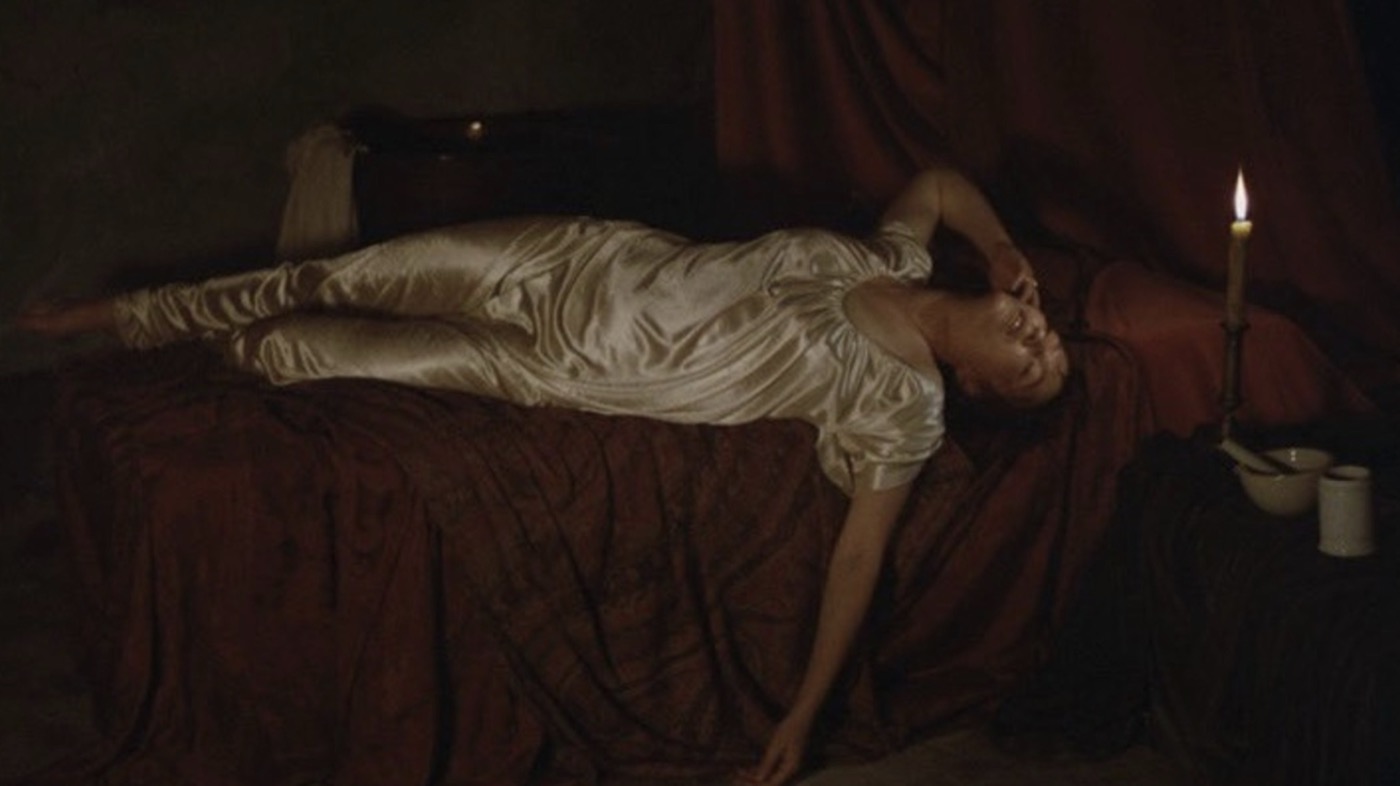
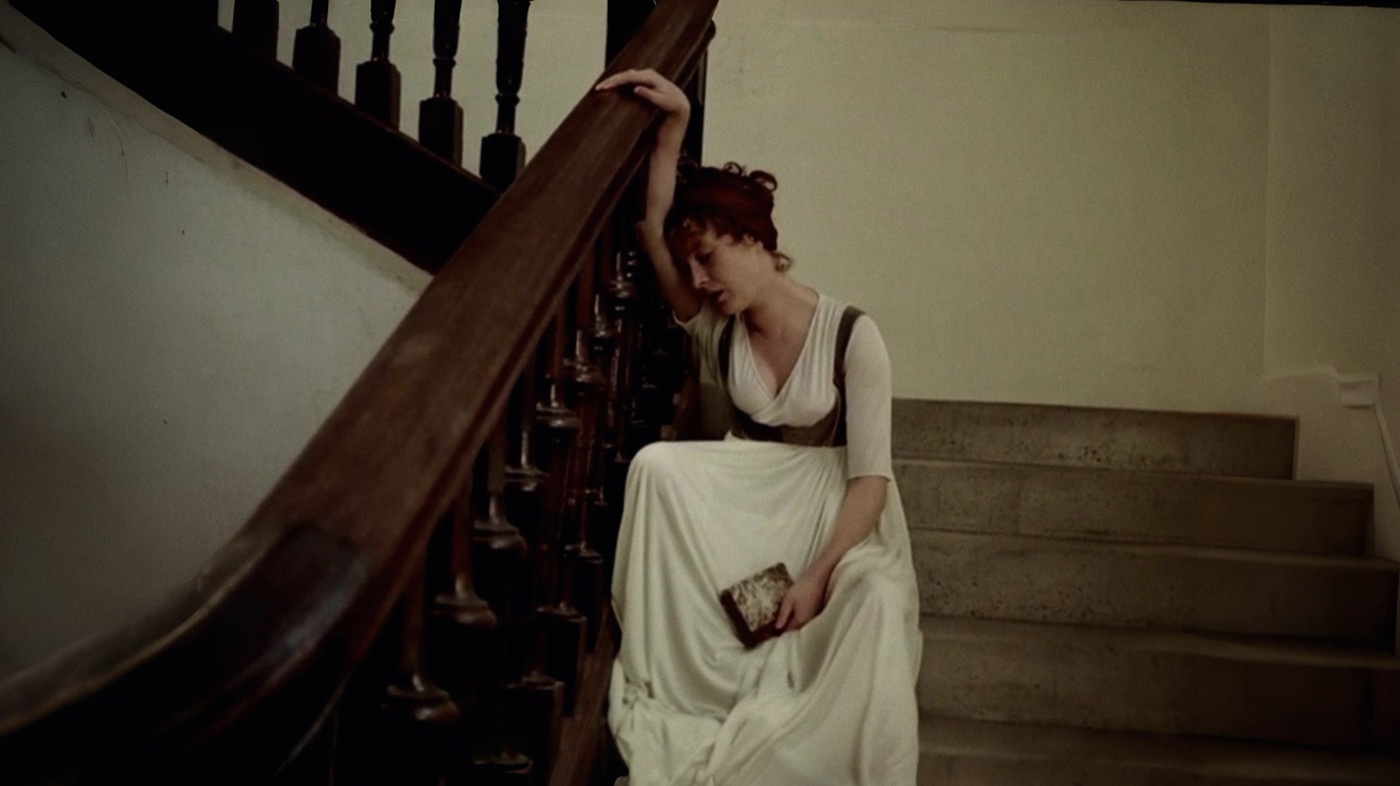
As in many of Rohmer’s films—even his finest—one spends the first 20 minutes waiting for that magical moment when the story becomes transcendent, moving beyond its simple set-up. Unfortunately, it doesn’t arrive. To the film’s credit, it’s never dull. Its emotionally disaffected tone provides ample time to hone in on the abundant visual beauty, with many compositions akin to 18th-century paintings come to life. That cool air of elegance also pairs well with what is essentially a horror story, lending an air of unreality to the Marquise’s circumstances. The young protagonist can’t understand how she could possibly be pregnant given she has no memory of sleeping with anyone, while everyone around her refuses to accept this simple fact.
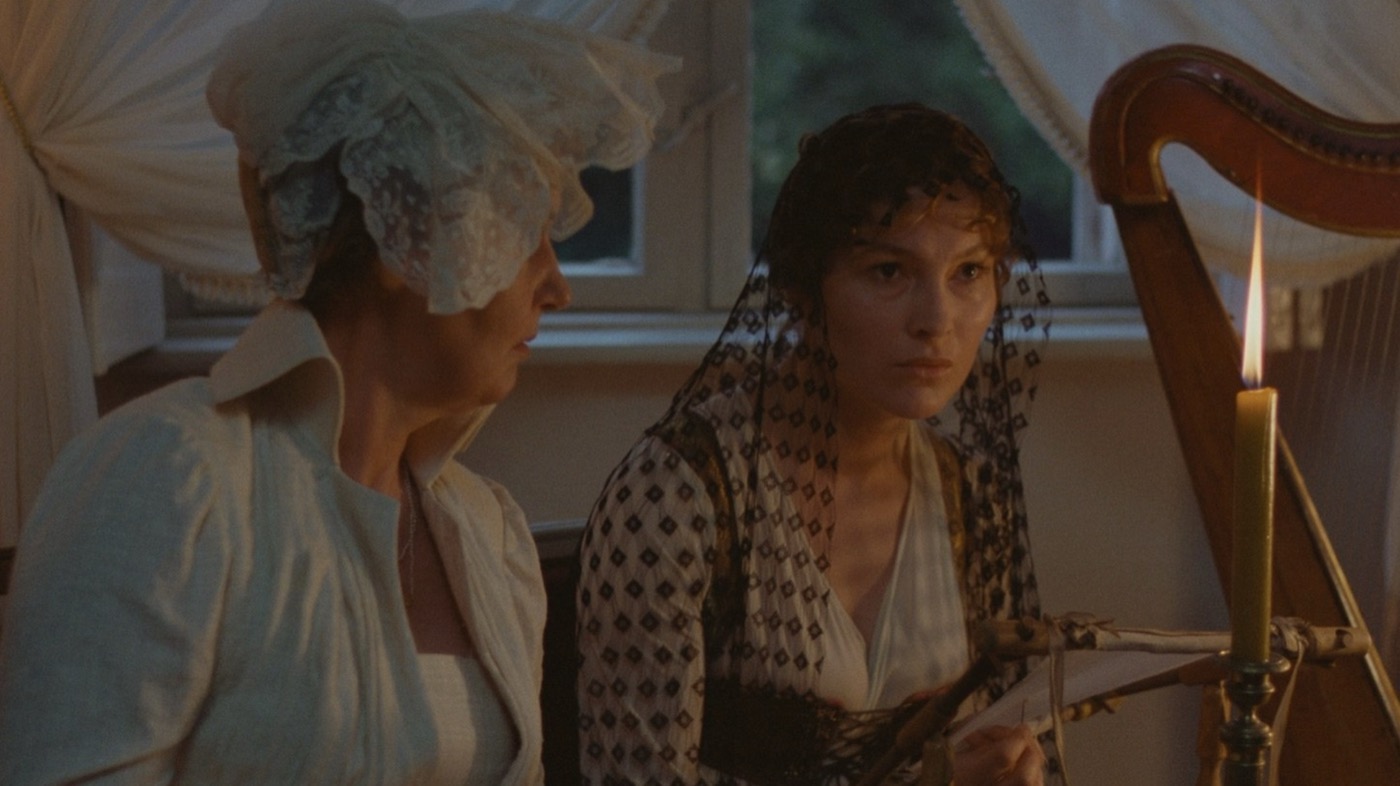
Many directors would use this premise to craft a surreal film that overtly questions the limitations of perspective. By keeping this drama at an emotional distance, Rohmer depicts both joy and horror in a similar vein. These characters are like amoebae viewed through a clinical, distant lens, rather than fully realised people. It’s a deceptively cruel approach that emphasises the Marquise’s helplessness, making her suffering feel both inevitable and arbitrary. It’s as if the world has shut her out, leaving her to wilt by the roadside, unseen and unloved. Gradually, everyone in her life turns on her, while her commitment to the truth damns her to social isolation.
Though there is room to pity the Marquise, even this is felt at a distance. Rohmer’s painterly approach never quite manages to capture the bone-chilling silence or the ambient noise of these elegant yet ice-cold surroundings. Similarly, there is no room for authentic warmth amidst these detached storytelling methods, so her descent isn’t as tragic as it could have been. The film’s disaffectedness is both its shining quality and its fatal flaw.
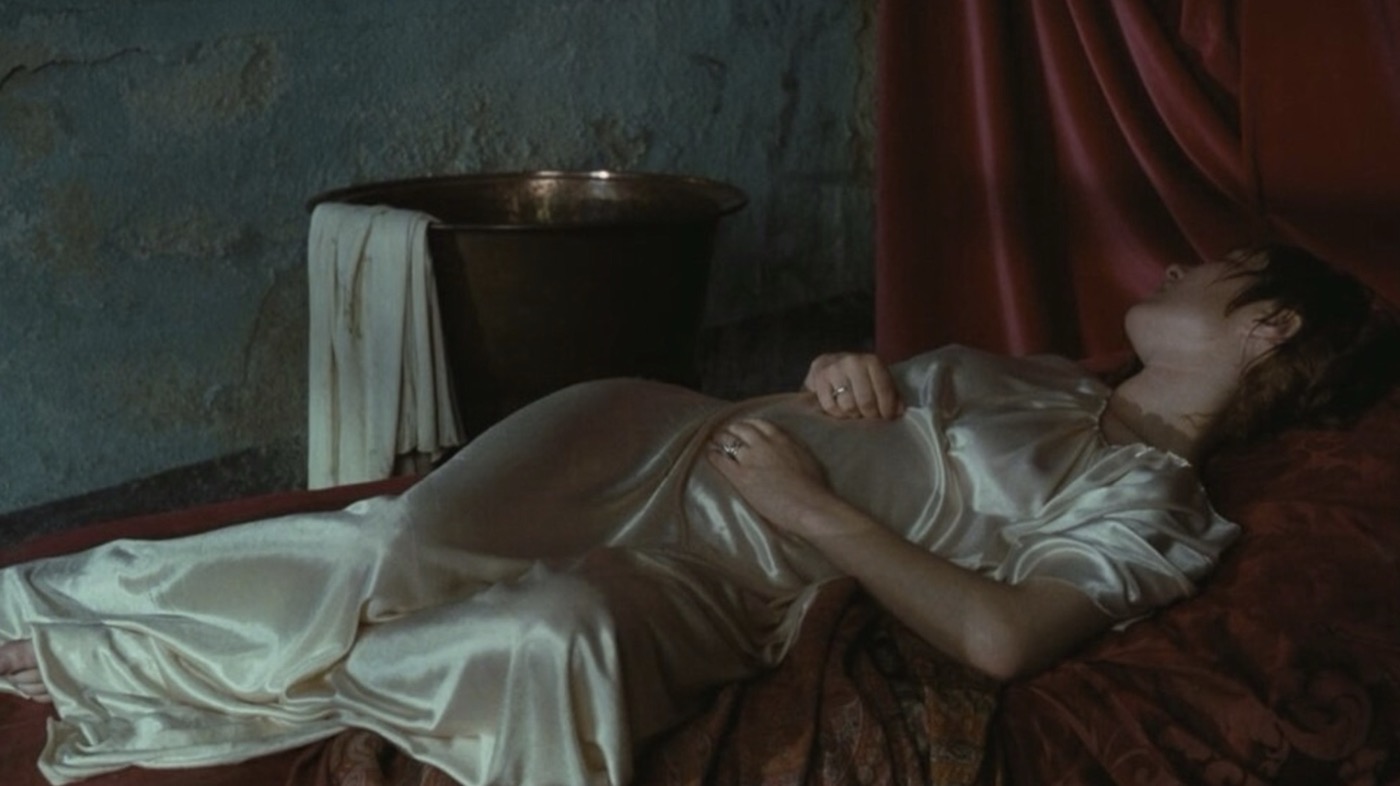
Rohmer approaches the central mystery with so little curiosity that viewers aren’t given the tools to form an opinion on how the Marquise became pregnant. It’s not that the film lacks an obvious culprit, but rather that it moves on regardless, acting as though there isn’t a glaring hole in the narrative. It’s a tale of misfortune that fails to rouse sorrow, and a mystery bereft of intrigue.
This was by no means a frivolous effort. Each creative decision was part of a considerate approach to framing the source material, Heinrich von Kleist’s 1808 novella. Rohmer brushed up on his German, employed an entirely German cast, and filmed in West Germany to ensure authenticity. This was his first film in four years, following the six films that comprised his Six Moral Tales series.
The Marquise of O was born from a desire to move away from personal subject matter, and from this clinical vision, a middling film emerged. It is neither a bore nor a delight. Rohmer’s contemporary, Jacques Rivette, had brilliantly conveyed the brutal pangs of these dreary, repressive times a decade earlier in The Nun (1966), a film that scandalised the Catholic Church and sinks its claws into the viewer from the start. It is an exercise in misery that eschews music cues, forcing the audience to languish in the diegetic sounds and the unbearable weight of the protagonist’s suffering. You feel as if you are on the front lines with her.
In comparison, The Marquise of O is never so cruel—or at least, it never conveys its cruelty with such conviction, especially with an ending that inspires neither outrage nor joy. Ultimately, it reveals itself to be light and nimble—descriptors that would be high praise for almost any other Rohmer film. But when paired with a self-serious approach, they mark the film as a largely unremarkable disappointment in the director’s oeuvre.
WEST GERMANY • FRANCE | 1976 | 102 MINUTES | 1.37:1 | COLOUR | GERMAN

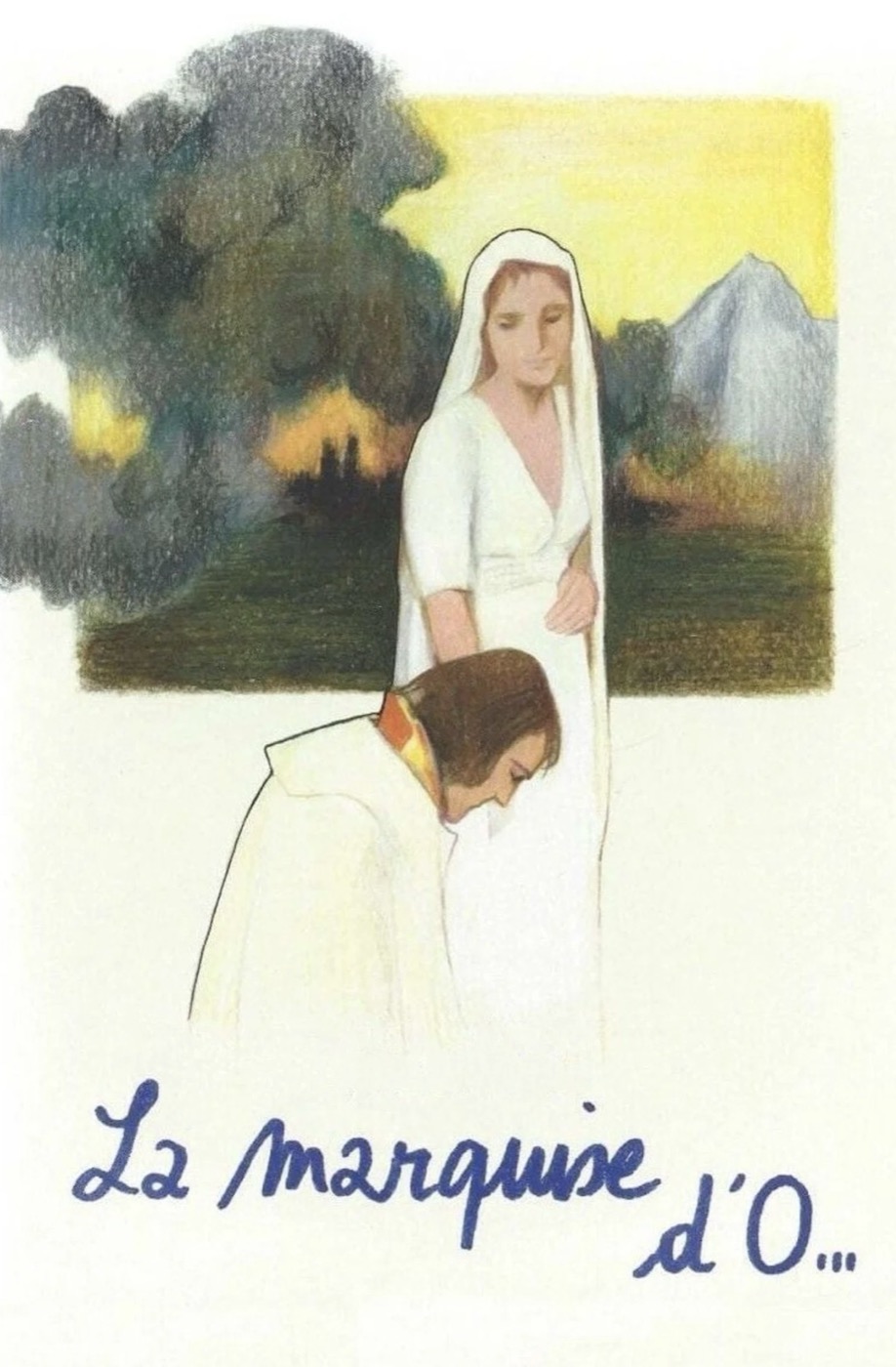
director: Éric Rohmer.
writer: Éric Rohmer (based on the 1808 novella by Heinrich von Kleist).
starring: Edith Clever, Bruno Ganz, Edda Seippel, Peter Lühr, Otto Sander, Eduard Linkers, Ruth Drexel & Volker Prechtel.