ROMANCING IN THIN AIR (2012)
After the bride of a popular actor runs away with her first love at their wedding, he ends up in a mountaintop hotel and finds love with a woman also grieving a lost love.


After the bride of a popular actor runs away with her first love at their wedding, he ends up in a mountaintop hotel and finds love with a woman also grieving a lost love.
Johnnie To is probably best known outside Asian territories as another Hong Kong action director mentioned alongside John Woo, Ringo Lam and Tsui Hark. However, in his Chinese homeland, he built his varied career on comedies and romances. It’s great that some of his equally remarkable later-career movies are now being rediscovered thanks to recent boutique Blu-ray releases. The surprising Running on Karma (2003), released last year by Eureka Entertainment, was a revelation; it whet the appetite of a fresh audience who’ll welcome this excellent Radiance release of Romancing in Thin Air—a film that couldn’t be more different while having so much in common.
Both films cleverly play with audience expectations that admittedly won’t work well for those unfamiliar with Asian cinema. They exploit, and subsequently subvert, the celebrity of their stars to bring additional depth to characterisation. In Running on Karma, superstar Andy Lau leans on the public’s knowledge of his previous roles before taking them on sometimes shocking detours. He was initially cast as the protagonist in Romancing in Thin Air but was unavailable due to scheduling conflicts. Consequently, Louis Koo brought his own public image to the role, which starts as a sort of parody hybrid of both actors before developing into something quite unique.
This kind of ambitious filmmaking was made possible by a new business model introduced to Hong Kong cinema when Johnnie To co-founded Milkyway Image with recurring collaborator Wai Ka-fai, who worked on the screenplay for Romancing in Thin Air with newcomer Ryker Chan. Their independent production company had a dual-stream system: they would make mainstream movies with popular leads and straightforward genre formulae—mainly romances, rom-coms and crime thrillers—then direct the profits into riskier, experimental movies. Because of solid working relationships, some of the biggest stars were prepared to share that risk and lend their box-office draw to rather quirky films. As the Hong Kong film industry was redefined by its absorption into mainland China, this approach reinvented and revitalised its identity, keeping things interesting. Romancing in Thin Air falls within this latter category of Milkyway Image’s productions and still feels fresh.
Johnnie To immediately plays with our perceptions of cinematic reality by opening with a screen within a screen as we watch Michael Lau (Louis Koo) winning ‘Best Actor’ at the Hong Kong Film Awards. During his acceptance speech, he thanks his co-star Ding Yuanyuan (Gao Yuanyuan) before using that very public arena to propose to her. Imagine how embarrassing it would’ve been if she’d turned him down. Well, that’s nothing compared to what happens at their televised wedding when Zhang Xing (Wang Baoqiang), one of Yuanyuan’s past boyfriends, turns up and whisks her away, leaving Michael very publicly jilted at the altar. Neglecting his professional commitments as his personal life spirals out of control, Michael’s descent into self-destructive alcoholism is also televised. Hounded by the paparazzi, he hides in the back of a truck which transports him to another world.
When he arrives at The Deep Woods mountain hotel, he’s not only incredibly drunk but also affected by altitude sickness. He doesn’t immediately understand where he is or how he got there. Then the world we’ve so far only seen on screens within screens overlaps with the reality of Sau (Sammi Cheng), who recognises her own truck in the background of television news covering Michael’s disappearance. As she watches with her two staff, ‘Little Sis’ (Yang Yi) and ‘Big Sis’ (Sun Jiayi), the figure of Michael can be seen staggering past the windows of their mountain chalet. Romancing in Thin Air may not be a comedy, but it certainly has plenty of visual and character-driven humour.
Johnnie To has obviously put a lot more thought into themes and symbolism than one would expect from what is ostensibly a light romantic melodrama. The narrative is barely underway and already we have an abundance of transparent surfaces separating people and places. The TV screens separate the viewer from a fantasy world of celebrity. The invisible surfaces of windows show insubstantial reflections while partitioning interior from exterior, dividing those within from those outside. And when Michael falls face down into the icy water of a disused hot tub, he breaks through another surface, and at that point, their worlds meet. Of course, we see all this on, or seemingly through, the surface of a screen in the form of light—just as intangible as the emotions that we will, nevertheless, be able to make real within us.
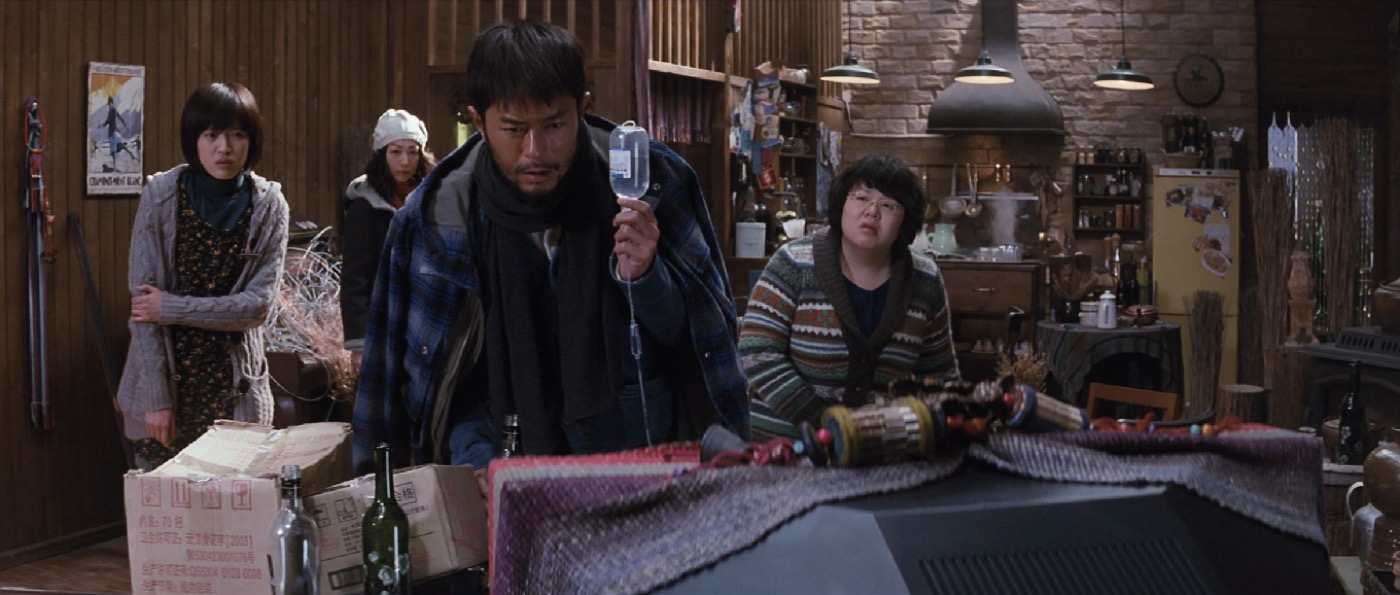
Michael barely survives and needs serious medical intervention from the local doctor (Tien Niu), who can’t resist snapping a selfie with him as he lies unconscious. His recovery is aided by oxygen cylinders and an IV drip but hindered by excessive whisky. You see, he’s so charming that he can easily manipulate Little Sis and Big Sis into ignoring the doctor’s orders, providing the booze he craves. For a significant part of the movie, he’s alone among an almost exclusively female cast, and one can’t help but worry that we may be heading toward a more sinister obsession like The Beguiled (1971).
It may not be experimental enough to woo the arthouse crowd, and it’s perhaps too understated for fans of quirky romance. It’s not really a rom-com, nor does it descend into overwrought melodrama, but delicately rests on its poignancy. It never wallows in grimness and remains entertaining, although its narrative rests on a central tragedy. Throughout, Guy Zerafa’s score deploys music cues to lighten potentially serious incidents, letting us know not to worry too much about truck crashes and other life-threatening events. Of course, the performances also inform our responses, and the leads are all exceptionally strong yet subtle, with a little bit of comedic overacting here and there from the supporting cast.
There’s also some effective use of objects as narrative devices in lieu of more traditional exposition. For example, Sau keeps her old truck on the road with authentic original parts, even though they are now hard to come by. She maintains it as a museum piece, exactly as it was when her husband last drove it. Similarly, she is upset when a drunken Michael attempts to repair her piano because a few of its keys fail to strike particular notes. But that’s how it was when her husband last played it.
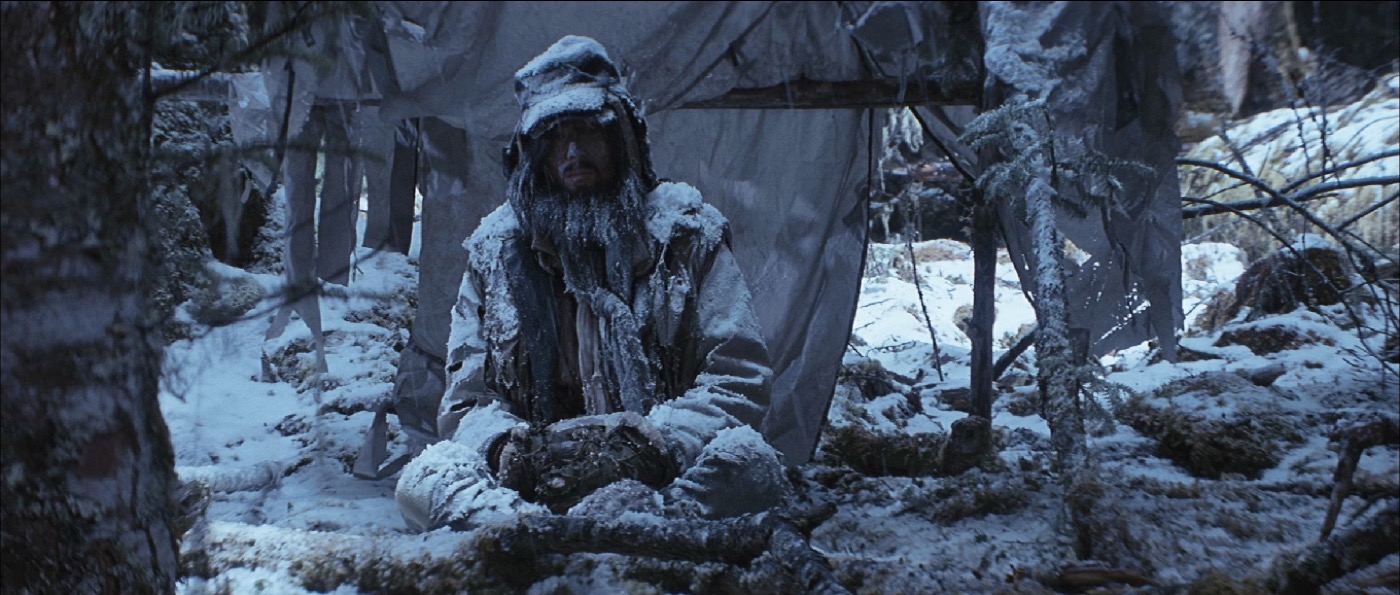
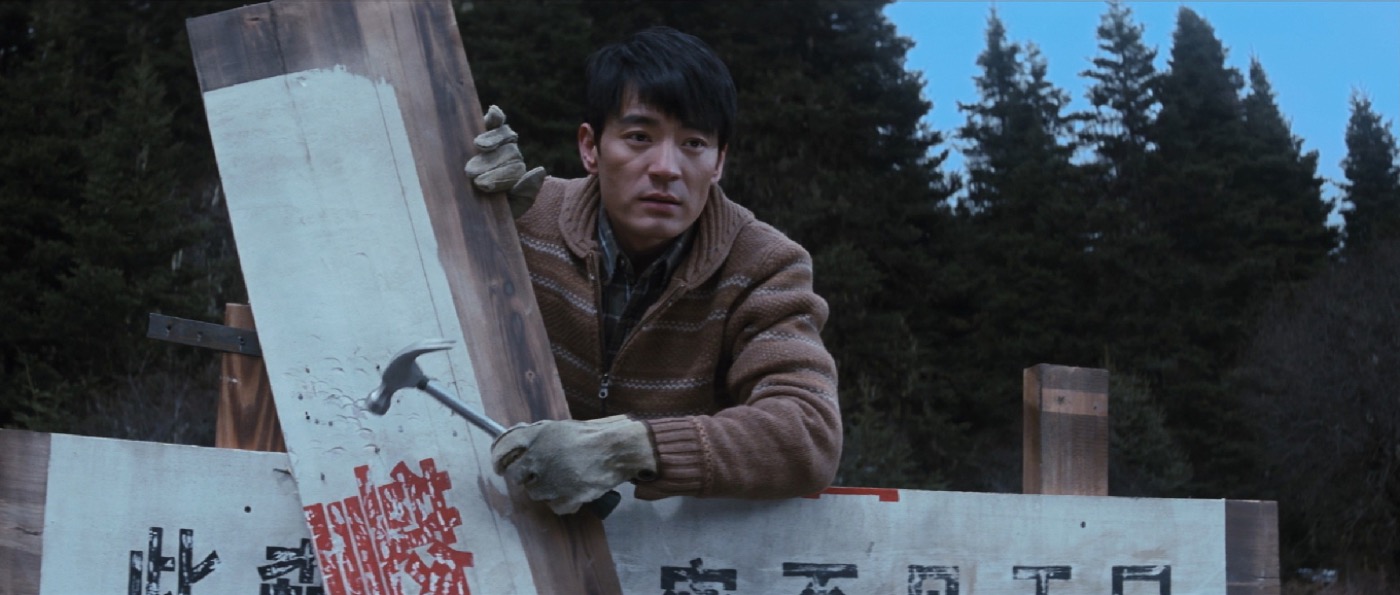
Sau’s backstory is gradually revealed through the dialogue of others and flashbacks as we learn how she came to the resort as a tourist, then returned to work part-time to finance her studies, eventually falling in love with Tian (Li Guangjie), the original owner. Tragically, he went missing years ago when he entered the foreboding forest known as the ‘Sea of Trees’ to search for a missing child. This plot point remains underdeveloped and would’ve benefited from the fuller exploration it deserved. However, it introduces a folk-horror thread, recalling Picnic at Hanging Rock (1975) or even The Blair Witch Project (1999). Siu-Keung Cheng’s cinematography manages to evoke a gloomy dread, particularly in the torchlit snowy nightscapes, but also an uplifting sunlit vibrancy that captures the crisp mountain clarity by day.
It turns out the mountains are rich in magnetite, so compasses don’t function correctly and the tall trees blot out the sky, making navigation by the stars impossible; of course, mobile signals are unreliable. It seems the surrounding forest has a long history of consuming travellers within its dark depths, where the sun never shines to light the way or warm the air. However, as a body was never found, Sau clutches to the hope that her long-lost love may one day find his way home.
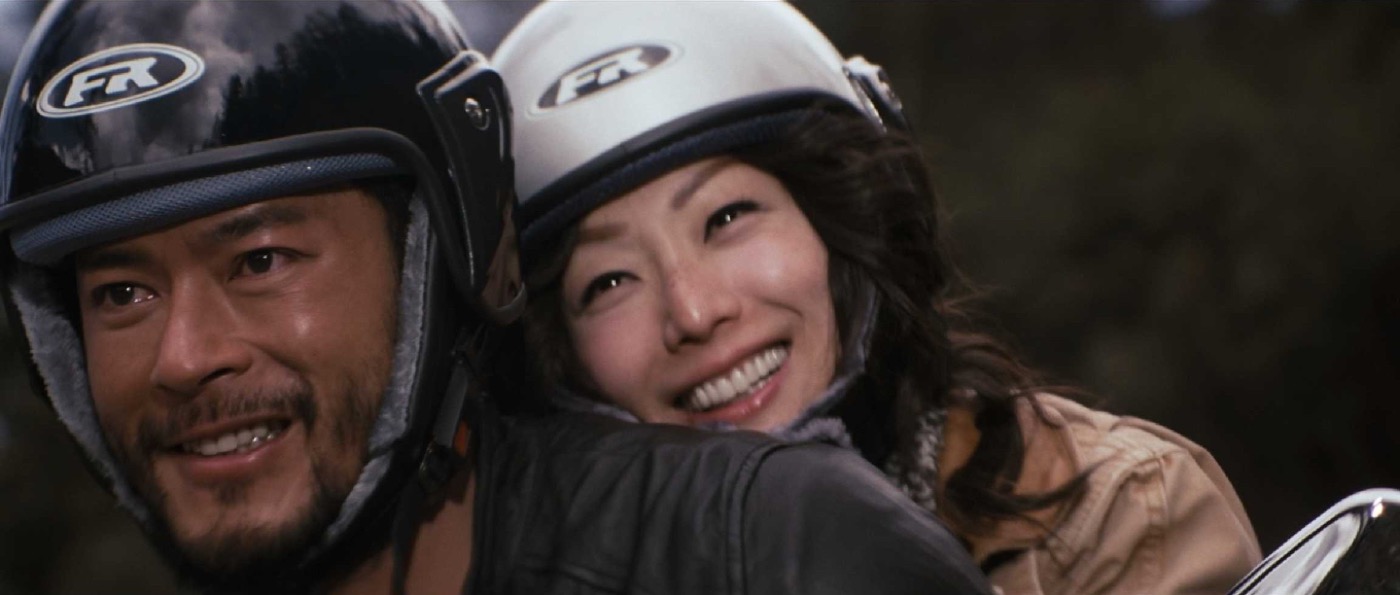
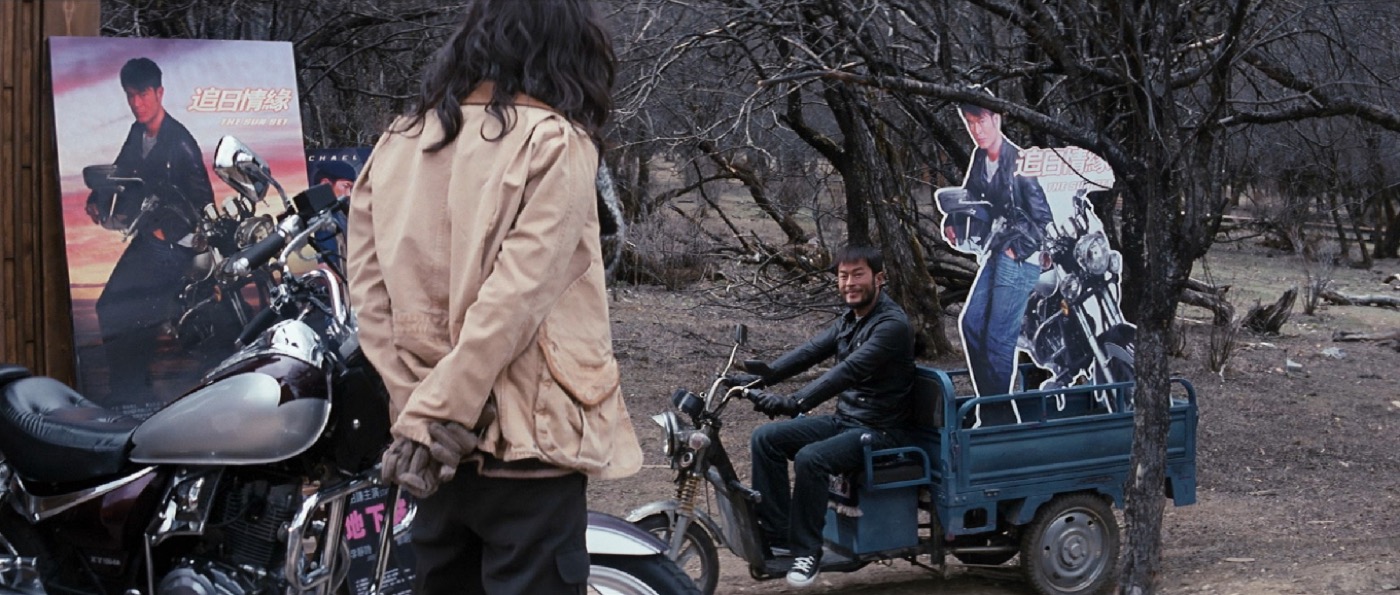
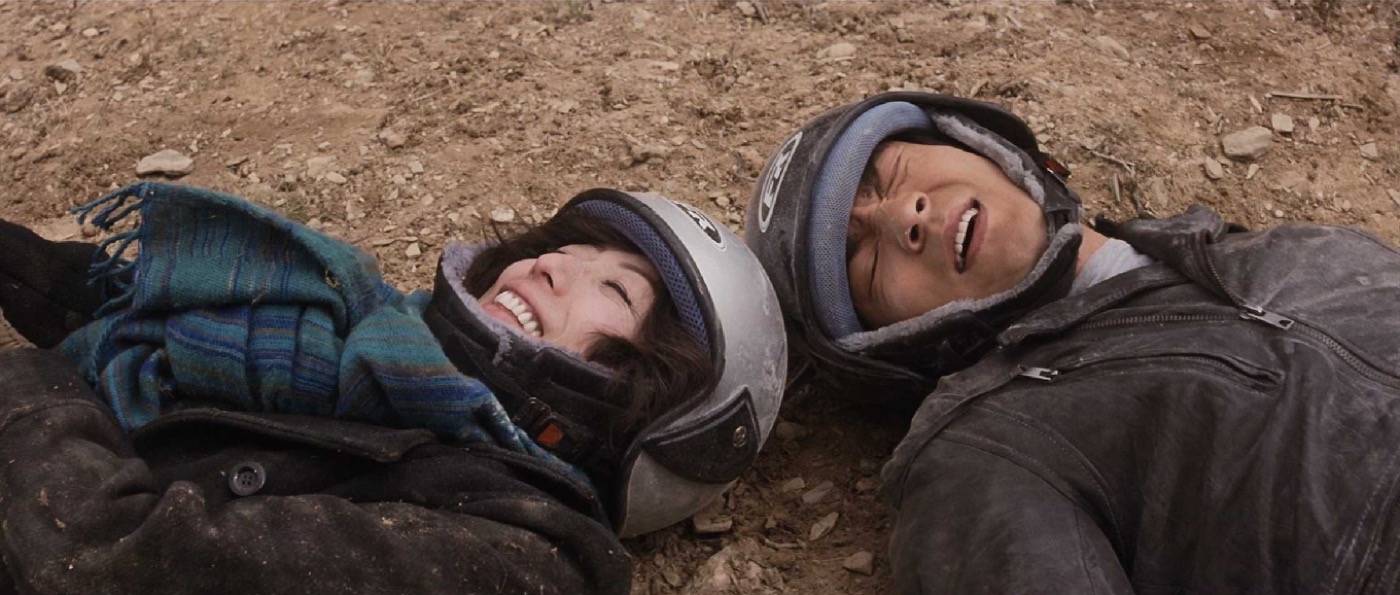
All this adds a Gothic note to the romance, with the dark mountains substituting for the high moors of Wuthering Heights. Except the romance between Sau and Tian is much cuter than that of headstrong Cathy and cruel Heathcliff. It is, however, tinged with melancholy as it’s revealed that Sau was a devout fan of Michael Lau, and Tian tried to emulate his onscreen characters to win her heart. That’s why he learned to play the piano and why he bought the motorbike that features in two intentionally similar scenes.
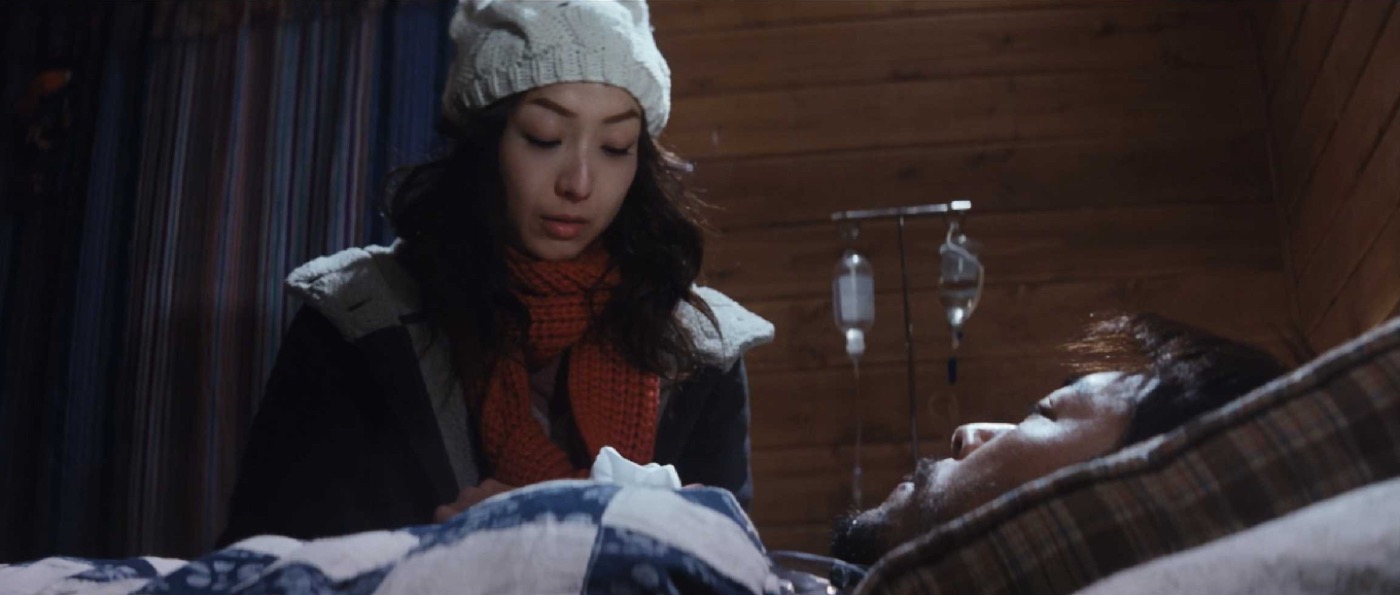
The film’s Chinese title, 高海拔之戀 II, directly translates as High-Altitude Romance 2, even though this isn’t a sequel. The first romance is that of Sau and Tian; the second is between Sau and Michael Lau. So, in a way, the film incorporates its own sequel, but it’s not quite as simple as that, as one of those threads gets a redux in the third act.
I assume Johnnie To couldn’t avoid the influence of Seijun Suzuki on his gangster movies, but I wonder if he’s seen the Japanese director’s short ‘pop-song-movie’ Love Letter (1959). The setting and narrative beats are similar: a missing man, confused identity, an isolated cabin among snow-laden mountain forests, and a romance that echoes an earlier one seen only in flashback.
Unsurprisingly, the film it most readily recalls is Running on Karma; there are striking similarities in structure and theme. Both explore notions of karmic debt and dismantle the illusion of reality. Both deploy a distinctive narrative breakdown in the third act that ruptures the fourth wall and begins examining the nature of cinema itself. Running on Karma includes a found-footage video that shows something almost unbearably harsh to witness, whereas Romancing in Thin Air features an extended sequence of a film within the film that presents a fictional closure for one of the main story arcs. In both films, the medium we are witnessing is subverted into a critique of the nature of perception.
The narrative structure, layers of meta-fiction, performances, and the dialogue—along with what goes unsaid—all add up to a rare poignancy. It reminds us of the potential healing power of fiction in general and cinema in particular. And there lies the genius at the heart of Romancing in Thin Air: it’s a film that we feel as much as we see. Ultimately, it’s an emotionally rewarding story delivered within an intellectually challenging narrative.
HONG KONG • CHINA | 2012 | 111 MINUTES | 2.35 : 1 | COLOUR | CANTONESE • MANDARIN

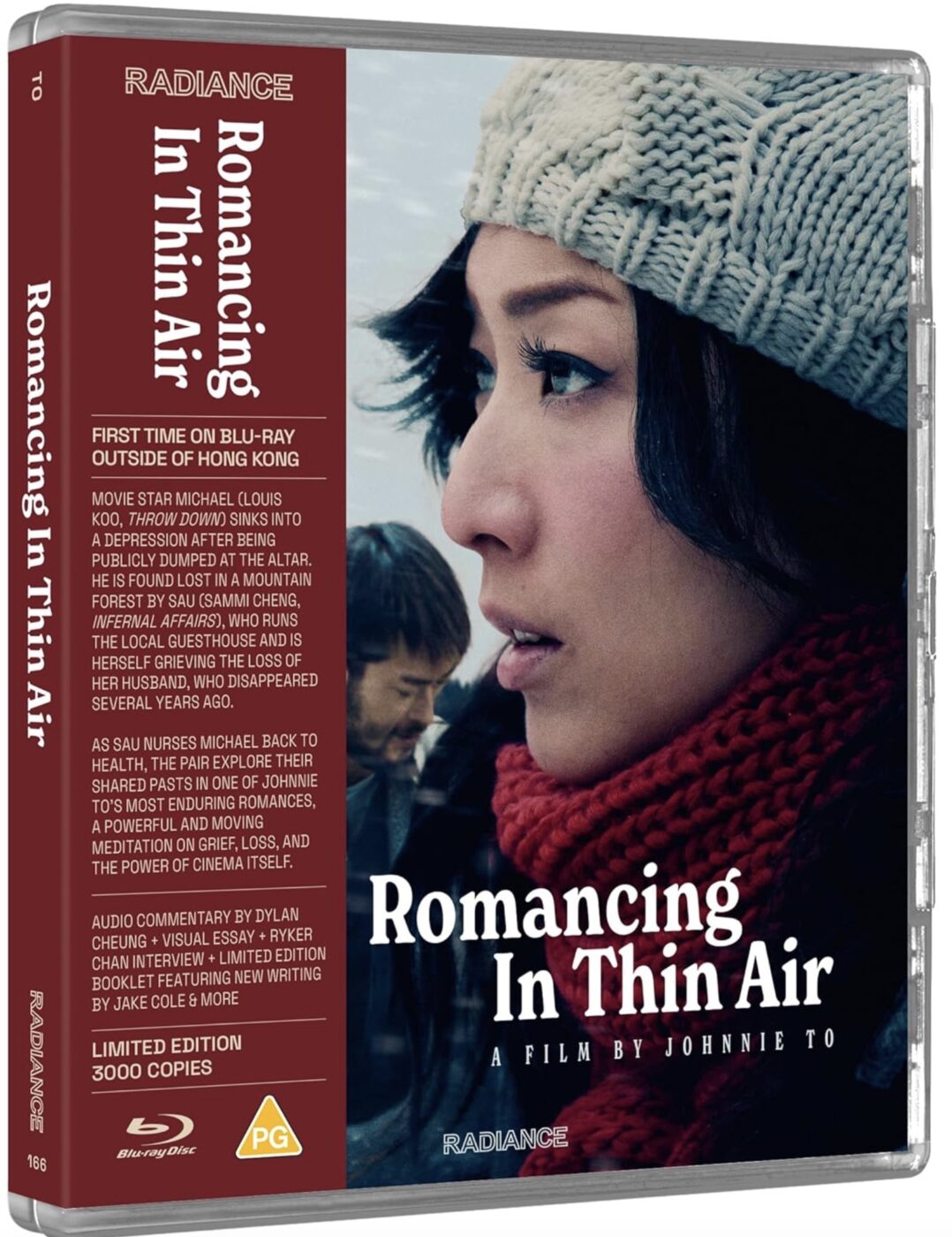
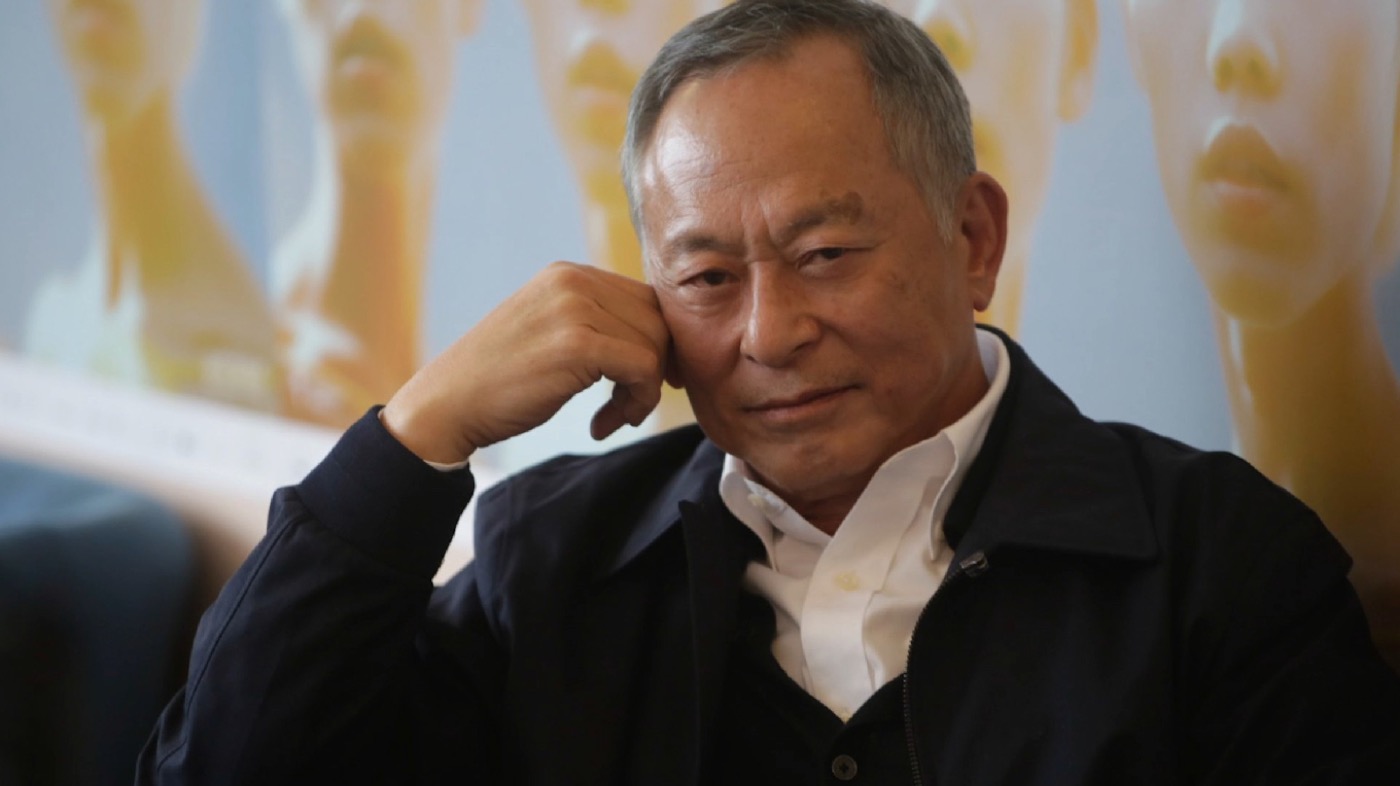
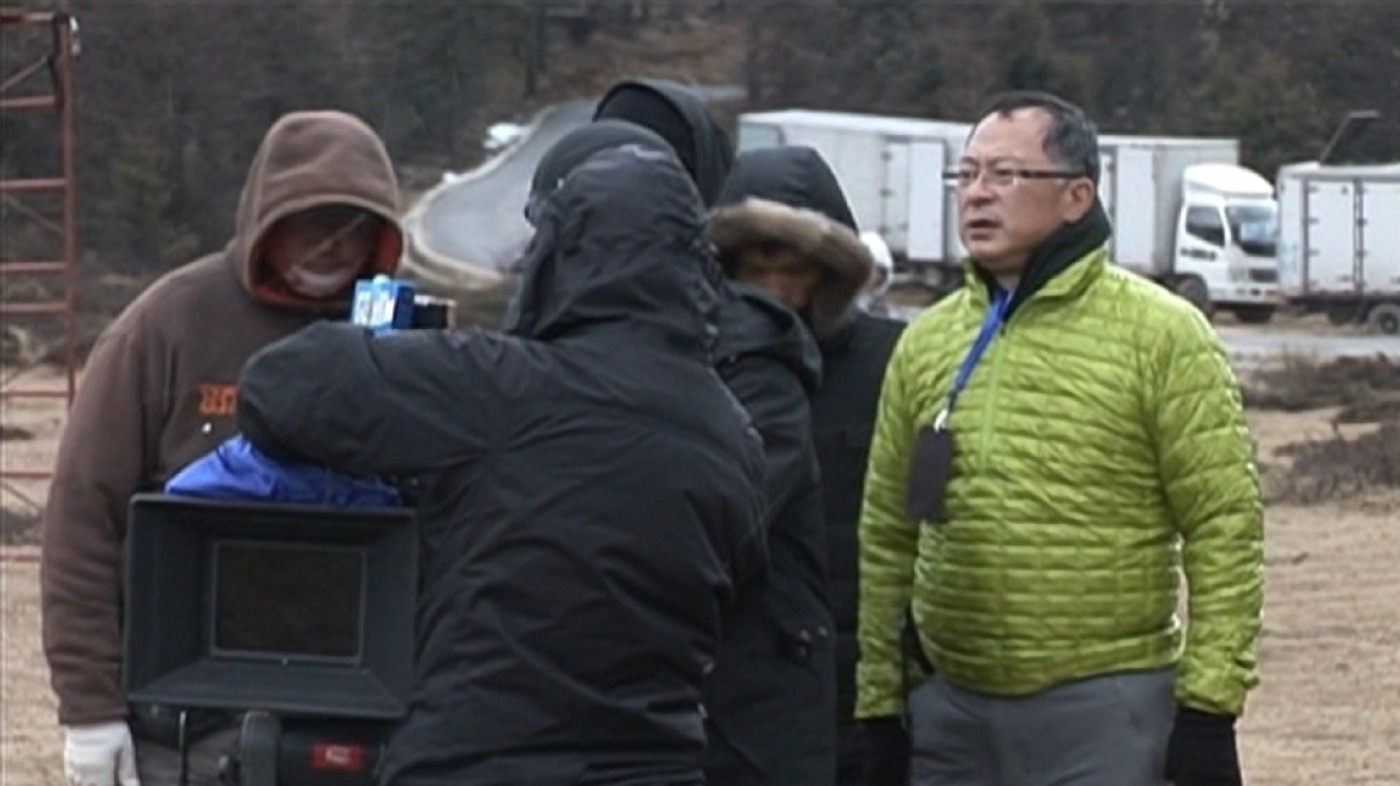
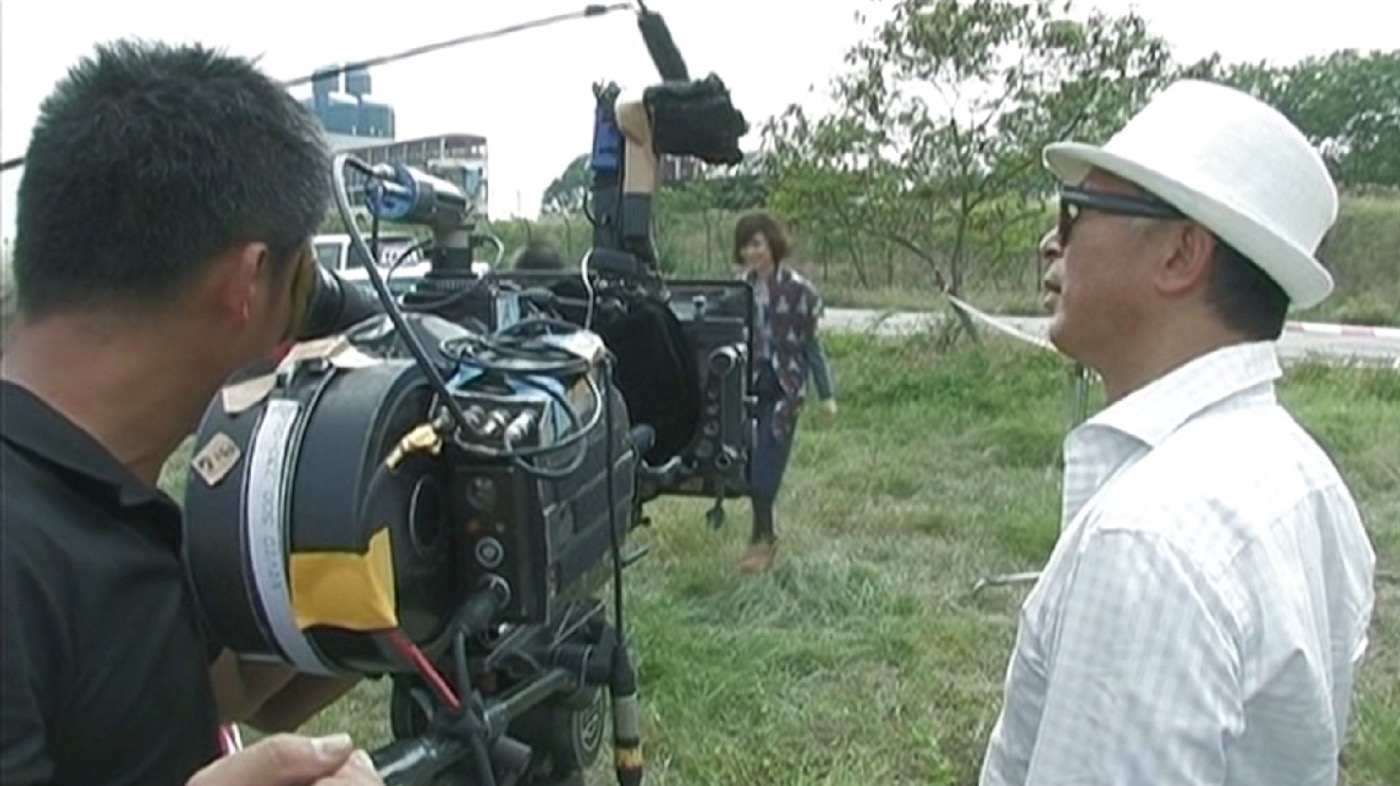
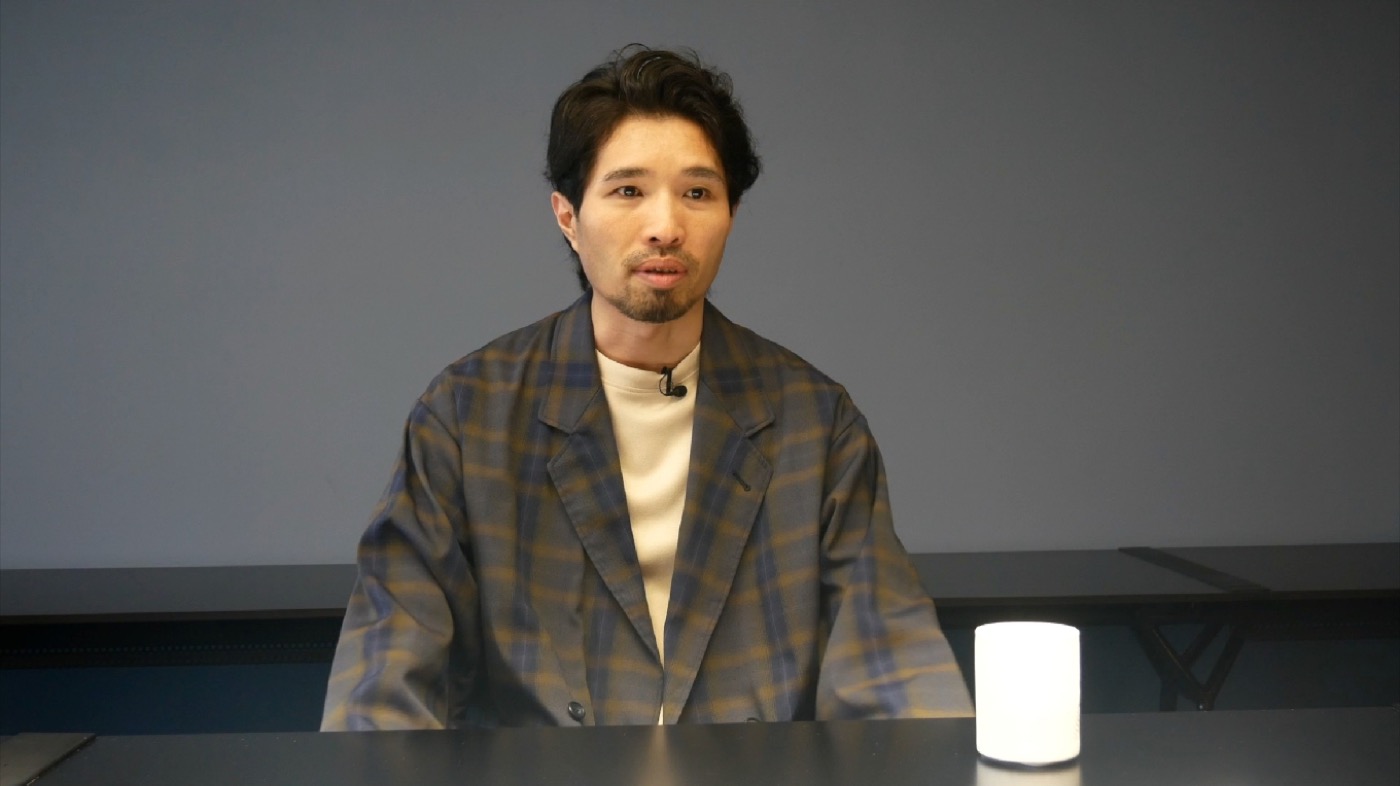

director: Johnnie To.
writers: Wai Ka-Fai, Ryker Chan, Yau Nai-Hoi & Jevons Au.
starring: Louis Koo, Sammi Cheng, Li Guangjie, Gao Yuanyuan, Wang Baoqiang, Yang Yi, Sun Jiayi, Tien Niu.