A SUMMER’S TALE (1996)
As a reserved young graduate vacations in a seaside town, he hopes his girlfriend will join him, but ends up bonding with a local girl whose female friend is also smitten with him.

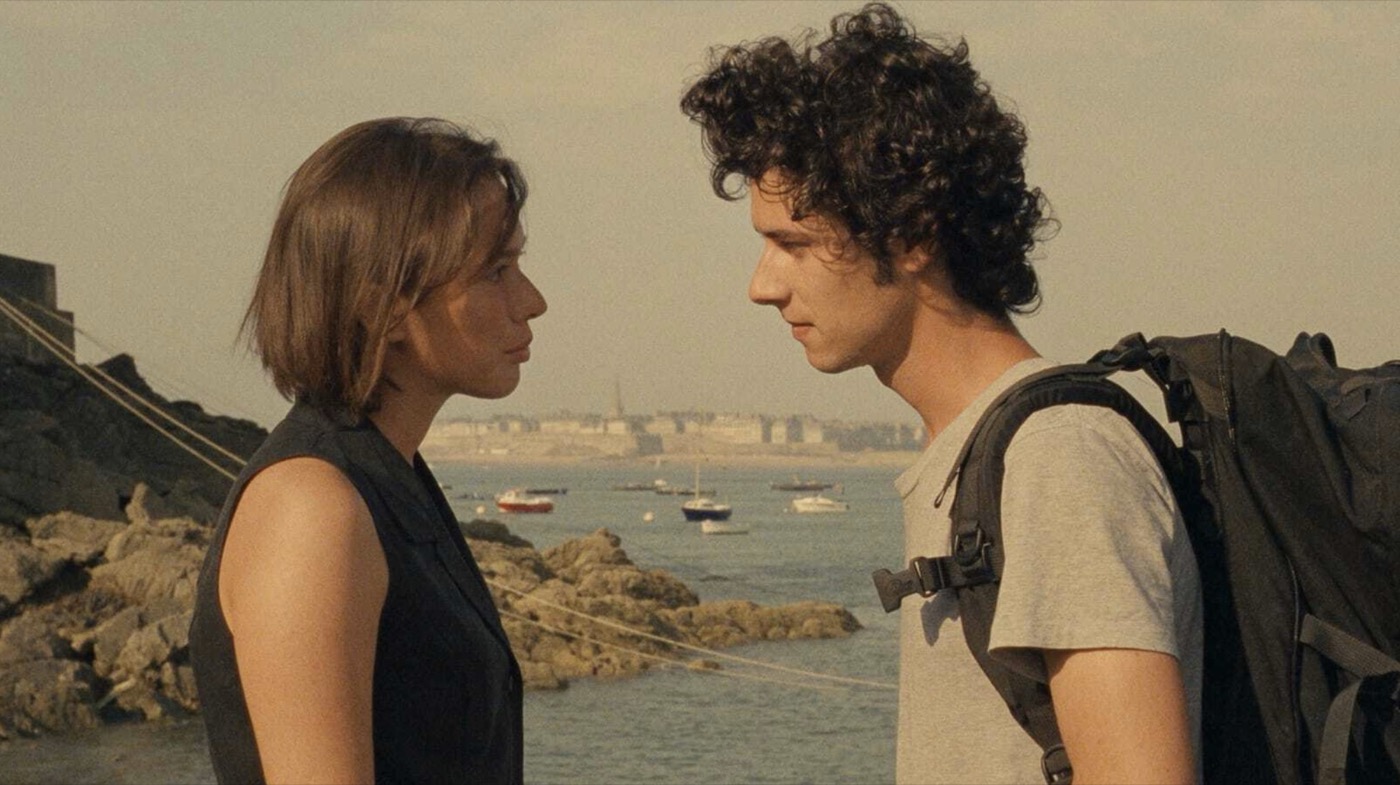

As a reserved young graduate vacations in a seaside town, he hopes his girlfriend will join him, but ends up bonding with a local girl whose female friend is also smitten with him.
Éric Rohmer’s third film in his Tales of the Four Seasons tetralogy, A Summer’s Tale / Conte d’été , takes place in the picturesque seaside town of Dinard, in the director’s native France. Like so many of Rohmer’s works, the film features long, meandering conversations, naturalistic performances, beautiful scenery, and moral dilemmas that start off as amusingly trivial before gradually mounting in urgency. The natural beauty of Dinard is well employed, but the real beauty lies in the characters’ attempts at self-expression and connection. Errors are frequent, and apprehension reigns supreme for the film’s wayward protagonist, Gaspard (Melvil Poupaud).
A recent university graduate and musician, Gaspard is waiting for his sort-of girlfriend, Léna (Aurelia Nolin), to arrive in Dinard, though with each passing day that hope begins to dim. But there’s no need to worry; there are plenty of attractive young women here to catch his eye, such as a local waitress, Margot (Amanda Langlet), and her friend, Solène (Gwenaëlle Simon). Yet shifting attractions render Gaspard helpless in the sway of competing interests, both from these women and regarding his own fickle infatuations. Unable to establish strict boundaries, he finds himself flip-flopping between the three women, unable to decide what he wants from love, or even who he wants to be.
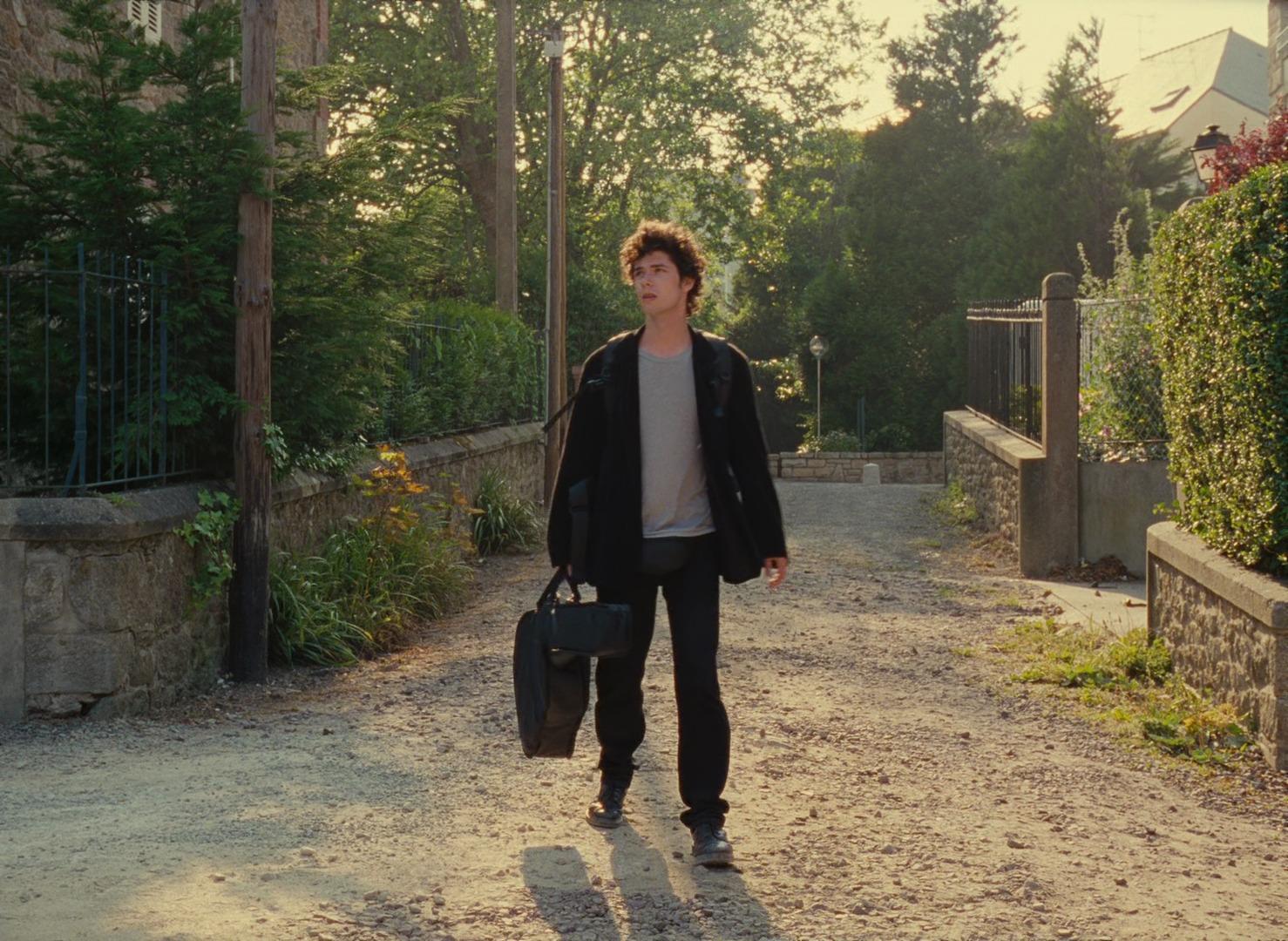
Rohmer’s films rarely receive acclaim for their cinematography, or for any other technique, for that matter. From the 1970s onwards, the French director began to strip away what are commonly seen as vital elements of film production, dispensing with a script supervisor and an assistant director. Composers offered him little use, and A Summer’s Tale features no non-diegetic music—aside from a sea shanty, “The Corsair’s Daughter”, which plays over the end credits. But there are other reasons why technique doesn’t often surface in discussions of his work, and it has nothing to do with technical deficiencies. It’s simply that his films, at their best, are disarming by nature, embodying a magical quality that makes one forget all about his style and how he achieves it.
It’s both a selling point and a curse of one-take shots that they’re rarely truly immersive. They often have the opposite effect: you admire the shot in rapt attention, yet remain acutely aware that it has lingered beyond your expectations. Then, it’s a matter of waiting out its greatness and testing it as it continues, watching for the moment it finally puts a pin in its grand aspirations. This is especially true when the camera moves, when characters move, or, better still, when both move in unison. These shots are grand and showy, destined to make an audience “ooh” and “aah” at their splendour. But that comes at the cost of appreciating the craft rather than being immersed in the story.
Because Rohmer features so many scenes comprised of characters walking and talking, this self-conscious effect is largely absent. At no point does it ever seem as though he’s trying to show off; the focus of these sequences is always on the performers, not the camera. What these characters say is important, of course, but better still is what their words reveal about what makes them tick—or what they think makes them tick, or what they haven’t yet figured out about themselves. In his best moments, these ideas converge and overlap. If there’s any appreciation to be had in these scenes, it’s for the expansive depths of his characterisation, through which you come to know these characters fully by the end of the film. Refusing to undercut these lengthy discussions with frequent cuts or different camera angles deepens the emotional experience without ever distracting from it.
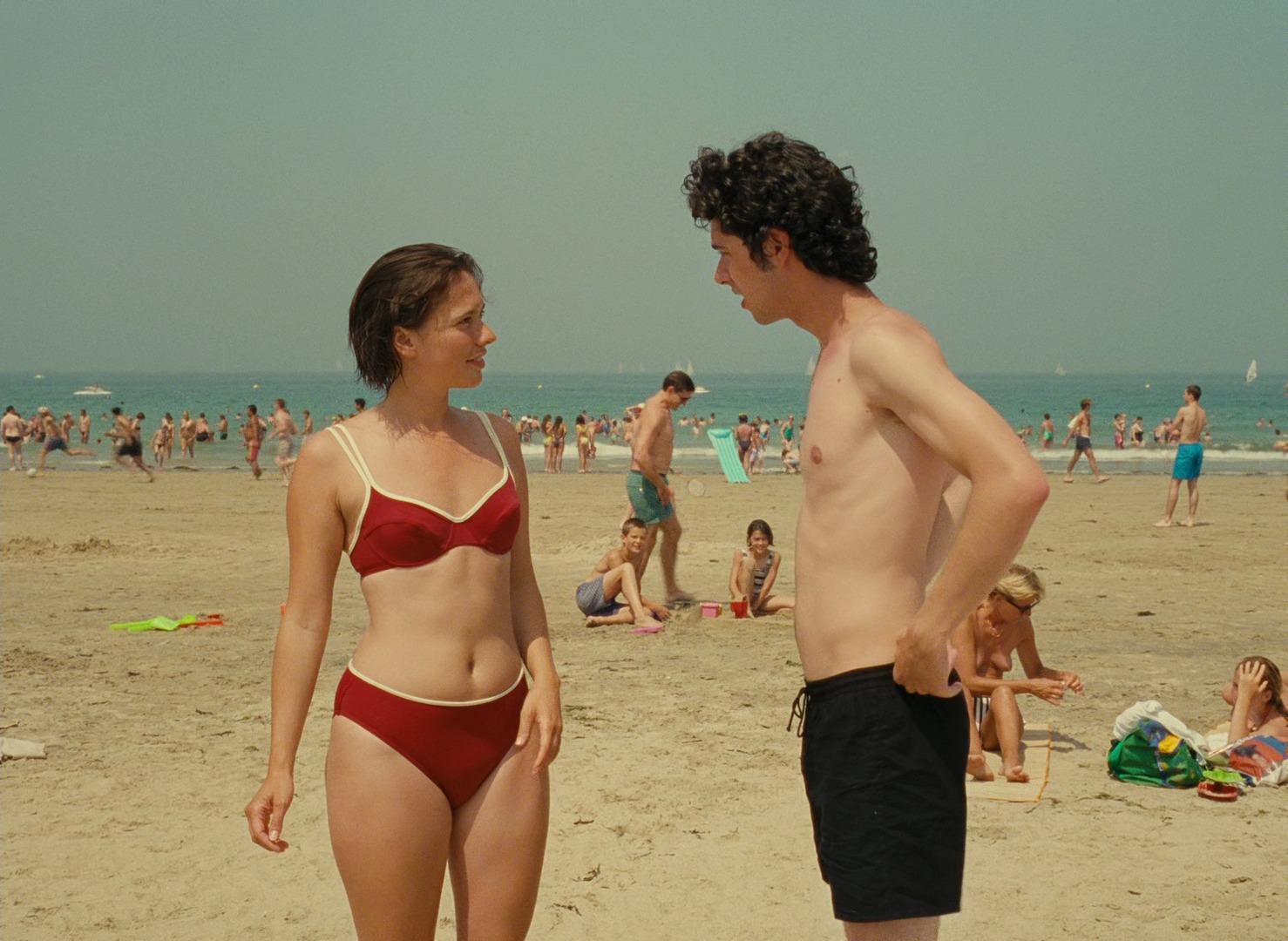
It’s also true that Rohmer carefully arranges his stories around these visual and emotional beats. His films, even before he embarked on this quartet of movies exploring the four seasons, were heavily dependent on weather conditions, with the director opining that his movies are “slaves to weather”. Weather is essential to the success of A Summer’s Tale, which uses its sunny scenes to contrast with Gaspard’s moody outlook.
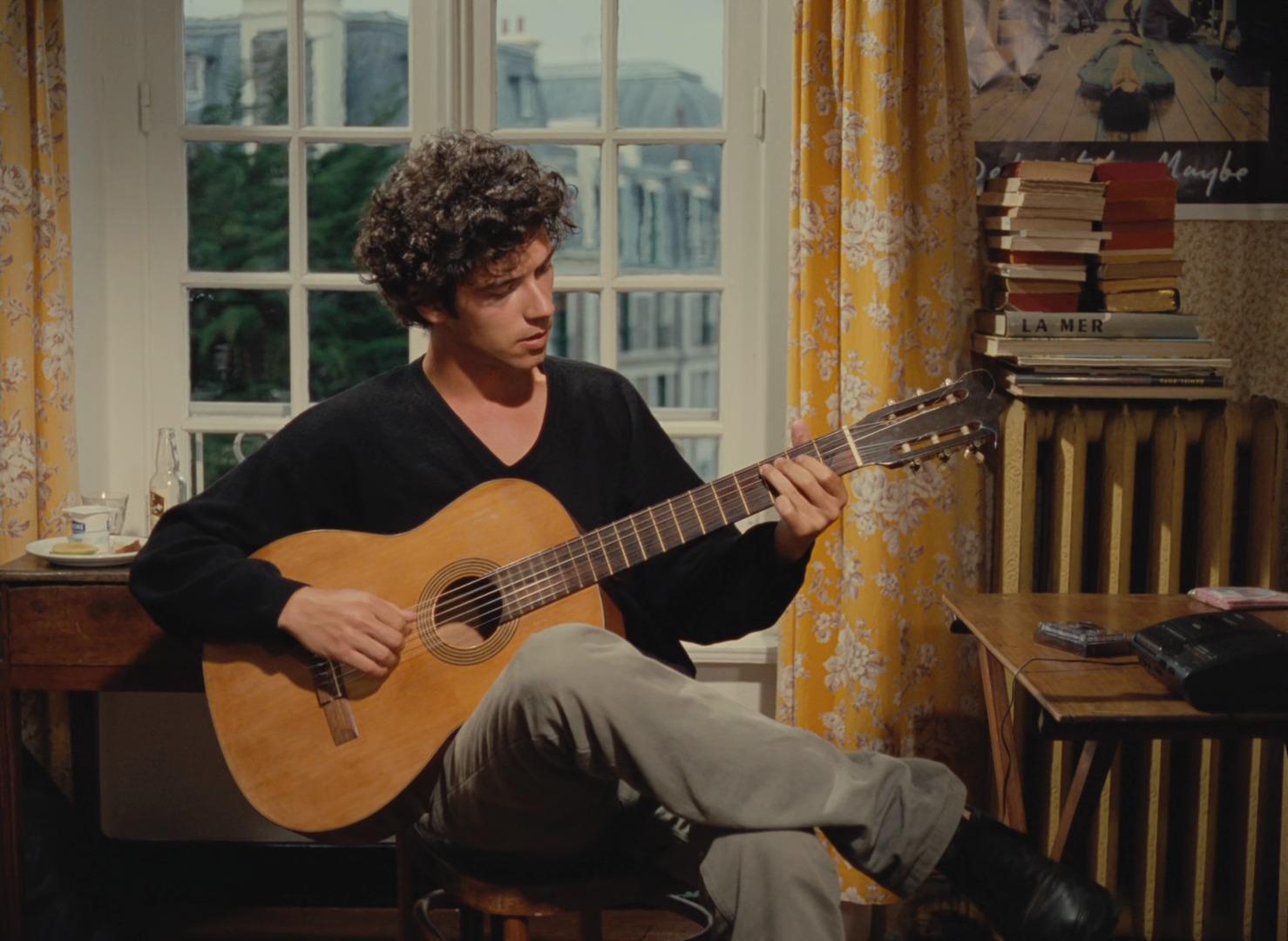
This protagonist is prone to overthinking, sensitivity, pessimism, and anxiety, though, in a sense, he has nothing to complain about. He has a stable career ahead of him, a holiday to enjoy, a job prospect once his two-week sojourn in Dinard ends, a hobby that brightens his evenings and allows him to channel his passions, a girlfriend he cares about, and two other potential lovers to while away his summer with. And yet, he spends his days moping about his fate, oscillating between extremes of joy and deep sorrow. It’s easy to dismiss Gaspard’s concerns, and it’s hard not to lavish mock-pity on a protagonist whose woes are akin to complaining about his steak being too buttery, his girlfriend too beautiful, or his career path too defined.
But there’s something lovable about his idiocy, even if it doesn’t translate into caring deeply about his fate. From a banal premise emerges a mostly intoxicating blend of deception and openness, where characters falter in their efforts to understand one another and themselves. At times, Gaspard and the women around him are simply clueless about what motivates their actions; at other times, they deceive one another; even more tantalisingly, they sometimes deceive themselves. They’re cunning, but just as often remain frustratingly, amusingly clueless. Gaspard in particular is skilled at using these women’s changing emotions to decide who is right for him, though he can never quite see how he’s manipulating them. Just as it appears he might, another curveball is thrown his way, upending his beliefs.
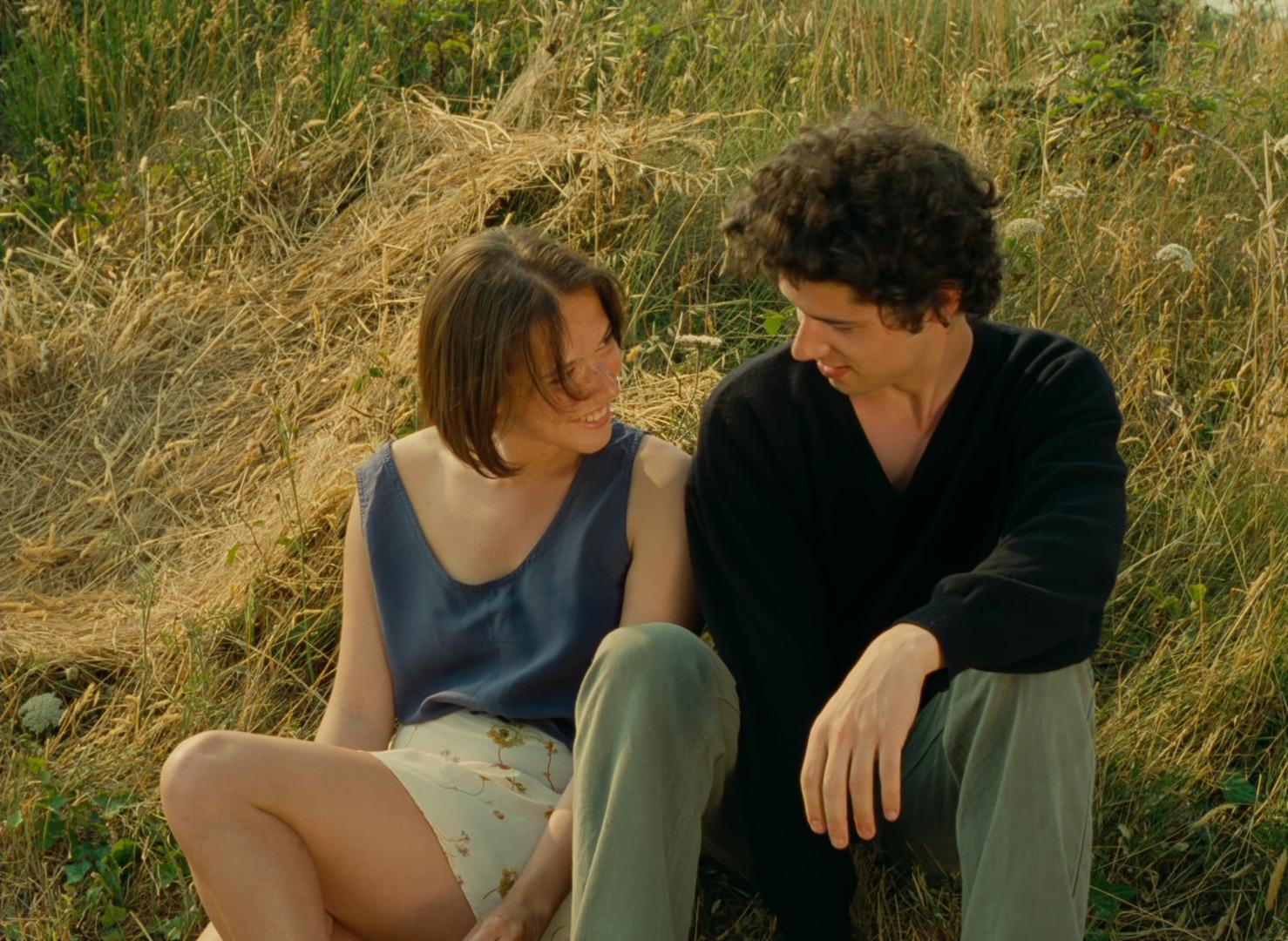
The more time you spend with Gaspard, the more he becomes an open book. You can glimpse anxiety written plainly across his face as he attempts to navigate the affections of three women—a premise that sounds far simpler than what it actually entails. Other filmmakers would grant agency only to Gaspard as the source of these affections, treating the women as three stunning beauties trailing after him without a thought beyond their love. Yet Margot, Léna, and Solène are just as interesting as this fickle protagonist, particularly the former, who challenges Gaspard’s ability to ignore the feelings of others.
Gaspard is exasperating, but he’s always changing, even if it takes patience to recognise it. To do so, one must be fully immersed in this world, replete with sunny skies and a protagonist whose outlook switches daily between matching his surroundings and mapping on to the pathetic fallacy of torrential rainfall. Rohmer’s films are light, easygoing, and surprisingly easy to digest. Typically employing non-professional actors, he accrued so many fantastic performances from these unlikely sources that it feels trivial to note that A Summer’s Tale is no exception. Each character feels lived-in, even if we’re exploring merely a brief moment—a blip, really—in their lives.
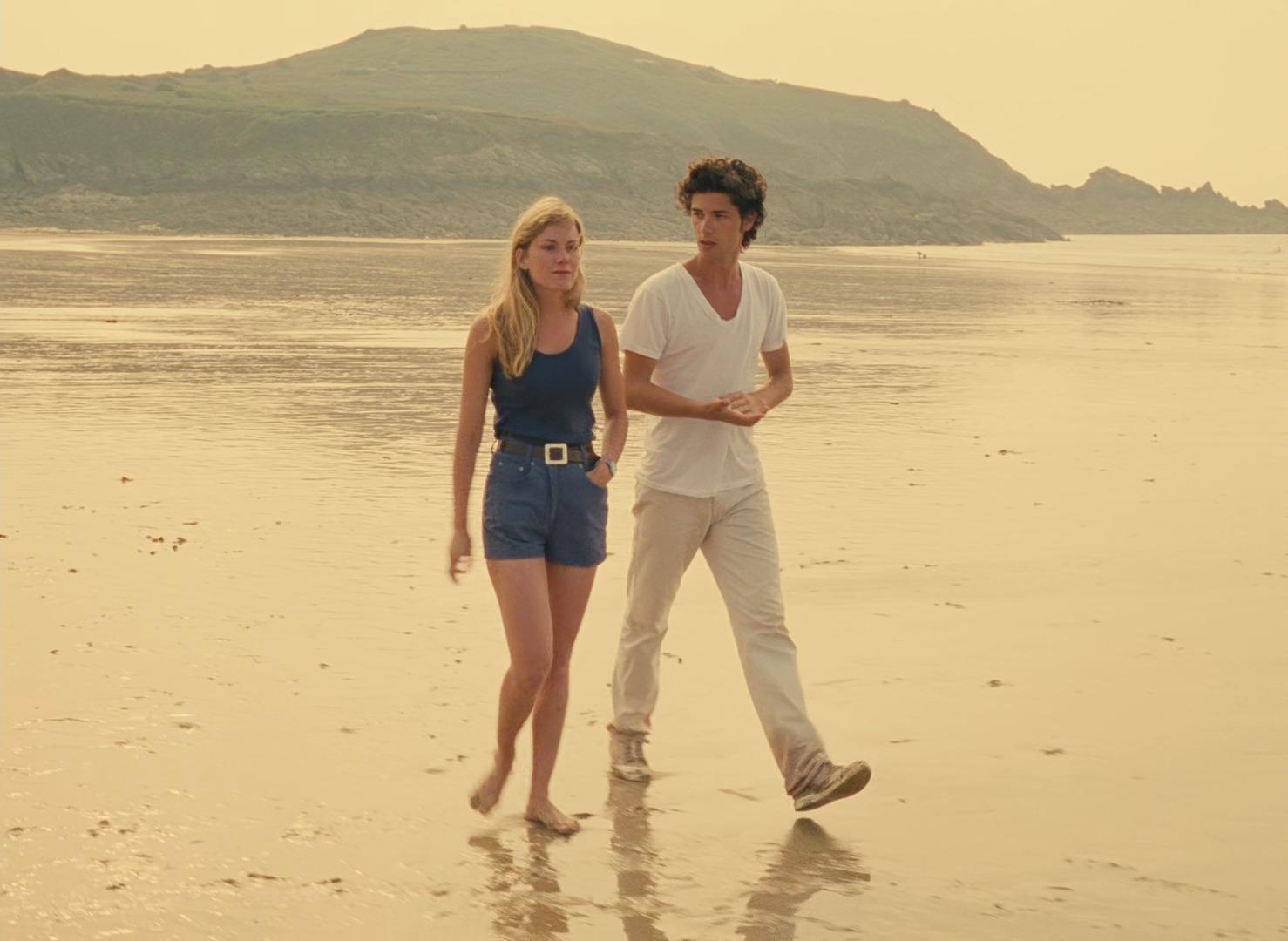
These are the lives of young people, full of delicious possibility, something that their joys in the present moment can never quite match. Gaspard can’t realise the potential of love’s splendour, and, as easy as it is to dismiss his woes, the poignancy of this unique stage of despair gradually emerges. Where A Summer’s Tale falters is not with Gaspard—a man inadvertently displaying masterful technique in the art of faltering—but with Léna and Solène, neither of whom is particularly interesting. Gaspard is an unlikely protagonist, a forlorn idiot with impossible aspirations, meaning that only Margot, with her vivaciousness and keen insight, poses a suitable match for him, whether as a lover or an interlocutor. Rohmer, clearly, is too committed to naturalism to offer the same grace to Gaspard’s other lovers, who create little in the way of a narrative spark.
When one pores over the French director’s stellar filmography, it becomes clear that his commitment to realism, while crafting stories bursting with wonder, has often done him many favours—but not on this occasion. The best sign of this film’s ending is that it leaves one wanting more, but getting to that point requires sitting through peaks and troughs in the narrative, not unlike the wild dips in emotion that Gaspard experiences throughout A Summer’s Tale.
FRANCE | 1996 | 113 MINUTES | 1.33:1 | COLOUR | FRENCH

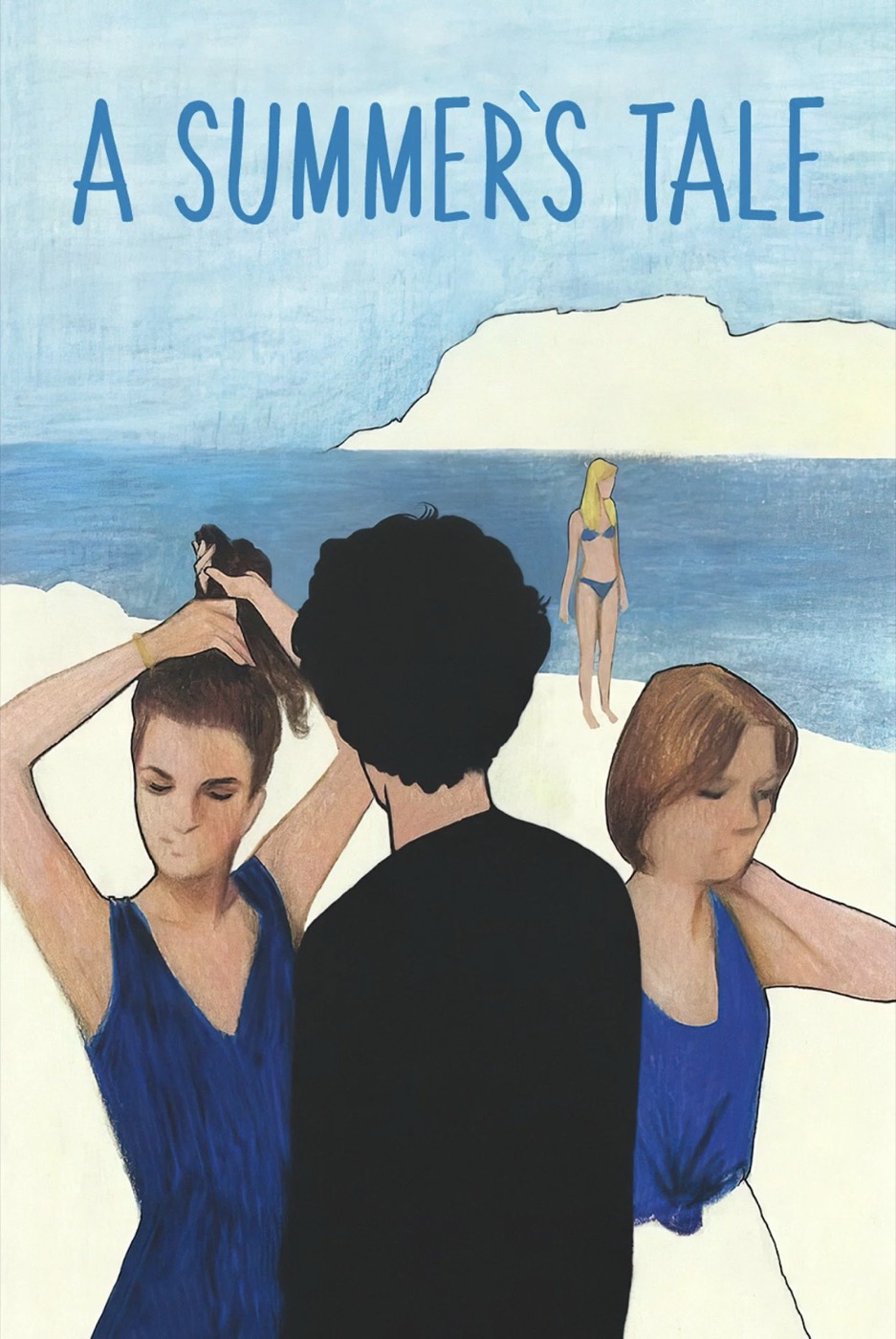
writer & director: Éric Rohmer.
starring: Melvil Poupaud, Amanda Langlet, Aurelia Nolin, Gwenaëlle Simon, Aimé Lefèvre, Alain Guellaff, Evelyne Lahan, Yves Guérin & Franck Cabot.