POSSESSION (1981)
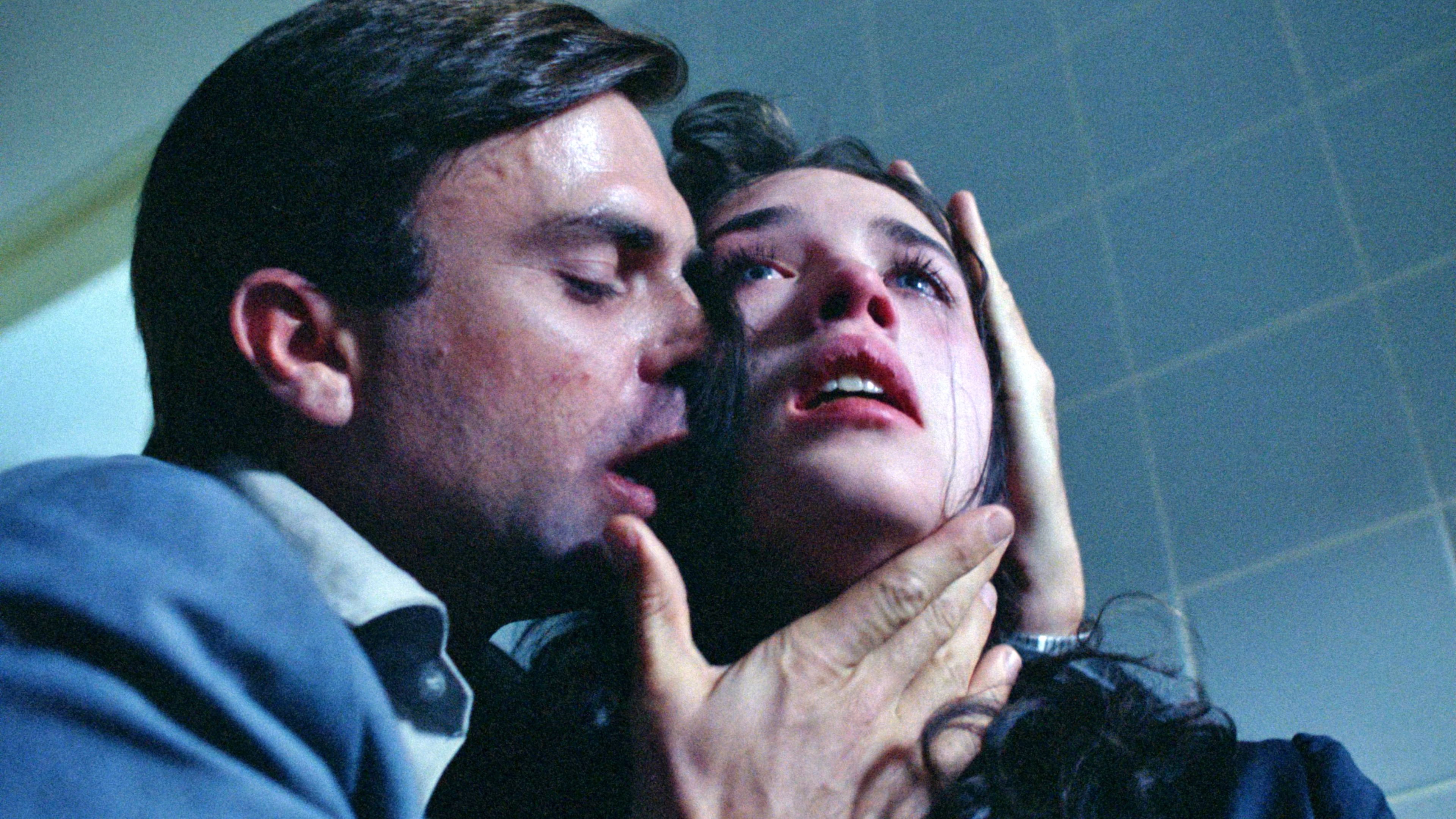
A woman starts exhibiting increasingly disturbing behavior after asking her husband for a divorce. Suspicions of infidelity soon give way to something much more sinister.


A woman starts exhibiting increasingly disturbing behavior after asking her husband for a divorce. Suspicions of infidelity soon give way to something much more sinister.
Andrzej Żuławski’s Possession is considered a masterpiece by those who venerate it, yet it remains a blind spot for many cinephiles and horror enthusiasts. While this observation may be anecdotal, outside of Letterboxd, video essays, and forum posts, I seldom see it discussed with the same fervor as other legendary genre instalments—or, indeed, the trite banality of modern “cotton-candy” horror.
The single-serving friends I chat with at bars and public gatherings have rarely heard of the film; if they have, they’ve never seen it. Yet, those who have experienced it sing hymns of reverence to its every frame. Possession is, by far, one of my favourite horror films, precisely because its ability to induce overwhelming terror and uneasiness is unlike anything else in cinema.
Żuławski was a filmmaker who defied genre norms, operating in the avant-garde tradition of New Wave icons like Jean-Luc Godard, François Truffaut, Věra Chytilová, and Toshio Matsumoto. He constantly played with the boundaries of conventional cinematic structure. His transitions between the orthodox and the unorthodox occur unexpectedly yet seamlessly. It never feels stilted—a level of proficiency that can be traced right back to his debut feature, The Third Part of the Night (1971).
Żuławski’s films drew heavily from his life, weaving multifaceted and layered narratives within specific genres that resonate with the profundity of a experience. In Possession, he uses horror to process the tumultuous volatility of his own divorce. The film captures the deterioration of the psyche and the collapse of domestic stability when faced with cold indifference. Crucially, it illustrates how clinging to a rotted intimacy is the worst way to save what little remains, especially when done solely for the sake of the children.
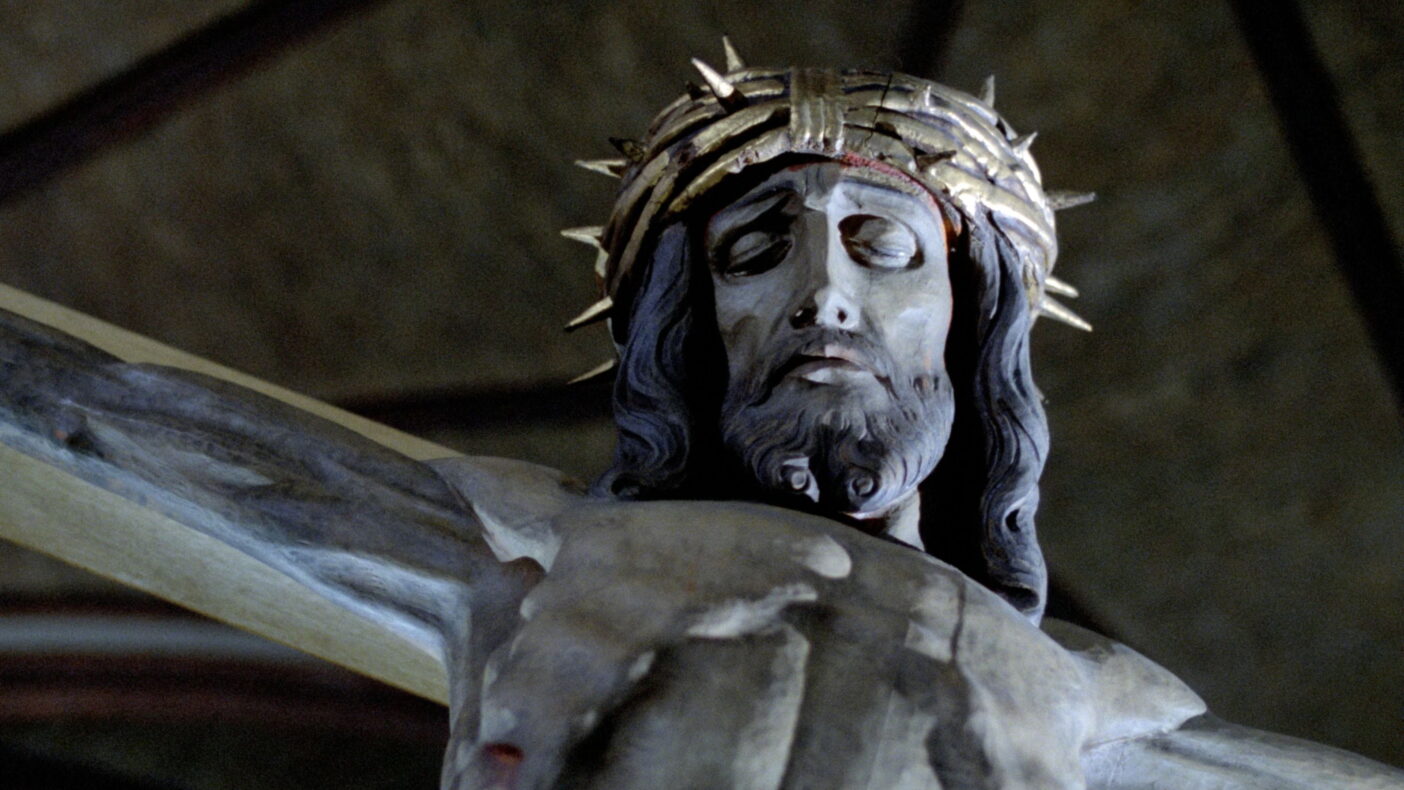
Possession opens with two separate, one-point perspective shots of the Berlin Wall. It then cuts to a massive black crucifix, its arms wrapped in barbed wire, with a wreath hanging from its base. The only breaks in this ominous iconography are a few red and white flowers protruding from the wreath—a visual overture introducing the film’s themes of separation, atrophy of faith, and marital decline.
From here, a continuous point-of-view shot roves across West Berlin, lingering on derelict buildings and sections of the wall, one of which features the crudely spray-painted graffiti: “Die mauer muss weg” (“The wall must go”). This perspective belongs to Mark (Sam Neill), a spy for a secret government agency. Returning home from a stint of espionage, he is instantly blindsided by his wife, Anna (Isabelle Adjani), who demands a divorce. They confront their mutual emotional decay, though the angst appears painfully one-sided; Anna looks overwrought with internal confusion, frustration, and a total absence of affection.
Her feelings don’t wane. Instead, they ripen in intensity. Mark and Anna’s interactions rapidly dissolve into a dense fog of emotional instability, fueled by mutual contempt, crossed boundaries, infidelity, and bouts of profound hysteria. This escalation of domestic horror makes other cinematic depictions of marital decline pale by comparison. Noah Baumbach’s The Squid and the Whale (2005) or Marriage Story (2019) could never compete.
Mark acts as a physical barrier, trapping Anna in confrontations regarding her fidelity and the state of their marriage. Anna, in turn, succumbs to rage-induced paroxysms—convulsing uncontrollably, slicing her own skin while preparing dinner, and violently striking Mark when cornered. She vanishes for days on end to an unknown location, leaving their young son, Bob (Michael Hogben), starving and neglected. In one heartbreaking scene, Mark returns to find Bob sitting on the hallway floor, covered head-to-toe in peanut butter and jam, desperately trying to feed himself.
This domestic instability provides the film’s initial horror. At times, Anna’s screaming fits reminded me of the outbursts my own mother would have during childhood conflicts. These scenes made the hairs on my back stand up, my skin freezing in terror at the shared emotional recognition.
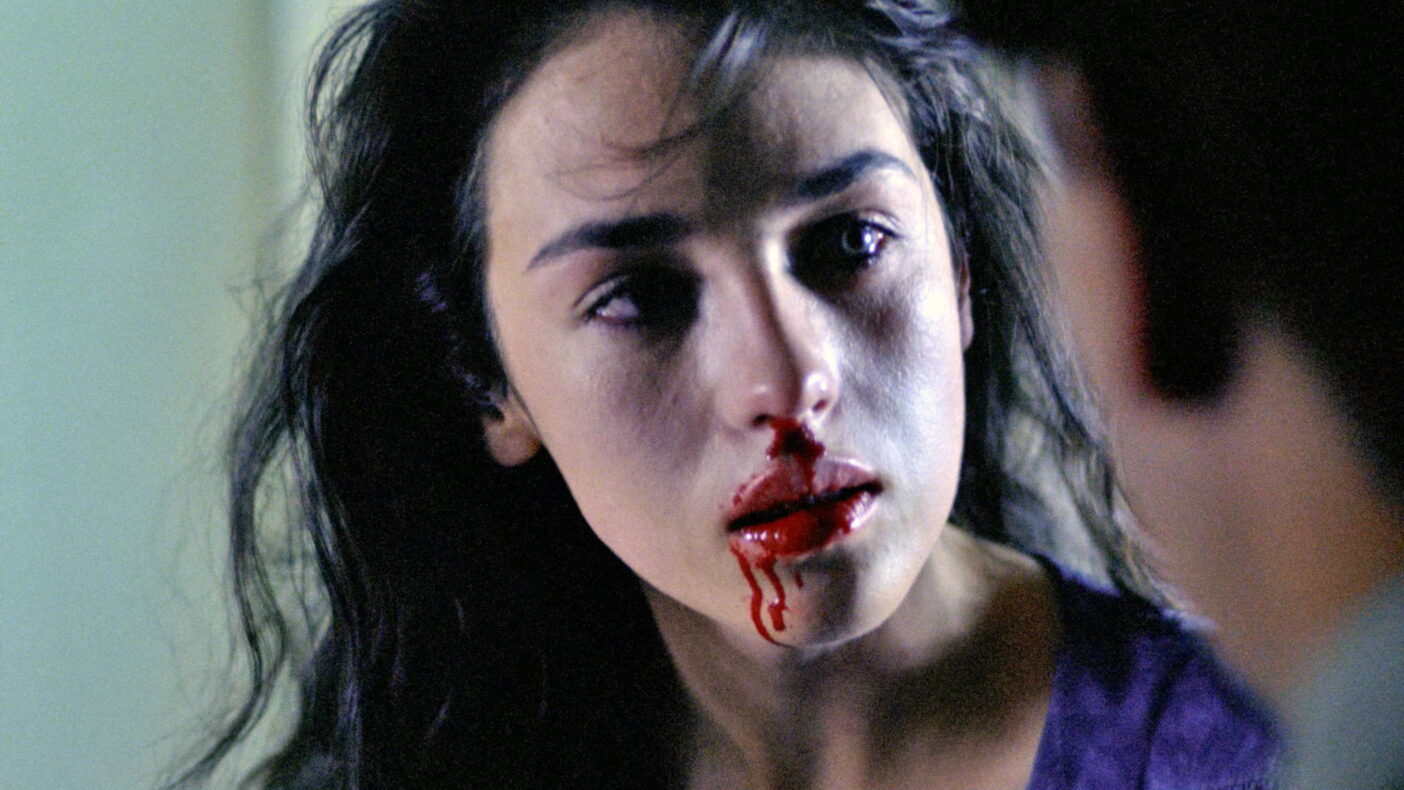
Yet, the horror in Possession evolves during the second act, trading kitchen-sink realism for a surreal, figurative growth that commits entirely to the breakdown of intimacy. It’s here that the film steers into unapologetic arthouse experimentation.
I adore this trajectory, but I recognize that Żuławski’s extreme metaphorical approach to divorce won’t be to everyone’s taste. My advice: don’t get comfortable with the initial domestic drama, or you’ll be left wondering what the point was.
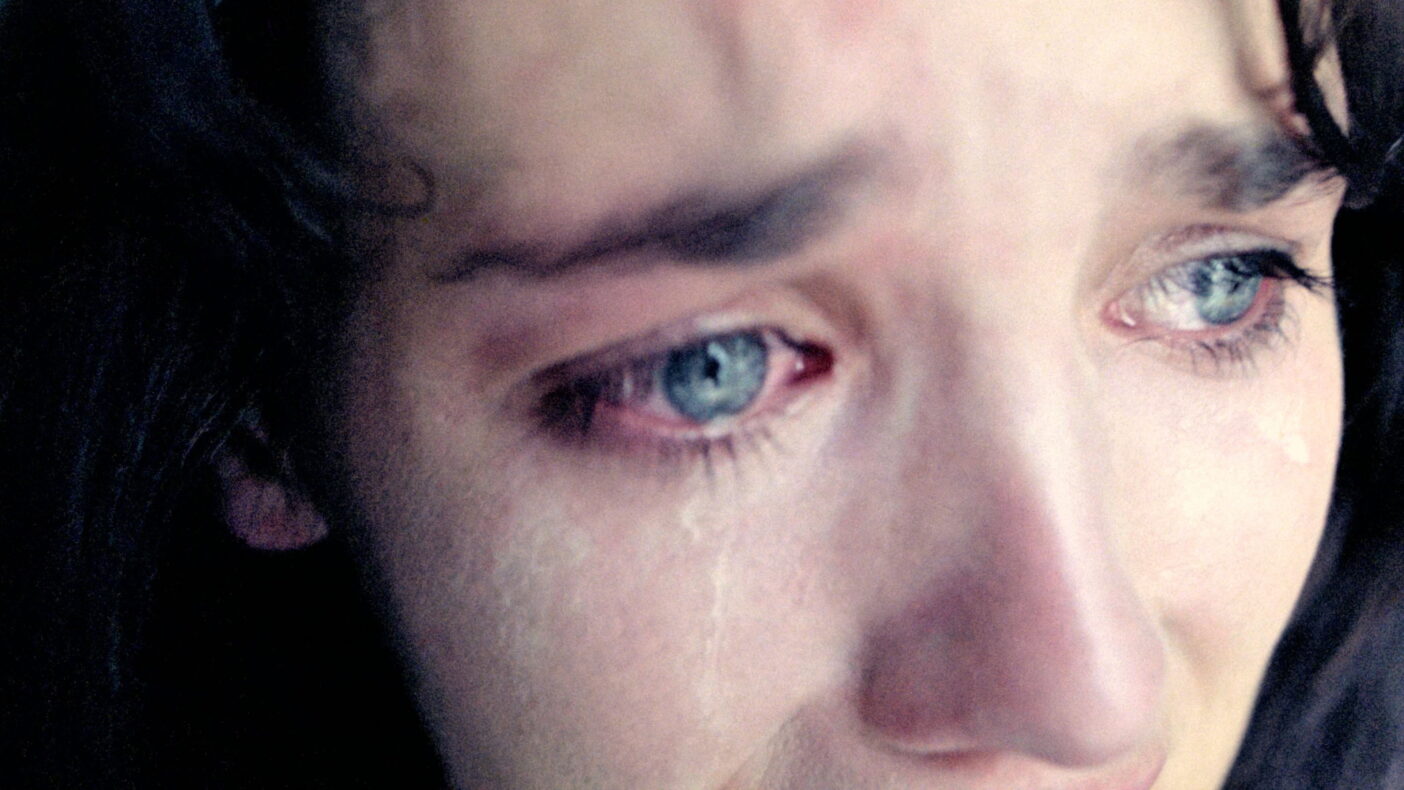
Beyond the narrative, Bruno Nuytten’s cinematography is impeccable. The dynamic camera movements evoke the suffocating claustrophobia of two people trapped in a dead union. Triangular compositions within the liminal spaces of their apartment mirror their psychological asphyxiation. Close-ups capture every nuance of distress, anguish, and hatred on Neill and Adjani’s faces. Meanwhile, the camera glides in dizzying circles around the actors, amplifying the viewer’s discomfort during tense arguments about custody or bizarre subplots involving secret agencies and a man who exclusively wears pink socks.
Żuławski’s mastery extends deep into colour theory, particularly his calculated use of blue.
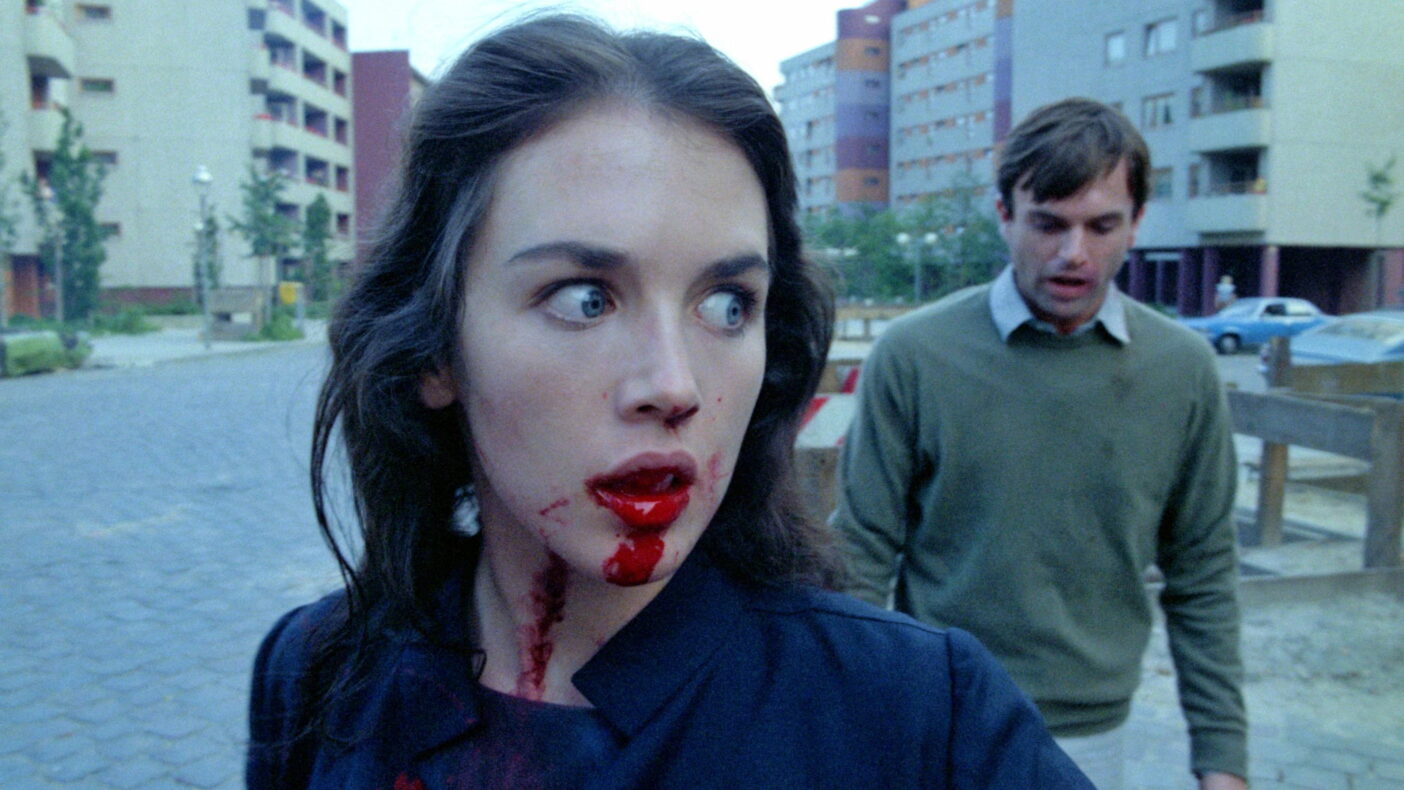
The symbolism of blue has shifted drastically throughout art history. In the medieval period, it was reserved for religious iconography to convey holiness and virtue. Because ultramarine pigment derived from lapis lazuli was so rare and expensive, it was used to denote the eternal. These pigments adorned the very churches where marriages were ritualized. By the Renaissance, blue expanded to signify material wealth and aristocratic prestige—not unlike the financial consolidation of modern marriage, with its shared incomes and property.
Then came the Industrial Revolution, which made blue affordable. Pablo Picasso famously used the cheap pigment to define his “Blue Period,” linking the colour permanently to sorrow, poverty, and depression. In an ironic twist, industrialisation stripped blue of its status and turned it into the universal hue of human melancholy.
Żuławski synthesises both the spiritual and melancholic histories of the colour beautifully. Anna is dressed almost exclusively in blue, accented only by black scarves—the colour of mourning. This palette bleeds into their apartment, where blue carpets and fabrics are contrasted against stark white walls. The visual irony of this “pure” environment is striking.
To maximize visual engagement, Żuławski balances these heavy blues with warm, complementary orange hues in the first half of the film: a vibrant orange telephone, earthy book spines, and an amber sofa. In the second half, the palette shifts to a complimentary combination of chromatic reds and greens, the former more towards colouring flesh and viscera while the latter accents interior spaces. As a painter and admirer of art history, I was completely enamoured with Żuławski’s understanding and use of colour theory; the man is a genius.
Possession is a multifaceted, effortless exploration of romantic absurdity that deepens with every subsequent viewing. My admiration grows each time I spot a new, understated detail in the dialogue or frame. I simply can’t get enough of it.
Which brings us to the upcoming, Paramount-funded remake by Parker Finn—the director behind Smile (2022) and Smile 2 (2024). Remakes are always a gamble, as you can rarely recapture lightning in a bottle, but this project feels particularly precarious. The goal of a remake is to preserve the essence of a story while applying a fresh coat of paint. But given how deeply autobiographical the original text is, one has to ask: how exactly does Finn plan to adapt someone else’s divorce?
FRANCE • WEST GERMANY | 1981 | 124 MINUTES | 1.66:1 | COLOUR | ENGLISH • FRENCH • GERMAN

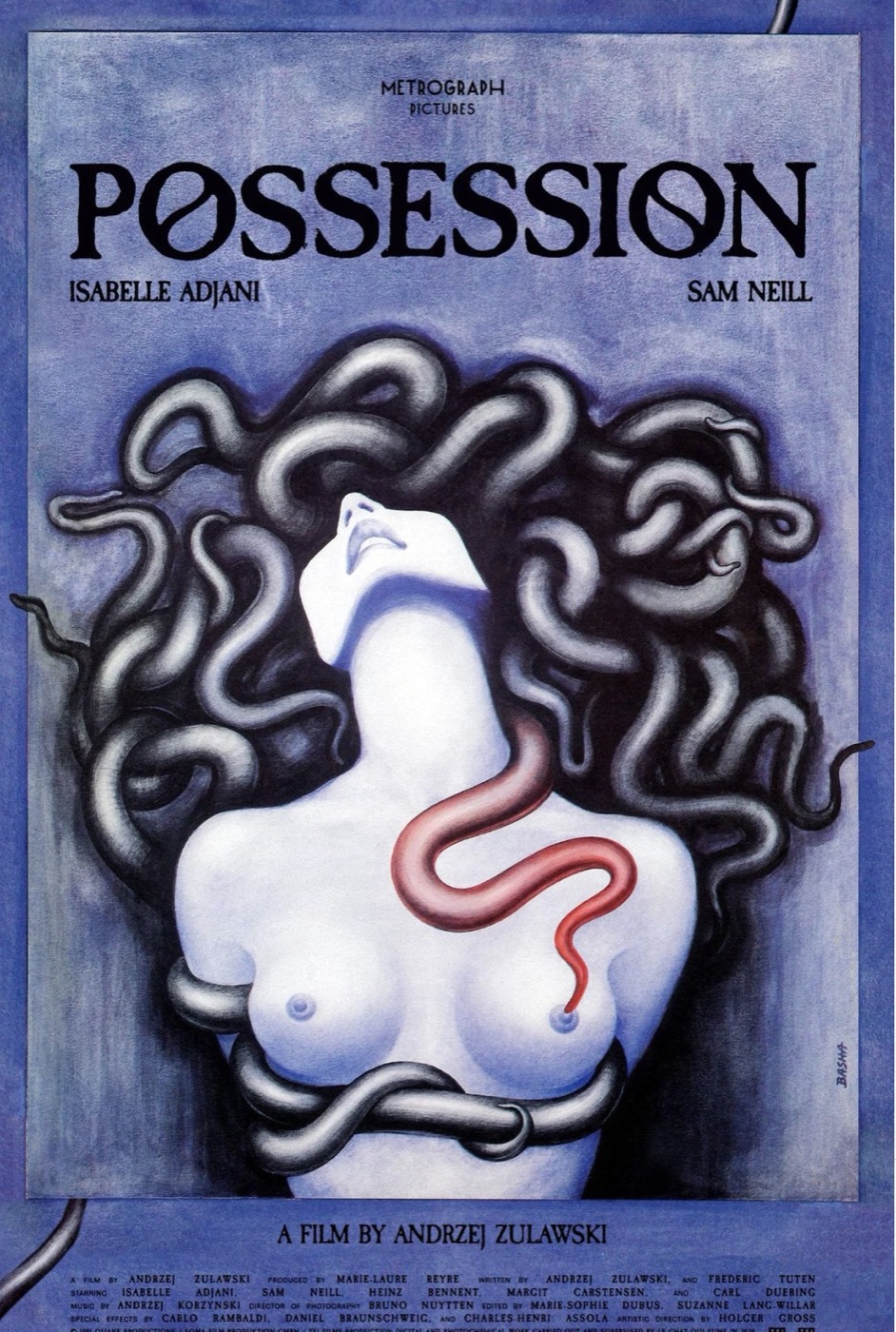
director: Andrzej Żuławski.
writer: Andrzej Żuławski (adaptation and dialogue co-written by Frederic Tuten).
starring: Isabelle Adjani, Sam Neill, Heinz Bennent, Margit Carstensen, Johanna Hofer, Carl Düring & Shaun Lawton.