JAYNE EYRE (2011)
A mousy governess who softens the heart of her employer soon discovers that he's hiding a terrible secret.


A mousy governess who softens the heart of her employer soon discovers that he's hiding a terrible secret.
It’s difficult to define Cary Joji Fukunaga’s place in modern cinema. He’s no stranger to the mainstream, from writing the 2017 adaptation of Stephen King’s It to helming the most recent James Bond instalment, No Time to Die (2021). Yet he also directed the first season of True Detective—one of television’s finest masterworks and a haunting meditation on humanity’s nightmarish depths and disarmingly resonant rays of hope. It was a season more inspired by philosophy than fiction, though Fukunaga found a way to ground these lofty themes amidst tense sequences and the remarkable chemistry between leads Matthew McConaughey and Woody Harrelson. He also wrote and directed Maniac (2018), a mind-melting miniseries which, like True Detective, wasn’t afraid of heavy themes and was buoyed by its two stars, Jonah Hill and Emma Stone.
When you square these projects against one another, a consistent pattern doesn’t emerge. Fukunaga can fit within mainstream sensibilities, but arguably his most adept work is far darker or weirder than anything typically produced by Hollywood’s biggest studios. He has helmed projects that boast phenomenal performances, yet he’s never garnered a reputation for this. His films can be beautiful, but eye-popping visuals or gorgeous landscapes aren’t his main appeal, either. There are stylistic flourishes, from one-take shots to Maniac’s retro-futurist aesthetic, and yet Fukunaga isn’t known for those traits, either.
He isn’t known for anything, really, and yet somehow he’s nimbly stepped into very different worlds of filmic storytelling, almost always finding solid ground on which to land. In his quiet, unassuming way, he has elevated the art of the cinematic journeyman. One can only assume that this quiet approach will be further emboldened in the near future, following a series of allegations of sexual harassment, assault, and grooming levelled at the director in 2021-22. Though Fukunaga hasn’t been charged with any crimes, a cluster of similarly disturbing claims spanning almost a decade has been made against him by various actresses.
Whether the American director should work again is another issue entirely, and not one that any reviewer should delude themselves into thinking they can answer. It’s now been five years since Fukunaga directed his last feature film, which isn’t unusual for his filmography (especially given that his upcoming film, Blood on Snow, an adaptation of Jo Nesbø’s novel, is due for release this year). There was a six-year gap between Beasts of No Nation (2015) and No Time to Die, and a four-year gap between the former and Jane Eyre, the director’s take on Charlotte Brontë’s classic novel.
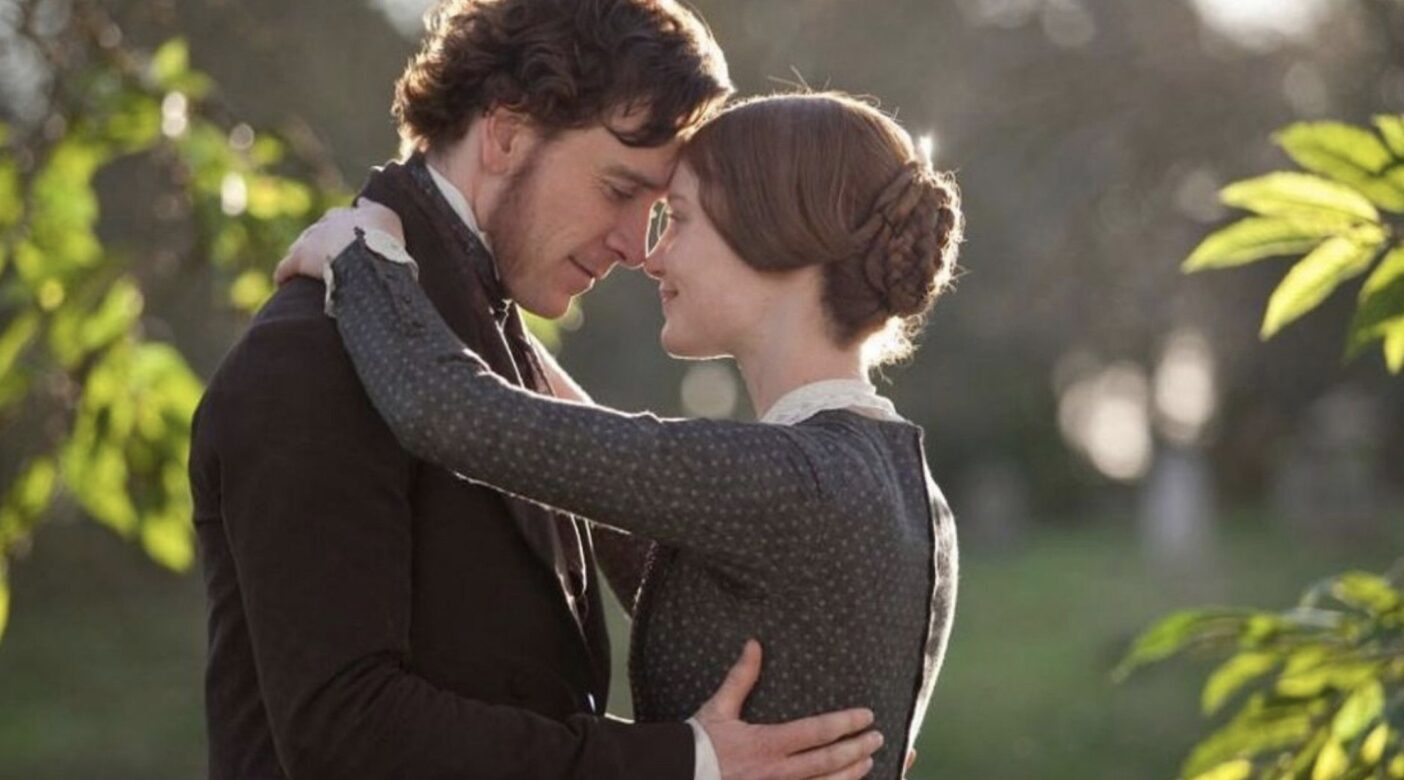
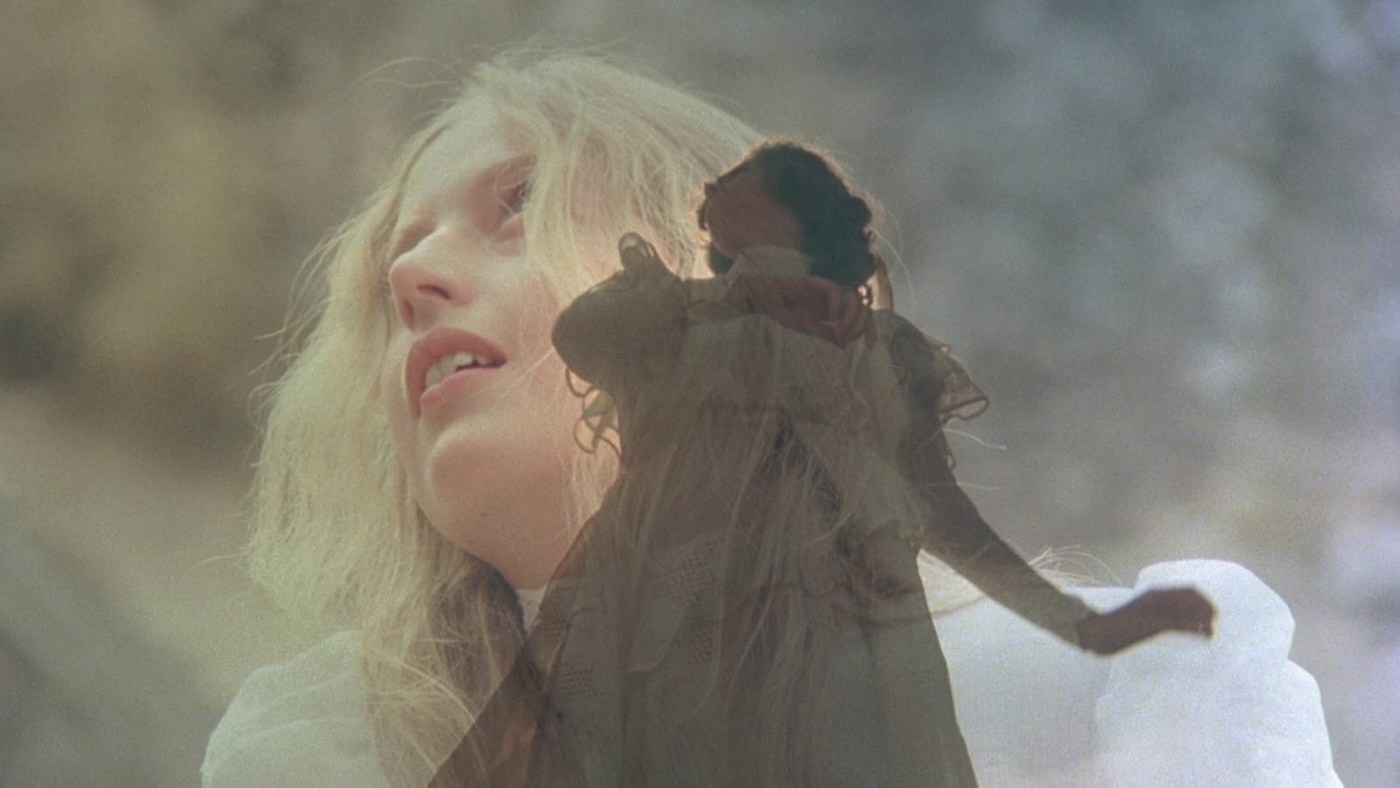
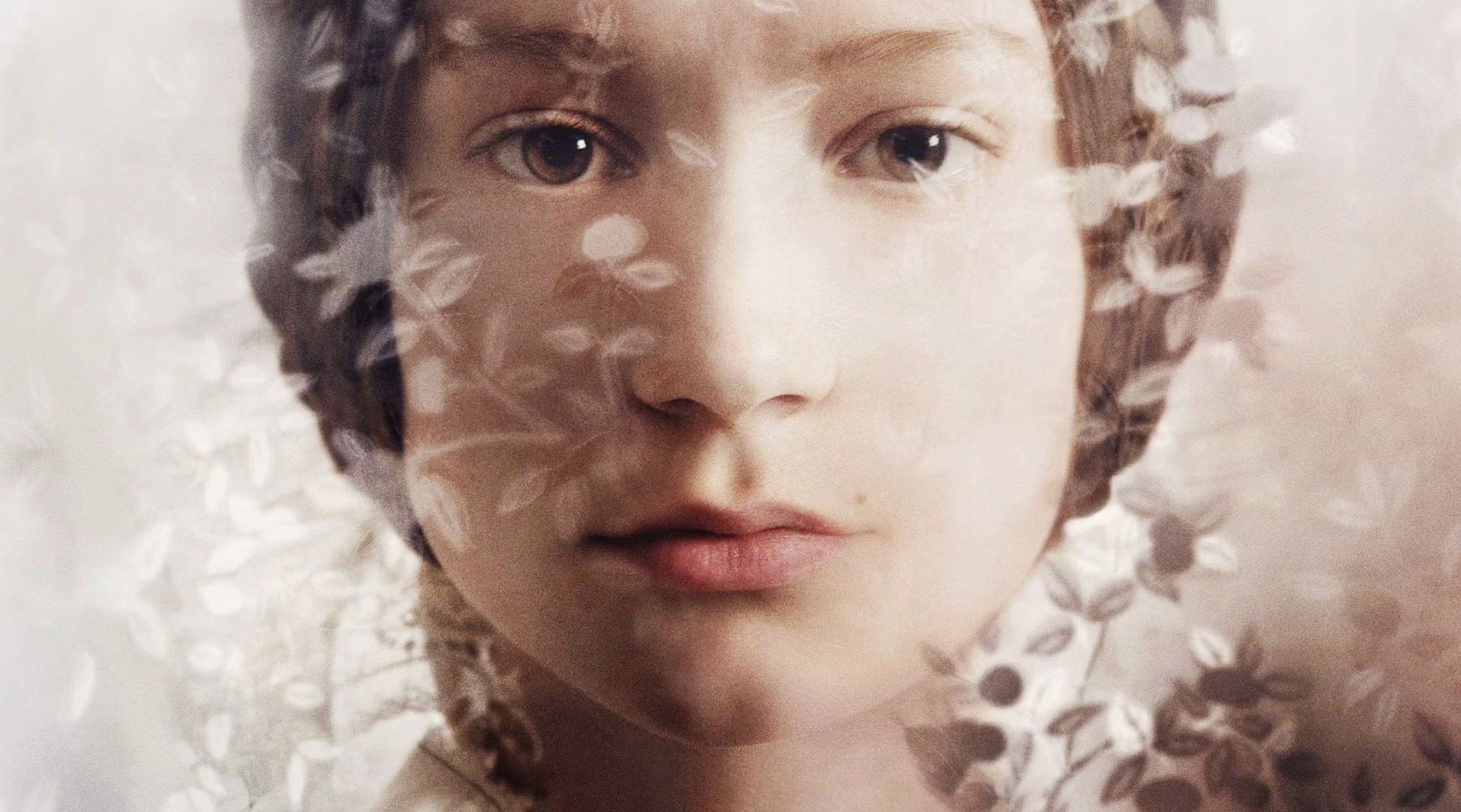
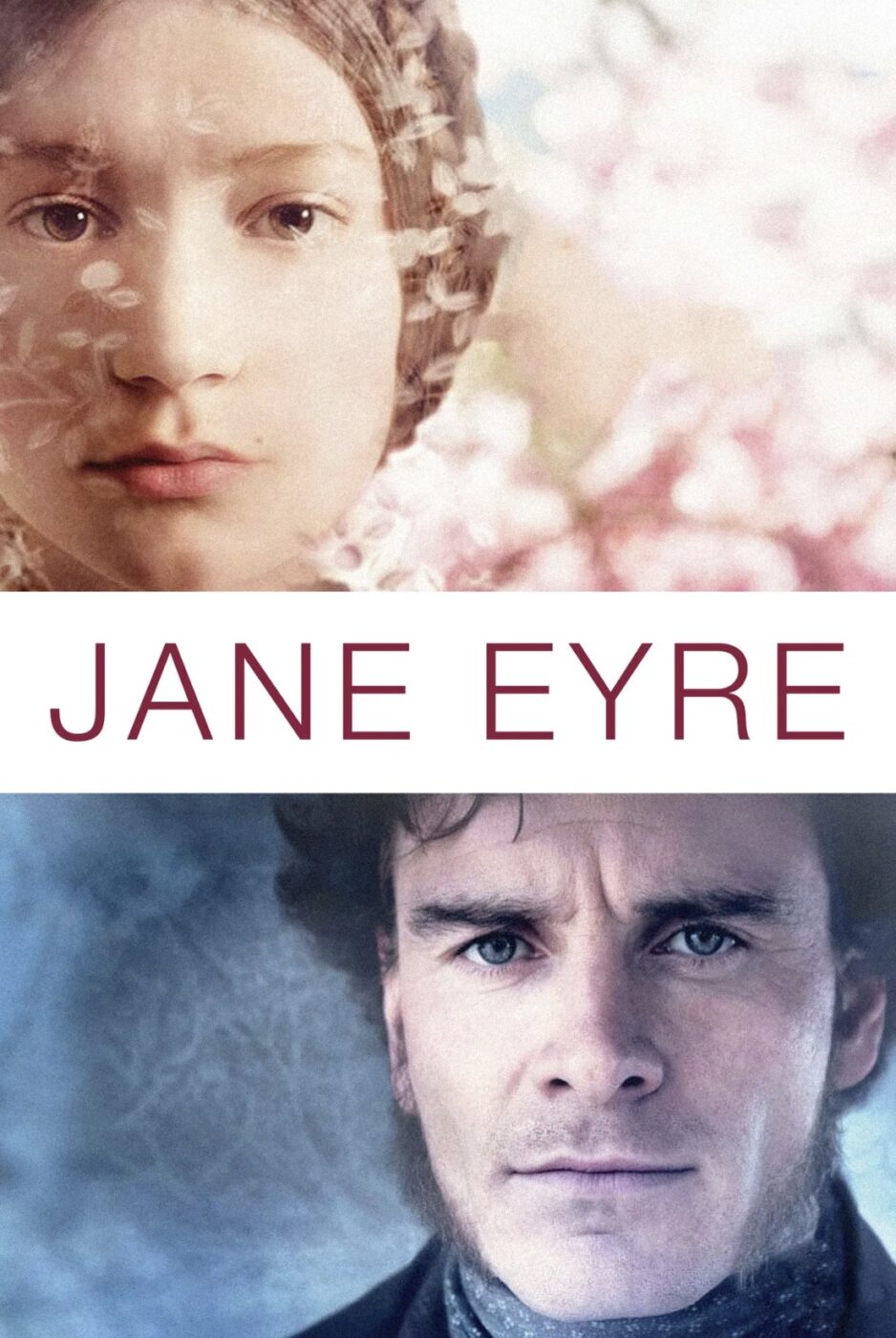
The novel has been adapted into well over a dozen feature films, so it bodes well for Fukunaga’s version that, at 15 years old, it remains the most recent iteration. In large part, that’s due to the film’s impressionistic visuals, which are haunted by a spectral presence that lingers throughout the protagonist’s life. In rereading the novel, Fukunaga was struck by its ‘spookiness’—something he translated with remarkable grace to the silver screen.
There’s an autumnal quality to Jane Eyre that’s grounded in a distinctive, coherent visual style, all while underscoring the film’s emotional elements. On the one hand, these visuals map onto both Jane’s tragic circumstances and the pathetic fallacy of England’s often dreary weather. There’s profound sorrow lurking in this story, as well as loneliness (for what could be more alienating than the presence of ghostly imagery, which might as well be the presence of an absence?).
The film’s time period required both men and women—especially the latter—to be muted in their expressions of passion, whether born of joy or sorrow. You feel that muted quality in these autumnal compositions, even as there lurks an inexplicable presence that defies articulation, suggesting this dreary universe is filled with spectral possibilities that point to the sublime.
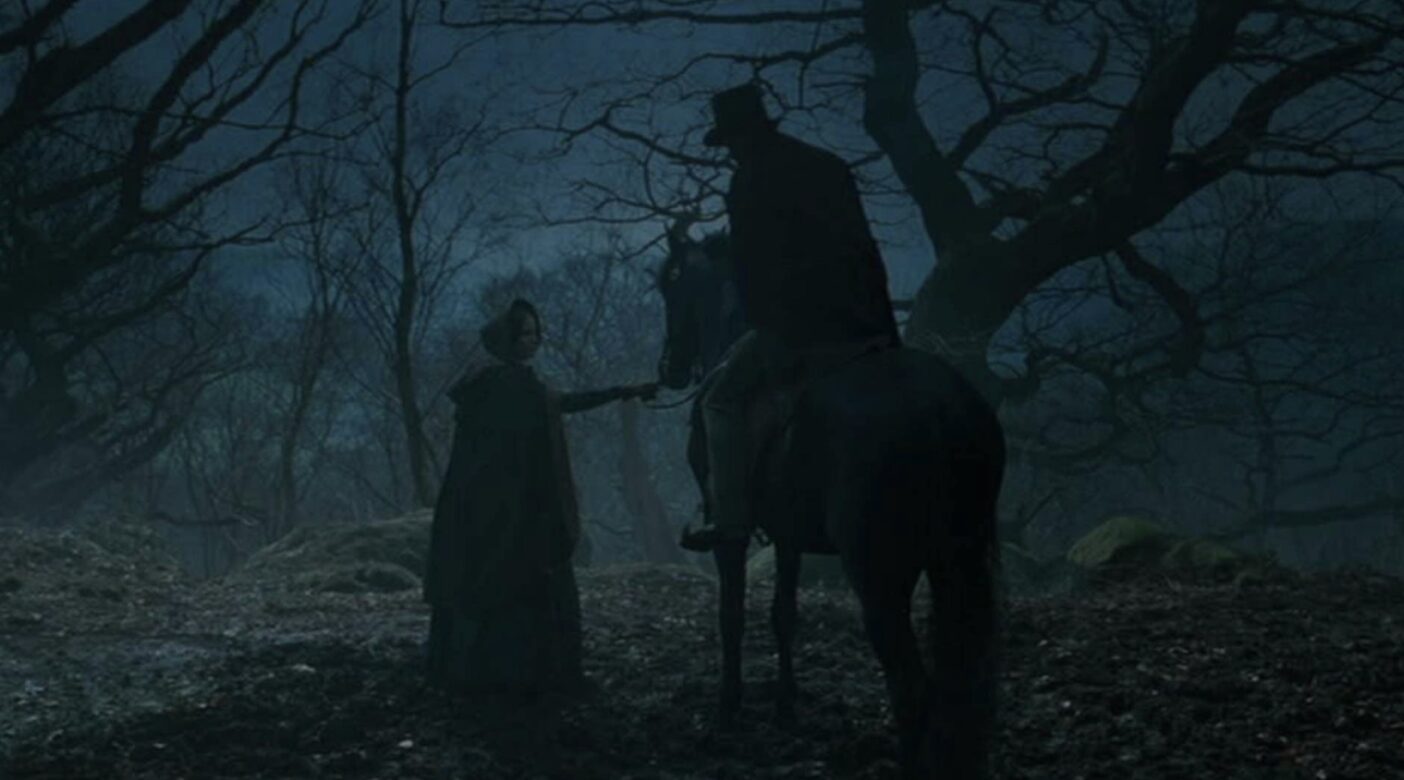
Crucially, Fukunaga and cinematographer Adriano Goldman never oversell these qualities; they lightly drape over the film, never making anything feel staged or overly rehearsed. This is especially important given how short a window we’re afforded into the early life of Jane (Mia Wasikowska). After being tormented by her cousin, John Reed (Craig Roberts), she thrashes him with ease, slapping him with her book. Naturally, only she is punished: such are the rules imposed by her vindictive aunt, Mrs Reed (Sally Hawkins).
It’s always a pleasure to witness Hawkins in a formidable role (which she excelled at in 2025’s Bring Her Back). Her sunny smile and effortless warmth have a tendency to worm their way into your heart—something well-utilised throughout her career. Witnessing the inversion of this is a rare treat, and no less brilliant than her radiantly optimistic performances. Even Roberts shines in this bit part, where he plays a prissy, spoiled child, tapping into the most negative qualities of his breakout performance in Richard Ayoade’s Submarine (2010). In that film, he was easy to laugh at but impossible not to pity; here, there’s no such room for connection. In just one short scene, you hate him desperately, along with everyone else involved in Jane’s cruel upbringing.
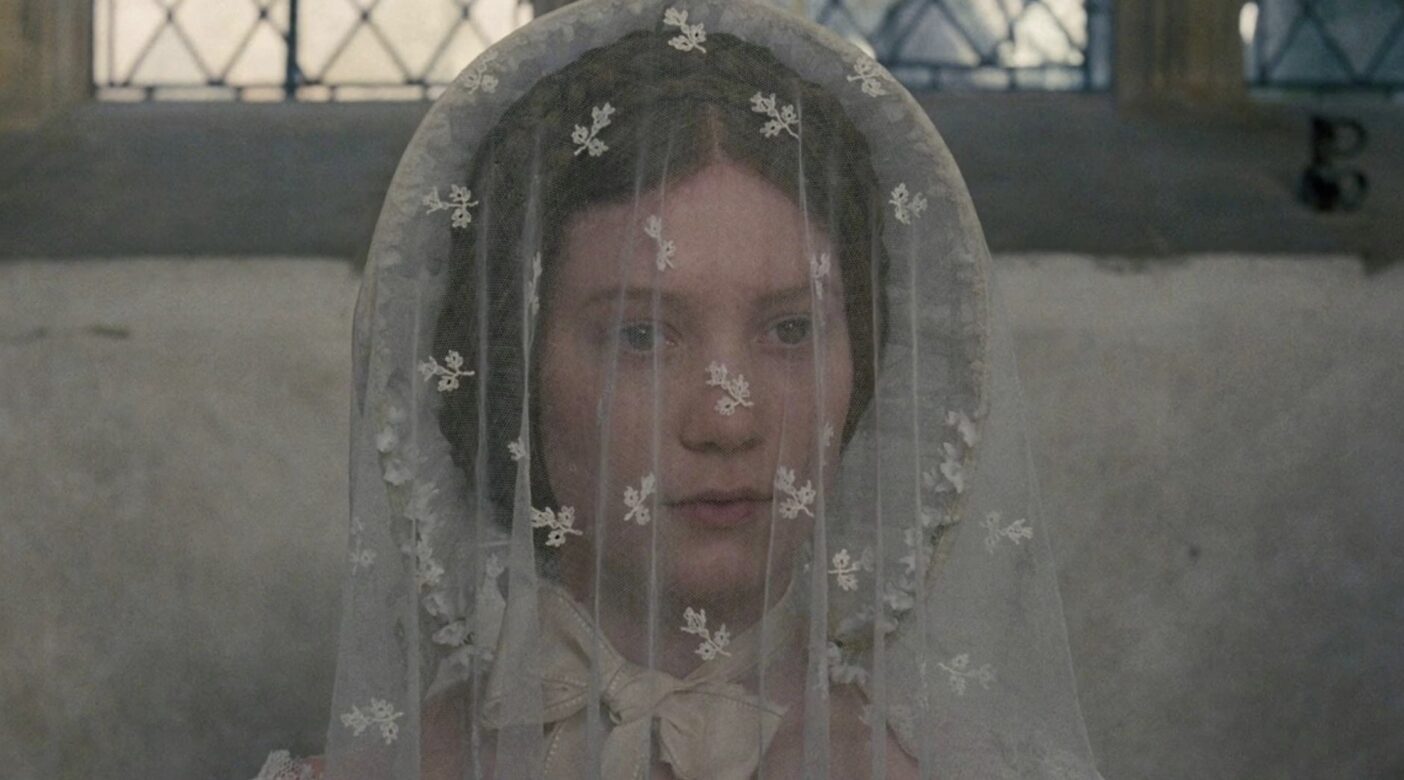
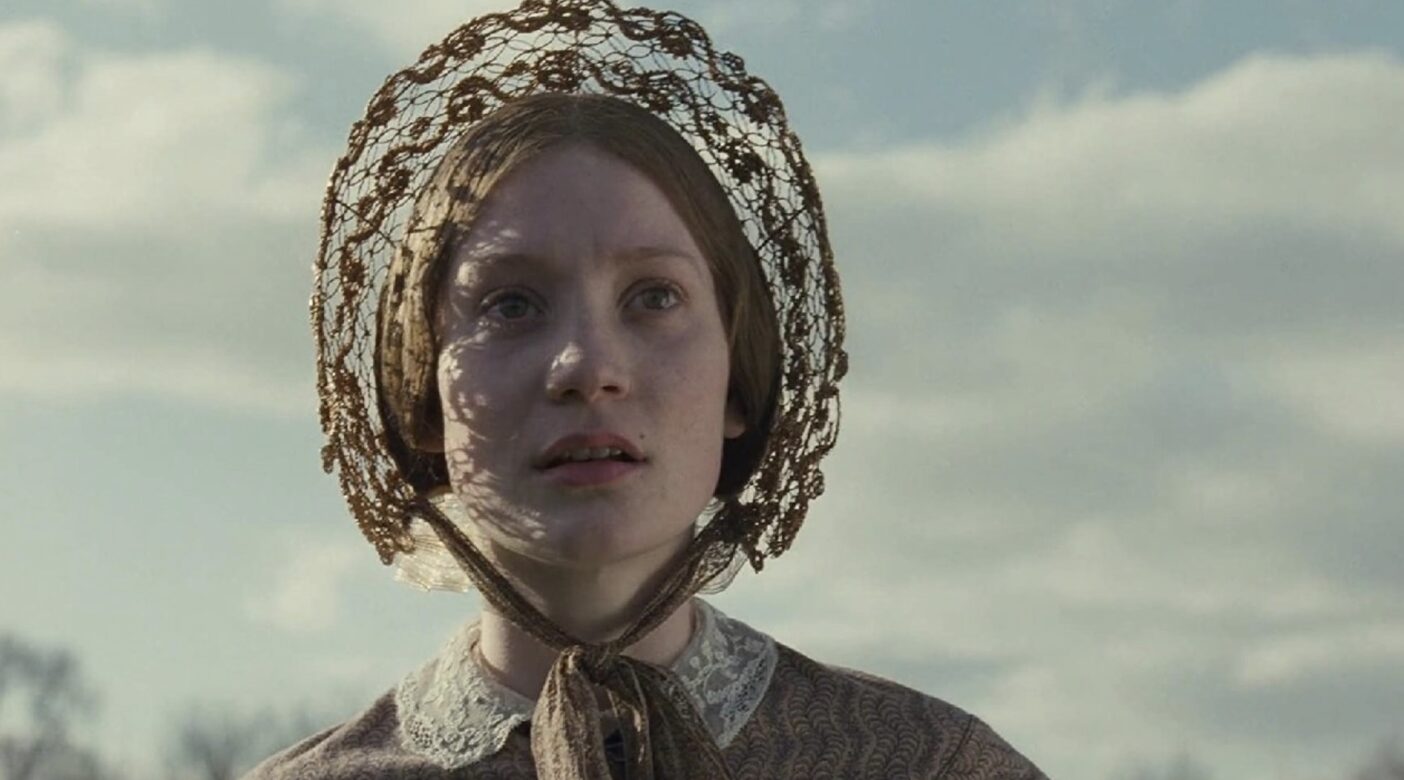
When the protagonist, whose parents and uncle are dead (Mrs Reed was married to the latter and came to look upon Jane as an unruly burden), is sent away to a strict boarding school, it seems less like a punishment and more like an opportunity. Naturally, those years are also fraught with misery, but Jane has a remarkable knack for making the most of bad situations. Wasikowska appears saintly in the role—a wistful young woman with a full inner world lurking behind her eyes, eager to see the good in people while knowing it would be foolish to bank on it.
That Wasikowska was cast to portray an unattractive woman—as per Brontë’s novel—is absurd, though it’s no less farcical than having the photogenic Michael Fassbender cast as her supposedly ugly employer, Edward Fairfax Rochester. Jane and Rochester form a curious attraction, drawing closer through conversations that would repel many prospective lovers. Instead, they glimpse hidden depths within one another, but nothing can be said directly, lest they reveal too much. It’s a delicate romance, deployed with tenderness and care throughout Moira Buffini’s screenplay, which works hard not to overstate longing, sorrow, or joy.
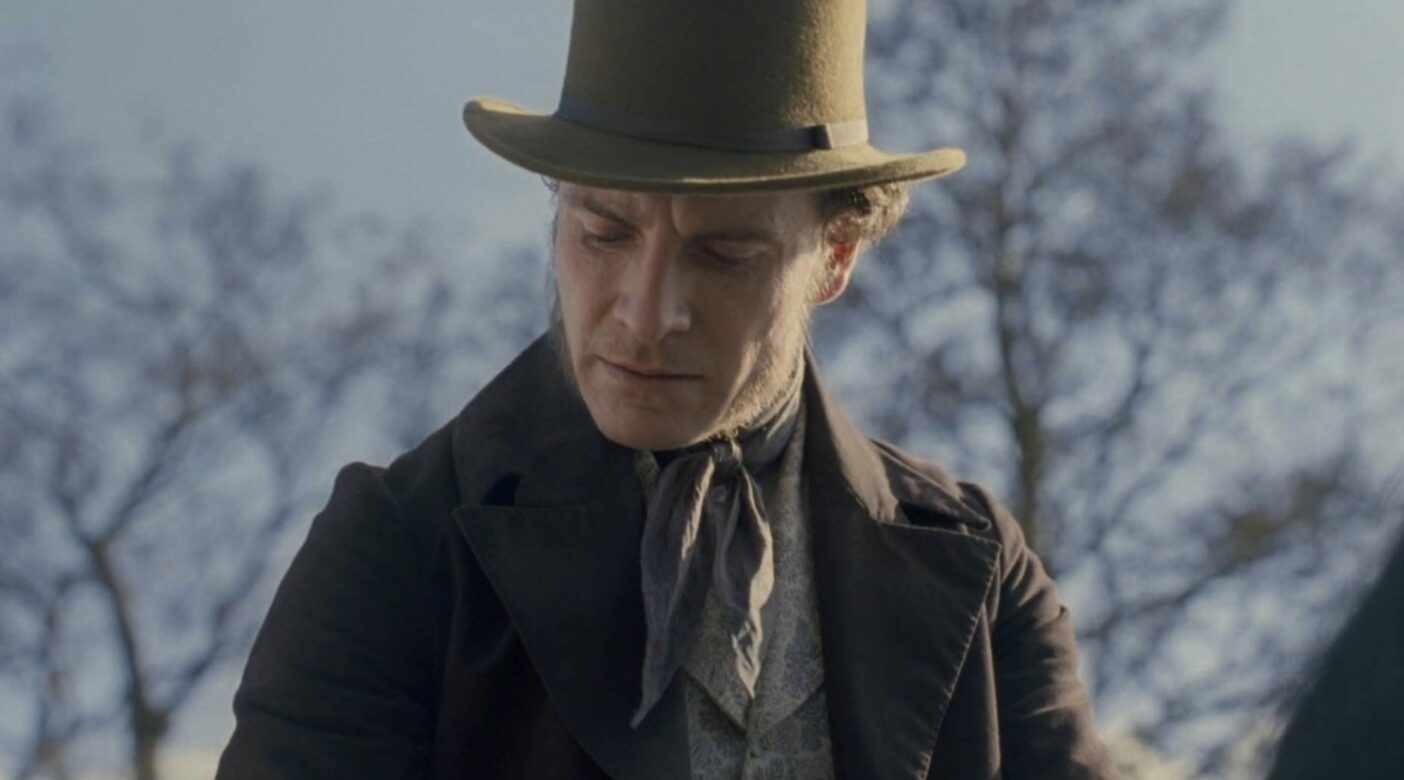
Whether she’s carving out a new life or a new romance, Jane’s development throughout the movie is akin to watching a flower bloom. It takes so little to cull its beauty, but there’s a forcefulness underpinning this growth, too. Buffini’s trim screenplay, though often admirable, doesn’t always provide fertile ground on which this romantic drama can grow, let alone truly blossom. Jane’s upbringing at the hands of Mrs Reed is, like so many aspects of this film, well-made yet too brief. With performers as talented as Roberts and Hawkins as her tormentors, it doesn’t feel right to breeze through this lonely period, especially when Jane is surrounded by luxury she cannot appreciate because she seeks only love and purpose.
Focusing more on Jane’s early life—from her childhood to the regular corporal punishment administered at Lowood—would have paid a fitting tribute to the heroine’s journey towards enlightenment. Even her relationship with Rochester, or her far more opaque dynamic with St John Rivers (Jamie Bell), the master of Moor House, needs more development. This is a simple tale, and it never tries to hide that. But in doing so, Jane Eyre doesn’t just whittle away complexities; it strips away entire relationship dynamics, leaving little to the imagination.
Jane Eyre is a ghostly tale, an autumnal hymn, an ode to perseverance, and a saga of a decades-long pursuit of happiness. It’s quietly powerful, yet too thinly plotted in areas where characters require more time to settle into our hearts, just as we settle into the gentle or tempestuous rhythms of their lives.
UK • USA | 2011 | 120 MINUTES | 1.85:1 | COLOUR | ENGLISH • FRENCH

director: Cary Joji Fukunaga.
writer: Moira Buffini (based on the novel by Charlotte Brontë).
starring: Mia Wasikowska, Michael Fassbender, Jamie Bell, Judi Dench, Sally Hawkins, Holliday Grainger, Tamzin Merchant & Craig Roberts.