RESIDENT EVIL (2026)
A courier tasked with delivering a package to a remote hospital finds himself caught in the middle of an outbreak and must fight through hordes of mutated creatures to survive.


A courier tasked with delivering a package to a remote hospital finds himself caught in the middle of an outbreak and must fight through hordes of mutated creatures to survive.
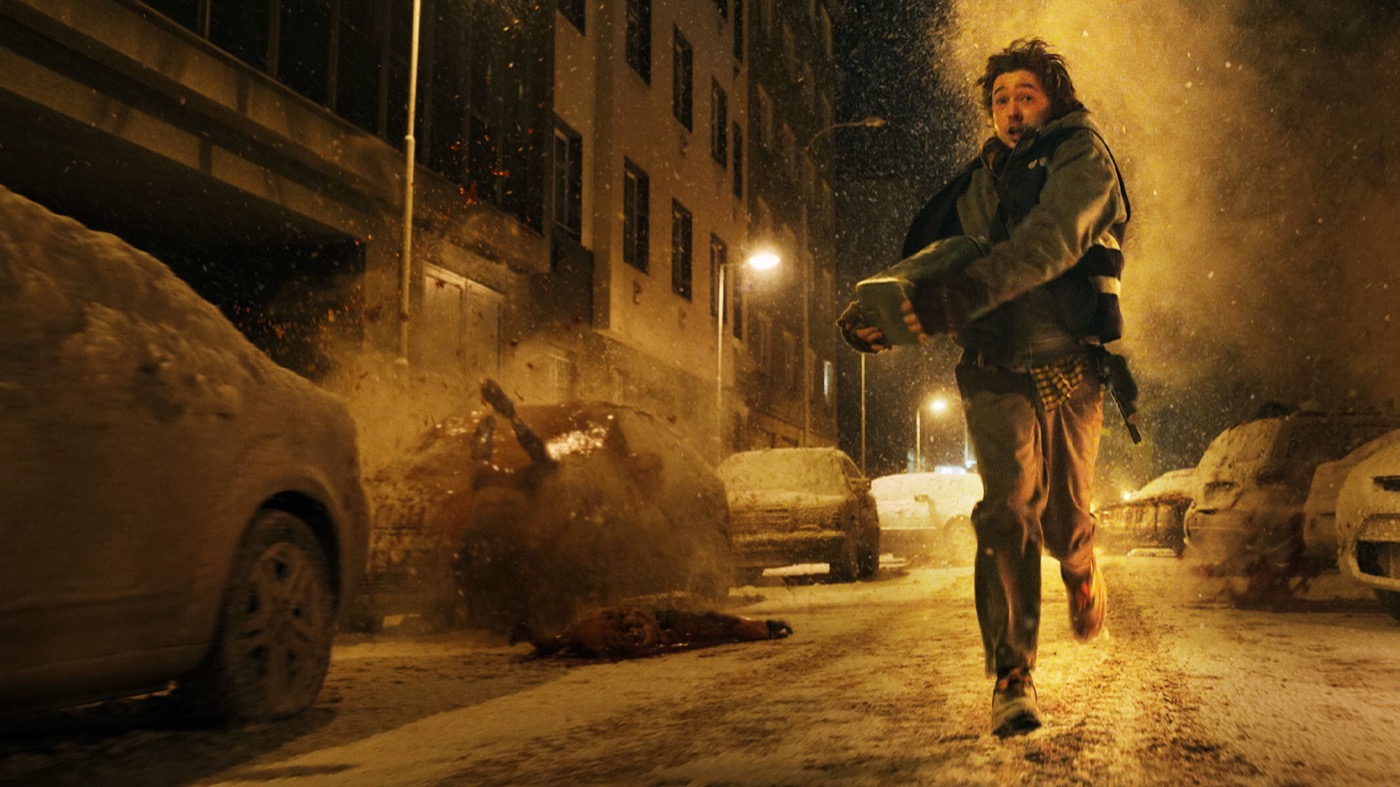
On a cold and snowy night, medical courier Bryan (Austin Abrams)—who seems more like a Deliveroo driver than someone delivering your granddad’s vital organs, but no matter—is offered double pay to transport a critical item to the Umbrella Corp tower in Raccoon City. As gamers well know, this is hardly a destination to rival a Jet2 holiday.
Lying to the doctor who assigns him the task, Bryan claims to have the snow chains and four-wheel drive necessary to navigate the snow-clogged, shrouded roads. He soon hits a rough patch, however, when a petrified woman runs out in front of his car. Although a police officer (Johnno Wilson) arrives to assist, it is clearly going to be a long night for Bryan. He is already starting to regret putting off the grown-up questions posed by his girlfriend, Michelle (Sara Paxton), as countless new horrors try to make him one with them.
This is far and away the best Resident Evil film to date, which isn’t saying much. Director Zach Cregger brings a Hitchcockian sense of tension mixed with dark comedy. The problem is that there isn’t much of a story. It is simply one scene after another, with most of the dialogue serving purely functional or comedic purposes and offering minimal character development. While the dark humour mostly works, it also has the unfortunate effect of making the characters seem shallow and foolish—especially towards the end in the Umbrella tower, where the scientists come across as slapstick figures, reminiscent of The Three Stooges meets The Thing.
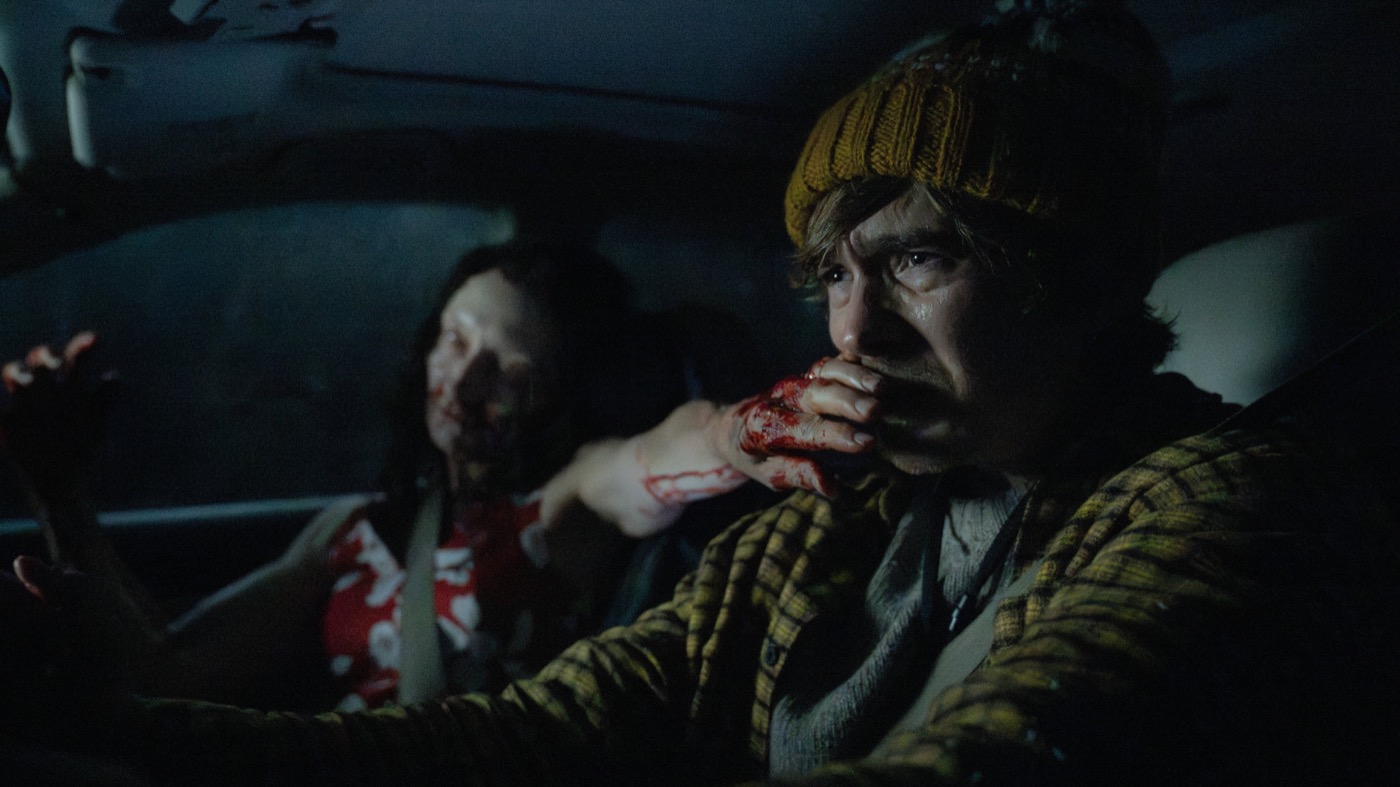
Individual scenes are fantastic, and the opening is superb. Cregger clearly plays with video game point-of-view mechanics and mines plenty of humour from the everyman trope, using the protagonist as a stand-in for the gamer. All in all, Resident Evil (2026) is good, well-crafted fun; it simply lacks depth beneath the surface.
Summarising the plot above was somewhat tricky because the film is essentially a sequence of set-pieces. This linear,”straight ahead” approach feels odd for Cregger, whose previous films, Barbarian (2022) and Weapons (2025), benefited from narratives that constantly doubled back on themselves, shifting perspectives and unfolding non-linearly to reveal the story bit by bit. In that regard, his freshman and sophomore works resemble horror variations on early Quentin Tarantino, whose use of pulp crime tropes in Reservoir Dogs (1992) and Pulp Fiction (1994) was elevated by clever structural tricks. Played straight, those films would have been far less interesting without the shifting points of view. The style was, in a way, the substance.
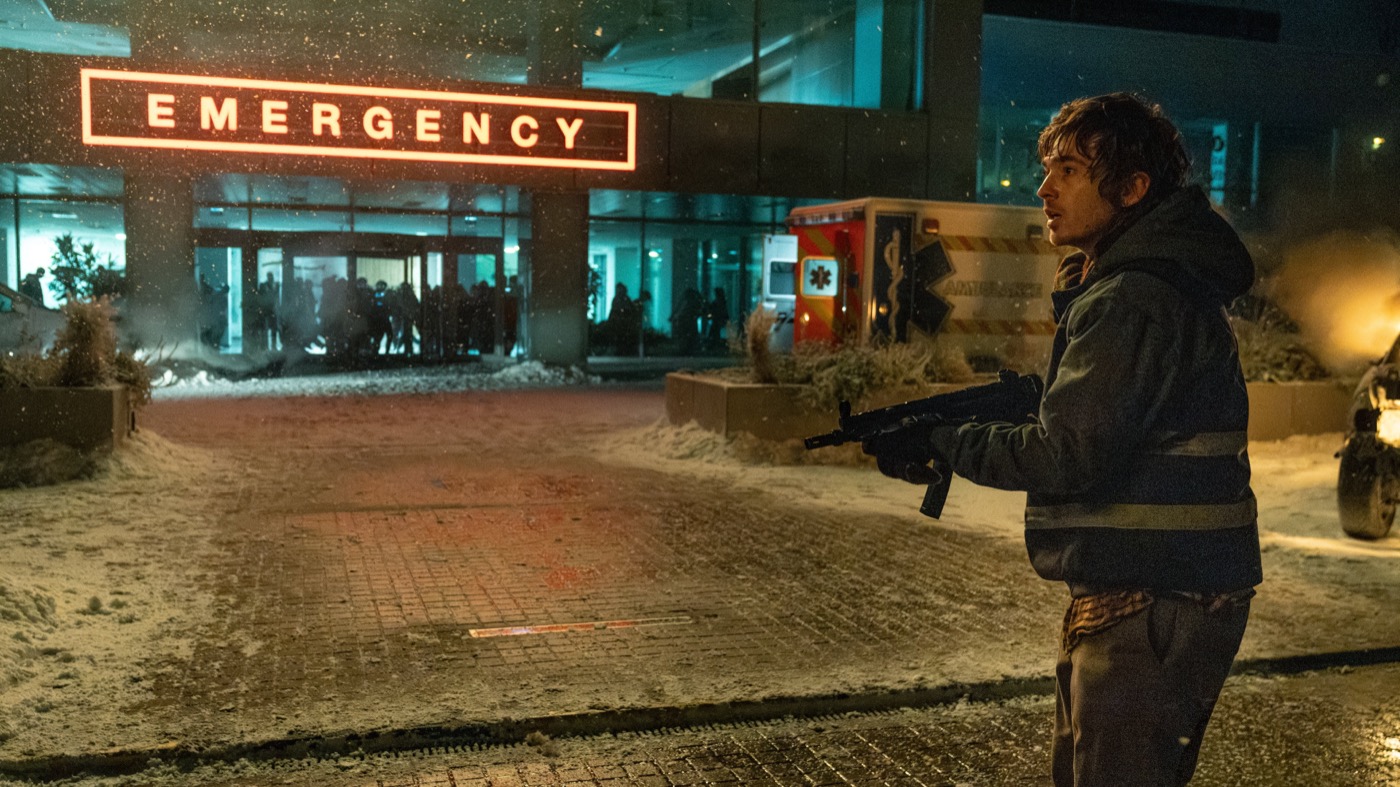
Cregger goes full pulp horror here—the exact opposite of what made his name in the genre. In Barbarian and Weapons, the true antagonist was masked by the structure, akin to a detective story. Their titles gave nothing away; I went into Barbarian knowing only that a woman gets into trouble at an Airbnb, and into Weapons knowing only that a classroom of children disappears.
Of course, anyone buying a ticket for Resident Evil knows what to expect to some degree, even without playing the games. For me, Resident Evil remains a series of films by schlock-auteur Paul W.S Anderson (among other directors) starring Milla Jovovich. The 2002 original offers only one truly memorable sequence: a laser corridor that characters must navigate, facing gruesome dismemberment if sliced. What makes it stick in the mind is that it concludes with the lasers forming an inescapable grid, rendering the prior obstacles pointless since no one could ever reach the end—as if the corridor itself were sentient and liked playing with its captives. (It isn’t, by the way; it’s just lazy writing.)
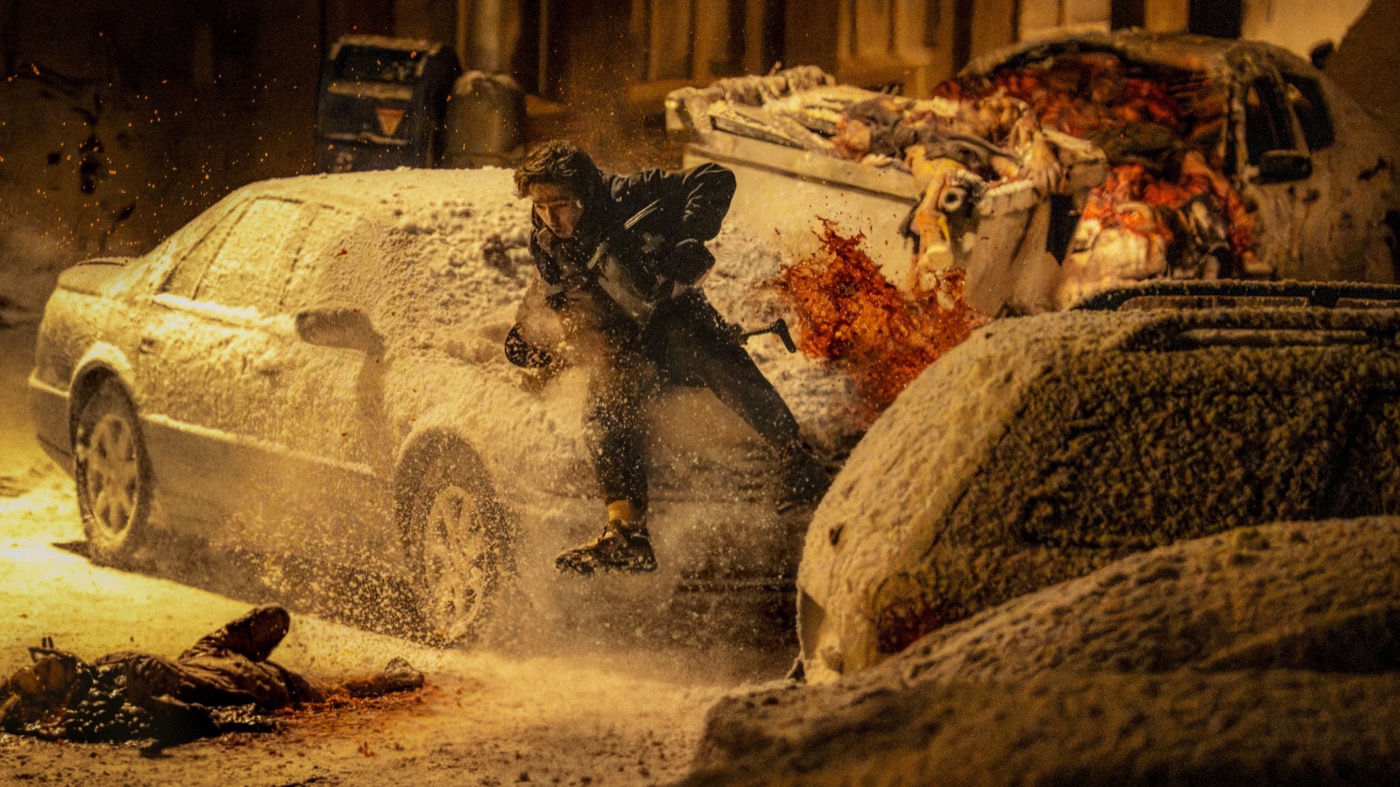
Naturally, long before the trailers for Cregger’s film landed, it was obvious that whatever this turned out to be, it would easily surpass the seven films before it. The 2002 entry is, at best, a bland retread of Cube (1997)—the genuinely intriguing Canadian sci-fi horror about people trapped in a deadly puzzle box. Cregger avoids staying in a single location until the third act (though the entire film feels like an extended first act), when the narrative adopts a “climb the tower” structure reminiscent of The Raid (2011) or Dredd (2012). Essentially, the entire plot—the explanation for why and how these events are happening—is reduced to a five-minute monologue delivered in a car by a scientist played by Paul Walter Hauser. This rather undermines the premise, openly acknowledging its absurdity. I watched the film with a fan of the games who was left nonplussed by its lack of narrative and comedic tone, and I can see their point. Cregger and co-writer Shay Hatten’s script is an entirely artificial construction.
Several logical flaws jump out. Firstly, why is Bryan entrusted with delivering the item? Given its importance and the corporate and governmental skullduggery surrounding Umbrella’s operations, handing it to an ordinary courier who cannot even confirm whether his car can reach Raccoon City is absurd. Secondly, why is the item sourced from outside Raccoon City in the first place? And if it had to be, why not send the National Guard (mentioned by Hauser’s scientist) to transport it? Thirdly, why are Bryan and those outside Raccoon City completely oblivious to the chaos within? The story is set in the present day: people have smartphones, and the film shows an attempted evacuation. Did no one call or message family outside the city? We live in an era where police violence in Minnesota leads to UK Morris dancers altering their traditional costumes, and everyone holds an opinion on global news stories. Someone would surely be broadcasting a Snapchat of a mutant zombie chasing their people carrier. It recalls an issue with Children of the Corn (1984), where children run a town for months after slaughtering the adults. Did none of those adults have jobs, family,or friends outside the town boundaries?
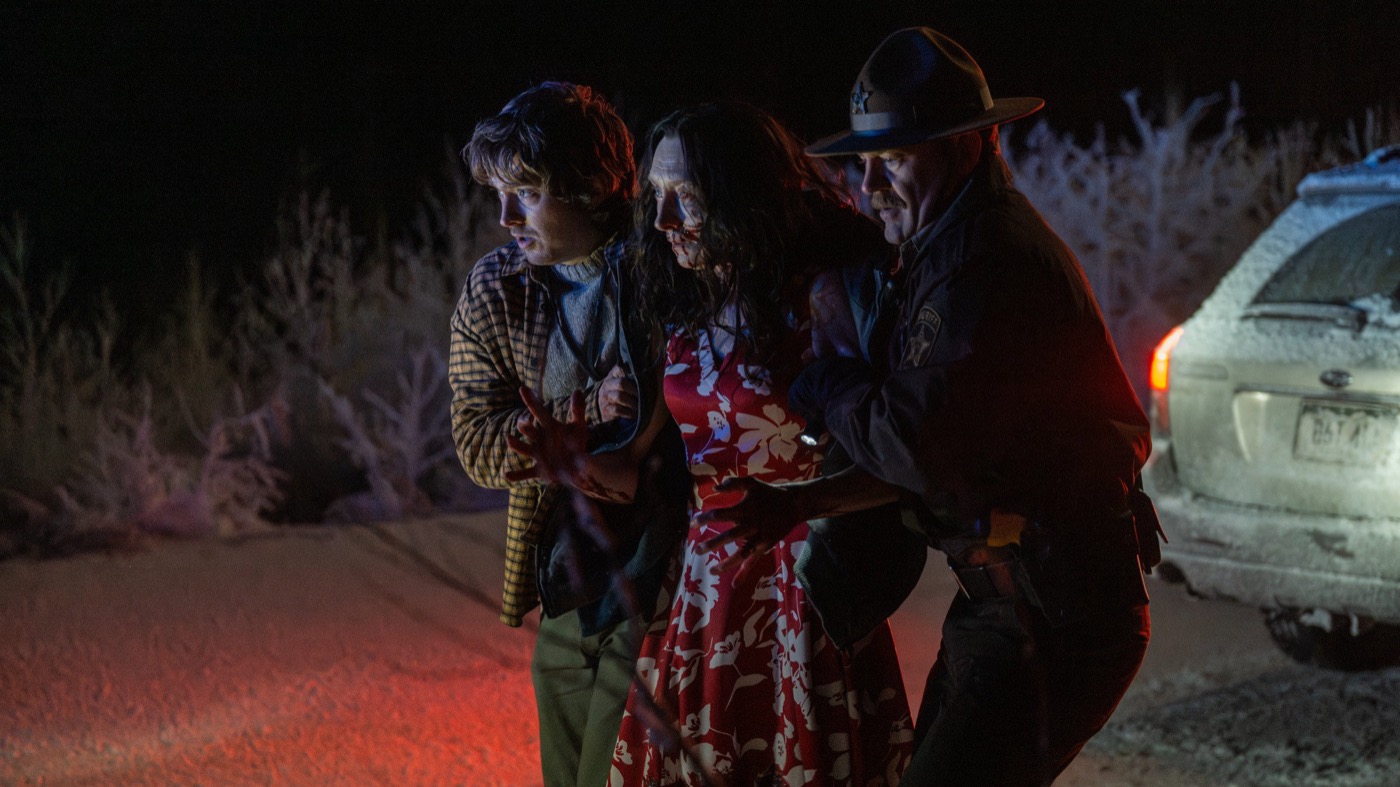
The point of Resident Evil, of course, is that Bryan serves as an audience surrogate—a stand-in for a video game player. He needs to come from outside the city and remain an ordinary guy because that is what gamers are: outsiders entering a new world. Given how rich and expansive the lore of the games can be, however, simplifying the narrative this drastically feels like a missed opportunity.
Still, the pacing and creature effects are a treat. The imagery is impressive throughout, from corpses coalescing into a single entity to the hulking figure in the sewers (even if, logically speaking, his presence makes little sense). Resident Evil is good, wholesome fun. Well, perhaps not wholesome—but pleasingly gooey, fast, and slick.
GERMANY • USA • CZECH REPUBLIC • CANADA • AUSTRALIA • NEW ZEALAND • FRANCE | 2026 | 95 MINUTES | 2.39:1 | COLOUR | ENGLISH

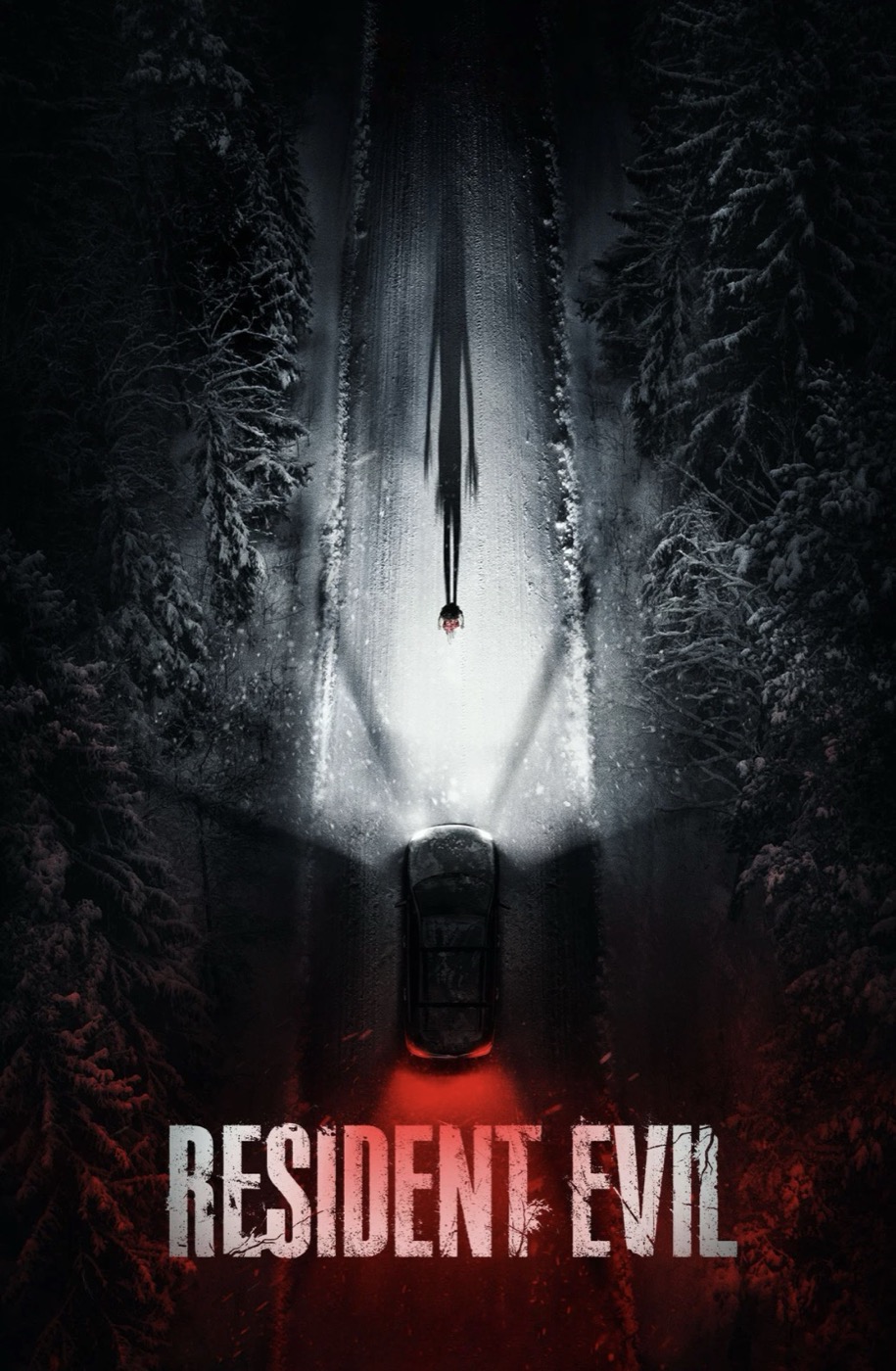
director: Zach Cregger.
writers: Zach Cregger & Shay Hatten (based on the ‘Resident Evil’ video games by Capcom).
starring: Austin Abrams, Zach Cherry, Kali Reis & Paul Walter Hauser.