GHOSTS: THE POSSESSION OF BUTTON HOUSE (2026)

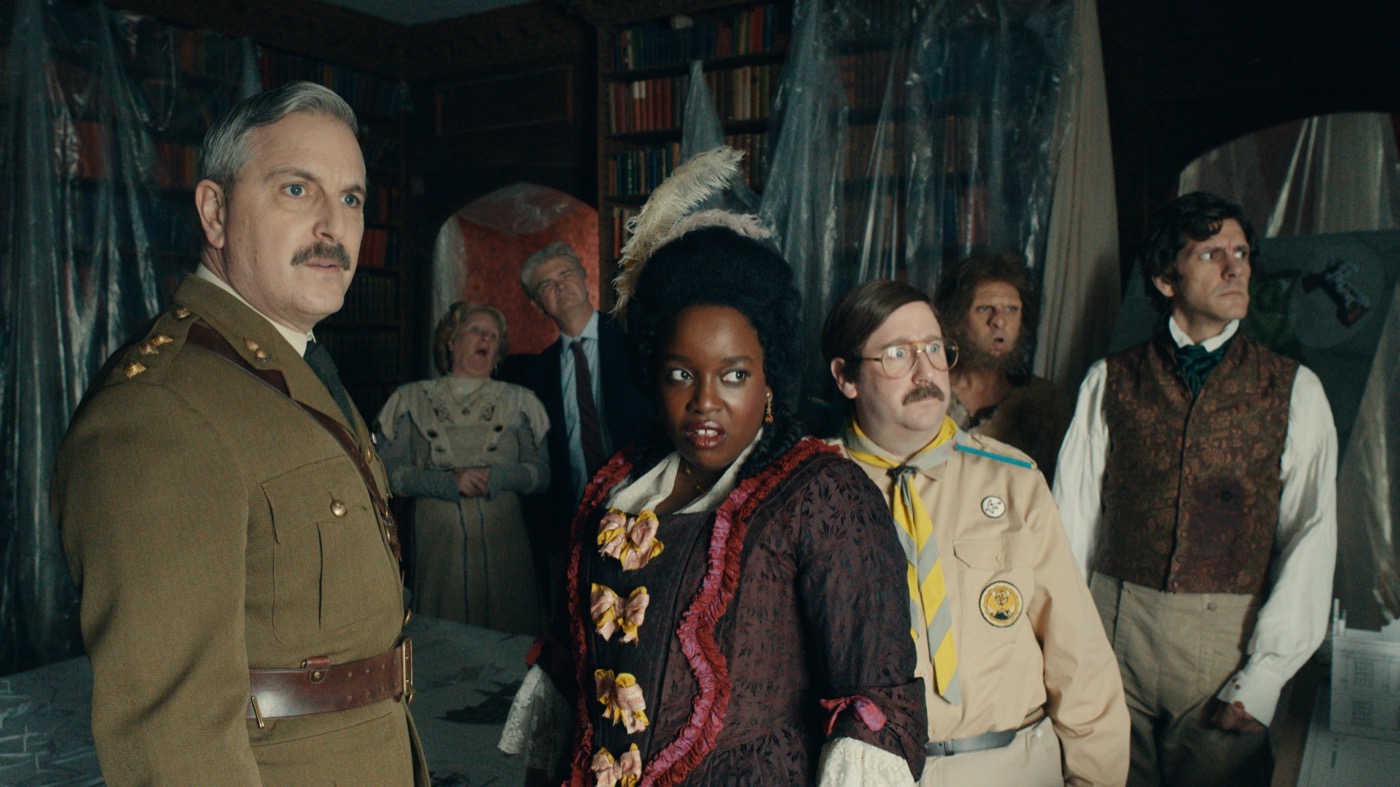

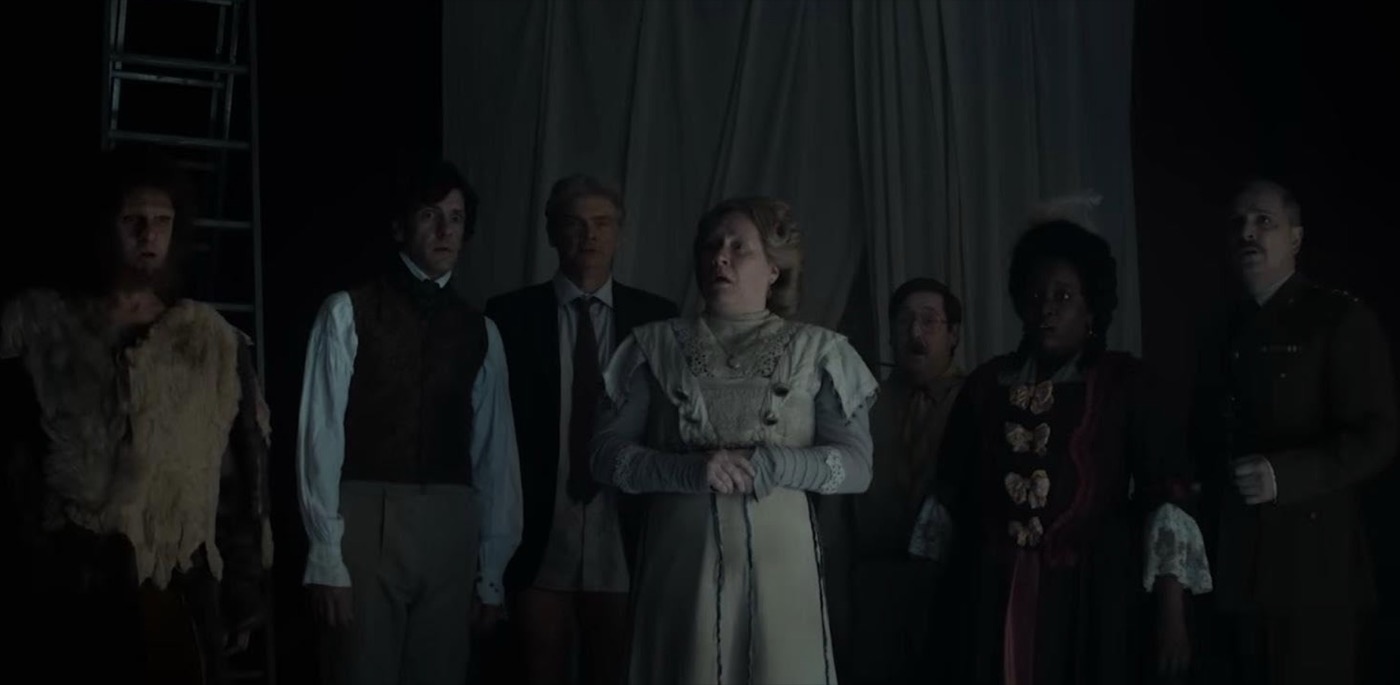
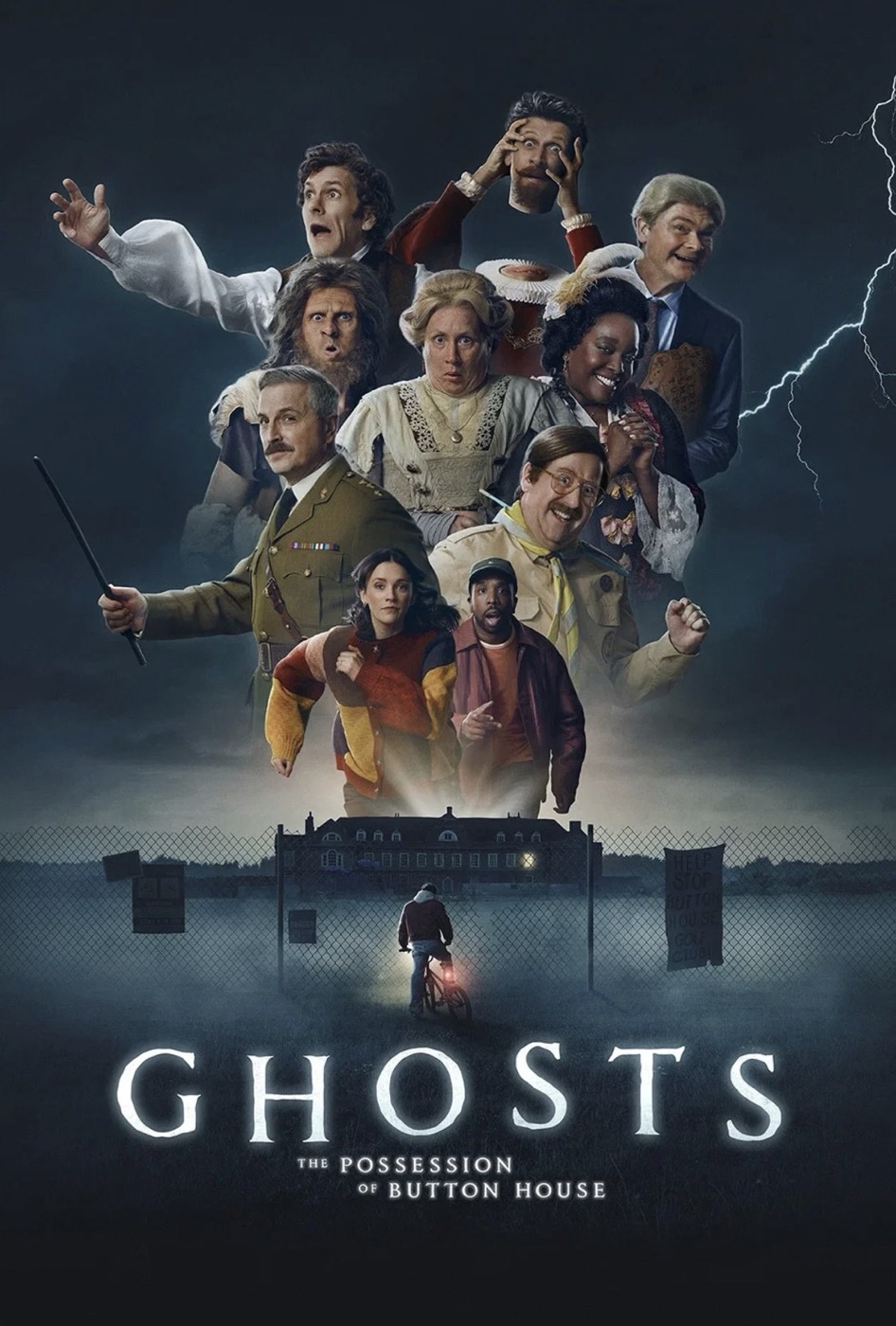
Button House is a haunted estate set on acres of land steeped in history. It’s home to a coterie of ghosts whose deaths have intersected with the estate in various ways. Bound by the grounds’ perimeter, these spirits include Kitty Higham (Lolly Adefope), a childlike aristocrat; Thomas Thorne (Mathew Baynton), a tortured Romantic poet; Julian Fawcett (Simon Farnaby), a corrupt MP who died with his trousers down, so to speak; Lady Fanny Button (Martha Howe-Douglas), a wronged gentlewoman—yes, yes, ‘Fanny Button’, like a clitoris; grow up—Pat Butcher (Jim Howick), an unfortunate Scout leader who died on the archery range; Robin (Laurence Rickard), a caveman from before modern housing was even a thing; and the Captain (Ben Willbond), whose rugged masculinity, he likes to think, conceals the love that dared not speak its name.
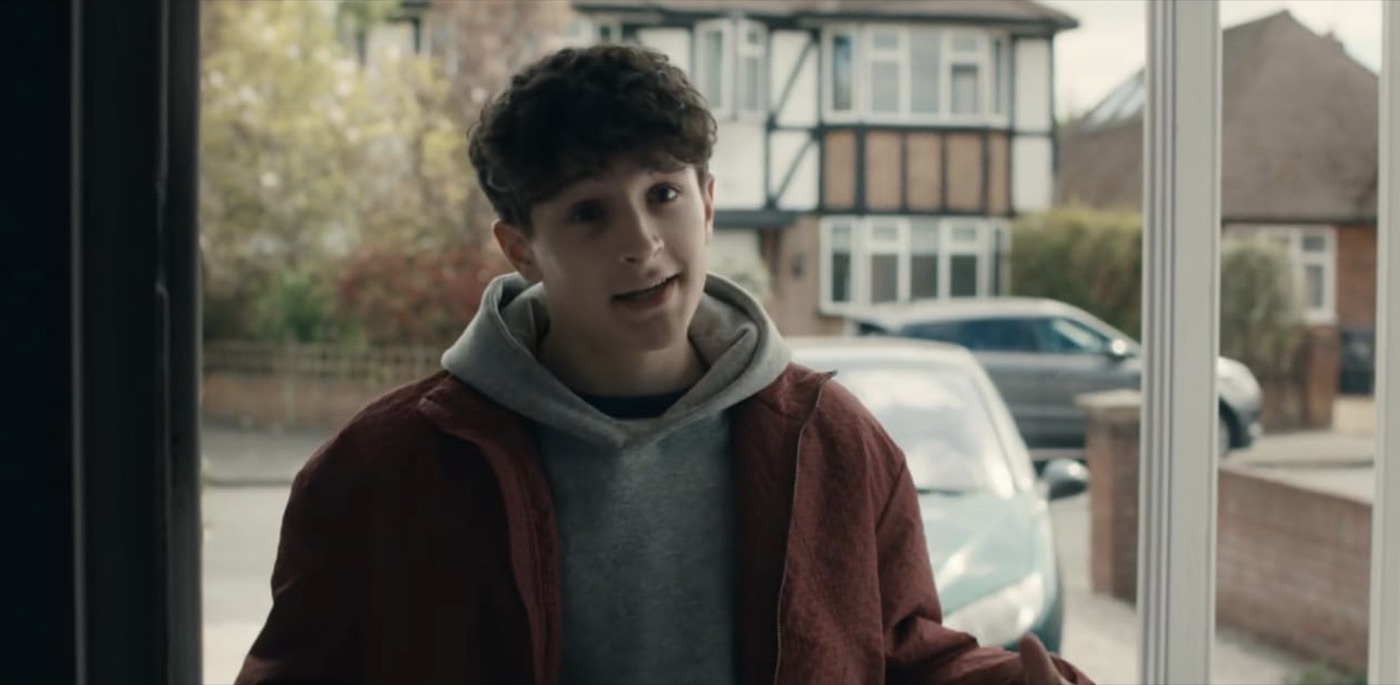
This cast of characters collides with another, more mortal group: a bunch of teenagers with an interest in the occult. (Keeps them off their phones and off the dope, I guess.) Jack Marsh (Scott Ellis Watson) is a foster child who feels adrift after a séance with his friends at Button House leaves him possessed. The two groups must work out how to put things right while also keeping developers off the ghosts’ land. MP Richard Move (Rufus Jones)—Dick Move, geddit?—plans to infiltrate a protest group and claim Button House for his own nefarious ends…
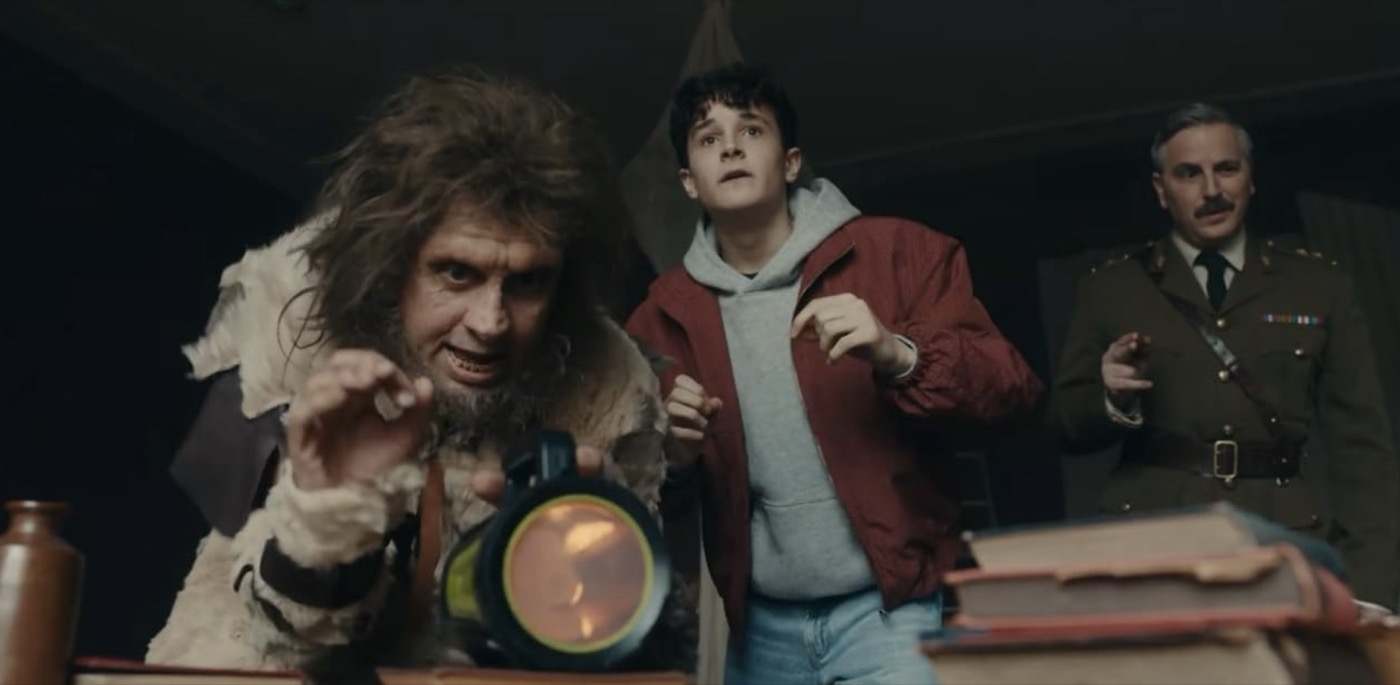
Ghosts: The Possession of Button House is a sunny, warm-hearted, old-fashioned Halloween comedy—in the best sense of the word. It isn’t retrograde or pandering, and feels like a modern film for 2026. It is, however, committed to traditional plotting and classic British character humour. The film draws on a tradition of genre storytelling built around the interplay of character types, class and gender assumptions, gentle political satire, and sentiment tempered by a healthy dose of wit. In other words, it has all the best ingredients, cooked well.
Given the story and characters outlined above, you’d be forgiven for thinking this sounds like a nightmarish jumble of too many characters and plot strands. I haven’t even mentioned Alison (Charlotte Ritchie) and Mike Cooper (Kiell Smith-Bynoe), new parents who once lived at Button House and are now enlisted to save the ghosts’ home. Apart from the children, I think, all of this is lifted straight from Ghosts, the BBC TV sitcom on which the film is based. At times, it isn’t especially kind to newcomers. They might wonder, for instance, who the alternative versions of the ghosts in Button House’s cellar are.
The project’s cheer and confidence not only keep it afloat but somehow redeem elements that would feel smug and boring in many other films. It calls to mind Ealing comedies such as Kind Hearts and Coronets (1949) and The Ladykillers (1955). The tangle of cast and characters never feels burdensome; it stays as light as a balloon drifting just ahead of you.
Other films it brought to mind include the family comedies Casper (1995), Brad Silberling’s film based on the TV and comic-book character, and Dark Shadows (2012), Tim Burton’s adaptation of a 1970s Gothic soap opera. Dark Shadows went largely unloved in 2012, but might fare better today if viewed as a comedy with Gothic themes, rather than a straight horror film. The same goes for Casper and Ghosts.
Ghosts may have an advantage over Dark Shadows: it’s based on a television series that ended only recently, in 2023, and brings together the same creative team. It was directed by Simon Hynd, with a screenplay by all the main cast members of Ghosts except Adefope. The other six are part of the theatre collective Them There, which first created these ghostly characters.
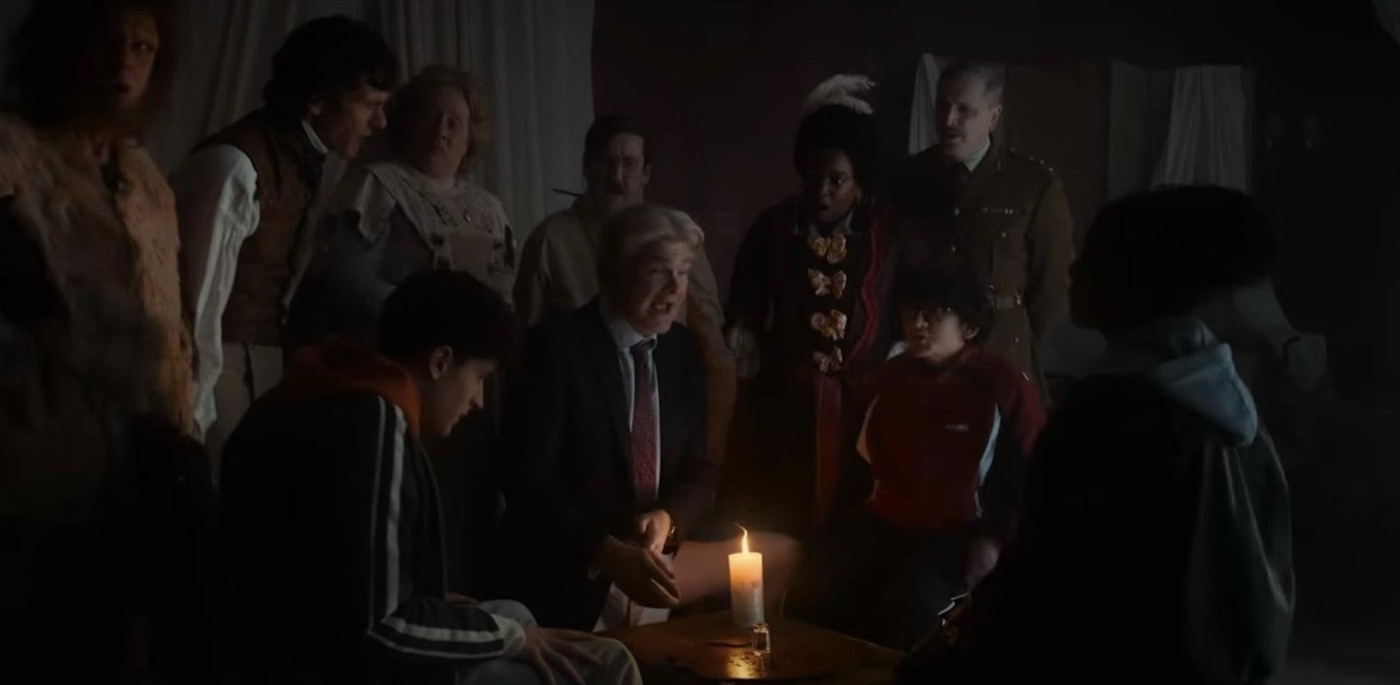
Their theatrical roots probably help the writers keep the pace brisk, without lingering too long or getting bogged down in tortuous plot contortions. Each plot point—and there are many—is delivered with a joke or a revealing character detail, so the story always feels alive rather than as though it’s simply explaining itself. I even felt a little moved by the sentiment towards the end. The emotion is predictable, but it’s delivered with such energy, wit and authenticity that it still brought a touch of water to my eyes.
Part of what makes it all work, I think—and brings us back to its traditional approach—is how well it understands British caricatures and how to play with them. Take the old soldier, reimagined as a gay man. The film pokes fun at military stereotypes while enjoying queer humour that alienates neither gay nor straight viewers.
Similarly, Julian looks as if he’s stepped straight out of Punch or Private Eye, with his garters and centre parting. He gently pokes fun at the Tories without attacking either conservatives or liberals. This isn’t toothless satire, though. It’s light comedy that knows itself well enough to make fun while bringing people together, if they’re so inclined.
I’m the sort of person who sings the praises of aggressive, nihilistic satires such as Digger (2026). But you can love both kinds of comedy; light-hearted work is just as valuable. Thinking about Ghosts: The Possession of Button House and its excellent use of traditional structures and tropes, I was reminded of a quotation from P.G Wodehouse’s preface to Summer Lightning:
“A certain critic … made the nasty remark that [my novel] contained ‘all the old Wodehouse characters under different names’. He has probably by now been eaten by bears, like the children who made mock of the prophet Elisha … With my superior intelligence, I have outgeneralled the man … by putting in all the old Wodehouse characters under the same names. Pretty silly it will make him feel, I rather fancy.”
UK | 2026 | 97 MINUTES | 2.00:1 | COLOUR | ENGLISH

director: Simon Hynd.
writers: Mathew Baynton, Simon Farnaby, Martha Howe-Douglas, Jim Howick, Laurence Rickard & Ben Willibond (based on characters created by ‘Them There’).
starring: Charlotte Ritchie, Kiell Smith-Bynoe, Lolly Adefope, Mathew Baynton, Simon Farnaby, Martha Howe-Douglas, Jim Howick, Laurence Rickard & Ben Willibond.