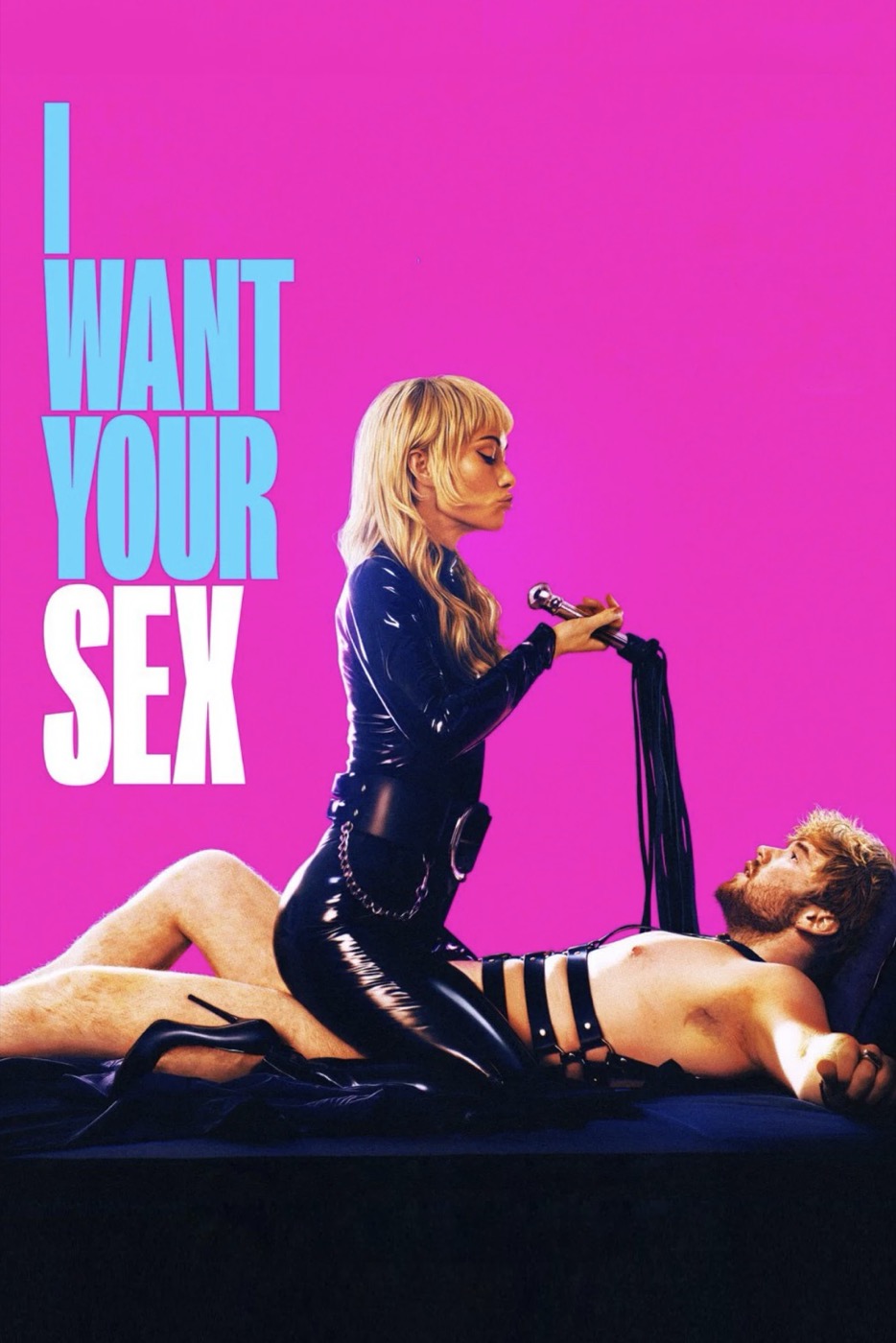
I WANT YOUR SEX (2026)
A young man lands a job as a middle-aged woman's sexual muse.


A young man lands a job as a middle-aged woman's sexual muse.
Where have all the good provocateurs gone, and where are all the flawed? During Gregg Araki’s 12-year hiatus from film, spent as a working director in streamer television, sex hasn’t exactly disappeared from the screen. Take a shot every time you see impossibly gorgeous partners tossing each other against the wall like embattled wolverines, and you’ll start enjoying Netflix movies a lot more. Explorations of sex in arthouse cinema haven’t gone extinct either, as witnessed recently in films like Sound of Falling (2025) and The Chronology of Water (2025). What has been eluding us as an audience is a full dive into the horizontal rumba; something unafraid to be playful, weird, funny, messy, toxic, prodding, and naked in every sense of the word.
For us eager Arakiheads, his latest effort promises this and more. Who better to start a Gen X/Zillennial heart-to-heart on sex than a filmmaker who emerged from an era of AIDS and hyperconservatism to deliver unapologetically kinky, satirical, transgressive gems? Araki gave young, queer, alienated, and adrift Xers a voice in indie darlings like The Living End (1992), Totally F*ed Up (1993), The Doom Generation (1995), and Nowhere (1997): all laced with his auteur sense of humour, mischief, and curiosity. He also gave us perhaps the most challenging work on sexuality of all time in Mysterious Skin (2004), sensitive to its jagged, abusive, and damaging edges just as much as its emotional, psychological, and philosophical pastimes.
I Want Your Sex is less a shaking fist from an elder libertine than an amusing, vulnerable look at fucking and all its hang-ups—both modern and ancient. There is certainly a nudge going on, sometimes loving and sometimes mocking, for Zillennials to stop worrying and embrace the horny. The film is much more about navigating its complexities, though: those confusing lines between lust and love, fantasy and reality, what gets you hot, and what gets you exploited. It sees Araki not quite at the level of restraint we last saw him at in 2014’s Lifetime-subverted teen drama White Bird in a Blizzard (2014), but still relatively tame given the subject matter. Are these the subtle eccentricities of a matured director, or muzzled concessions to what he could get done in 2026? Each fan must decide for themselves.
Cooper Hoffman adds another impressive performance to his résumé as frazzled 23-year-old Elliot Bell, introduced with an immediately cheeky surprise: seemingly orgasmic exclamations over a blue-on-pink title card, revealed to be Elliot discovering his smashmate boss Erika Tracy (Olivia Wilde) dead in a pool. Araki’s passion for utilising and playing with neo-noir frames Elliot’s half-reversed Sunset Boulevard situation in a cosy rehashing of the story to detectives. Of course, those detectives are Margaret Cho and Johnny Knoxville, presumably here to defend 1990s sensibilities. Except they don’t, really. Elliot, to this viewer’s pleasant shock, does most of the sex-positive (and negative) talking for himself.
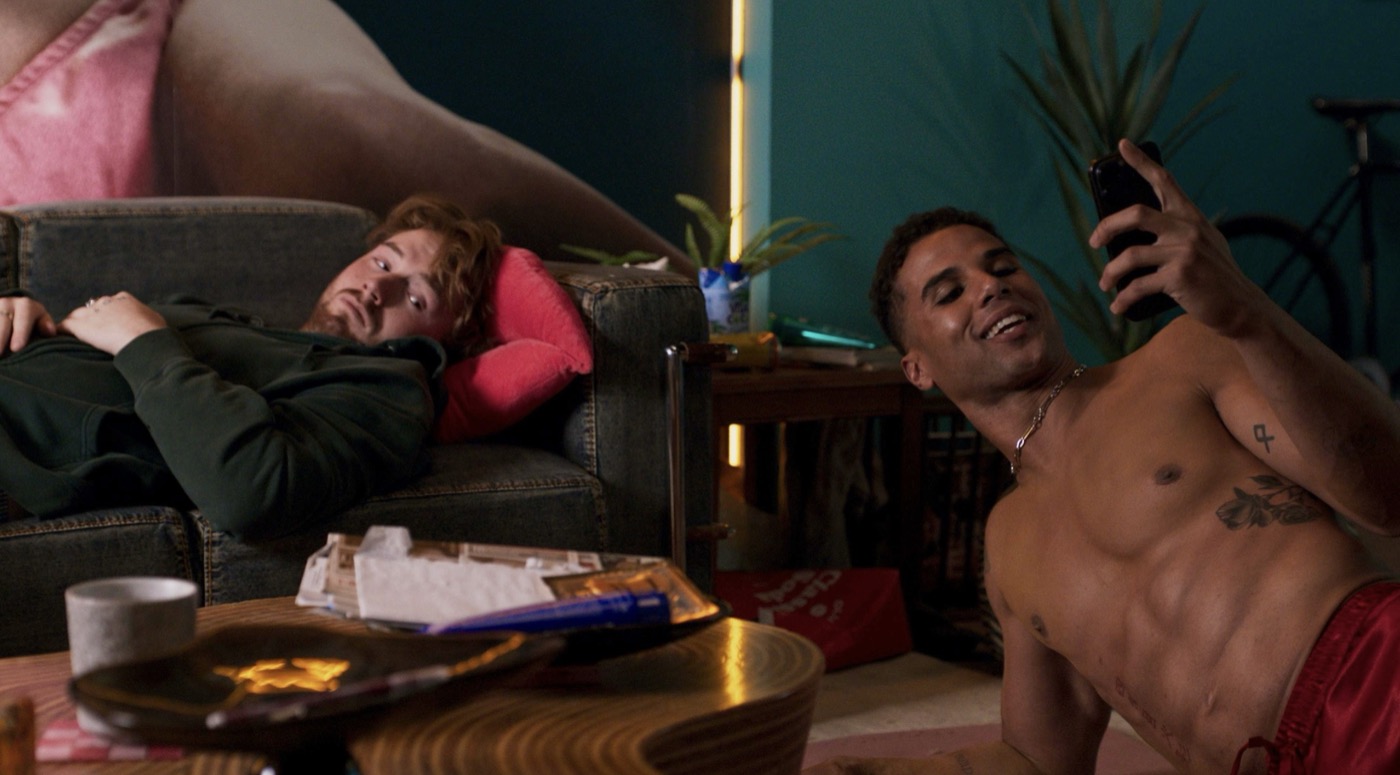
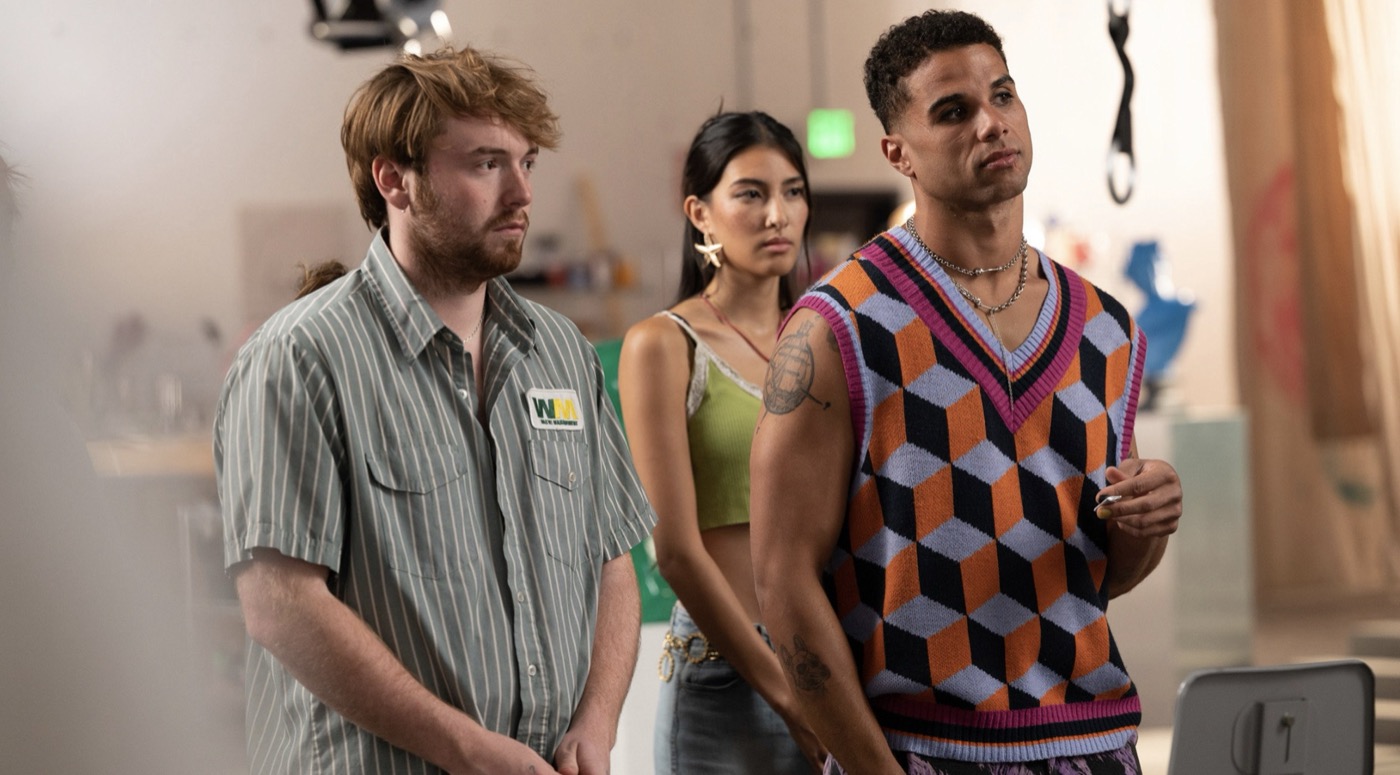
Flashing back 9½ weeks (ahem) to the start of their doomed affair, we follow Elliot into the posh, poppy, and insufferable LA art world with his lowly gig at Erika’s studio. Hoffman wastes no time in drawing us to our protagonist’s sweet and klutzy disposition, trapped in a loveless relationship of formalities with his stereotyped, frigid grad-student girlfriend Minerva (Charli XCX, more on her later) and confessing his desire for spice most adorably to his roomie/bestie/MVP of the movie, Apple (Chase Sui Wonders, more on her later). However, the moment he steps into the office of throwback cynical jester, openly phony artist, and self-proclaimed “pretentious whore from hell” Erika, this becomes Olivia Wilde’s show for a great deal of the runtime.
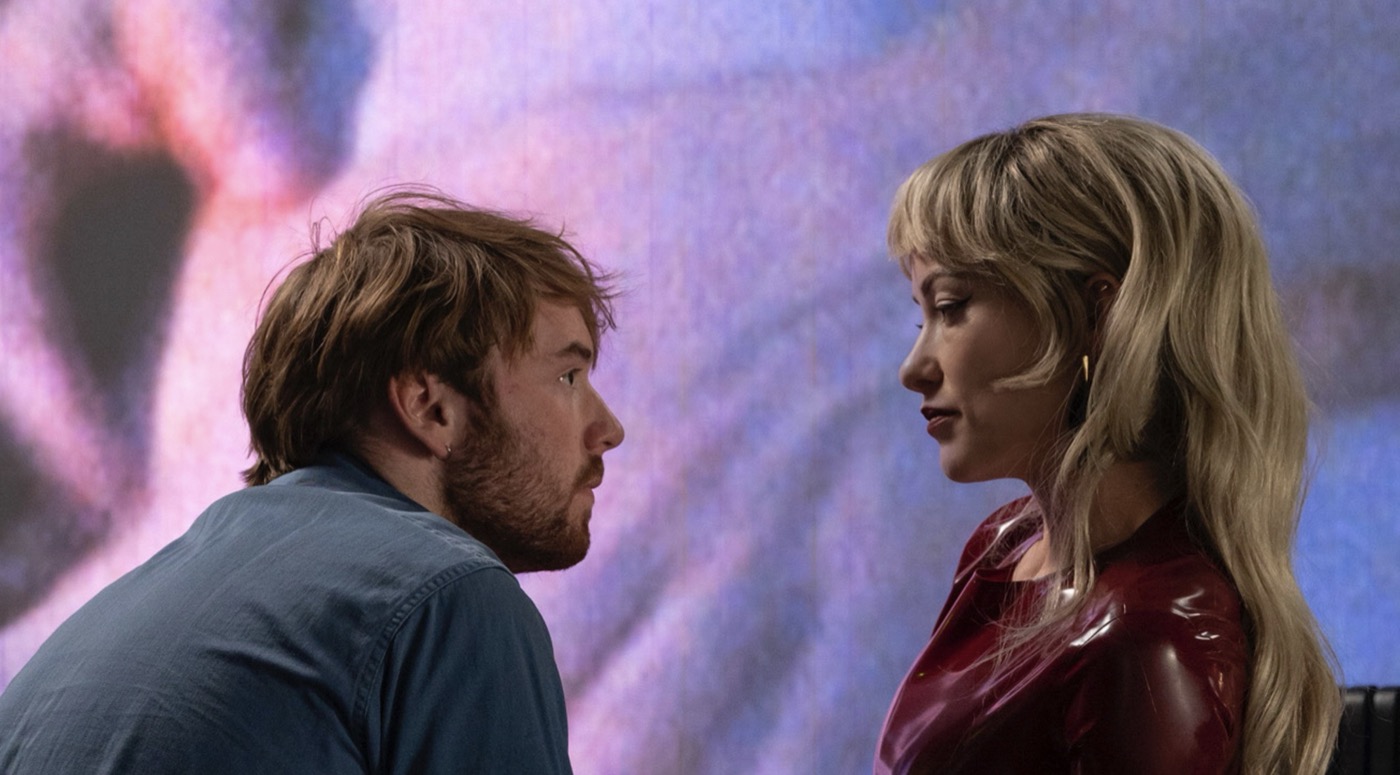
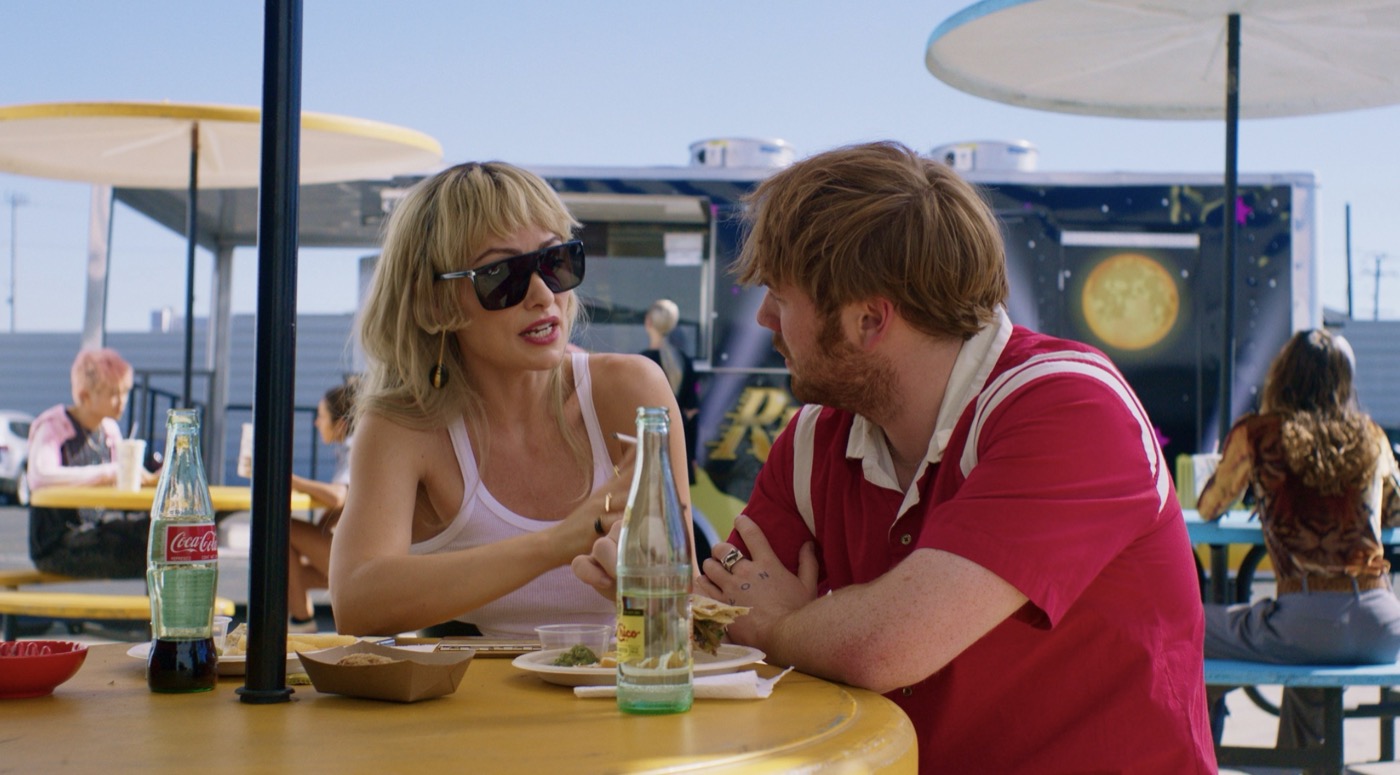
Wilde contrasts the neurotic sexual energy of The Invite (2026) with a cool, collected, mean, and hilarious performance here. She slides effortlessly into the comfortable nihilism of past Araki antiheroines, magnetic in Erika’s initial proposal to Elliot for hanky-panky—what can and should be discussed equally as a derangement of patriarchal power dynamics, breach of workplace professionalism, consensual agreement between adults, and eventual acidic situationship. How much you’re wooed by her cigarette-smoke-filled diatribe against youngsters labelling, compartmentalising, and fearing everything, as well as her Brown Bunny premiere and therapy-at-the-age-of-six jokes, might be the biggest generational test of I Want Your Sex.
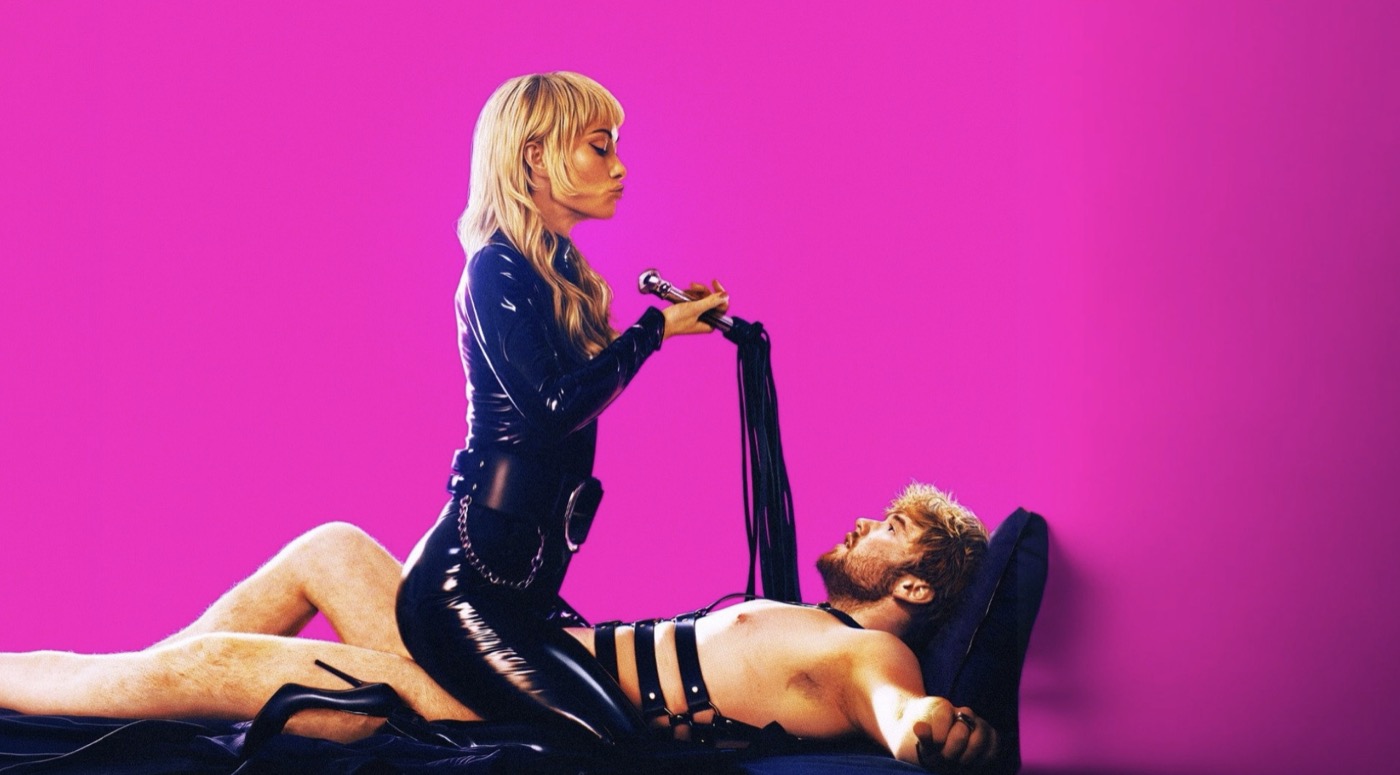
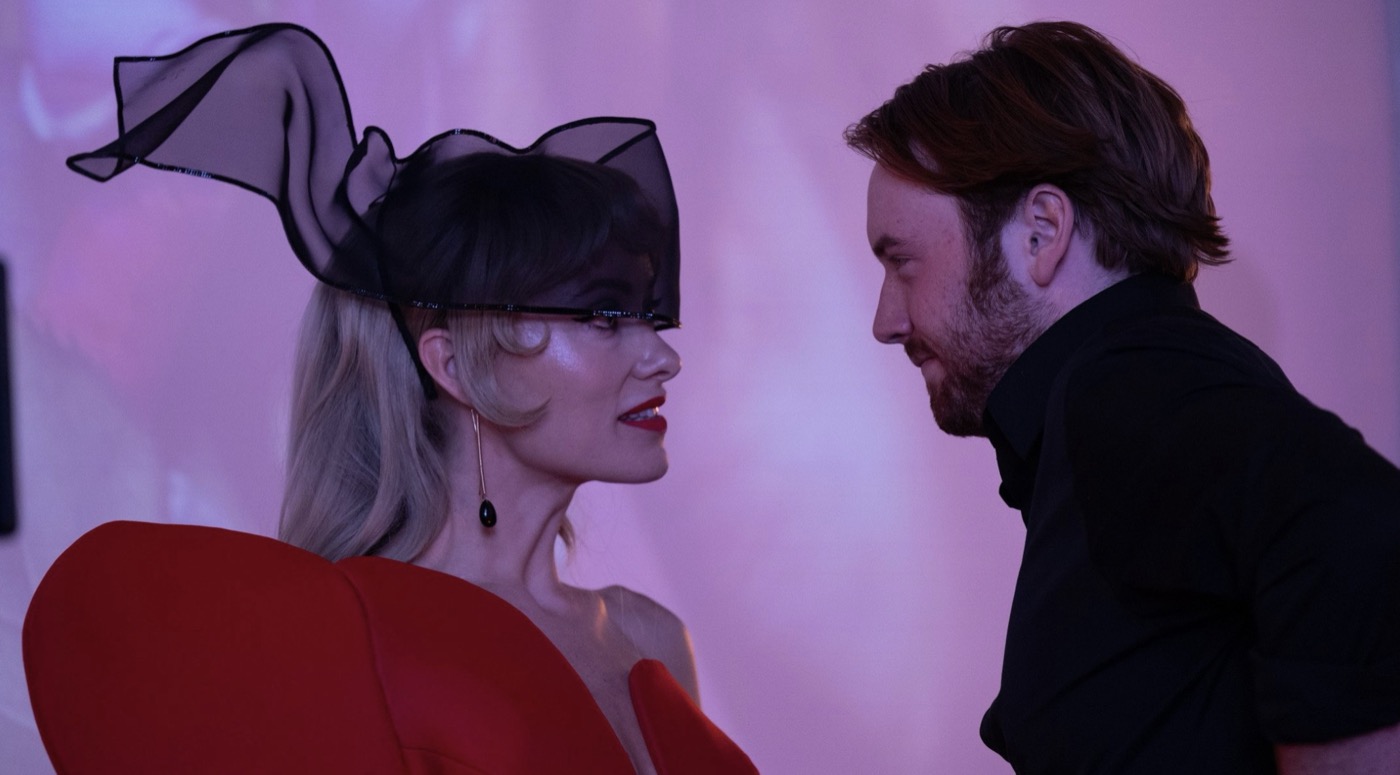
The BDSM play Erika and Elliot engage in provides compassion for, but not much depth on, the subculture. Wilde and Hoffman are a striking dom/sub twosome, injecting plenty of natural humour into their flesh and leather sessions without ever being condescending. Don’t go in expecting it to be the focus, though, as ground rules, boundaries, and partner respect are routinely glossed over or outright dismissed. Moments like Elliot being reluctantly introduced to pegging with a hot-pink dildo are giggle-inducing, yet a little troublesome. As in fellow kink think pieces Pillion (2025) and Truly Naked (2026), the lines between healthy and unhealthy submission aren’t clearly defined.
Araki prefers to have his lead characters unfold ambiguously before us instead, their mistakes only getting more absurd, elaborate, and human. Elliot and Erika go from casual to personal, never exactly romantic, but absolutely intimate with one another’s psychology by the movie’s end. Hoffman and Wilde each switch gears marvellously in the final act; two broken souls battling and pleading for validation in a sobriety that almost takes us to a masterful conclusion. A silly twist and a wedding fantasy-nightmare later—both of which I guiltily enjoyed—and I Want Your Sex loses this vibe entirely. It’s back to being a sex dramedy, which it mostly succeeds at.
In this department, Chase Sui Wonders simply rocks, playing Elliot’s aforementioned wingwoman Apple with a Zillennial humour that contrasts Erika’s and updates Araki’s. Apple’s dual interest and disinterest in sex—wanting to get off, but finding intercourse with men to be like “sliding a tampon in over and over again”, and female hunka chunka enticing yet unattainable—is handled with empathy, recognition, and lightness. The writing never demeans her feelings, concerns, or inexperience, but does allow Wonders to be refreshingly clumsy and real with them. Apple and Elliot’s impromptu threesome invite from Erika is by far the funniest (and most tender) scene in the film, moving from Apple’s sexual awakening in progress to a whiny interruption by Elliot and the wearing of a strap-on like medieval armour in the same six minutes without being the least bit artificial or disorienting.
Those two things are sadly reserved for Minerva, whose stiffly penned and performed presence adds nothing to the story save for an overt jab at younger generations. Charli XCX seems as half-interested in her as Araki and co., not even lending Minny a proper caricature like his resident satirical squares of old. She’s into college and her career, slowly detaching from Elliot, and might even be entertaining an asexual life—all live-and-let-live, normal things. No scapegoating required for a narrative that functions just fine with Elliot and Erika’s conflict. Meanwhile, Mason Gooding is effective yet criminally neglected as Elliot’s gay, uninhibited, barb-tossing, vintage-Araki workmate Zap. Can we get him and Apple in the same room, please?
The script, co-written by Gregg and Slutever founder/host/columnist Karley Sciortino, is strong in its unfiltered approach to and simultaneous understanding of Elliot and Erika. Some bias does swing towards Erika’s aggressive philosophy, though, with a final-draft gender reversal perhaps the only thing saving this from being another domineering hunk flick: attractive for some, and gag-worthy for others. Shaming no one for their individual tastes and opinions, to be clear—Sciortino included. Can we agree that there are already too many of these movies, though? More boy-toy “dom-coms” are and would continue to be a nice change of perspective.
Overall, I Want Your Sex is perhaps not the definitive discussion on sex in the 2020s, or the iconoclastic blast of satire from Araki his loyal followers have been waiting for. What it actually is still works, however: lively, mildly perverted,and ultimately bittersweet in its assessment of how we use and care for each other. Sometimes in the same demented space.
Bonus points for random fantasy animation, some wild POVs, and a James Duval cameo at the very end—all sure to please Our Cult of Araki. And for Wilde’s un-CGIed melt-face in the end-credit bloopers, which does the impossible in rivaling The Invite’s bad-tequila face.
USA | 2026 | 90 MINUTES | 1.85:1 | COLOUR | ENGLISH

director: Gregg Araki.
writers: Karley Sciortino & Gregg Araki.
starring: Olivia Wilde, Cooper Hoffman, Chase Sui Wonders, Mason Gooding & Charli XCX.