ONCE A THIEF (1991)
Three best friends and art thieves get into trouble when a love-triangle forms between them.

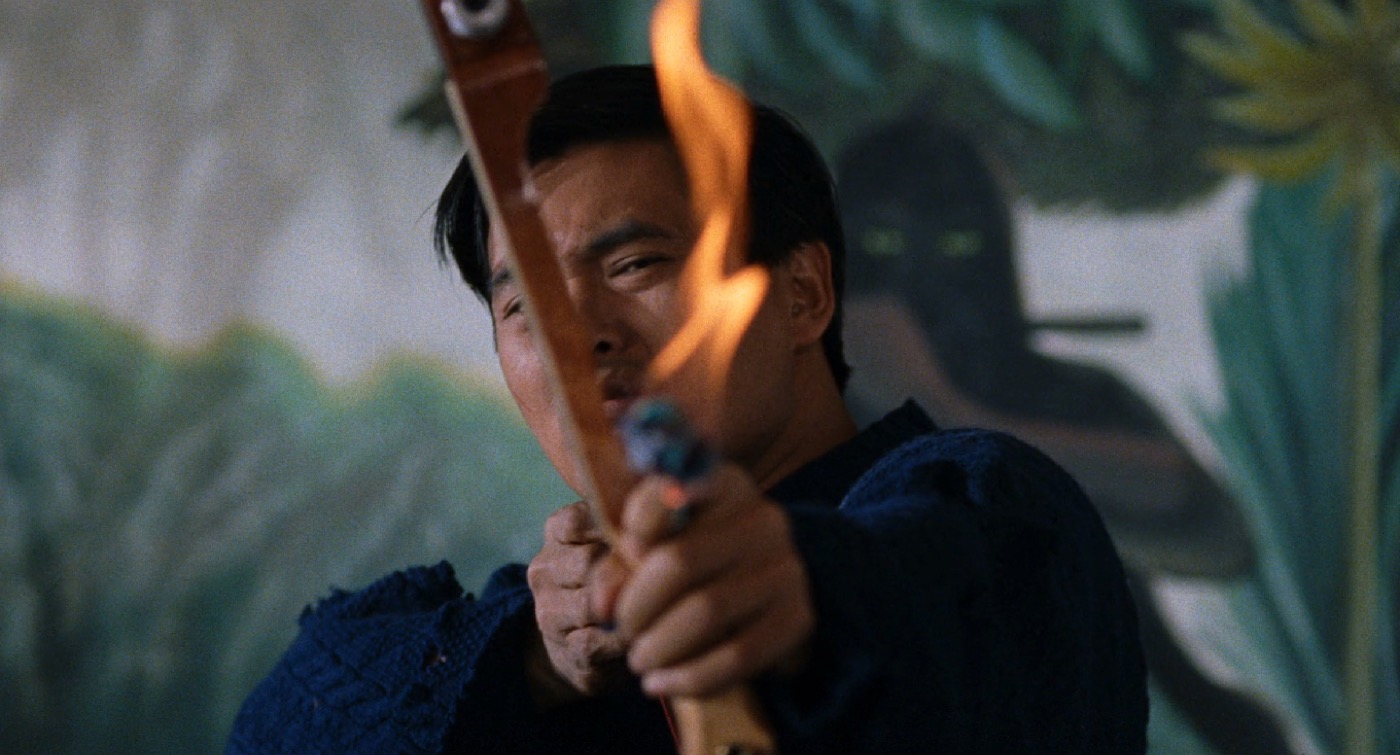

Three best friends and art thieves get into trouble when a love-triangle forms between them.
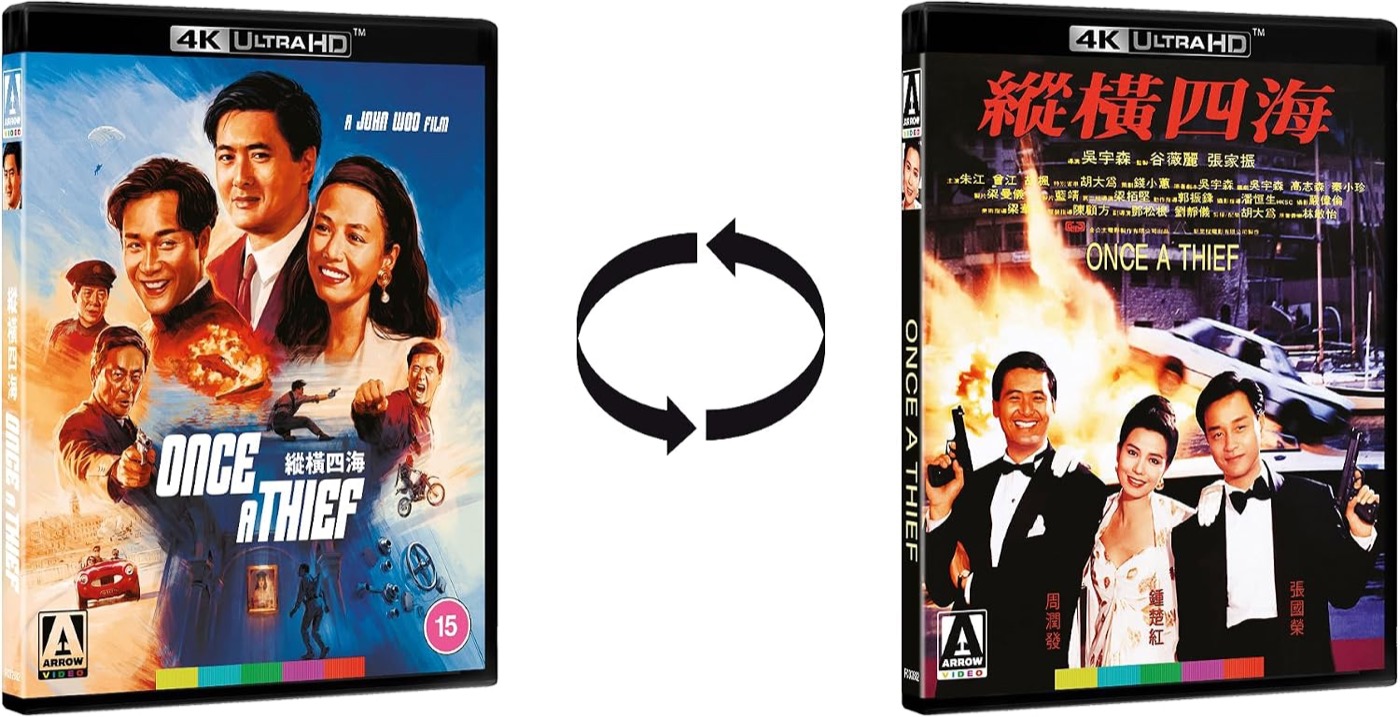
Hot on the heels of Arrow Video’s definitive release of John Woo’s harrowing Bullet in the Head (1990) comes this excellent Limited Edition 4K Ultra HD and Blu-ray of Once a Thief. Although made back-to-back, these two movies couldn’t be more different, yet both are essential Woo. Once a Thief is best summed up as a genre patchwork: part crime caper, heist thriller, action comedy, and love triangle.
Bullet in the Head was the most expensive Hong Kong movie ever made, but shocked audiences weren’t ready for its uncompromising intensity. It bombed at the box office, clawing back just $1M against a $4M budget. Woo’s career hung in the balance, but those around him still believed he could turn things around.
Legend has it that Chow Yun-fat and Leslie Cheung—both at the peak of their stardom and guaranteed box office draws—suggested developing a project together that would be as fun to make as it was to watch. With superstar Cherie Chung also joining the cast, Woo wooed investors with the promise of a blockbuster for the lucrative Chinese New Year season. The catch? It was already November, and Chinese New Year fell in early February. The urgency of this seemingly impossible schedule shows on screen: the film is a frenetic ride that rarely settles down and doesn’t always make sense, but it’s undeniably entertaining and never boring. Opening on 2 February, it dominated the box office for the Lunar New Year holidays and effectively rescued Woo’s career.
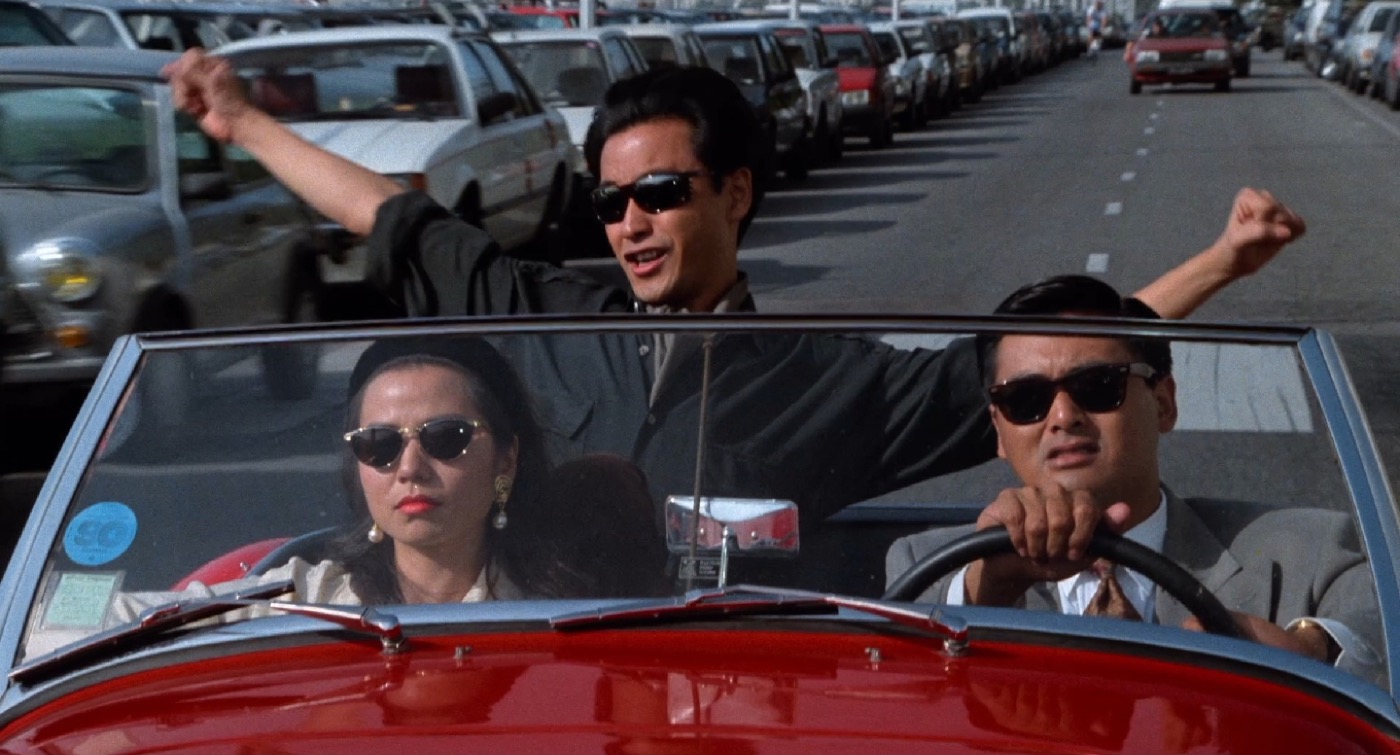
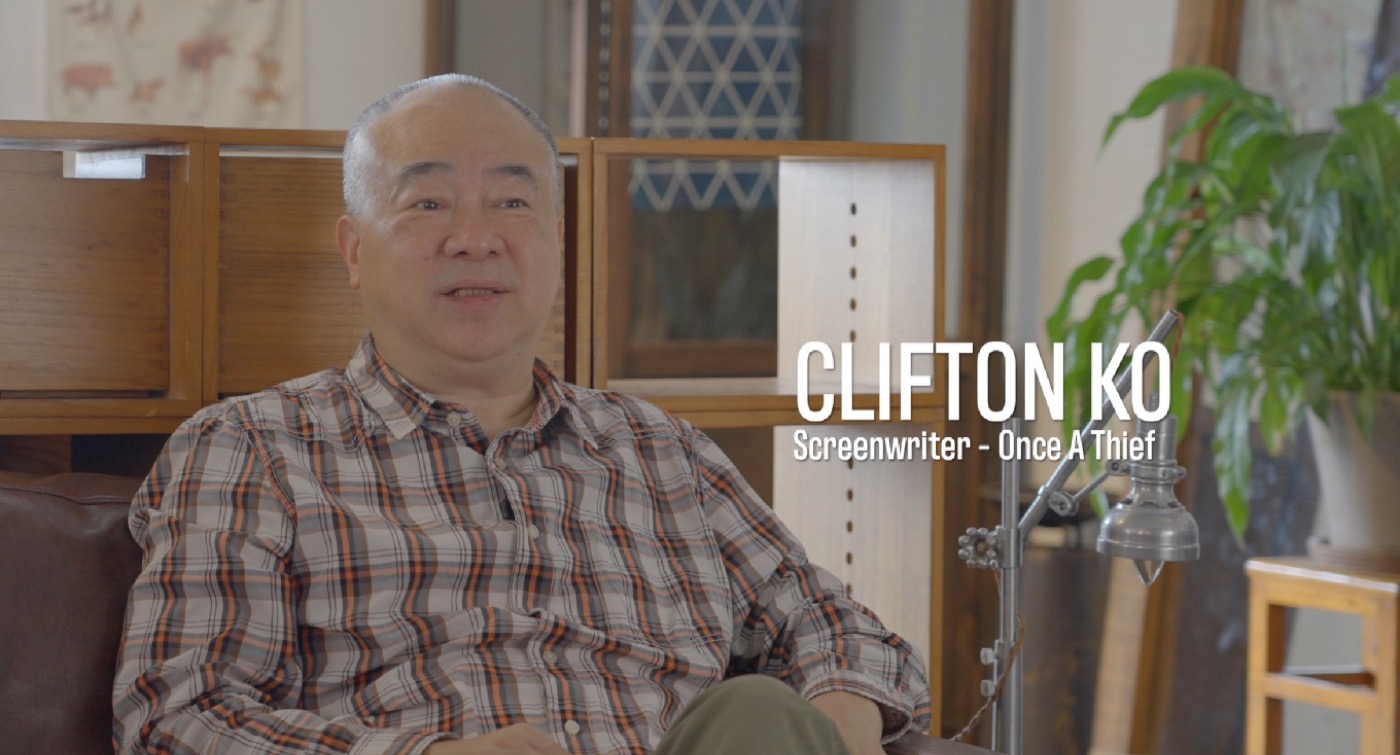
The script was never truly locked down until production wrapped. Clifton Ko penned the initial draft based on Woo’s outline, which assistant director Janet Chun continually rewrote on the fly alongside plenty of cast improvisation. The central narrative follows a trio of elite Hong Kong thieves pulling off a daring art heist in Paris. Such prominent European locations were a novelty for Hong Kong cinema at the time, but Woo wanted to realise his dream of paying homage to the dreamy French nouvelle vague of François Truffaut and the neo-noir films of Jean-Pierre Melville that had captivated him in his youth. He knew this might be his last chance.
Accordingly, the film opens by establishing its setting with iconic Parisian vistas: Notre-Dame Cathedral, the Dôme des Invalides, Napoleon’s tomb, and, of course, the Eiffel Tower. ‘Rice Pudding’ (Chow Yun-fat) saunters through a museum’s grand halls, looking suitably suave in his trademark linen suit, when he overhears a guide discussing the recent theft of The Harem Maid—a real painting by Paul-Désiré Trouillebert. Meanwhile, ‘Red Bean’ (Cherie Chung) feigns a broken heel and perches on one of several delivery crates out back. As security urges her to move, she surreptitiously marks the crate with perfume—though her little dog promptly relieves itself on the very same spot. Yes, there’s plenty of broad (and sometimes dated) Hong Kong humour throughout. We also meet Jim (Leslie Cheung) as he poses on a bridge over the Seine for a street artist, signing the sketch with a promise that the artist will be famous tomorrow.
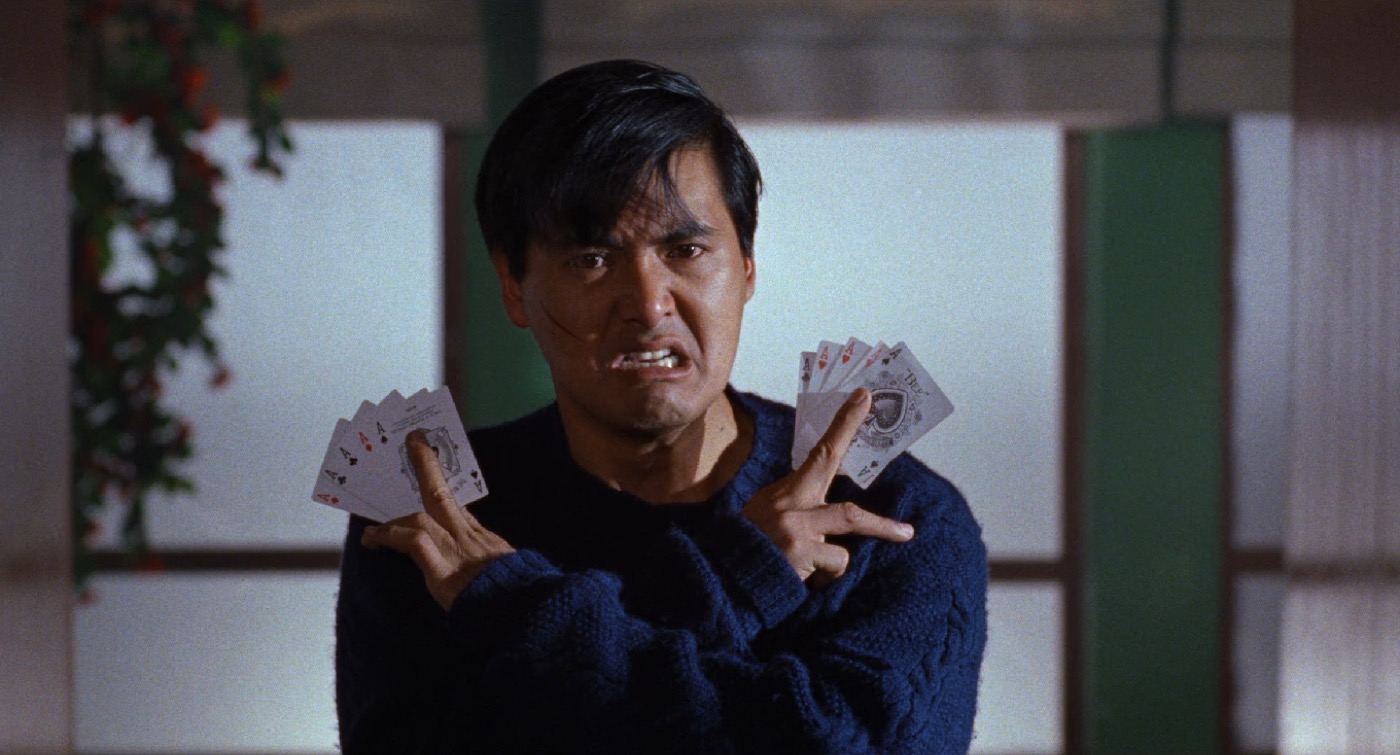
The trio converges during a high-stakes robbery of the delivery truck. Featuring a motorcycle stunt, a joke about Red Bean’s pungent perfume, and a paragliding escape, it’s just the first of several adrenaline-fuelled set pieces.
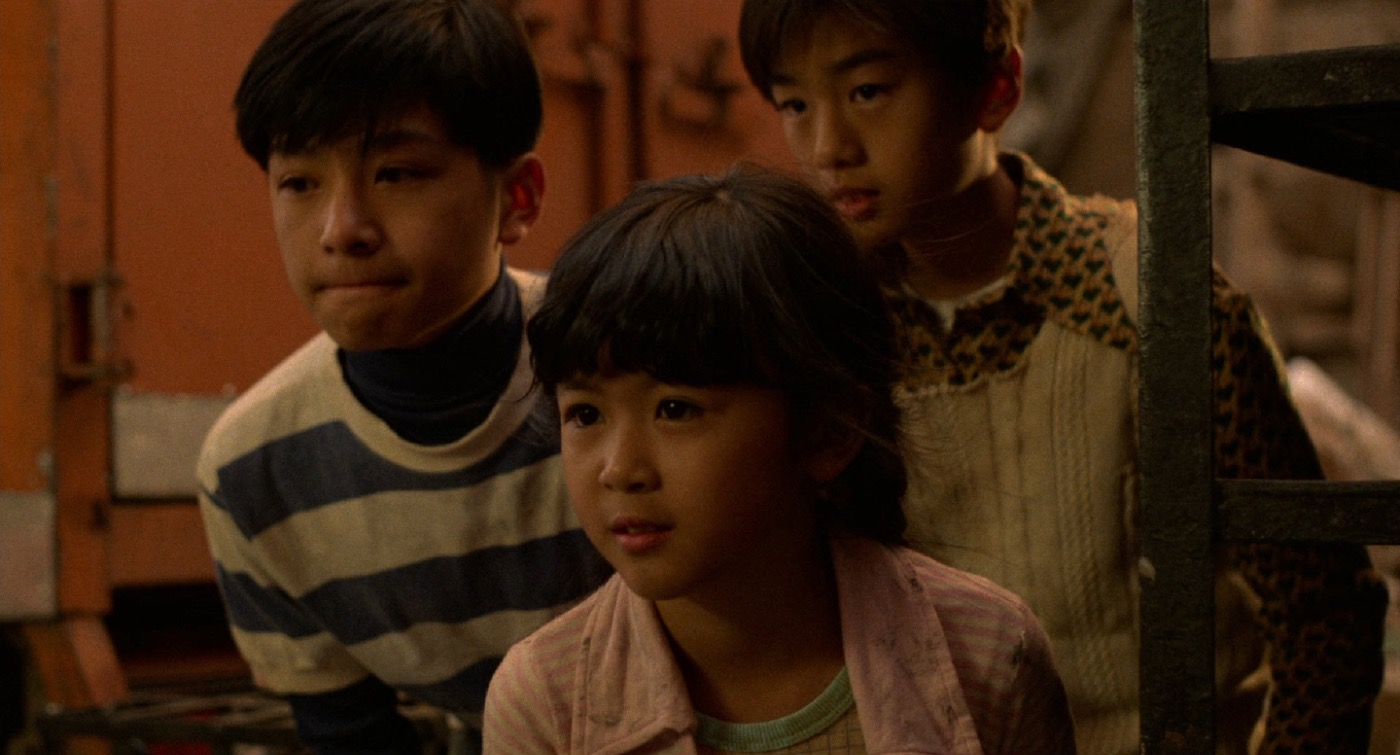
A warm-toned flashback reveals that these fearless art thieves have been inseparable since their childhood as orphans in the Hong Kong slums. They were taken in and trained as pickpockets by Mr Chow, a harsh, Fagin-like figure. However, when Officer Chu catches them stealing, he takes them for a proper meal instead of remanding them, becoming their true benefactor. He encourages them to go straight and perhaps join the police one day. These two men—with confusingly similar names—become conflicting father figures, echoing William Blake’s Good and Evil Angels Struggling for Possession of a Child. Naturally, a poignant and potentially tragic showdown between the two looms before the credits roll. It’s quintessential Woo.
The action then shifts to the glamour of the French Riviera. When delivering a stolen Modigliani, their client (Pierre-Yves Burton) hires them to steal an even more valuable—and supposedly cursed—painting. This turns out to be The Harem Maid, currently held in a crime lord’s fortified château near Cannes.
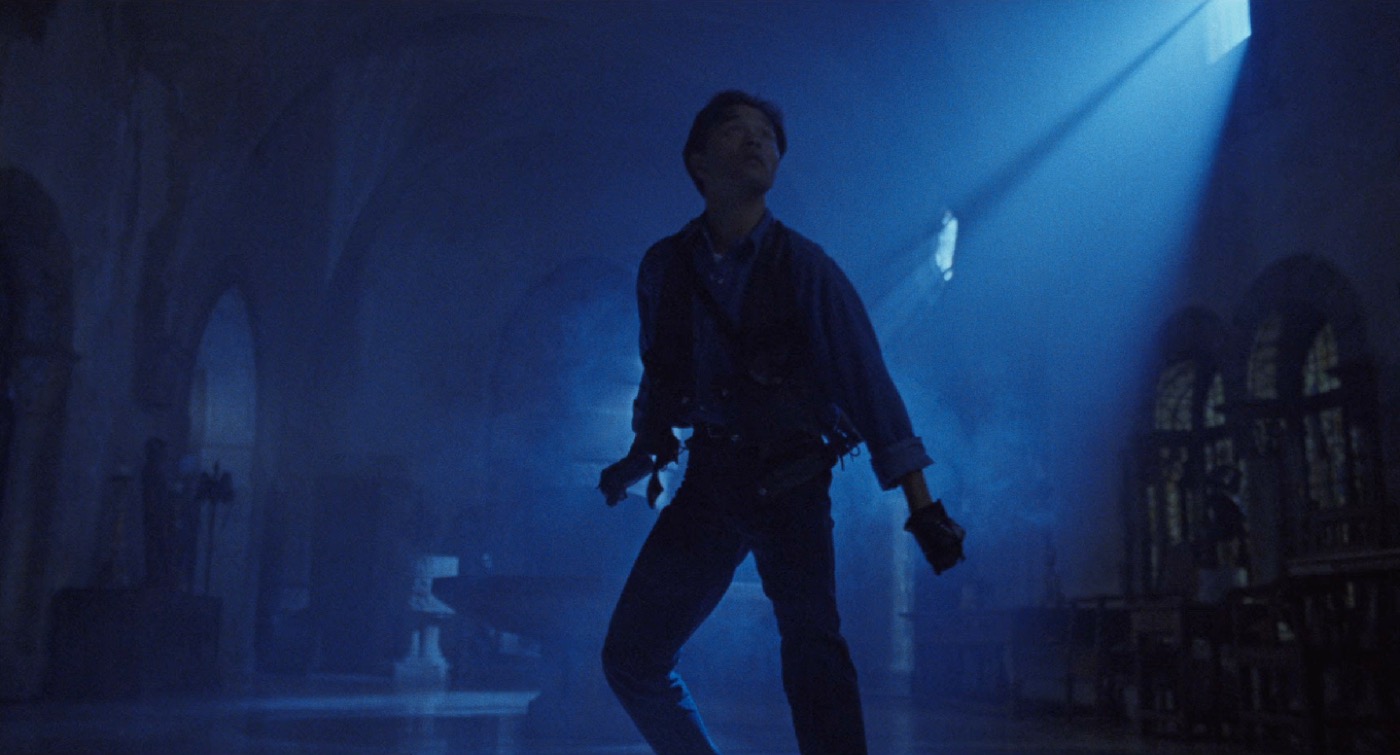
Wanting to quit while they’re ahead, Red Bean acts as interpreter and intentionally mistranslates the lavish offer to make it sound unappealing, giving the impression that Jim and Rice Pudding aren’t interested. But Jim gets the gist and, unwilling to risk his partners, sets out alone that evening. In a sequence reminiscent of the classic Euro-crime spoof Danger: Diabolik (1968), he scales the sheer château walls, deftly bypassing armed guards and security. Only inside does he bump into Rice Pudding, who had second-guessed his friend’s plan.
Together, they navigate the gothic fortress’s secret vaults via the wine cellar, using a medieval chandelier as a makeshift trapeze over an electrified floor. Their escape is further hampered by a laser grid, which they bypass using the scientifically dubious trick of filtering the beams through glasses of red wine. However, the fun ends abruptly when the escape goes awry and one of them is wounded. The delay allows the crime lord’s henchmen to track them down, triggering a spectacular stunt sequence. Supervised by Rémy Julienne—a stunt legend known for his work on James Bond films since For Your Eyes Only (1981)—the high-octane chase across cars, motorcycles, a caravan, and a boat culminates in a fiery explosion and tragedy. But at only halfway through… surely Rice Pudding can’t be dead?
Once a Thief revels in its East-meets-West culture clash, unashamed to blend stylish Euro-chic with unrefined Hong Kong comedy, and light romance with high-impact stunts. While it thrilled local cinemagoers, it remains a jarring concoction for international audiences who only know Woo for his hyper-stylish bullet ballets. It isn’t his masterpiece, but it stands as one of the most successful films of his Hong Kong era, despite an uneven narrative anchored to a flimsy plot.
What saves the film are its breathtaking set pieces, uninhibited sense of fun, and the genuine warmth of its three leads. Their chemistry is magnetic as their childhood bond evolves into romantic complexity. Red Bean is torn between two men who deeply care for her, while Rice Pudding hides his feelings behind bravado and childish humor. Jim sees right through it, realising his friend is trying not to stand in his way. Both men believe the other is the better match, creating ample opportunity for the heartfelt poignancy Woo is known for. Yet he never fully commits to this emotional core, wary of slowing the pace as the narrative hurtles towards a wild, audacious finale where logic goes out of the window—along with dozens of stuntmen, several of them on fire.
Though a runaway hit in Hong Kong, Once a Thief didn’t translate as well overseas. Seeking to tap into international markets, Woo directed a 1996 Canadian television remake as a pilot for a 22-part series (1997–98), which quickly lost steam after strong initial ratings. Having not seen the remake, I can only assume that without the electric charisma of the original trio, once was probably enough.
HONG KONG | 1991 | 108 MINUTES | 1.85:1 | COLOUR | CANTONESE • ENGLISH • FRENCH • HAKKA





director: John Woo.
writers: John Woo, Clifton Ko Chi-Sum & Janet Chun.
starring: Chow Yun-fat, Leslie Cheung, Cherie Chung, Kenneth Tsang & Paul Chu.