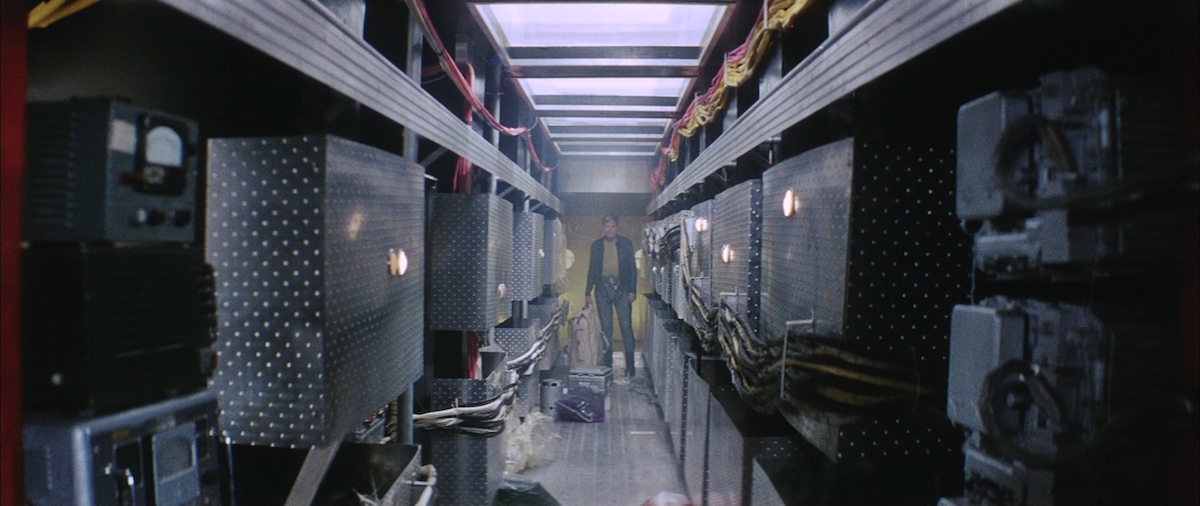
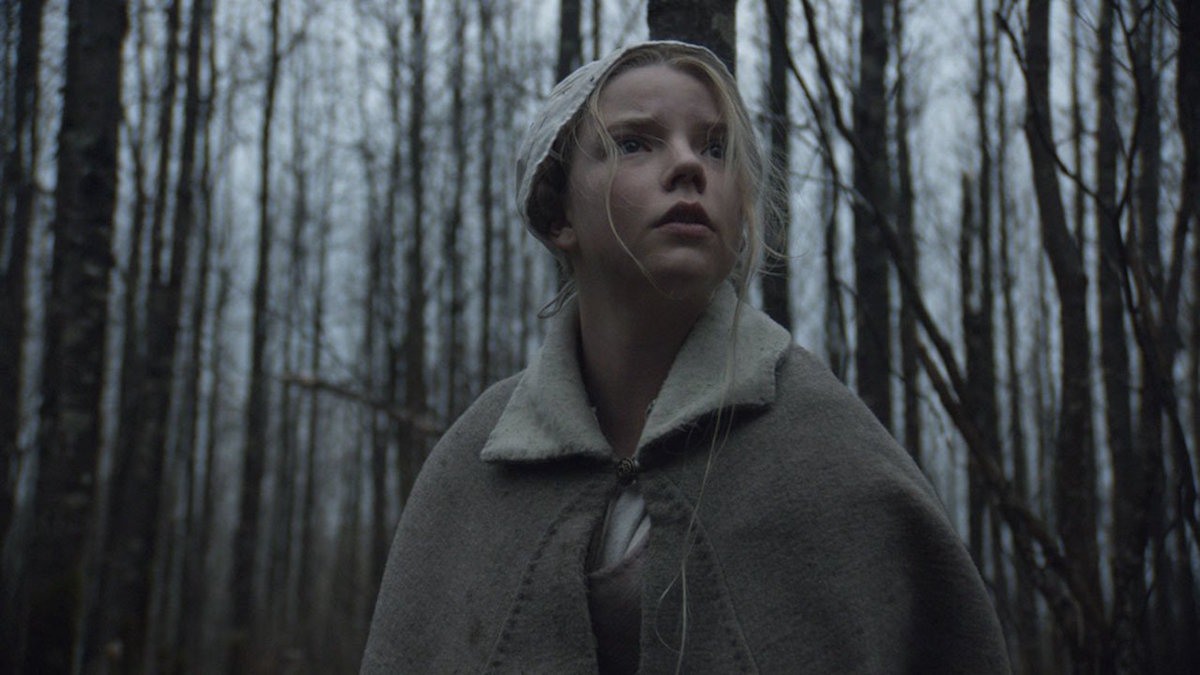
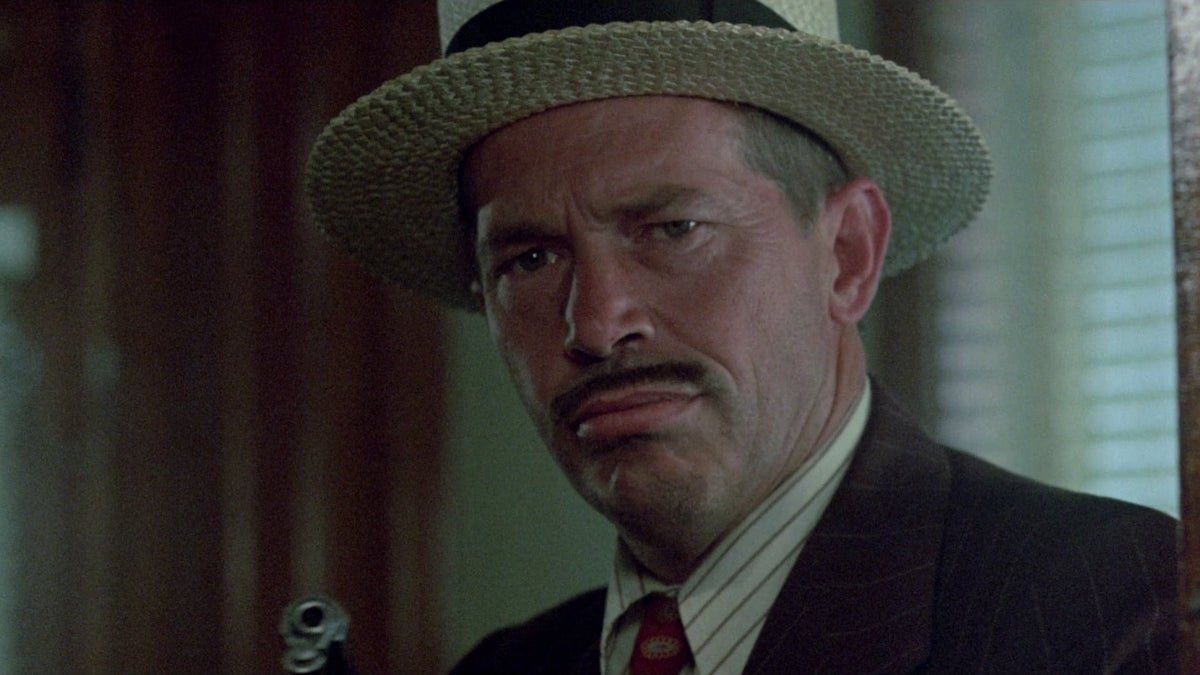
BULLET IN THE HEAD (1990)
When three close friends escape from Hong Kong to war-time Saigon to start a criminal's life, they all go through a harrowing experience...

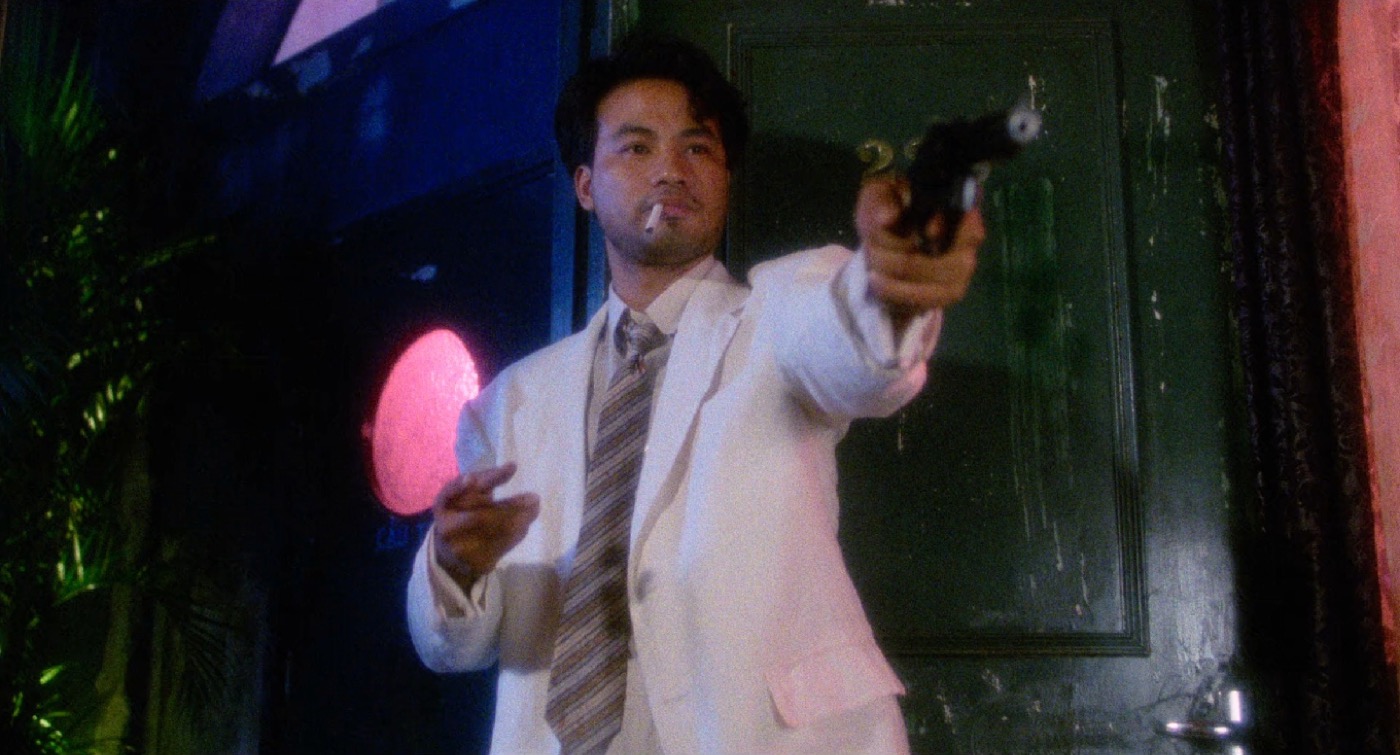

When three close friends escape from Hong Kong to war-time Saigon to start a criminal's life, they all go through a harrowing experience...
Of John Woo’s Hong Kong action films, The Killer (1989) and Hard Boiled (1992) have become the undisputed fan favourites, but Bullet in the Head / 喋血街頭 is a tour de force that deserves just as much respect. In terms of cinematic achievement and narrative flair, it stands shoulder to shoulder with the best the heroic bloodshed genre has to offer. It also exceeds genre limitations, delivering an audacious mix of buddy movie, road trip, crime thriller, romance, war film, socio-political commentary, horror, and Shakespearian tragedy. On its initial release, this heady concoction was out of step with Hong Kong tastes and it bombed at the domestic box office. It is long overdue for reappraisal, and Arrow Video have done a sterling job with this new 4K Ultra HD and Blu-ray three-disc package, presenting the definitive theatrical cut alongside the alternative ‘Festival Cut’ and a raft of extras.
It is a tale of loyalty and friendship eroded by obsession and avarice that begs comparison with John Huston’s much-lauded The Treasure of the Sierra Madre (1948). Conspicuous overlaps occur as both films feature three men tested by trauma, where greed leads to murder and moral collapse. But Woo reframes this with his unique, operatic style, viewing it through the lens of Hong Kong’s political anxieties during the handover process that would return it to Chinese rule.
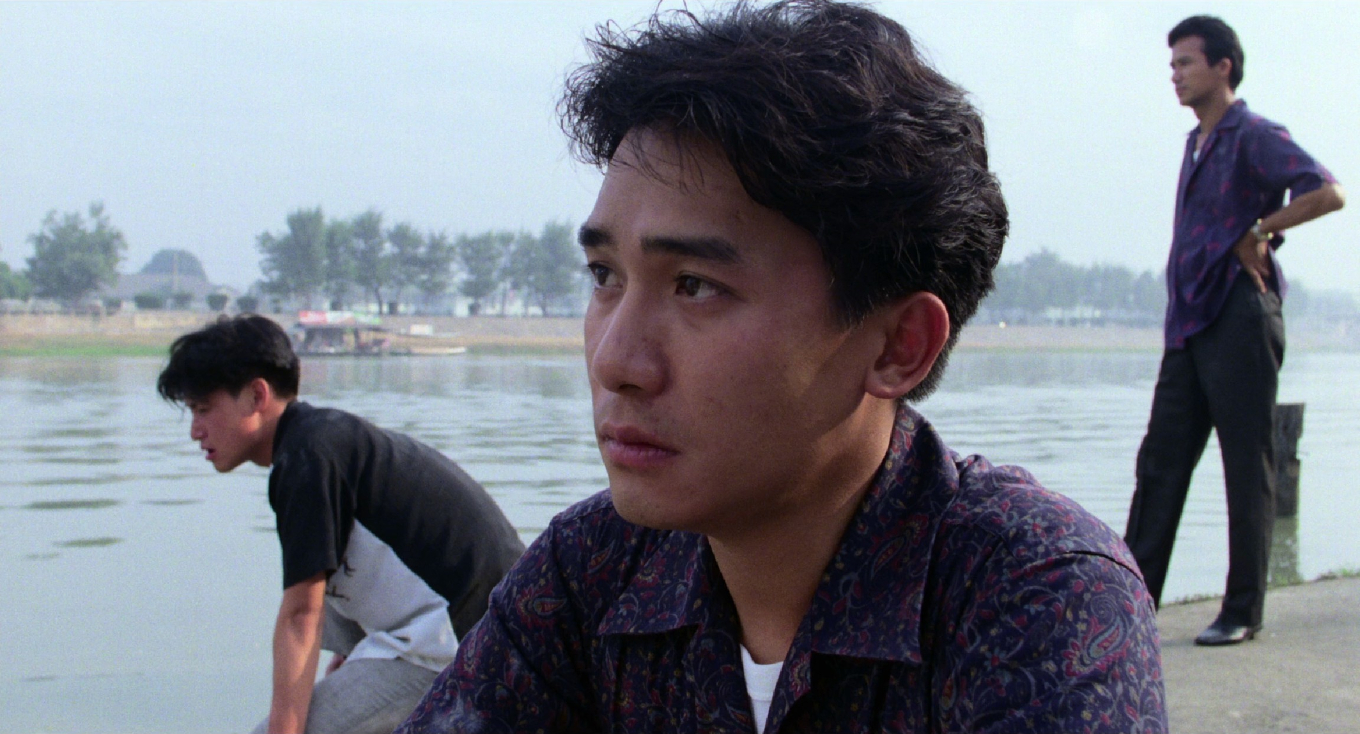
Three childhood friends—Ah Bee (Tony Leung), Li’l Fai (Jacky Cheung), and Small Wing (Waise Lee)—have grown up together in poverty among the housing projects of Kowloon. We meet them at the cusp of adulthood, still playing chicken by riding their bicycles full-pelt toward the drop-off at the harbour wall, even as their street brawls become more violent and involvement with local gangs seems inevitable.
John Woo efficiently and empathetically builds these characters while establishing their domestic backgrounds and creating a strong sense of period and place. Despite their poverty, Ah Bee and Siu-Chun (Fennie Yuen) decide to marry. Knowing this will change the dynamic of their friendship forever, Small Wing still helps with the wedding celebrations while Li’l Fai promises to find the funds to pay. However, on his way back to the wedding feast, Fai is ambushed by hoodlums led by ‘Flakey’ Keung (Paco Yick) for the money he has just borrowed from a loan shark. Although he escapes with the cash, he is badly injured after being struck on the head with a bottle.
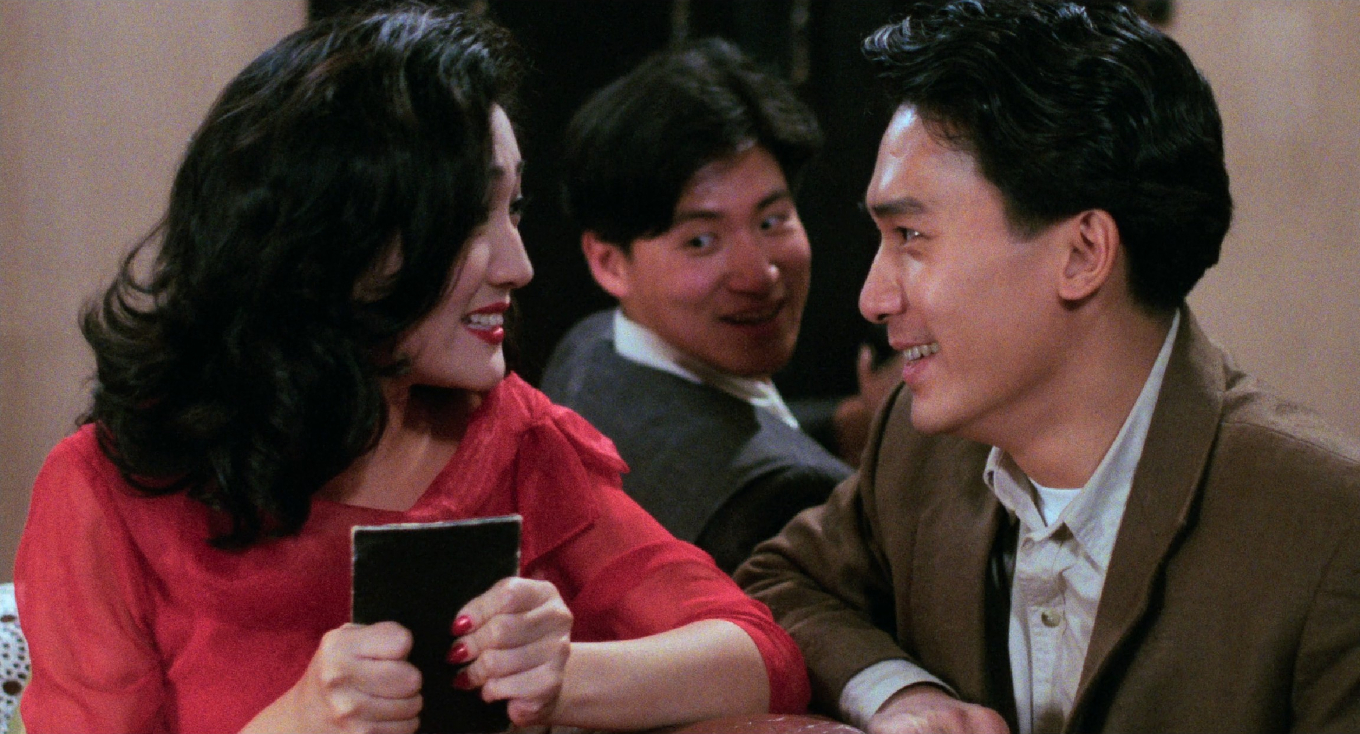
Even though it is his wedding night, Bee will not let Fai’s assault go unavenged, and the two friends set off to confront Keung. In the ensuing warehouse fight—which, despite the lack of guns, is as dynamic and balletic as expected—they prevail against the odds but deal a fatal blow to the hoodlum. It immediately dawns on them that they have inadvertently made themselves targets of gangland reprisals, that they will be wanted by the police for murder, and that they have no way to pay back the loan already spent on the wedding.
Small Wing suggests that the trio leave for Vietnam with two cases containing penicillin, Rolexes, and ‘herbs’ to sell on the black market. It is ‘Uncle’ Shing (San-Yan Siao) who encourages them, provides the contraband, and sets them up with a contact in Saigon.
The events of the first act unfold within the slums of the famous Shek Kip Mei Estate. This progressive housing project was built to shelter thousands of Chinese refugees left homeless when a devastating fire razed a sprawling shanty town on Christmas night, 1953. It marked the start of an ambitious public housing initiative that came to define Hong Kong as a city of refuge for those fleeing China in the aftermath of the Civil War and the establishment of the People’s Republic of China in 1949.
John Woo was born into a Chinese Protestant family facing persecution on religious grounds and because his father was a teacher—considered an unpatriotic, bourgeois profession. The Woo family fled to Hong Kong when John was around five years old and were among those rendered homeless by the Shek Kip Mei fire. They were rehoused in the estate’s projects. After his father developed tuberculosis and could no longer teach, his mother supported the family through manual labour on construction sites. John grew up in poverty amidst crime and violence on the streets.
By 1967, Chairman Mao Zedong’s Cultural Revolution was well underway as his Communist government sought to cleanse the nation of any cultural elements aligned with the social and political ideology of the previous Nationalist government. Many intellectuals, educators, and religious figures fled to British Hong Kong to avoid imprisonment and execution. The Chinese state agitated unrest in the colony, funding extremist factions that manipulated the workers and the labour movement into staging protests. These protests soon turned into riots. When, in the face of such violent unrest, the majority of citizens baulked at the notion of reunification with mainland China, the riots escalated into terrorism and extensive bombing campaigns.
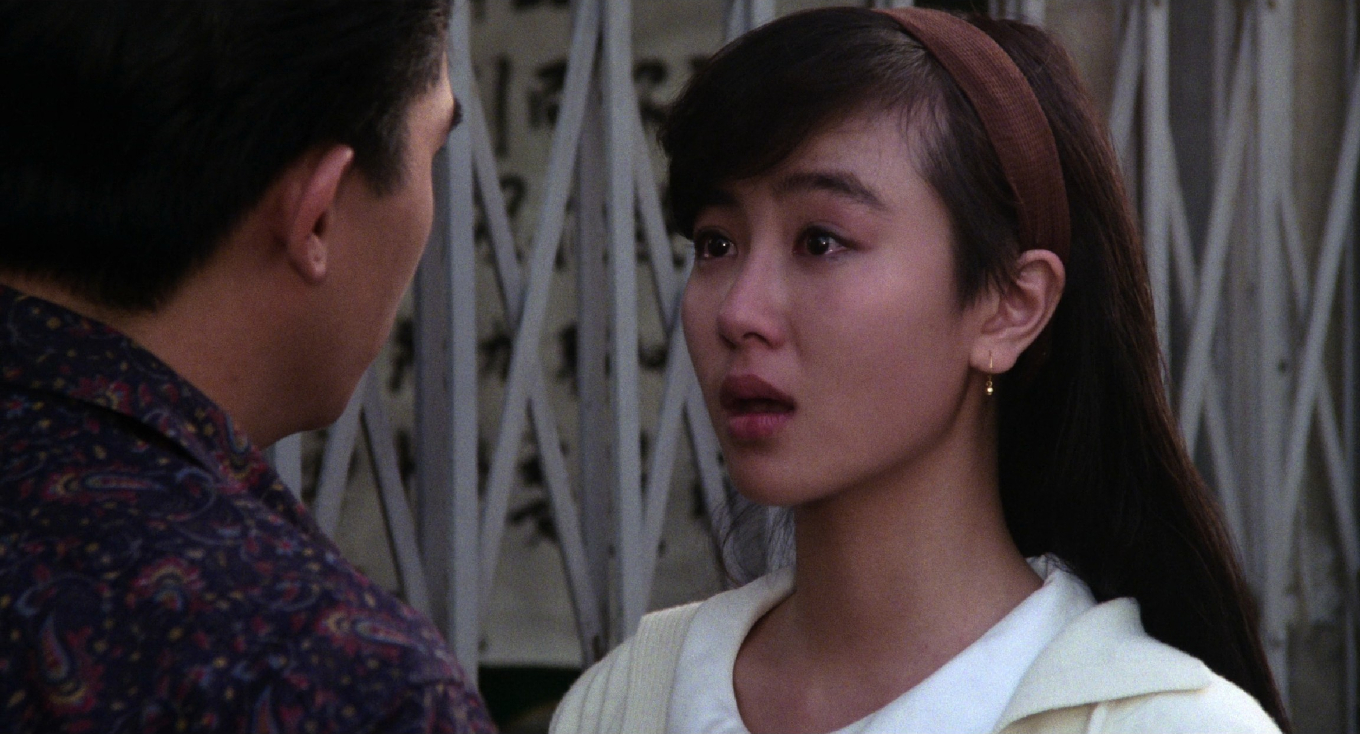
This history provides the backdrop for the first act of Bullet in the Head. John Woo would have witnessed these events as a 21-year-old, roughly the same age as his three protagonists. The scenes of protesters waving Mao’s Little Red Books and police beating back rioters with batons feel authentic, as if recreated from personal memories. The same is true for the heart-rending farewell between Bee and Siu-Chun amid a pitched street battle, and a bomb disposal attempt that goes terribly wrong.
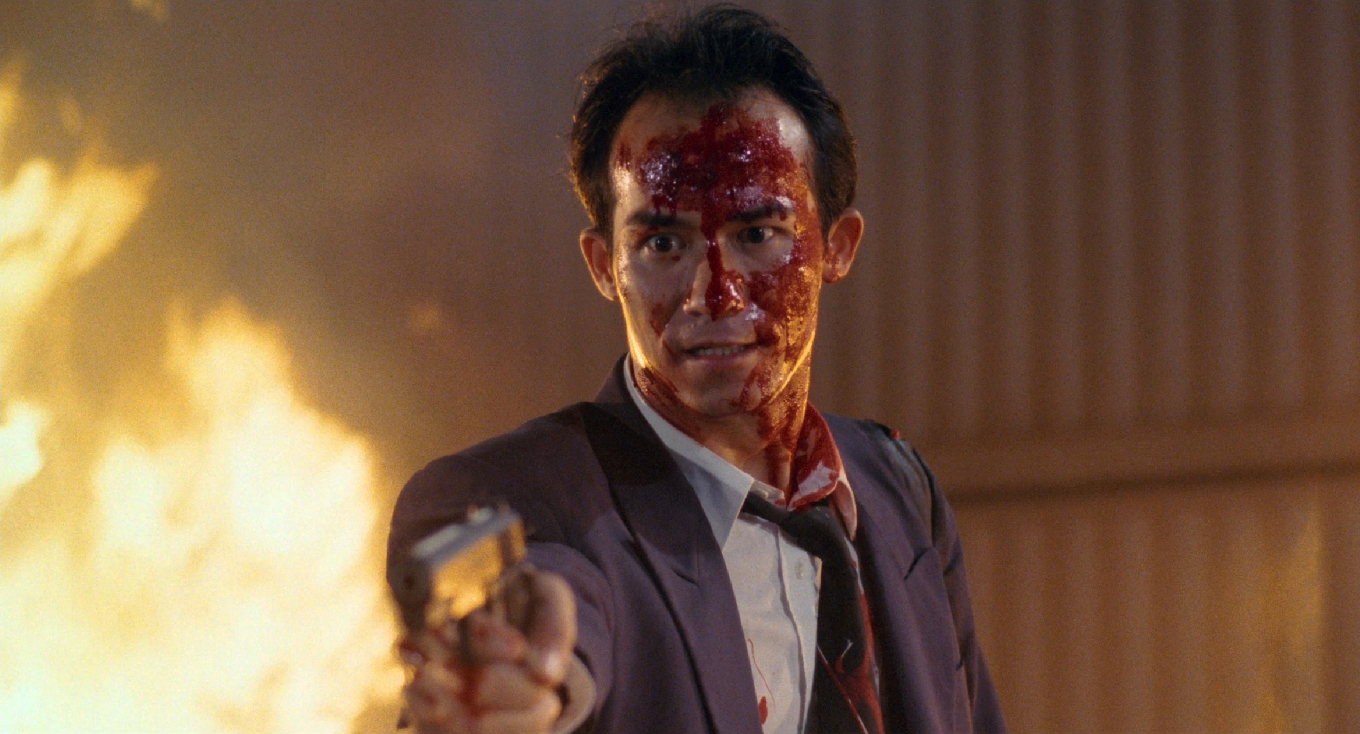
Hong Kong audiences would be fully aware of these historical connotations, making this John Woo’s most overtly political and autobiographical film. Layers of rich subtext and mixed metaphors offer an open, if perhaps confused, reading that perfectly suits the chaos of war when the action shifts to Vietnam—shot on location in Northern Thailand.
Conflict rages between the North, supported by China and the Soviets, and the South, supported by the US, whilst the colonial legacy of French occupation is also acknowledged. In some ways, this parallels Hong Kong’s political situation as it transitioned from British colonial rule to Chinese. Its citizens found themselves caught in the middle of negotiations between these two superpowers, completely lacking control over their own future. However, the narrative remains compelling and never gets mired in political polemic. Instead, John Woo pushes the emotional dynamics of the three friends and the ethical dilemmas they face to the fore.
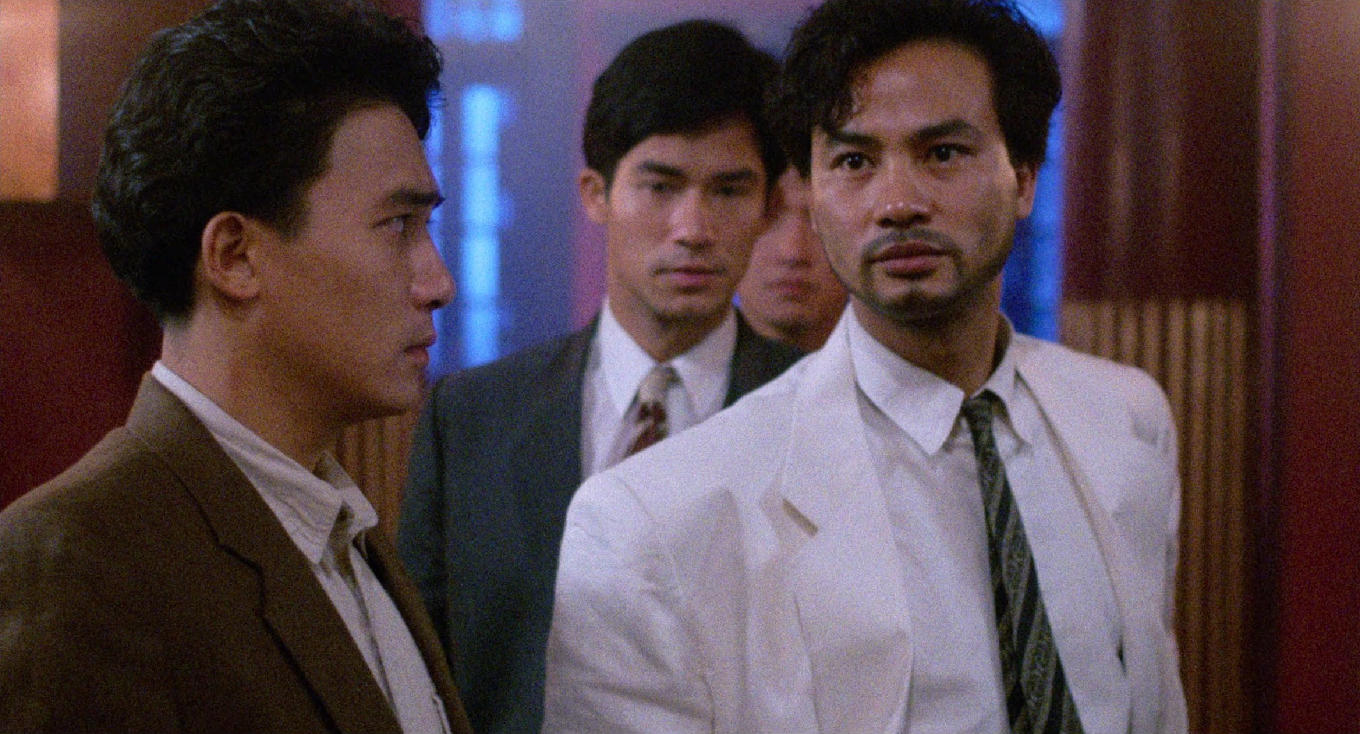
Upon arrival in Saigon, they become involved in the assassination of a general, and amid the fast-moving chaos, a failed suicide bomber destroys the vehicle carrying their contraband. They drag another youth to safety, unaware that he had dropped a grenade into the general’s limousine whilst attention was fixed on the first decoy assassin. Bee, Fai, and Wing are arrested among the suspects and interrogated, desperately waving their British passports to no avail. The guards soon single out the young suspect and unceremoniously put a bullet in his head, in a chillingly faithful reenactment of Eddie Adams’s famous, Pulitzer Prize-winning photograph depicting a similar summary execution.
The trauma of witnessing this acts as a catalyst for our three protagonists, with each reacting in a subtly different way. This level of casual violence is a far cry from the street fights they engaged in during the opening title sequences—intercut with dance practice in a nod to West Side Story 1961)—or even the killing of Keung during a fair fight.
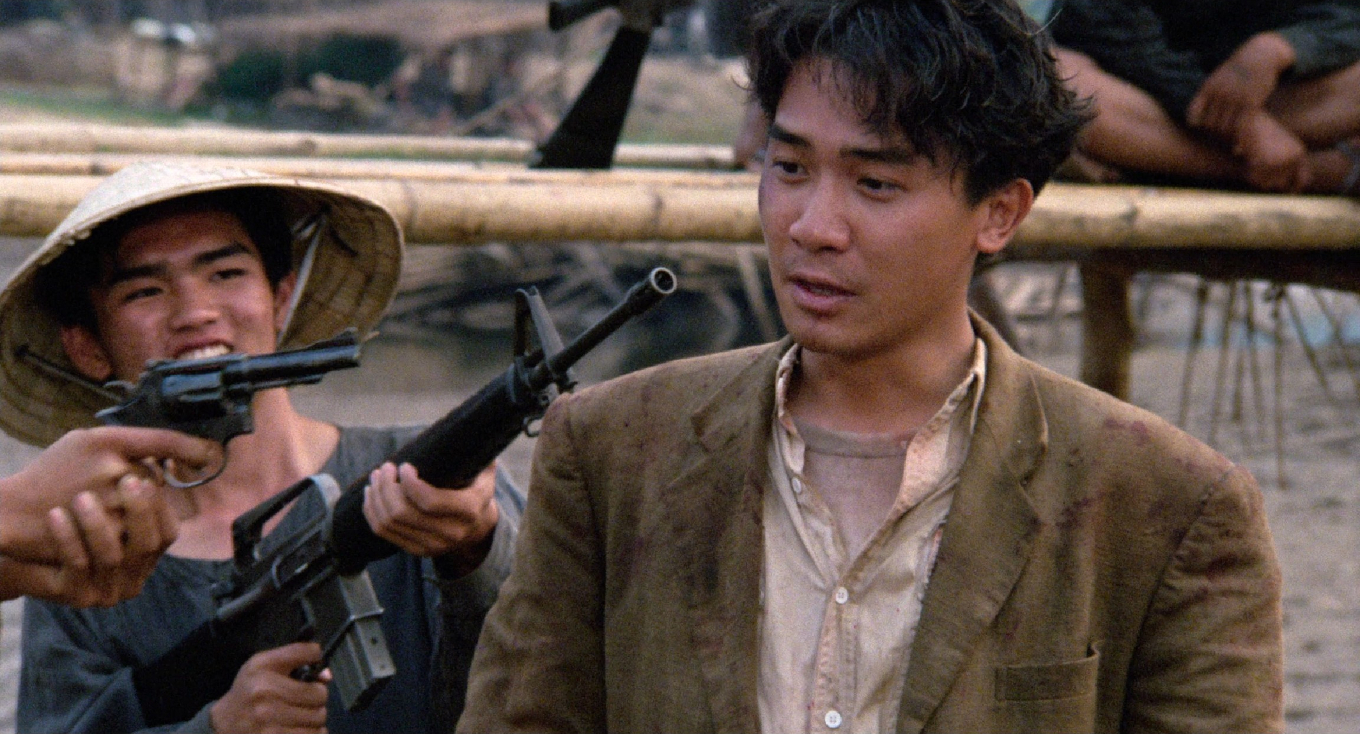
We can tell that Bee immediately understands the seriousness of their situation. Realising they are strangers adrift in a strange and brutal land, one can feel his anguish and read his face as he attempts to formulate an escape plan for himself and his compatriots. Fai is clearly shaken to the core, realising that, with no due process in these desperate times, it could just as easily have been him lying dead in a pool of blood. Wing, however, has a chilling gleam in his eye, as if that moment of decisive power when the trigger was pulled is something to be desired and achieved. All these psychological shifts, which will now propel the narrative, are conveyed without dialogue. From this point on, all three actors turn in exceptional performances that they arguably never bested.
Despite losing their merchandise, they decide to meet Boss Luong (Chung Lam), their Saigon contact, in the hope he may have work for them. At the sleazy nightclub he runs, they are forced to perform a humiliating forfeit—this differs between the theatrical and festival cuts, involving either whisky or urine…
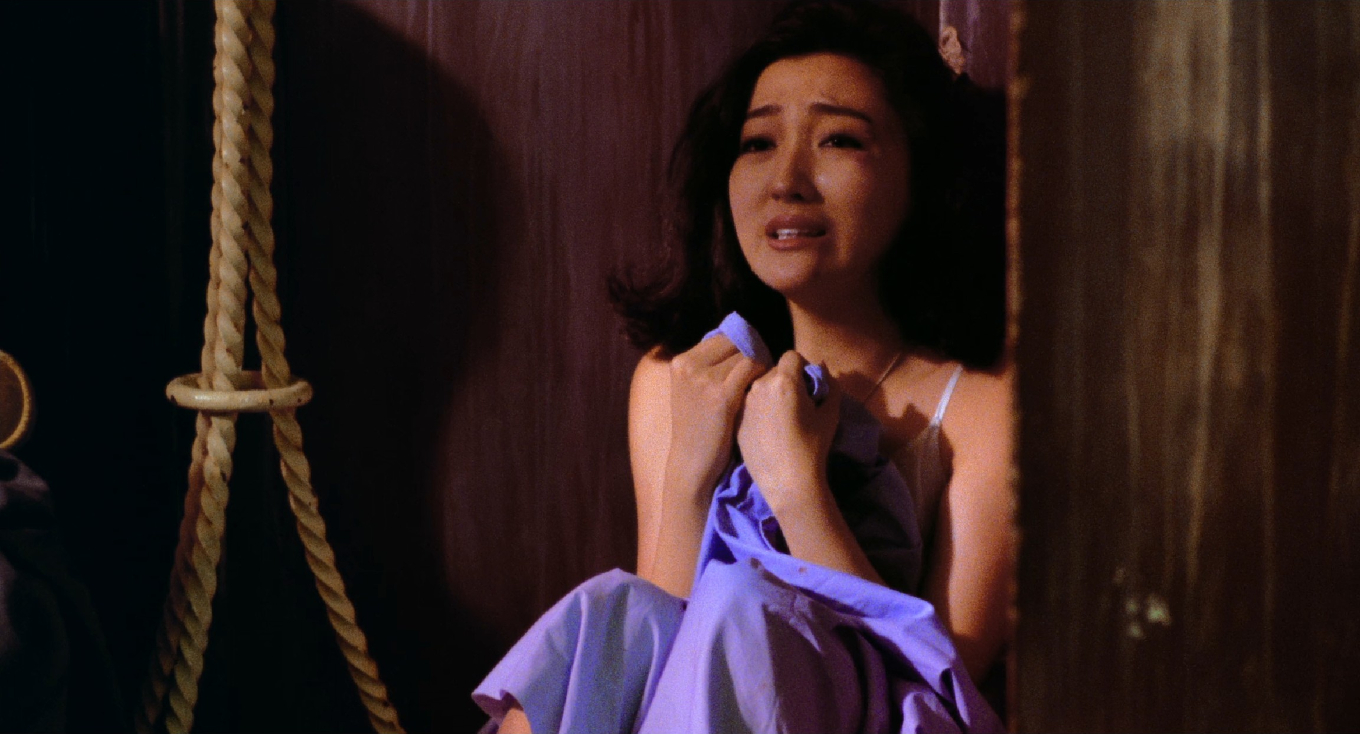
Luong gives them the brush-off, but they run into Luc (Simon Yam), a cool Eurasian hitman who recruits the three friends to help him take down Luong and his prostitution ring in order to rescue Yan Sau-ching (Yolinda Yam). They recognise her as a famous nightclub singer from Hong Kong, whom Luong lured to Saigon before getting her hooked on heroin and making her the club’s top-tier ‘hostess’, following a familiar noir trope.
We are treated to an extended, definitive display of John Woo’s ‘bullet ballet’ as the battle all but demolishes the club’s interior. However, this spectacularly choreographed sequence merely sets us up for a rapidly escalating adrenaline overdose as they try to escape Saigon with a chest of stolen mob gold. Unbeknownst to them, the chest also contains a secret CIA military map that Luong had intended to sell to the highest bidder in Hanoi.
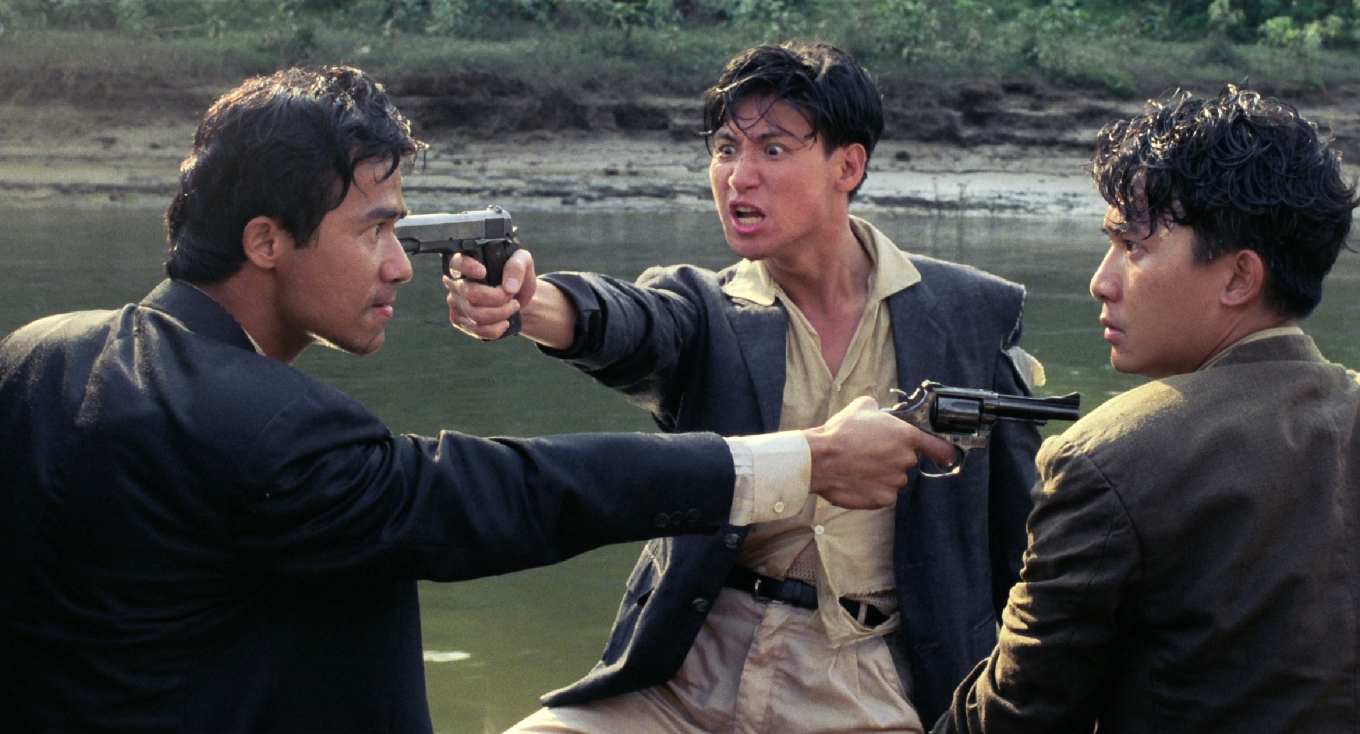
They soon find themselves embroiled in the lawless disarray of military combat, which makes mob violence seem like sport by comparison, and things go from bad to worse in a heartbeat. When they are captured by the VC (the North Vietnamese army), it looks as though they will not survive. Their bond of brotherhood certainly does not.
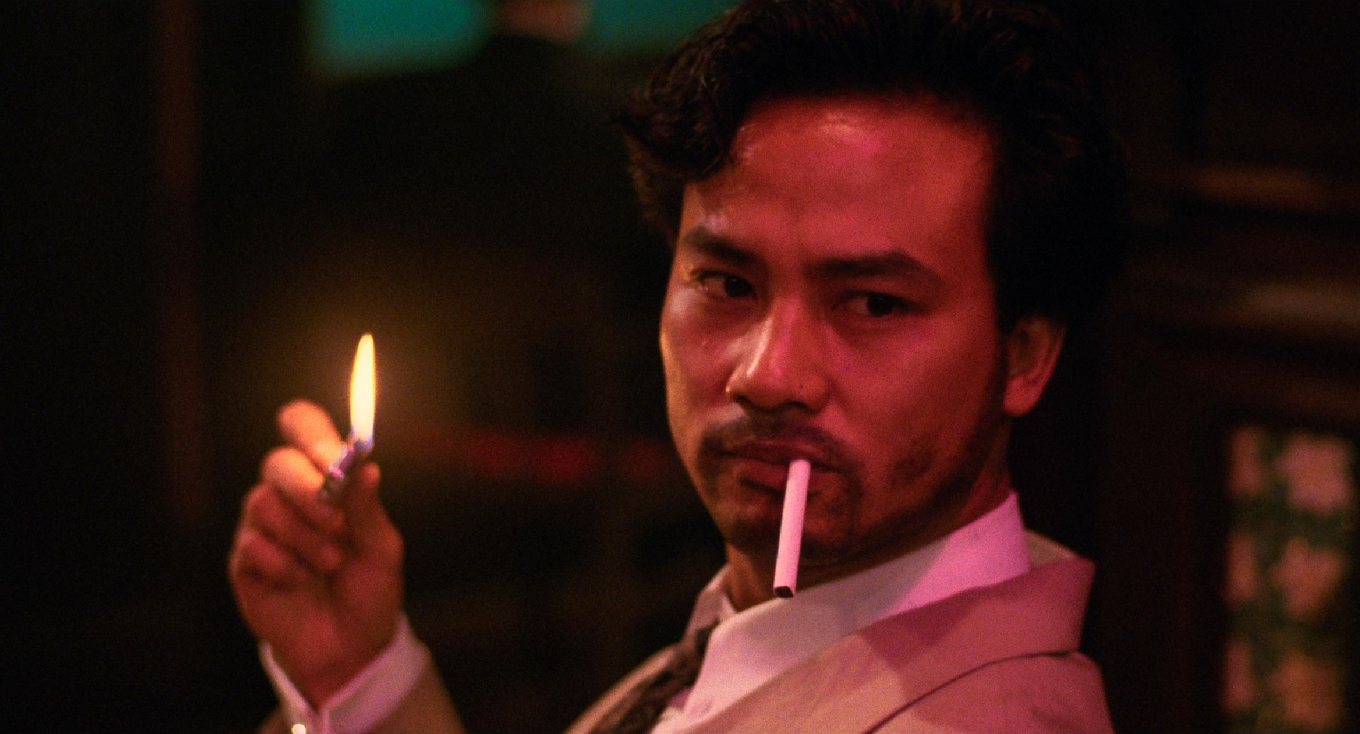
Appropriately, John Woo pays homage to a couple of notable predecessors. When thinking of Vietnam War films, one cannot avoid Michael Cimino’s The Deer Hunter (1978)—though Woo’s equivalent to the Russian roulette set-piece is breathlessly intense and unsettling, with a harder edge of sadistic cruelty. There are also nods to Francis Ford Coppola’s Apocalypse Now (1979), not least in the use of contemporary pop songs.
However, Bullet in the Head is much more than a war movie. For one thing, it follows non-military characters from a friendship forged in youthful poverty and street-gang brotherhood to ultimate betrayal in a brutalising war zone. In many ways, it is closer to Sergio Leone’s The Good, the Bad and the Ugly (1966) and Once Upon a Time in America (1984)—especially evident in Romeo Diaz and James Wong’s score, with its use of poignant harmonica cues to link nostalgic flashbacks. Without these welcome touches of sentimentality, it would not be a John Woo movie; it would be almost too bleak to endure without his underlying romanticism carrying us through to the satisfyingly high-octane finale.
HONG KONG | 1990 | 130 MINUTES (THEATRICAL) • 136 MINUTES (FESTIVAL CUT) | 1.85:1 | COLOUR | CANTONESE • VIETNAMESE • FRENCH • ENGLISH

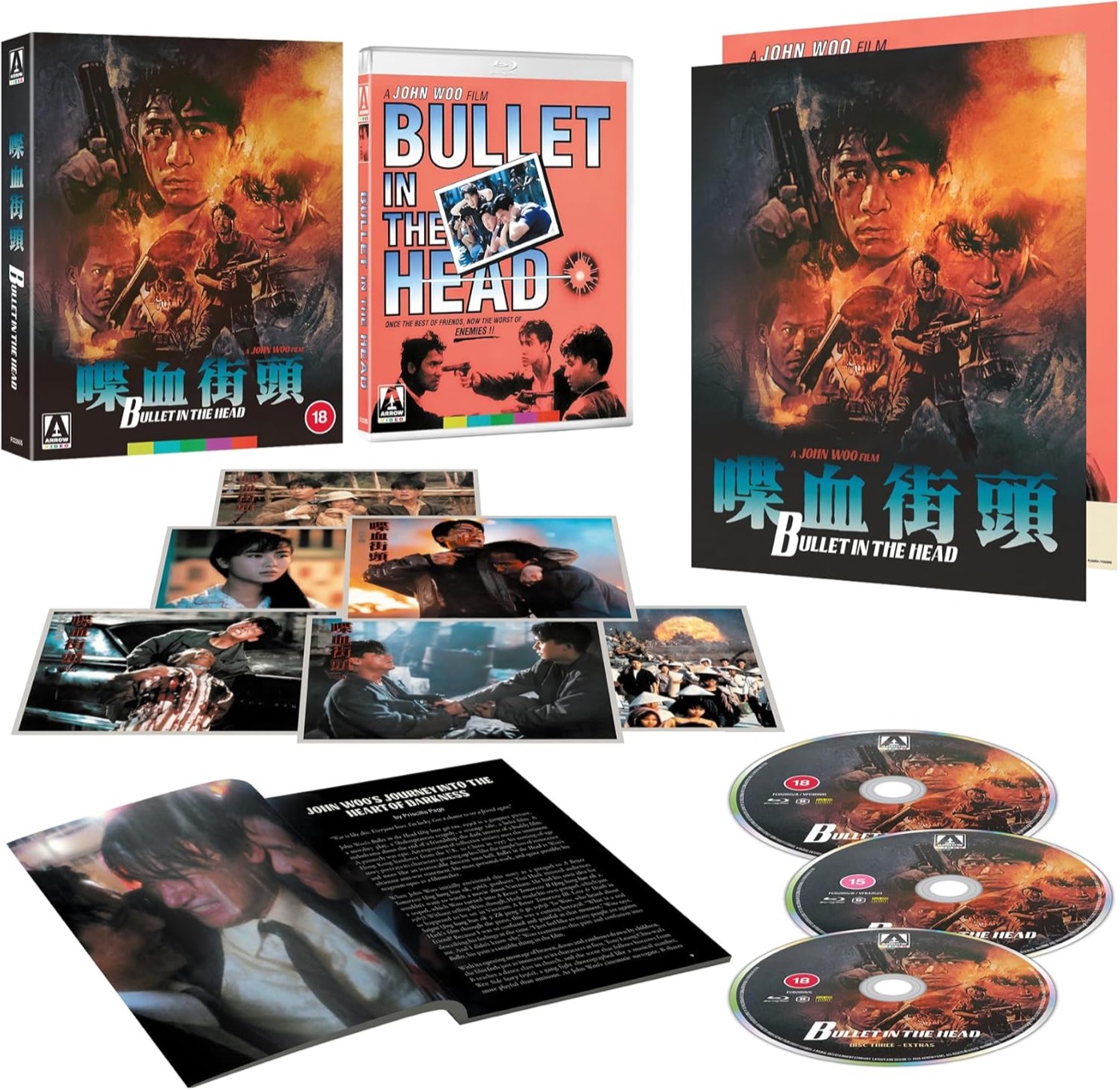
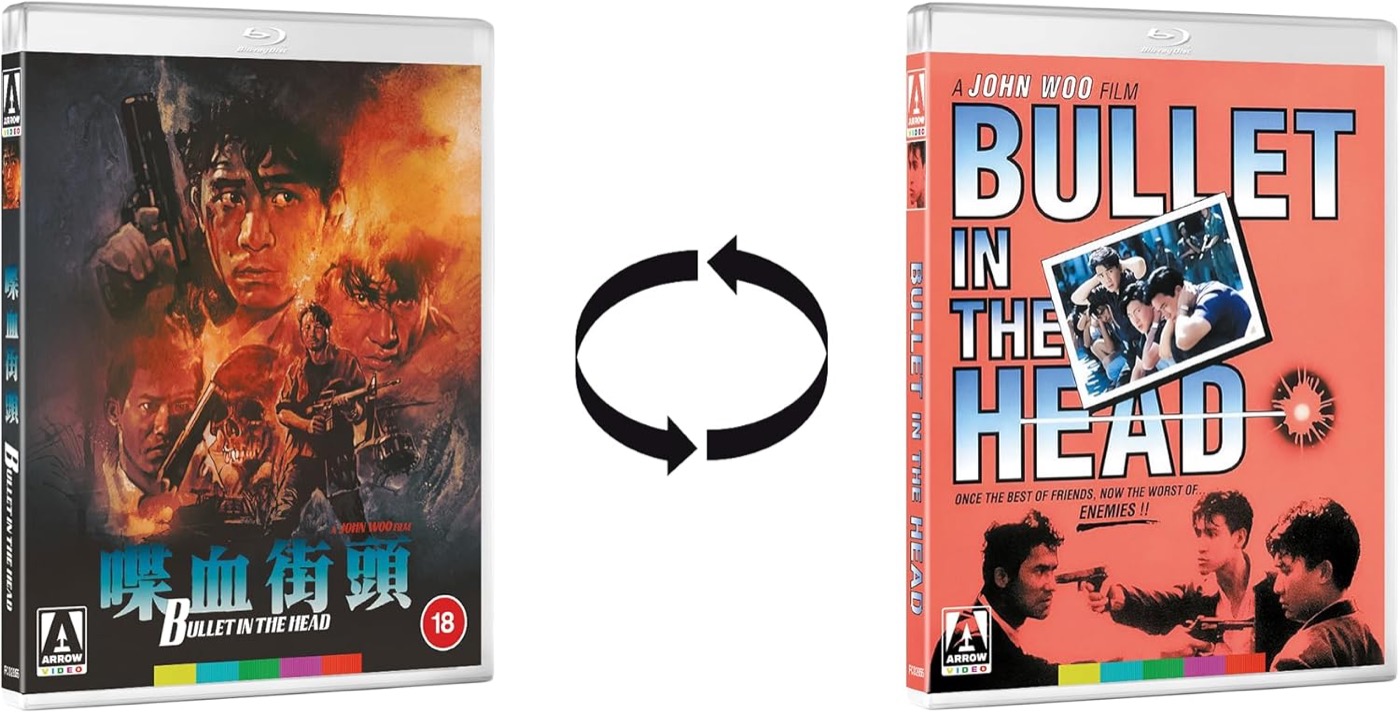
Not available at time of review.
Not available at time of review.

director: John Woo.
writers: John Woo, Patrick Leung & Janet Chun.
starring: Tony Leung, Jacky Cheung, Waise Lee, Simon Yam, Fennie Yuen, Yolinda Yam.