MORTAL KOMBAT II (2026)
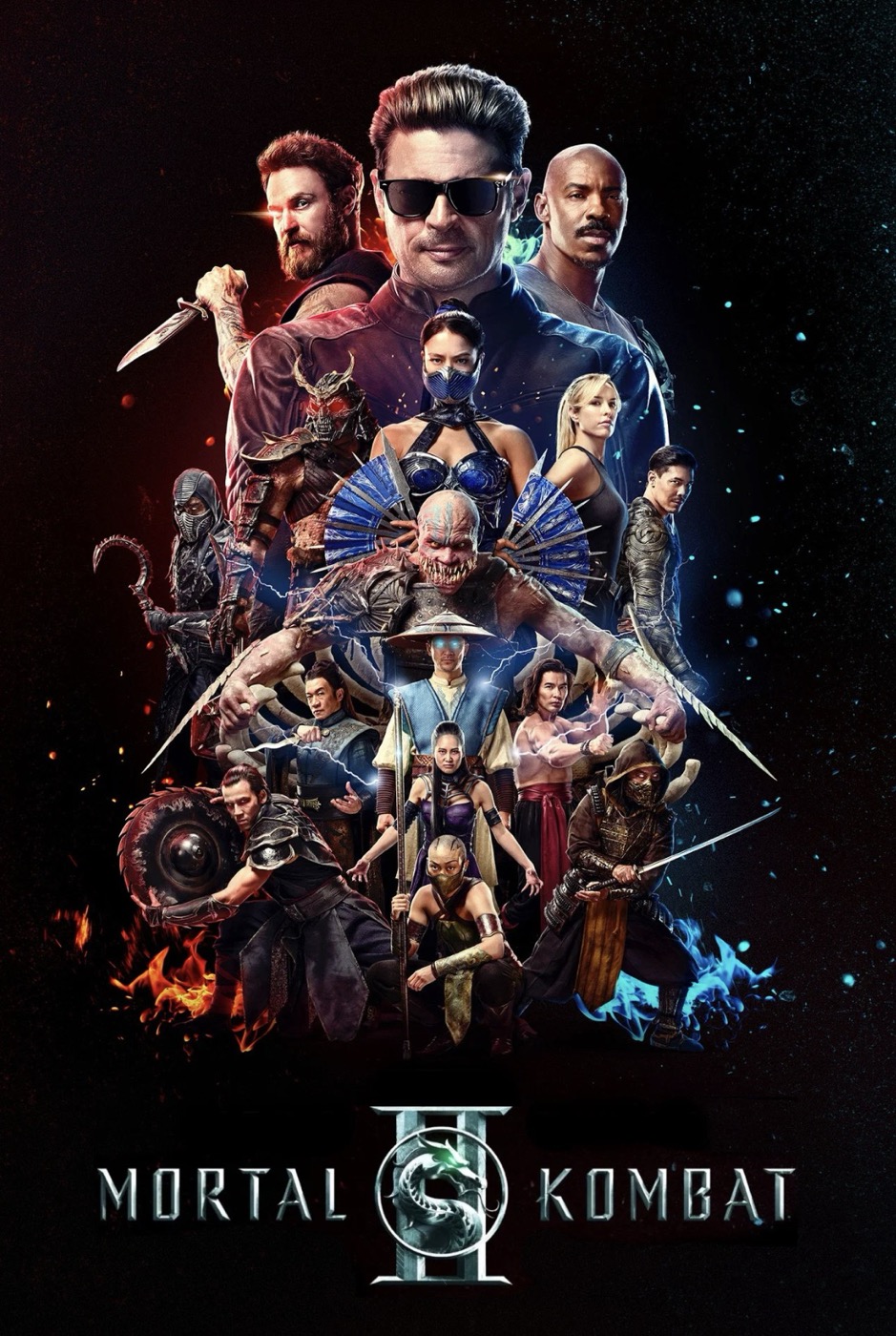
The Earthrealm champions, joined by Johnny Cage, are pitted against one another in the ultimate battle to defeat the dark rule of Shao Kahn...

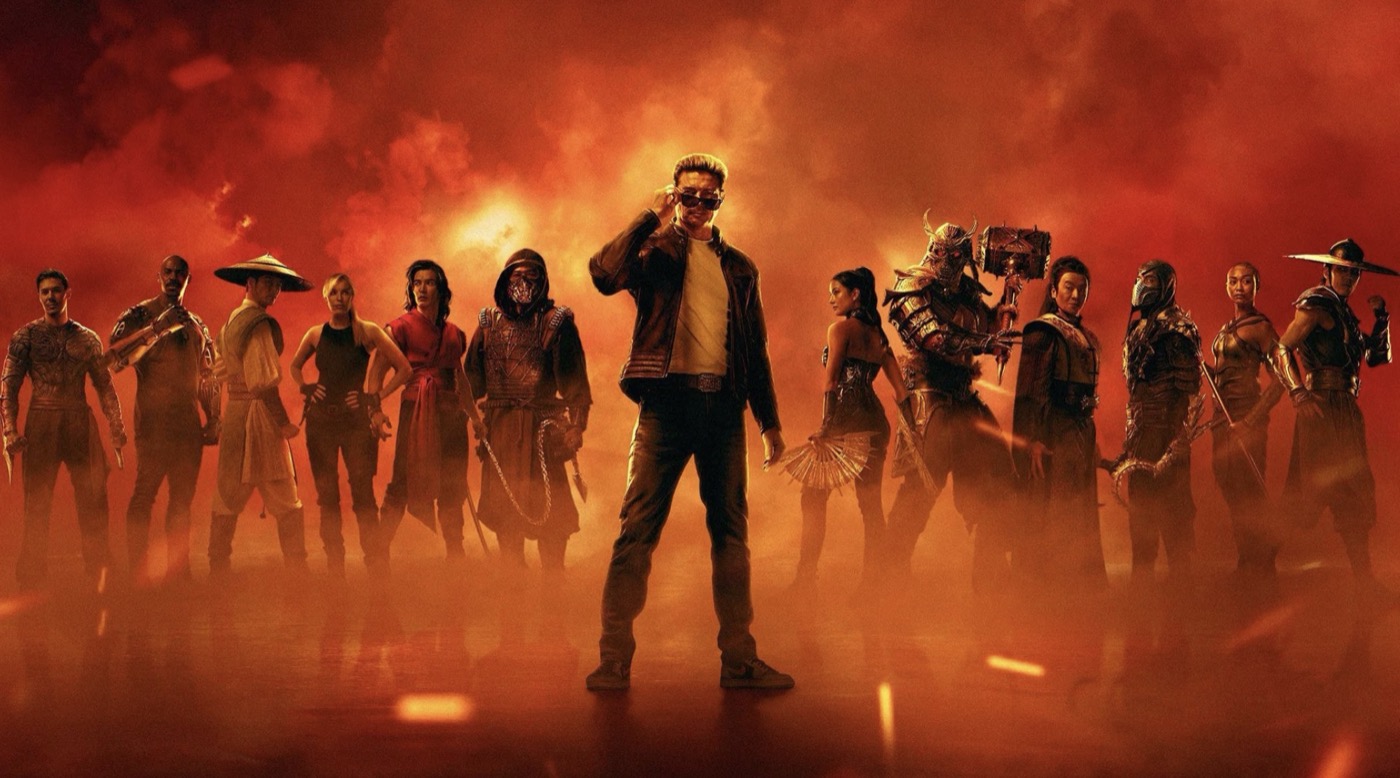

The Earthrealm champions, joined by Johnny Cage, are pitted against one another in the ultimate battle to defeat the dark rule of Shao Kahn...
Simon McQuoid’s Mortal Kombat (2021) was a notable victim of the COVID-19 pandemic, as its $84M ticket sales were hampered by Warner Bros. releasing it simultaneously on HBO Max in the US. Consequently, his sequel, Mortal Kombat II, is looking to make a proper stab at a theatrical run, parlaying the general enthusiasm for its predecessor into box office gold. It boasts a larger budget ($80M, up from $55M) and a bigger marquee name in Karl Urban, who takes on fan-favourite character Johnny Cage. But will audiences return for another fight?
One thing in the sequel’s favour is the correction of a strange decision in the previous film: the absence of an actual tournament. That first instalment was more about setting the stage for the Mortal Kombat “universe” and the strange array of inter-dimensional characters inhabiting it. We followed the grudge between Hanzo Hasashi/Scorpion (Hiroyuki Sanada) and Bi-Han/Sub-Zero (Joe Taslim), who killed Hasashi’s family, and largely discovered this world through the eyes of MMA fighter Cole Young (Lewis Tan).
This time, the structure is broadly repeated — perhaps for the benefit of those who missed the first film — with Johnny Cage (Urban) acting as the latest recruit to Earthrealm’s fighters. As the tournament is finally about to start, he serves as the audience proxy for the strange sights and goings-on. There’s also a new grudge between franchise super-villain Shao Kahn (Martyn Ford) and Kitana (Adeline Rudolph); Kahn defeated her father years ago, allowing him to claim dominion over her world after 10 consecutive tournament wins.
The focus on fighting is a significant asset here, as it’s fair to say most people paying for a Mortal Kombat movie want to see exactly that. There’s a fight almost every 10 to 15 minutes, and they’re well-choreographed and easy to follow. This is thanks to McQuoid’s camera angles and his understanding that audiences only enjoy movie fights if they can grasp the sense of space and see the moves being performed. The video game series traditionally takes place along a horizontal plane where combatants are easily seen, and McQuoid keeps that in mind. The fights feel like live-action versions of what you’d see rendered in pixels, but with the added mobility of a film camera and deeper emotional weight.
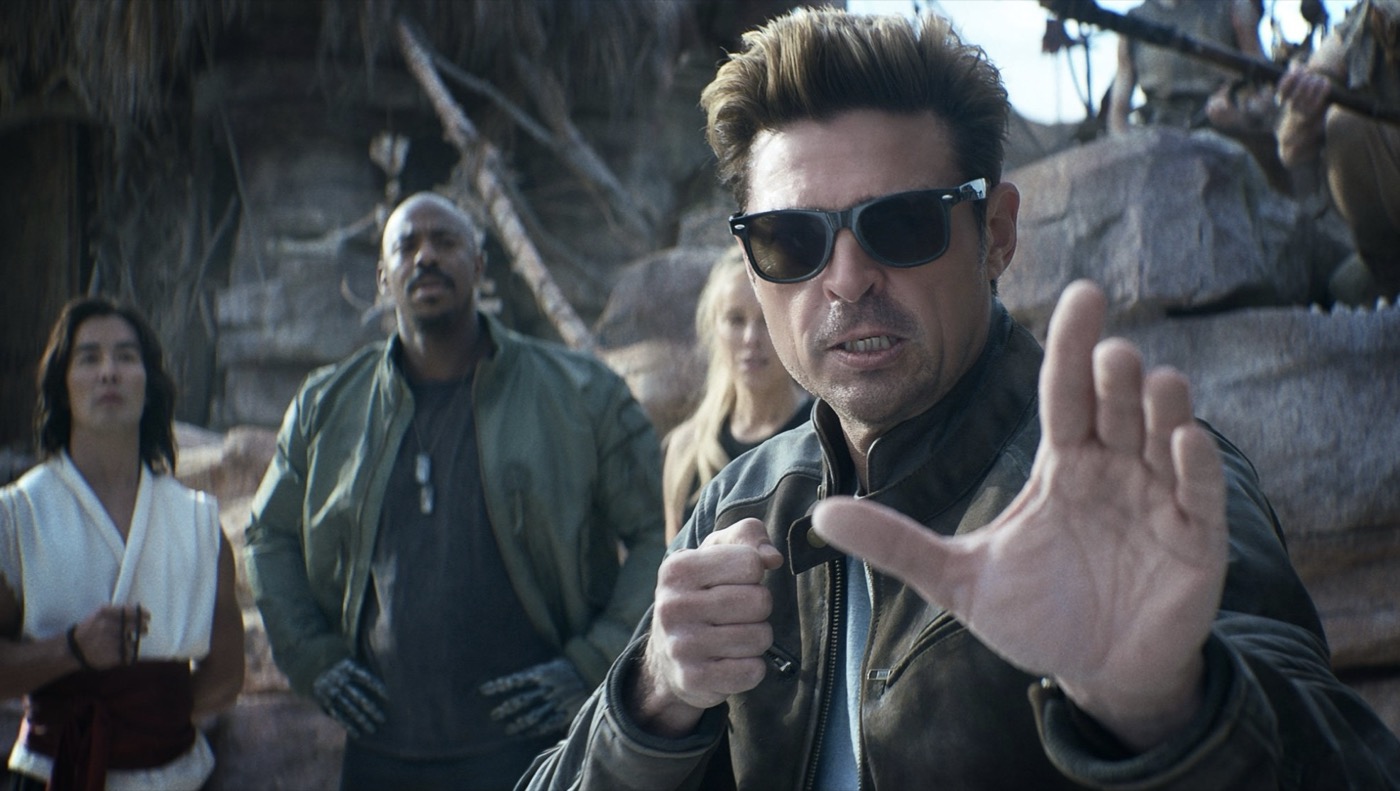
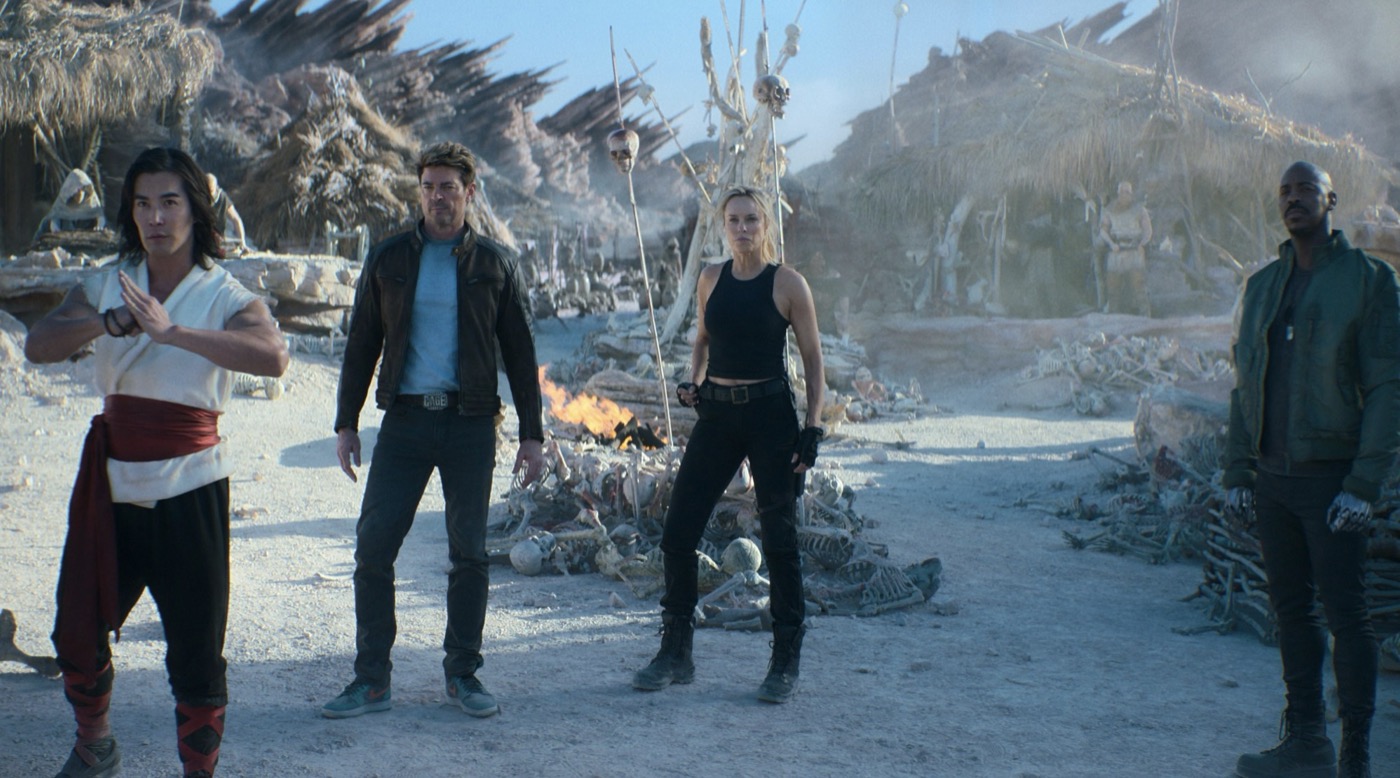
Karl Urban has essentially been dropped into the franchise to lend it star power and “credibility”, even if he was perhaps a third choice for the role. As fans have noted, he doesn’t look like the blonde Johnny Cage from the games, and he’s perhaps 20 years too old for the part — but the better choice of Glen Powell (The Running Man) simply wasn’t going to be an easy hire. Urban isn’t entirely miscast, however, as the script does a great job of leaning into the idea of a middle-aged Johnny Cage: someone past his prime whose showbiz heyday was in the mid-1990s. He’s still in good shape, but he’s lost faith in himself and is slow to take up the call to action from Lord Raiden (Tadanobu Asano) to join Earthrealm’s team alongside Sonya Blade (Jessica McNamee), Liu Kang (Ludi Lin), and Jax (Mehcad Brooks).
One concern with these films is that they can’t replicate the games’ fight-to-the-death promise, as the production would simply burn through too many characters. Screenwriter Jeremy Slater (Moon Knight) handles this problem commendably, providing a solid rationale for why some are spared while allowing others to meet grisly ends once they’ve outstayed their welcome. Also, while it’s admittedly a slight cheat, we have the necromancer Quan Chi (Damon Herriman) sneaking around to resurrect certain villains for another round or two. In a world of magic and nonsense, that’s perfectly acceptable, yet you still feel that certain deaths will remain permanent.
The script is genuinely fun and witty in the subversive, self-deprecating manner we’ve come to expect from Marvel over the past few decades. However, the jokes seem to land more often than they do in recent superhero films, perhaps because this is an R-rated adventure where the comedy can be closer to the knuckle. Australian sellsword Kano (Josh Lawson) was a standout in the first film, and his return is equally hilarious. Quips about characters looking like “Voldemort’s nutsack” are perfectly delivered, and he frequently steals every scene. Indeed, even Urban fades into the background whenever he shares the limelight with Lawson, whose salt-of-the-earth attitude and mockery of the ensuing craziness is a delight. That said, Urban gets some great lines too — especially during his unexpected “bromance” with the monstrous Baraka (CJ Bloomfield), or the deep-cut jibe about Raiden being Big Trouble in Little China (1987) cosplay.
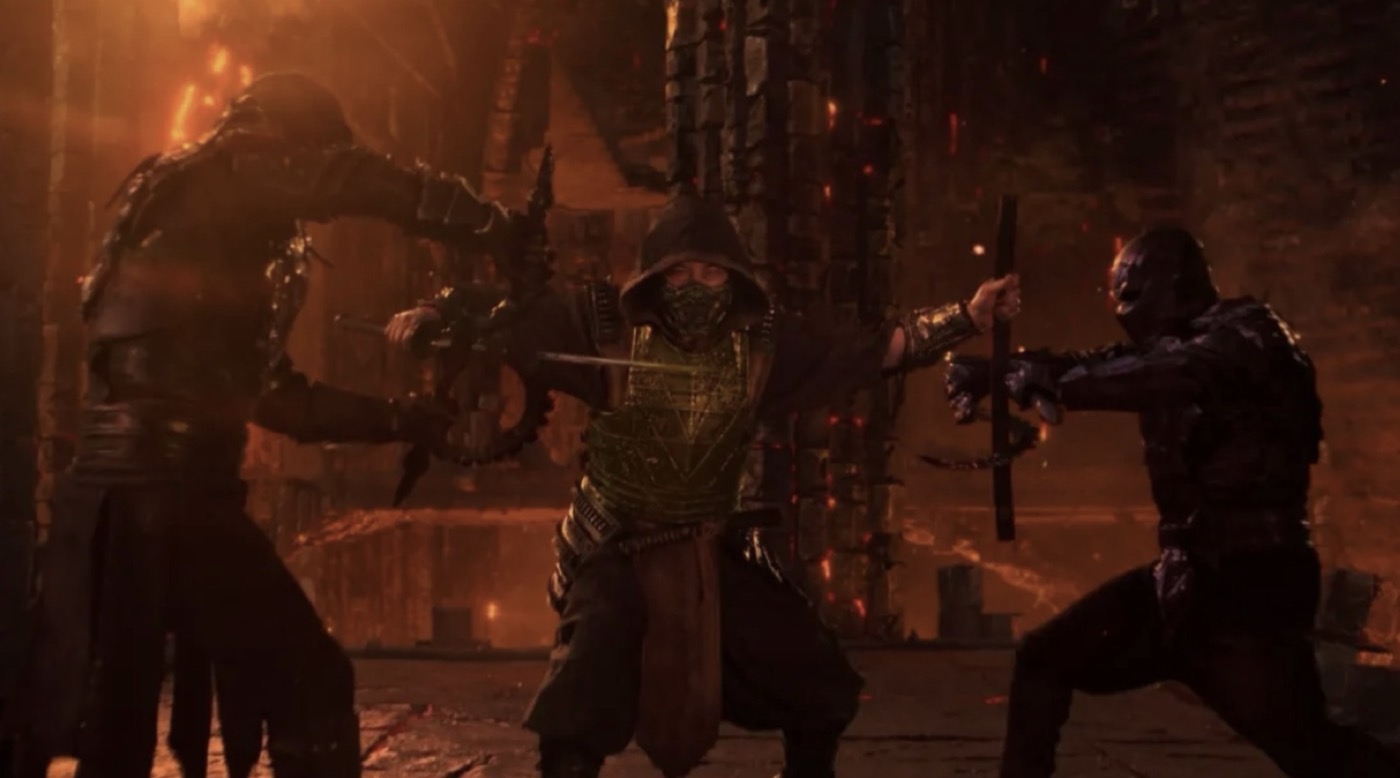
Mortal Kombat II isn’t just a string of fights; there’s a level of espionage and action-adventure happening alongside the combat. While it’s nothing groundbreaking, it helps break any sense of monotony as the Earthrealm team tries to find a magic amulet that’s making Shao Kahn invulnerable to injury during his bouts. The production design is handsomely put together, with real sets adding a sense of tangibility to proceedings. There’s also some great VFX to augment the action, although I felt the signature “fatalities” were grislier and gorier in the last movie — perhaps I’ve simply become desensitised.
One downside of the sequel is that the returning characters feel a bit lost and don’t progress much. Raiden is always something of a cipher, but he’s incapacitated for a long stretch here. Sonya is present, but newcomer Kitana is a more interesting female lead. Jax and Liu Kang don’t have much to do this time, and it’s notable that Cole Young suddenly feels like a side character on borrowed time — which is bizarre considering he was ostensibly the core of the ensemble last time. Honestly, it makes sense that a new screenwriter would want to focus on new characters, but some of the legacy ones feel underserved and wasted. Only Kano’s return is handled well.
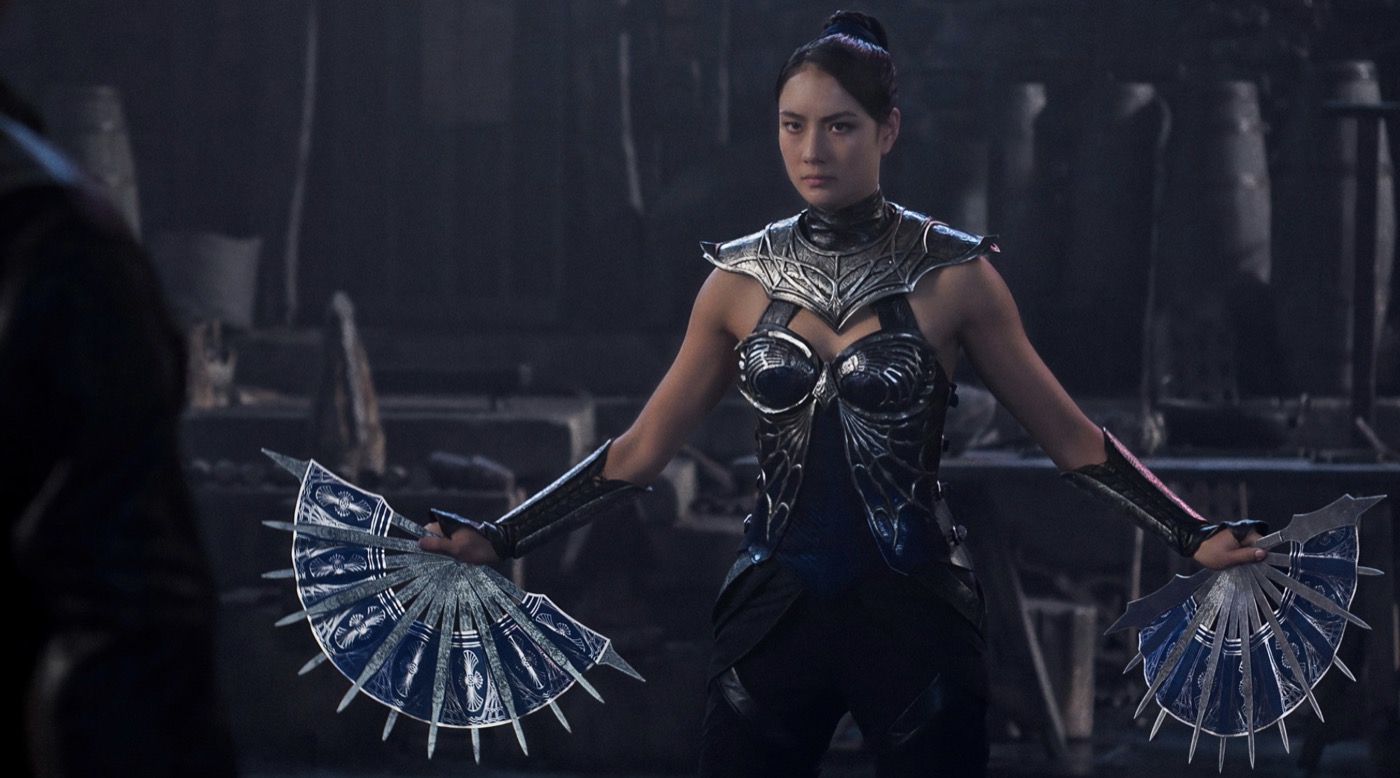
I did really enjoy Kitana’s role in the film, however. Adeline Rudolph (Chilling Adventures of Sabrina) makes a great impression as the daughter of the late King of Edenia, whose people are oppressed by Shao Kahn. This leads to her becoming her enemy’s surrogate “daughter” (shades of Gamora and Thanos from the Marvel films), while she secretly works with Lord Raiden to overthrow her father’s killer. Rudolph looks fantastic and feels authentic performing the martial arts — despite only having a month’s training — and her character arc delivers the most emotional weight. Again, it’s all fairly generic fare we’ve seen before, but it’s executed well.
Overall, Mortal Kombat II is a slightly more polished version of the first film, benefiting from having the titular tournament to revolve around. The fights come at a steady pace and are consistently fun to watch; the comedy mostly delivers; and Karl Urban just about makes his miscasting work for an older, weathered Johnny Cage. The violence and bloodshed are satisfying, the high-fantasy environments feel tangible, and the whole production looks great. Surprisingly, I’m rather eager for a third round.
USA | 2026 | 116 MINUTES | 2.39:1 | COLOUR | ENGLISH SPANISH

director: Simon McQuoid.
writer: Jeremy Slater (based on the video game series by Ed Boon & John Tobias).
starring: Karl Urban, Adeline Rudolph, Jessica McNamee, Josh Lawson, Ludi Lin, Mehcad Brooks, Tati Gabrielle, Lewis Tan, Damon Herriman, Chin Han, Tadanobu Asano, Joe Taslim & Hiroyuki Sanada.