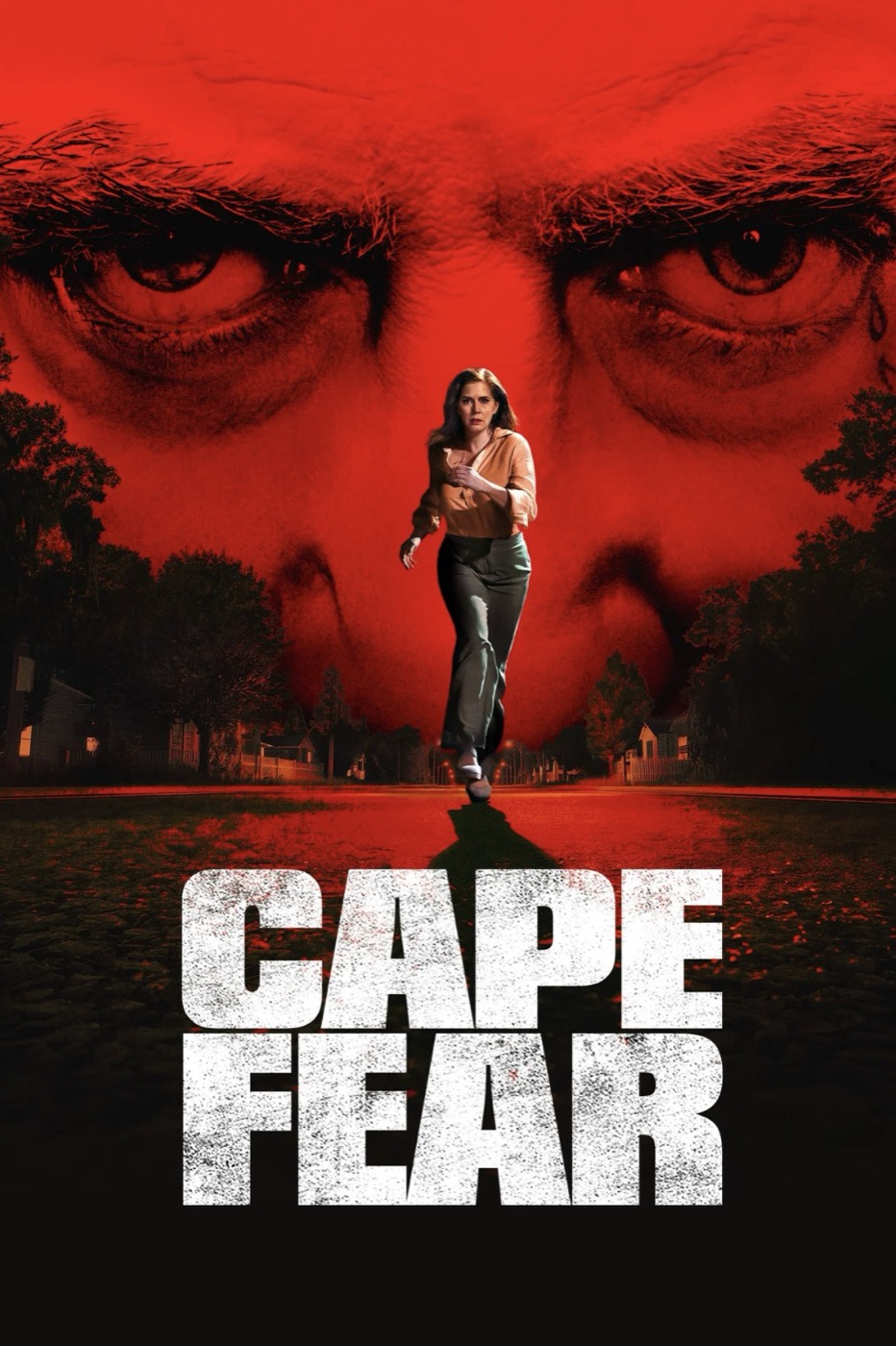
CAPE FEAR – Miniseries (2026)
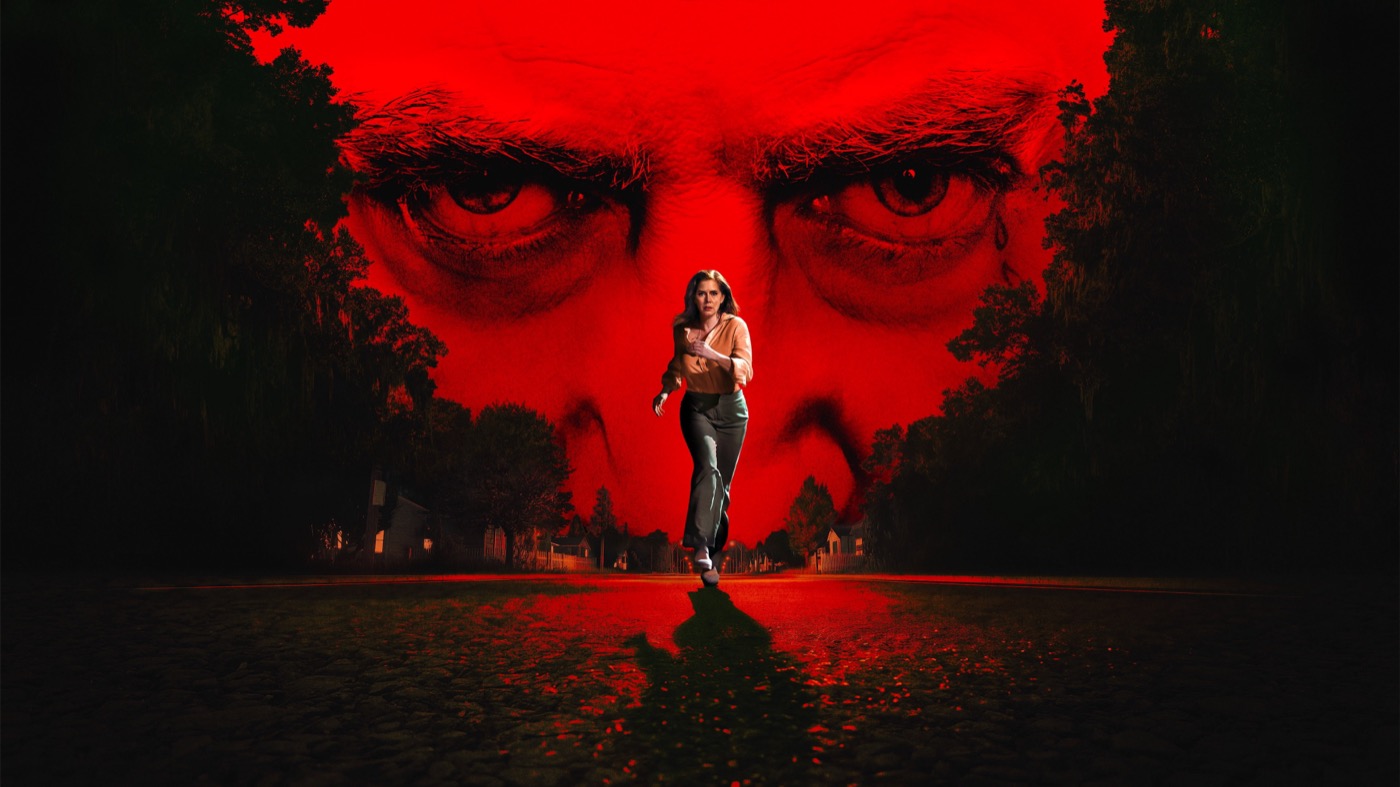
A happily married couple faces a growing threat when a notorious killer from their past is released from prison and seeks revenge.


A happily married couple faces a growing threat when a notorious killer from their past is released from prison and seeks revenge.
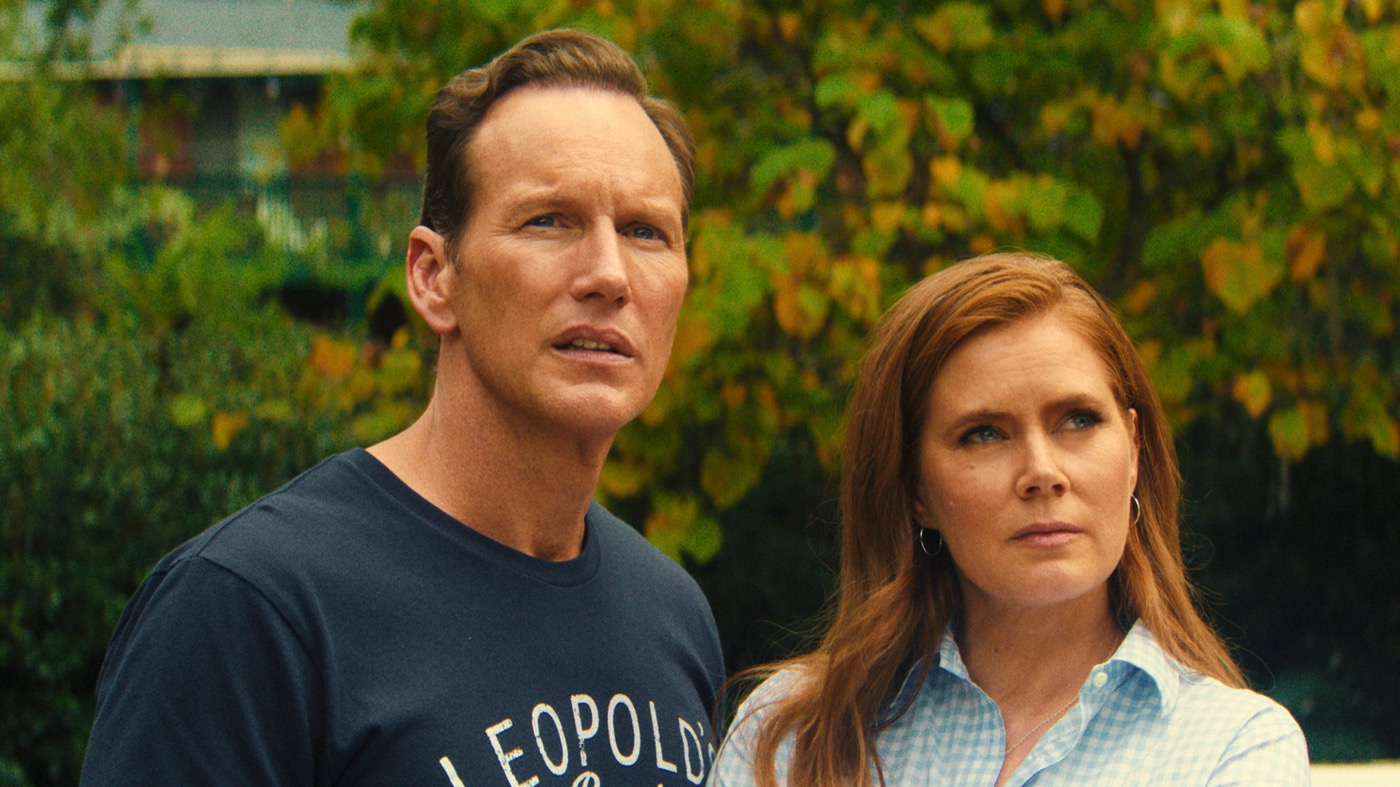
At a suburban barbecue in Savannah, Georgia, just about everything seems peachy and idyllic. Lawyers Tom (Patrick Wilson) and Anna Bowden (Amy Adams) are preparing food for another couple by the poolside. Cut to a dishevelled woman in a dark house whose walls are covered with morbid news clippings from a murder trial. She’s crying and writing what turns out to be a love-letter/suicide-note to a convict. She holds a gun against her head before pulling the trigger—twice. As far as openings go, this juxtaposition sets up Apple TV’s Cape Fear for a morbid, 10-episode journey about the nature of evil and the inevitability of revenge.
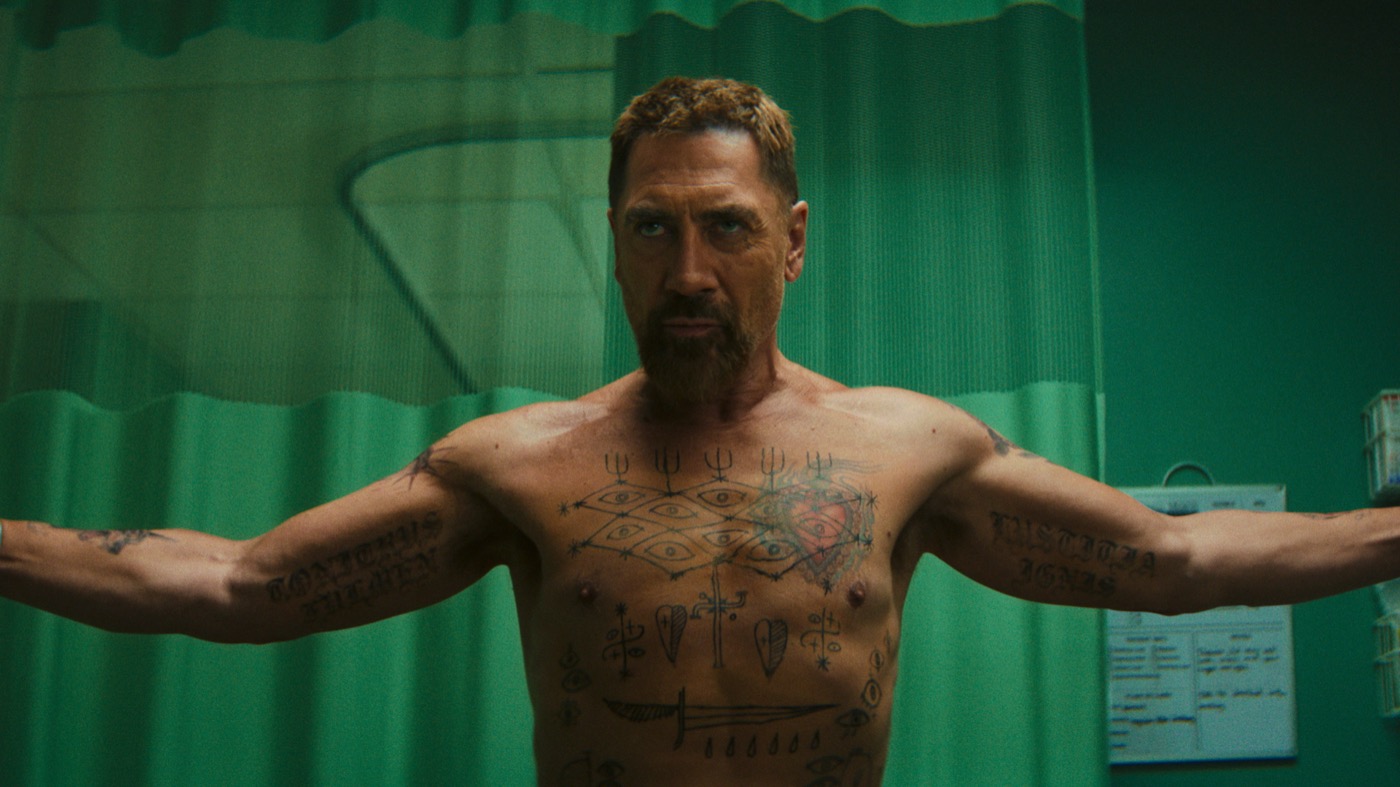
Max Cady (Javier Bardem) has spent the past seventeen years in prison for murdering his wife. Now released, he’s convinced that the two people responsible for destroying his life—the prosecutor and defence attorney in his case, who are now happily married with teenage children—owe him far more than an apology. What follows isn’t a straightforward revenge tale. The pacing is slower, but the series exhibits strong performances and impressive production values.
However, this rendition of Cape Fear isn’t immune to problems, namely that it plays with audience expectations at every turn. The source material, John D. MacDonald’s novel The Executioners, is preserved in its core premise: a violent man, newly released from prison, returns to take revenge on the family he believes destroyed his life.Through physical and psychological intimidation, he sets out to show his enemy exactly what it feels like to lose everything. The central question as we watch Cady uproot the Bowden family’s life (subtlety is the key word here) is whether this formula works as well, if not better, over ten episodes instead of a two-hour film. Tension, rather than gruesome horror, is the critical element.
As with any remake, it must contend with what came before. The new series establishes a distinct mood straight away, thanks to composer Jeff Russo taking over Bernard Herrmann’s original score, injecting an iconic theme that fills the viewer’s ears with familiar dread. The colour palettes are evocative in their visual contrasts: the monochrome of the past spent in prison set against the glossy reality of the suburban present.
Remakes tend to subvert the original—in some cases outrageously so—but they rarely justify themselves enough to satisfy audiences who already know the story. This is an ironic twist considering the famed Martin Scorsese-directed 1991 film—starring Robert De Niro, Nick Nolte and Jessica Lange—was itself a remake. The original version was released in 1962, directed by J. Lee Thompson, written by James R. Webb, and starred Robert Mitchum and Gregory Peck. One element that hasn’t changed across the various adaptations of Cape Fear is the calibre of the talent involved. Each has its share of narrative issues, yet every version understands the same essential truth: suspense matters more than immaculate plotting.
It’s safe to say that the 1991 version excelled on most, if not all, fronts. De Niro was terrifying, and the plot progressed naturally towards a climax that viewers are unlikely to forget. However, the Scorsese film’s real flaw, at least to modern audiences, was failing to give Jessica Lange’s Leigh Bowden much character beyond being the wife to Nolte’s Sam Bowden. She raises his child (played by Juliette Lewis) and smokes heavily; nevertheless, Lange was brilliant.
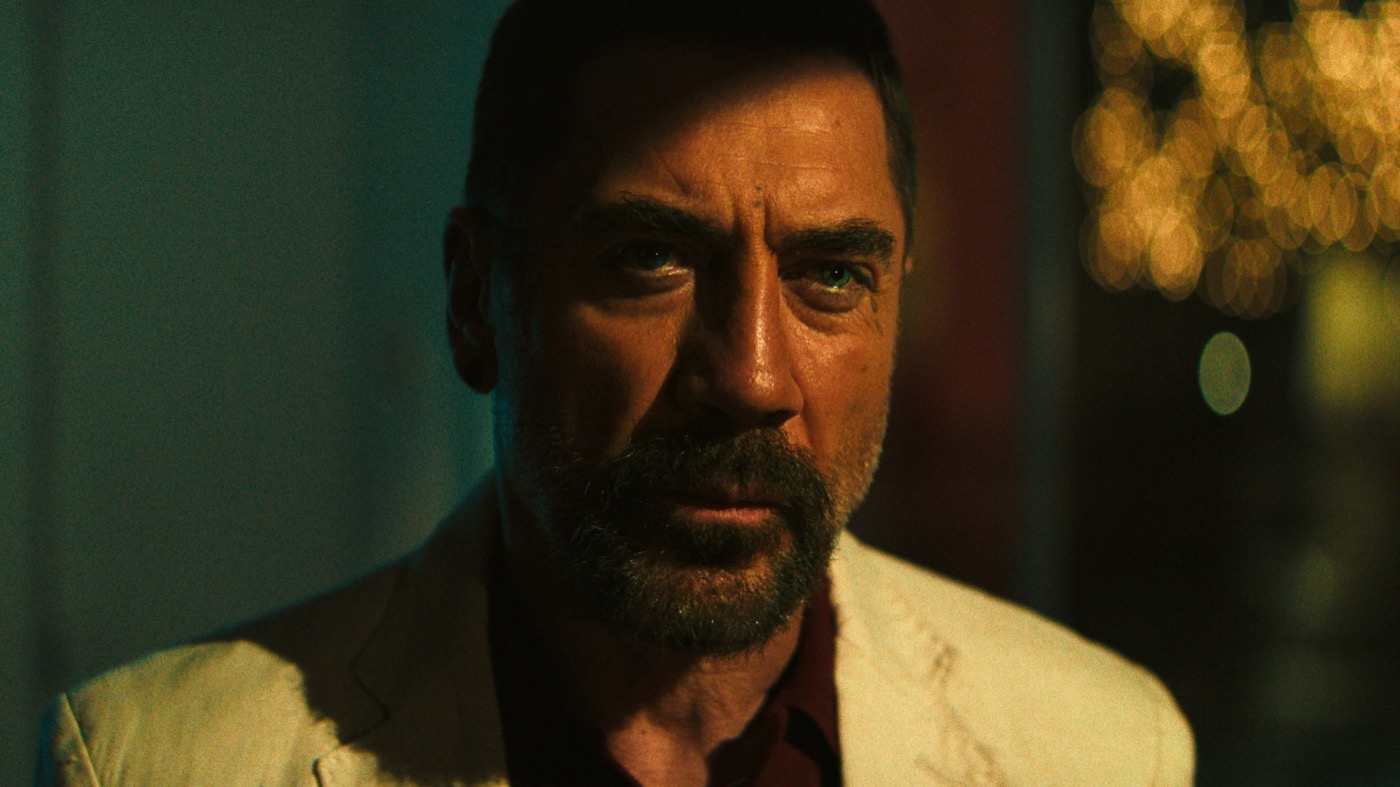
This time around, Anna Bowden is placed squarely at the centre of the narrative. Anna served as Max Cady’s defence attorney during the case that sent him to prison and sparked this whole revenge plot. Patrick Wilson, playing Tom Bowden—the prosecutor in that very case and now Anna’s husband—gives greater weight to Cady’s growing rage. It also raises an intriguing moral question: can two people serve justice when their personal and professional lives are so deeply intertwined? The fallout from that question forms the basis of the series, as Bardem’s Cady—now wealthy and training dogs—stalks the Bowdens. He pops up in their lives sometimes like a ghost and at other times like a stubborn neighbour, whatever the distinction in the suburbs may be.
Although Adams and Wilson are gifted actors, their characters spend the majority of the series trading southern accents and hesitating during tense conversations, with only hints pointing to their shared secret about Cady. Natalie (Lily Collias) and Zach (Joe Anders) fare little better in terms of characterisation. Although their lives are constantly at risk,audiences may find it difficult to invest in them. As the series progresses, however, their dynamic with Cady adds crucial momentum to the story. Scenes between Natalie and Cady are often fraught with tension—such as the car ride in episode seven—and Tom’s scenes are never more compelling than when he is visibly terrified of Cady’s presence.
Fortunately, the supporting cast helps fill an important void. Ted Levine and Ron Perlman deliver compelling performances as fathers on opposite sides of the moral spectrum—at least initially. While one pursues his daughter’s forgiveness, the other is disturbingly disappointed by his son’s presence. Yet their characters make less of an impact than promised, given the actors’ abilities. Juliette Lewis is equally memorable in a role entirely different from the character she played opposite De Niro in 1991. This writing achievement fits neatly with Nick Antosca’s profile; as a talented screenwriter, much of his influence is felt in the tense scenes that reveal Cady at his most terrifying and darkly endearing.
One point of discussion Antosca’s series puts forward is whether a story is only as good as its villain. You’re likely to come away contemplating this more than anything else. Casting Javier Bardem as Max Cady is the single best decision casting directors Ellen Lewis and Anne Davison could have made—which is saying a lot, considering Wilson and Adams star opposite him as the leads.
This comes as no surprise. It’s not that Bardem chooses to play great characters; rather, he plays his characters greatly.Anyone who’s seen the Coen brothers’ No Country for Old Men (2007) will remember his supporting role as Anton Chigurh—the hitman with the strange haircut who hunted Josh Brolin’s character with a captive bolt pistol. It earned him a well-deserved Academy Award. His interpretation of Max Cady is no different. He commands far more screen time across the ten episodes than he had in the Cormac McCarthy adaptation, where he fittingly played the embodiment of evil.
Just as Bardem embodied pure malice in No Country for Old Men, in Cape Fear he seems to personify suspense itself. We never quite know what’s going on inside his head, partly due to the brain injury he suffered while defending himself in a prison fight. This ambiguity comes through in the scenes he shares with Adams and Collias. He speaks more quietly, almost softly, with women. It suggests a tenderness he can’t untangle from the memory of his deceased wife and son, even while making it clear that fury still rumbles in his voice and burns in his eyes. Bardem’s Cady is less theatrical than De Niro’s, but no less dangerous.
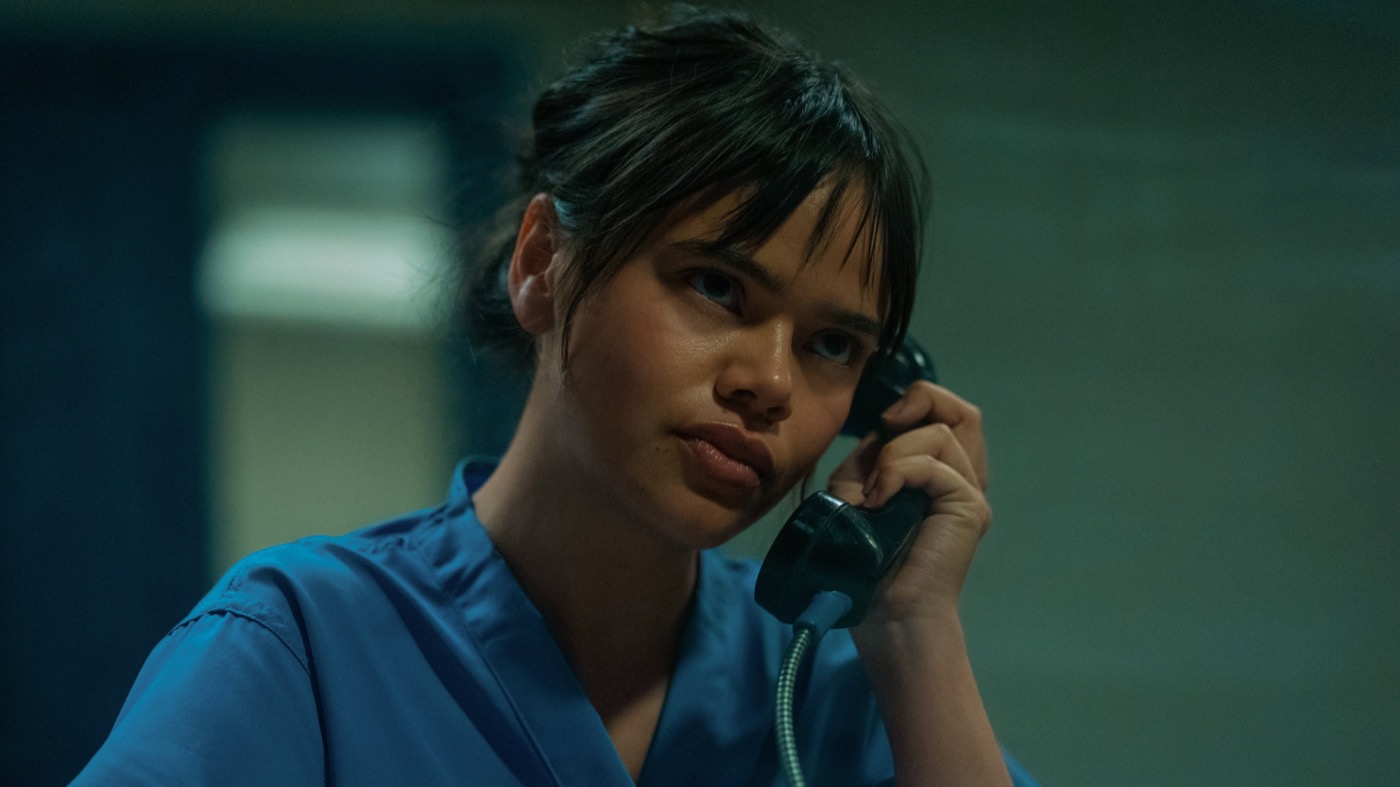
Yet it’s the newer storylines involving Cady’s deeply disturbed daughter Nevaeh (Malia Pyles) and the unsettling incest subplots that some may feel push the series off course. Given Cape Fear‘s reputation as a psychological thriller with sinister undertones, we’re left weighing whether this particular taboo is needed to heighten the terror, or whether it simply pushes the material into southern gothic melodrama.
USA | 2026 | 10 EPISODES | 2.35:1 | COLOUR • BLACK & WHITE | ENGLISH

writers: Nick Antosca, Andre Jacquemetton, Maria Jacquemetton, Alan Page Arriaga, Tara Shivkumar, Peter Blake, Brian Evenson, Greg Goetz & Diana Pawell (based on ‘The Executioners’ by John D. MacDonald & ‘Cape Fear’ by James R. Webb).
directors: Morten Tyldum, SJ Clarkson, Amanda Marsalis, Steven Piet, Trey Edward Shults, Jon S. Baird, Stephen Williams & Jonathan Van Tulleken.
starring: Javier Bardem, Amy Adams, Patrick Wilson, Joe Anders, Lily Collias, CCH Pounder, Malia Pyles & Juliette Lewis.