BLUE JAY (2016)
Meeting by chance when they return to their tiny California hometown, two former high-school sweethearts reflect on their shared past.


Meeting by chance when they return to their tiny California hometown, two former high-school sweethearts reflect on their shared past.
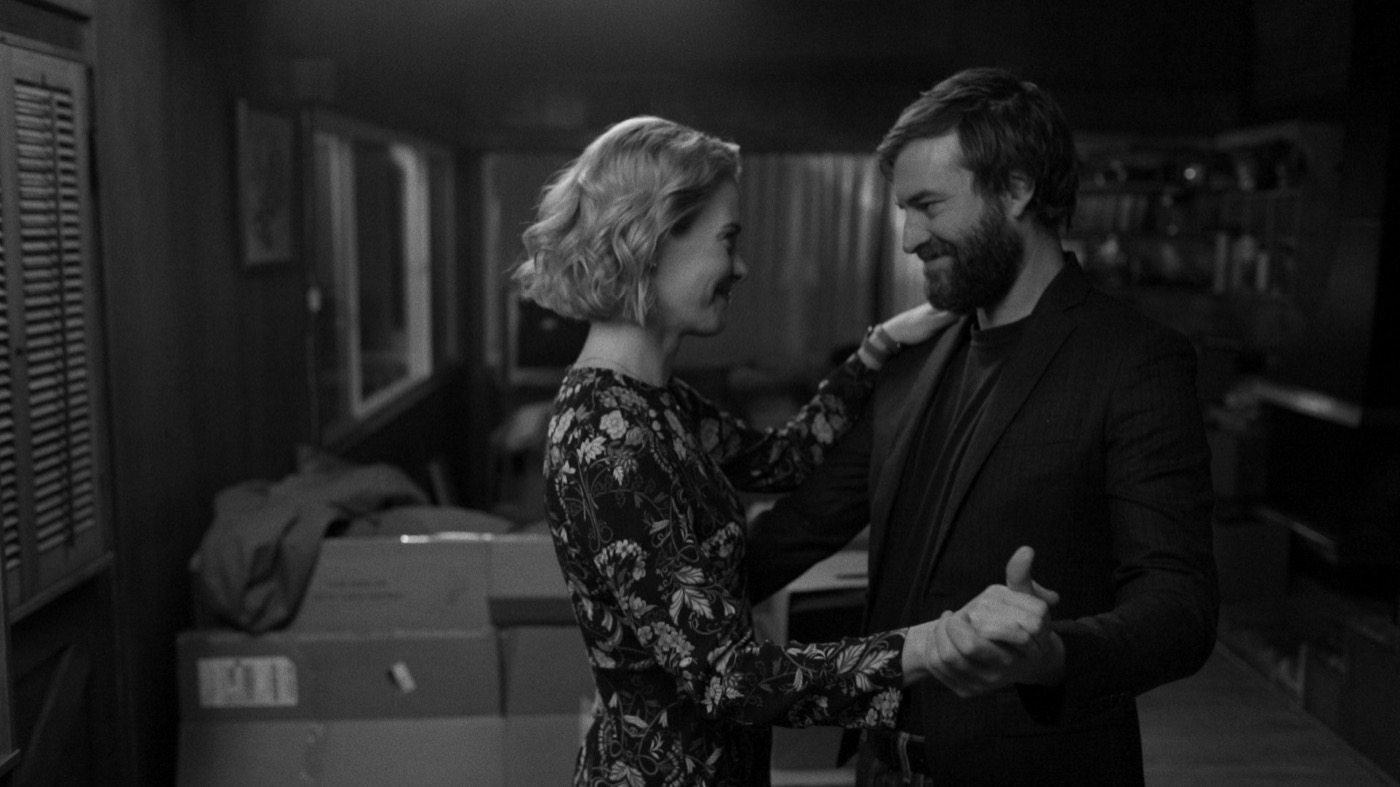
Blue Jay is a moving tribute to what could’ve been. More specifically, it’s a bittersweet reflection on the ways the past segments us into different versions of ourselves, and the wonder and sorrow that can be dredged up when we reconnect with those old selves. The focus of these mixed emotions is the love between high school sweethearts Jim (Mark Duplass) and Amanda (Sarah Paulson), which—as they soon learn after a chance meeting in their hometown supermarket—hasn’t died. It’s merely taken a new shape, even if awkward pleasantries must be exchanged and uncomfortable interactions endured to reconnect with that feeling. In crossing that uncomfortable bridge, the pair are forced to reconcile with the gulf of emotion that still exists between them. But time—at least 20 years of it since their break-up—has changed them irrevocably.
Filmed over seven days in Crestline, California, no information on Blue Jay’s production budget is available online to my knowledge, but it can’t have been significant. Nor were the distribution rights, in all likelihood, given that the mostly single-location indie drama had a limited theatrical release before appearing on Netflix. It’s a very brief film,with a runtime of exactly 80 minutes, and could easily have been forgettable. Yet stepping through time to watch the rekindling, blossoming love between these protagonists is nothing short of a revelation. Blue Jay’s screenplay, helmed by Duplass with significant improvisation from both him and Paulson, deftly moves through a single day in the pair’s lives as they find themselves unable to give up on one another.
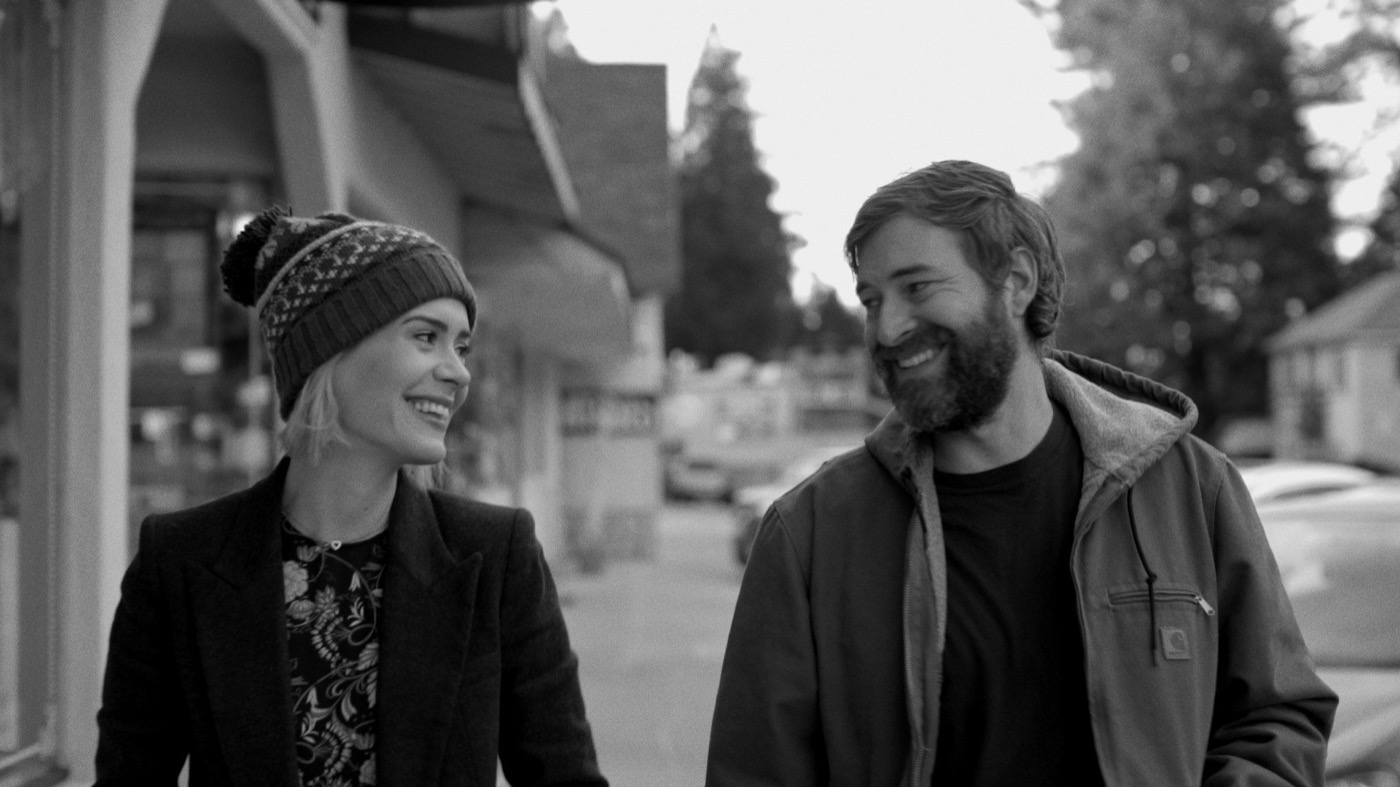
What’s most affecting is how love can be so deeply felt yet so fleeting. If Jim and Amanda don’t capitalise on the joy of this chance encounter, it’ll be lost forever. It almost was: Jim notices Amanda before she notices him, his expression conjuring up a longing to connect that’s quickly suppressed by the desire to pretend she isn’t there. He quickly looks away. A few seconds later, she undergoes the exact same process. The precise circumstances will be different for everyone, but anyone reading can relate to the awkwardness of this kind of interaction.
Blue Jay is remarkable in that it takes so little time to understand exactly where these characters are in their own lives and in each other’s. That’s partly down to director Alex Lehmann, making his directorial debut, and the sensitivity and unobtrusiveness of his direction. It feels as if you’re a fly on the wall as you watch these two characters share information about their present lives, then rediscover the parts of themselves that went dormant when their relationship ended.
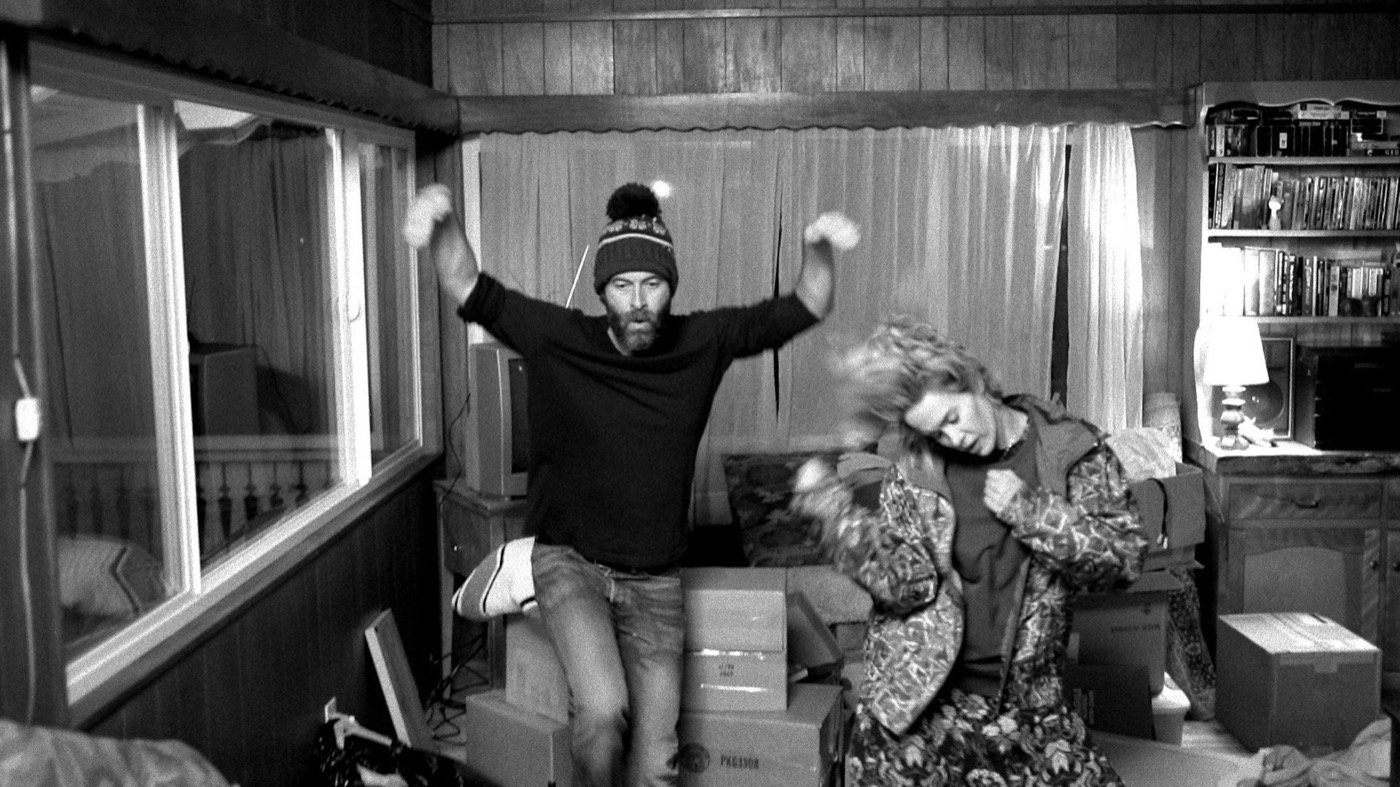
There’s never anything clinical or cold about Blue Jay’s visuals; even the film’s black-and-white colour palette succeeds in lending an air of romanticism and melancholy to Jim and Amanda’s interactions. You’re drawn into this world as naturally as the former couple are, grimacing at the bumps in their initial conversation, hoping they’ll act on the inevitability of their prolonged reunion, and watching with bated breath as they confront the dissolution of that old love (and the new forms it’s taken). The film doesn’t leer at their misery or pulverise it for hollow emotional blows,showcasing bittersweet beauty at almost every turn.
To say Duplass and Paulson carry the film feels redundant given that every moment lives or dies on their performances.Hardly any other character is even in sight, let alone given room to showcase their personality. Blue Jay is squarely focused on these two people and the fateful day of their reunion, with both performers directing and redirecting a natural chemistry that many filmmakers would give an arm and a leg to bottle and use in other projects. If only it were as easy as Duplass and Paulson make it seem.
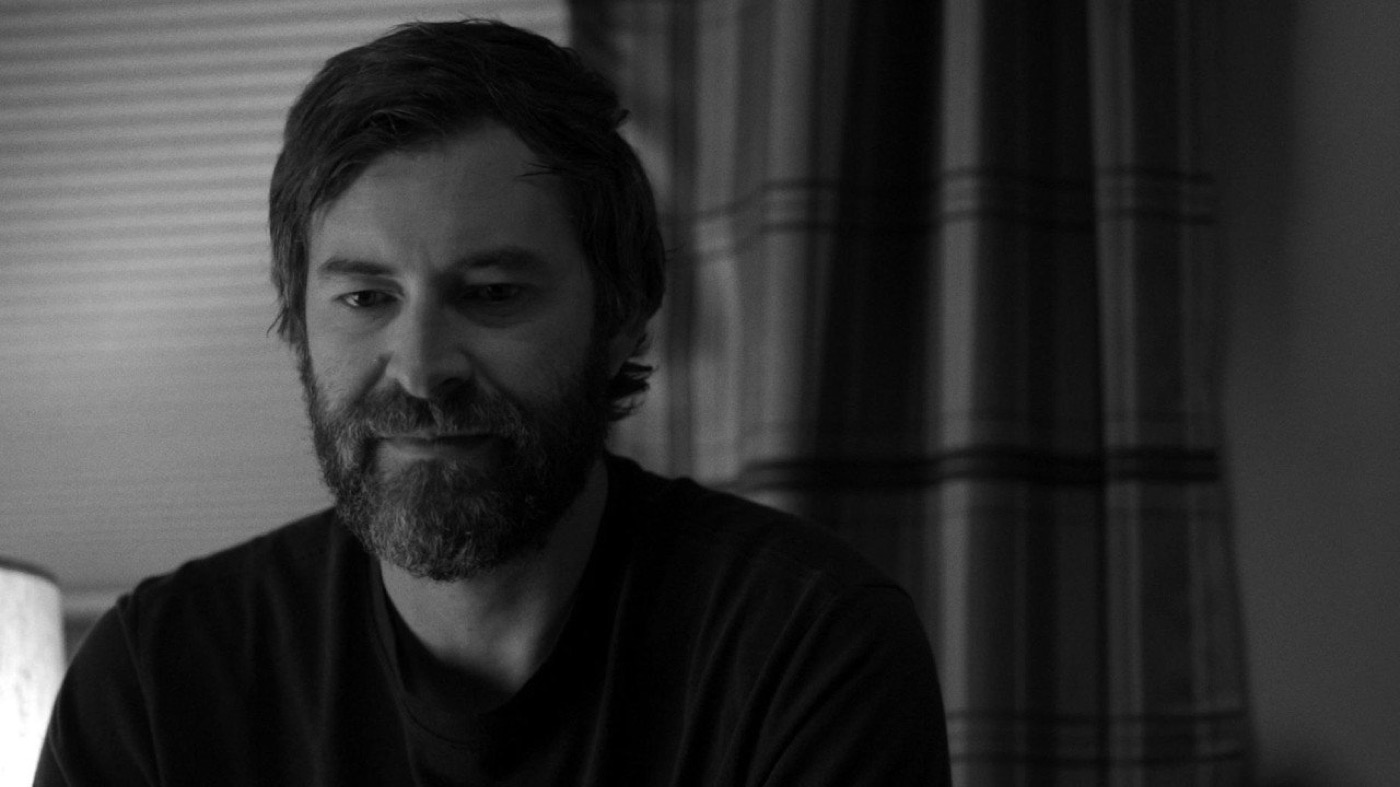
There’s an ease to both characters when they’re in one another’s company that spellbinds, offering an entire history of a relationship through the shorthand of their present-day conversations. How is it even possible for this to happen when we have no idea what Amanda and Jim are like in the company of others, or in their daily lives? It’s a logical question that doesn’t mean a thing when it brushes up against the weight of Paulson and Duplass’s effortless chemistry and raw emotion, where you feel as if you’ve known these people all your life after just a few minutes.
It’s also clear that the script builds on each performer’s individual strengths; Duplass is a marvel at displaying a valiant yet unsuccessful effort to disguise his pain, often doing so through a grin, whilst Paulson’s smile is radiant and open,bearing no secrets. These are just small components of either performance, but it’s in little details like these that Blue Jay develops the intense bond and history between these characters.
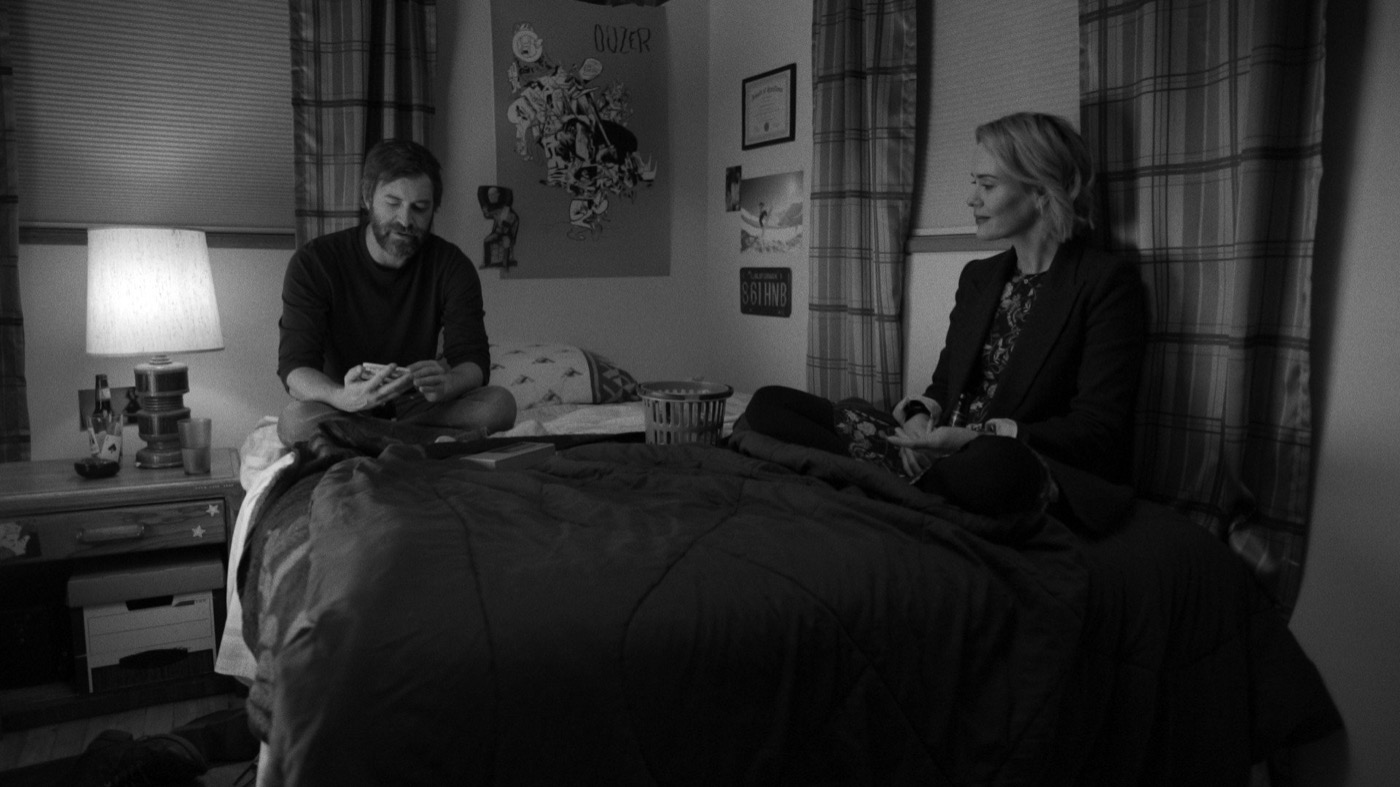
Aside from Blue Jay’s awkward opening few minutes, where Jim and Amanda test out their sentences on one another with mutual discomfort—as though wishing they hadn’t bothered acknowledging each other’s existence—the film follows a fairly repetitive formula. Viewers are conditioned to sit and wait for the next earnest, wistful reminder of the past to be unearthed.
Thankfully, this formula is delivered so smoothly that it’s never a major problem, just a slight impediment along the devastating yet life-affirming journey Blue Jay takes you on. For anyone doubtful that a lifetime’s worth of emotion can be conveyed in 80 minutes, or for viewers tired of movies featuring a haze of visuals without any feeling to hold them up, Blue Jay is a bruising, healing experience—proudly small-scale even as it holds the world in its palm across its short runtime.
USA | 2016 | 80 MINUTES | 1.85:1 | BLACK & WHITE | ENGLISH

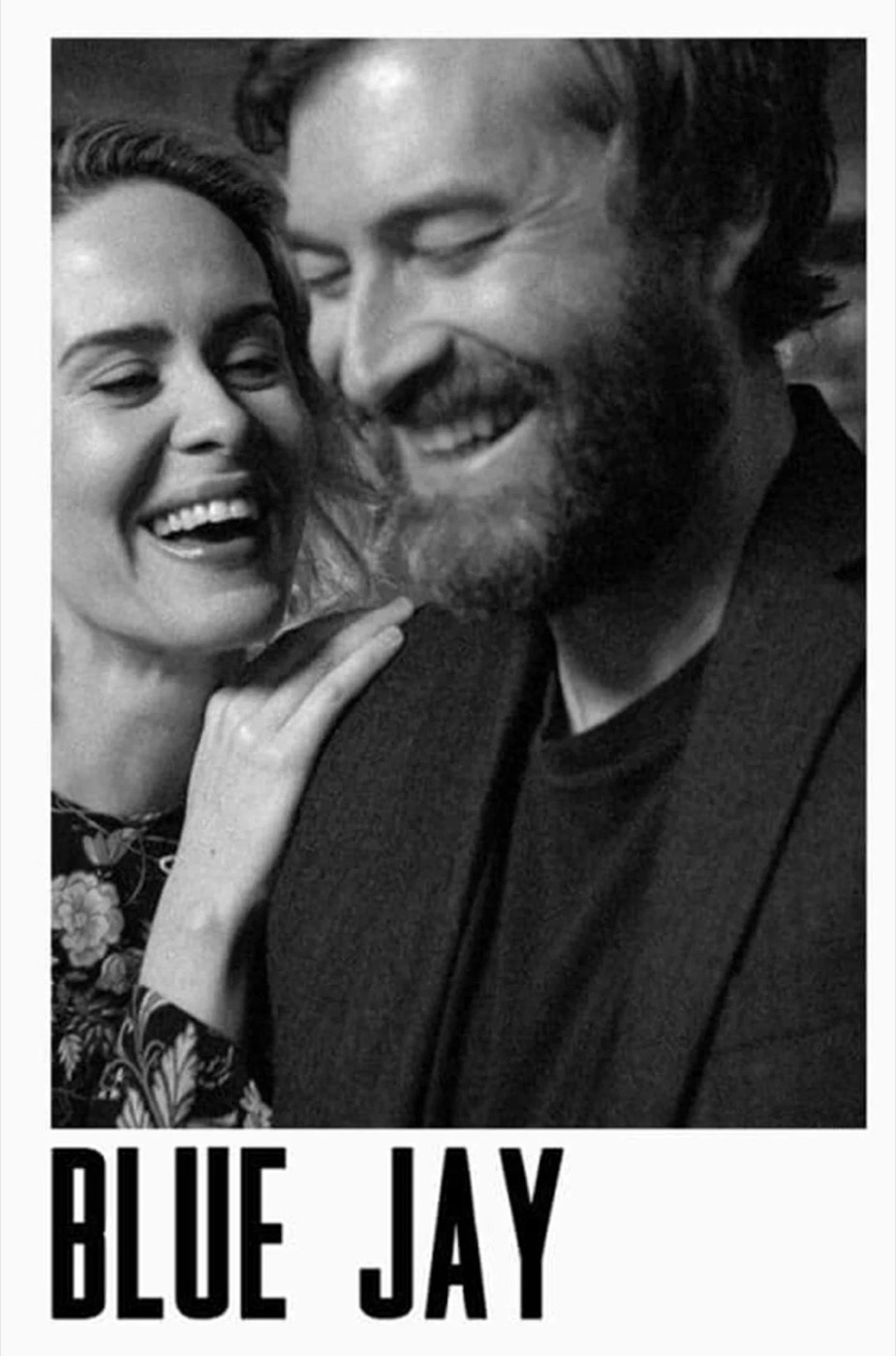
director: Alex Lehmann.
writer: Jay Duplass.
starring: Mark Duplass, Sarah Paulson & Clu Gulager.