SLEEPERS (1996)
A reporter and a District Attorney help childhood friends who killed a sadistic guard.


A reporter and a District Attorney help childhood friends who killed a sadistic guard.
Few storytelling backdrops are as rife with clichés and grating dialogue as those centred on the experiences of white ethnic youths in mid-20th-century America (usually Italian or Irish-Americans, and almost always set on the bustling, poverty-stricken streets of New York City). Much of the dialogue is written for slick-haired balls of grease in human form, where it is hard not to imagine a casual catcall aimed at an unfortunate young woman, with a tut or two thrown into the mix.
These stories delight in capturing the ethnic qualities of not-quite-white Americans, harking back to a nostalgic time when the creators’ whiteness had not yet been assimilated into what is now seen as the norm (and thus somewhat boring). These were flavourful times for these groups, replete with wild gestures and flashes of unique cultural viewpoints. That is why these films feature fiery passions with emotions running high. In the same way that films striving to be cool often fall flat on their face—since cool is something that intellectualising or affectation cannot begin to muster—these films’ reverence towards their cultural influences often comes across as a strained effort to parade their ethnic pride. That would be admirable were it not for the gimmicky dialogue, well-worn plots, and trope-laden characters.
At the same time, it is fascinating to imagine what life must have been like in the run-down parts of bustling urban centres, where working-class men and women were once able to get by in these grand cityscapes at the cost of the grim world surrounding them. Sleepers, Barry Levinson’s 1996 film exploring the lifelong ramifications for four young boys sentenced to juvenile detention, rests somewhere at that intersection of trope-laden drudgery and genuine excitement in revelling in the period, landing appreciably closer to the latter. It does not fully escape the clutches of these clichés, but it uses that sense of verve—so often delivered lifelessly elsewhere—to turn this world into a vibrant playground for the four friends to run amok. Later, when the bonds of boyhood are severed and they reflect on their corrupted innocence, it becomes a bygone memory, making them simultaneously happier and sadder for having experienced it.
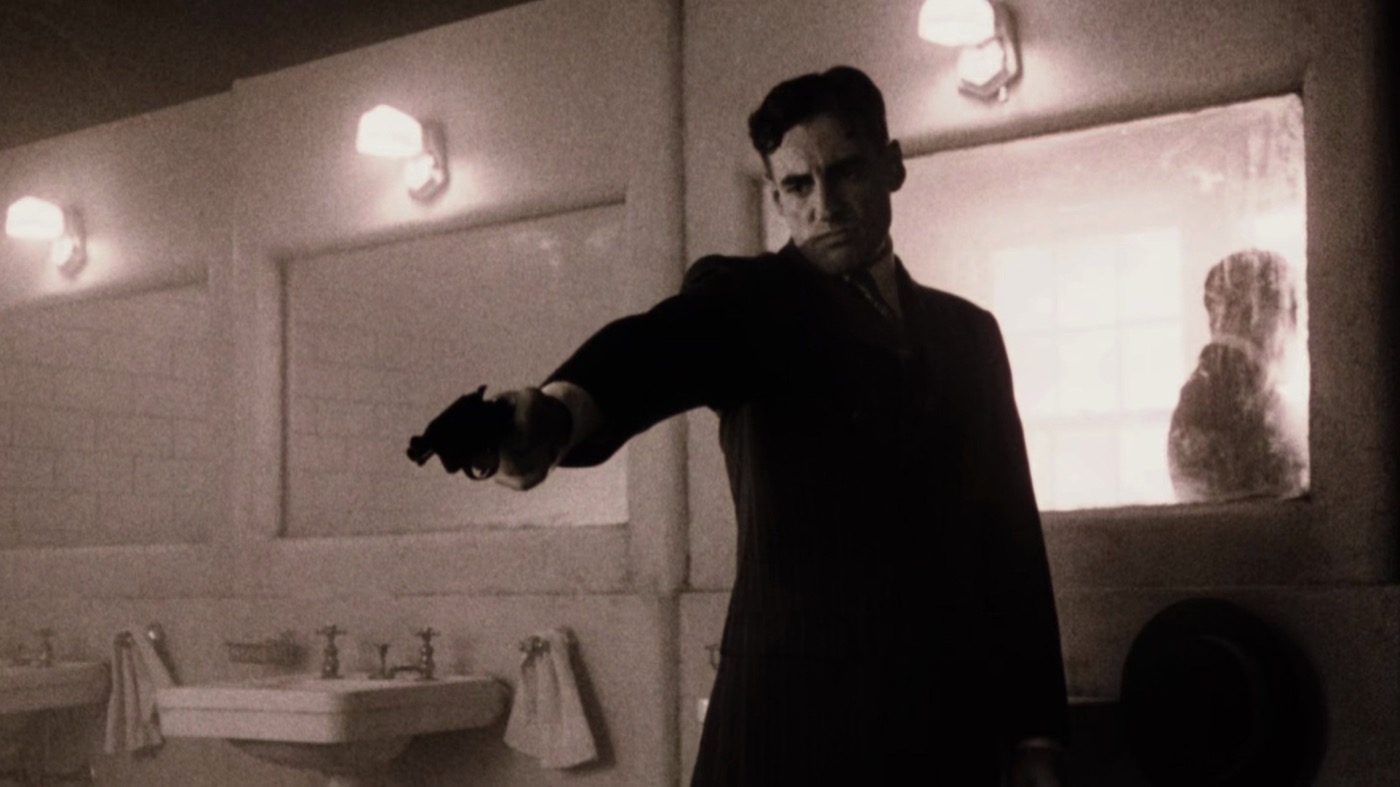
The four friends are Lorenzo ‘Shakes’ Carcaterra (Joe Perrino and Jason Patric), Michael Sullivan (Brad Renfro and Brad Pitt), John Riley (Geoffrey Wigdor and Ron Eldard), and Thomas ‘Tommy’ Marcano (Jonathan Tucker and Billy Crudup). Though they have individual moments both to shine and flounder, the four form a tight-knit group—so much so that it is not always easy to differentiate between them. Were it not for Sleepers’ moments of tragedy, this would be to the film’s detriment. In boyhood, the group are as close as siblings; closer, even, because you cannot truly be yourself with siblings, whom most kids are compelled, for reasons unknown, to annoy. Nor can you completely be yourself with parents—how could you be, when they are responsible for your care and will almost certainly try to curtail any impulse towards recklessness?
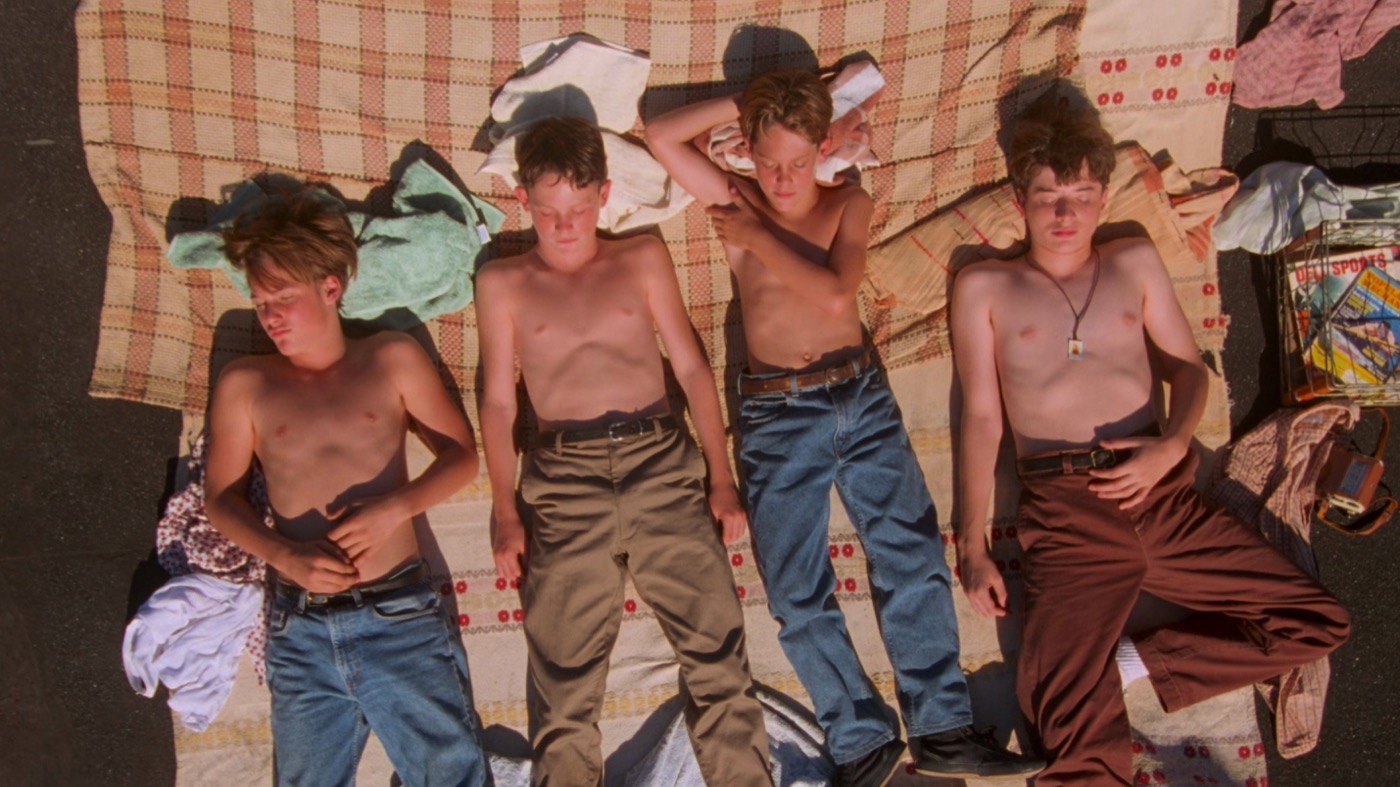
Not even the affection of girls conjures up the level of understanding and camaraderie shared among the boys, since there is no need to consider how they present themselves in one another’s company. Together, they are free to be entirely themselves. Together, they are reckless, out-of-control youths—the kind far easier to sympathise with on the silver screen than if you were to encounter their hijinks in person.
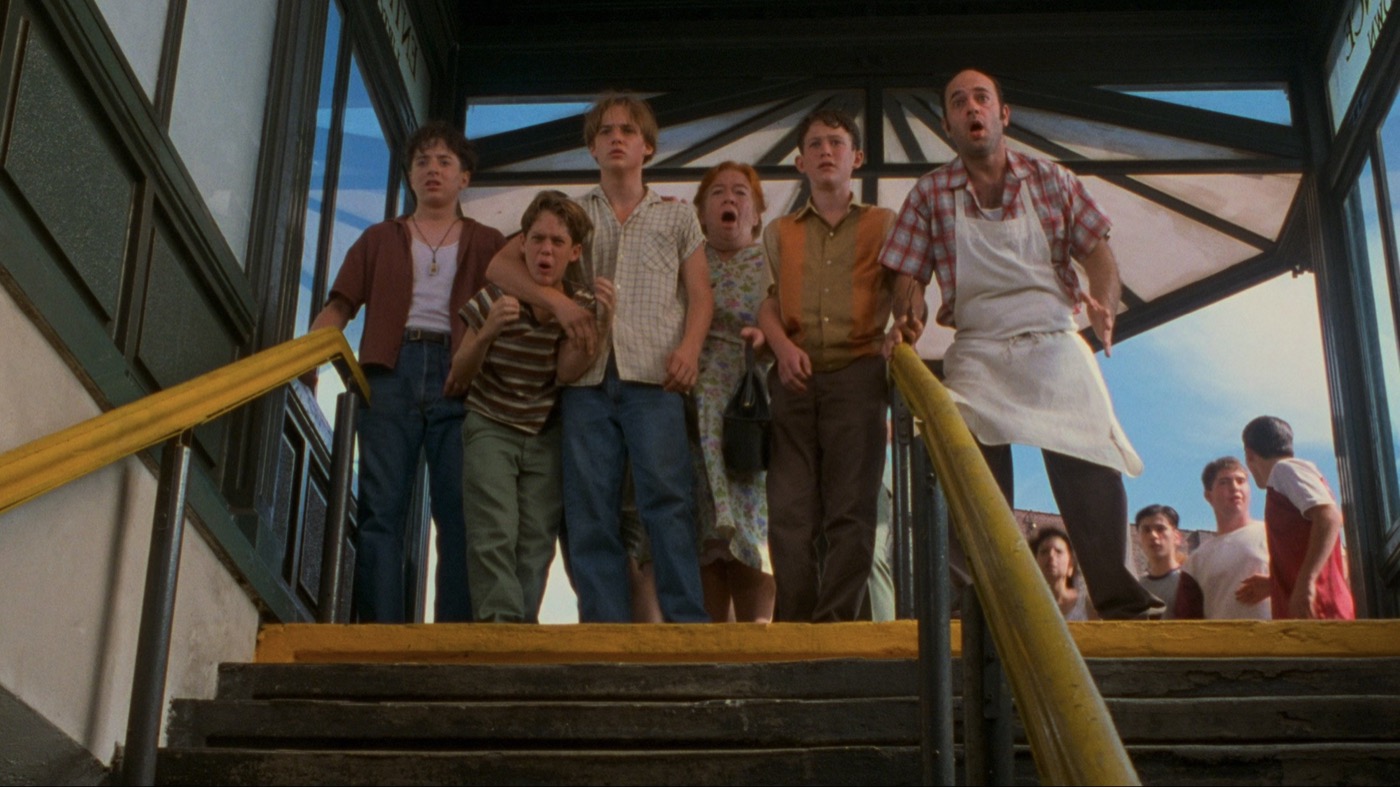
Shakes, the film’s narrator and our primary conduit through the story, conveys this idea well in the aftermath of a careless series of misadventures that end up affecting the boys far more profoundly than they could have imagined. It starts (relatively) innocently, with Shakes stealing a hot dog, prompting a mad chase by the vendor before his friends commandeer the now-empty cart. How could they have known that their stunt would accidentally leave a complete stranger seriously injured? They are as blind to the present as they are to the future, with Shakes remarking that the boys never thought to take pity on the vendor, who was simply trying to make an honest living when they harassed him in numerous ways.
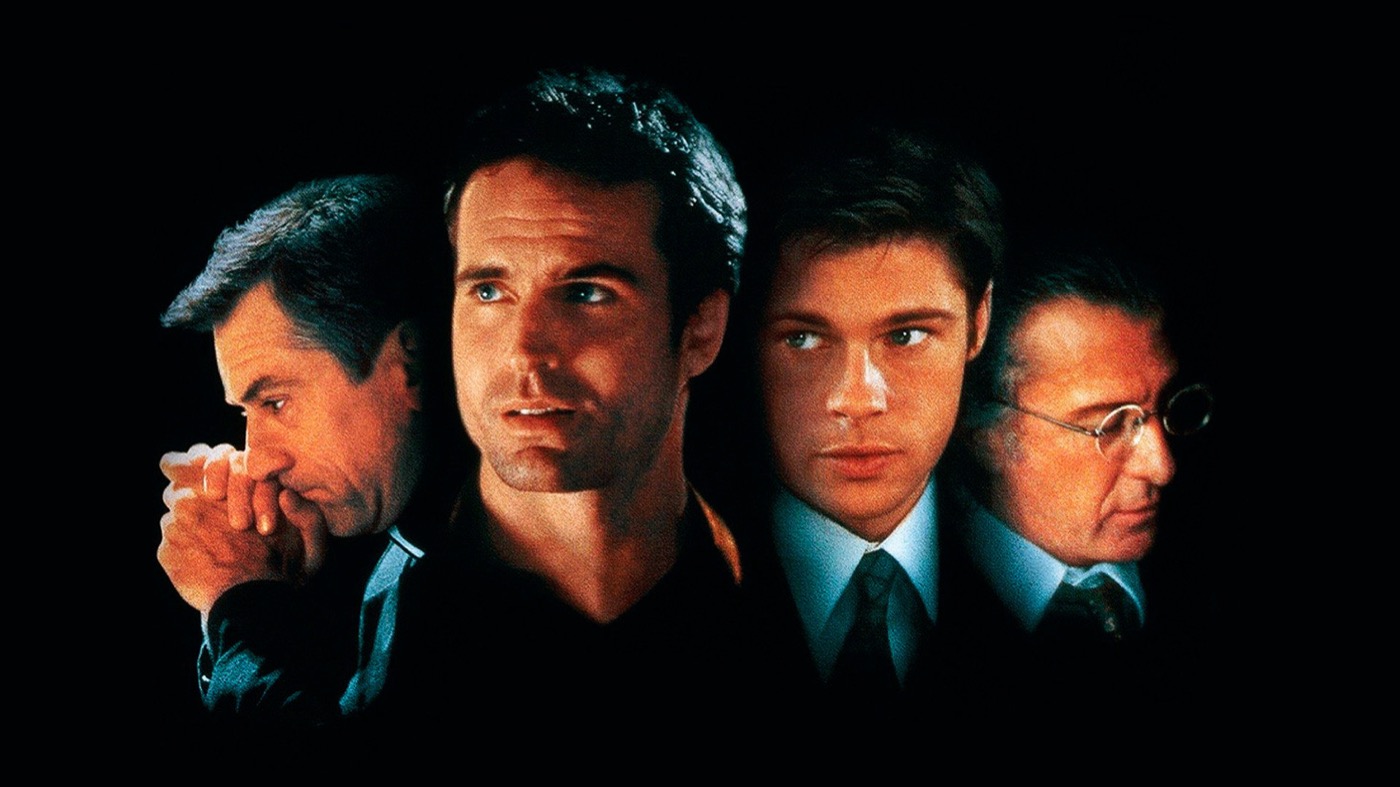
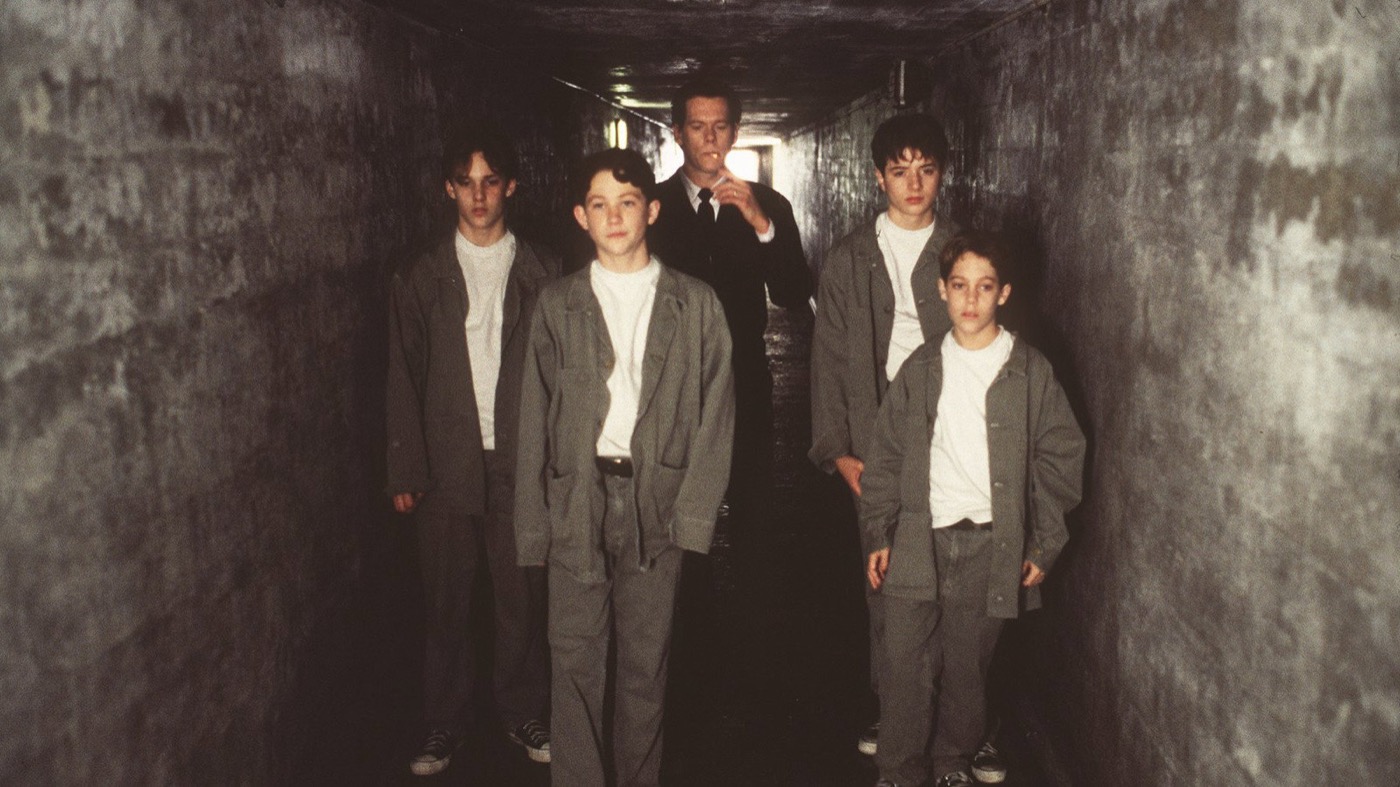
The four boys are not reckless louts you are trained solely to hate, admire, or be charmed by. There is genuine revelry in watching them weave in and out of passers-by and oncoming traffic amidst this mad chase, but sobering reflections are never far from the narrative focus. That becomes even more apparent during the boys’ time at the Wilkinson Home for Boys, a juvenile detention centre in upstate New York. From this point on, they are under the supervision of guards too pointedly villainous to be called merely cold-hearted or callous. They are monsters, none more so than Sean Nokes (Kevin Bacon).
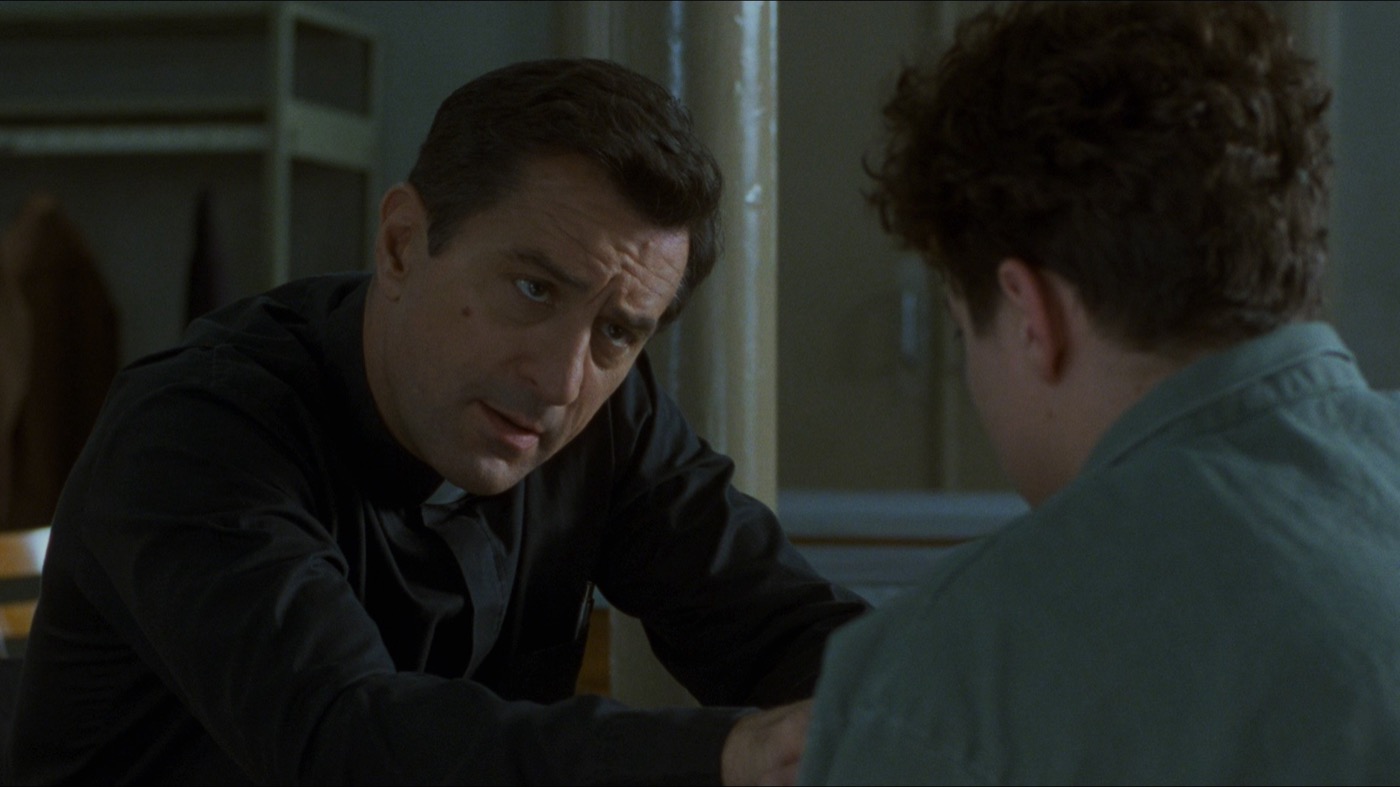
Yet the guards are not mere caricatures either. The colourful tropes of the boys’ time on the unforgiving New York streets—from the tutelage of local priest and reformed convict Father Robert ‘Bobby’ Carillo (Robert De Niro) to the presence of neighbourhood gangsters—are null and void at Wilkinson. It is as though they never existed. Shakes’ peers are sentenced to only 12 to 18 months of incarceration (Shakes himself receives just 6 to 12 months for his role in the accident), but the way the film drains their lives of colour makes it feel as though they have been condemned to a lifetime of captivity. Nothing seems to exist outside this detention centre.
Through rain-soaked backdrops, dour colour schemes, and ice-cold brutality from Nokes and his accomplices, Sleepersturns its charming depiction of reckless boyhood into an inescapable nightmare. The sexual abuse the boys endure is frequent. Though the descriptor may seem oxymoronic, the depiction of their abuse is—as it should be—uncinematic. Nokes plainly asserts what he wants; it is, after all, that easy for someone in a position of total power. What a few words or uncomfortable silences fail to provoke, the swift crack of the guards’ batons against bare skin will.
The film’s brutal and bittersweet moments are not without a few unwanted instances of cheesiness or saccharine sentimentality, but thankfully these are kept to a minimum. As the adult Shakes, Patric’s voice-over narration is plain-spoken and matter-of-fact, which occasionally gives the impression of bluntly dumping information on the audience.The abuse itself is handled remarkably well, especially for a mainstream mid-90s production, but there are occasional flashes—a quick cut, for instance—that cheapen the story’s trauma by staging classically dramatic showdowns.Sleepers’ reliance on these showdowns is, in many ways, its greatest flaw.
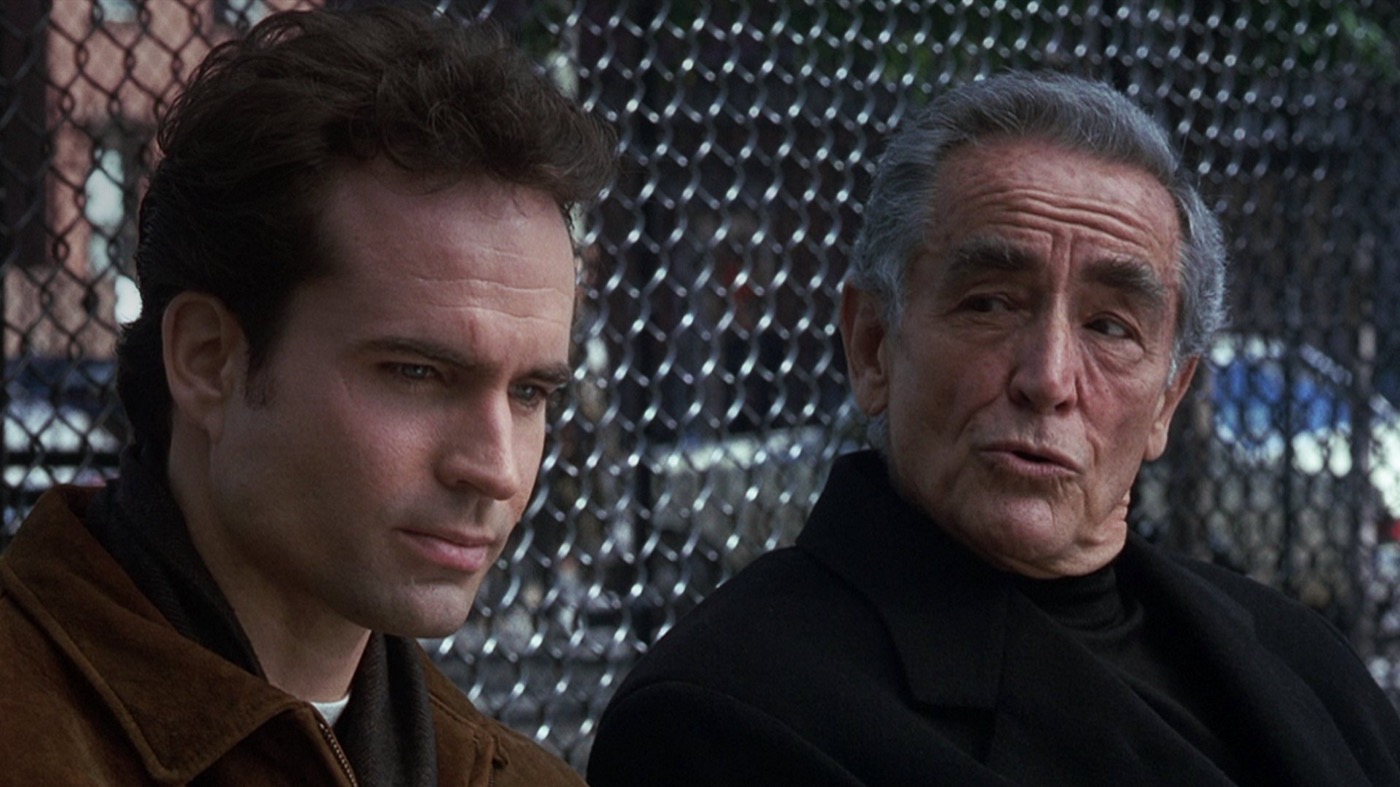
The spiritual darkness of the boys’ time at Wilkinson haunts a later chapter in their lives: specifically 1981, by which point they are grown men who have carved out distinct paths. John and Tommy are mobsters, Michael is a district attorney, and Shakes is a clerk for The New York Times. What a difference a few years make. The film appeared destined to rely on a cliché trope to articulate this time jump—the camera panning from one of the boys to an object,then panning back to reveal them as an adult. These conventions are eschewed, but it is here that the boys’ tight bond works against them. One can easily see how the tributaries of each child’s life could lead to such different junctures,but knowing this is not the same as feeling it.
Because the boys were once so close, their individual characteristics were hard to discern, and their adult selves are hardly mirror images of who they were as children. More astute viewers will quickly work out who is who in this bittersweet tale of lost innocence, but these details were lost on this reviewer for several minutes, until the story offered enough clues to settle back into it. However, the longer Sleepers took to acclimatise us to the adult versions of these once-hopeful youths, the more it felt as though it was resigning itself to a runtime that failed to do them—or the story—justice.
Justice is precisely what the four are seeking, in the form of a trial directly tied to the abuse they suffered. But justice,like tragedy, is unexpected, sprouting in ways one could never imagine. The trial itself is absorbing, especially given Michael’s central legal role. Pitt is at his best when silently assessing trial proceedings in real time, trying to make sense of what is unfolding and how to respond personally and professionally. For spoiler-heavy reasons that cannot be detailed before experiencing Sleepers, Michael walks a delicate tightrope throughout the courtroom scenes. Dustin Hoffman, meanwhile, is excellent as Danny Snyder, a bumbling, half-asleep lawyer who, against all odds, uses his casual demeanor to his advantage.
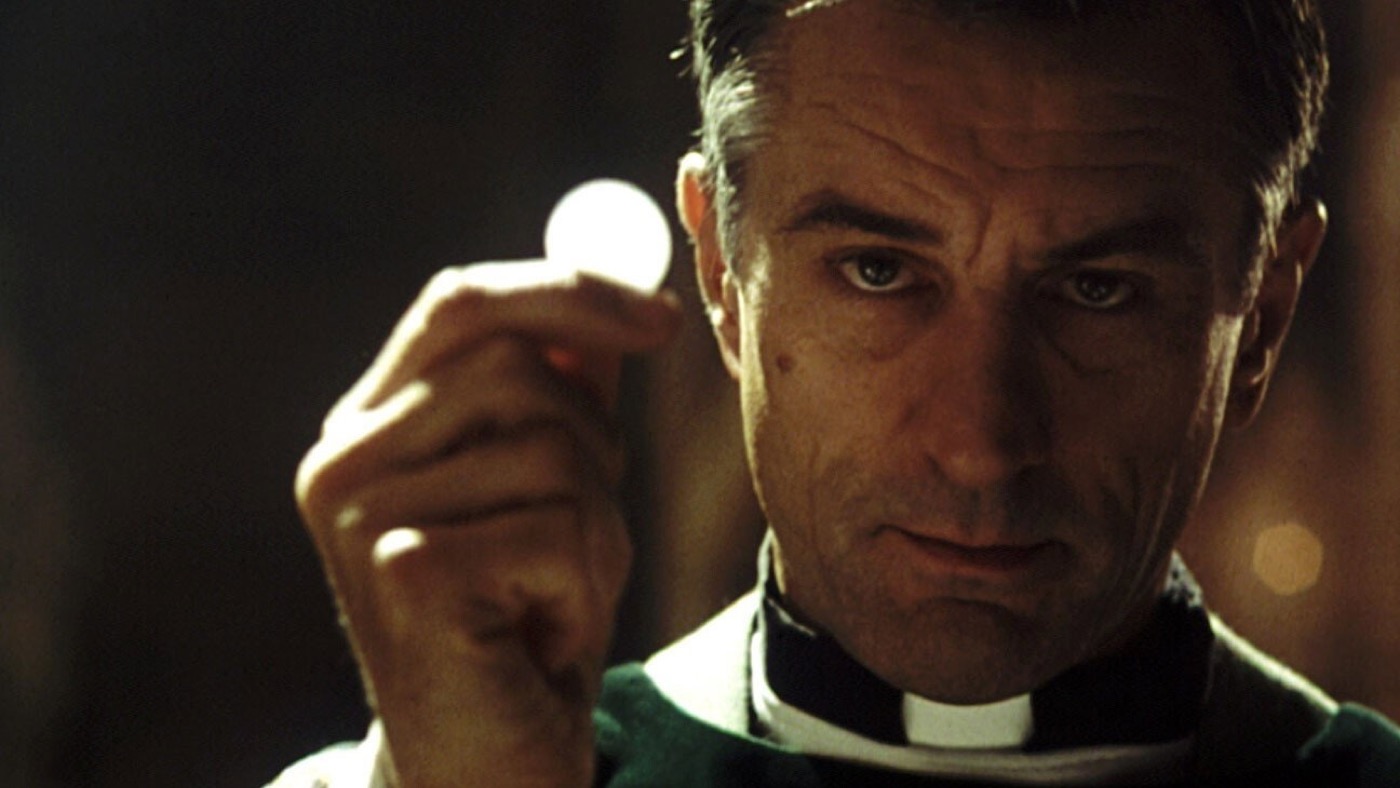
In Snyder’s opening statement, he stumbles over his words, making a dreadful first impression. But with a witness before him, he becomes razor-sharp, using his careless, mumbling speech patterns to deploy shocking questions disguised as routine enquiries. By flattening bombshell admissions through blunt questions and inferences, Snyder heightens their impact. It is not entirely dissimilar from Bacon’s scene-stealing performance, which invoked dread through a matter-of-fact, clinical approach to sadism.
Pitt, however, is noticeably out of his depth outside the courtroom. Whenever he speaks, he delivers a hammy performance, as though unable to make sense of his character. The other leading actors do a commendable job, but none of the portrayals is particularly memorable, as it proves impossible to reconcile these men with the boys we once knew. Even if there were few differences between the boys initially, their camaraderie—and the way it was tested and crushed by the outside world—proved compelling. There is no equivalent in characterisation for that kinship in Sleepers’ second half, even if its courtroom confrontations are strong.
It feels as though a crucial middle stage is missing from the film, bridging the gap between boyhood and adulthood.Had that been included, the trial would truly embody the climactic weight it strives for. As it stands, the trial arrives mere minutes after we are bluntly shown these characters’ divergent outcomes. The trial makes for a compelling third act because it brings these men closer than they have been in years, but it also highlights the distance between them.They have been changed forever, and perhaps the saddest transformation of all is that their precious bond, though preserved in shared memory, is lost and can never be recreated. It is difficult to feel the weight of these adult reunions,or the divergent paths each character has taken, without actually seeing those paths take shape.
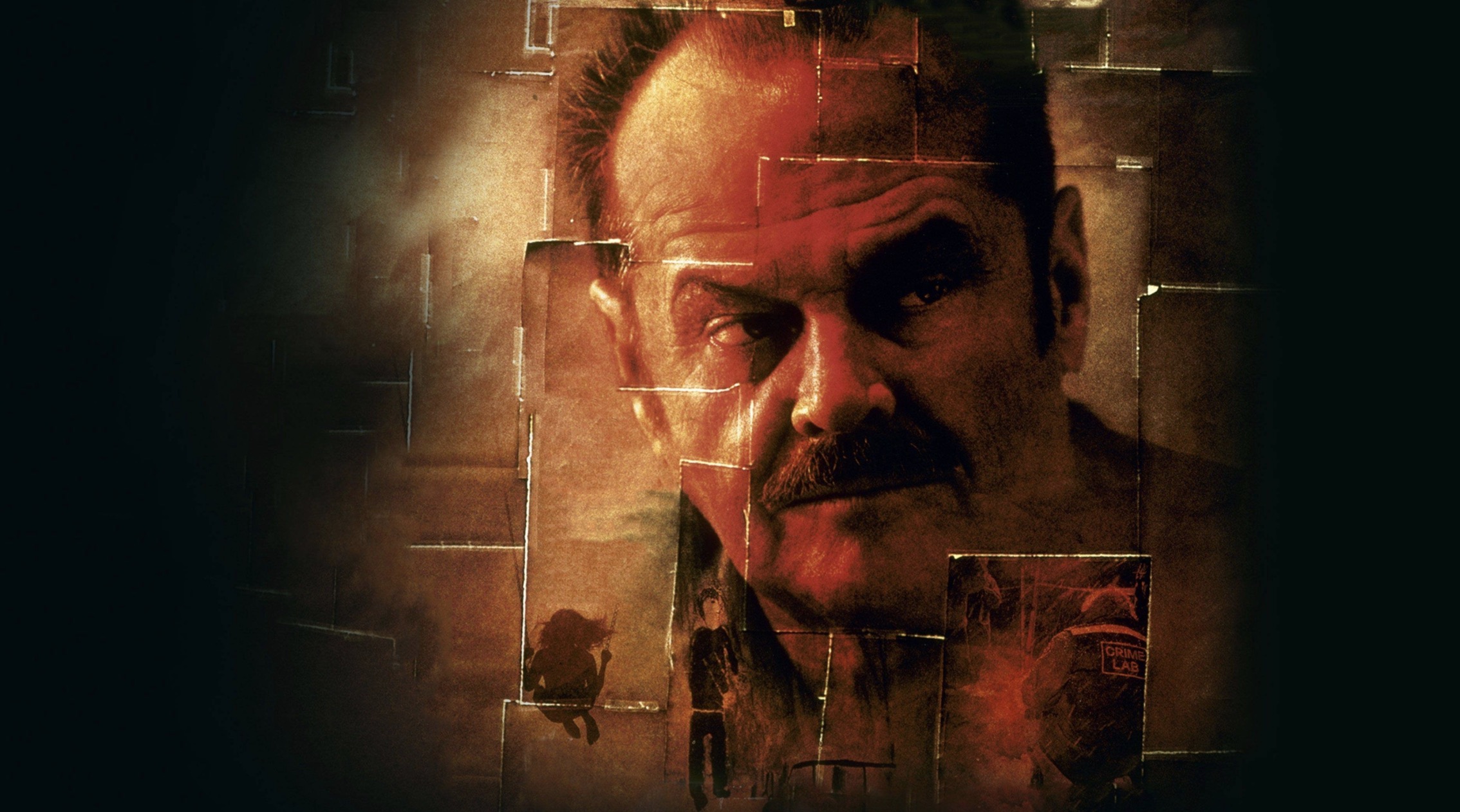
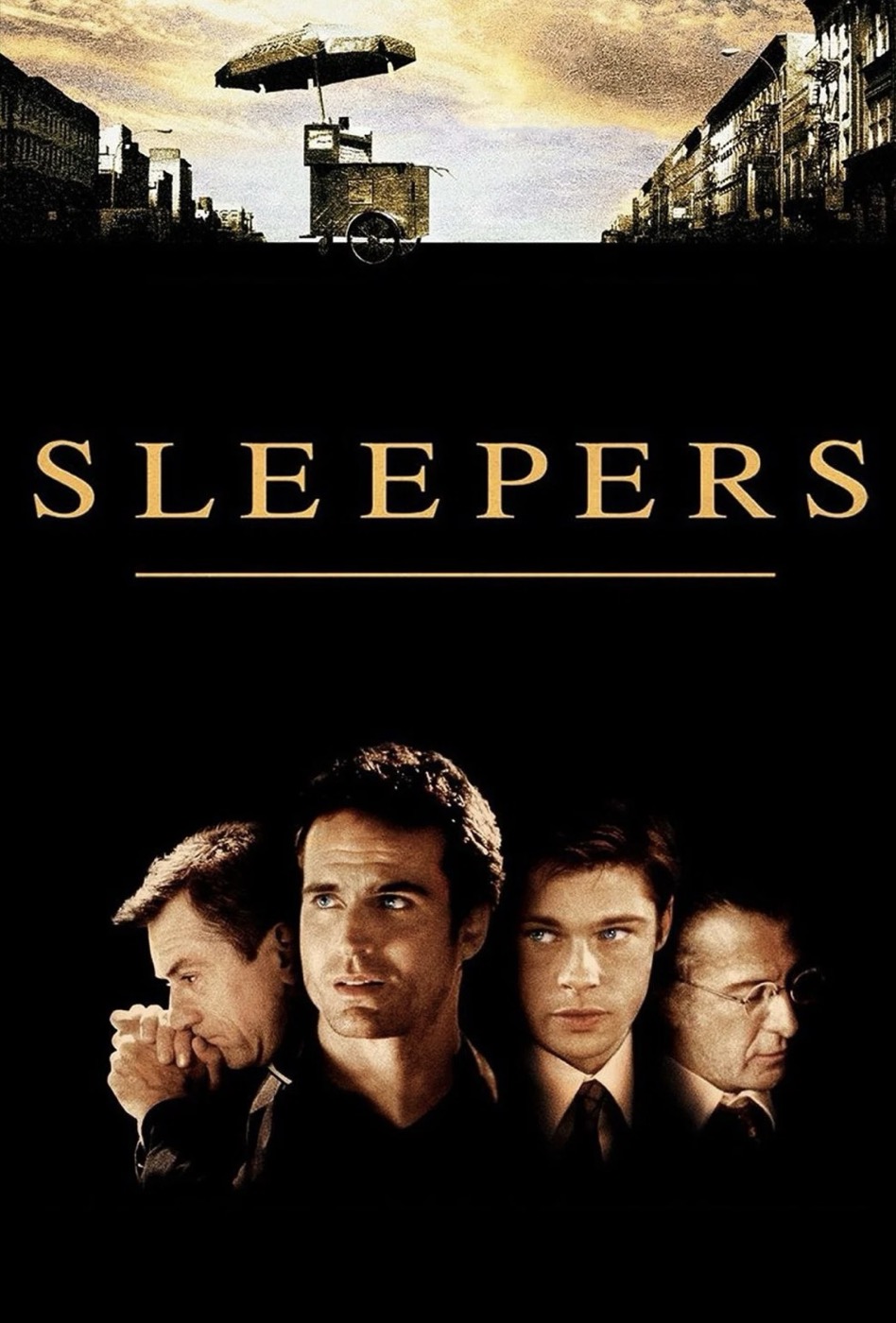
Something about Sleepers’ title—a reference to youths who spend more than a few months in juvenile detention—and its promotional art suggests a soulless gangster flick. The 147-minute runtime is also daunting. Yet Sleepers is a deeply personal, haunting film that maintains a good pace throughout. In the end, I found myself wanting more. More time spent exploring each character embarking on—and stumbling down—different paths in life would not only have been invigorating, it would have given the film’s central trial far greater urgency.
There is much about Sleepers’ outward appearance that suggests it is hell-bent on turning its characters into functional cogs in an epic narrative. That it subverts this impulse to focus on the lingering impact of trauma is easily its greatest strength. Yet there is an insidious distancing effect at play, making it impossible to reconcile these adults with their childhood selves. A far more effective distancing effect would have shown that while this fundamental divide between distant adults and tight-knit kids is not impossible to reconcile, it hurts to do so. Even as it builds promisingly towards this idea in its first half, Sleepers ultimately lands glancing blows instead of the bittersweet dramatic knockout it was poised to deliver.
USA | 1996 | 147 MINUTES | 2.39:1 | COLOUR | ENGLISH

director: Barry Levinson.
writer: Barry Levinson (based on the book ‘Sleepers’ by Lorenzo Carcaterra).
starring: Kevin Bacon, Robert De Niro, Joe Perrino, Brad Renfro, Geoffrey Wigdor, Jonathan Tucker, Jason Patric, Brad Pitt, Ron Eldard, Billy Crudup & Dustin Hoffman.