LANTERNS – Season One (2026)
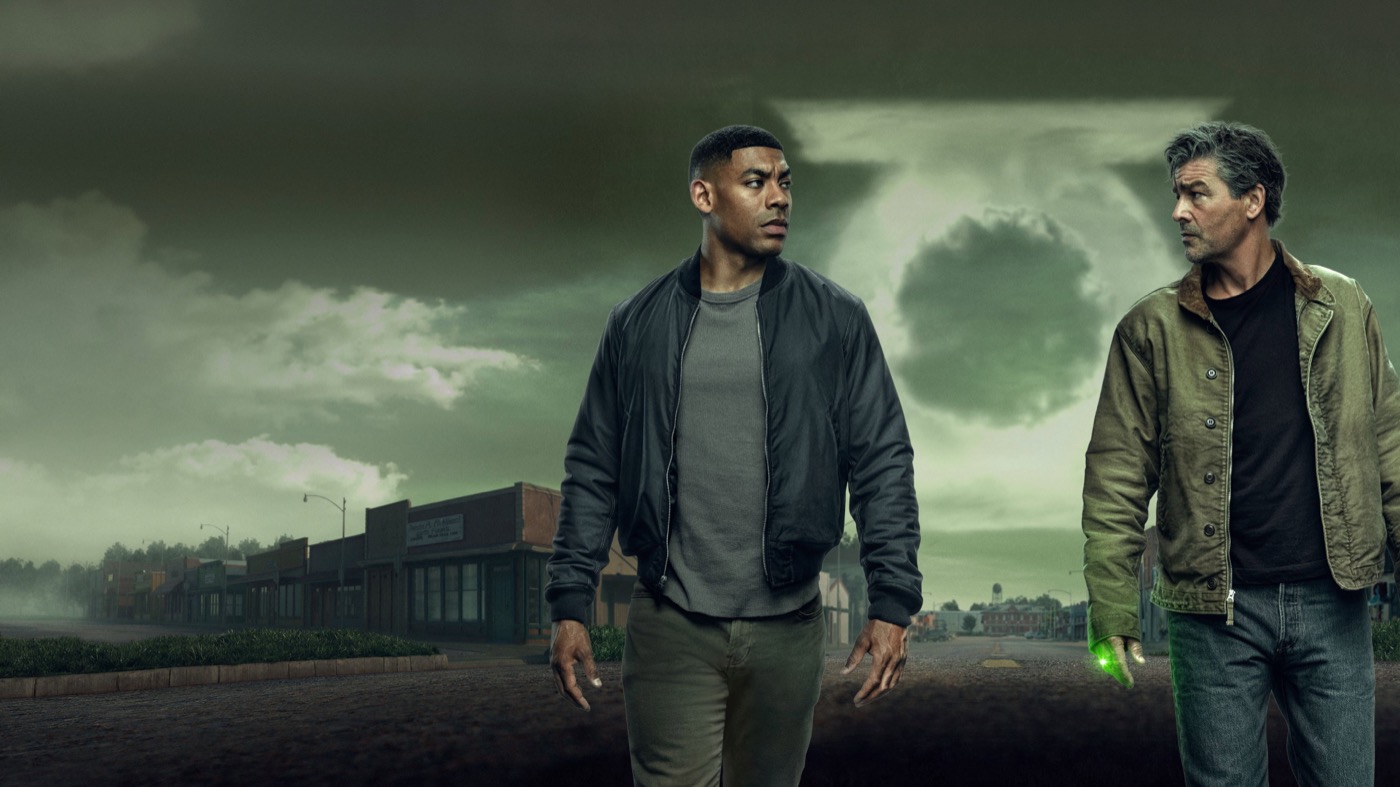
A middle-aged intergalactic cop trains his younger replacement, as they're drawn into a dark, Earth-based mystery in the American heartland.


A middle-aged intergalactic cop trains his younger replacement, as they're drawn into a dark, Earth-based mystery in the American heartland.
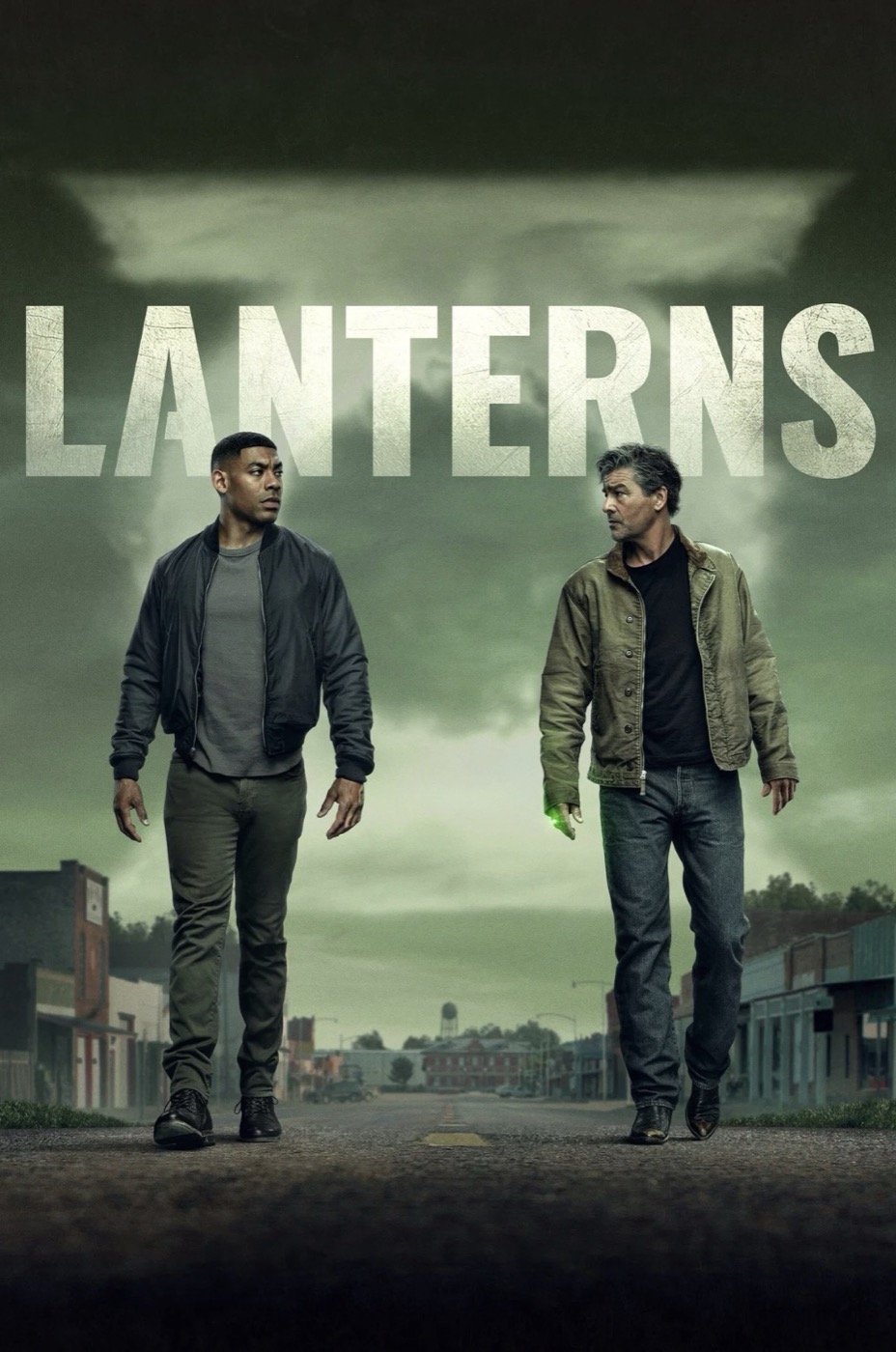
There are stranger places to look for an apocalyptic conspiracy than a small town in Nebraska. In HBO’s Lanterns, the mystery is just as compelling as its unlikely setting. A murder in Rushville captures the attention of Hal Jordan (Kyle Chandler)—a former test pilot and current Green Lantern who suspects alien involvement. It soon becomes clear that the case points to an extinction-level threat to Earth.
If this premise sounds reminiscent of Men in Black (1997), there’s nothing wrong with your hearing. Certain elements are undeniably similar, and the buddy-cop dynamic invites comparison, at least on paper. However, Lanterns branches off in far more rewarding directions across its polished eight-episode run.
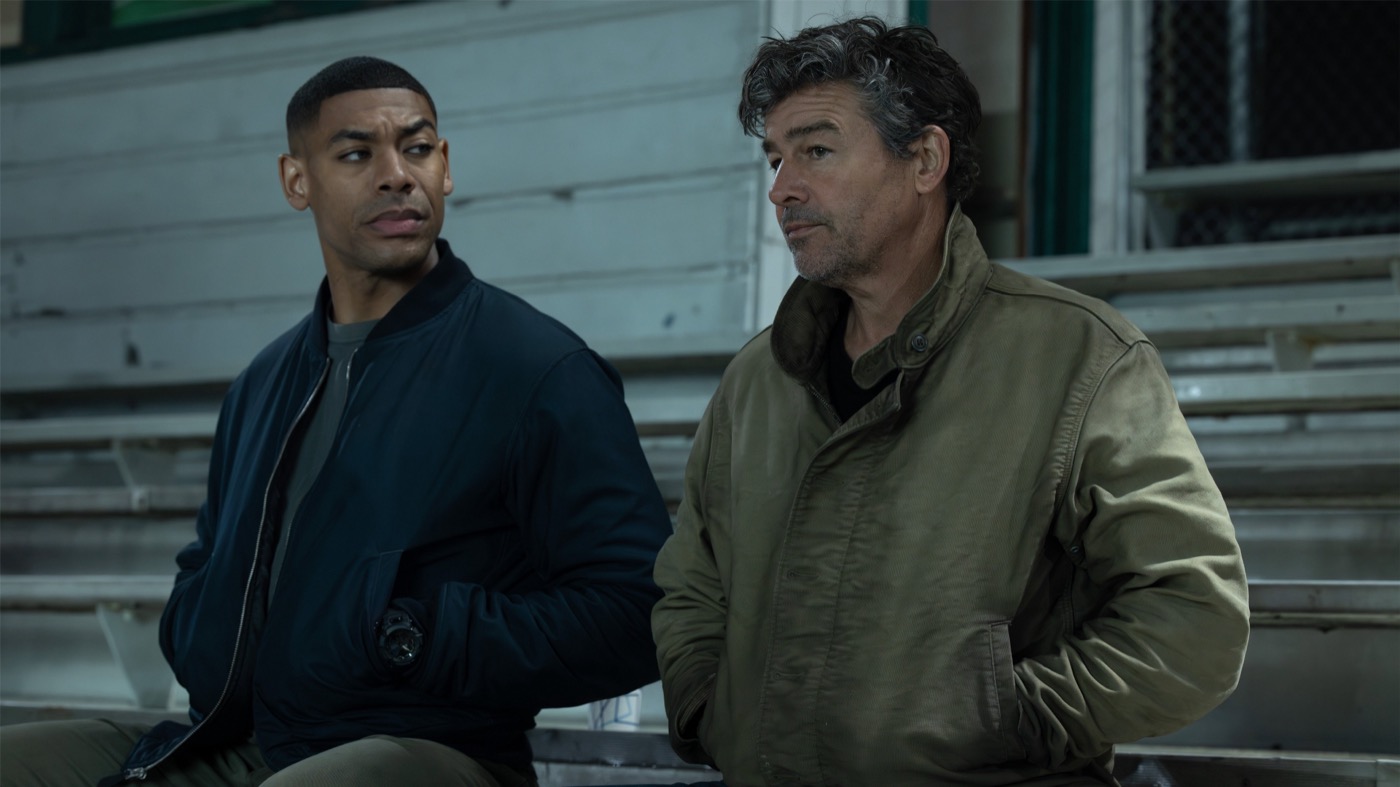
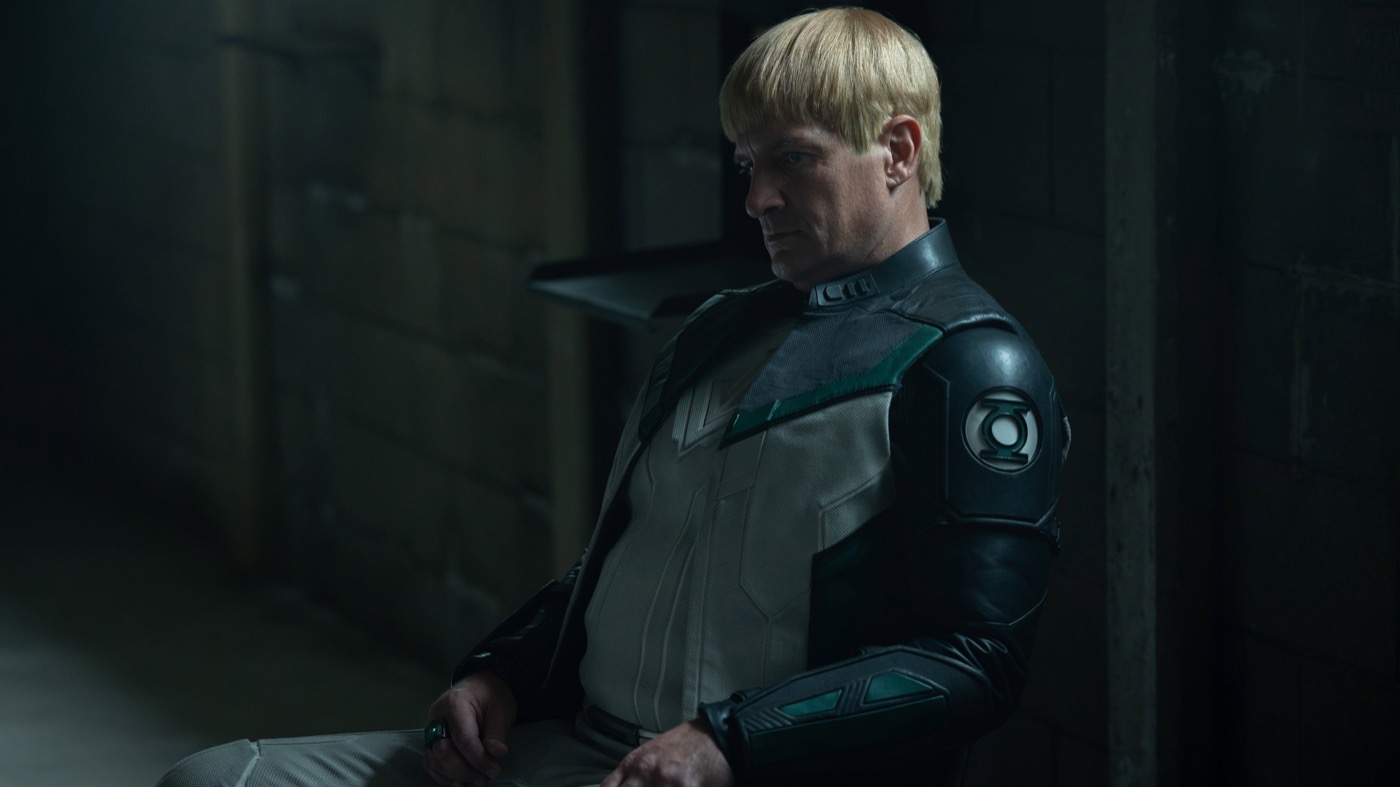
Hal Jordan and his new trainee, John Stewart Jr (Aaron Pierre), are drawn to Rushville to investigate four dead bodies on a high-school football field. In the opening episode, Stewart chases a suspect across the pitch while Hal considers whether the man is more than just a gunman. Later, in an interrogation room, tension escalates when the suspect, Waylon Sanders (Chris Coy), threatens to blow himself up. Hal conjures a protective green energy barrier with his ring to contain the explosion, saving half the town. It’s an effective early demonstration of the show’s set-piece capabilities,but Lanterns is ultimately far more interested in character study.
Decades on the job have hardened Hal into a cynical, difficult partner. Meanwhile, John’s stoic determination makes collaboration equally challenging. Yet this prickly dynamic is precisely what makes the series compelling. Where so many superhero adaptations swap genuine peril for spectacle and undercut tension with ill-timed banter, Lanterns finds its footing in emotional resonance. Three key cinematic elements stand out immediately.
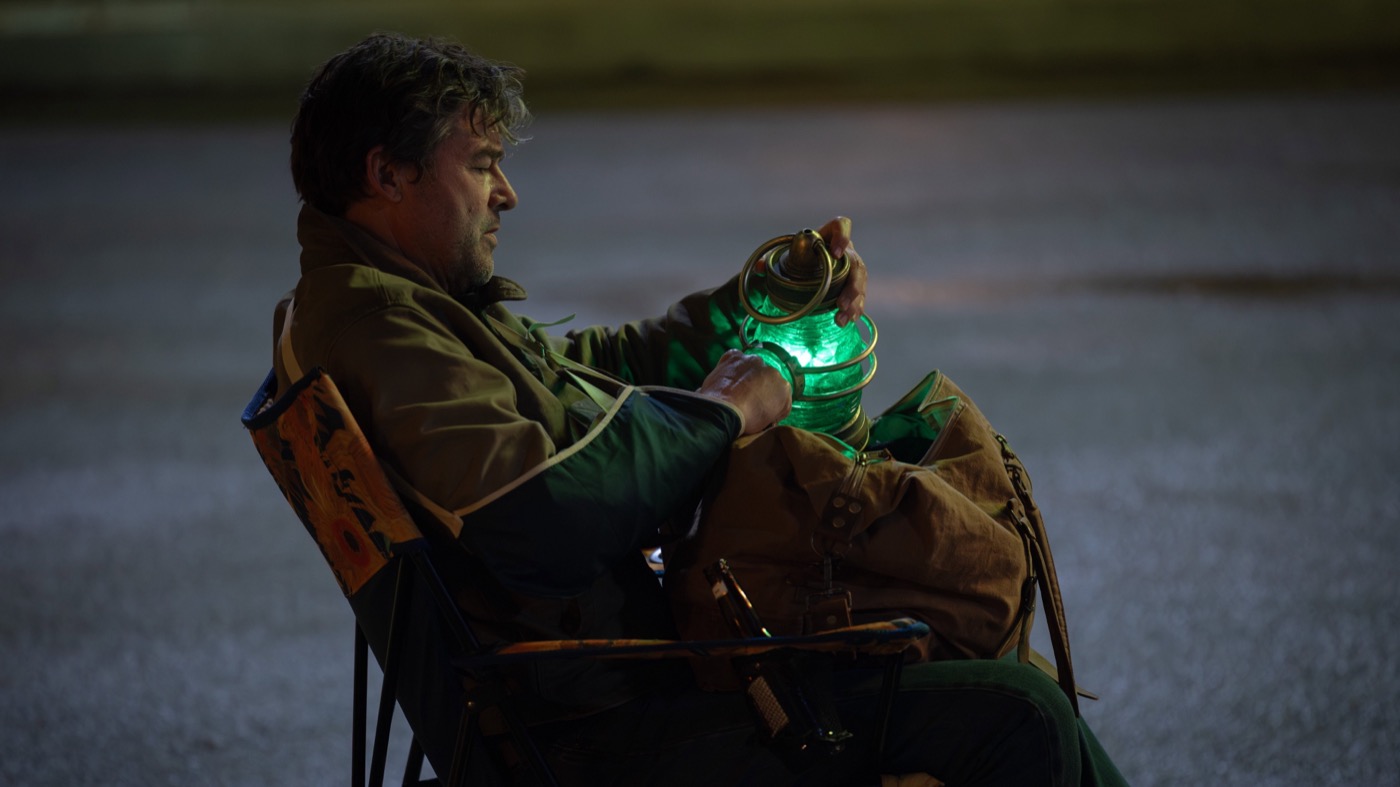
The first is the cinematography. Though rooted in the superhero genre, pristine shots of desolate highways and sweeping desert landscapes lend Lanterns the feel of a gritty crime drama. Certain sequences—such as in Episode 7, “The Jordan Boys’ Legacy”, where John walks alongside Hal’s holographic consciousness across a deserted planet—evoke the eerie atmosphere of a Cormac McCarthy adaptation (think the Coen brothers’ 2007 film No Country for Old Men), albeit without the Southern Gothic despair. This visual richness is no accident. Shot by three distinguished directors of photography—Florian Hoffmeister, Armando Salas, and Gregory Middleton—the series maintains a remarkably cohesive visual identity reminiscent of modern noir or westerns. Hoffmeister previously shot True Detective, Tár (2022), and Antlers (2021); Salas served as cinematographer on Mr. Mercedes (2017–2019) and Ozark (2017–2022); and Middleton lent his eye to The Killing (2011–14) and Watchmen (2019).
The writing is equally sharp, standing amongst the finest in the genre this year. Although grounded in the DC Universe, Lanterns departs from typical superhero tropes, favouring character-driven drama over quips and spandex. Action sequences are present, but character interactions take priority throughout. Like the visuals, this level of storytelling reflects a seasoned creative team.
The executive producers combine extensive experience in prestige drama and speculative fiction. Chris Mundy brought grit to hits like True Detective, Ozark, and Hell on Wheels (2011–16). Comic-book writer Tom King’s background as a former CIA officer lends authority to the narrative as the central threat unfolds. Meanwhile, Damon Lindelof—co-creator of Lost (2004–2010)—brings his proven track record from Cowboys & Aliens (2011), Prometheus (2012), and World War Z (2013).
Kyle Chandler and Aaron Pierre display excellent chemistry, playing off one another with the friction of classic screen duos—evoking the likes of Tommy Lee Jones and Will Smith in Men in Black, Mel Gibson and Danny Glover in Lethal Weapon (1987), or Adam Sandler and Damon Wayans in Bulletproof (1996). Yet their performances are rooted in deeper character work.
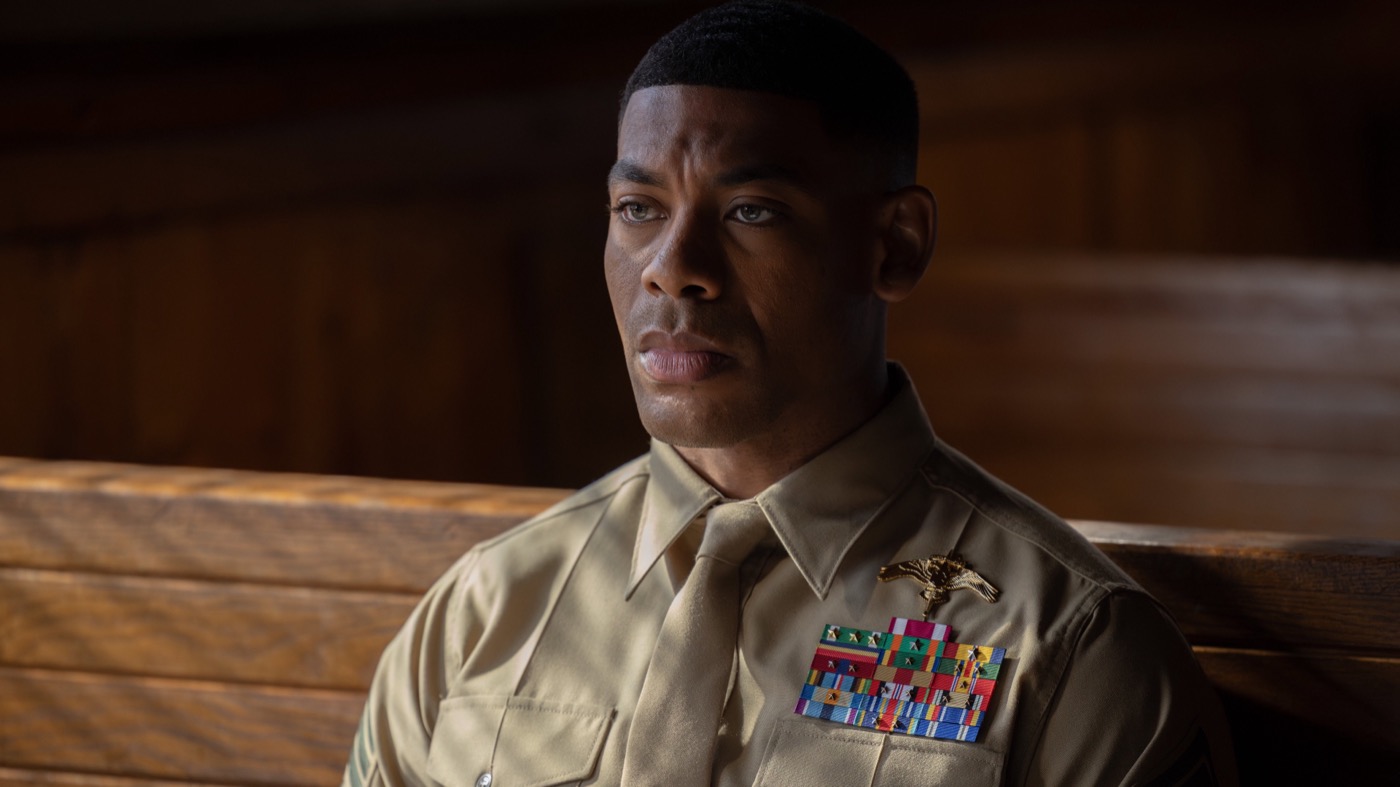
Pierre embodies the physical poise and disciplined gravitas of a former marine, offering a sharp counterpoint to Chandler’s dry, world-weary charisma. But while Chandler’s Hal is a reluctant hero destined to bear the world on his shoulders, Pierre’s John seems driven by personal redemption rather than abstract justice. The question remains: will he be ready when his mentor passes the torch—or rather, the ring?
Flashbacks reveal that when Guardian Lianna (Laura Linney) arrived on Earth searching for a Green Lantern, she first visited the home of John Stewart Sr while John Jr was still an infant. When John’s father displayed fear, the Guardian turned to Hal Jordan—a man whose self-assurance borders on an inability to comprehend fear itself. This decision set off a cycle of harsh discipline within the Stewart household, as John’s family sought to forge him into a man capable of reclaiming their legacy—subjecting him to extreme tests, from facing a loaded firearm to navigating dangerous neighbourhoods alone.
Linney’s screen presence is a key asset, making a memorable impact despite limited screen time. Her interactions with John Jr and his mother, Bernadette (Nicole Ari Parker), in Episode 3, “Outkast”, yield some of the season’s most poignant backstory. Later in the season, Kelly Macdonald’s supporting role as Sheriff Kerry Kane assumes major significance.These female characters effectively contextualise the debate over nature versus nurture and its lasting consequences.
That said, the series occasionally mistakes patience for tension. John’s evolution into a Green Lantern is continually teased and deferred, testing the viewer’s patience. Episode 7, however, is a standout exception. As John and Hal’s digital consciousness travel beyond Earth, the show embraces its cosmic scale, delivering its most striking sci-fi imagery.
Another slight weakness emerges whenever the narrative shifts away from Hal. While necessary for world-building, these moments highlight how central Chandler is to the show’s charm. Keeping him present through flashbacks and an archived digital consciousness is a clever narrative device. Yet if future seasons move forward without Chandler’s Hal Jordan, the series risks losing its primary anchor.
USA | 2026 | 8 EPISODES | 2.00:1 | COLOUR | ENGLISH

writers: Chris Mundy, Damon Lindelof, Tom King, Vanessa Baden Kelly, Breannah Gibson & Justin Britt-Gibson.
directors: James Hawes, Geeta Vasant Patel, Alik Sakharov & Stephen Williams.
starring: Kyle Chandler, Aaron Pierre, Kelly Macdonald, Laura Linney, Garret Dillahunt, Poorna Jagannathan & Ulrich Thomsen.