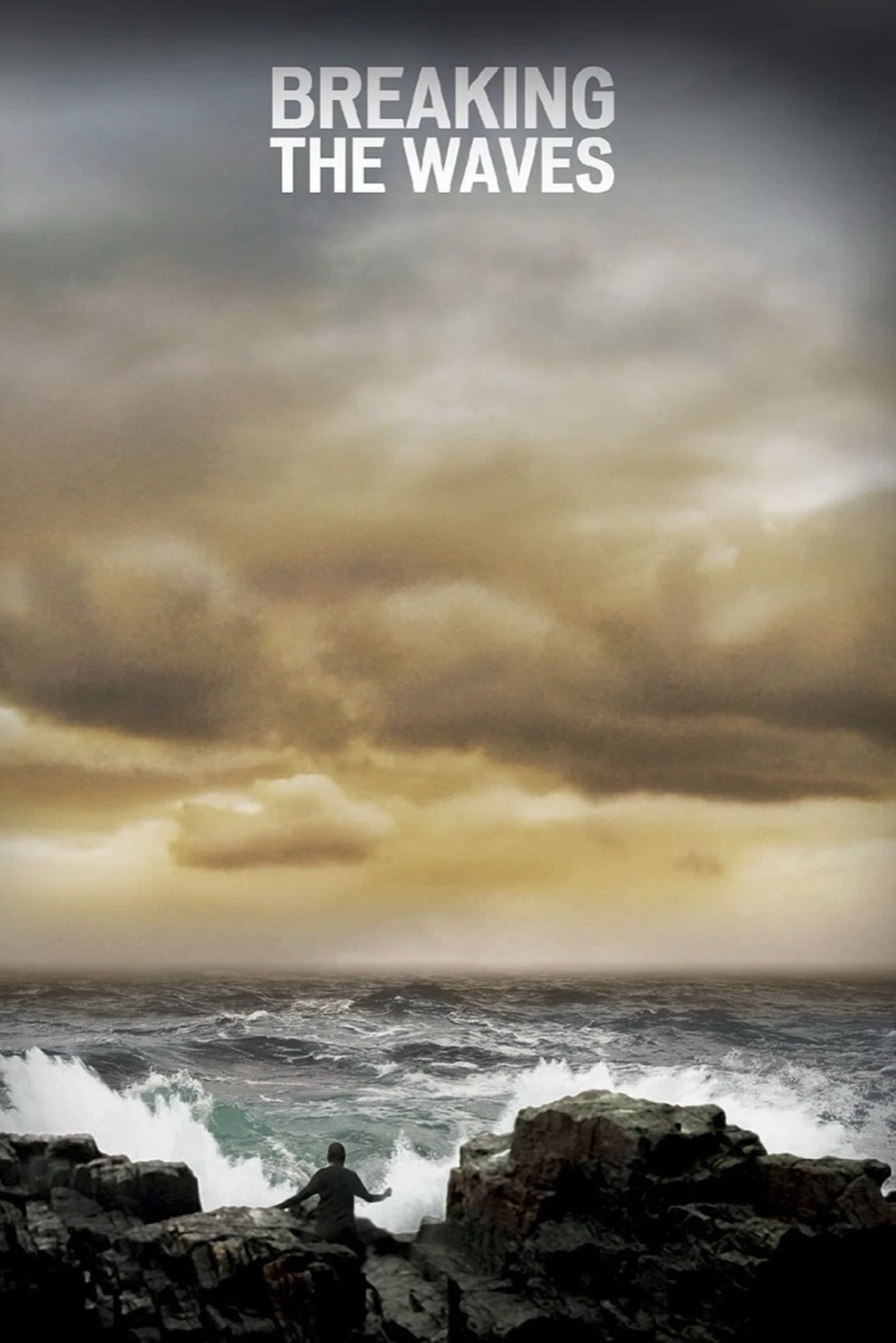
BREAKING THE WAVES (1996)
When an oilman is paralysed in an accident, his wife, who prayed for his return, feels guilty; even more, when he urges her to have sex with another man.

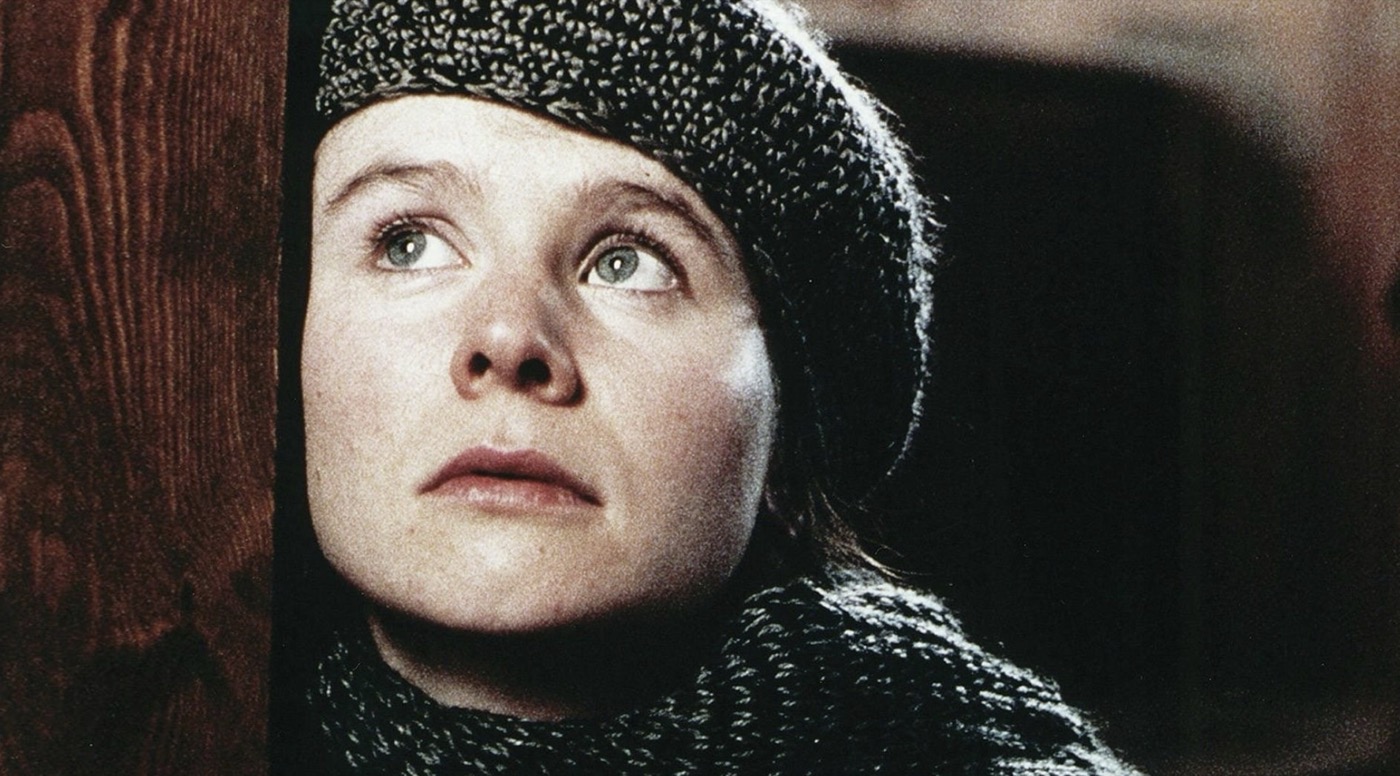

When an oilman is paralysed in an accident, his wife, who prayed for his return, feels guilty; even more, when he urges her to have sex with another man.
Lars von Trier has made a career out of miserable viewing experiences. Some, such as Dancer in the Dark (2000) and Dogville (2003), are so stomach-turning in their ice-cold brutality and misanthropic outlook that they’ve become enshrined in a minuscule pantheon of cinema: masterpieces you never want to watch again. The Danish director typically achieves this by subjecting audiences to punishing experiences where innocent, kind-hearted characters are thrust into a world so cruel you almost wish they’d never been born. It’s a predictable calling card for a filmmaker who has expressed similar bleak outlooks regarding his own life and wellbeing.
I vividly remember the ache in my stomach just under two hours into Dogville, and how something deep within me sank like a stone when I checked the running time and realised there was still an hour left. I’ve never cried so openly — or for so long — as when I watched Dancer in the Dark at 16; it’s a cinematic experience I’ve no desire to relive. Frankly, it’s a shock that von Trier ever managed to forge a career in cinema, let alone work with sizeable budgets and some of the finest actors of this century.

Both minor miracles hold true for Breaking the Waves, which explores the trials and tribulations of Bess McNeill (Emily Watson) within a deeply religious, rural Scottish community. Bess is deliriously happy to be wed to Danish oil rig worker Jan Nyman (Stellan Skarsgård), but her ache over his absence at sea turns to profound sorrow when he is severely injured.
Left unable to perform sexually, Jan becomes desperate for Bess to pursue other lovers and recount her sexual conquests to him. Disgusted by the prospect yet eager to appease her husband, Bess engages in a series of joyless encounters with various men, believing it will miraculously heal him. Jan, his mind warped by the toll of his injuries, persuades her that these acts lift his spirits, while Bess’s pragmatic sister, Dodo (Katrin Cartlidge), tries in vain to reason with her.
Naturally, von Trier’s reviewers tend to home in on the cruelty inflicted on his characters, though just as much attention should be paid to their innocence. Witnessing the debasement of their bodies and spirits hurts all the more because of their tireless belief in humanity and the beauty of the world. Bess is no different, though her suffering here is largely self-directed. Driven by notions that seem worse than merely misguided, she feels compelled to do things she’d never ordinarily consider, suggesting she’s deeply unwell. She already imagines conversations with God, role-playing both sides of the dialogue to justify her own self-punishment.
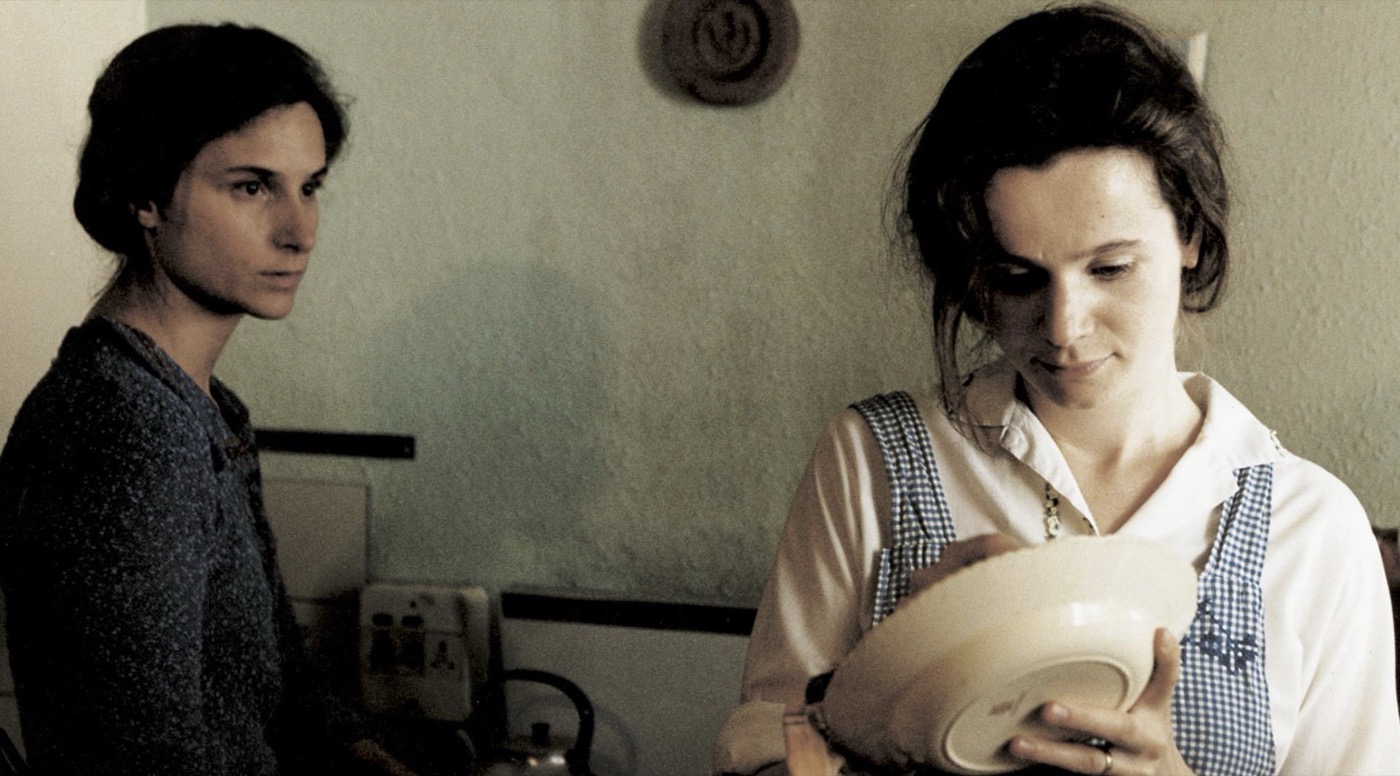
It’s an interesting exploration of repression, hinting at a deep-seated torment, but Bess is so detached from reality that it’s difficult to view her simply as a victim of circumstance. She’s barely able to think for herself; as Dodo warns Jan after the wedding, Bess will likely do whatever he tells her to. Yet she’s simultaneously driven by an inner voice — a contradiction that makes her easy to pity, but only from a distance.
The film’s many positive reviewers (some critics even call it one of the best films of the 1990s) laud it as another of von Trier’s soul-crushing tragedies. Having had my heart ripped out, hurled at an oncoming lorry, and defiled by the director’s previous work, I approached this screening with trepidation. Now that I’ve seen it, I’m shocked by how tame it actually is — and even more shocked that I can’t help but feel disappointed by that.
The female protagonists of Dancer in the Dark and Dogville were long-suffering heroines with immense kindness and their heads firmly in the clouds. Naively optimistic perceptions of humanity blinded them to the inherent sadism of their surroundings. While Bess follows this template, von Trier’s commentary on religious doctrine undercuts the story’s emotional weight. The film strives to be coldly brutal while remaining intellectually mature, but by keeping its head in the clouds and its nose in a philosophical treatise, it only half-engages either the mind or the heart.
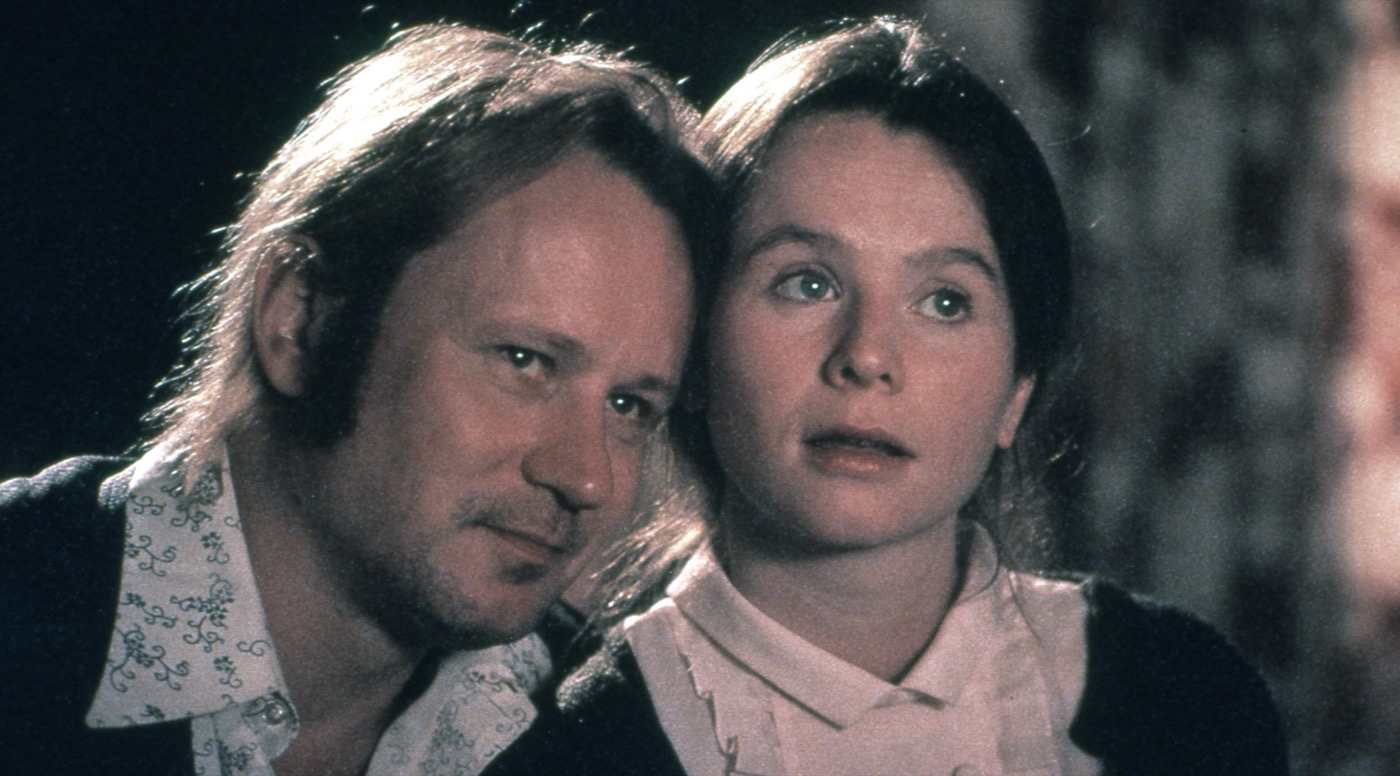
Bess is divorced from reality in far more concrete ways than her predecessors, given her history of mental illness and her imagined dialogues — an edgy, if heavily qualified, takedown of religious devotion. We don’t know what she was like during her last breakdown, nor can we understand who she was before a marriage that has irrevocably changed her. The film spends an age basking in her wedding night and the days leading up to Jan’s accident, yet none of this illuminates her state of mind. The 158-minute running time could easily be cut by a third without losing anything of value, particularly since the inciting incident takes over an hour to arrive.
There’s little soul-deadening dread here, largely because the setting feels completely hollow. Dancer in the Dark and Dogville thrived by creating insular worlds where you could memorise every face. In Breaking the Waves, none of the neighbours who’ve known Bess her entire life carry that chilling sense of familiarity; as a result, there’s no emotional payoff when they eventually turn cruel. The accents and landscapes evoke rural Scotland, but the setting lacks identity. Patriarchal religious thought serves as a crude backdrop for a community denied any real depth. Von Trier may have softened his provocations this time, but applying such a broad brush to this hyper-religious community does the film’s philosophical arguments no favours.
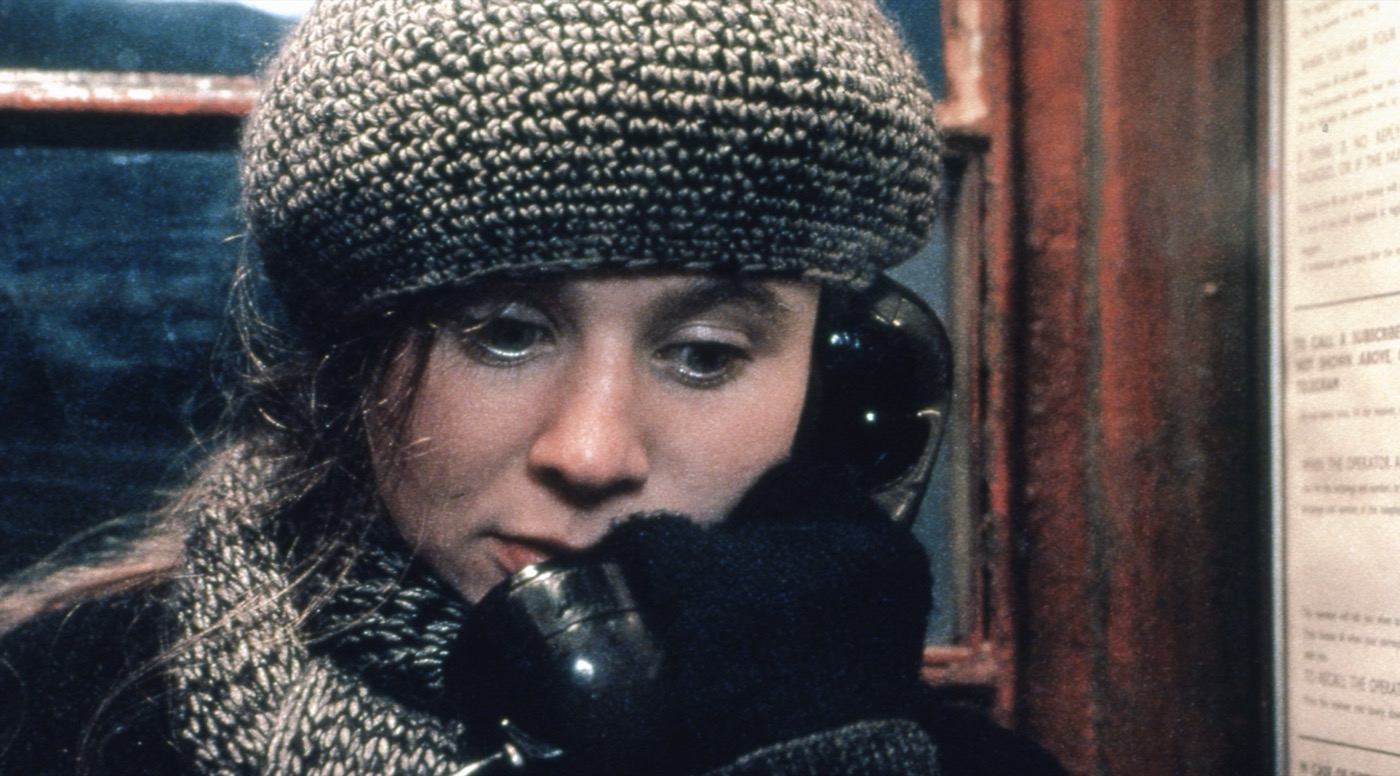
Many tenets of the Danish director’s work are present, from an extraordinary lead performance to wonderful handheld camerawork that captures joy and pain with raw intimacy. Emily Watson is a revelation, especially considering this was her feature debut. For taking a role that required frequent nudity, she was expelled from the School of Philosophy and Economic Science — an outrageous decision that becomes less surprising when you read the litany of abuse allegations levelled against the organisation. Frankly, those claims are far more compelling than Breaking the Waves, which suffers from a sluggish build-up and a lack of incisive commentary.
When characters twist the knife in von Trier’s true masterpieces, a little piece of your soul curls up in the foetal position. That’s down to the rich sense of community and the feeling that you know the protagonist inside out. In Breaking the Waves, new faces and new problems appear far too late in the day, leaving the film feeling bloated and repetitive.
Von Trier is an incisive painter of despair when he draws tight borders around his protagonists’ lives, giving them room to dream but no way to escape. Those structural borders are missing in Breaking the Waves, which completely fails to capture the bone-chilling urgency that defines the true masterworks of cinema’s great misanthrope.
DENMARK • SWEDEN • FRANCE • NETHERLANDS • NORWAY • ICELAND • UK • FINLAND • ITALY • BELGIUM • GERMANY • SWITZERLAND • USA | 1991 | 153 MINUTES | 2.35:1 | COLOUR | ENGLISH

director: Lars von Trier.
writers: Lars von Trier & Peter Asmussen.
starring: Emily Watson, Stellan Skarsgård, Katrin Cartlidge, Jean-Marc Barr, Adrian Rawlins, Jonathan Hackett, Sandra Voe & Udo Kier.