MELANCHOLIA (2011)
Two sisters find their already strained relationship challenged as a mysterious new planet threatens to collide with Earth.


Two sisters find their already strained relationship challenged as a mysterious new planet threatens to collide with Earth.
The world is headed for destruction, and it’s beautiful. The weight of our individual lives and shared existence rests on a handful of crucial moments—small interactions that would have been lost in time even without the obliteration of the planet. In Lars von Trier’s Melancholia, this swift end to life as we know it, and life itself, isn’t something to despair over. At least, not exclusively. Divided neatly into two halves, the first part of Melancholia explores the inner turmoil of the newlywed Justine (Kirsten Dunst) on her wedding night, where depression renders any notion of joy obsolete. Her internal ruin is as all-consuming as the impending annihilation of Earth by an approaching rogue planet, Melancholia.
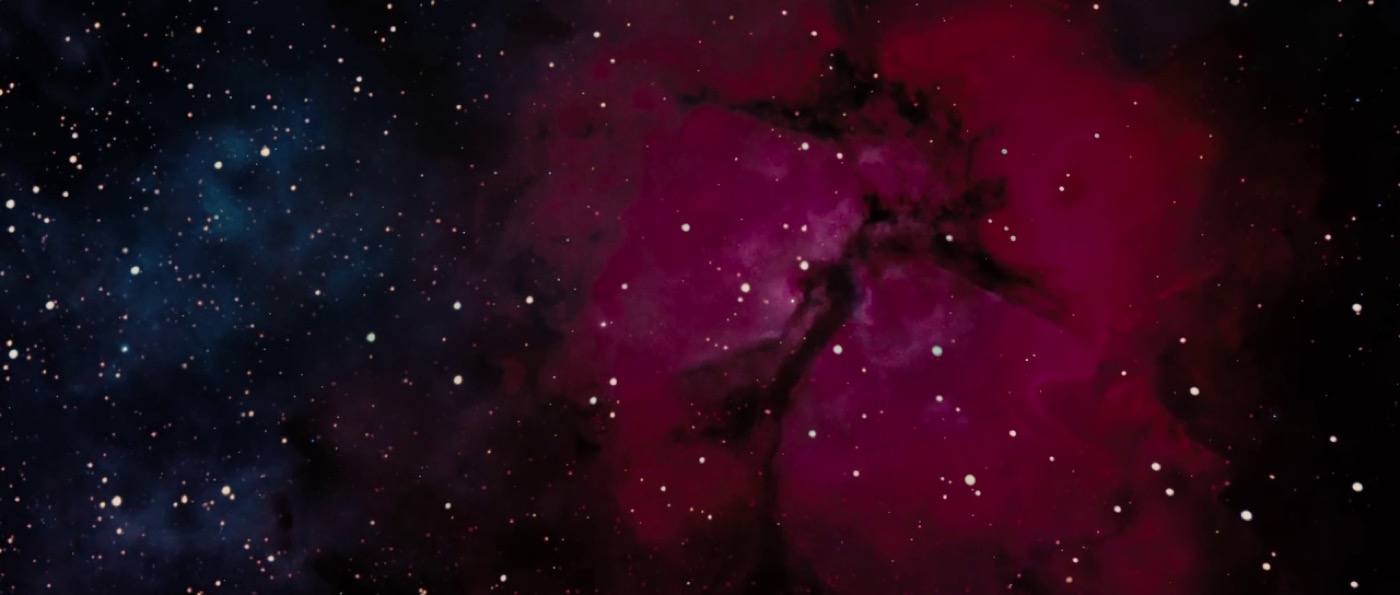
The film, like many of von Trier’s agonised works, was inspired by the director’s own clinical depression. After learning in a therapy session that depressed people often react calmly to crises because they are primed to expect the worst, the Danish director amplified this idea to imagine how the end of the world would appear to someone who has already given up on life. Directially, Melancholia is one of von Trier’s finest movies, melding the slow-motion, free-fall beauty of cosmic destruction with the painful, raw intimacy of the everyday. In this world, beauty and the sublime are reserved exclusively for planetary annihilation. A lengthy opening sequence depicts some of the film’s most iconic shots as life reaches a triumphant, catastrophic crescendo.
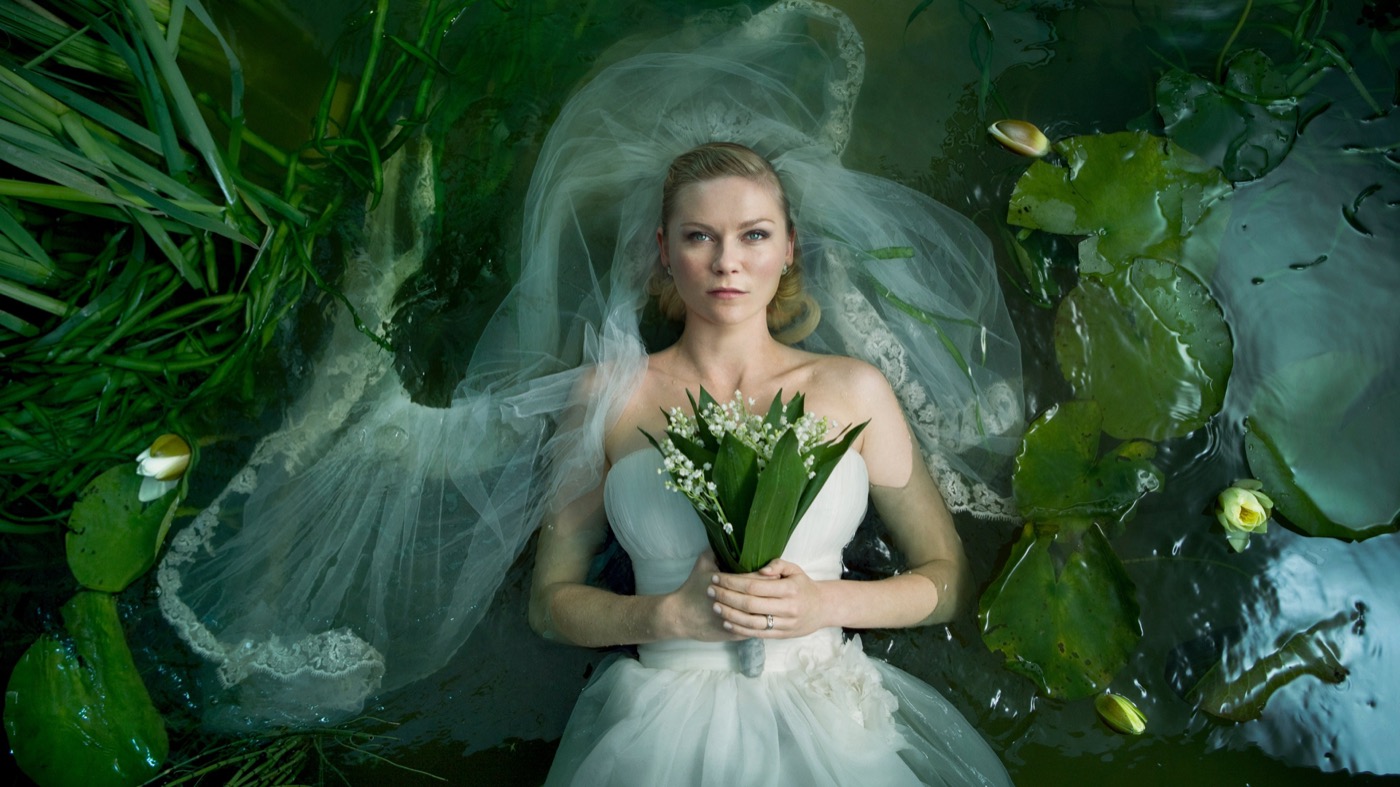
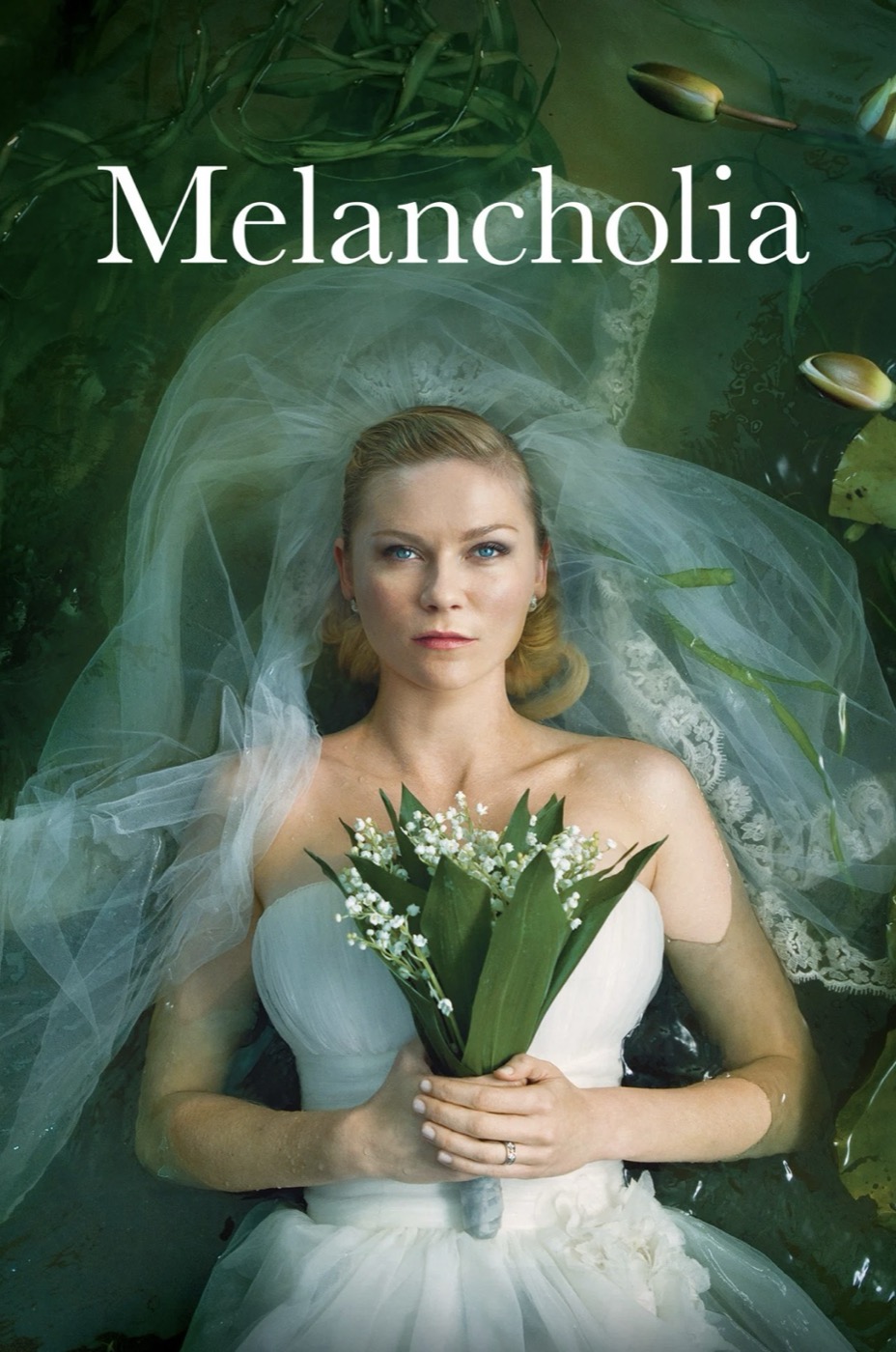
This opening introduces a Justine doused in an ethereal glow, awash with calm. It is no coincidence that she drifts slowly down a river, her mood mapped onto the waters perforating the fabric of her wedding dress. Sailing along her own coffin ship, she calmly awaits an eternal slumber—a dark inversion of a dazzling Sleeping Beauty, appearing as though she has spent her whole life waiting to wake up. For this weary, depressed soul, eternal sleep is more peaceful than words can convey. Floating down a river as the planet faces imminent destruction is nothing compared to the ice-cold brutality of being shepherded into baths or out of her bedroom by strait-laced, condescending figures who insist she will become herself again if she just adheres to ordinary social conventions.
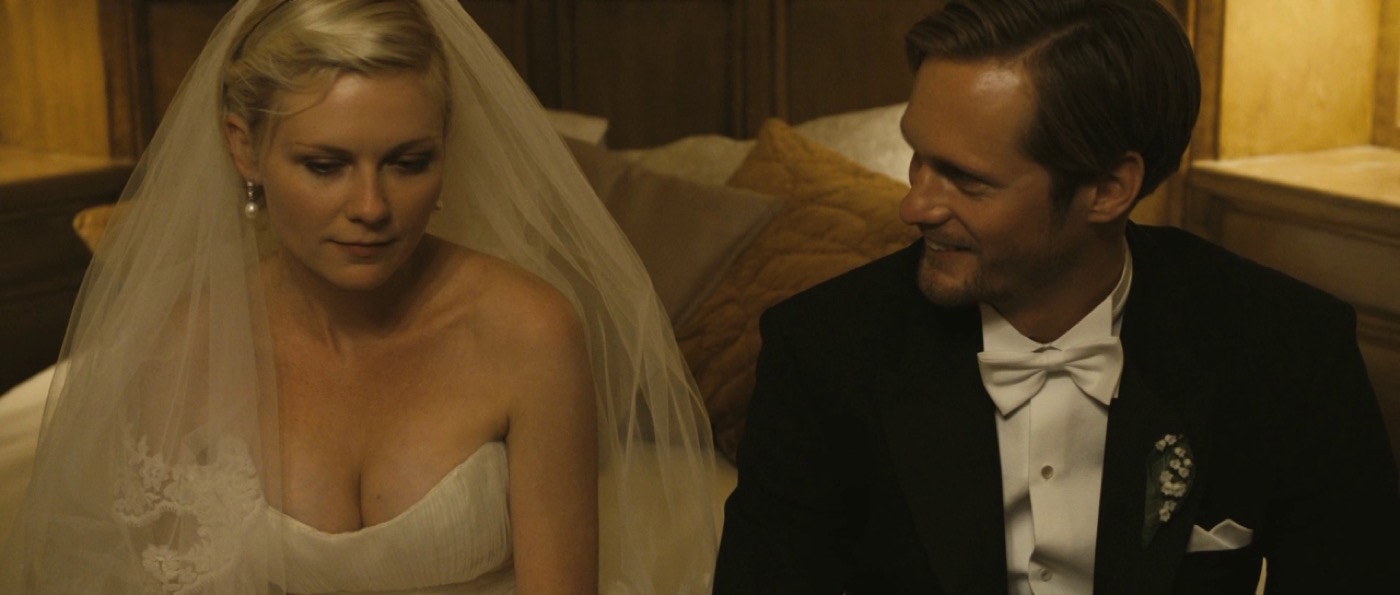
We never glimpse the wedding itself. Instead, we first meet Justine and her new husband, Michael (Alexander Skarsgård)—a kind-hearted but uncomprehending man who cannot find a way into Justine’s worldview—as their hired limousine struggles up a narrow road. It is a Sisyphean journey that only Justine finds amusing, perhaps because she knows, deeper than words can express, that all of this is utterly meaningless, and that any minor joy will quickly be snuffed out by her depression.
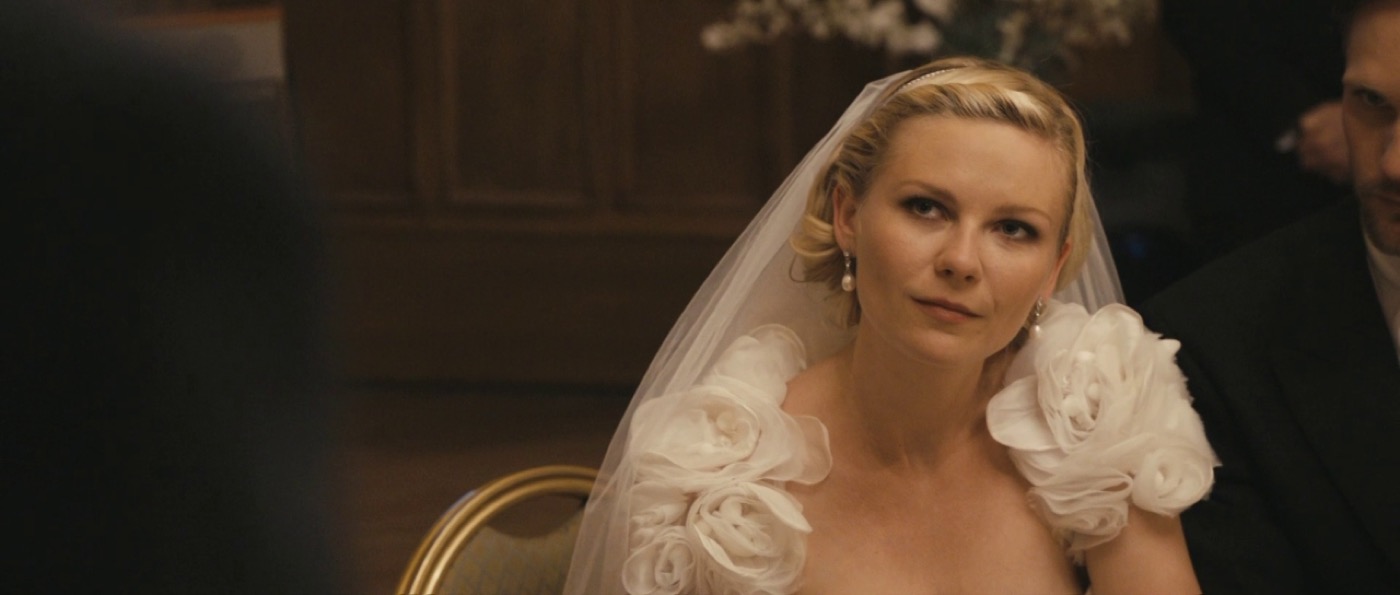
Throughout this wedding reception, shared with family and held in a grand castle, she is surrounded by the very things that imprison her. It is there in Justine’s wedding dress and all that it embodies, in the guests hemming her in and urging her to perform a role that suddenly feels cheap, and in the stately, impersonal estate encircling her. It’s not just depression that has sunk its claws into her, pinning her to a rigid definition of existence.
For Justine, there is only a single layer separating the smiling, happy people around her from the universe she is submerged in, but it is a crucial one. Occasionally she rises to the surface, not out of resolve or determination, but through sheer luck. In these rare moments of respite, it is less that Justine is smiling through the pain and more that she is able to momentarily forget it. But if the darkness always returns, isn’t that the ultimate truth of her universe? When Justine’s good spirits return, the present moment becomes bearable, and she feels no inclination to think of the future. When they leave her, the entirety of her existence is dulled to a winding line down an unforgivably long, dark road from which there is no escape. Happiness is merely temporary stress relief; her depression is all-consuming.
Von Trier explores this psyche by juxtaposing ethereal imagery and classical music with his trademark choppy editing when the story returns to the domesticity of everyday life. The Danish director often takes extreme liberties to convey the essence of a scene, appearing unconcerned by whether he disorients the viewer. There is a distinct brilliance to the way he melds handheld camerawork with frequent, abrupt cuts, creating an intimate atmosphere that is also jagged and disruptive. It works exceptionally well here, as disorientation frequently befalls Justine, who is trapped in a stasis born of depression and blindsided by the energy of those around her. In the sludge of irreality that overwhelms her, the movements of others are so rapid that they repeatedly daze her—an emotional experience perfectly captured by von Trier’s editing. There is also a painful degree of intimacy to these scenes through handheld camerawork that moves with the characters or, worse still, drifts even when they are still, drawing closer to a reality that is painful to live and painful to watch.
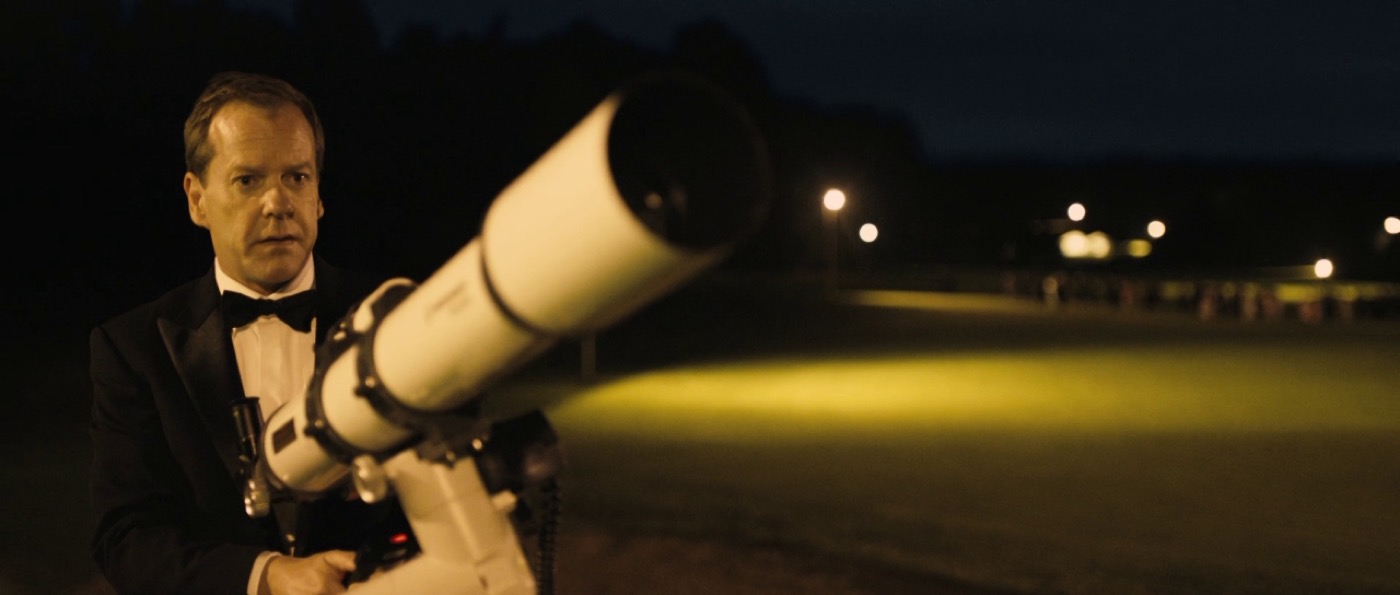
What sticks out most from Justine’s interactions with her loved ones is their shared intransigence. Justine’s sister, Claire (Charlotte Gainsbourg), is kind yet insistent that her sister stops running away from her problems. Claire’s husband, John (Kiefer Sutherland), is a cheerleader for rationality, meaning a bride holed up in her bedroom on her wedding night is an aberration he cannot comprehend.
But for Justine, reality is crystal clear. None of the platitudes offered to her about festivities, money, or happiness hold any value. They cannot salvage anything meaningful from the wreckage of her psyche. She flits in and out of the real world, engaging with her friends and family for a few minutes before scurrying away to be alone. It is all part of the same uniform portrait, where blips of contentment are so fleeting they cannot possibly mean anything to her.
Yet even this formula grows stale as Justine oscillates between committing to her respective roles—as a wife, sister, daughter, or ostensibly happy, well-adjusted person—and fleeing them. Aside from one escalation in the drama that confirms Justine’s pitch-black view of life and herself—an act of rebellion that only emphasises her imprisonment—Melancholia settles into a humdrum rhythm when depicting her turmoil. That life simply goes on is less a benefit of the film’s representation of depression and more a sign of a narrative that cannot go anywhere because of it.
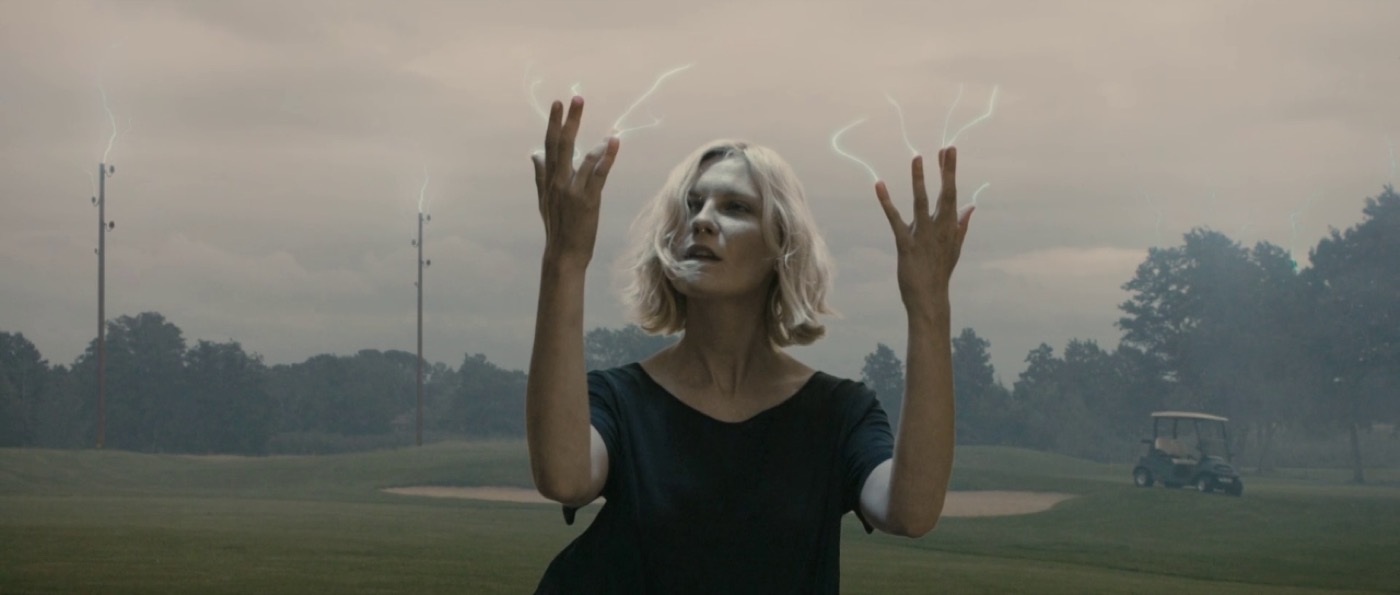
This stagnation is only amplified in the film’s second half, which follows Claire’s growing realisation that the world is about to end. Justine, the clairvoyant, is already well aware. She simply knows things; depression has offered her a sense of clarity more powerful than any happy moment or contented outlook. In most films, this would be a false positive, a red herring deployed to be undone so that the protagonist can transcend her illness and look towards the light. Melancholia is not that kind of film. It confirms Justine’s worldview, granting her a sliver of omniscience as the first to realise that the Earth is doomed.
Claire, who is comparatively ‘normal’, responds to impending doom with typical, regular breakdowns. John, meanwhile, is the kind of straight-talking, no-nonsense figure you can imagine being a formidable foe. His charity has a short leash and reaches a swift conclusion. He’s a pragmatist so straightforward and self-serious that he recalls more caricatured roles from recent cinema, like Harrison Lee Van Buren Sr (Guy Pearce) in Brady Corbet’s The Brutalist (2024), or Col. Steven J. Lockjaw (Sean Penn) in One Battle After Another (2025). He’s rationality whittled down to a solitary nub, too self-absorbed to recognise the farcical nature of his existence.
Justine understands she appears delusional and stark raving mad to those around her; she has had to hear it repeatedly. Perhaps that is why it is so much easier to take her seriously than John, who is barely held together as a cliché, let alone a character. The same is true of several side characters, from Justine’s weirdly antagonistic employer, Jack (Stellan Skarsgård), to his new hire, Tim (Brady Corbet). But it is Claire who is most underserved by the script, as ordinary, struggling people seem to have no place in this realm of the soon-to-be-dead. It is Justine’s dilemma that fascinates, meaning that exploring how someone terrified of the end of their life processes this ordeal feels as if the film has moved from a specific narrative to an overly generalised one.
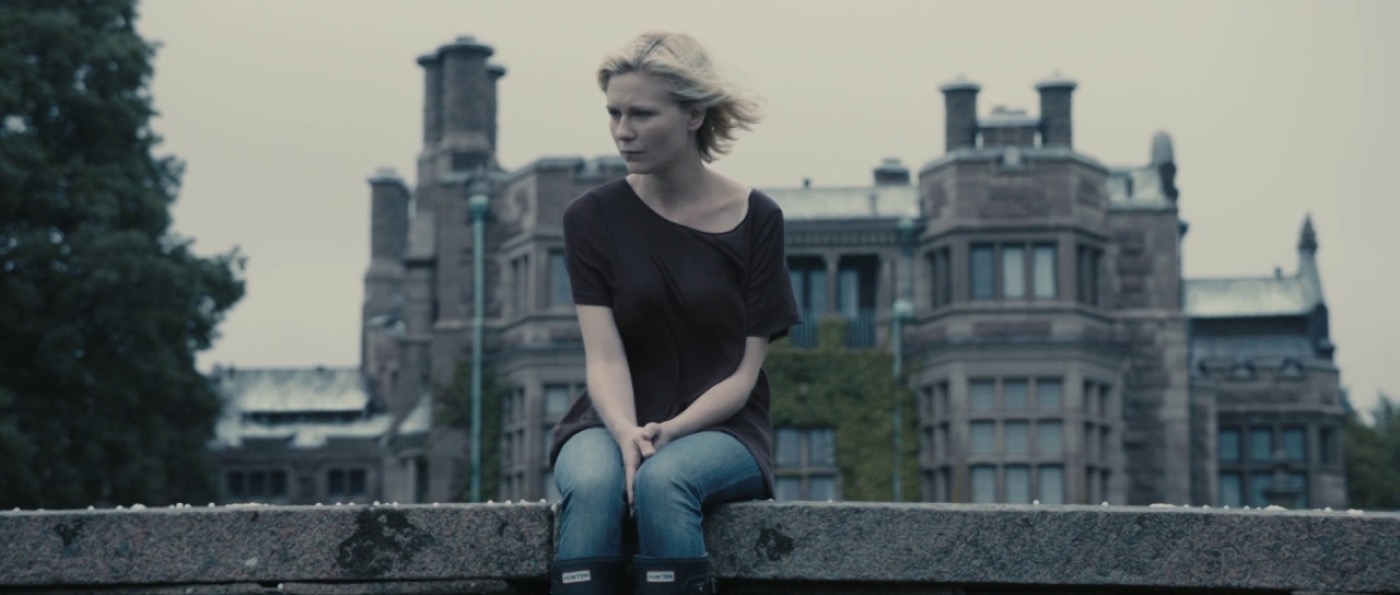
The two sisters do not really demonstrate a bond, or lack thereof, so there is never a strong sense of anticipation when watching them converse. Not even the annihilation of Earth can get them to understand one another, or even try. By zooming in on the beauty and horror of Melancholia’s central concept in its opening scene, von Trier fails to ramp up any stakes or investment in the subsequent story. It is doubtful he wanted to, given that he made this film to demonstrate how the end of the world could seem beautiful to a ravaged mind. Anything more emotionally textured would make for a better film, though it would have sullied his specific vision.
Well-worn motifs linger long after their profundity has been wrung dry, most notably the prelude to Richard Wagner’s opera Tristan und Isolde. It is a perceptive piece of music, inverting the Hollywood-esque romanticism associated with these compositions while still treating the subject seriously—just as von Trier refuses to condescend to Justine. Yet with each repeated inclusion, the music loses its prescience, its bitter edge, and its desperate urge to leave this planet behind and graze against the stars. Gradually, the same becomes true of Melancholia itself.
DENMARK • SWEDEN • FRANCE • GERMANY | 2011 | 130 MINUTES | 2.35:1 | COLOUR | ENGLISH

writer & director: Lars von Trier.
starring: Kirsten Dunst, Charlotte Gainsbourg, Alexander Skarsgård, Kiefer Sutherland, Cameron Spurr, Charlotte Rampling, John Hurt, Stellan Skarsgård & Brady Corbet.