A SELF-MADE HERO (1996)
A man moves to post-WWII Paris and learns to reinvent himself as a war hero with help from a former Resistance fighter...


A man moves to post-WWII Paris and learns to reinvent himself as a war hero with help from a former Resistance fighter...
Well-intentioned, flawed criminals are a hallmark of Jacques Audiard’s career. Their backgrounds and circumstances differ, ranging from slighted employees and low-level enforcers to boxers trading blows in illegal fights, refugees, and hitmen-for-hire. The throughline for these characters is that they’re never beyond reproach; the French filmmaker’s typically gritty, realistic style gives us plenty of room to accept them as they are, warts and all. Few creatives have painted criminality in such a respectful light, where, more often than not, you find yourself unable to blame them for their illegal actions.
Not only does Audiard wedge his characters between immovable barriers, forcing them to extremes, but he’s also resistant to judging them for their gravest actions or their worst days. He creates tricky circumstances and dares the audience to look down upon his characters’ desperate measures to escape them. But in A Self-Made Hero / Un héros très discret, he breaks away from that mould entirely. The director’s second feature film embarks on a lightly comedic tale of a man who believes he’s destined for greatness and uses that determination to invent the life he seeks. This time, the protagonist’s folly is purely of his own design.
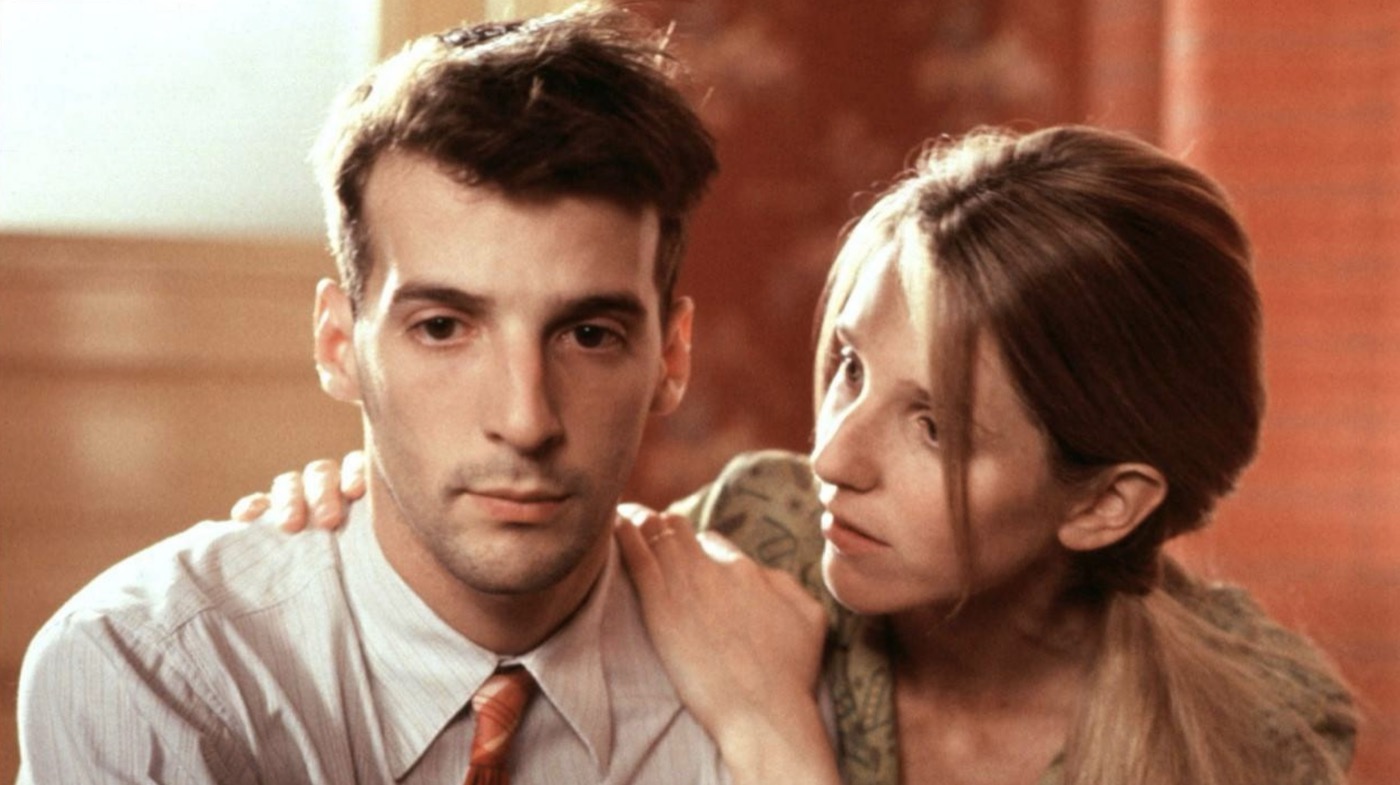
Albert Dehousse (Mathieu Kassovitz) is an unassuming young man unable to fulfil his dreams of heroism. His drunkard father died of cirrhosis, yet his mother (Danièle Lebrun) insists he was a war hero who perished in battle during World War I. Dehousse dedicates his life to following in his father’s footsteps, but ultimately, it is his mother—the only parent present in his life—who makes the stronger impression. She lied so often, and with such fervour, about her husband’s demise that she hadn’t just convinced her son of the falsehood; she appeared to believe it herself.
How a person can become subsumed by delusion is a fascinating inquiry into the mysteries of the human spirit, but Audiard has little interest in that. Instead, he keeps the tone light, humorous, and free of introspection, apart from brief asides by an elderly Dehousse (Jean-Louis Trintignant), who stares directly into the camera as he reminisces. Dehousse, despite being an expert in the art of deception, is evidently a poor scholar of his own past mental states.
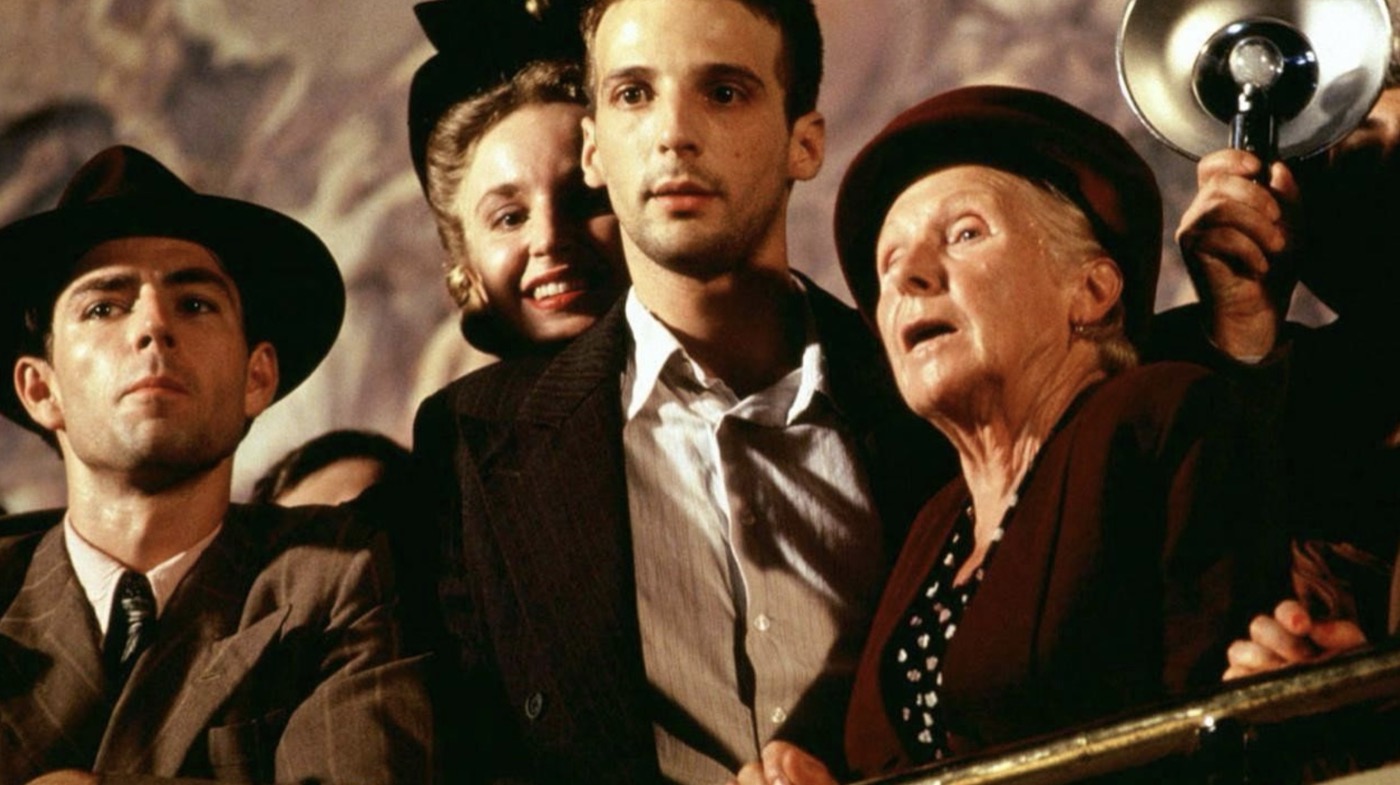
His fate cleverly ties in the dual concepts of the film’s title. A “self-made hero” could be a noble figure who uses his industriousness to construct a reputation through brave deeds, or it could refer to an approval-seeking coward who invents heroic acts to coast off an unearned reputation. By adopting the latter approach, Dehousse masquerades as the former. Without either of them realising it, the protagonist was subconsciously groomed by his mother into accepting falsehood as truth.
One of Audiard’s greatest strengths here is the ease with which he dispenses information about Dehousse’s early life. At no point does the exposition feel forced; there is a nimbleness to the script that allows it to glide through the formative years. We gain insight into Dehousse’s motivations before quickly pivoting to his time in Paris, where he travels after abandoning his family. Upon arrival, he embraces a life of squalor, begging for change and forging a friendship with a Free French fighter, Captain Dionnet (Albert Dupontel).
Dehousse is seen as a fool by his new friend—a wandering beggar emboldened to forge his own destiny. Once Dehousse embraces his alter ego—a hero of the ongoing Second World War who survived a bullet to the chest—he coasts off this fabricated reputation, dodging rent, stealing food at fancy gatherings of Resistance fighters, and ingratiating himself with genuine heroes.
Kassovitz is perhaps best known to cinephiles for directing La Haine (1995), a French classic whose acclaim has only grown since its release. But he is an equally talented actor, lending a boyish, pitiful charm to the love interest in Jean-Pierre Jeunet’s eccentric Amélie (2001). In A Self-Made Hero, he’s just as charming. The key difference is that we only know a small part of the protagonist for much of the film. It’s only when Dehousse fully embraces his new identity that we see why Kassovitz was the perfect fit.
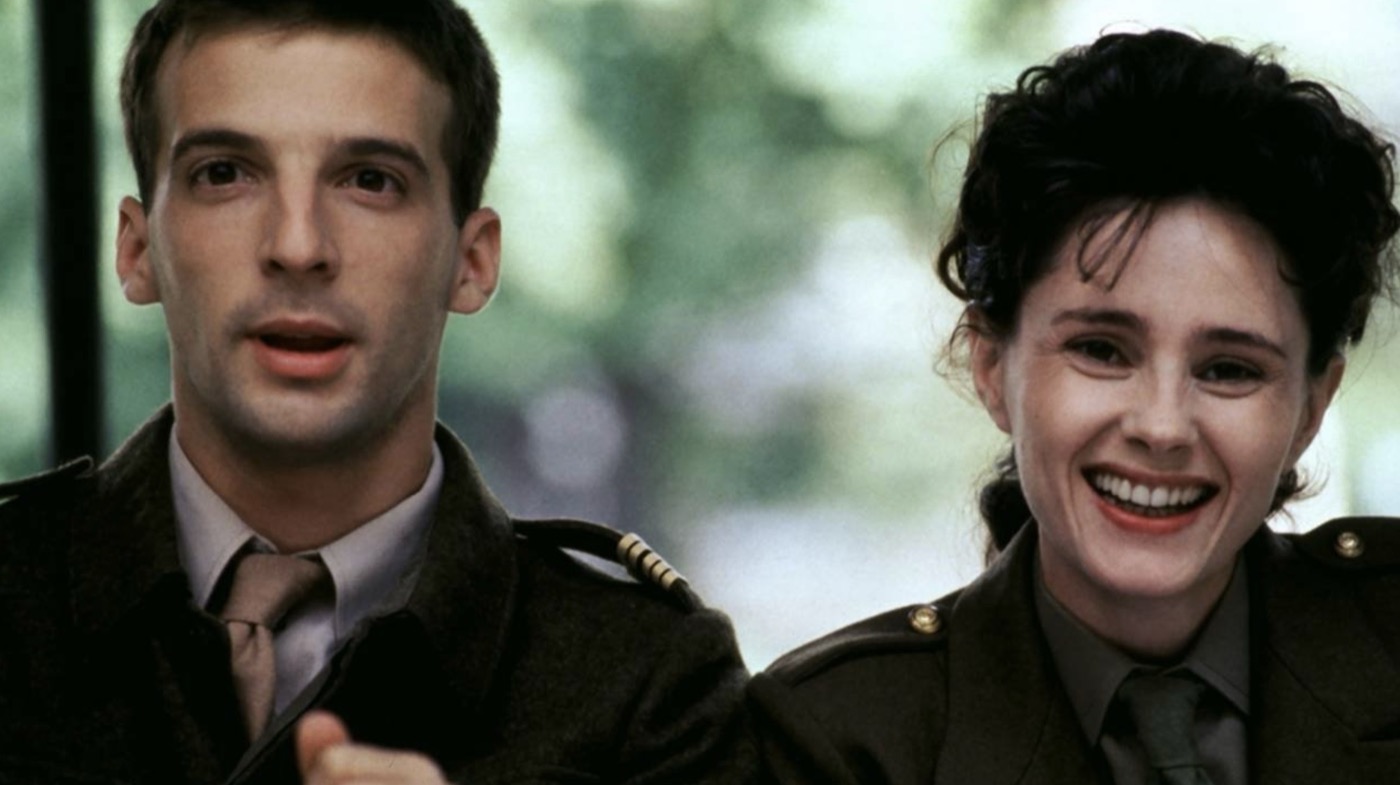
Kassovitz has a remarkable talent for portraying both nervous characters lacking conviction and sly jokesters who use charm to build confidence. Both shades of his talent are employed to full effect, allowing us to watch the character—and the actor—come alive.
But if someone only starts to “become themselves” through falsehoods, who are they really? How do we understand a person whose essential characteristics spur them to defy characterisation? These are questions which A Self-Made Hero, a film as sly as its protagonist, continually resists. Audiard touches upon these themes briefly, mostly through voice-over, but none are explored in depth.
Undoubtedly, this is because Audiard, who adapted the film from Jean-François Deniau’s novel, is more interested in comedy than introspection. That would explain a bizarre, short scene where we see Dehousse, adorned in the kind of feathers one would expect Icarus to wear, flapping his arms alone in a dark room.
As inconsequential as this sequence is, it goes a long way towards explaining the director’s approach. Unlike Agnès Varda, who powerfully explored the impossibility of fully understanding someone in Vagabond (1985), Audiard is too gleeful for such gravity. The film doesn’t just resist interpretation; it defies the opportunity to grant viewers a window into the protagonist’s psyche.
Though it’s amusing to watch Dehousse’s travails through a web of deceit, I was left hoping the film would ramp up its tension or reflection. Whether through cringe-inducing scenes of Dehousse deflecting in real-time or an attempt to piece together a portrait of a man steeped in denial, these absences make A Self-Made Hero feel half-formed. For ardent fans of the director, it’s a must-watch, but despite its entertainment value, it’s easy to see why the film remains a lesser-known entry in Audiard’s filmography.
FRANCE | 1996 | 107 MINUTES | 1.85:1 | COLOUR | FRENCH

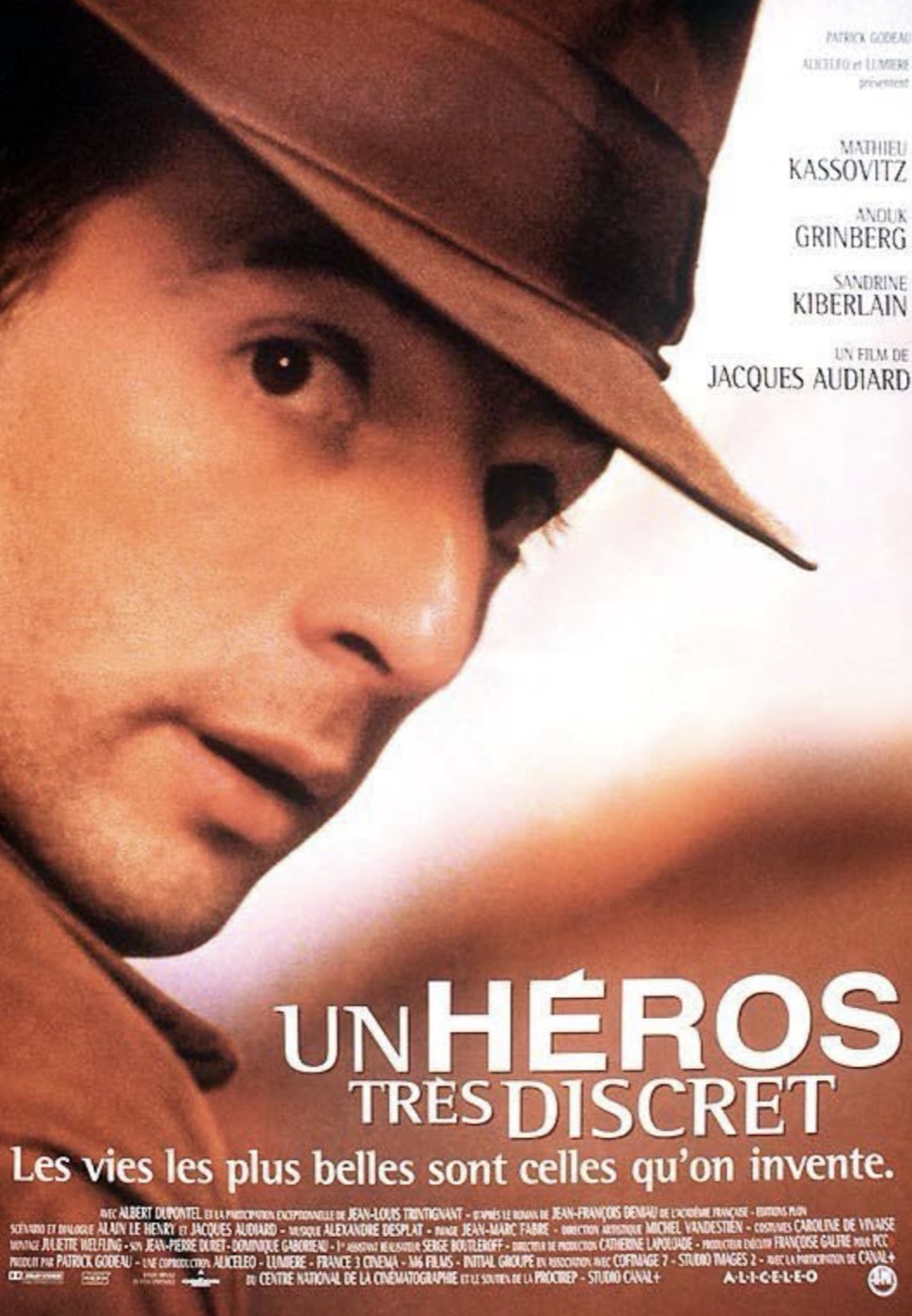
director: Jacques Audiard.
writers: Jacques Audiard & Alain Le Henry (based on the novel by Jean-François Deniau).
starring: Mathieu Kassovitz, Albert Dupontel, Anouk Grinberg, Sandrine Kiberlain, Nadia Barentin, Bernard Bloch, François Chattot, Philippe Duclos & Danièle Lebrun.