HOKUM (2026)
A horror writer visits an Irish inn to scatter his parents' ashes, unaware the property is said to be haunted by a witch.

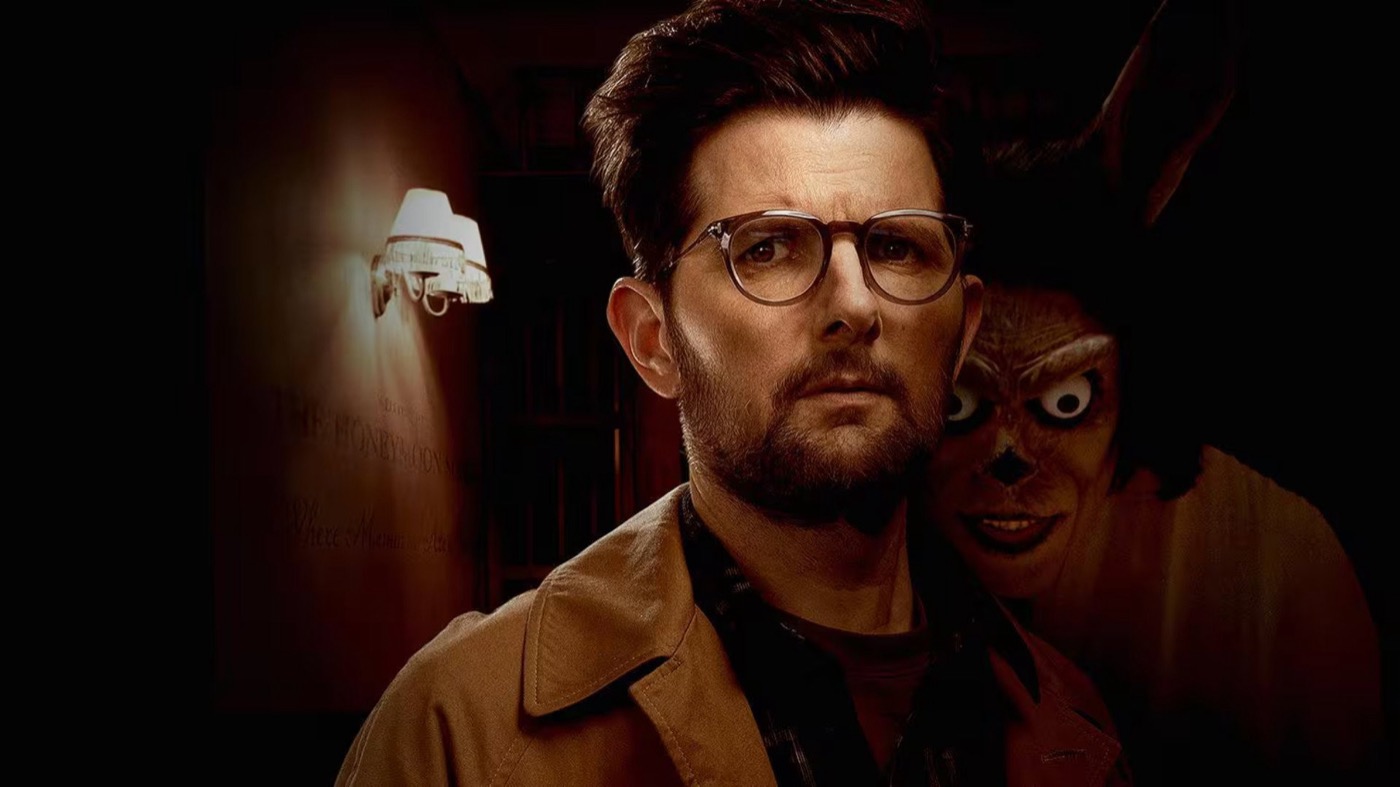

A horror writer visits an Irish inn to scatter his parents' ashes, unaware the property is said to be haunted by a witch.
The 2020s have been an exceptional decade for mainstream horror, with a troupe of new filmmakers redefining the genre’s landscape. Osgood Perkins cultivated a distinct brand of somnambulistic dread and eerie atmosphere with Longlegs (2024) and Keeper (2025), while Zach Cregger established himself as an exciting new voice by marrying visceral thrills with gallows humour in Barbarian (2022) and Weapons (2024). Yet, while these names dominated conversations, writer-director Damian McCarthy lingered just beyond the spotlight. Demonstrating an affinity for folkloric retribution and languid unease, the Irish filmmaker earned admiration among horror aficionados with his sophomore effort, Oddity (2024). His latest work continues his fascination with the supernatural and his unique ability to induce nightmarish scares. Combining Celtic tragedy with a meditation on childhood guilt, Hokum cements McCarthy’s status as one of the most intriguing voices in contemporary horror.
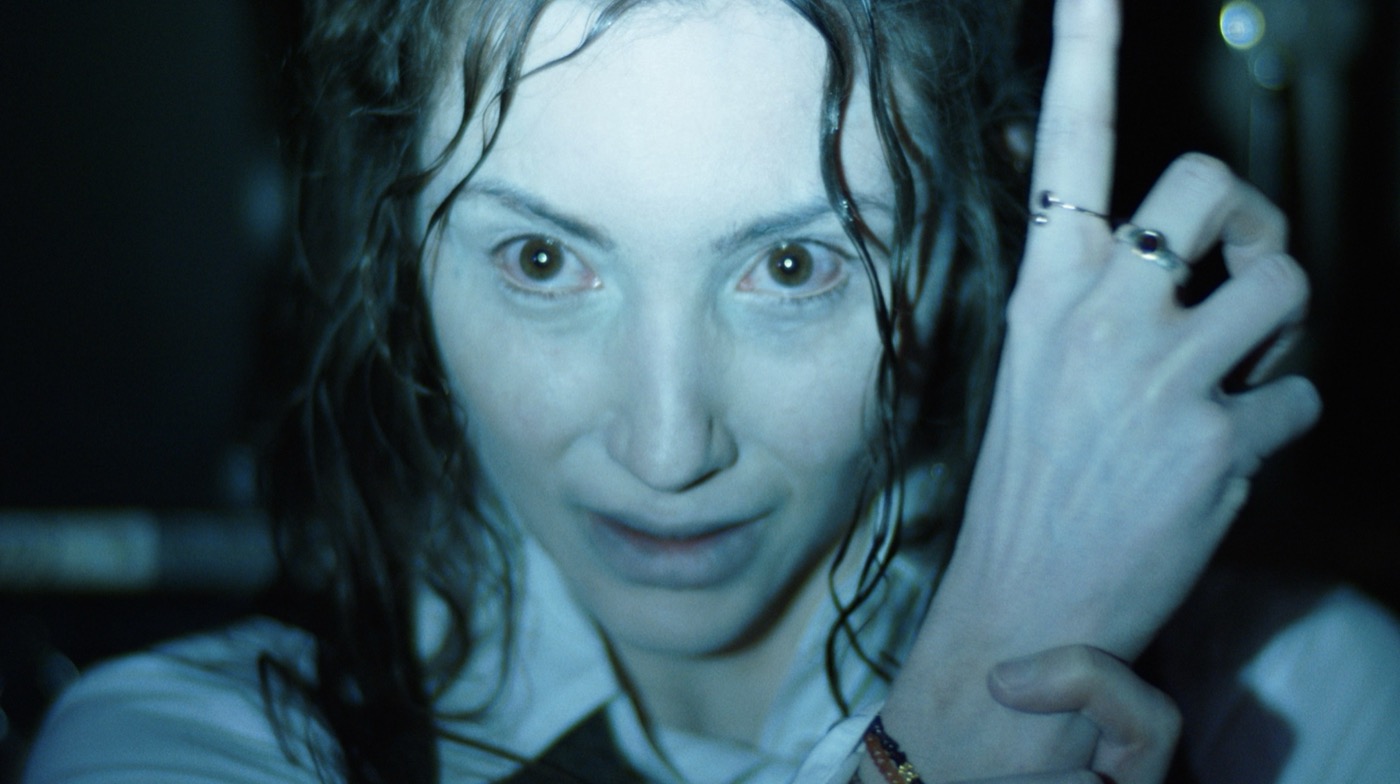
Set against the idyllic landscapes of rural Ireland, the story follows Ohm Bauman (Adam Scott), a successful novelist drawn to dark tales of human suffering. In the wake of his parents’ untimely deaths, he travels to The Bilberry Woods Hotel to scatter their ashes. Upon his arrival, Fiona (Florence Ordesh) offers to help Bauman find a meaningful resting place for them. When he casually inquires about the honeymoon suite, she recounts an unsettling folktale: according to local lore, the room remains closed to the public because it functions as a metaphysical prison for a malevolent witch. Bauman initially dismisses the tale as superstitious nonsense, treating it as potential material for the epilogue of his popular “Conquistador Trilogy”. However, as the weekend progresses, a dramatic event forces the writer to stay in Ireland longer than expected. When he discovers Fiona has mysteriously disappeared, Bauman becomes determined to uncover the truth. As his investigation draws him toward the hotel’s forbidden spaces, he discovers the witch rumoured to haunt the honeymoon suite mightn’t be a legend after all.
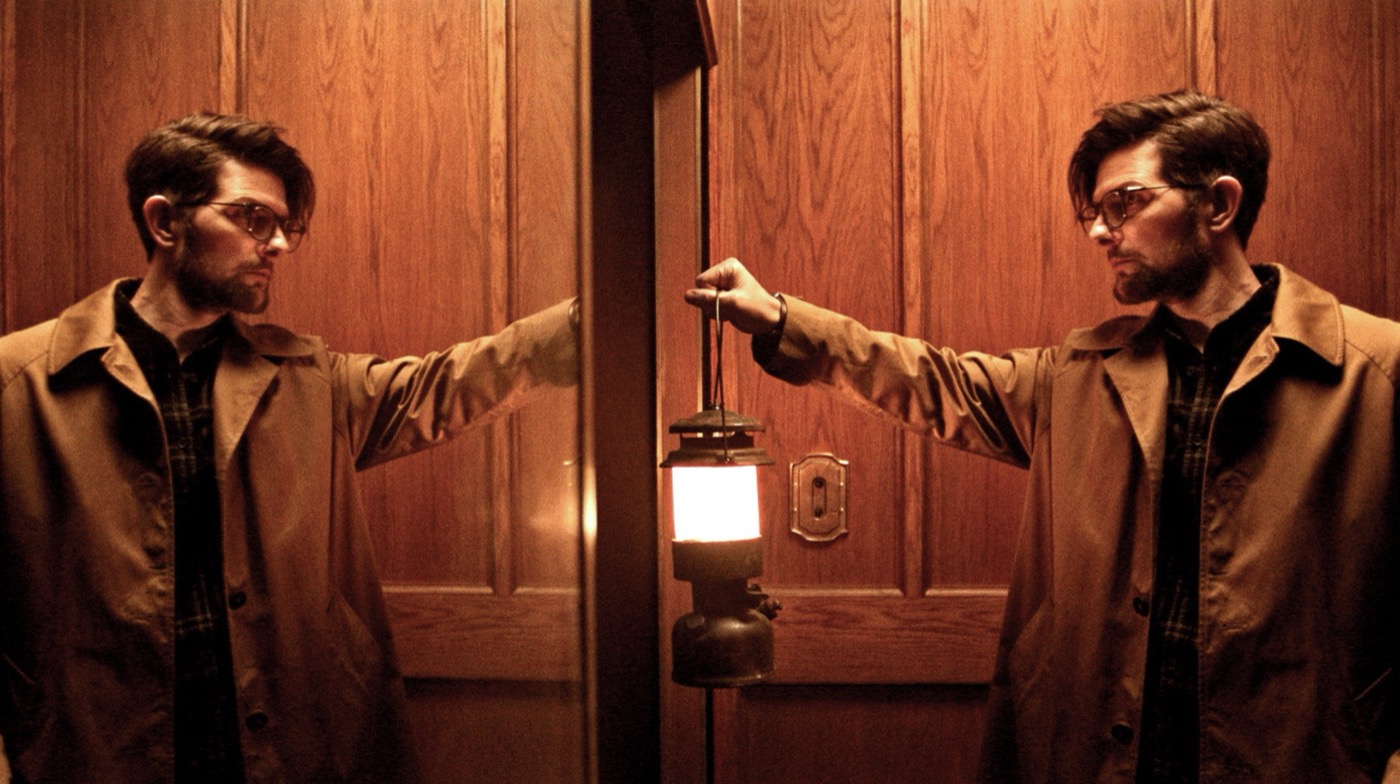
After years of endearing himself to audiences with his easy affability in NBC’s Parks and Recreation (2009-2015) and the comic neurosis of Apple TV’s Severance, Adam Scott delivers a sharp and satisfying turn as the cantankerous yet sympathetic novelist. Leaning into his strengths as a performer with an ironic detachment well-versed in deadpan humour, it’s refreshing to see the actor as a curmudgeonly arsehole. At his most abrasive, he’s casually condescending to his admirers and dismantles the confidence of aspiring writers with a cruelty that feels compulsive. Yet, beneath his defensive cynicism is a man defined by loss. The burden of his mother’s premature death and an abusive upbringing has manifested as an emotional withdrawal that renders Bauman inaccessible. It’s a multi-layered performance; Scott manages the difficult balance of making an unlikable character compelling by revealing the vulnerability behind his hostility.
Between his unnerving debut, Caveat (2020), and his breakthrough Oddity, Damian McCarthy steadily refined his particular strain of folkloric terror into something palatable for mainstream audiences. The filmmaker finds a harmonious balance with Hokum, rigorously constructing a supernatural tale that retains his distinct idiosyncrasies and moments of genuine tension. At first glance, the familiar setup invites superficial comparisons to Stanley Kubrick’s The Shining (1980) and Mikael Håfström’s 1408 (2007). The isolated milieu of The Bilberry Woods Hotel, coupled with the author’s own psychological decay, is unmistakably indebted to Stephen King’s oeuvre. Yet, what distinguishes McCarthy’s screenplay is that it’s steeped in rich Celtic mythology. Rather than simply borrowing the conventions of familiar haunted house tales, it enriches them by layering folkloric retribution with deep characterisation. The result is a careful restoration that feels terrifyingly traditional instead of derivative.
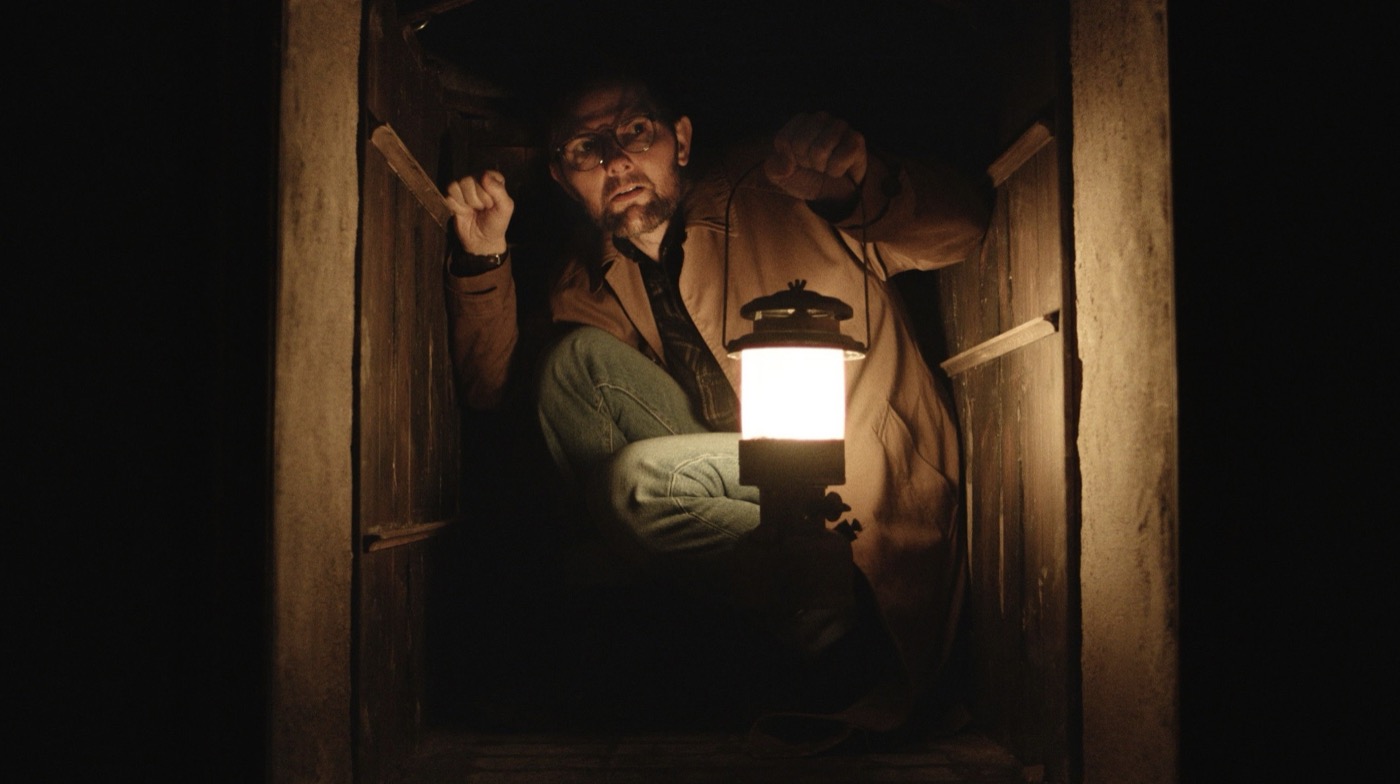
Although Hokum is a deceptively simple piece of storytelling, that doesn’t detract from the remarkable craftsmanship on display. McCarthy is eminently skilled at fomenting suspense, locating unspeakable sights in the most unassuming imagery. This pairs wonderfully with Colm Hogan’s minimalism, which creates a truly disquieting atmosphere. During sequences of Bauman innocuously scouring the darkened corners of the honeymoon suite, Hogan composes his images with his subject surrounded by a disconcerting amount of negative space. The interplay of light and shadow is weaponised to great effect, designed to misdirect the audience’s attention and subtly invite our imaginations to populate the darkness with our own demons. The most haunting moments occur during the extended passages of Bauman examining the building’s layout. As indistinguishable silhouettes and horrifying spectres momentarily materialise just beyond the subtle glow of his oil lamp, they catch the eye before dissolving back into obscurity.
The time spent with Bauman trapped in the darkness certainly creeps beneath the skin, but it’s in the curated interplay of Ciara McKenna’s set decoration and Til Frohlich’s production design where McCarthy orchestrates his most resonant moments of dread. The outdated hotel is full of personality, and the filmmaker has a unique ability to turn its whimsical fixtures into nightmare fuel. Whether it’s the cherubic engravings malevolently leering over the fireplace or handmade clay figurines arranged into an ominous diorama, each ostensibly kitsch detail is repurposed into something spiritually oppressive. Perhaps the most unnerving moment occurs shortly after Bauman’s nightmarish visions of his childhood come to the forefront. A recurring motif of a grotesquely distorted character hosting a children’s television show will undoubtedly burrow into the audience’s subconscious long after the credits roll. Admittedly, none of these manufactured frights achieves the visceral shock of the flashlight scene in Oddity. However, McCarthy demonstrates a confident understanding of the mechanics of horror, deploying these moments with enough precision to jolt the audience.
Despite the unrelenting atmosphere of suffocating dread, Hokum is also deliciously funny. Much like the gallows humour that underpinned his previous work, McCarthy cannot resist puncturing moments of terror with shards of disquieting comedy. An absurd image of narcissistic goats springing onto parked cars to admire themselves in the polished paintwork will certainly elicit a nervous laugh. However, it’s Bauman’s tentative relationship with Jerry (David Wilmot) that breathes much-needed levity into the 100-minute runtime. The eccentric woodsman is equally burdened by past traumas but attempts to outrun his demons by experimenting with powdered psychedelic mushrooms and moonshine. Their exchanges are tinged with an understated absurdity; it’s precisely this offbeat humour that prevents Hokum from succumbing to the oppressive weight of its own morbidity.
Beneath its atmosphere and flashes of brutality, McCarthy constructs a compelling examination of how unresolved grief can manifest in dangerous ways. Trauma isn’t new terrain for the director; it has been a consistent preoccupation throughout his work. Caveat found its leads struggling with impairment following a traumatic event, while Darcy was consumed by grief in Oddity. Though none of those characters achieved true closure, Bauman does manage to find catharsis in the basement of the hotel. Without venturing into spoiler territory, it’s only through confronting his fears that the author reconciles with his past. It often feels the genre has become oversaturated with meditations on trauma instead of meaningful explorations of the emotional spectrum. Hokum doesn’t entirely escape this malaise, nor does it break new ground. However, it serves as a reminder that thematic recurrence isn’t necessarily an issue. Rather, it’s the treatment of the material that determines whether it resonates.
IRELAND • UAE • USA | 2026 | 107 MINUTES | 2:39:1 | COLOUR | ENGLISH

writer & director: Damian McCarthy.
starring: Adam Scott, Peter Coonan, Florence Ordesh & David Wilmot.