THE DRAMA (2026)
A happily engaged couple is put to the test when an unexpected turn sends their wedding week off the rails.


A happily engaged couple is put to the test when an unexpected turn sends their wedding week off the rails.
What’s the worst thing you’ve ever done? Truly, how would you answer that question? If you were by yourself, you’d likely be honest, recounting your greatest sin in silence and—one hopes—being genuinely reflective. But in the company of others? A week before your wedding? Drunk on wine? While occupying a position of relative wealth and comfort in a major American city? You’d likely be significantly more filtered, provided the drinks aren’t hampering your inhibitions. As for your actual response, you’d probably look for something more innocuous and presentable. (And depending on the life you’ve lived, you might actually have a relatively innocuous story to tell.)
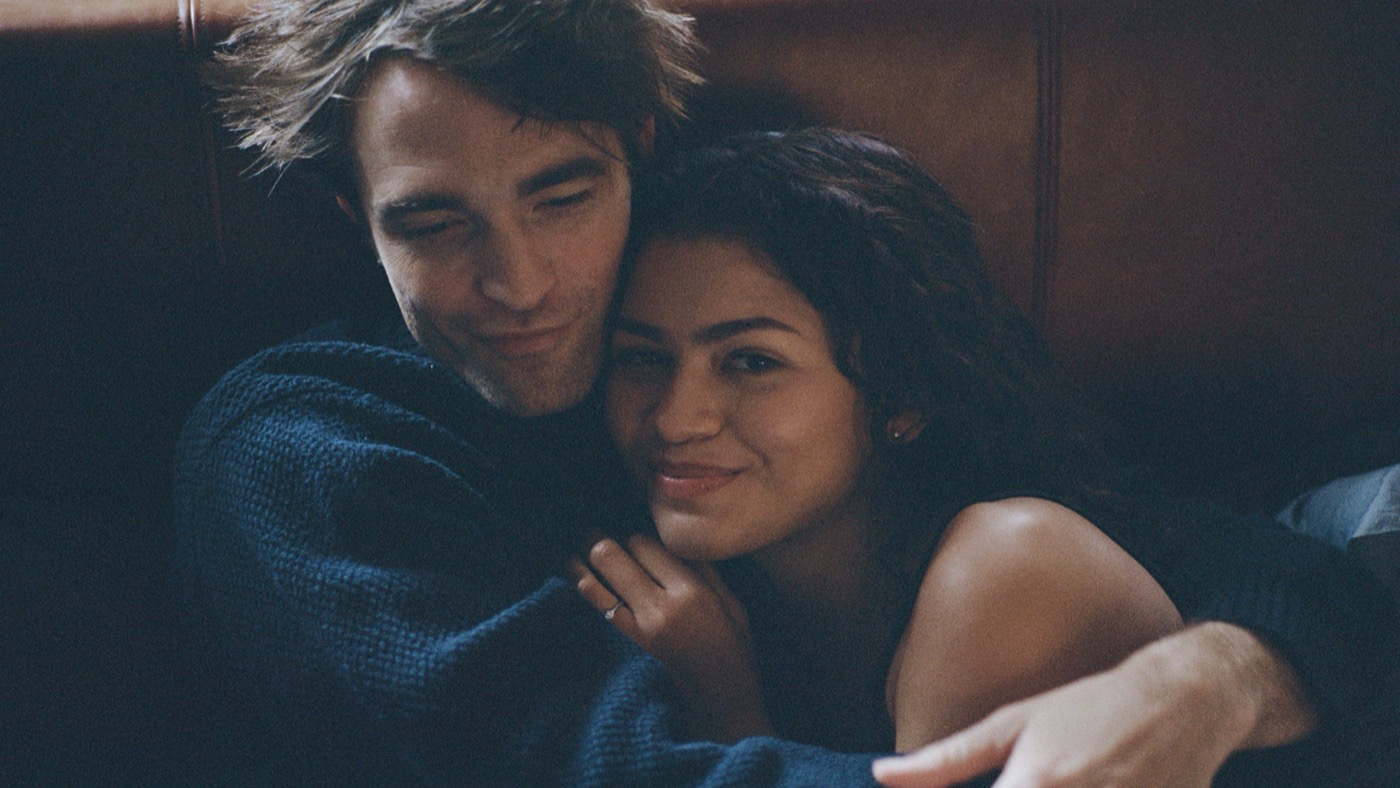
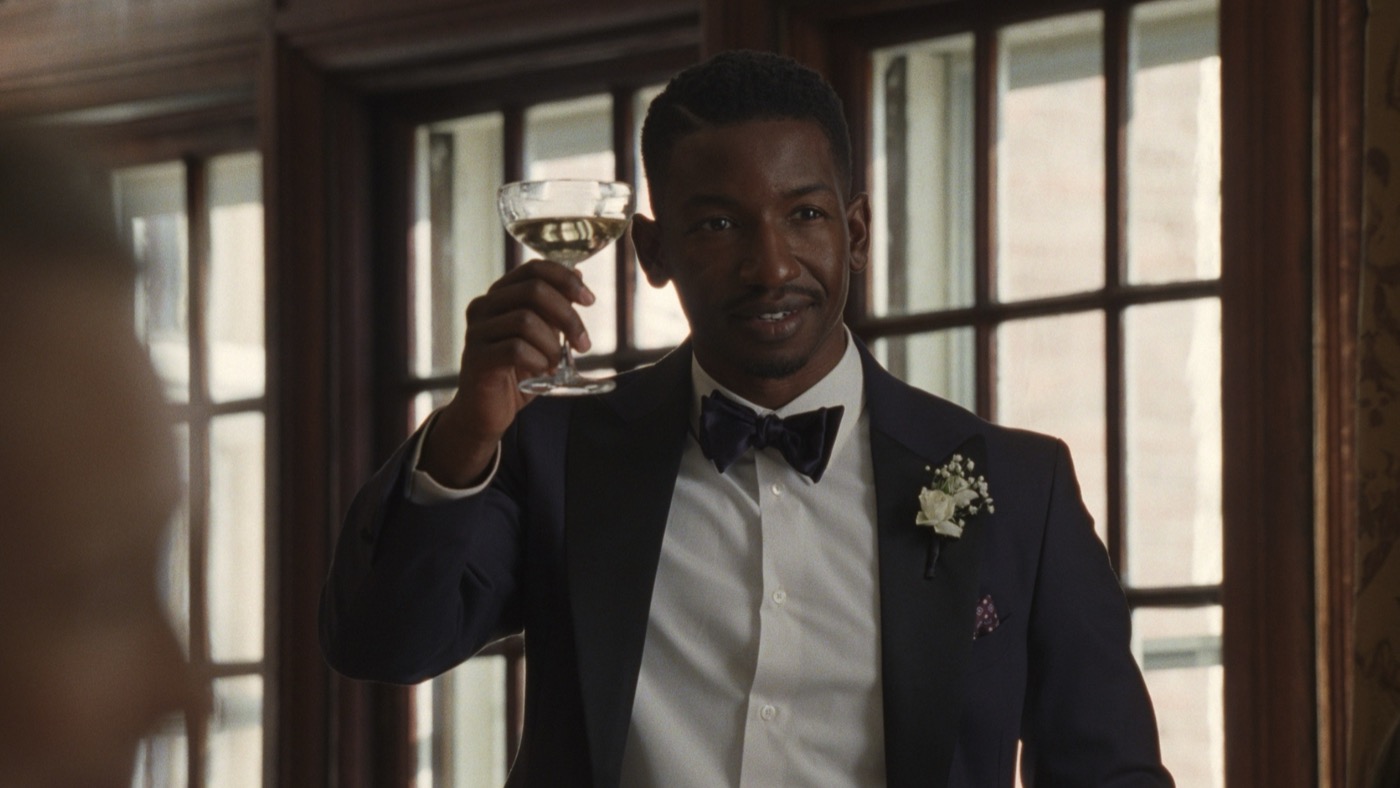
For Mike (Mamoudou Athie), it’s the story of how he used his temperamental ex-girlfriend as a human shield against an angry dog she provoked. For his wife, Rachel (Alana Haim), it’s the time she locked a disabled child in a closet and ran away, telling no one of his location and prompting an eventually successful search party. For museum director Charlie (Robert Pattinson), who is a week away from marrying bookstore clerk Emma (Zendaya), it was cyberbullying someone when he was 14 to the point that the victim moved towns.
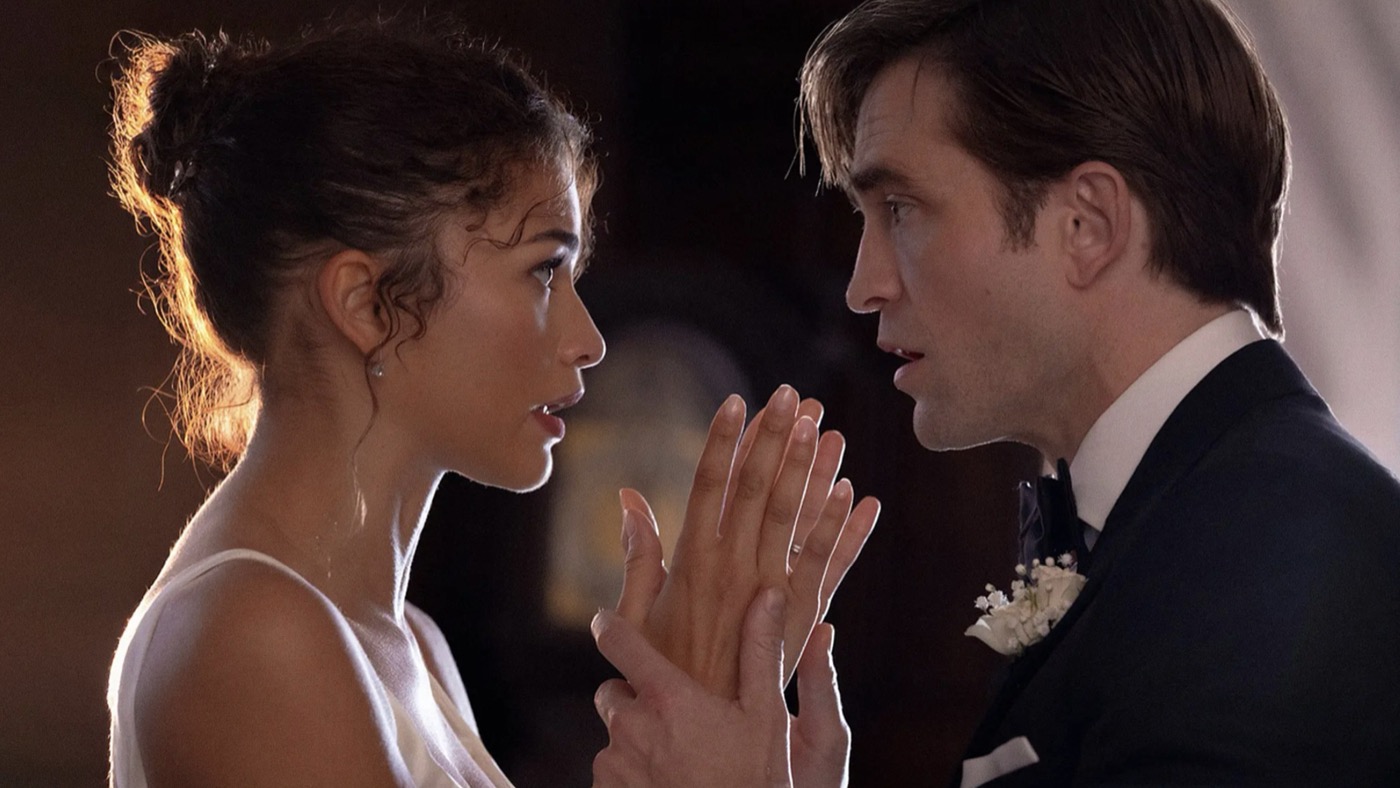
Then Emma takes her turn. No one believes her at first. But then she continues… and continues… and agonisingly continues. Confusion grows at the table, followed by horror and anger. She clarifies that she never went through with it—that she stepped back before crossing the brink—but it’s too late. Everybody believes the shock of the story she’s telling, and that’s when the bedlam of Kristoffer Borgli’s latest jet-black comedy, The Drama, begins.
Emma, caught in the firestorm of mistrust leading up to her marriage, isn’t the first maligned character Borgli has crafted. The Norwegian filmmaker’s previous work, Dream Scenario (2023), featured Nicolas Cage as a professor who inexplicably appears in the global population’s dreams and, eventually, nightmares. It was a fascinating, if disjointed, parable that made an absurdist spectacle of “cancel culture”. How is this man equipped to defend himself when his appearance in the world’s dreams isn’t something he can control? What does that say about his neuroses, his need for approval, and his ability to manage his own story under the world’s microscope? Dream Scenario may be a work of fascination, but it’s also a film notoriously lacking a concrete centre regarding what it wants to say about modern mass hysteria.
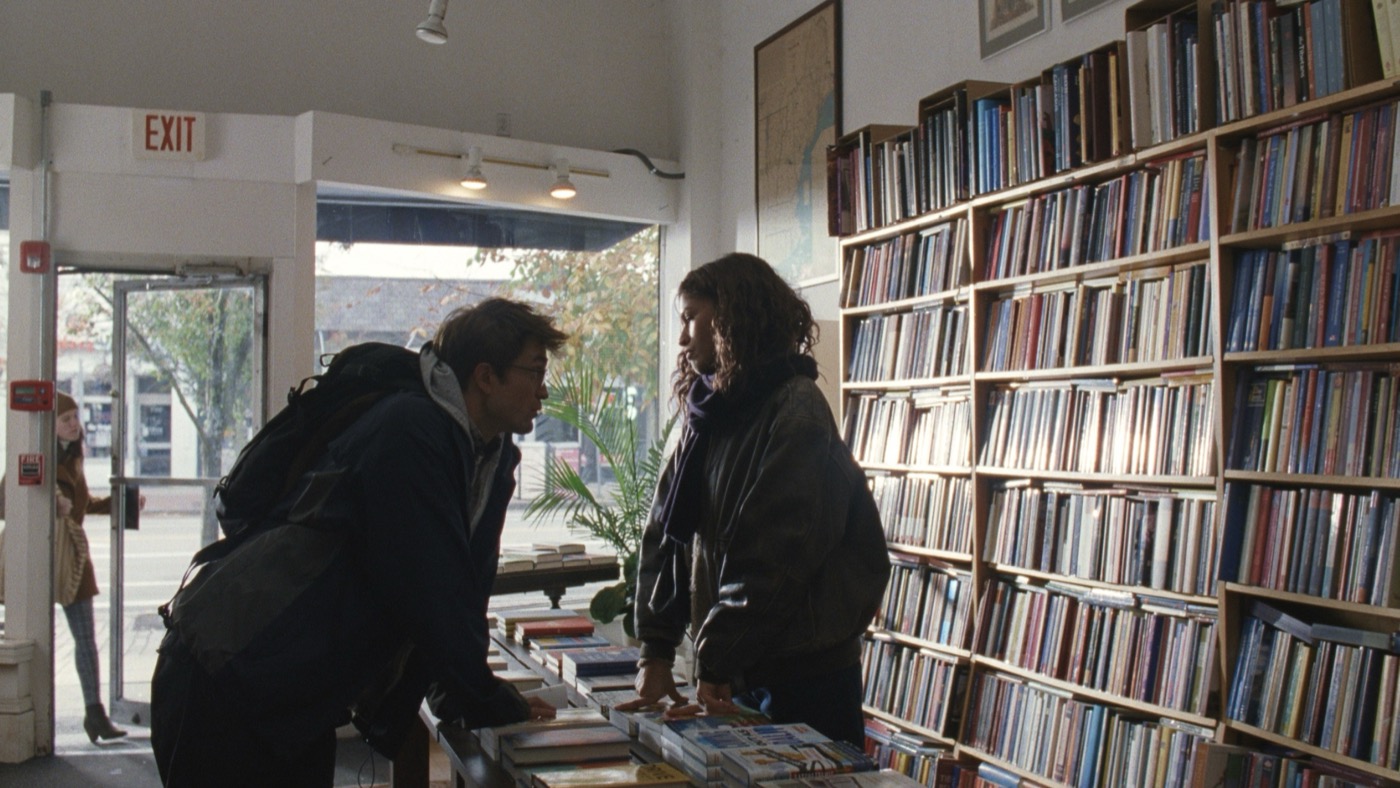
With The Drama, Borgli has created a pseudo-descendant of Thomas Vinterberg—particularly The Celebration (1998) and The Hunt (2012), tales of abhorrent truths and innocent lies spiralling out of control in polite society. It’s a hilarious comedy of errors at points, deconstructing bourgeois norms of civility—much like the aforementioned Vinterberg films—and how younger generations in America present them. But it’s also a film with an incredibly provocative swing, taking a wide-ranging contemporary tragedy in American culture and baking it into the worst thing Emma ever contemplated doing.
The film is destined to be mired in controversy, having the brazen courage to explore the roots of an absurdly nuanced and sensitive cultural topic. Yet Borgli also has romantic aspirations here, questioning the integrity of relationships where we know so little about the people we choose to spend our lives with. Whether or not it balances those two ends of its see-saw will be the main topic of discourse, sure to ignite nearly every corner of internet film discussion upon its release. But like Dream Scenario, Borgli mostly fails to have his wedding cake and eat it too; the two major narrative components of The Drama don’t synergise well enough to suit its greater ambitions.
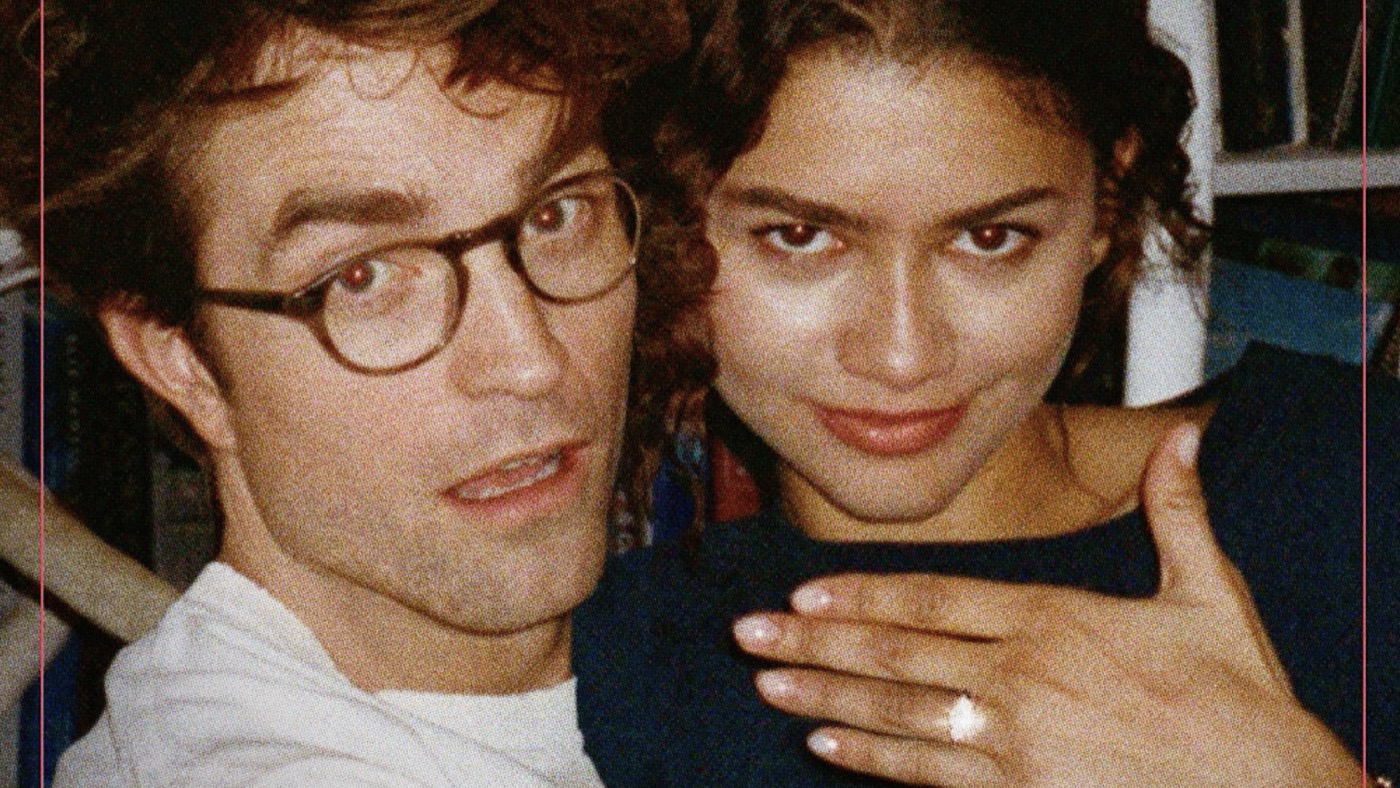
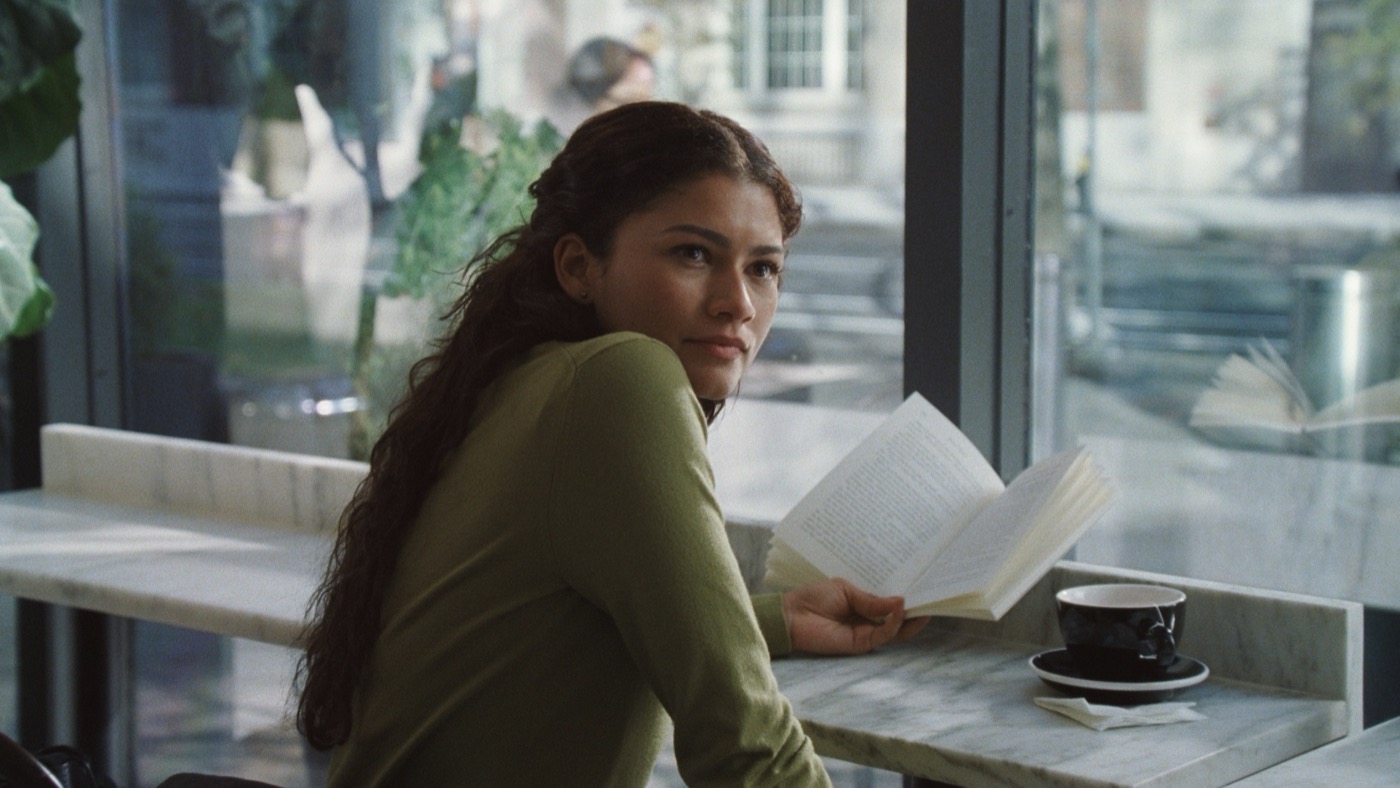
For the first thirty minutes or so, before Emma’s bombshell, you get the sense that Borgli already wants you to mistrust the idyll of Emma and Charlie’s romance. These are two people with great affection for one another, stretching back to their first awkward encounter at a café where Charlie tried to court Emma by falsely claiming he’d read the book she was holding. And yet, framed within the present-day context of the couple drafting their wedding speeches, Borgli and co-editor Joshua Raymond Lee create a formally distinct cutting language to dismember the romantic flow of the relationship.
Sound drops in and out of the mix at key moments, reflecting the fact that Emma is deaf in her right ear. Scenes cut into one another mid-sentence, leaving the height of certain moments to the imagination when gossip emerges immediately after. Arseni Khachaturan’s cinematography makes liberal use of whip pans and oddly menacing push-ins to throw the viewer off-axis and add weight to moments of light affection. It’s scattershot yet calibrated; even the opening credits splinter across the screen before settling into place.
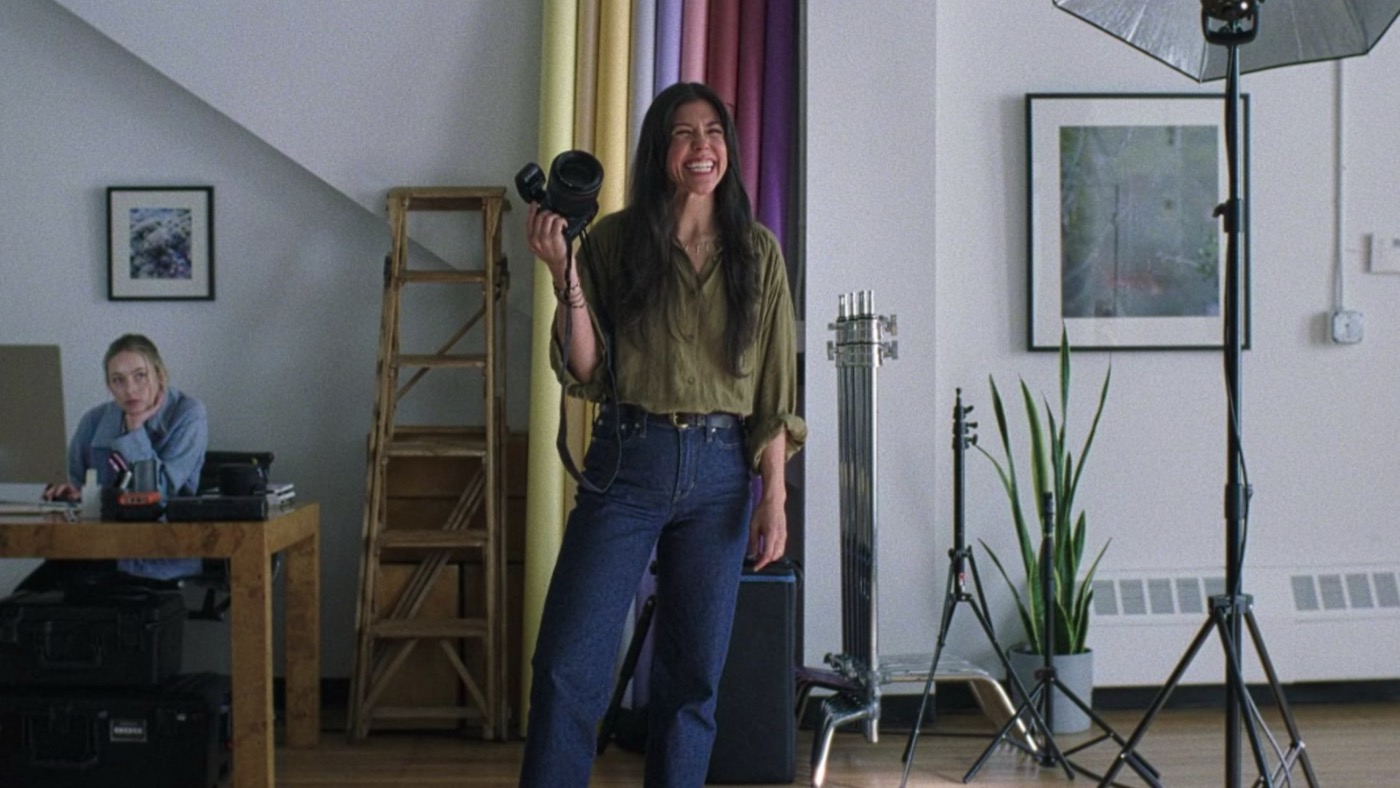
So, when Emma’s “worst thing ever” comes out of nowhere, the ensuing emotional unmooring doesn’t feel entirely out of place. Borgli’s film thrives best when he’s working at a frequency that exploits the absurdity of Charlie and Emma’s “front” after the truth is revealed. A pre-wedding photoshoot is not only deeply awkward but interspersed with flashbacks to Emma’s younger self (Jordyn Curet). She’s effectively forced into the present and by Charlie’s side as he wonders if Emma has changed from the person he now knows she used to be. We understand the futility of denying this past because it keeps re-emerging in flashbacks that jam themselves into the film’s visual language, as Charlie neurotically re-contextualises and reimagines moments from their life together.
To that end, Zendaya, Pattinson, Haim, and Athie are a wonderfully effective ensemble. Athie provides a stable yet increasingly flustered emotional base, while Haim drips with the kind of contempt only an upper-middle-class, “purist-woke” woman could muster. Pattinson’s work grounds us in Charlie’s neuroticism as he overthinks Emma’s story and stews in helpless anxiety—a portrait of a man stuck in his own head. And Zendaya’s tendency to play tough-exterior roles serves her well here as a front for a person hiding deep anti-sociality and loneliness. She seems to have overcome it, but in the wake of this disaster, how much of what she’s repressed is resurfacing? And beyond his origins in England, what’s really making Charlie tick?
If you’re looking for specific answers, you aren’t likely to find many—and that’s where The Drama falters most. The film lacks a necessary specificity in who its characters truly are beyond this snafu. That bombshell isn’t just an expository throwaway; Borgli attempts to mine it for everything it’s worth, to wildly mixed results.
Without delving into spoilers, it’s worth noting that the non-American Borgli’s observations of a quintessentially American tragedy intermingle in troubled ways with Emma’s race and gender. The wellspring of isolated sorrow and anger we see from Emma’s youth will certainly feel psychologically true for most; it’s a universal experience with ripple effects that last into adulthood. But given her background as a biracial Black woman from Louisiana, is it materially true that she would be culturally conditioned into embracing something so horrifying? And in the cases where it is true, what are the specific psychological triggers for someone of her demographic venturing into this kind of terror?
That inquiry is never really addressed. Every so often, Borgli gives his characters a line or two to provide a half-hearted answer, but they never feel as if they come from real curiosity or lived experience. Even as the film cascades into a no-holds-barred finale of gripping tension and “cringe”, its ending never feels truly integrated into the social inquiry posited by Emma’s horrifying secret. On the surface, it’s staged with a deft eye for humour, culminating in the absurdity that ensues when a devoted couple realises they’ve never really known each other. But the darkness of Emma’s secret ends up being used more as window dressing than anything else.
Borgli’s aims are more fulfilled when he leans into the comedy. The film sings when it pokes at how rich it is to see successful individuals in puritanical societies fall apart the second a morbid corner of a partner’s past rears its ugly head. But the audacity of what The Drama is actually about—the uniquely American shadow that darkened Emma’s youth—is never fully explored. Instead, it’s merely dipped into with enough detail to be provocative before Borgli cowers out midway through. It certainly wouldn’t be the first time he or his characters backed out of crossing a major line at the last second.
USA | 2026 | 105 MINUTES | 1.85:1 | COLOUR | ENGLISH


writer & director: Kristoffer Borgli.
starring: Zendaya, Robert Pattinson, Alana Haim, Mamadou Athie, Zoë Winters, Hailey Benton Gates & Jordyn Curet.