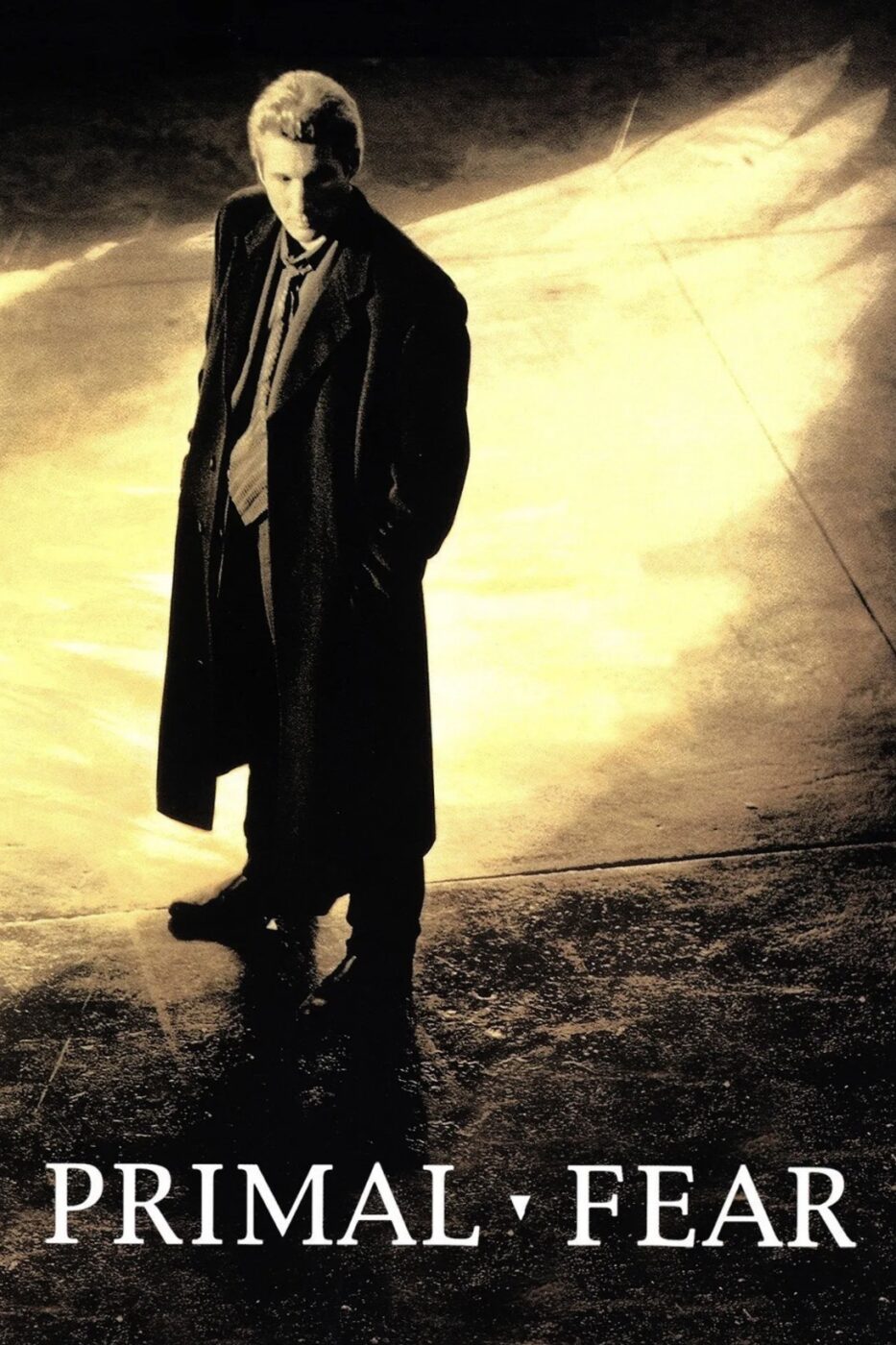
PRIMAL FEAR (1996)
A high-profile murder intrigues a publicity hungry lawyer.


A high-profile murder intrigues a publicity hungry lawyer.
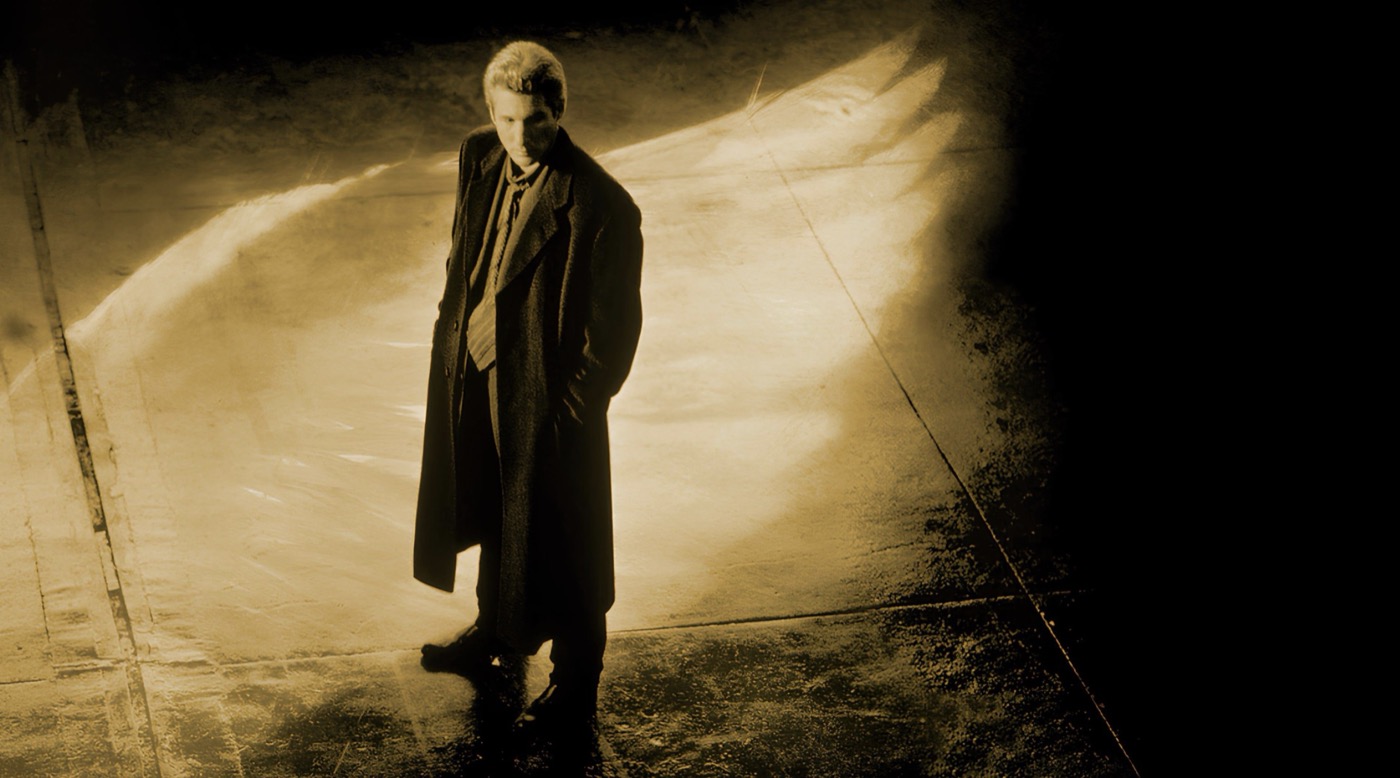
Richard Gere is at his best playing sleazy, smarmy characters you can’t help but be charmed by. In Pretty Woman (1990), his character is the epitome of a ruthless capitalist, possessing a charming manner that barely conceals an endless appetite for businesses and investments. He takes the end product of other people’s hopes and dreams and assimilates them into his all-consuming desire for control. It isn’t just that he strikes you as an immoral man, or that he’s aware of it, but that there’s something so uniquely impersonal about his perspective that you feel like shuddering at the thought of the institutions and ideals he works for.
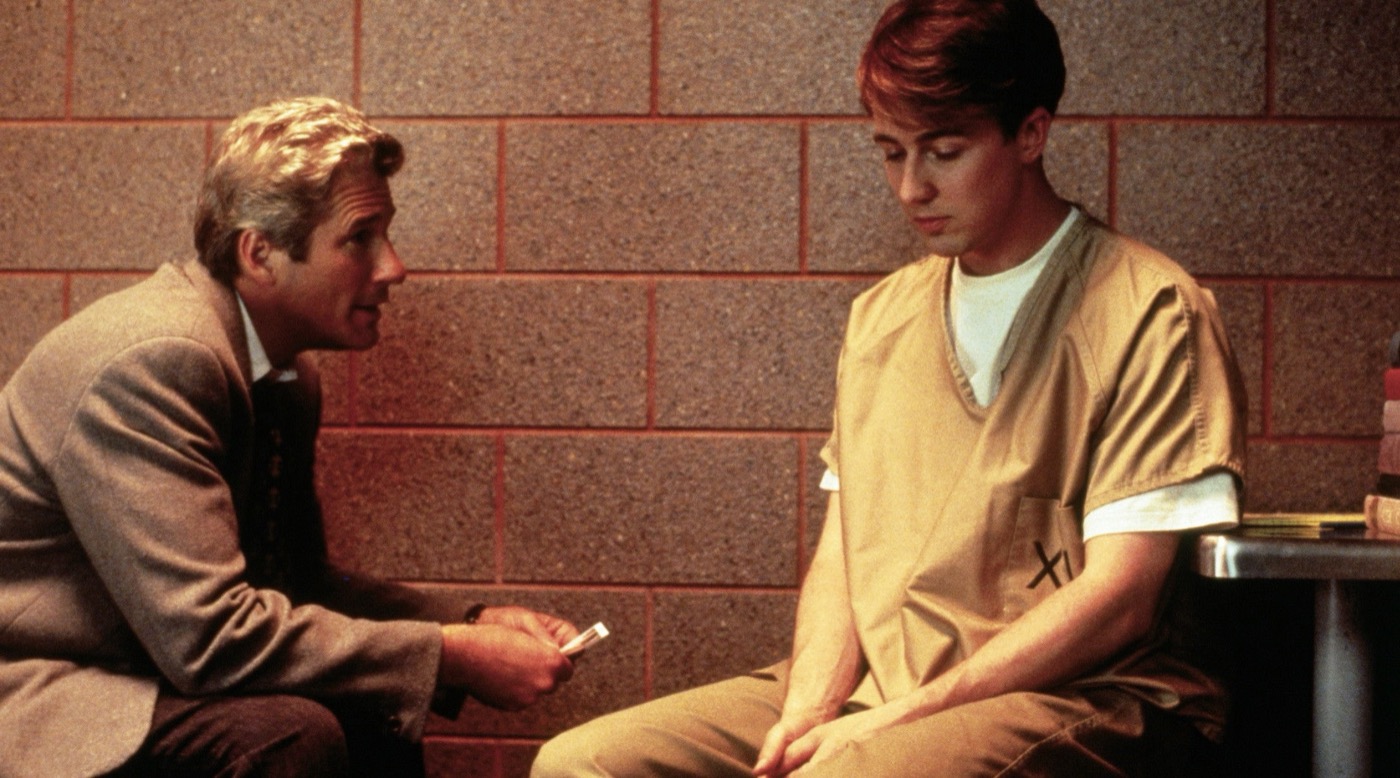
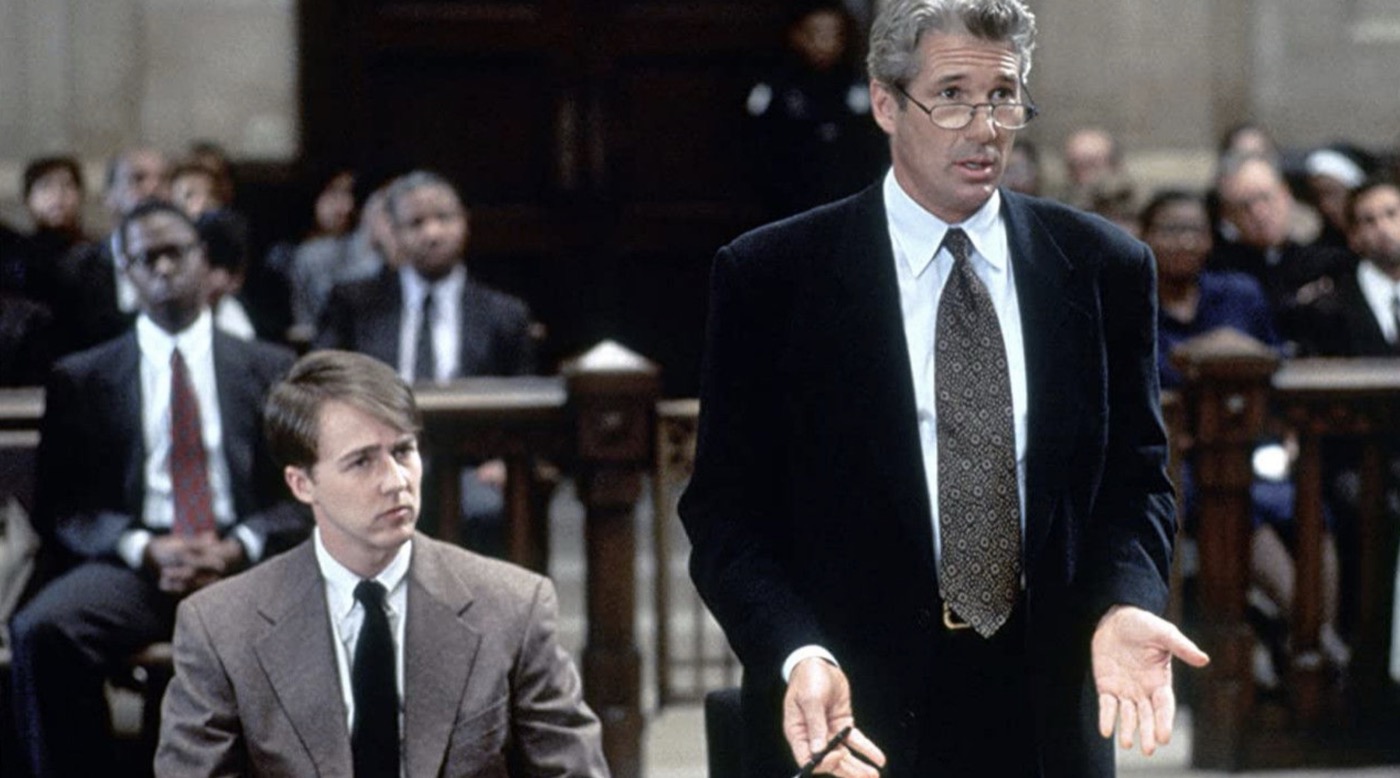
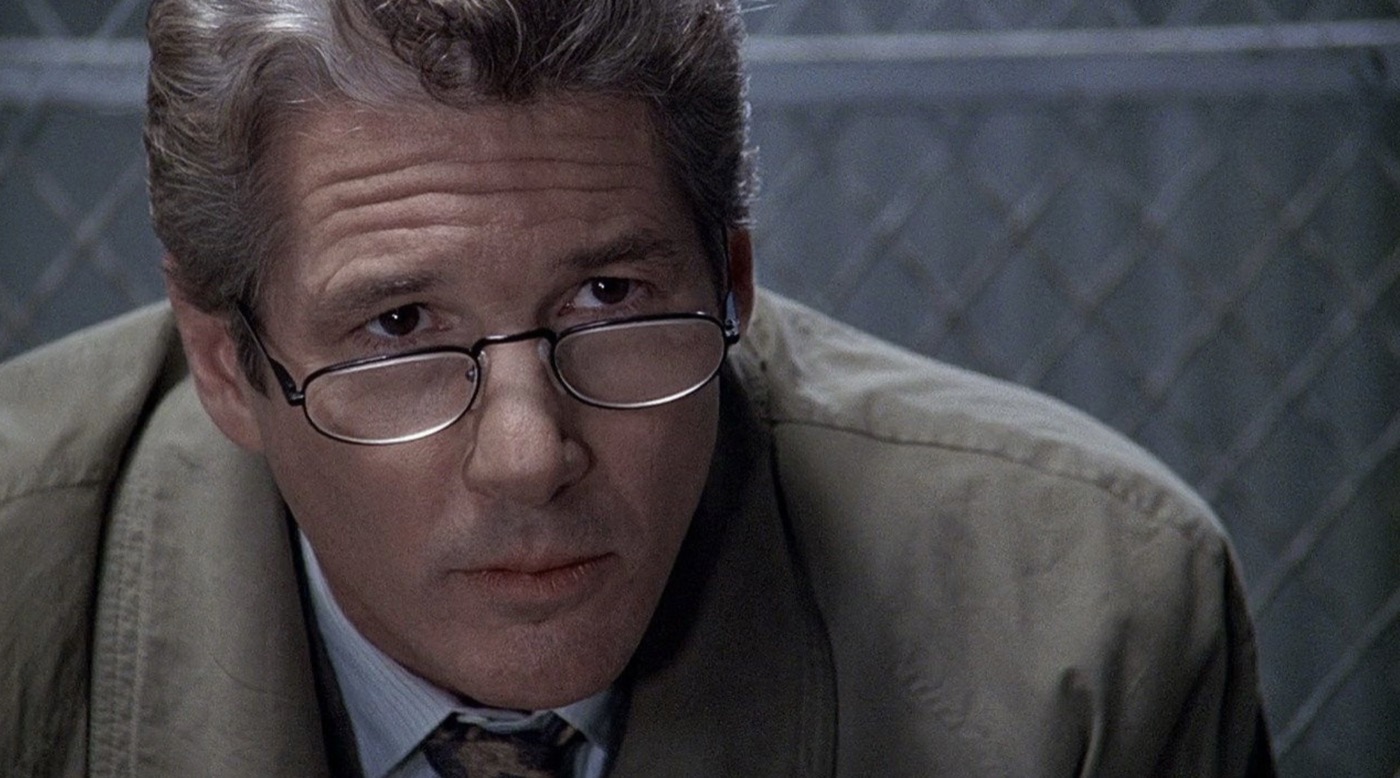
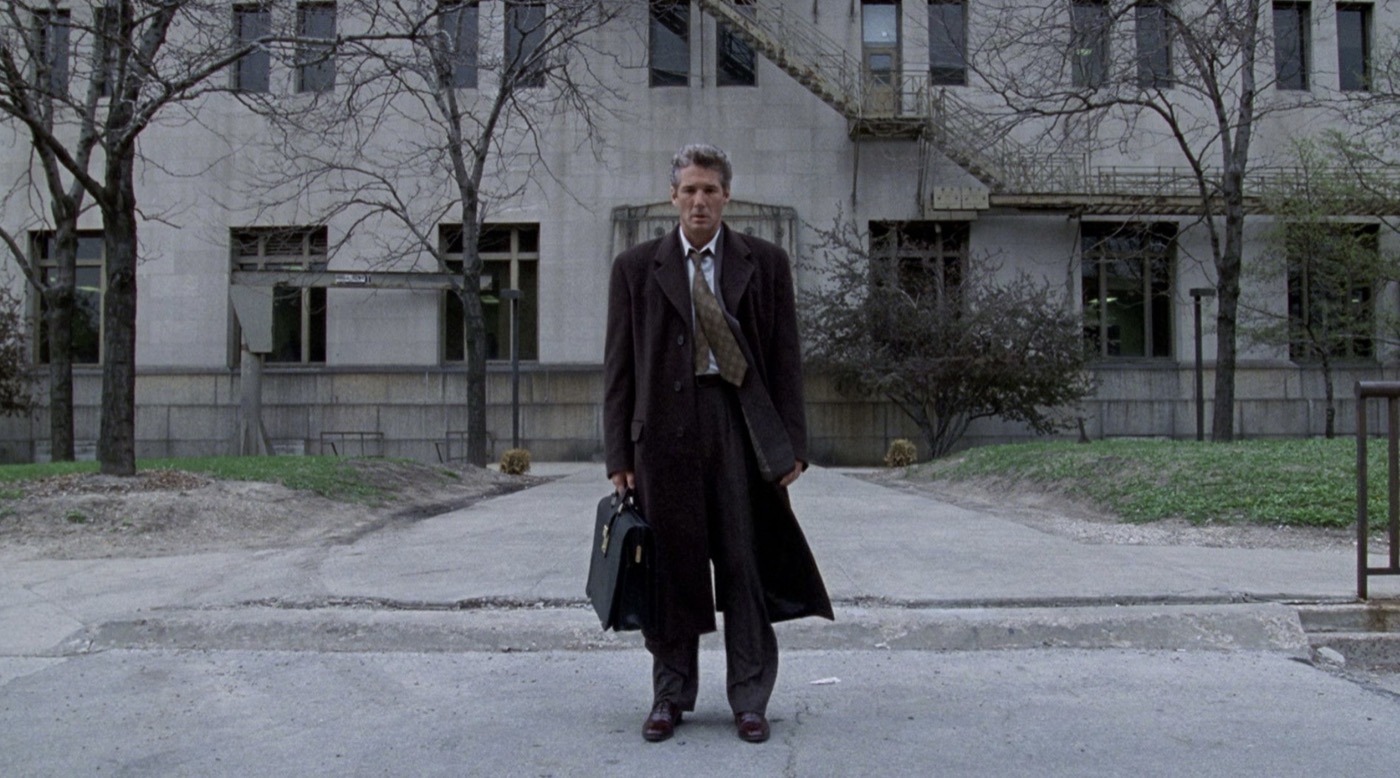
In Gregory Hoblit’s Primal Fear, Gere provokes the very same distaste, this time for what the law signifies. As defence attorney Martin Vail, who is willing to defend everyone under the sun—and the grislier the crime, the better it is for his reputation—Gere is a captivatingly unlikeable figure. He languishes in his wayward morals and the reputation they have accrued. He relishes gruesome murders and other debasements of the human spirit: the kinds of atrocities that most people can’t help but turn away from.
Now that we live in the age of podcasts and TV shows about serial killers, the methodology of these figures’ psyches and crime sprees is being laid out as thoroughly as in Primal Fear’s courtroom proceedings. People like Vail would be quick to point out that consumers of this content are far more dangerous than he ever could be. Unlike him, they can’t live with themselves enough to reckon with how much of a kick they get out of these occurrences, as real-life tragedies are transformed into stories, even without being fictionalised.
Vail is honest with himself, candidly admitting to a reporter, Jack Connerman (Reg Rogers), that the only thing that matters about a defendant’s case is whether or not it can be argued. What truly sets Vail apart is how much he revels in this role. As a result, he should be a deeply hateable protagonist. But in the same way that he gets a kick out of his public image, it’s oddly enjoyable to behold his lack of shame. He’s a curiosity that can’t be understood, so it’s best to just sit back and enjoy the spectacle, much like true-crime audiences do.
True-crime works often possess a leering quality that becomes sickening when you reckon with their place in the realm of real-life tragedy. Much like Martin Vail, they are unabashed in their shamelessness. But, miraculously, a strand of sincerity is gradually infecting this protagonist’s cold heart, as he develops a genuine interest in his latest client, Aaron Stampler (Edward Norton), a 19-year-old convicted of the murder of a revered archbishop, Richard Rushman (Stanley Anderson).
Primal Fear rounds out its grislier elements with tropes and cheesiness. Though it’s never so tasteless as even the most self-serious true-crime entertainment, it routinely self-sabotages its resonant qualities. At its core, it is the filmic equivalent of an airport novel, resting somewhere between enjoyable entertainment and the rare instances when this boilerplate genre is elevated into an art form. I can’t profess to know much about the inner workings of the legal system, but I’d be astounded if many of Primal Fear’s wild storytelling swings in the courtroom held up to real-life scrutiny.
The on-again, off-again romance between Vail and the case’s prosecutor, Janet Venable (Laura Linney), doesn’t always hit the right notes, with James Newton Howard’s score letting sentimentality slip from his grasp in one pivotal scene. But this is the exception to the rule; Gere and Linney lead a formidable duel as two cutthroat individuals in an environment which rewards their sharp-eyed ruthlessness. The law becomes a fiery battleground that extends beyond the case itself—its victims be damned. They’re in it for the love of the game and the thrill of competition with a former lover.
They’re not the only ones shamelessly profiting from suffering. Rushman was no saint, either, while state attorney John Shaughnessy (John Mahoney) has his own secrets. From grisly stabbings to perverse sex crimes, rampant corruption and sleazy lawyers, everyone’s hands are dirty in Primal Fear. On the surface, it’s a sleek depiction of a standard trial which soon unfolds into anything but. Michael Chapman’s cinematography isn’t just beautifully gritty to behold; it lulls the viewer into a false sense of security, placing this drama squarely in the vein of a visually impressive, but otherwise standard, 1990s court procedural.
By never taking a definitive stand on where the storytelling focus lies amidst ethical quandaries and shady moral actors, Primal Fear is able to drag viewers in different directions without losing sight of what makes it unnerving. Gere and Linney embody exactly what one could want for characters like these, never sacrificing their intelligence and often sacrificing their ethics. You come to respect how they wage their professional rivalries, where courtroom showdowns are replaced by wry smiles behind closed doors.
Whenever the pair are alone, the environment is suddenly intimate, though romance is suggested rather than hammered home. Their charming qualities remain inextricably tied to their court personas. Even in private, the pair can’t just abandon the qualities that made them shrewd, formidable representatives of the law. That’s one of the many burdens they must bear for their willingness to stare evil in the face and do nothing in the name of justice. This worldview has shaped the course of their lives inexorably.
But for all their self-importance, both learn that they are small fry amidst the widespread corruption encircling Chicago. With numerous city-wide abuses being hinted at or explored, it’s never quite clear whether Aaron Stampler’s innocence is the story’s main focus. But this was by no means a bit part for Norton, who secured the role ahead of 2,000 other actors. Shockingly, this is his feature debut, and he proves his worth as the film’s greatest talent. In fact, he’s so powerful here that Aaron’s role again presents curveballs as to which scenes are of greatest importance.
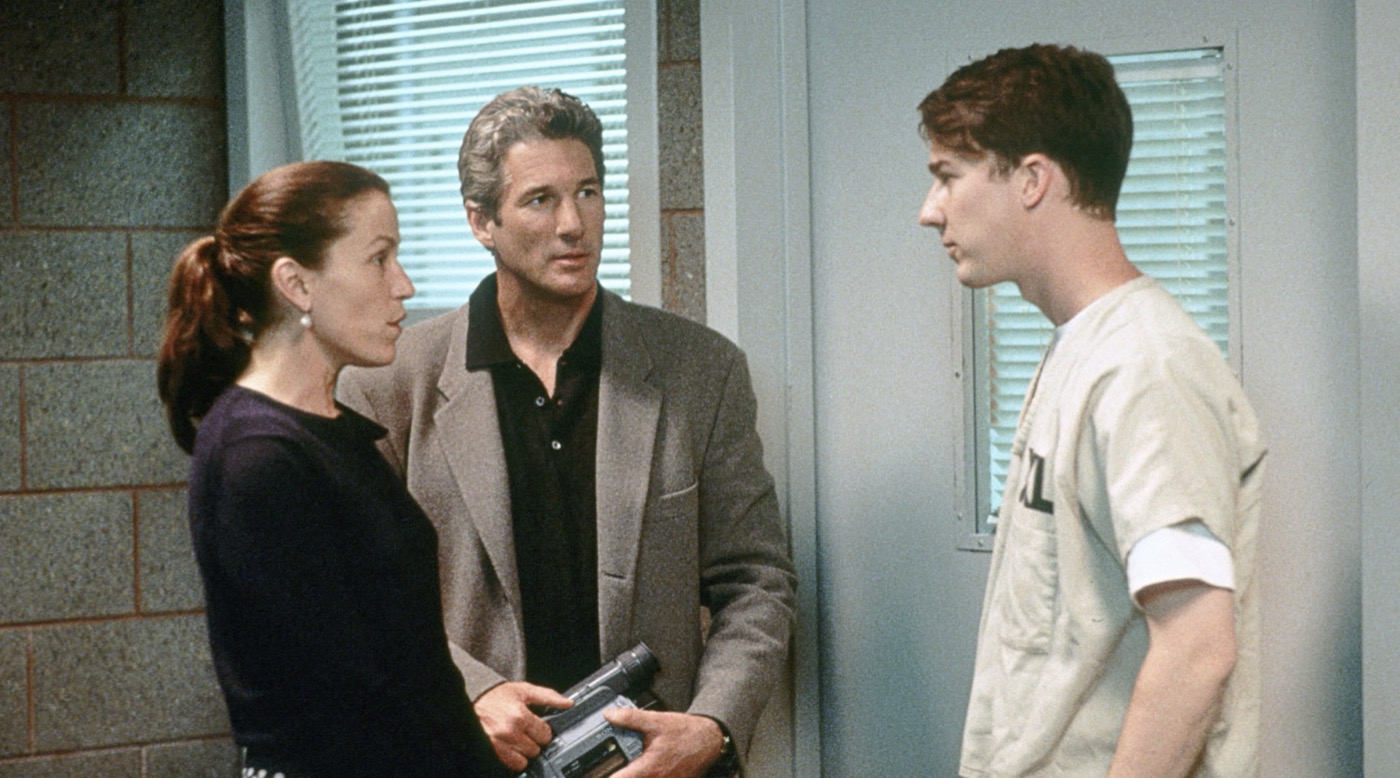
In the courtroom, he’s often a silent background figure, but in private interactions with Vail and neuropsychologist Dr Molly Arlington (Frances McDormand), he comes alive in a scene-stealing performance. If Primal Fear is primarily concerned with the masks we wear and how they threaten to slip—whether through public scandals or the gradual dawning of a conscience—then Stampler’s mask is the most fascinating of all. As Aaron, he’s a terrified youngster whose affable innocence is nothing more than a performance, doing a poor job of masking the trauma he has undergone. Despite the grisly crime he’s been accused of, he doesn’t seem like someone capable of being pushed to extremes. But perhaps he himself was pushed by extreme circumstances, backing him into a corner.
In Primal Fear, new masks must be worn, and old ones demand to be shed. As Vail begins to develop a heart, believing that Aaron might just be innocent, the world gradually unveils its terrifying form to him. Running alongside this notion is the film’s deft ability to keep viewers on their toes, as nemeses lurk around every corner and it isn’t clear where the next plot beat will take viewers. Primal Fear hides its secrets, burying them amidst interlinked storylines, much like how the institutions in its Chicago setting hide their deceptions. Whether it’s the calling of Vail’s own conscience or ripples of evil in the outside world, the film is at its best when it challenges this protagonist’s ingrained self-assurance.
USA | 1996 | 130 MINUTES | 1.85:1 | COLOUR | ENGLISH • SPANISH

director: Gregory Hoblit.
writers: Steve Shagan & Ann Biderman (based on the book by William Diehl).
starring: Richard Gere, Edward Norton, Laura Linney, John Mahoney, Alfre Woodard, Frances McDormand, Terry O’Quinn, Andre Braugher & Steven Bauer.