CLASH OF THE TITANS (1981)
Perseus must battle Medusa and the Kraken to save the Princess Andromeda.

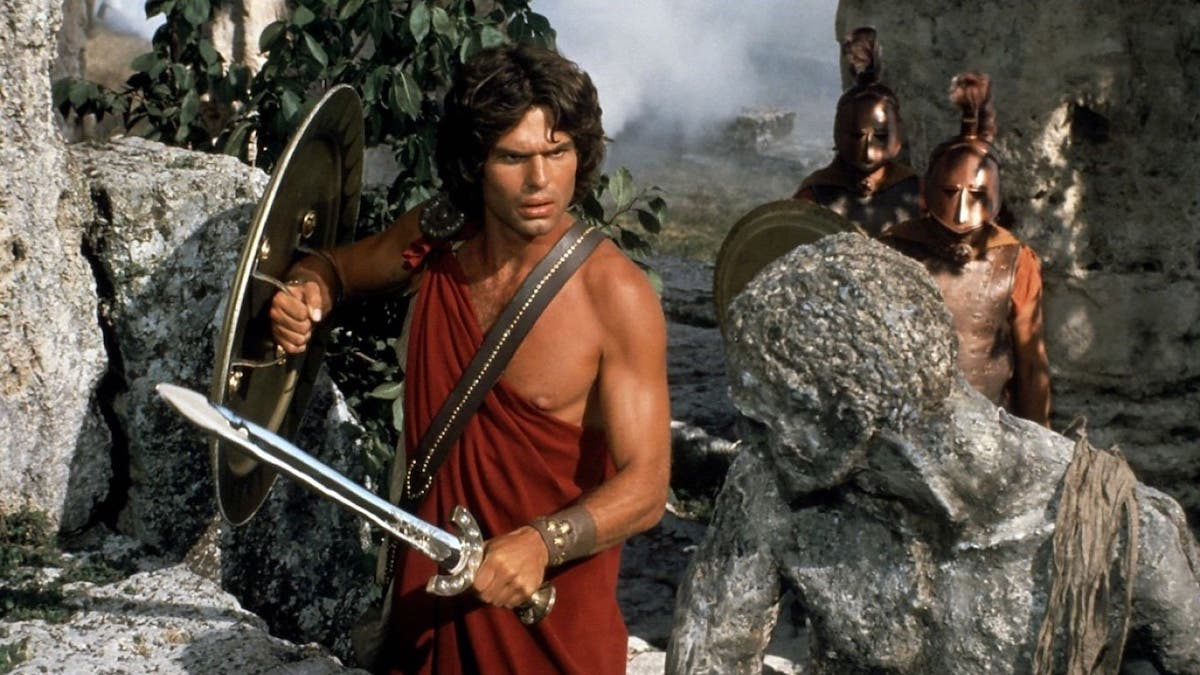

Perseus must battle Medusa and the Kraken to save the Princess Andromeda.
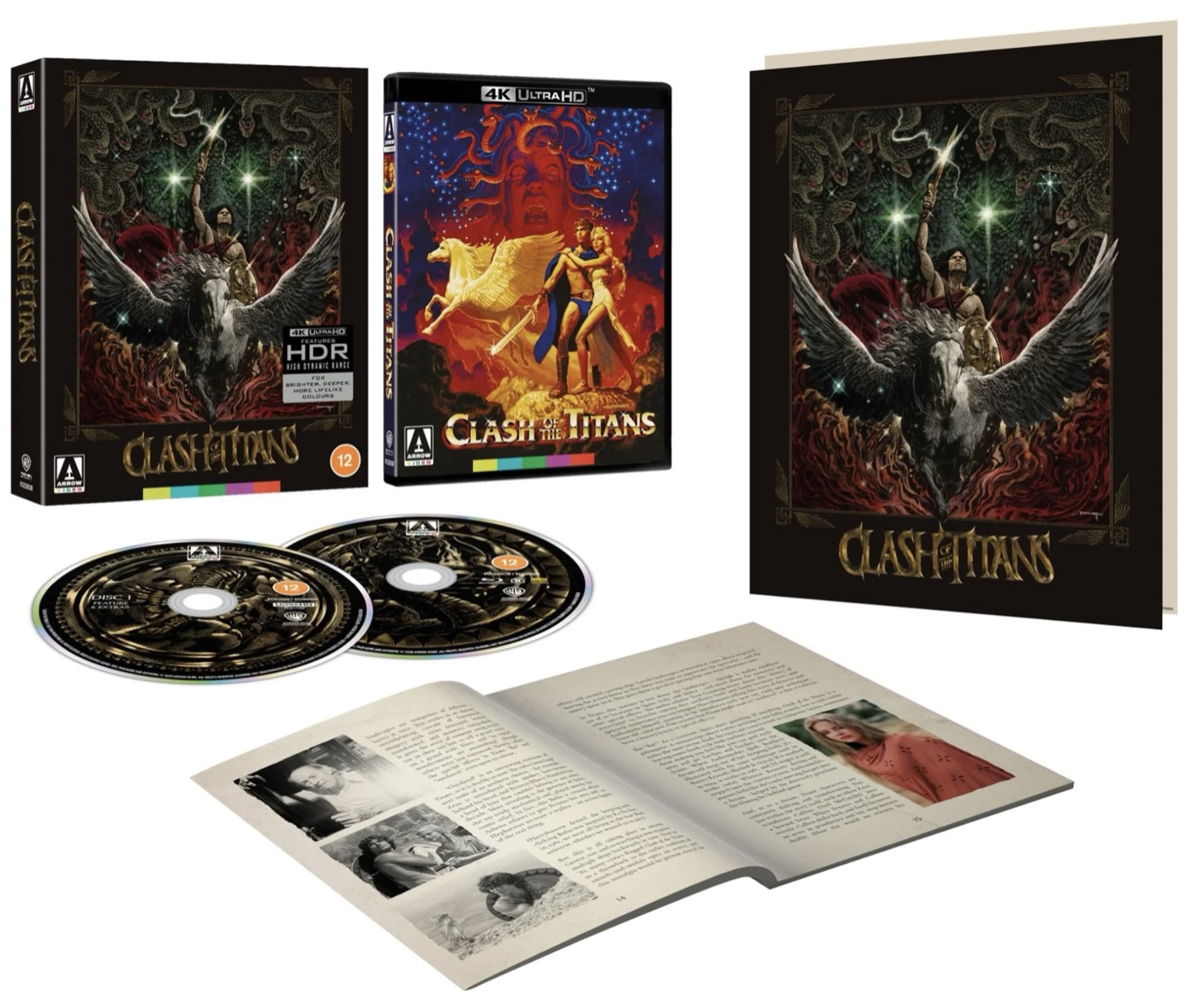
Charles H. Schneer and Ray Harryhausen! As a kid, dropped off at Saturday matinee cinema club in the local ‘flea-pit’ while my parents went shopping, those two names spelled ‘movie magic’. There was even more of a frisson when the phrase ‘Filmed in Dynarama’ was proudly emblazoned across the screen. For the next couple of hours, I would be in a different world, a parallel reality of myth and imagination. Now, 45 years later I’m just as excited about this brand new 4K restoration from the original 35mm negative by Arrow Films, presented as deluxe limited edition across two discs as either a 4K Ultra HD or Blu-ray along with a collection of archival and newly produced bonus material. I’ve seen this movie several times, but this cleaned-up print is a revelation and I noticed many details for the first time.
Schneer and Harryhausen made 12 films together over a quarter century, beginning with It Came from Beneath the Sea (1955) and culminating with Clash of the Titans, a sequel-of-sorts to Jason and the Argonauts (1963), their earlier foray into the Greek myths which remains the pinnacle of their partnership.
I adored everything about The Golden Voyage of Sinbad (1973) and Sinbad and the Eye of the Tiger (1977) but, for me, Harryhausen’s artistry was at its height with the Argonauts. The famous fighting skeletons were a showstopper, never to be outdone using traditional animation. Even Game of Thrones (2011-19), albeit using digital VFX, paid tribute to its mastery when the Wights exploded out of the frozen ground to attack.
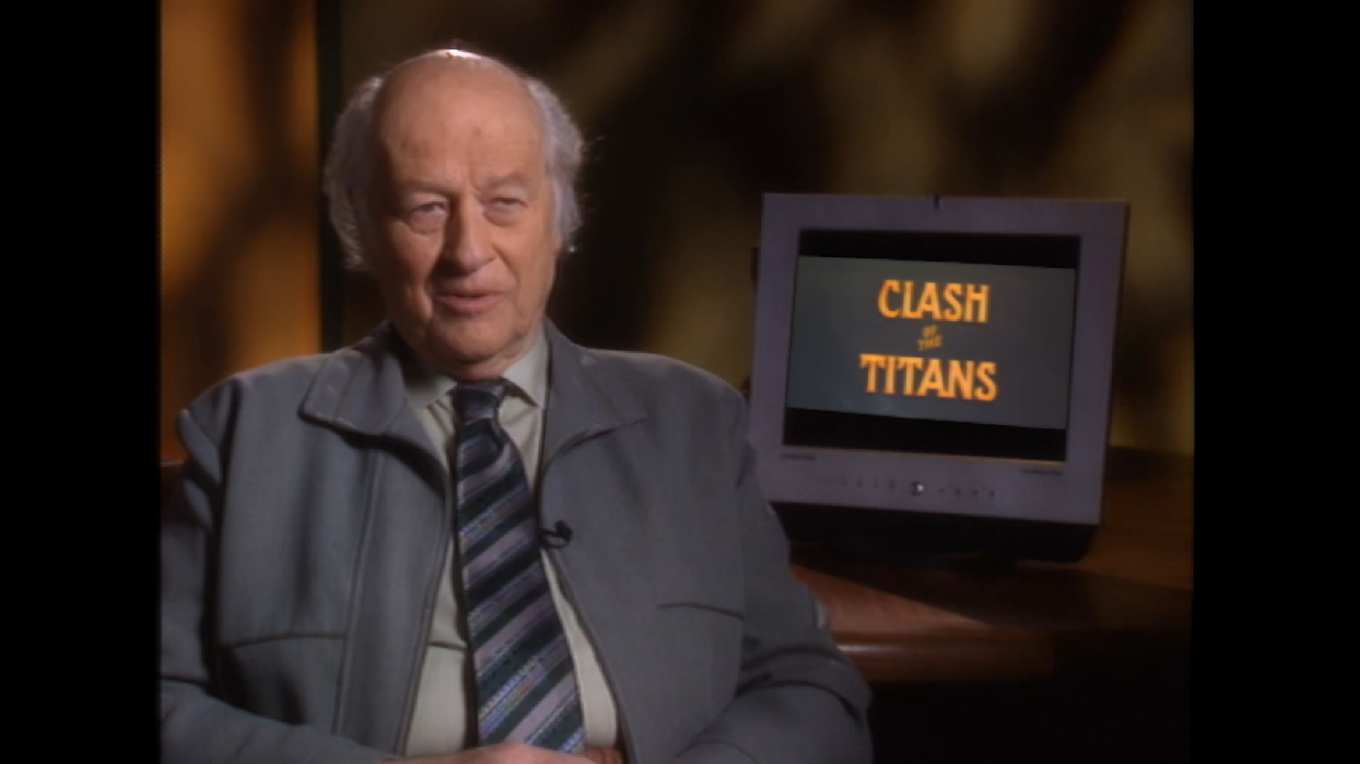
Ray Harryhausen is an undisputed legend in the history of SFX, which is why there always seems to be a respected international gallery or museum hosting a major exhibition of his models, props and concept art. Prestigious venues in the UK to show his work have included Tate Britain, The Barbican, National Galleries of Scotland and Manchester’s Waterside. Not only was he a great modelmaker and animator, he also devised revolutionary techniques that enabled live actors to interact with his creations.
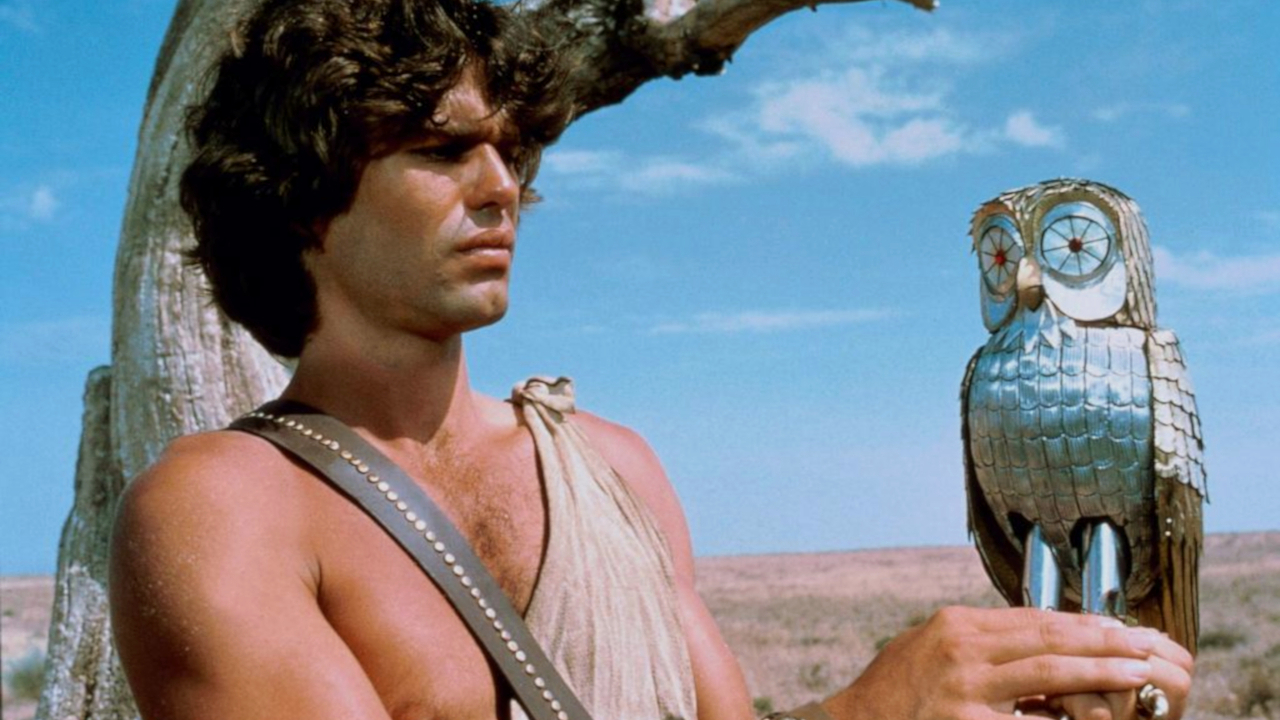
Part of the Harryhausen magic is knowing that everything on the screen was something physical that actually happened in front of a camera. It was clever cinematic conjuring using glass paintings, models, rear-projections and illusions of scale. The process often meant passing the film through the camera several times. For the mature viewer, trying to work out how it was done was all part of the fun. For younger audiences, it was like seeing toys come to life and their own imagination pulled them deeper into the story.
To modern audiences, everything about Clash of the Titans may seem terribly dated now, but this is also the reason for its considerable appeal. With age comes the added value of nostalgia, and the story remains just as relevant. I mean, the Greek myths are already a couple of millennia old and yet we’re still happy to hear them reworked, recast and retold, for so many other blockbuster movies. Not least those inspiring parts of the Marvel Cinematic Universe! In Jason and the Argonauts, Harryhausen tackled the hero’s quest for the magical ‘golden fleece’ with the Argonauts aided or hindered by various deities toying with their destinies. This time round, it’s the story of Perseus (Harry Hamlin), the young hero whose life is again the plaything of the gods who vindictively test him with a series of tasks.
The inhabitants of Mount Olympus seem a conniving and capricious bunch, prone to jealously and in-fighting, and are played by big name actors to reflect the familiarity of the Gods to their ancient Greek audiences. To Harryhausen, Hollywood A-listers were like a modern pantheon and Schneer wanted a few big names for extra credibility. Otherwise, he feared it would be dismissed by US audiences as ‘one of those foreign B Movies’ like the Italian peplum films of the 1960s and 1970s.
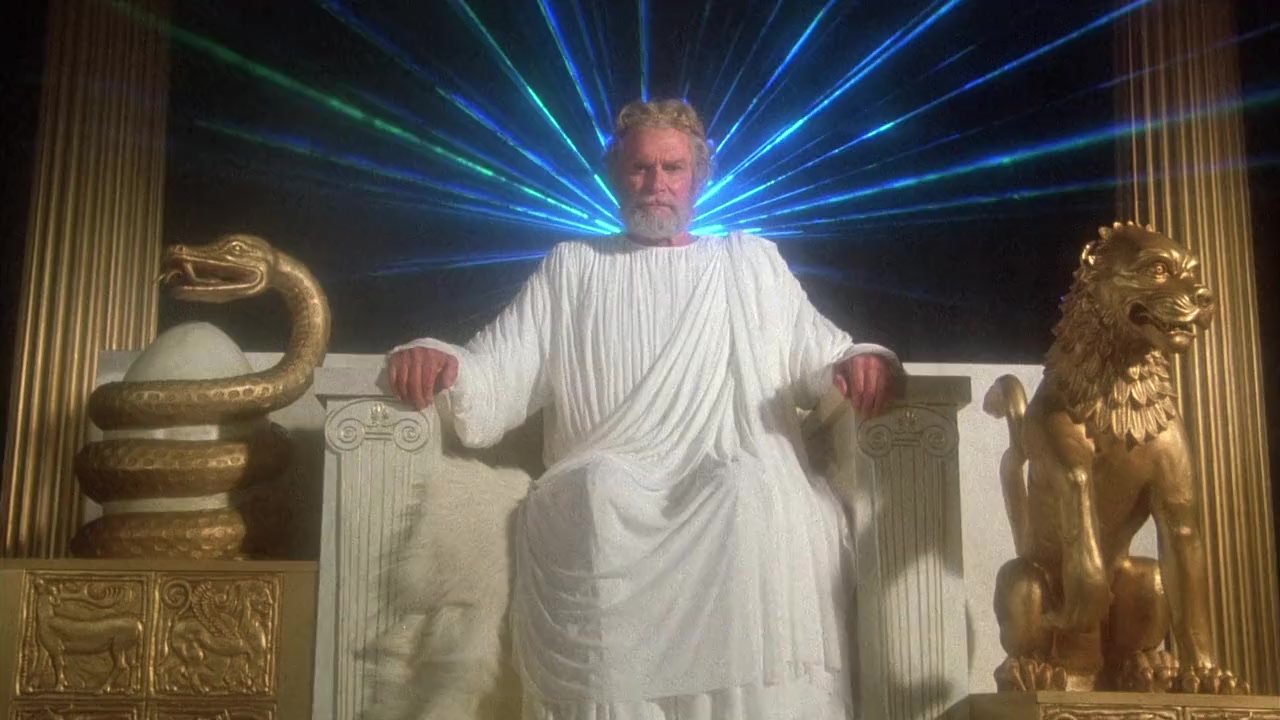
The film opens with the Gods arguing over what punishment befits the crimes of King Acrisius of Argos (Donald Houston), who had locked up his daughter Danaë (Vida Taylor) to protect her from the consequences of her own beauty. However, she had somehow become pregnant with an unknown lover. To redeem the honour of the kingdom, Acrisius seals her and her newborn son, Perseus, into a fancy sarcophagus and sacrifices them to the sea. What he doesn’t know is that the secret lover was in fact the lead God, Zeus (Laurence Olivier), who could not resist her beauty and visited her in the guise of a sunbeam! Now the rest of the pantheon can’t understand why he’s so angry about the sacrifice and try to talk him out of harsh judgement but, nevertheless, he orders Poseidon (Jack Gwillim) to—you guessed it—“let loose the Kraken!”
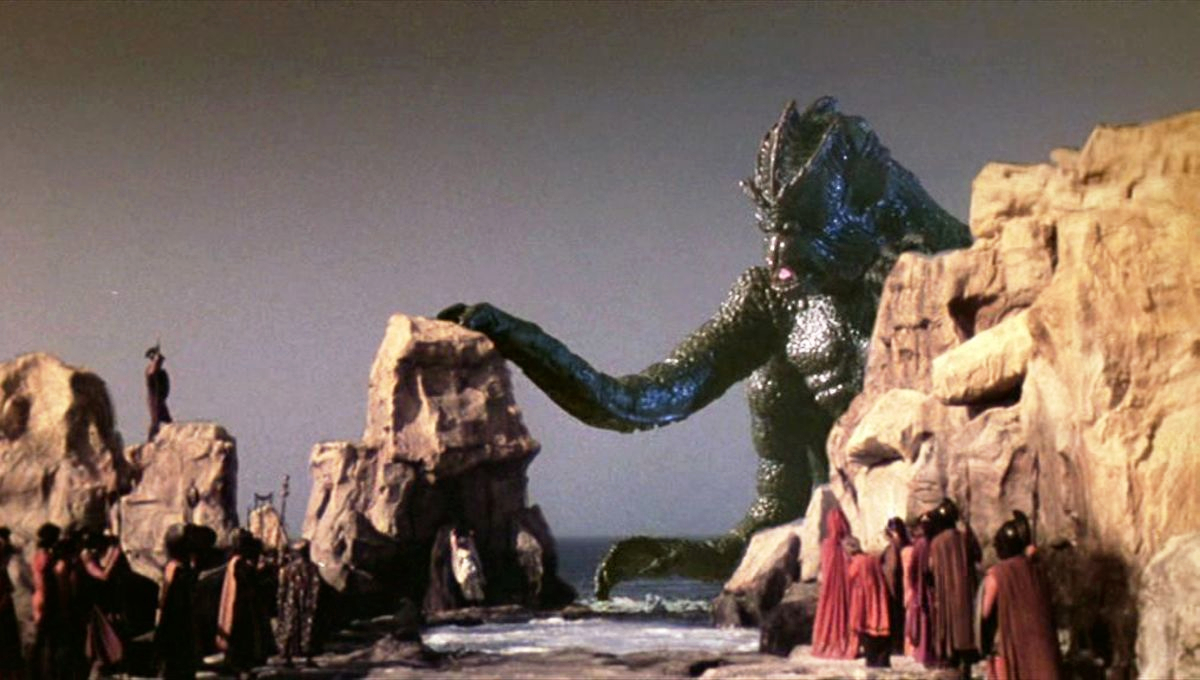
So, it’s only about 10-minutes in when we’re treated to the first Harryhausen effects sequence which, at the time, was hugely impressive and marked a new standard in miniature effects involving water. The city of Argos was built as a large-scale model in the water tank stage at Pinewood and then flooded so the lightweight pillared façades were washed away in seconds. When filmed at high speed and played back at a normal frame rate, the impression of a catastrophic torrent was achieved. The same storm also carries Danaë and her baby safely to the shores of a far-off land. The Kraken itself is only glimpsed but will make a more memorable appearance come the famous finale.
The budget was only enough to cover so many major actors for a day’s studio shooting with hardly any rehearsal time. So, they turned up, delivered their lines, and promptly left. It was easy money for the legendary Laurence Olivier, but not surprisingly the rest—including Claire Bloom, Maggie Smith, Ursula Andress, and Susan Fleetwood—all seem a little bored and matter-of-fact. But then again, they didn’t have to be convincing as humans! They were mythical Gods nearing the end of their tenure with a sense of resignation and, as such, are believable enough.
The acting style throughout also fits that ‘old-school’ Saturday matinee vibe. With a couple of notable exceptions, such as Burgess Meredith as ‘the storyteller’, the actors are asked to do little more than deliver their lines and move on. The methodical, scene-by-scene clarity of the storytelling still works a treat and the plot ticks along like clockwork to ensure the two-hour runtime flies by. But for those now used to seamless, often sterile CGI animation, the consummate stop-frame sequences may be a bit too clunky to take. Basically, if it’s not the Harryhausen name that brings you to this movie, it may well remain highly entertaining but, perhaps, not for the ‘right’ reasons!
Harryhausen first pitched the story of Perseus to Columbia whilst he and Schneer were making Sinbad and the Eye of the Tiger (1977), but a return to the Greek Myths was something they’d been thinking about since Jason and the Argonauts, when they first worked with scriptwriter Beverley Cross—a classical scholar, historian, and playwright. He’d been working on a follow-up ever since and, by 1977, had completed an original screenplay under the working title The Moon Rider. He’d focussed on the section of the Perseus tale where he slays the formidable Gorgon, Medusa, and rescues the fair Andromeda from the sea monster Kētŏs.
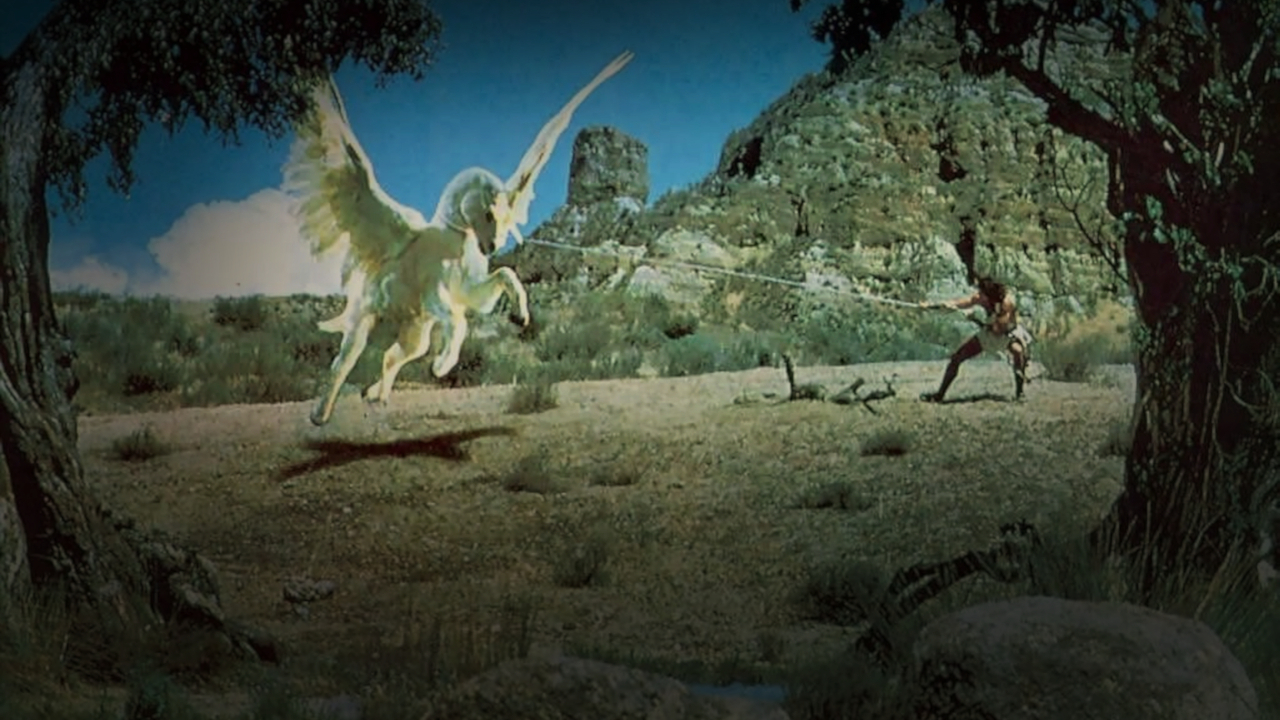
Now, mythology grows from the retelling and remixing of stories, so Cross wasn’t reluctant to rewrite and reorder the traditional events of the legend. The main innovation was to introduce a more modern motivation for Perseus to seek out Medusa and take her head for a planned purpose: to save the love of his life, Andromeda (Judi Bowker). Originally, he simply stumbles across everything as he goes and rises to a series of seemingly unrelated challenges set by the gods to test him in a rather disjointed narrative.
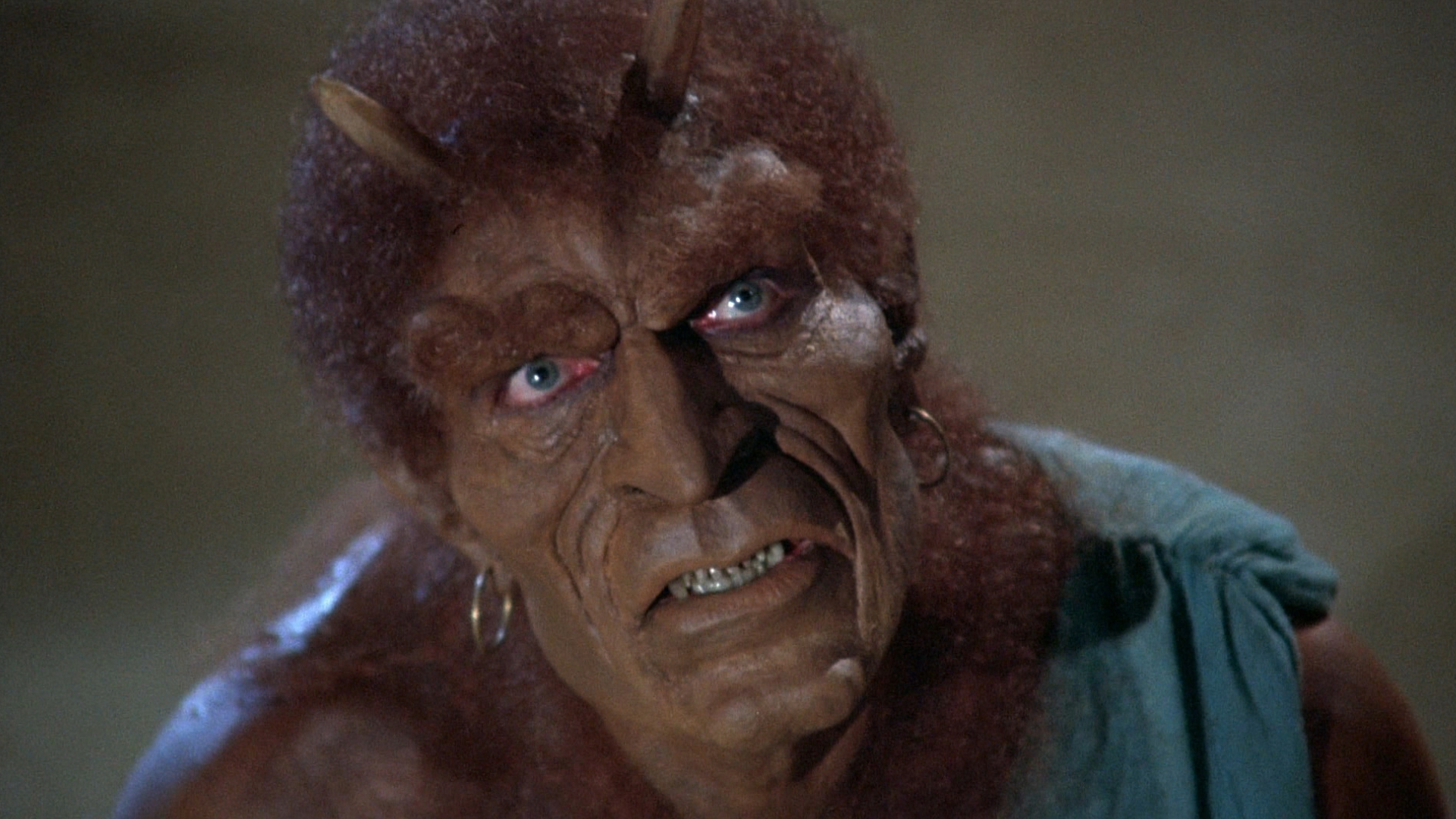
Cross also used a bit of artistic license to mix n’ match elements from other mythologies. Calibos is a loose reinterpretation of Shakespeare’s Caliban from The Tempest. Pegasus is recast as the lead stallion in a herd of winged horses, so he can be in the story ahead of his mythic birth from the blood of Medusa. He also swapped the Greek sea serpent, Kētŏs, for a beast of Scandinavian folklore, the Kraken. Cross recalled it from the 1830 poem The Kraken penned by Alfred Tennyson, but it had also been resurrected by John Wyndham in 1953’s The Kraken Wakes. Of course, this means that the Kraken is not actually a Titan, and neither was Medusa, by the way.
There are resonances with the original myths as Perseus is supposed to have used Medusa’s severed head to petrify the Titan, Atlas. But there was no backstory for Andromeda and Perseus, he just happened to be flying past (on winged sandals, not Pegasus) and glimpses Andromeda for the first time, chained naked to the rocks in offering to the sea monster. It’s love at first sight and Perseus swoops down and slays Kētŏs with the same magic sword he’d used to decapitate the Gorgon. So, for Clash of the Titans, it seems clear that Cross greatly improved on the millennia aged tale. The liberties taken with the source material may be a bone of contention among classical scholars, but for general audiences the most divisive element has to be Bubo, the clockwork owl!
Harryhausen also had no qualms in mixing up myths from different cultures. His first attempt to realise mythology through animation was back in 1946 when he began developing a project that blended a Mexican Mayan setting with various creatures from the Greek myths. The incongruity formed the central concept, an attempt to link cross-cultural mythologies, as if the land of legend was some sort of underworld that could be reached from many portals around the world, explaining the similarities in myths and folklore. The story he developed involved the discovery of a secret door to a subterranean world below a Mayan pyramid. The adventurers were to come across a sphynx, a griffin, cyclops, and Medusa, ruled over by a devil in the form of a giant satyr. The project, with the working title of The Satyr, didn’t progress beyond a few concept sketches, but continued to ferment in his imagination and resurfaced in several unrealised stories over the years. The idea of a giant cyclops was finally realised in The 7th Voyage of Sinbad (1958) which also blended more than one mythology.
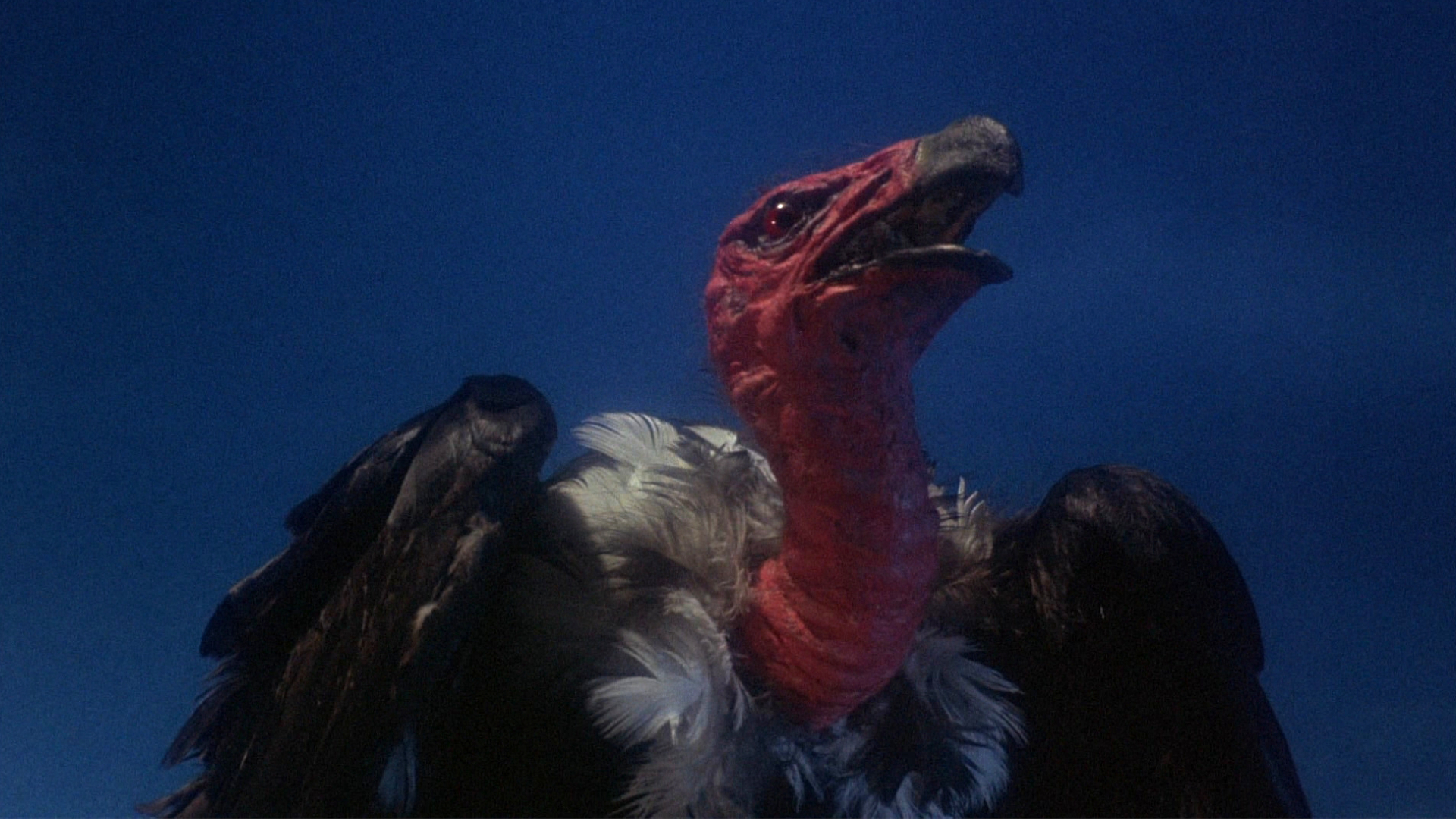
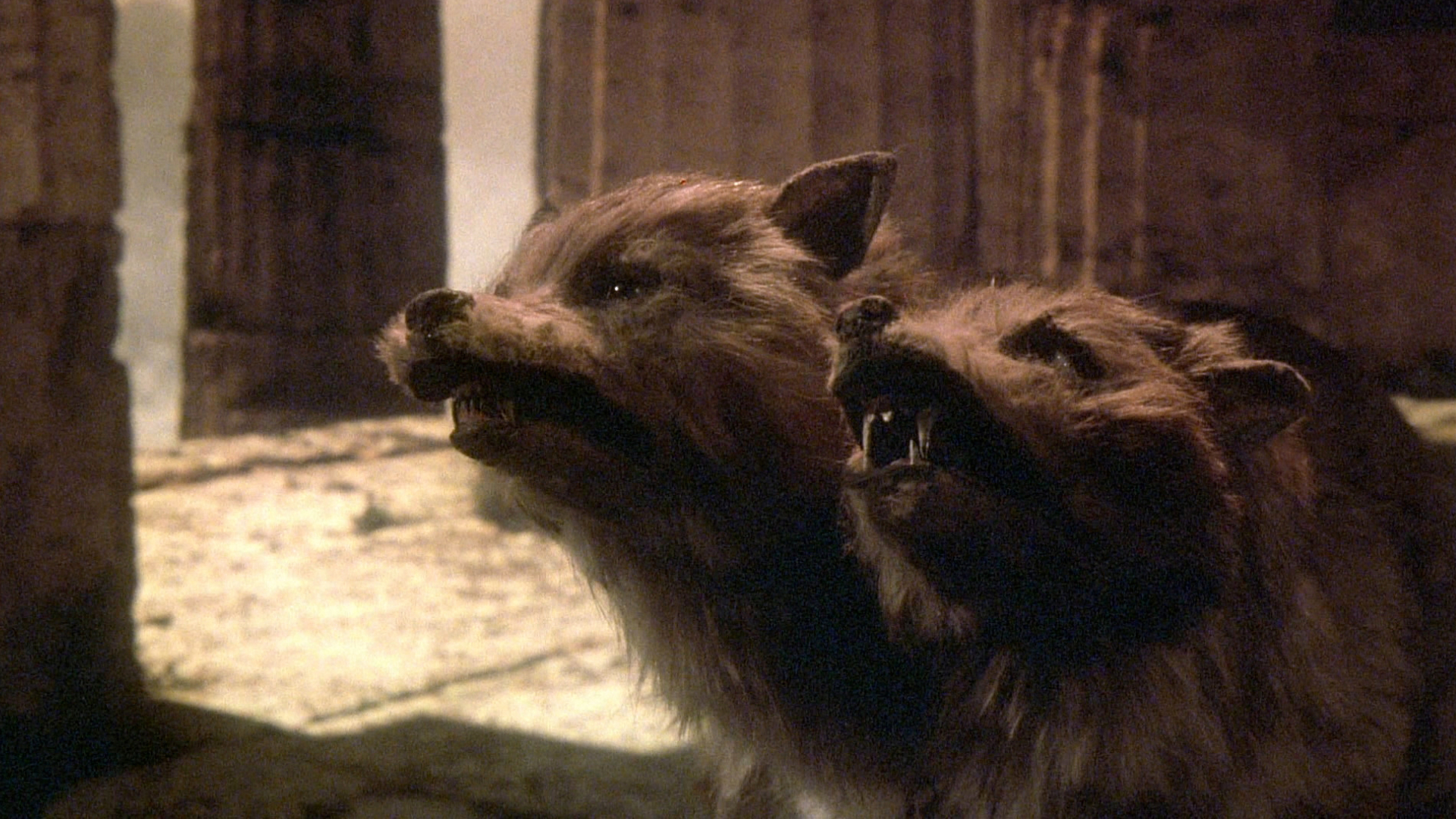
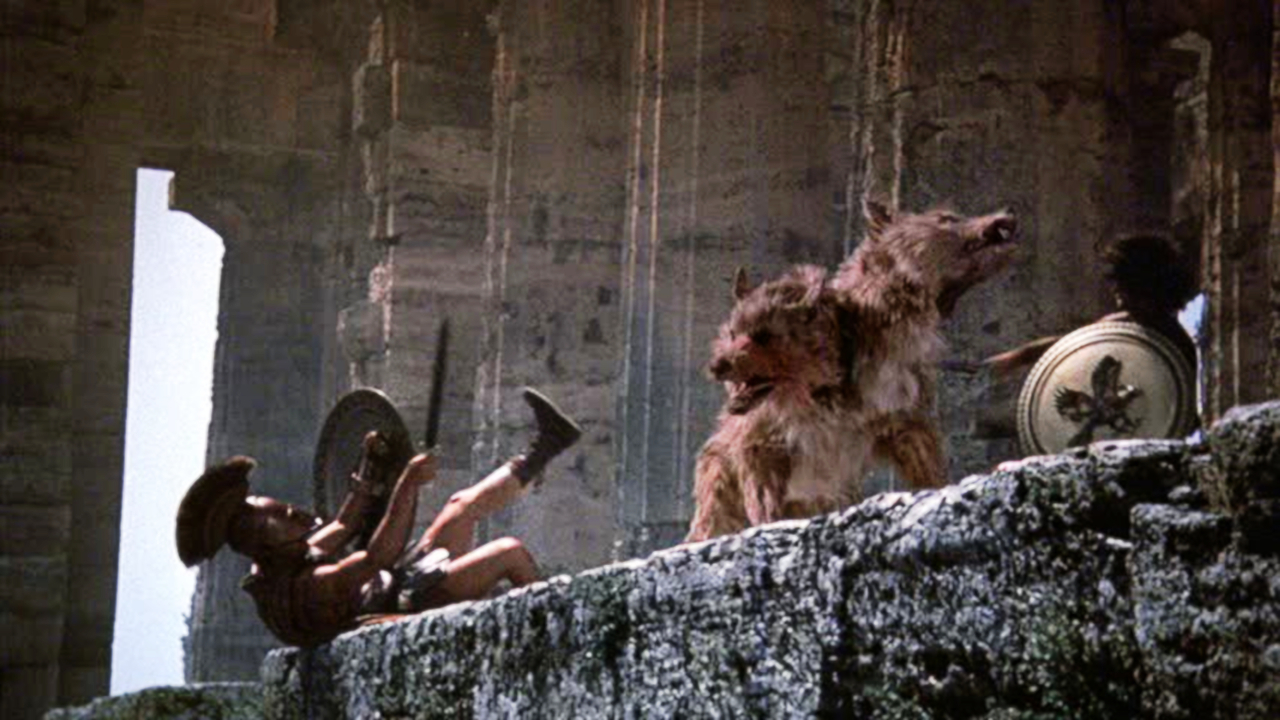
Medusa was finally unleashed in Clash of the Titans in the film’s most ambitious and successful sequence, in which the sets, minitatures, animation, actors, and lighting, all blend seamlessly despite the technical challenges of matching flickering firelight and animating convincing shadows. Medusa’s head was made as a full size, independent animatronic that could be handled by the actor, complete with internal lights and mechanisms to keep the snakes writhing. Harryhausen hoped to outdo Jason and the Argonauts, which had called for five key animation sequences. It certainly was a bigger ask, with seven key animation sequences: Kraken, Calibos, Pegasus, Dioskilos the two headed dog, a giant vulture, giant scorpions, the aforementioned Medusa… and everyone’s favourite, the clockwork owl Bubo.
His initial concept sketches were done over two months in the mid-’70s and later developed for production with art director John Stoll during 1976. Initially, Columbia were interested but then decided not to pick up the option because they feared it would be too expensive to realise. Next, Orion stepped in, but only on the condition that Arnold Schwarzenegger took the lead. Schneer didn’t feel the actor was right for the role so there was a delay as Harryhausen continued with planning the effects sequences and produced more beautiful concept art.
It was Harryhausen’s key painting and small bronze statuette of Medusa that helped sell the whole idea to MGM in 1977. The budget they offered of $16M exceeded the combined budgets of all the films Harryhausen had made with Charles Schneer added together! It seems the success of Star Wars (1977) had renewed confidence in mythic cinema.
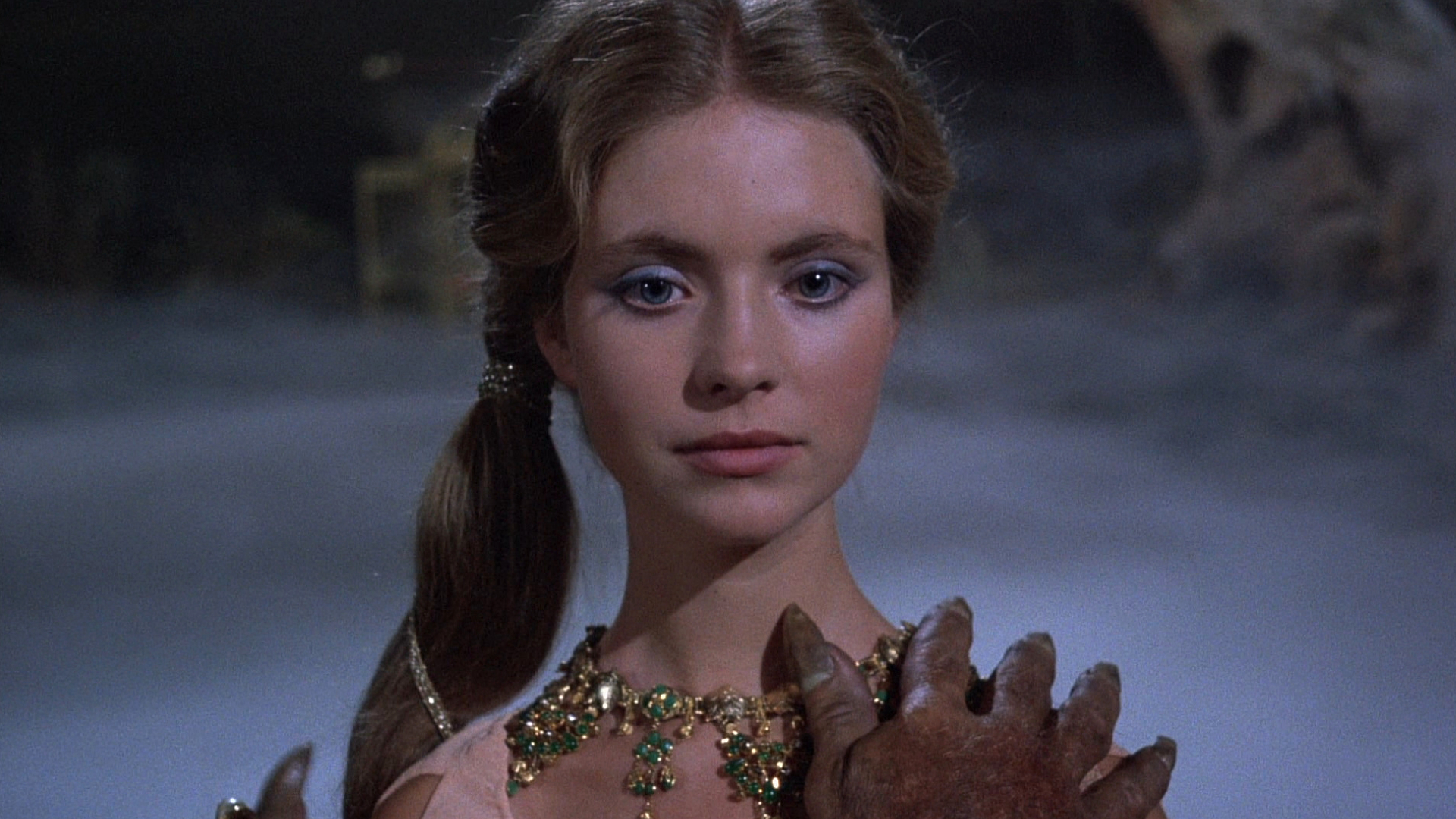
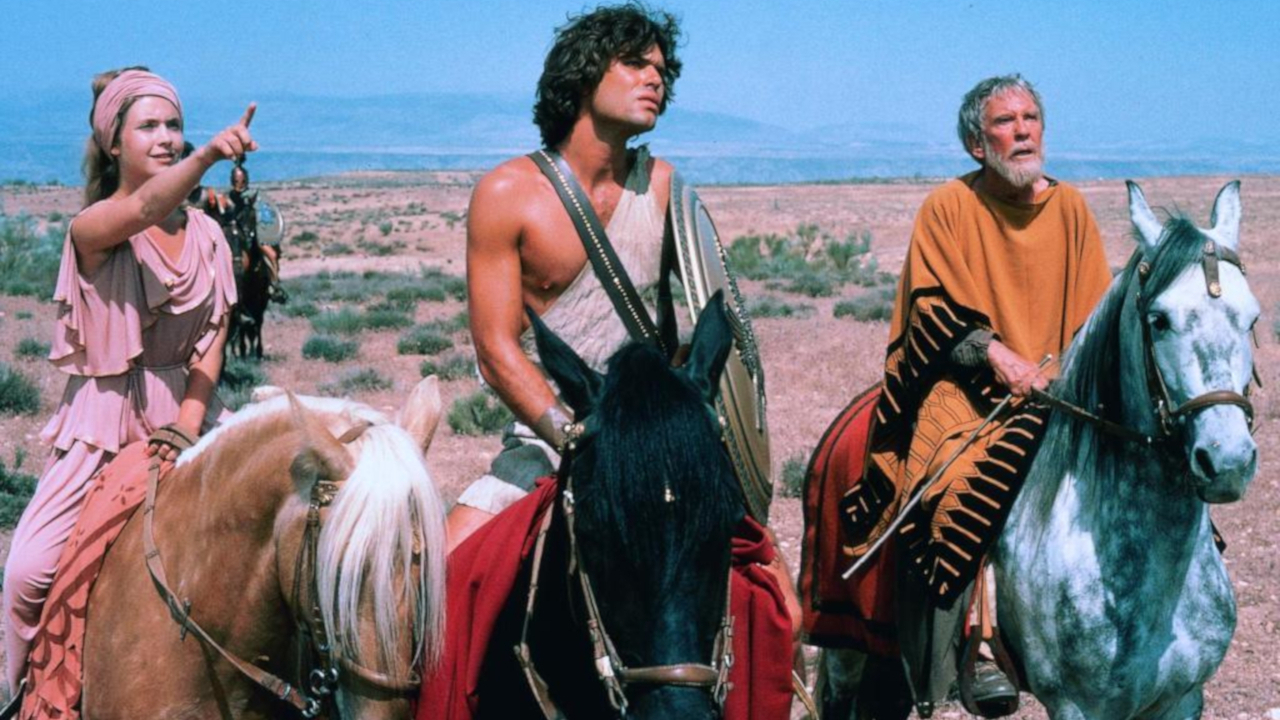
Harry Hamlin, a relative newcomer with just a couple of appearances, was cast in the lead and his then partner Ursula Andress joined him on set as Aphrodite. Judi Bowker was cast in the female lead as Andromeda. Although not so much a newcomer, she hadn’t appeared in many movies since her debut, aged 18, in the Saint Francis of Assisi musical biopic Brother Sun, Sister Moon (1972) but had plenty of TV credits to her name including playing Mina in the well-received TV movie Count Dracula (1977). Incidentally, Maggie Smith, who plays the vain and vindictive goddess, Thetis, was married to Beverley Cross.
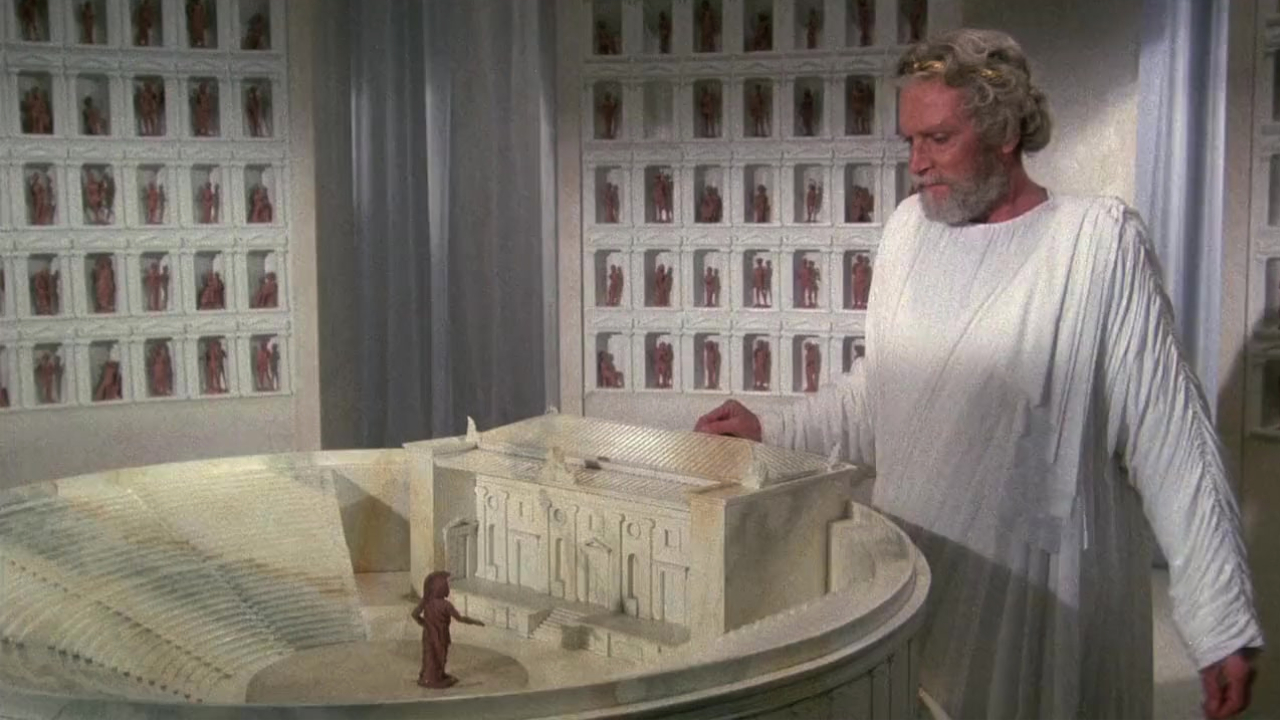
Partly because of the abundance of theatrical actors and the overall Shakespearean tone of the script, Desmond Davis was brought in to direct. He’d directed serious stage plays but also popular TV shows like Follyfoot (1972) and The New Avengers (1976). Of course, in reality, he was co-director with Harryhausen who had total control over any action that incorporated his stop-frame animation, model shots or other special processes. He was assisted by Jim Danforth who handled quite a few of the Pegasus in flight sequences, and Steve Archer, who was the principal animator for Bubo the owl. Colin Chilvers built the metal model of Bubo and David Knowles rigged the radio-controlled mechanisms. So, when the lovable owl interacts with the live actors, it’s in real-time.
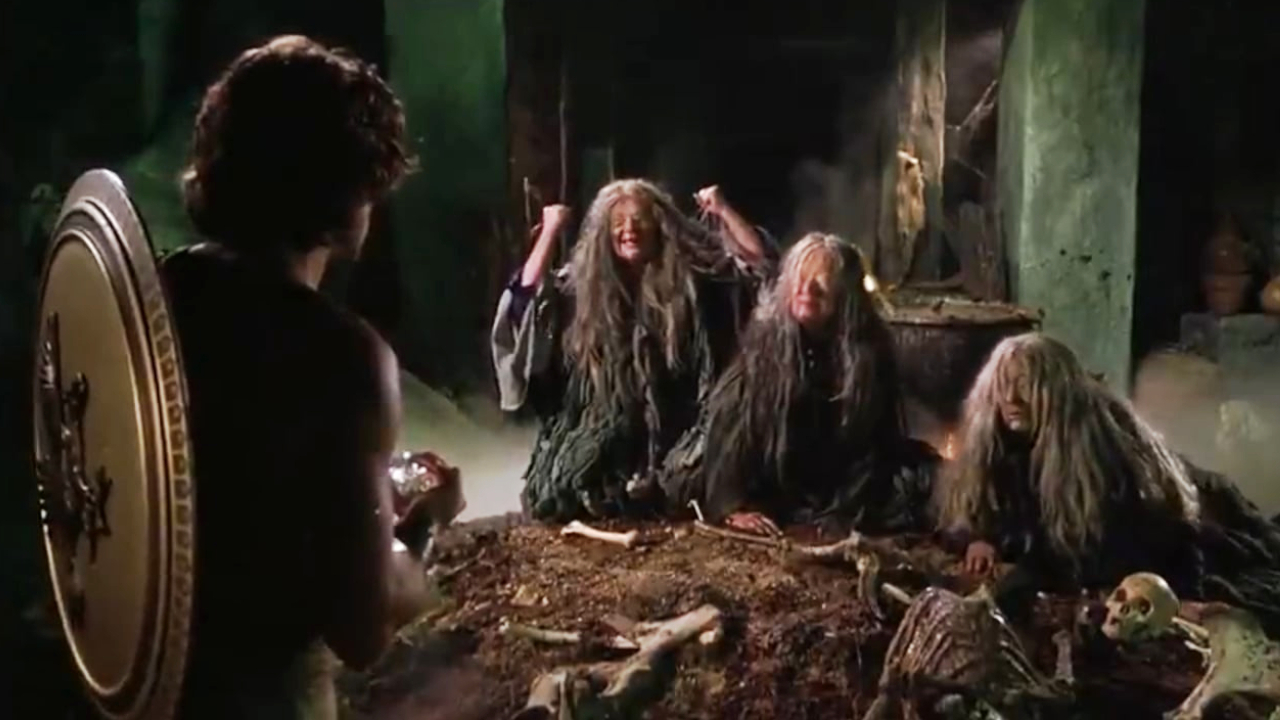
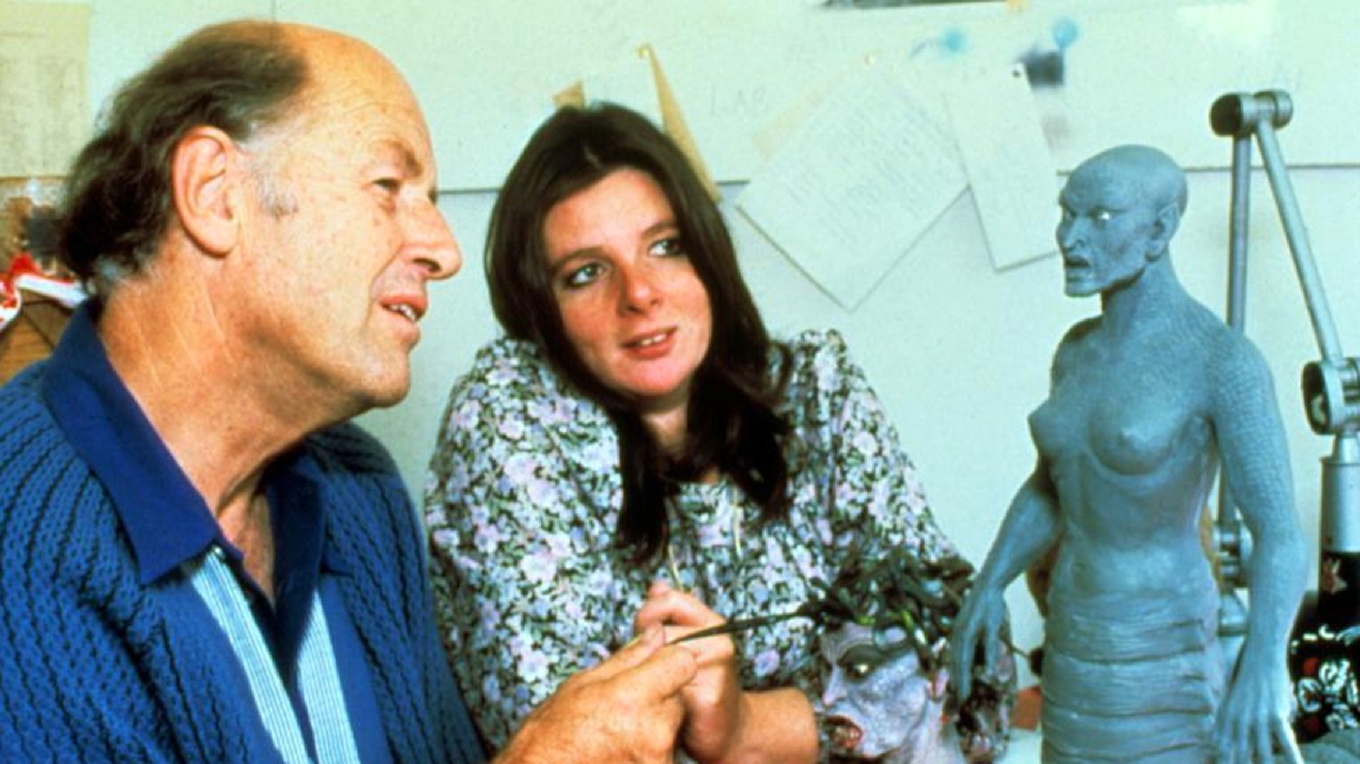
Janet Stevens sculpted the Kraken to Harryhausen’s design drawings inspired by his earlier creation, the Ymir from 20 Million Miles to Earth (1957). There was talk of using a man in a suit for the Kraken to cut costs and speed up production. Harryhausen, of course, rejected the notion, though prosthetic designer Colin Arthur did produce a full Kraken costume that was used briefly in the underwater scenes. Arthur’s design talents were put to better use for the costume and special make-up of the cursed Calibos (Neil McCarthy) and the three Stygian Witches that Perseus visits in their charnel cavern, seeking their advice and only just managing to leave with his life by holding their shared ‘eye’ hostage.
Even though I was a teenager when I first saw them, they still creeped me out more than enough and would probably plague the nightmares of younger viewers. They’re everything Shakespeare taught us witches should be: three hags huddled around their bubbling cannibal’s cauldron. One wonders what else they do all day.
It’s also one last chance to enjoy Flora Robson in the final performance of her half-century-spanning career. One of Britain’s great character actresses, it’s a bit of a shame she’s hidden behind a prosthesis, but one can tell she’s having a ball and seems happy with the chance to let rip, chewing the scenery and spitting it out again! It was also the final appearance for Freda Jackson—she’d already played a witch alongside Harryhausen’s creatures in The Valley of Gwangi (1969). Anna Manahan was the third and youngest of the sisters, a fairly busy TV actress at her career mid-point…
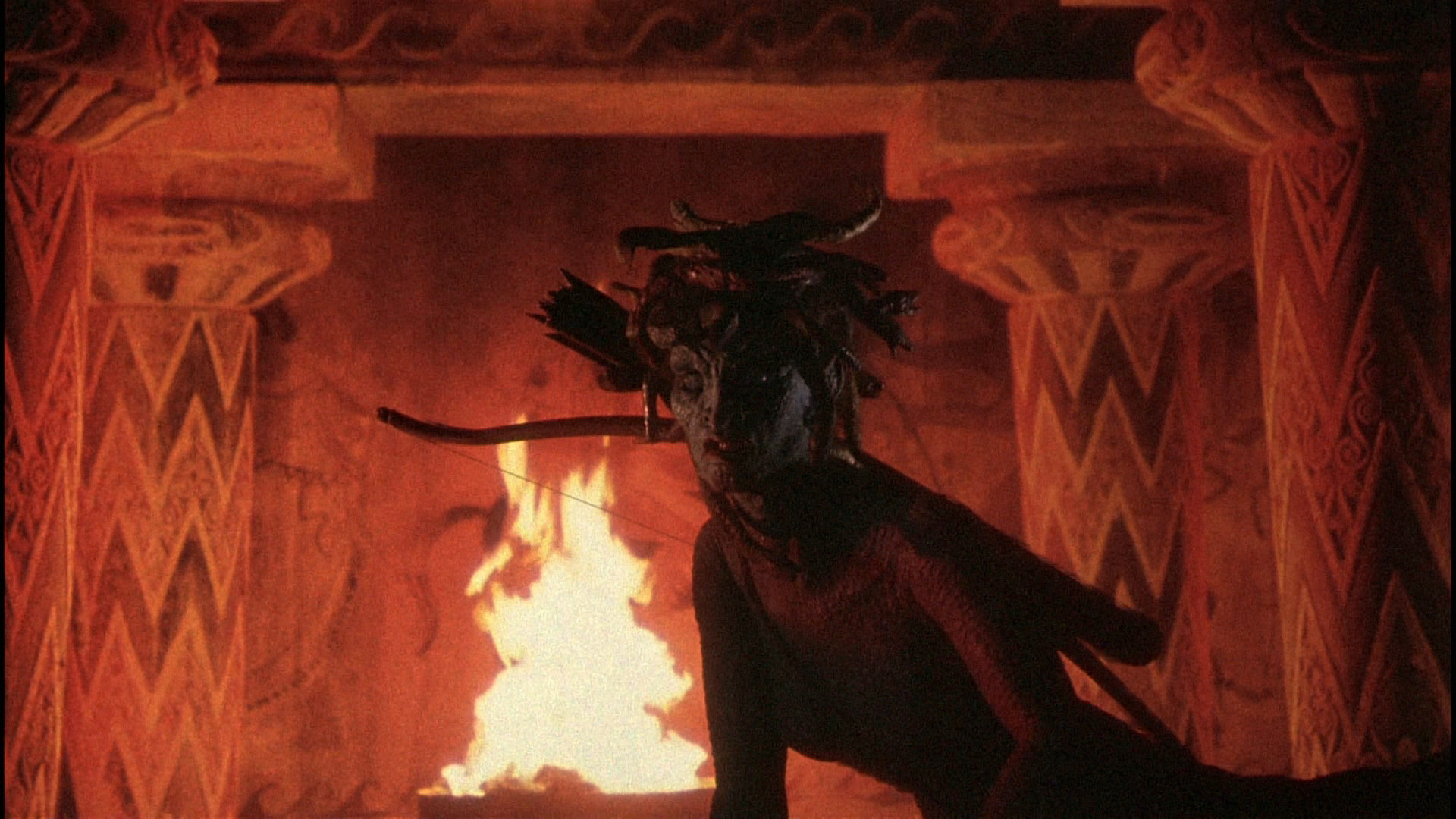
It’s the climax of the narrative as our hero descends into the abyssal cave and returns with the knowledge that will save himself and heal the world. However, the key to success means confronting Medusa, one of the Gorgons, a set of three even more deadly sisters and if the Stygians weren’t terrifying enough, the Medusa’s writhing headless body is pretty strong stuff for the younger viewers.
In all, Harryhausen storyboarded 244 different animation cuts that required 202 different set-ups to film them. The setups could take a few hours, to a few days and sometimes took longer than the animation work itself. Schneer had taken out a long-term lease on an all-but-disused special effects stage at Pinewood where Harryhausen and his small team of assistant animators could work undisturbed, often in shifts that lasted more than 12 hours. The studio space was split into different sections to work on elements of each shot simultaneously—the backgrounds, the masking for travelling matte shots, not only in the interest of speed and efficiency, but so the teams could feedback to each other and make adjustments in colour, scale and angle as they went along.
As Harryhausen’s last cinematic extravaganza, it remains a fitting showcase to celebrate his signature stop-frame magic. A last hurrah for the golden age of ‘hands-on’ special effects where everything you see on the screen happened in front of a lens. Audiences had been wowed by the human-scale effects showcased in the likes of Jaws (1975), and Star Wars had started a trend for slick model FX and space opera over mythical monsters and legends. The wonderful animation of Harryhausen had by now fully matured and was technically astonishing. Kids were still enrapt, but such FX were beginning to seem rather quaint to their parents.
Clash of the Titans became the 11th highest grossing film of 1981, earning more than $41M at the US box office. As was often the case with many big movies back then, Alan Dean Foster wrote the tie-in novelisation, which both boosted and benefitted from the promotional campaign and the was also a comic-book tie-in. Bolstered by this success, the next Schneer-Harryhausen production was announced as Sinbad and the Seven Wonders of the World. Beverley Cross produced a 40-page treatment whilst Clash of the Titans was in production and Schneer touted it as ‘the definitive Sinbad’. Alas, it never happened.
A satisfying 2010 remake, directed by Louis Leterrier, continued to rejig the mythology, this time adding the mysterious Djinn from Middle Eastern tradition that could well’ve wandered in from a Sinbad film. The interplay of the Gods was more smoothly integrated, and the plot was even more directly driven by their conflicting interests. The ‘Temple of Medusa’ sequence was a close match to Harryhausen’s, but the ‘movie magic’ had been replaced by slick, yet comparatively ‘sterile’ CGI. When Perseus and his men are equipping for battle, one finds an inert clockwork owl and asked “what’s this?” To which his comrade replies wisely, “just leave it…” The film was met with damning reviews, but was successful enough to warrant a sequel in Wrath of the Titans (2012).
UK • USA | 1981 | 118 MINUTES | 1.85:1 | COLOUR | ENGLISH

director: Desmond Davis.
writer: Beverley Cross.
starring: Harry Hamlin, Laurence Olivier, Judi Bowker, Maggie Smith, Burgess Meredith & Ursula Andress.